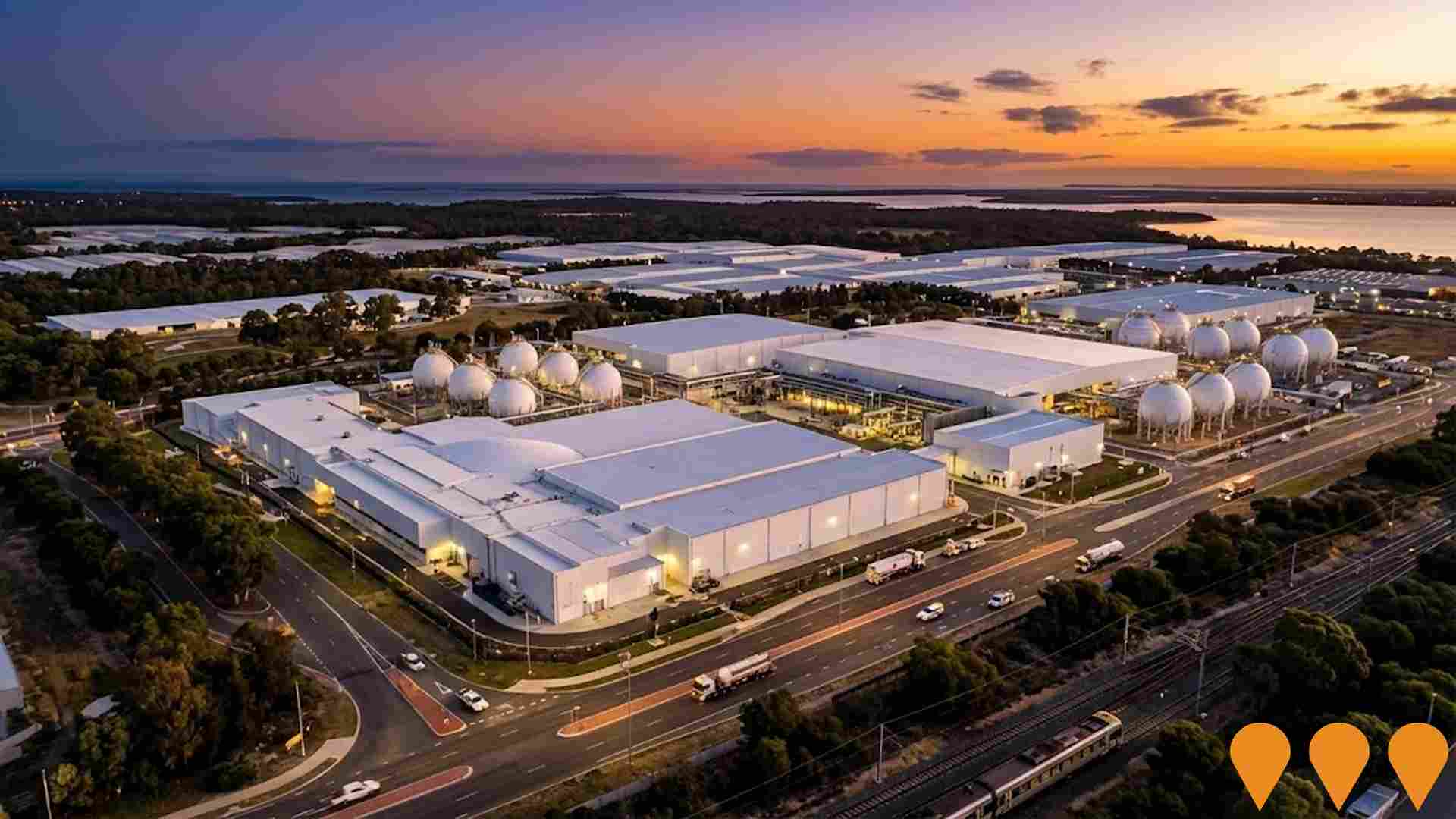
Kwinana Industrial

SA2

Greater Perth / Kwinana

Updated 20 Dec 2025 ABS 2021 507031173
Chart Color Schemes
Loading map data ...
Statistical Area (SA2) Boundary Analysis

This analysis uses ABS Statistical Areas Level 2 (SA2) boundaries, which can materially differ from Suburbs and Localities (SAL) even when sharing similar names.

SA2 boundaries are defined by the Australian Bureau of Statistics and are designed to represent communities for statistical reporting (e.g., census and ERP).

Suburbs and Localities (SAL) represent commonly-used suburb/locality names (postal-style areas) and may use different geographic boundaries. For comprehensive analysis, consider reviewing both boundary types if available.

0 People

est. as @ -- *

ABS ERP | -- people | --

2021 Census | -- people

Land Area
--
Land Area
Population Density
--
Density
Unemployment Rate
--
Unemployment
Development
--
Resi Approvals
Get My Report

Sales Activity

Table Chart PROFILE FAQ

Curious about local property values? Filter the chart to assess the volume and appreciation (including resales) trends and regional comparisons, or scroll to the map below view this information at an individual property level.


House icon
Median Price
$0
Key icon
1yr Sales Volume
0
Find a Recent Sale
Type Specified (1) | Limit 50

Sales Detail

Population

Table Chart PROFILE FAQ

An assessment of population growth drivers in Kwinana Industrial reveals an overall ranking slightly below national averages considering recent, and medium term trends

Based on AreaSearch's analysis, Kwinana Industrial's population is around 33 as of Nov 25. This reflects an increase of 9 people (37.5%) since the 2021 Census, which reported a population of 24 people. The change is inferred from the estimated resident population of 25 from the ABS as of June 2024 and an additional 3 validated new addresses since the Census date. This level of population equates to a density ratio of 2.0 persons per square kilometer, a level providing ample space per person. Kwinana Industrial's 37.5% growth since the 2021 census exceeded the national average (8.9%), along with the state, marking it as a growth leader in the region. Population growth for the area was primarily driven by balanced factors across natural increase and migration patterns.

AreaSearch is adopting ABS/Geoscience Australia projections for each SA2 area, as released in 2024 with 2022 as the base year. For any SA2 areas not covered by this data, and to estimate growth across all areas in the years post-2032, AreaSearch is utilising the growth rates by age cohort provided by the ABS in its latest Greater Capital Region projections (released in 2023, based on 2022 data). Anticipating future population dynamics, a population increase just below the median of statistical areas across the nation is expected, with the area expected to expand by 2 persons to 2041 based on the latest population numbers, recording a decrease of 18.2% in total over the 17 years.

Frequently Asked Questions - Population

What is the latest population estimate for Kwinana Industrial?
Total population for Kwinana Industrial was estimated to be approximately 33 as at Nov 25. This is based upon an estimated resident population of 25 from the ABS up to June 2024.
How has the population in Kwinana Industrial changed since 2021?
Kwinana Industrial has added approximately 9 people and shown a 37.50% increase from the 24 people recorded at the 2021 Census period.
What is the population density in Kwinana Industrial?
The population density in Kwinana Industrial is estimated at 2 persons per square kilometer based on the latest population estimate.
How much has the population grown over the past 10 years?
Over the past 10 years, the population has shown a compound annual growth rate of 2.3% per annum.
What are the main drivers of population growth in the area?
Population growth in Kwinana Industrial is driven by: Natural increase (0.0%), Overseas migration (0.0%), Interstate migration (0.0%). The primary driver is Natural increase, contributing 0.0% of overall population gains.

Development

Table Chart PROFILE FAQ

Residential development activity is lower than average in Kwinana Industrial according to AreaSearch's national comparison of local real estate markets

Kwinana Industrial has experienced around 5 dwellings receiving development approval each year, totalling 25 homes over the past 5 financial years. So far in FY-26, 3 approvals have been recorded. As the area has experienced population decline, new supply has likely been keeping up with demand, offering good choice to buyers, while new properties are constructed at an average value of $404,000, revealing that developers are targeting the premium market segment with higher-end properties. Also, $24.6 million in commercial approvals have been registered this financial year, indicating steady commercial investment activity.

When measured against Greater Perth, Kwinana Industrial records 1247.0% more construction activity (per person). offering buyers greater choice. This is well above average nationally, reflecting strong developer confidence in the area. Further, recent development has been entirely comprised of detached houses, preserving the area's low density nature with an emphasis on detached housing attracting space-seeking buyers.

Given stable or declining population forecasts, Kwinana Industrial may experience less housing pressure, creating favourable conditions for buyers.

Frequently Asked Questions - Development

How many dwelling approvals have occurred in the Kwinana Industrial area recently?
Dwelling approval activity in the Kwinana Industrial area has seen 25 residential approvals over the past two financial years, based on AreaSearch's SA2 aggregation method. Kwinana Industrial's current population of 33 has been supported by 5 approvals on average over recent years.
How does Kwinana Industrial's development activity compare to the broader region?
Kwinana Industrial has seen 20.0 approvals per 100 people in recent years, compared to 0.77 approvals in the broader region. This means that one dwelling has been approved for every 0 people in Kwinana Industrial, compared to one for every 140 in the broader region.
Is the Kwinana Industrial area keeping up with housing demand?
Population forecasts suggest stable or declining population, reducing pressure on housing supply in the Kwinana Industrial area.
What has been the trend in development approvals over the past five years?
Looking at development activity over the past five years, Kwinana Industrial's approval levels have been significantly above the yearly average of 5, indicating strong recent growth in development activity.
How does recent development compare to population growth in Kwinana Industrial?
Over the past five years, the population in Kwinana Industrial has grown by approximately 11 people, while 25 residential approvals were recorded. This equates to a ratio of 0.4 people added for each new dwelling approval. This low ratio indicates housing supply is outpacing population growth, potentially creating market oversupply.
Are there opportunities for residential developers in Kwinana Industrial?
With dwelling approval activity running at an average of 5 approvals per year and a population of 33, stable population forecasts suggest a mature market with selective development opportunities.

Infrastructure

PROFILE FAQ

Kwinana Industrial has moderate levels of nearby infrastructure activity, ranking in the 44thth percentile nationally

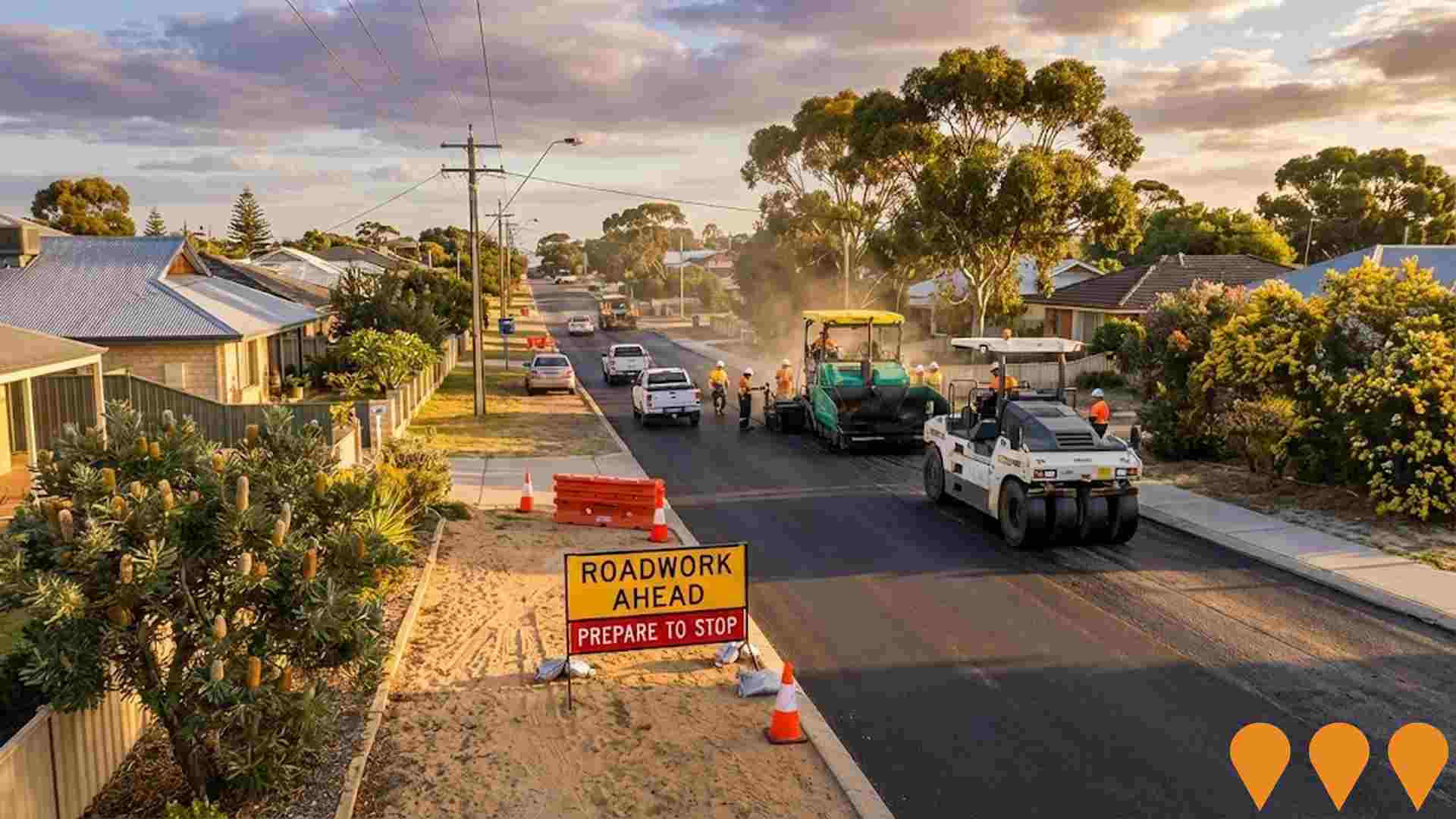
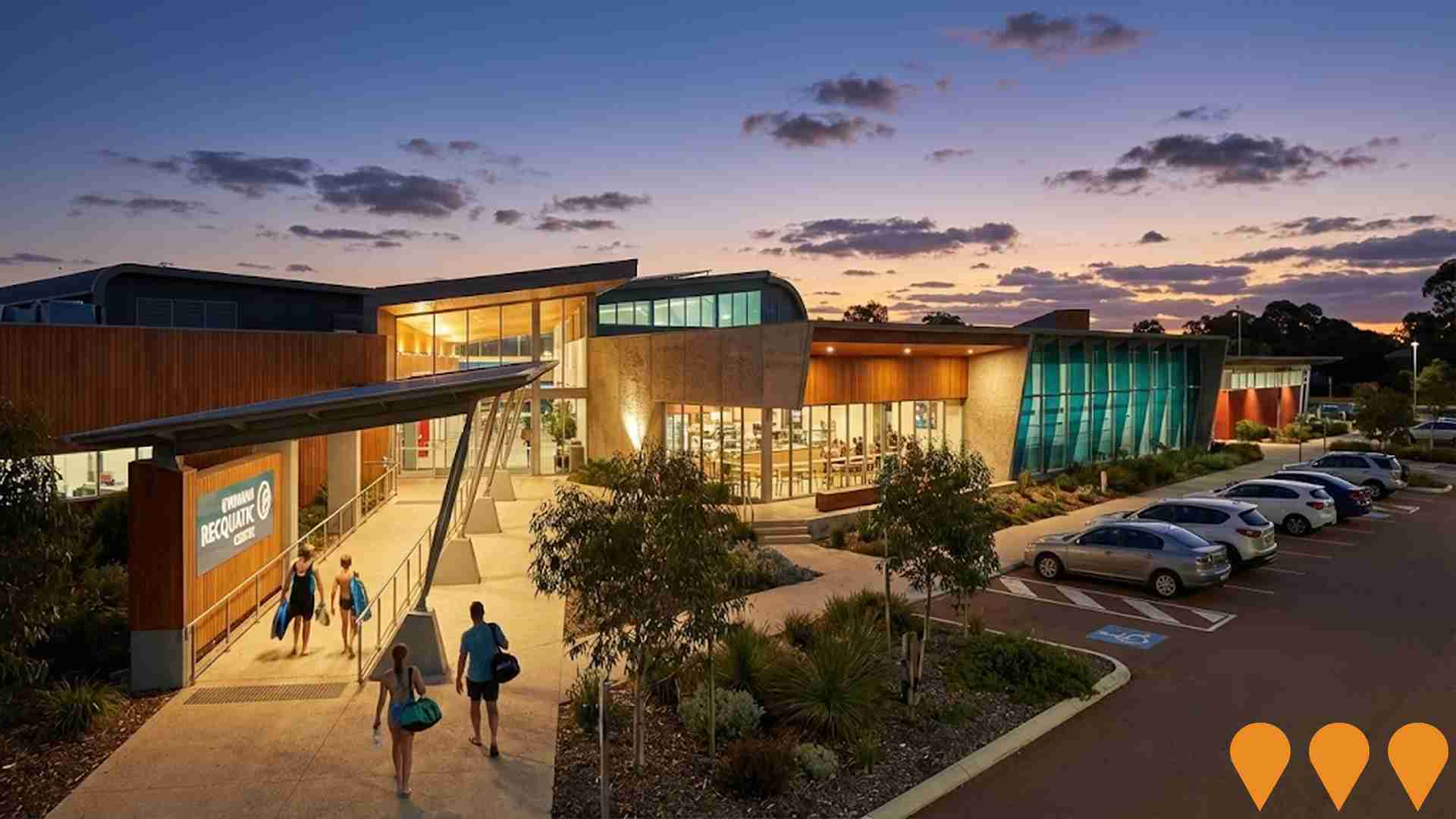
Nothing can influence an area's performance as much as changes to local infrastructure, major projects and planning initiatives. In total 11 projects have been identified by AreaSearch that are likely to have an impact on the area. Key projects include Covalent Lithium Kwinana Refinery, Kwinana Energy Transformation Hub (KETH), Golden Bay Estate Development, and Kwinana Recquatic Centre Upgrade, with the below list detailing those likely to be of most relevance.

Kwinana Industrial has moderate levels of nearby infrastructure activity, ranking in the 44thth percentile nationally

Professional plan users can use the search below to filter and access additional projects.

INFRASTRUCTURE SEARCH

All Selected

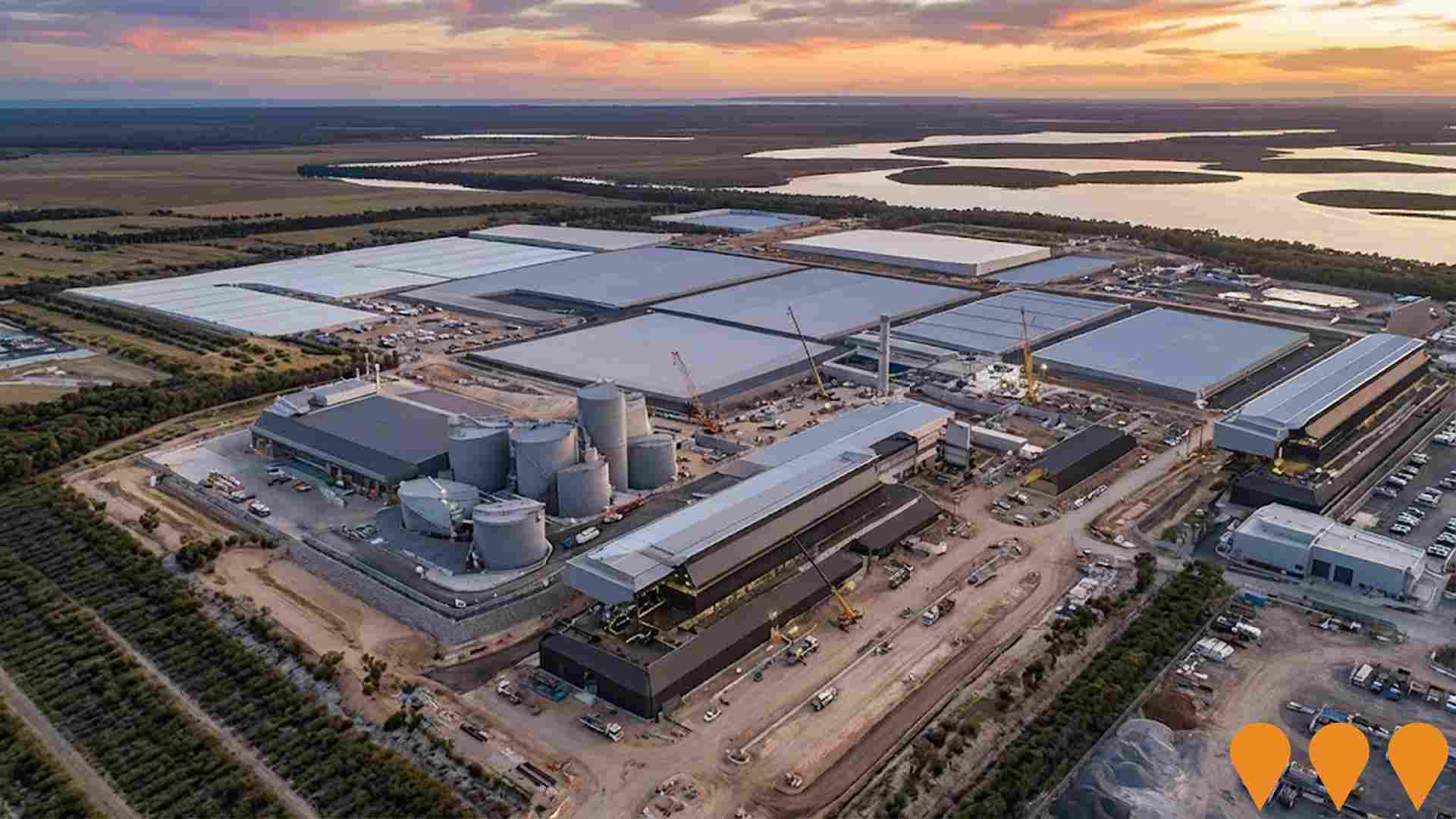
AI Generated Denotes AI-based impression for illustrative purposes only, not to be taken as definitive under any circumstances. Please follow links and conduct other investigations from the project's source for actual imagery. Developers and project owners wishing us to use original imagery please Contact Us and we will do so.

Frequently Asked Questions - Infrastructure

What are some of the major infrastructure and planning changes likely to influence Kwinana Industrial?
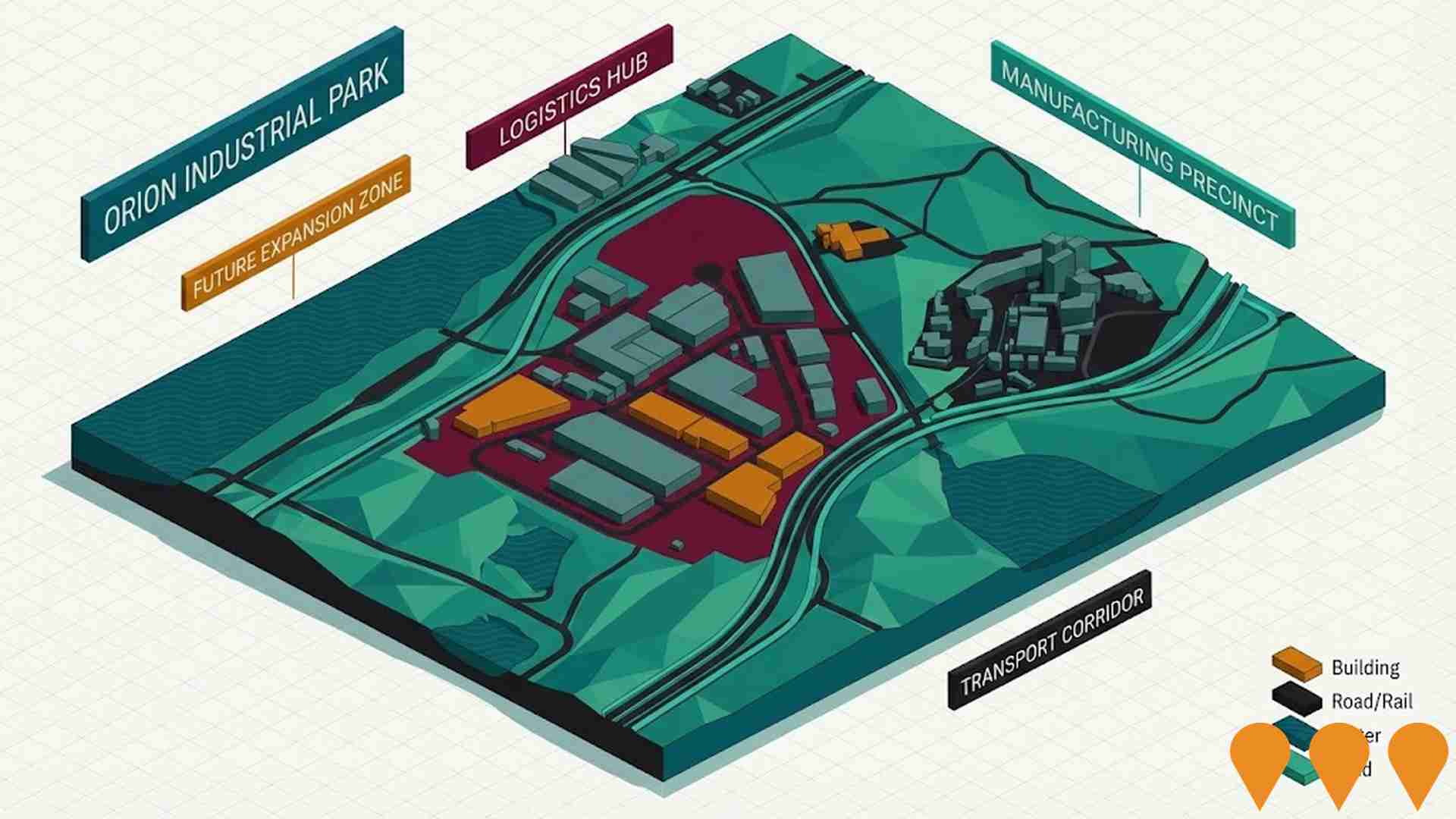
Key infrastructure and planning changes likely to influence Kwinana Industrial include: Covalent Lithium Kwinana Refinery (Completed); Kwinana Energy Transformation Hub (KETH) (Approved); Golden Bay Estate Development (Construction); Kwinana Recquatic Centre Upgrade (Approved); and Orion Industrial Park (Construction). These projects represent significant developments that will shape the area's future infrastructure landscape.
What types of infrastructure projects are impacting Kwinana Industrial?
Infrastructure development impacting Kwinana Industrial spans multiple sectors including Energy, Transport & Logistics, and Manufacturing, among others.
What is the scale of infrastructure investment impacting Kwinana Industrial?
Infrastructure investment analysis indicates substantial capital deployment exceeding $13.1 billion in projects that will impact the extended area, with a notable concentration of investment within the immediate Kwinana Industrial vicinity.
How does Kwinana Industrial's infrastructure development compare to other areas?
Kwinana Industrial shows moderate infrastructure development relative to national averages, with opportunities for future growth and investment.
Westport - Kwinana Container Port
Category: Ports Marinas Fisheries & Aquaculture
Stage: Planning | Est. Comp: 2039
Source / Links: Link 1   Link 2  

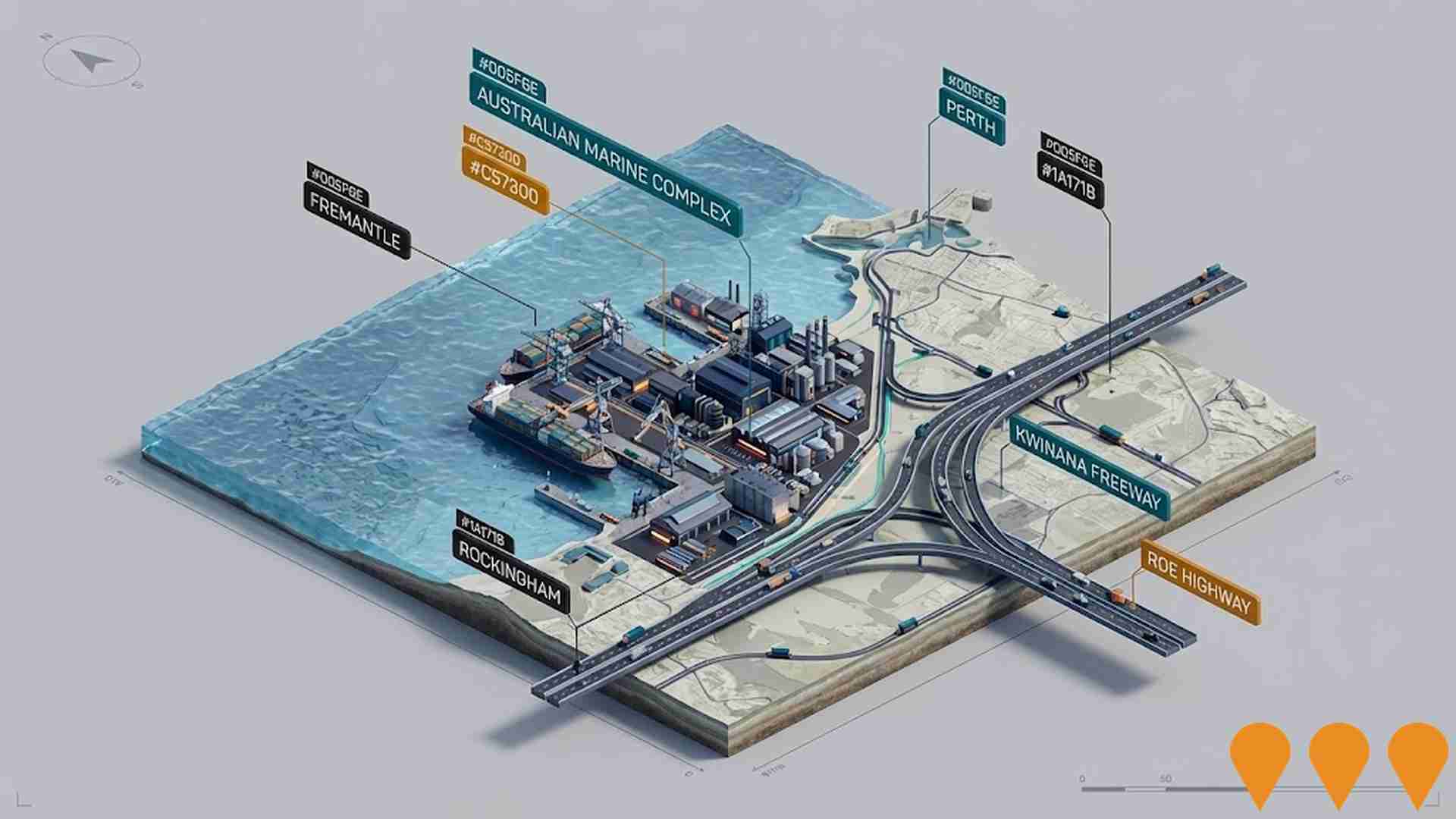
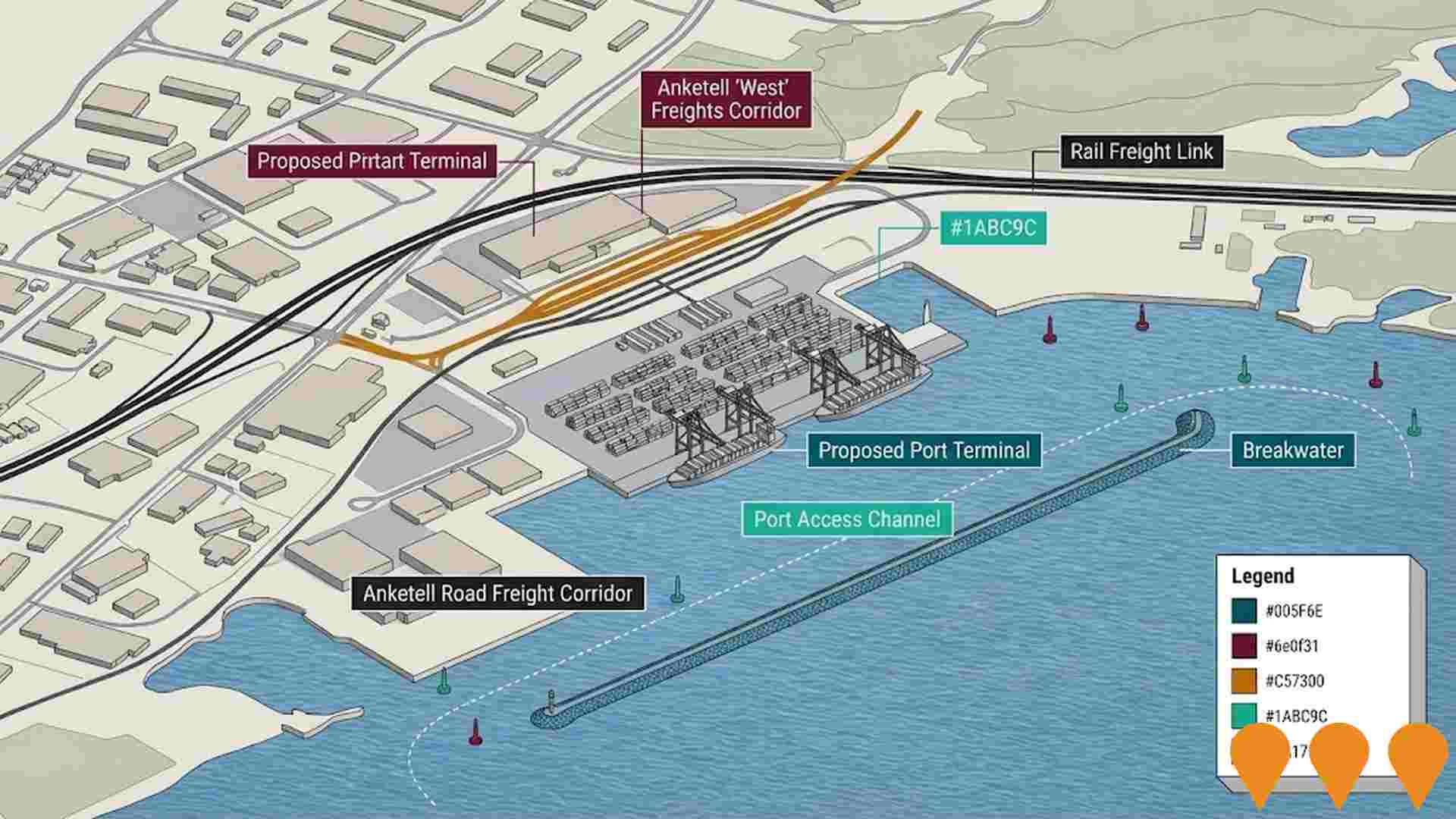
Westport is the Western Australian State Government's planning program to relocate container trade from Fremantle Port to a new container port facility in Kwinana Outer Harbour by the late 2030s. The business case was endorsed by Infrastructure WA in April 2025, with the State Government committing $273 million for detailed project definition planning including design completion, approvals, risk resolution, and land acquisition. The project includes new port facilities with a breakwater, a new 18-meter deep shipping channel to accommodate larger vessels, integrated road and rail freight corridors including the Anketell-Thomas Road Freight Corridor, rail duplication between Kwinana and Cockburn, road upgrades along Anketell Road, Kwinana Freeway (with $700 million in combined State and Federal funding committed) and Roe Highway, and new intermodal terminals at Kenwick, Forrestfield and Kewdale. The project aims to increase rail container movement from 20% to 30%, achieve net zero emissions by 2050, and will unlock approximately 260 hectares of prime urban land in Fremantle for around 55,000 residents. Marine geotechnical investigations were awarded to WSP in July 2025.
Ports Marinas Fisheries & Aquaculture

Mandurah Line
Category: Transport & Logistics
Stage: Completed | Est. Comp: 2007
Source / Links: Link 1   Link 2  

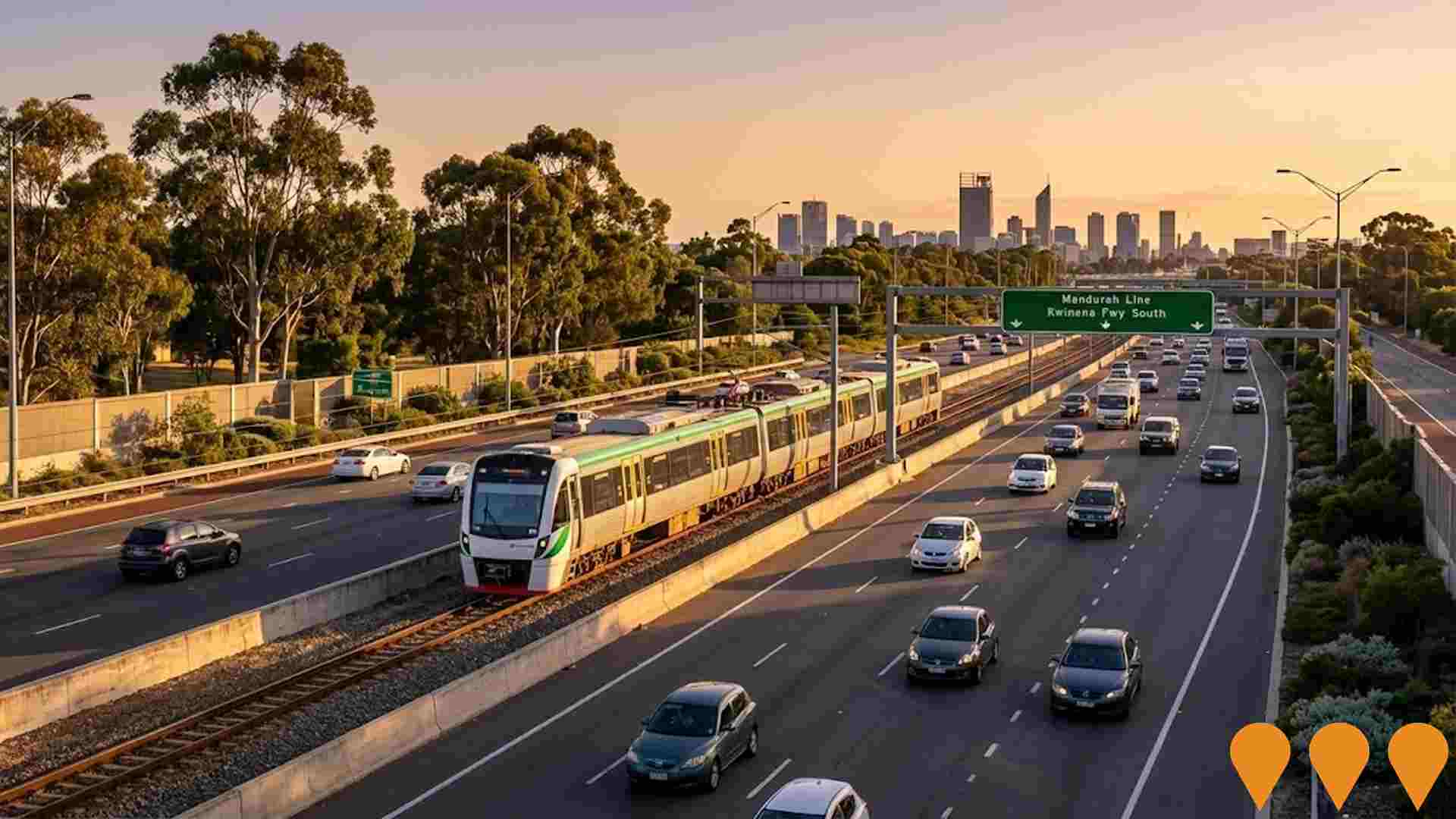
70.8km suburban railway line connecting Perth CBD to Mandurah with 13 stations including Rockingham and Warnbro stations. Operates through Kwinana Freeway median with dedicated underground tunnels through Perth CBD. Serves as vital transport link for region. Recent extensions include integration with Thornlie-Cockburn Link in June 2025.
Transport & Logistics

Golden Bay Estate Development
Category: Precincts & Urban Renewal
Stage: Construction | Est. Comp: 2028
Source / Links: Link 1   Link 2  

Award-winning master-planned coastal community featuring approximately 2,200 residential lots across multiple stages with direct access to 1.5km of pristine beach. The development includes award-winning community facilities such as Shipwreck Cove, Treehouse Cove, and Golden Bay's Ladder, extensive parks, Golden Bay Primary School, childcare centers, and lots ranging from 225sqm to over 1900sqm. Winner of the 2025 WA Property Council Award for Best Masterplanned Community and the 2022 UDIA Russell Perry Award for Urban Development Excellence. Developed in partnership between Peet Limited and DevelopmentWA, with Stage 5 currently under construction providing 88 additional homes.
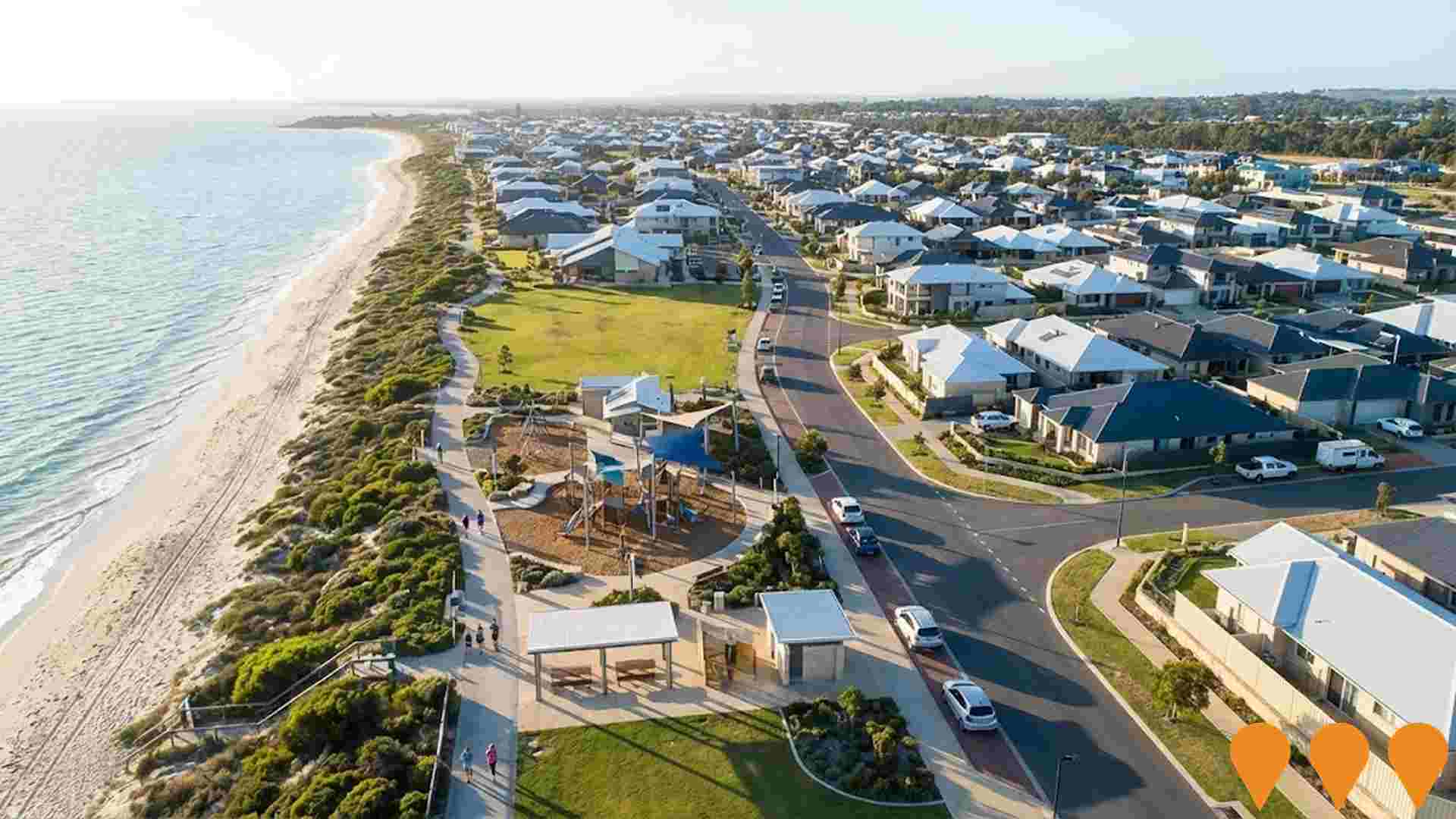
Precincts & Urban Renewal

Anketell Road Upgrade (Leath Road to Kwinana Freeway)
Category: Transport & Logistics
Stage: Under Assessment | Est. Comp: 2030
Source / Links: Link 1   Link 2  

A 7.5km upgrade of Anketell Road to expressway standard with a free-flowing, dual carriageway between Leath Road and Kwinana Freeway. The proposal includes grade separated interchanges at six locations (Treeby Road, Kwinana Freeway, Mandogalup Road, Abercrombie Road, Armstrong Road and Rockingham Road) and grade separation of road over rail at two locations. The upgrade is critical to support future freight movement to industrial precincts and the proposed Westport container port. The project is currently undergoing State and Commonwealth environmental assessments.

Transport & Logistics

Kwinana Freeway Upgrade (Roe Highway to Safety Bay Road)
Category: Transport & Logistics
Stage: Planning | Est. Comp: 2029
Source / Links: Link 1   Link 2  

A $700 million freeway widening project to upgrade the Kwinana Freeway between Roe Highway and Safety Bay Road. The works include an additional lane in each direction between Russell Road and Mortimer Road, a new southbound lane between Roe Highway and Berrigan Drive, and a new northbound lane from Russell Road to Beeliar Drive. New coordinated ramp signals will be installed on northbound on-ramps between Safety Bay Road and Roe Highway to improve traffic flow, reduce congestion, and enhance freight efficiency for the approximately 100,000 daily vehicles. The project is currently in the planning stage, with Expressions of Interest for design and construction partners open in late 2025. Construction is anticipated to commence in early 2027 and be completed in 2029, subject to regulatory approvals. The project has been determined to be a 'controlled action' under the Environment Protection and Biodiversity Conservation Act 1999 and requires further assessment.
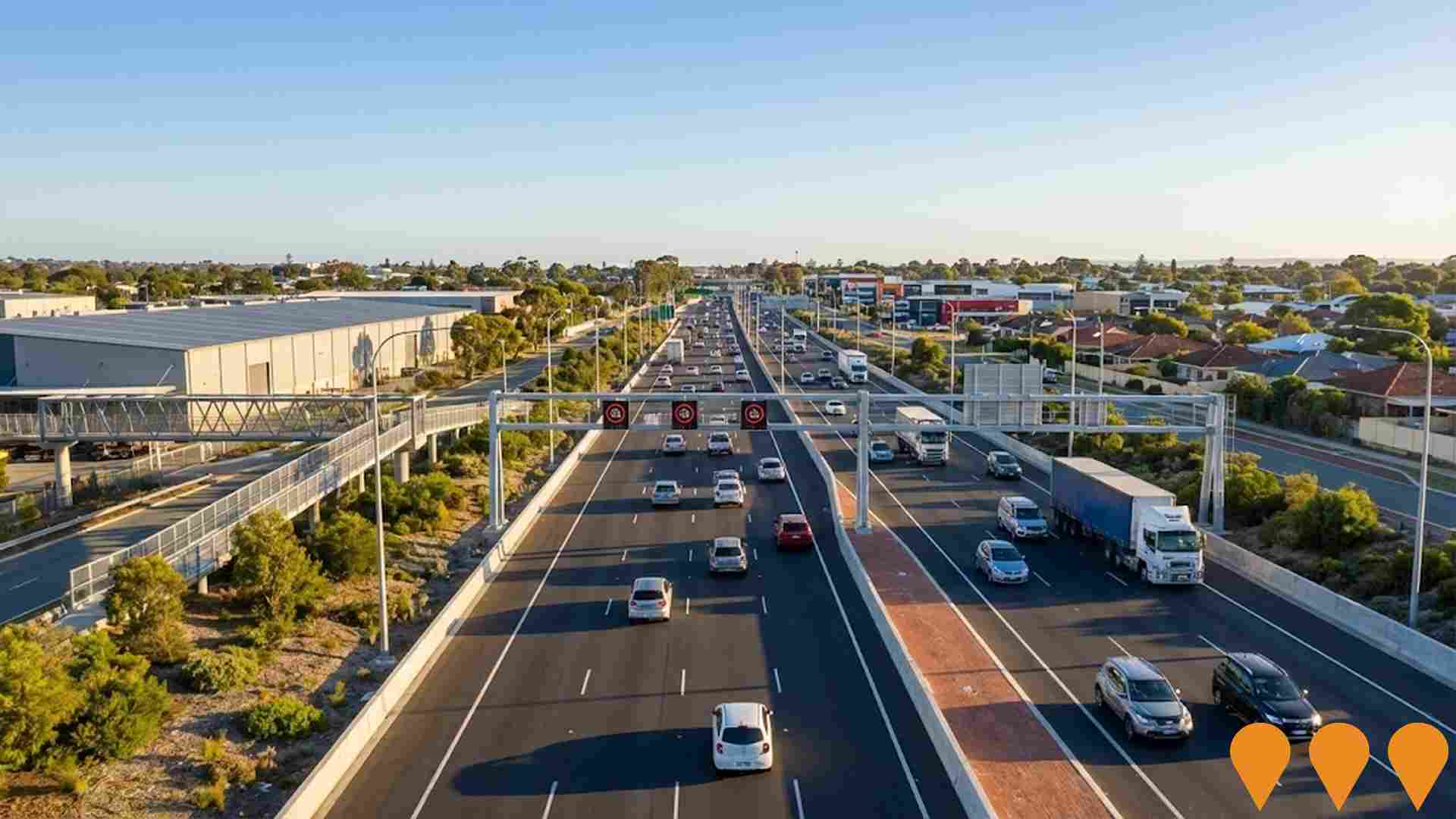
Transport & Logistics

Covalent Lithium Kwinana Refinery
Category: Manufacturing
Stage: Completed | Est. Comp: 2025
Source / Links: Link 1   Link 2  

A lithium hydroxide refinery in the Kwinana Strategic Industrial Area delivering battery grade product at nameplate capacity of up to 50,000 tonnes per annum. Construction is complete and first product was achieved in July 2025, with production ramp-up in progress as part of a fully integrated mine-to-refinery operation with Mt Holland.
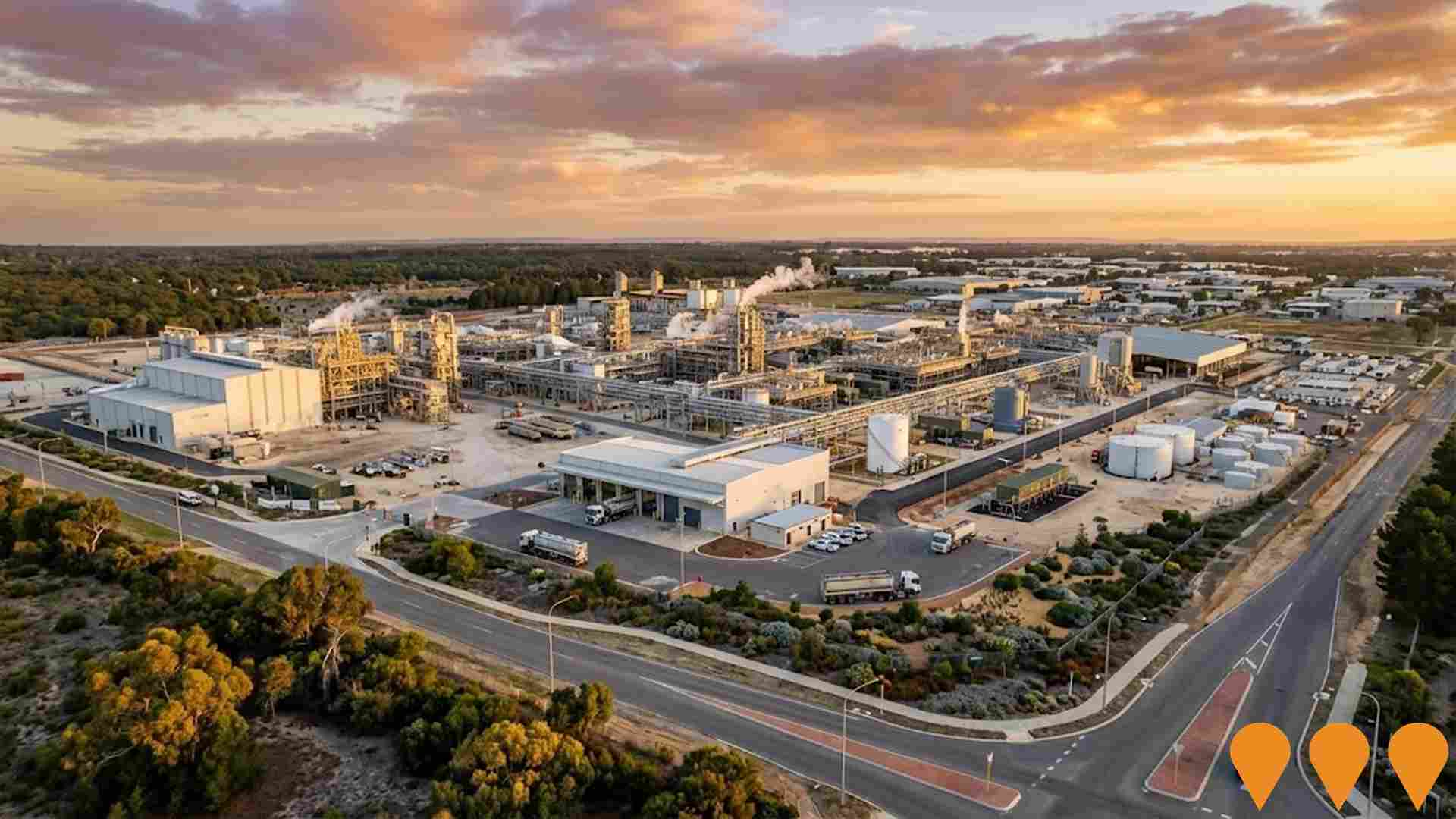
Manufacturing

Kwinana Energy Transformation Hub (KETH)
Category: Energy
Stage: Approved | Est. Comp: 2026
Source / Links: Link 1   Link 2  

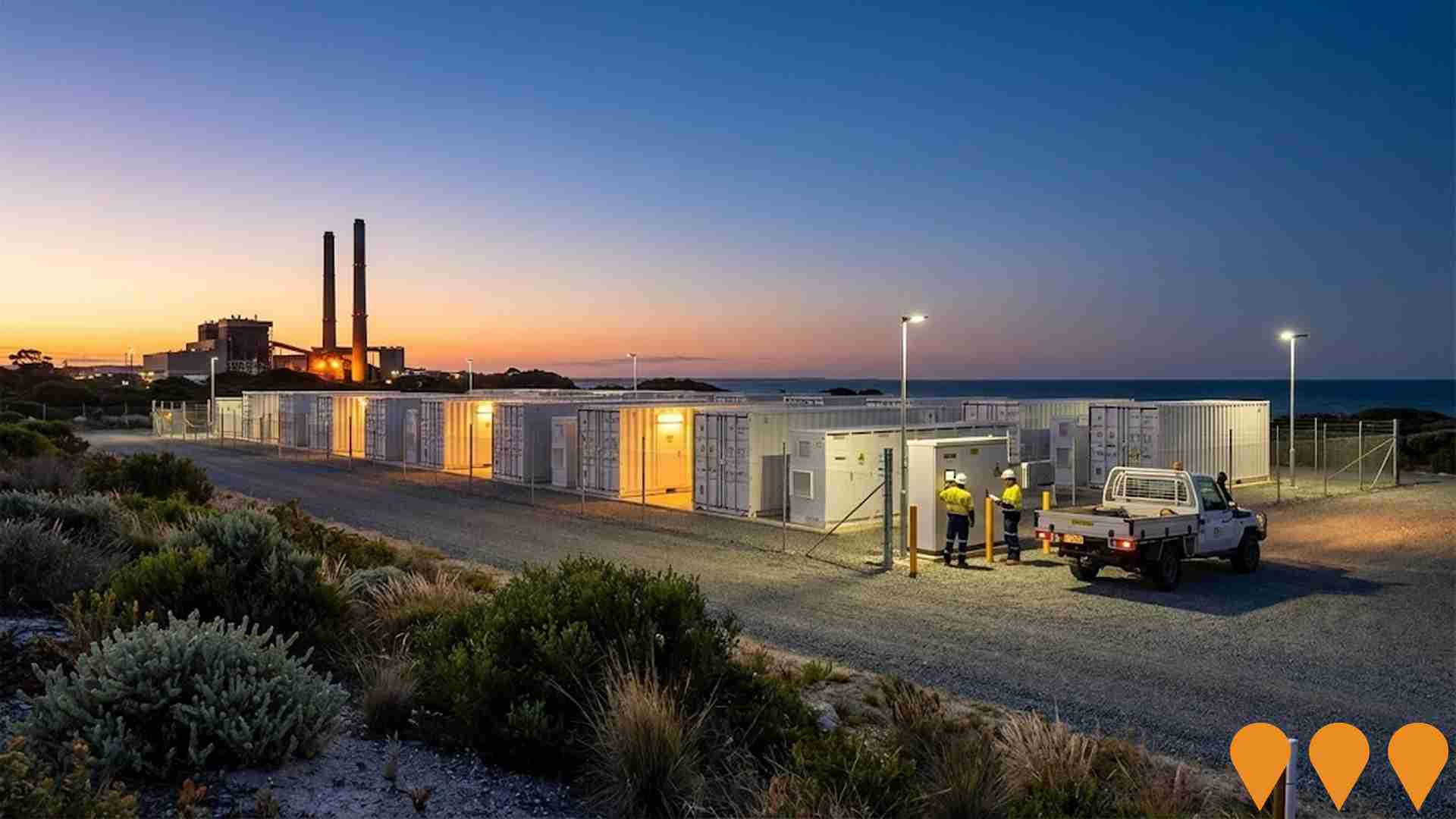
Flagship open-access LNG and hydrogen research, testing and training facility being developed in the Kwinana industrial zone. Led by Future Energy Exports CRC through its subsidiary Luth Eolas, KETH will host pilot-scale assets including a 10 t/day LNG unit, 100 kg/day hydrogen electrolyser and liquefier, storage and emissions rigs to de-risk decarbonisation technologies for export energy industries. Development Application approved with construction targeted to commence in 2025 and initial operations in 2026.
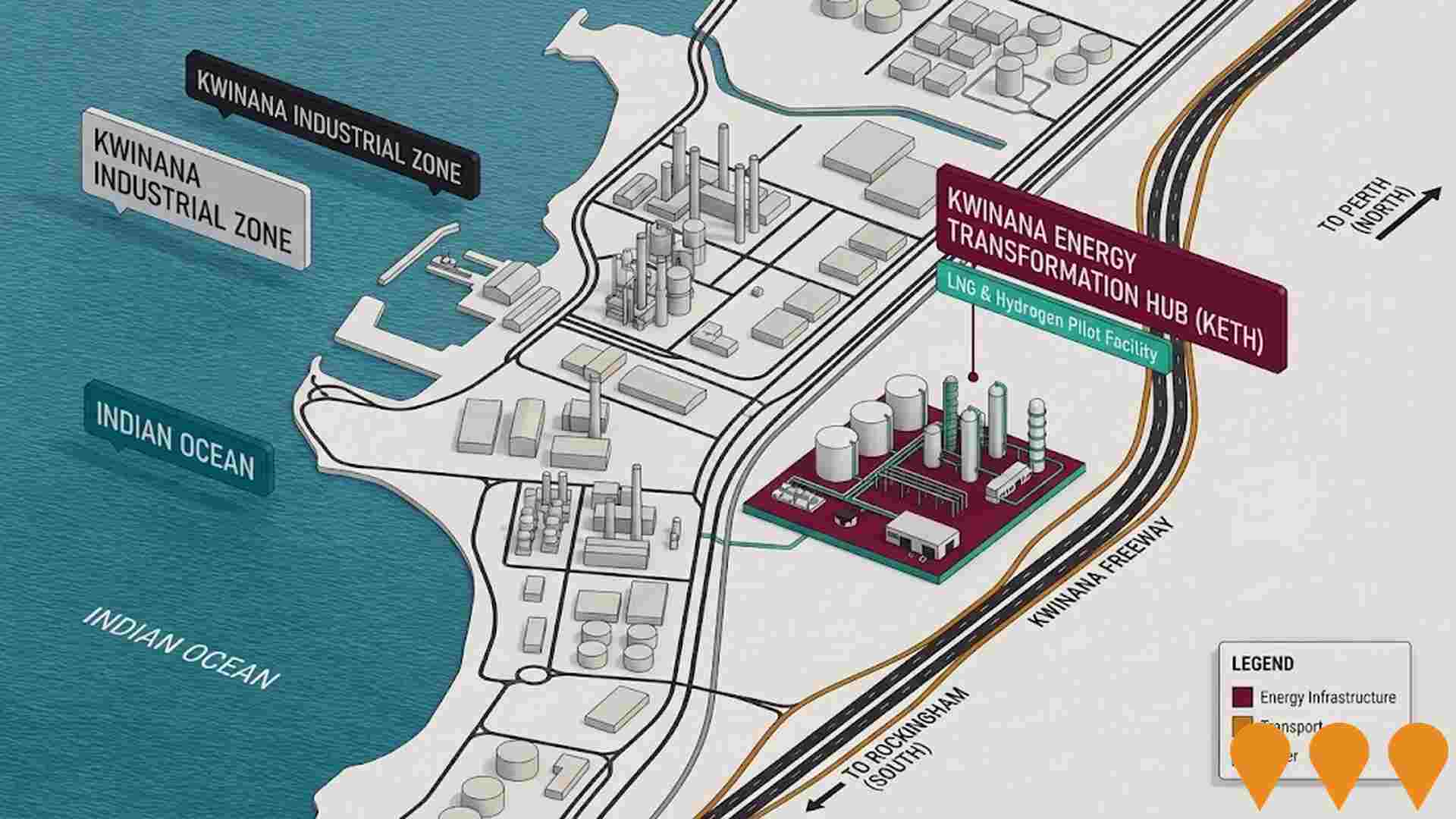
Energy

Golden Bay Primary School
Category: Education & Training
Stage: Completed | Est. Comp: 2015
Source / Links: Link 1   Link 2  

Golden Bay Primary School is an independent public school catering for children from Kindergarten to Year 6, serving the growing Golden Bay community with modern classrooms, specialist learning areas, and outdoor play spaces.

Education & Training

Employment

Table Chart PROFILE FAQ

Employment conditions in Kwinana Industrial face significant challenges, ranking among the bottom 10% of areas assessed nationally

Kwinana Industrial possesses a balanced workforce spanning white and blue collar employment, with diverse sector representation, an unemployment rate of just 0.0%, and relative employment stability over the past year. As of June 2025, 0 residents are in work, and workforce participation is somewhat below standard (62.5% compared to Greater Perth's 65.2%).

Leading employment industries among residents comprise transport, postal & warehousing, agriculture, forestry & fishing, and mining. The area has particular employment specialization in transport, postal & warehousing, with an employment share of 21.3 times the regional level. Conversely, health care & social assistance shows lower representation at 0.0% versus the regional average of 14.8%. With 373.2 workers for every resident, as at the Census, the area functions as an employment hub, hosting more jobs than residents and attracting workers from surrounding areas.

Employment trend data is currently being compiled for Kwinana Industrial. Jobs and Skills Australia's national employment forecasts from May 2025 can offer further insight into potential future demand within Kwinana Industrial. These projections, covering five and ten-year periods, have been mapped against the local employment profile to estimate growth patterns. While national employment is forecast to expand by 6.6% over five years and 13.7% over ten years, growth rates differ significantly between industry sectors. Applying these industry-specific projections to Kwinana Industrial's employment mix suggests local growth of approximately increase by 5.0%% over five years and 10.3% over ten years (please note this is a simple weighting extrapolation for illustrative purposes and does not take into account localised population projections).

Frequently Asked Questions - Employment

What is the employment situation in Kwinana Industrial?
As of June 2025, Kwinana Industrial has . The area faces employment challenges compared to other regions nationally.
How does Kwinana Industrial's unemployment rate compare to the broader region?
Unemployment rate data is currently being compiled for this area.
What are the major employment sectors in Kwinana Industrial?
The employment landscape in Kwinana Industrial is dominated by several key sectors. The largest employers are transport, postal & warehousing (100.0% of employment), agriculture, forestry & fishing (0.0%), and mining (0.0%). These three sectors alone account for 100.0% of local employment, indicating significant concentration. Other significant employers include manufacturing and electricity, gas, water & waste.
How has employment changed recently in Kwinana Industrial?
Over the past year to June 2025, Kwinana Industrial has experienced stable employment levels while the labour force None. As a result, the unemployment rate has None. By comparison, Greater Perth saw employment increased and its unemployment rate rose.
What is the workforce participation rate in Kwinana Industrial?
The workforce participation rate in Kwinana Industrial is 62.5%, which represents the proportion of working-age residents who are either employed or actively seeking work. This healthy participation rate reflects good employment opportunities and workforce engagement. The local rate trailing the Greater Perth average of 65.2%, showing similar workforce dynamics to the broader region.
Which industries are over-represented in Kwinana Industrial's employment market?
Kwinana Industrial shows notable specialization in transport, postal & warehousing, which employs 100.0% of the local workforce compared to 4.7% regionally. With a local vs regional employment ratio of 21.3, this represents a significant industry cluster that likely serves markets beyond the local area.
What are the employment growth prospects for Kwinana Industrial?
Based on Jobs and Skills Australia projections applied to Kwinana Industrial's industry mix, employment is expected to grow by 5.0% over the next five years and 10.3% over ten years. This compares to national growth expectations of 6.6% over five years.
How does the job market in Kwinana Industrial compare nationally?
Kwinana Industrial's employment market shows weaker performance compared to most areas nationally. This suggests the need for targeted economic development initiatives. Recent job advertisement trends show the broader employment region saw a 13.4% decline, ranking 20.0th out of 37 regions nationally.
What employment opportunities exist for skilled workers in Kwinana Industrial?
Skilled workers will find selective opportunities in Kwinana Industrial, with knowledge-based sectors representing 0.0% of local jobs. Key sectors for skilled workers include information, media & telecommunications (0.0%), finance & insurance (0.0%), and professional & technical (0.0%).

Income

Table Chart PROFILE FAQ

Income figures position the area below 75% of locations analysed nationally by AreaSearch

As per AreaSearch's latest postcode level ATO data released for FY-22, Kwinana Industrial's median income among taxpayers is $39,680, with an average of $46,289. This is below the national average, and compares to Greater Perth's median of $58,380 and average of $78,020. Based on Wage Price Index growth of 14.2% since FY-22, current estimates would be approximately $45,315 (median) and $52,862 (average) as of September 2025. According to 2021 Census figures, household, family and personal incomes in Kwinana Industrial all fall between the 2nd and 9th percentiles nationally. The earnings profile shows the predominant cohort spans 62.5% of locals (20 people) in the $400 - 799 category, diverging from the metropolitan region where the $1,500 - 2,999 category predominates at 32.0%. A diverse economic landscape emerges with both lower-income residents (62.5%) and affluent households (37.5%) well-represented. Housing affordability pressures are severe, with only 73.1% of income remaining, ranking at the 5th percentile.

Frequently Asked Questions - Income

What is the median taxable income in Kwinana Industrial?
Based on Wage Price Index adjustments to September 2025, the estimated median taxable income in Kwinana Industrial is approximately $45,315. The official ATO data from FY-22 recorded a median of $39,680.
What is the average taxable income in Kwinana Industrial?
Based on Wage Price Index adjustments to September 2025, the estimated average taxable income in Kwinana Industrial is approximately $52,862. The official ATO data from FY-22 recorded an average of $46,289.
How does the median taxable income in Kwinana Industrial compare to the region?
Based on Wage Price Index adjustments to September 2025, the estimated median taxable income in Kwinana Industrial is approximately $45,315 compared to $66,670 in Greater Perth. The official ATO data from FY-22 shows $39,680 and $58,380 respectively.
How does the average taxable income in Kwinana Industrial compare to the region?
Based on Wage Price Index adjustments to September 2025, the estimated average taxable income in Kwinana Industrial is approximately $52,862 compared to $89,099 in Greater Perth. The official ATO data from FY-22 shows $46,289 and $78,020 respectively.
What are the main income cohorts in Kwinana Industrial according to the 2021 Census?
As per the 2021 Census, the income bracket containing the largest proportion (~62.5% / 20 persons) of Kwinana Industrial's population is the $400 - 799 cohort.
How do the main income cohorts in Kwinana Industrial compare to the region?
The largest income cohort in Kwinana Industrial is the $400 - 799 group, representing about 62.5% of the population. In comparison, Greater Perth's largest income cohort is the $1,500 - 2,999 group, representing 32.0% of its population, according to the 2021 Census.
What is the median household income in Kwinana Industrial according to the 2021 Census?
The 2021 Census data indicates that the median household income in Kwinana Industrial is $1,124/wk.
What is the median family income in Kwinana Industrial according to the 2021 Census?
According to the 2021 Census, the median family income in Kwinana Industrial is $900/wk.
What is the median personal income in Kwinana Industrial according to the 2021 Census?
The 2021 Census shows that the median personal income in Kwinana Industrial is $450/wk.
How does Kwinana Industrial's income rank nationally?
Kwinana Industrial shows a median taxpayer income of $39,680 and an average of $46,289 according to the latest postcode level ATO data aggregated by AreaSearch for FY-22. This is below the national average, contrasting with Greater Perth's median income of $58,380 and average income of $78,020. Based on Wage Price Index growth of 14.2% since FY-22, current estimates would be approximately $45,315 (median) and $52,862 (average) as of September 2025.
What is the disposable income in Kwinana Industrial?
The estimated disposable income in Kwinana Industrial is $3,561 per year according to AreaSearch analysis.
How does Kwinana Industrial's disposable income compare to the region?
Kwinana Industrial's disposable income is $3,561 compared to $6,842 for Greater Perth, based on AreaSearch analysis.

Housing

Table Chart PROFILE FAQ

Kwinana Industrial is characterized by a predominantly suburban housing profile, with a higher proportion of rental properties than the broader region

Dwelling structure within Kwinana Industrial, as evaluated at the latest Census, comprised 100.0% houses and 0.0% other dwellings (semi-detached, apartments, 'other' dwellings), in comparison to Perth metro's 93.0% houses and 7.0% other dwellings. Meanwhile, the level of home ownership within Kwinana Industrial was lagging that of Perth metro, at 0.0%, with the remainder of dwellings either mortgaged (27.3%) or rented (72.7%). The median monthly mortgage repayment in the area was well below the Perth metro average at $1,334, while the median weekly rent figure was recorded at $300, compared to Perth metro's $1,724 and $315. Nationally, Kwinana Industrial's mortgage repayments are significantly lower than the Australian average of $1,863, while rents are substantially below the national figure of $375.

Frequently Asked Questions - Housing

What percentage of homes are owned vs rented in Kwinana Industrial?
In Kwinana Industrial, 0.0% of homes are owned outright, 27.3% are owned with a mortgage, and 72.7% are rented.
What percentage of dwellings in Kwinana Industrial are houses?
According to the latest data, 100.0% of dwellings in Kwinana Industrial are houses.
What percentage of dwellings in Kwinana Industrial are apartments or units?
In Kwinana Industrial, 0.0% of dwellings are apartments or units, with an additional 0.0% being semi-detached dwellings.
What is the level of outright home ownership in Kwinana Industrial?
Outright home ownership in Kwinana Industrial stands at 0.0%, compared to 16.8% in Greater Perth.
What is the median monthly mortgage repayment in Kwinana Industrial?
The median monthly mortgage repayment in Kwinana Industrial is $1,334, compared to $1,724 in Greater Perth.
What is the median weekly rent in Kwinana Industrial?
The median weekly rent in Kwinana Industrial is $300, compared to $315 in Greater Perth.
What is the distribution of rental prices in Kwinana Industrial?
In Kwinana Industrial, 0.0% of rentals are $0-149/week, 100.0% are $150-349/week, 0.0% are $350-649/week, 0.0% are $650-949/week, and 0.0% are $950+/week.
What is the average monthly housing cost in Kwinana Industrial?
The aggregate monthly housing cost in Kwinana Industrial is $1,309, which represents the average monthly cost across all housing types.
What percentage of income do residents spend on housing?
In Kwinana Industrial, households with mortgages typically spend 27.4% of their income on mortgage repayments, while renters spend 26.7% of their income on rent.
How crowded are homes in Kwinana Industrial?
The average persons per bedroom ratio in Kwinana Industrial is 0.8, indicating the level of household density.
How does housing affordability in Kwinana Industrial compare to the region?
Housing affordability in Kwinana Industrial shows mortgage holders spending 27.4% of income on repayments (vs 23.2% regionally), while renters spend 26.7% of income on rent (vs 18.4% regionally).
What types of dwellings are most common in Kwinana Industrial?
The dwelling mix in Kwinana Industrial consists of 100.0% detached houses, 0.0% semi-detached dwellings, 0.0% apartments, and 0.0% other dwelling types.
What is the weighted average housing cost based on tenure mix in Kwinana Industrial?
Accounting for the local ownership mix, the weighted average monthly housing cost is approximately $1,309. This accounts for outright owners paying no housing costs, mortgage holders paying $1,334/month, and renters paying $1,299/month.
How affordable is housing in Kwinana Industrial relative to local incomes?
Housing in Kwinana Industrial consumes approximately 26.9% of median household income ($4,867 monthly), indicating costs are highly affordable. The generally accepted benchmark is that housing should not exceed 30% of household income.
How do proposed developments compare to existing housing types in Kwinana Industrial?
Recent development applications in Kwinana Industrial show attached dwellings contributing 0% of approvals compared to 0% of existing stock, while detached houses represent 100% of applications versus 100% of current dwellings. This suggests development patterns consistent with existing housing mix. The area shows minimal growth in housing density compared to other Australian locations.

Household Composition

Table Chart PROFILE FAQ

Kwinana Industrial features high concentrations of lone person households, with a lower-than-average median household size

Family households dominate at 28.6% of all households, comprising 0.0% couples with children, 21.4% couples without children, and 0.0% single parent families. Non-family households make up the remaining 71.4%, with lone person households at 35.7% and group households comprising 0.0% of the total. The median household size of 1.7 people is smaller than the Greater Perth average of 2.7.

Frequently Asked Questions - Households

How many households are in Kwinana Industrial?
As of the 2021 Census, Kwinana Industrial had 14 households. Based on population growth patterns, this has grown by approximately 35.7% to an estimated 19 households today.
What is the typical household size?
The median household size in Kwinana Industrial is 1.7 people. This compares to 2.7 in Greater Perth and reflects the area's household composition mix.
What types of households are most common?
Family households dominate at 28.6% of all households. The remaining households consist of lone person households (35.7%), group households (0.0%), and other household types (42.9%).
How are families structured in the area?
Among the 4 family households, 0.0% are couples with children, 21.4% are couples without children at home, and 0.0% are single parent families. This mix shapes local demand for schools, family services, and housing types.
How does Kwinana Industrial compare to regional household patterns?
Compared to Greater Perth, Kwinana Industrial shows distinct household patterns. Lone person households are notably over-represented at 35.7% (versus 22.9% regionally). Conversely, family households are under-represented at 28.6% compared to the regional 73.7%. This higher proportion of single-person households drives demand for smaller dwellings and different community services.
What is the average family size?
Families in Kwinana Industrial have an average of 1.8 children, slightly above the Greater Perth average of 1.6. This influences local demand for child-related services and larger family homes.
What are the marriage patterns in Kwinana Industrial?
Marriage patterns reveal 44.0% of the adult population are currently married, while 28.0% have never married. This compares to 43.4% married and 40.7% never married across Greater Perth.
How significant are single-person households?
Single-person households represent 35.7% of all households in Kwinana Industrial, higher than the regional average of 22.9%. This affects demand for smaller dwellings and single-person accommodation.
Are shared living arrangements common?
Group households (unrelated people sharing) account for 0.0% of households, well below the Greater Perth average of 3.4%. This low rate suggests limited student or young professional shared accommodation.
Loading household composition data...

Local Schools & Education

Table Chart PROFILE FAQ

Kwinana Industrial faces educational challenges, with performance metrics placing it in the bottom quartile of areas assessed nationally

The area faces educational challenges, with university qualification rates (0.0%) substantially below the Australian average of 30.4%. This represents both a challenge and an opportunity for targeted educational initiatives. Bachelor degrees lead at 0.0%, followed by postgraduate qualifications (0.0%) and graduate diplomas (0.0%). Trade and technical skills feature prominently, with 76.4% of residents aged 15+ holding vocational credentials – advanced diplomas (27.6%) and certificates (48.8%).

Formal education enrollment stands at 0.0% of residents. This includes 0.0% in primary education, 0.0% in secondary education, and 0.0% pursuing tertiary education. Educational facilities appear to be located outside the immediate catchment boundaries, requiring families to access schools in neighboring areas.

Frequently Asked Questions - Education

What percentage of people in Kwinana Industrial have university qualifications?
0.0% of people aged 15 and over in Kwinana Industrial have university qualifications, compared to 19.8% in the broader region.
What percentage of people in Kwinana Industrial have no formal qualifications?
23.5% of people aged 15 and over in Kwinana Industrial have no formal qualifications, compared to 41.3% regionally.
How does Kwinana Industrial's education level compare to national averages?
Kwinana Industrial ranks in the 16th percentile nationally for education based on AreaSearch's analysis of qualification and performance metrics.
What types of qualifications are most common in Kwinana Industrial?
The most common qualifications in Kwinana Industrial are: Certificate (48.8%), Advanced Diploma (27.6%), Bachelor Degree (0.0%).
What proportion of Kwinana Industrial's population is currently attending educational institutions?
0.0% of the population in Kwinana Industrial is currently engaged in formal education, with 0.0% in primary school, 0.0% in secondary school, 0.0% at university.
What is the ICSEA score for schools in Kwinana Industrial?
The average ICSEA (Index of Community Socio-Educational Advantage) score for schools in Kwinana Industrial is 0, indicating below-average socio-educational advantage compared to the national average of 1000.

Schools Detail

Nearby Services & Amenities

PROFILE FAQ

Transport

Table Chart PROFILE FAQ

Transport servicing is good compared to other areas nationally based on assessment of service frequency, route connectivity and accessibility

Public transport analysis reveals 23 active transport stops operating within Kwinana Industrial comprising a mix of buses. These stops are serviced by 2 individual routes, collectively providing 398 weekly passenger trips.

Service frequency averages 56 trips per day across all routes, equating to approximately 17 weekly trips per individual stop.

Frequently Asked Questions - Transport

How many public transport stops are in Kwinana Industrial?
There are 23 public transport stops within Kwinana Industrial.
How frequent are the transport services in Kwinana Industrial?
Kwinana Industrial has 398 weekly trips across 2 routes, averaging 56 trips per day.

Transport Stops Detail

Health

Table Chart PROFILE FAQ

Health performance in Kwinana Industrial is a key challenge with a range of health conditions having marked impacts on both younger and older age cohorts

Critical health challenges are evident across Kwinana Industrial with a range of health conditions having marked impacts on both younger and older age cohorts , and the rate of private health cover found to be extremely low at approximately 46% of the total population (~15 people). This compares to 52.7% across Greater Perth. The national average is 55.3%.

The most common medical conditions in the area were found to be mental health issues and arthritis, impacting 28.1 and 18.8% of residents, respectively, while 47.8% declared themselves as completely clear of medical ailments compared to 71.4% across Greater Perth. The area has 28.6% of residents aged 65 and over (9 people), which is higher than the 10.4% in Greater Perth. Health outcomes among seniors present some challenges, broadly in line with the general population's health profile.

Overall 0.0% of the total population registered as requiring assistance with day to day activities, which is well below average. In Greater Perth, 4.7% require assistance. Nationally, 5.8% require assistance.

Frequently Asked Questions - Health

How many people in Kwinana Industrial have private health insurance?
Around 46.4% of people in Kwinana Industrial are covered by private health insurance, which compares to 52.7% in the broader region of Greater Perth.
What percentage of the population requires ongoing medical assistance in Kwinana Industrial?
In Kwinana Industrial, 0.0% of the population is identified as requiring ongoing medical assistance. This figure is slightly different from the regional average, where 4.7% of people in Greater Perth require similar assistance.
How prevalent is asthma in Kwinana Industrial?
9.4% of people in Kwinana Industrial are diagnosed with asthma. In comparison, 7.7% of the population across Greater Perth is affected by asthma.
What percentage of people have diabetes in Kwinana Industrial?
Diabetes affects 0.0% of the Kwinana Industrial population, while in the surrounding region, 4.6% of people are diagnosed with diabetes.
What is the percentage of people with heart disease in Kwinana Industrial?
0.0% of people in Kwinana Industrial have heart disease. Across the region of Greater Perth, 2.7% of the population is affected by heart disease.
How does Kwinana Industrial compare to the region in terms of overall private health coverage?
In Kwinana Industrial, 46.4% of the population are estimated to have private health insurance. Comparatively, Greater Perth sees an estimated private health coverage rate of 52.7%.

Cultural Diversity

Table Chart PROFILE FAQ

Kwinana Industrial was found to be more culturally diverse than the vast majority of local markets in Australia, upon assessment of a range of language and cultural background related metrics

Kwinana Industrial was found to be more culturally diverse than the vast majority of local markets, with 15.0% of its population speaking a language other than English at home and 42.1% born overseas. The main religion in Kwinana Industrial was found to be Christianity, which makes up 42.1% of people in Kwinana Industrial. This compares to 42.2% across Greater Perth.

In terms of ancestry (country of birth of parents), the top three represented groups in Kwinana Industrial are Australian, comprising 44.0% of the population, which is substantially higher than the regional average of 22.6%, English, comprising 40.0% of the population, which is substantially higher than the regional average of 27.3%, and Other, comprising 16.0% of the population.

Frequently Asked Questions - Diversity

What is the level of cultural diversity in Kwinana Industrial?
Kwinana Industrial was found to be more culturally diverse than the vast majority of local markets, with 15.0% of its population speaking a language other than English at home and 42.1% born overseas.
What is the most common religion in Kwinana Industrial?
The main religion in Kwinana Industrial was found to be Christianity, which makes up 42.1% of people in Kwinana Industrial. This compares to 42.2% across Greater Perth.
What are the top countries of origin in Kwinana Industrial?
In terms of ancestry (country of birth of parents), the top three represented groups in Kwinana Industrial are Australian, comprising 44.0% of the population, which is substantially higher than the regional average of 22.6%, English, comprising 40.0% of the population, which is substantially higher than the regional average of 27.3%, and Other, comprising 16.0% of the population.
How does the percentage of people born overseas compare to the regional average?
42.1% of the Kwinana Industrial population was born overseas, compared to 36.5% regionally.
What percentage of the Kwinana Industrial population speaks a language other than English at home?
15.0% of the population in Kwinana Industrial speaks a language other than English at home, compared to 23.2% in the wider region.
How many people in Kwinana Industrial identify as Australian Aboriginal?
0.0% of the Kwinana Industrial population identifies as Australian Aboriginal, compared to 2.5% in the region.
What is the citizenship status of the population in Kwinana Industrial?
66.7% of the Kwinana Industrial population holds citizenship, compared to 79.3% in the wider region.

Age

Table Chart PROFILE FAQ

Kwinana Industrial ranks among the oldest 10% of areas nationwide

Kwinana Industrial's median age of 54 years stands materially older than Greater Perth's 37 and is significantly higher than the Australian median of 38. The age profile shows 65 - 74 year-olds are particularly prominent (21.4%), while the 25 - 34 group is comparatively smaller (0.0%) than in Greater Perth. This 65 - 74 concentration is well above the national 9.4%. Post-2021 Census data shows younger residents have shifted the median age down by 2.4 years to 54. Notable shifts include the 65 to 74 age group has grown from 0.0% to 21.4% of the population, while the 15 to 24 cohort increased from 0.0% to 11.4%. Conversely, the 75 to 84 cohort has declined from 29.4% to 7.1% and the 55 to 64 group dropped from 29.4% to 21.4%. Population forecasts for 2041 indicate substantial demographic changes for Kwinana Industrial. The 15 to 24 cohort shows the strongest projected growth at 59%, adding 2 residents to reach 6. Meanwhile, both 55 to 64 and 45 to 54 age groups will see reduced numbers.

Frequently Asked Questions - Age

What is the median age in Kwinana Industrial?
According to the latest data, the median age in Kwinana Industrial is 54 years.
How does Kwinana Industrial's median age compare to broader areas?
At 54 years, Kwinana Industrial is 17 years older than the Greater Perth average (37 years) and 16 years older than the national average (38 years).
What age groups are over-represented in Kwinana Industrial?
The most over-represented age group in Kwinana Industrial compared to the Greater Perth region is the 65 - 74 group, making up 21.4% of the population.
What age groups are under-represented in Kwinana Industrial?
The most under-represented age group in Kwinana Industrial compared to the Greater Perth region is the 25 - 34 group, making up 0.0% of the population.
Are there age groups with notable population variances?
Yes, certain age groups in Kwinana Industrial show significant variance compared to the Greater Perth region. The most over-represented age groups are 65-74 year-olds (21.4% vs 8.7%) and 55-64 year-olds (21.4% vs 10.9%). The most under-represented age groups are 0-4 year-olds (0.0% vs 5.8%) and 5-14 year-olds (0.0% vs 12.6%).
What is the percentage of children (0-14 years) in Kwinana Industrial?
The percentage of children aged 0-14 years in Kwinana Industrial is 0.0%.
What is the percentage of older people (65+ years) in Kwinana Industrial?
The percentage of people aged 65 and over in Kwinana Industrial is 28.6%.

Nearby Areas