Chart Color Schemes
This analysis uses Suburbs and Localities (SAL) boundaries, which can materially differ from Statistical Areas (SA2) even when sharing the same name.
SAL boundaries are defined by Australia Post and the Australian Bureau of Statistics to represent commonly-known suburb names used in postal addresses.
Statistical Areas (SA2) are designed for census data collection and may combine multiple suburbs or use different geographic boundaries. For comprehensive analysis, consider reviewing both boundary types if available.
est. as @ -- *
2021 Census | -- people





Sales Activity


Curious about local property values? Filter the chart to assess the volume and appreciation (including resales) trends and regional comparisons, or scroll to the map below view this information at an individual property level.
Find a Recent Sale

Sales Detail
Population
Port Denison is positioned among the lower quartile of areas assessed nationally for population growth based on AreaSearch's assessment of recent, and medium term trends
Based on ABS population updates and AreaSearch validation, as of Nov 2025, Port Denison's estimated population is around 1,562. This reflects a growth of 110 people since the 2021 Census, which reported a population of 1,452. The increase was inferred from an AreaSearch estimate of 1,539 residents following the Jun 2024 ABS ERP data release and validation of eight new addresses post-Census. This results in a density ratio of 106 persons per square kilometer. Port Denison's growth rate of 7.6% since the 2021 Census exceeded its SA3 area's growth rate of 7.5%. Interstate migration contributed approximately 85.0% of overall population gains during recent periods.
AreaSearch uses ABS/Geoscience Australia projections for each SA2 area, released in 2024 with a base year of 2022. For areas not covered by this data and post-2032 estimates, AreaSearch utilises ABS Greater Capital Region growth rates by age cohort, released in 2023 based on 2022 data. Future population trends project an increase just below the median for non-metropolitan areas nationally, with Port Denison expected to grow by 186 persons to 2041, reflecting a total increase of 9.9% over the 17-year period.
Frequently Asked Questions - Population
Development
Residential development activity is slightly higher than average within Port Denison when compared nationally
Port Denison has had limited development activity over the past five years, with an average of 3 approvals per year totalling 17. This low level is typical of rural areas where housing needs are modest and construction activity is restricted by local demand and infrastructure capacity. Yearly growth figures can vary significantly due to the small number of approvals.
Port Denison has lower development levels compared to Rest of WA and nationally. Recent building activity consists solely of detached dwellings, reflecting the area's rural character where larger properties are common. Developers are constructing more detached housing than previously indicated (80.0% at Census), suggesting strong demand for family homes despite densification trends. With around 255 people per dwelling approval, Port Denison indicates a growing market.
According to AreaSearch's latest quarterly estimate, the area is expected to gain 155 residents by 2041. If current development rates persist, housing supply may not keep pace with population growth, potentially increasing buyer competition and supporting stronger price growth.
Frequently Asked Questions - Development
Infrastructure
Port Denison has limited levels of nearby infrastructure activity, ranking in the 11thth percentile nationally
Changes in local infrastructure significantly affect an area's performance. AreaSearch has identified five projects expected to impact the region. Notable projects are: 2 & 4 Brady Road Mixed-Use Development, Hidden Valley Estate, The Retreat Estate, and Moreton Bay Estate. Below is a list of those deemed most relevant.
Professional plan users can use the search below to filter and access additional projects.
INFRASTRUCTURE SEARCH
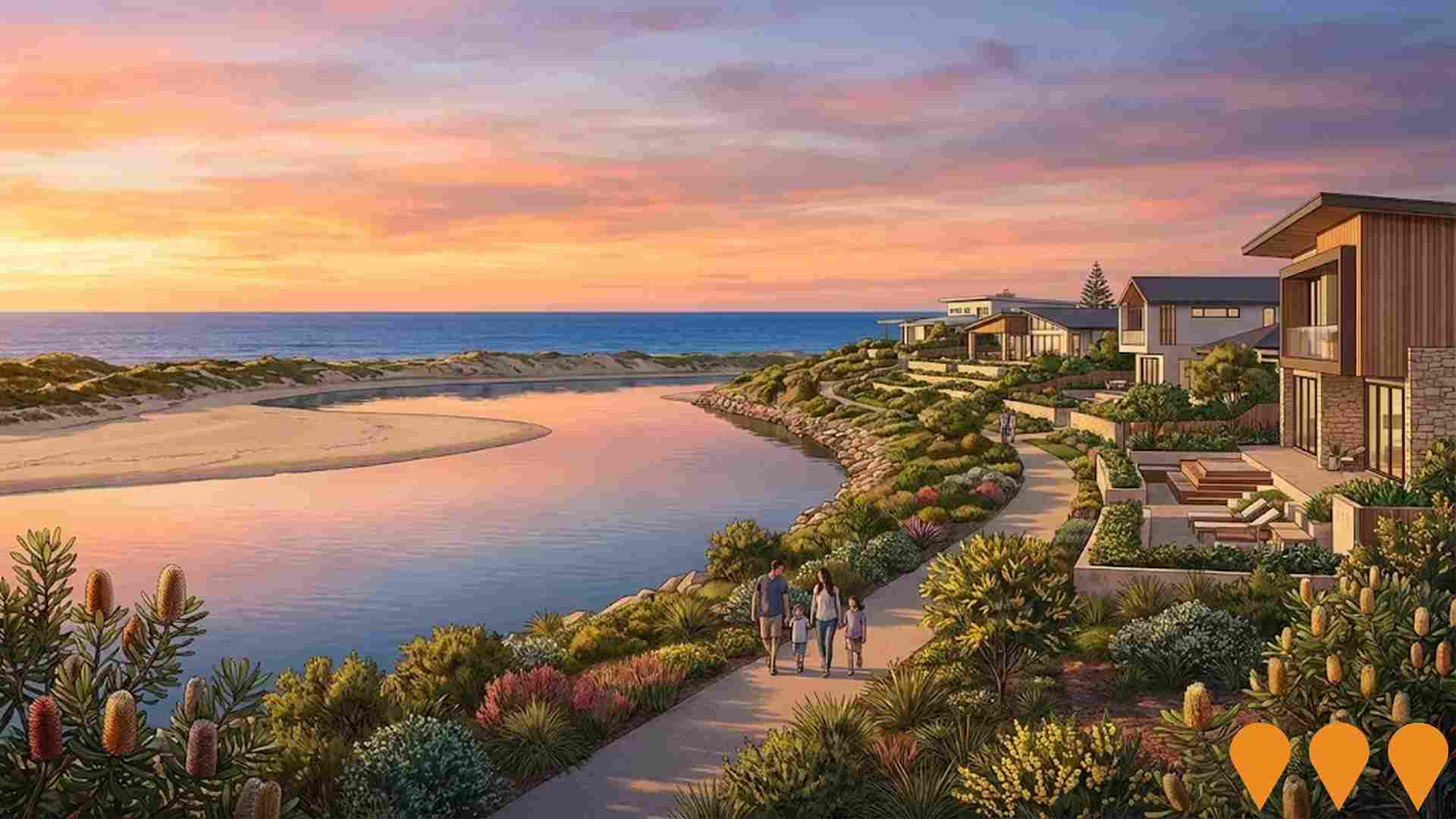
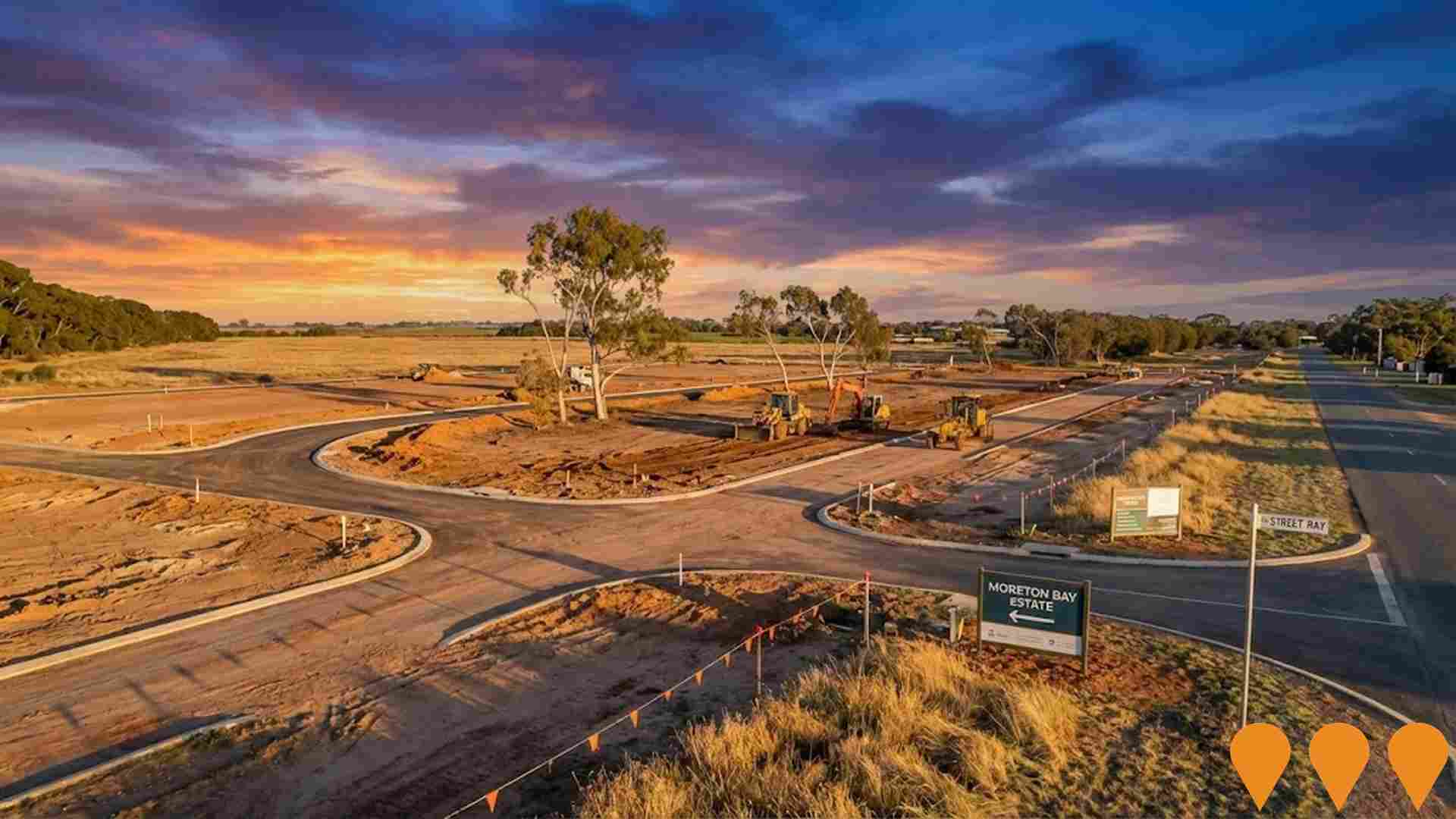
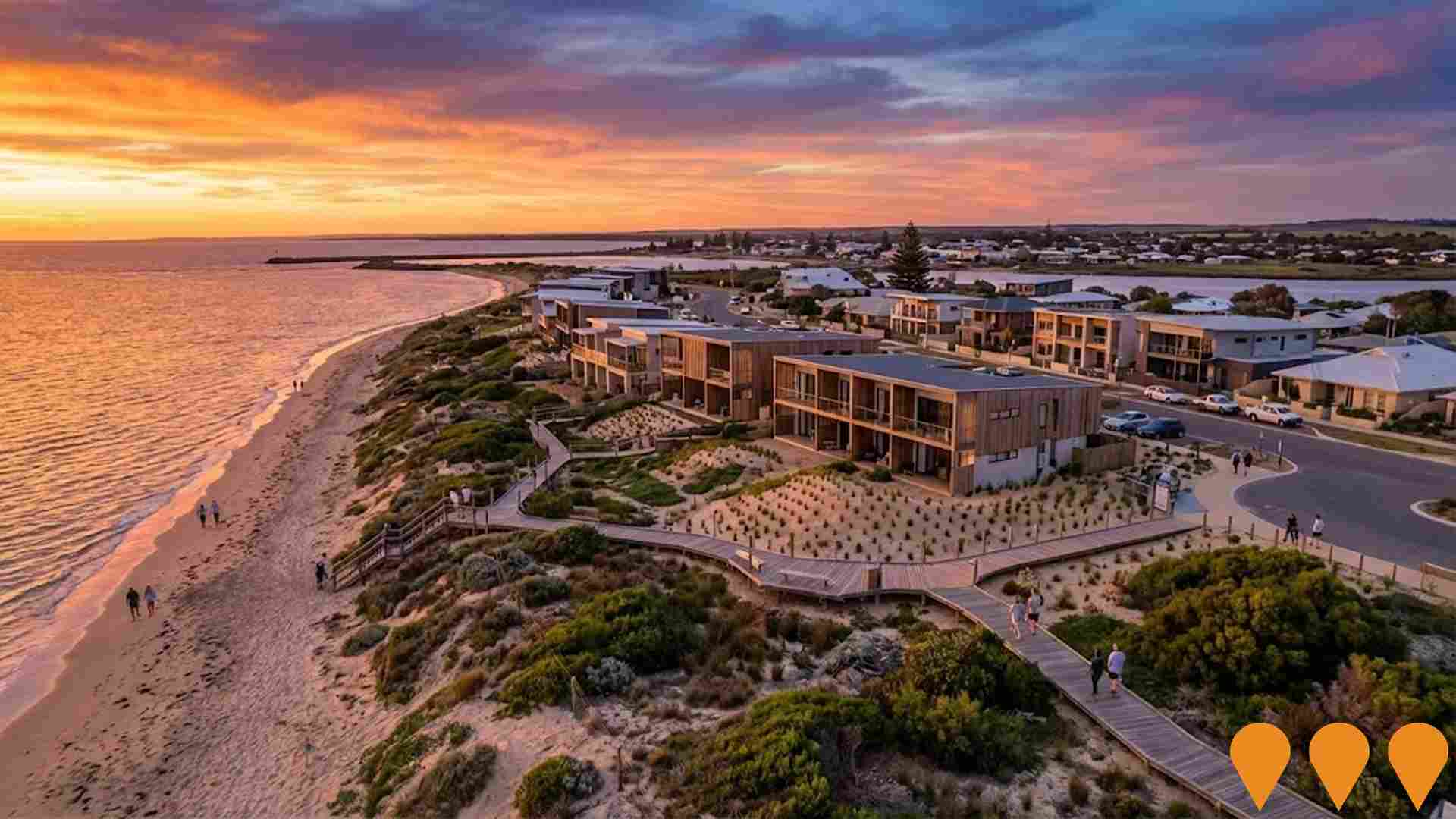
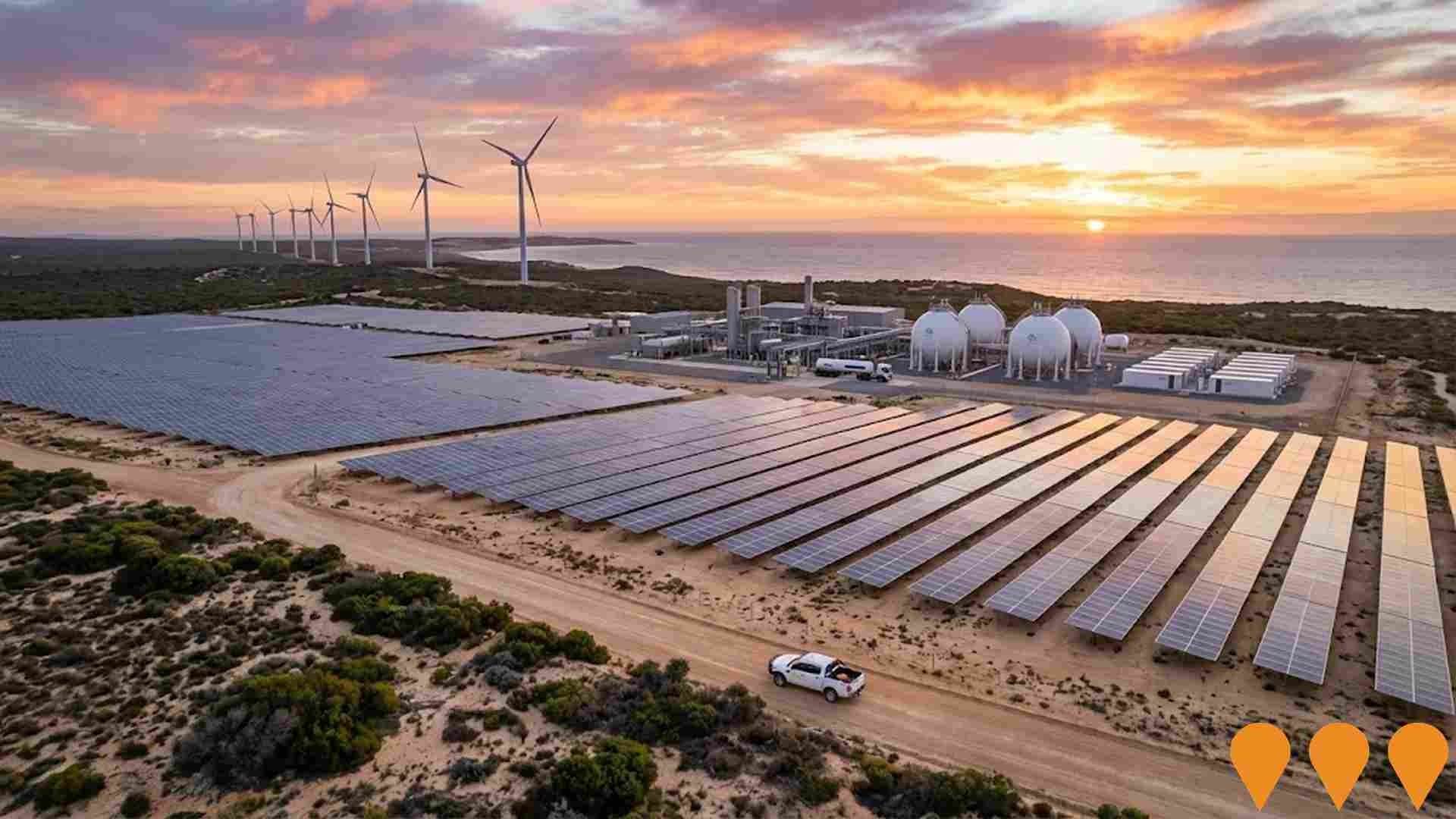
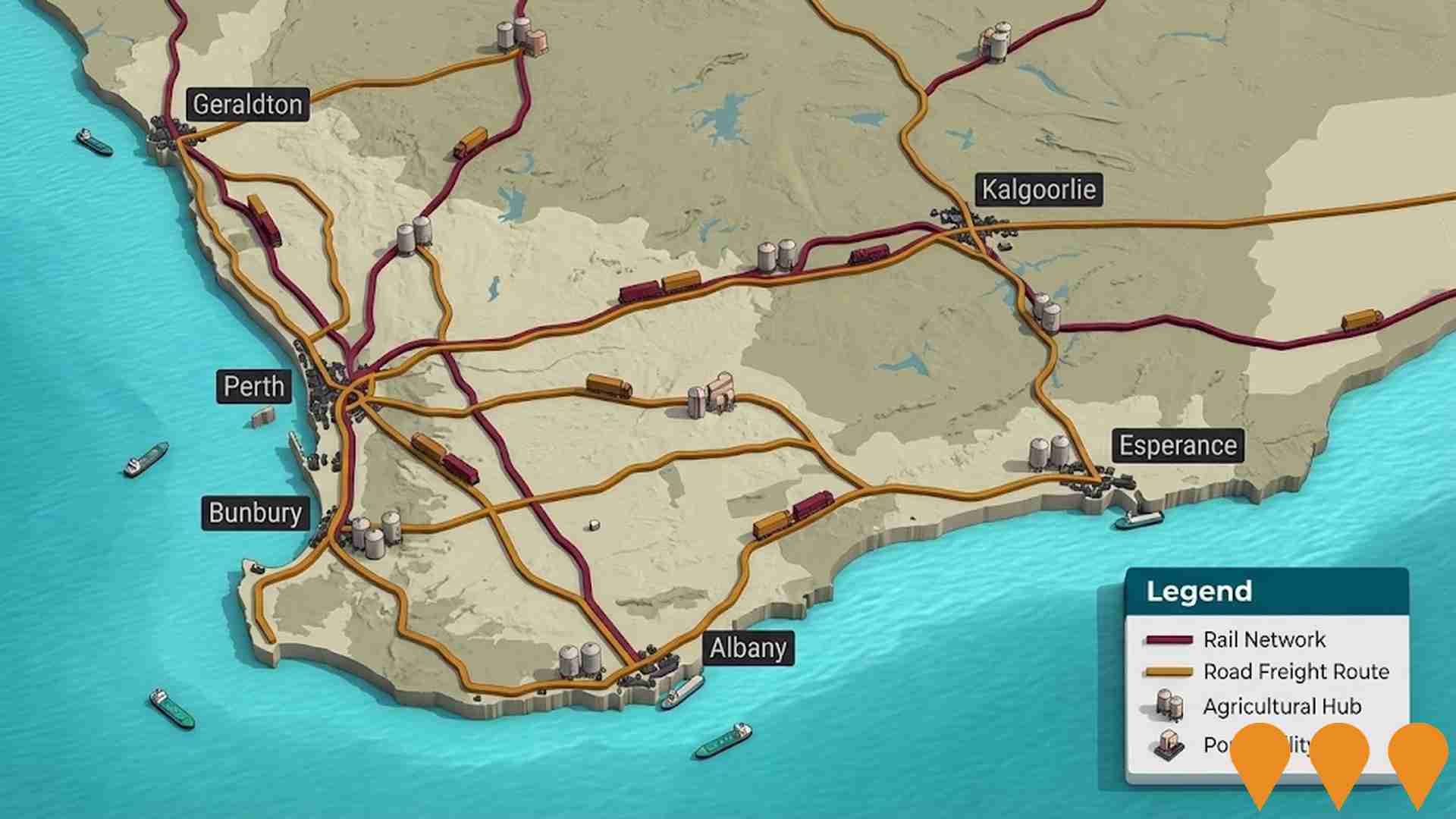
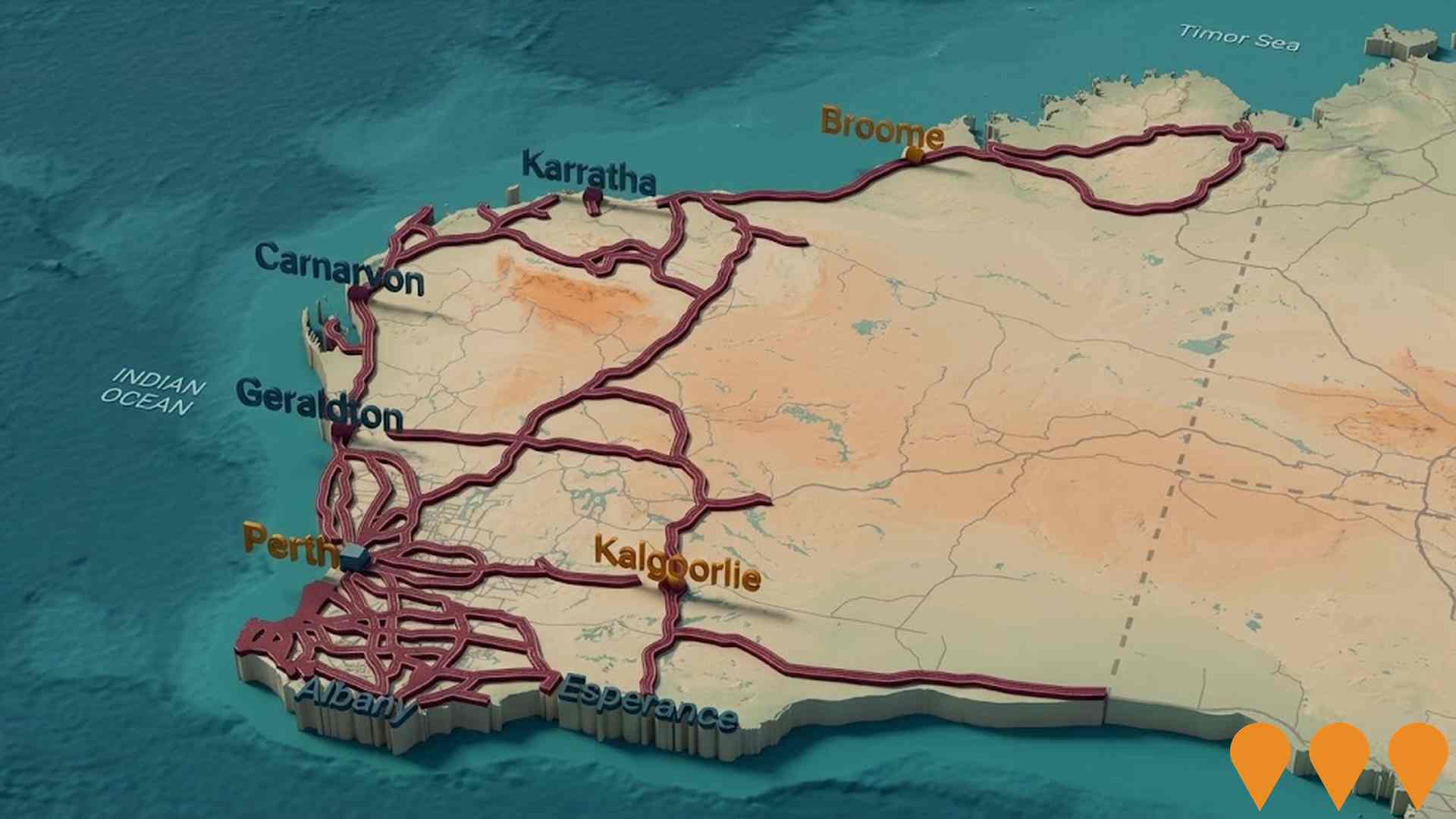
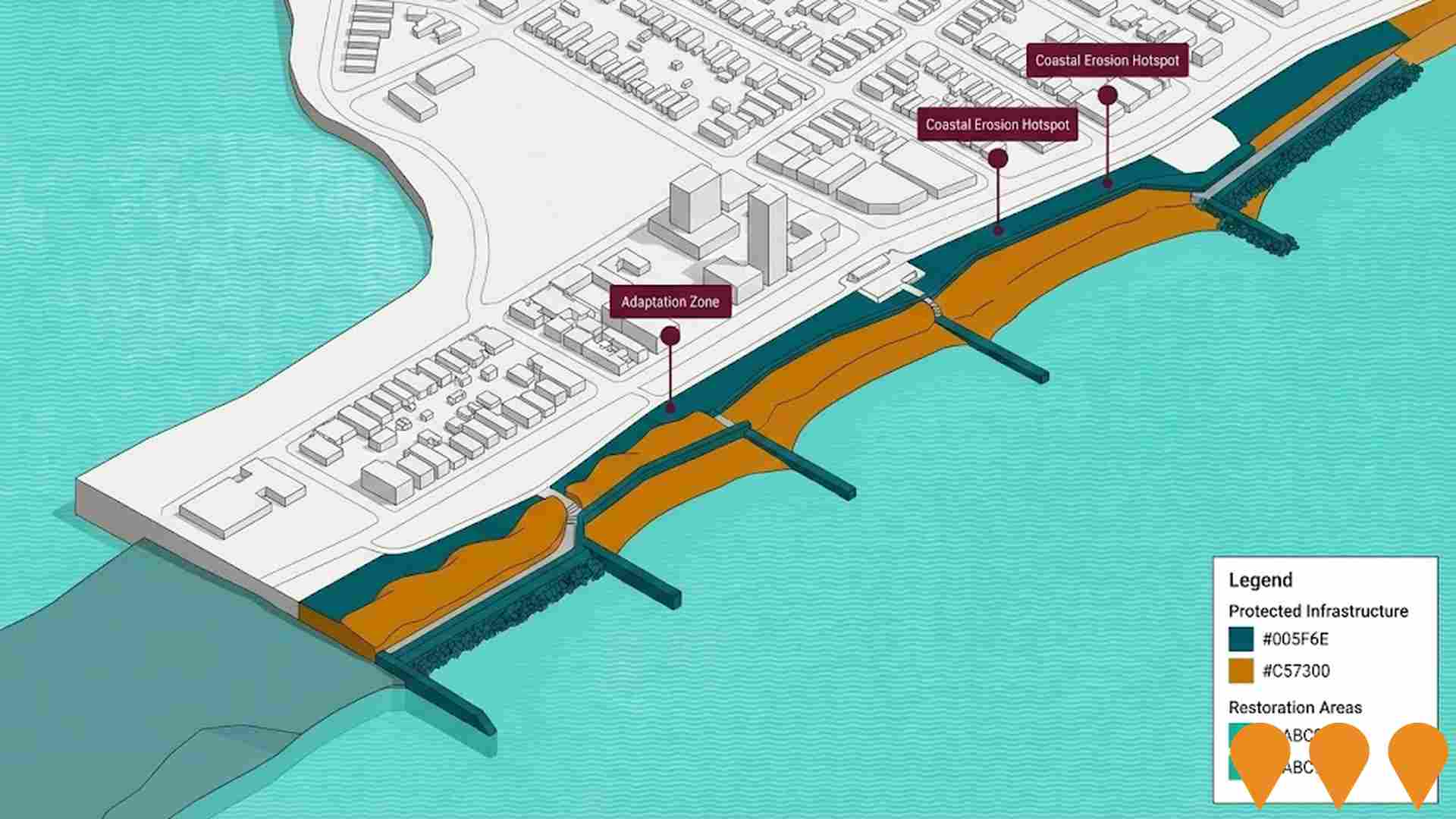
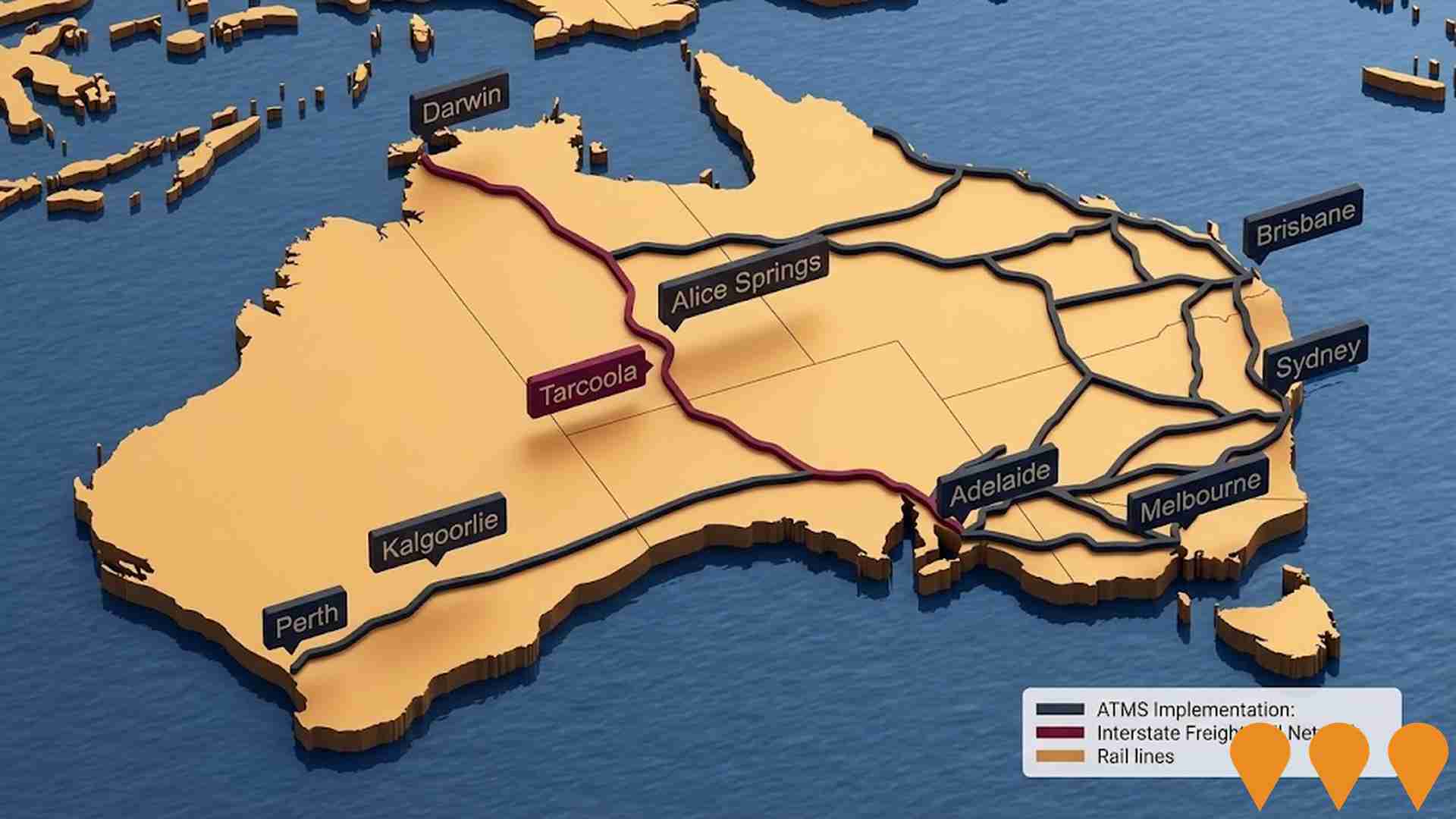
 Denotes AI-based impression for illustrative purposes only, not to be taken as definitive under any circumstances. Please follow links and conduct other investigations from the project's source for actual imagery. Developers and project owners wishing us to use original imagery please Contact Us and we will do so.
Frequently Asked Questions - Infrastructure
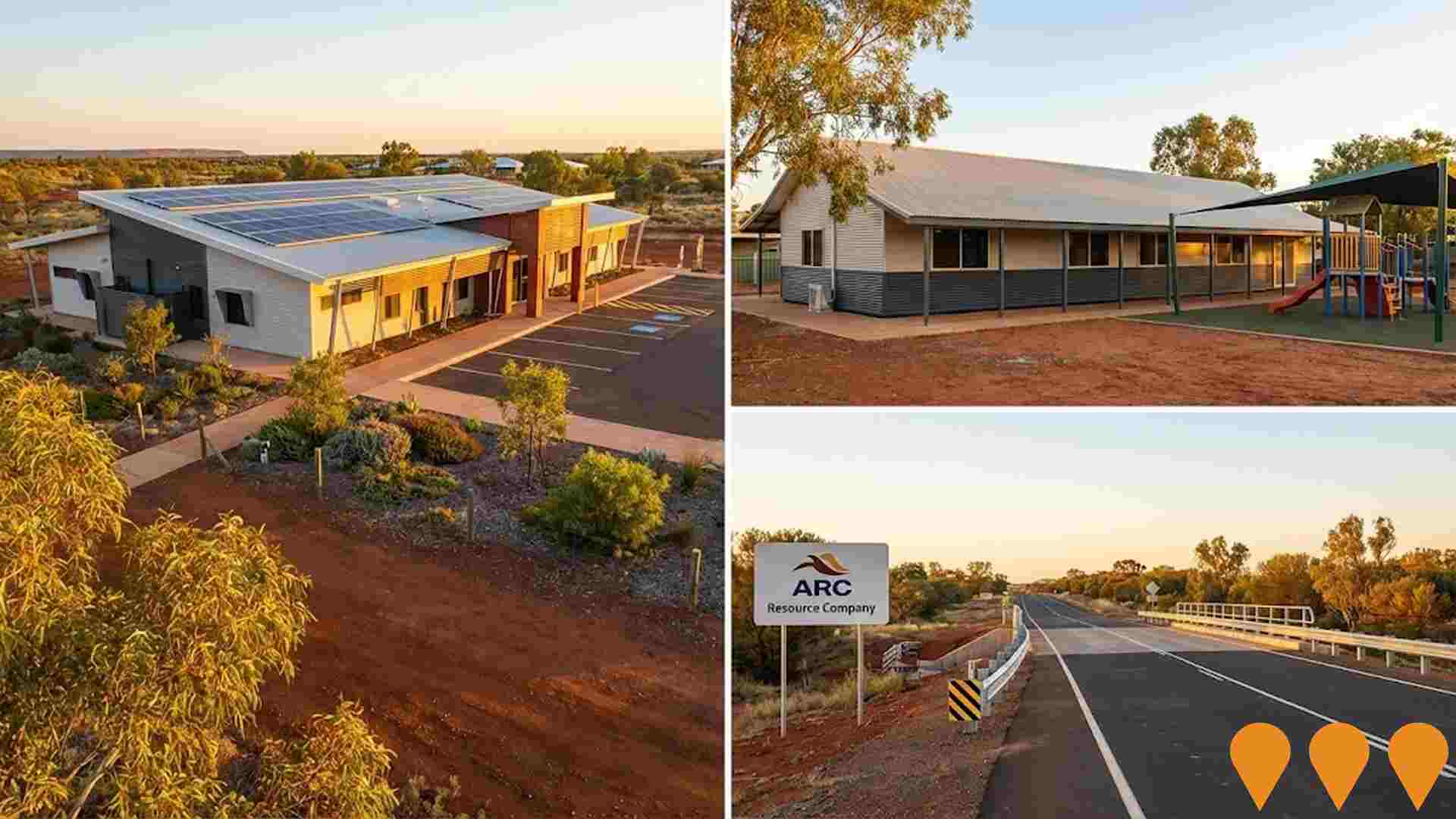
Resources Community Investment Initiative
A $750 million partnership between the Western Australian Government and seven major resource companies (Rio Tinto, BHP, Woodside Energy, Chevron Australia, Mineral Resources, Fortescue, Roy Hill) to co-fund community, social and regional infrastructure projects across regional Western Australia, with strong focus on the Pilbara, Goldfields, Kimberley, Mid West and Gascoyne.
National EV Charging Network (Highway Fast Charging)
Partnership between the Australian Government and NRMA to deliver a backbone EV fast charging network on national highways. Program funds and co-funds 117 DC fast charging sites at roughly 150 km intervals to connect all capital cities and regional routes, reducing range anxiety and supporting EV uptake.

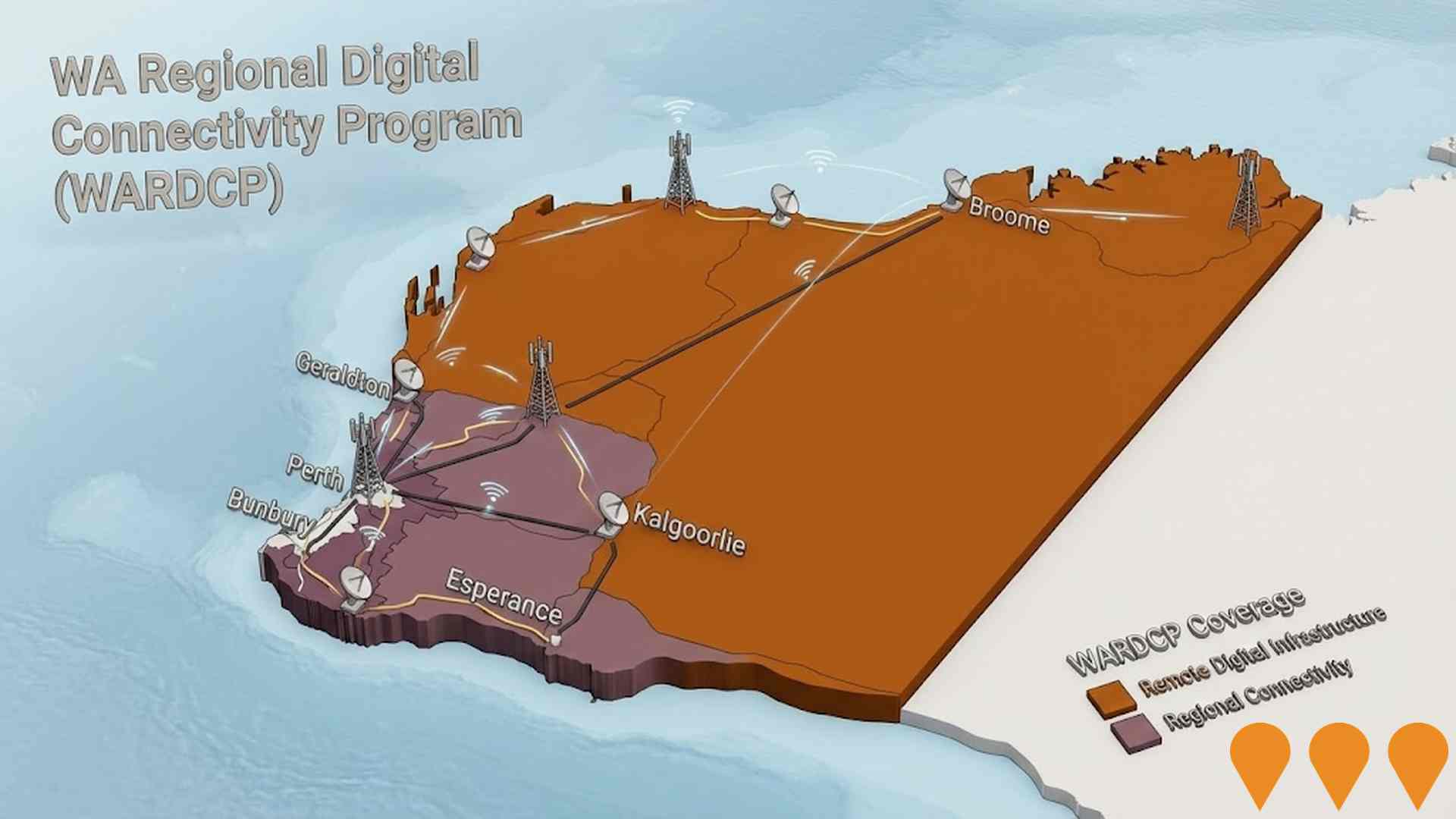
WA Regional Digital Connectivity Program (WARDCP)
Statewide co-investment program delivering new and upgraded mobile, fixed wireless and broadband infrastructure to improve reliability, coverage and performance for regional and remote Western Australia. Current workstreams include the Regional Telecommunications Project, State Agriculture Telecommunications Infrastructure Fund, and the WA Regional Digital Connectivity Program (WARDCP).
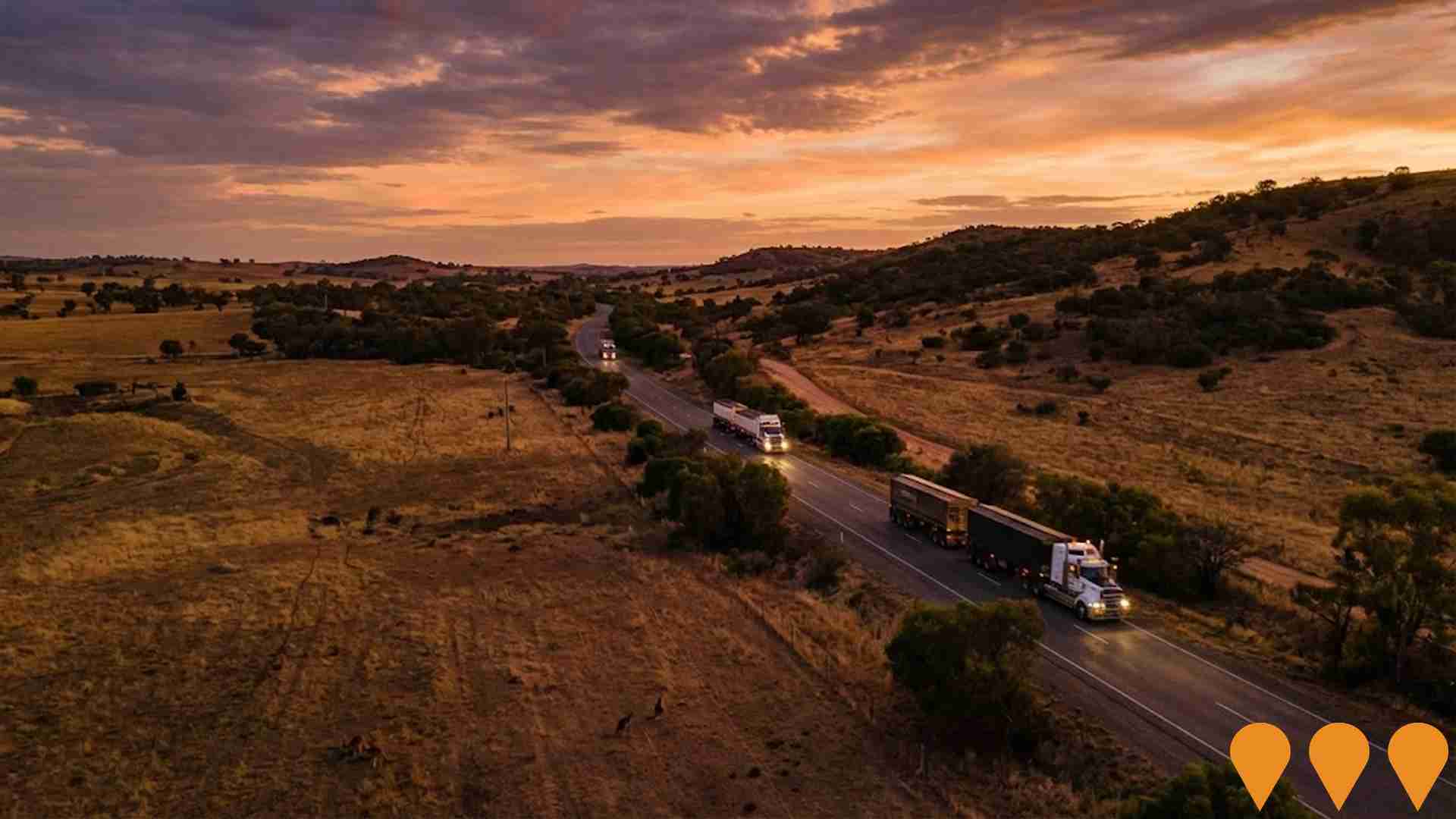
Dongara-Geraldton-Northampton Route (DGN Route)
Planning for a resilient future road freight corridor between Perth and the north-west of Western Australia to cater for long-term transport needs. This project aims to divert heavy vehicles away from regional townsites, minimise conflicts with local traffic, and enhance overall road user safety and efficiency. The Alignment Definition phase is expected to take around three years, with no construction in the Dongara to Geraldton section anticipated in the short to medium term.
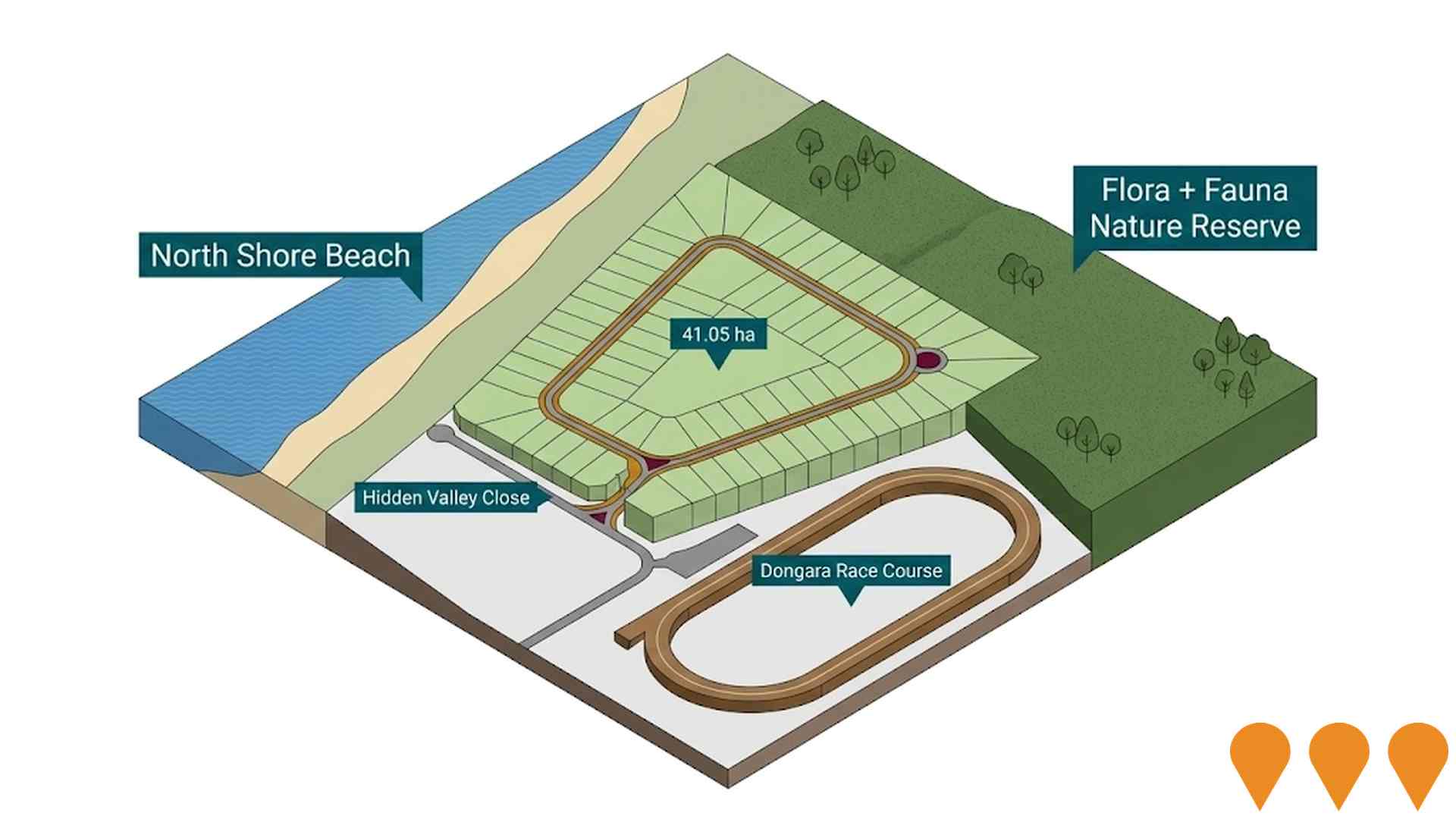
Hidden Valley Estate
A coastal residential land subdivision of approximately 41.05 hectares (103 acres) with Development Approval for 81 residential lots. The land is zoned 'Residential' R12:5 and offers a pleasant outlook due to an adjoining nature reserve.
The Retreat Estate
A premium waterside residential development proposed in Dongara, offering land for sale. This estate aims to provide a high-quality lifestyle experience.
Moreton Bay Estate
A residential land estate proposed in Dongara, offering land for sale. Further specific details are limited, but it contributes to the residential development landscape of the area.
2 & 4 Brady Road Mixed-Use Development
A coastal development opportunity on 15,274 sqm, zoned Special Use 5, with an Approved Outline Development Plan for mixed-use residential and tourism. This site presents a significant opportunity for development in the Dongara area.
Employment
The employment environment in Port Denison shows above-average strength when compared nationally
Port Denison has a diverse workforce with both white and blue collar jobs. Manufacturing and industrial sectors are prominent.
The unemployment rate is 2.5%. Employment has been stable over the past year. As of September 2025664 residents are employed, with an unemployment rate of 0.8% lower than Rest of WA's rate of 3.3%. Workforce participation is at 43.0%, significantly below Rest of WA's 59.4%.
Key industries include agriculture, forestry & fishing, mining, and retail trade. Agriculture, forestry & fishing employment is 1.4 times the regional average. Public administration & safety shows lower representation at 3.4% versus the regional average of 5.9%. The area offers limited local employment opportunities. Over a 12-month period ending in September 2025, employment increased by 0.3%, labour force by 0.7%, and unemployment rose by 0.4 percentage points. By comparison, Rest of WA saw employment growth of 1.4% and unemployment fall by 0.2 percentage points. Jobs and Skills Australia projects national employment growth of 6.6% over five years and 13.7% over ten years. Applying these projections to Port Denison's industry mix suggests local employment should increase by 5.3% over five years and 11.7% over ten years, based on a simple weighting extrapolation.
Frequently Asked Questions - Employment
Income
Income figures position the area below 75% of locations analysed nationally by AreaSearch
AreaSearch's aggregation of ATO data for financial year 2022 shows Port Denison had a median taxpayer income of $48,860 and an average income of $69,547. These figures are above the national averages of $57,323 and $71,163 respectively for Rest of WA. Based on Wage Price Index growth since financial year 2022, current estimates for Port Denison would be approximately $55,798 (median) and $79,423 (average) as of September 2025. Census 2021 data indicates household, family, and personal incomes in Port Denison fall between the 4th and 13th percentiles nationally. Income analysis reveals that the largest segment comprises 30.9% earning $400 - $799 weekly (482 residents), unlike regional trends where 31.1% earn within the $1,500 - $2,999 range. Lower income households are prevalent, with 42.0% earning below $800 weekly, suggesting affordability pressures for many residents. After housing costs, 85.6% of income remains, ranking at only the 6th percentile nationally.
Frequently Asked Questions - Income
Housing
Port Denison is characterized by a predominantly suburban housing profile, with above-average rates of outright home ownership
Port Denison's dwelling structure, as per the latest Census, consisted of 80.0% houses and 20.0% other dwellings (semi-detached, apartments, 'other' dwellings). This compares to Non-Metro WA's 87.5% houses and 12.5% other dwellings. Home ownership in Port Denison stood at 49.1%, with mortgaged dwellings at 20.6% and rented ones at 30.3%. The median monthly mortgage repayment was $1,517, aligning with the Non-Metro WA average. The median weekly rent figure was $250, matching Non-Metro WA's figure. Nationally, Port Denison's mortgage repayments were lower than the Australian average of $1,863, and rents were substantially below the national figure of $375.
Frequently Asked Questions - Housing
Household Composition
Port Denison features high concentrations of lone person households, with a lower-than-average median household size
Family households constitute 61.3% of all households, including 16.1% couples with children, 34.6% couples without children, and 9.2% single parent families. Non-family households comprise the remaining 38.7%, with lone person households at 36.9% and group households at 2.6%. The median household size is 2.0 people, which is smaller than the Rest of WA average of 2.4.
Frequently Asked Questions - Households
Local Schools & Education
The educational profile of Port Denison exceeds national averages, with above-average qualification levels and academic performance metrics
The area's university qualification rate is 11.7%, significantly lower than Australia's average of 30.4%. Bachelor degrees are the most common at 8.5%, followed by graduate diplomas (2.1%) and postgraduate qualifications (1.1%). Vocational credentials are prevalent, with 42.1% of residents aged 15+ holding them, including advanced diplomas (10.1%) and certificates (32.0%). Educational participation is high at 27.1%, comprising 10.3% in primary education, 9.5% in secondary education, and 1.5% in tertiary education.
Educational participation is notably high, with 27.1% of residents currently enrolled in formal education. This includes 10.3% in primary education, 9.5% in secondary education, and 1.5% pursuing tertiary education.
Frequently Asked Questions - Education
Schools Detail
Nearby Services & Amenities
Transport
Transport servicing is very low compared to other areas nationally based on assessment of service frequency, route connectivity and accessibility
Port Denison has two operational public transport stops, both offering bus services. These stops are served by two distinct routes, together facilitating five weekly passenger trips. The accessibility of these services is rated as limited, with residents generally residing 823 meters away from the nearest stop.
Service frequency averages zero daily trips across all routes, translating to roughly two weekly trips per individual stop.
Frequently Asked Questions - Transport
Transport Stops Detail
Health
Health performance in Port Denison is well below average with prevalence of common health conditions notable across both younger and older age cohorts
Port Denison faces significant health challenges, with common conditions prevalent across both younger and older age groups.
Private health cover is high at approximately 55%, covering around 856 people. The most frequent medical conditions are arthritis (11.7%) and diabetes (7.2%). 62.2% of residents report no medical ailments, compared to 66.8% in the rest of WA. 37.4% of residents are aged 65 or over (584 people), higher than the 18.3% in Rest of WA. Health outcomes among seniors are strong and better than those of the general population.
Frequently Asked Questions - Health
Cultural Diversity
Port Denison is considerably less culturally diverse than average when assessed alongside AreaSearch's national rankings for language and cultural background related metrics
Port Denison, as per the Australian Census conducted on 28 August 2016, had a cultural diversity index below average. The population comprised 83.3% citizens, with 85.3% born in Australia and 97.2% speaking English only at home. Christianity was the dominant religion, accounting for 46.0% of Port Denison's population, compared to 49.9% across Rest of WA.
The top three ancestry groups were English (33.5%), Australian (32.9%), and Irish (8.3%). Notably, Maori representation was higher at 1.0%, compared to the regional average of 0.7%. Polish and New Zealand representations were also notably higher at 0.9% each, against regional averages of 0.4% and 0.6% respectively.
Frequently Asked Questions - Diversity
Age
Port Denison ranks among the oldest 10% of areas nationwide
Port Denison's median age is 56, which is higher than Rest of WA's figure of 40 and significantly exceeds the national norm of 38. Compared to Rest of WA, Port Denison has a higher proportion of residents aged 65-74 (21.0%) but fewer residents aged 5-14 (6.9%). This concentration of 65-74 year-olds is well above the national figure of 9.4%. Between the 2021 Census and the present, the proportion of residents aged 15 to 24 has increased from 7.1% to 9.3%, while the proportion of those aged 5 to 14 has decreased from 9.5% to 6.9%. Additionally, the proportion of residents aged 45 to 54 has dropped from 11.7% to 10.2%. Looking ahead to 2041, demographic projections indicate significant shifts in Port Denison's age structure. Notably, the 25 to 34 age group is expected to grow by 70%, reaching 196 people from its current figure of 115. Conversely, the 5 to 14 and 75 to 84 age cohorts are projected to experience population declines.