Queenstown (Tas.)

Suburb

Rest of Tas. / West Coast

Updated 9 Jan 2026
Chart Color Schemes
Loading map data ...
0 People

est. as @ -- *

2021 Census | -- people

Land Area
--
Land Area
Population Density
--
Density
Unemployment Rate
--
Unemployment
Development
--
Resi Approvals
Get My Report

Sales Activity

Table Chart PROFILE FAQ

Curious about local property values? Filter the chart to assess the volume and appreciation (including resales) trends and regional comparisons, or scroll to the map below view this information at an individual property level.

Find a Recent Sale
Type Specified (1) | Limit 50

Sales Detail

Population

Table Chart PROFILE FAQ

Queenstown has shown very soft population growth performance across periods assessed by AreaSearch

Based on analysis of Australian Bureau of Statistics (ABS) population updates for the broader area, and new addresses validated by AreaSearch since the Census, the estimated population of Queenstown (Tas.) is around 1,834 as of November 2025. This reflects an increase of 26 people, representing a 1.4% growth since the 2021 Census which reported a population of 1,808 people. The change is inferred from the resident population of 1,827 estimated by AreaSearch following examination of the latest Estimated Resident Population (ERP) data release by the ABS in June 2024 and an additional 6 validated new addresses since the Census date. This level of population equates to a density ratio of 13.9 persons per square kilometer, providing ample space per person. Queenstown's 1.4% growth since census positions it within 2.0 percentage points of the SA3 area (3.4%), demonstrating competitive growth fundamentals. Population growth for the area was primarily driven by overseas migration that contributed approximately 72.0% of overall population gains during recent periods.

AreaSearch is adopting ABS/Geoscience Australia projections for each SA2 area, as released in 2024 with 2022 as the base year. For any SA2 areas not covered by this data, and to estimate growth by age group in the years post-2032, the Tasmania State Government's Regional/LGA projections are adopted with adjustments made employing a method of weighted aggregation of population growth from LGA to SA2 levels. Considering the projected demographic shifts, over this period projections indicate a decline in overall population, with the area's population expected to contract by 169 persons by 2041 according to this methodology. However, growth across specific age cohorts is anticipated, led by the 45 to 54 age group, which is projected to expand by 75 people.

Frequently Asked Questions - Population

What is the latest population estimate for Queenstown (Tas.)?
Total population for Queenstown (Tas.) was estimated to be approximately 1,834 as at Nov 25. This is based upon an estimated resident population of 1,827 from the ABS up to June 2024.
How has the population in Queenstown (Tas.) changed since 2021?
Queenstown (Tas.) has added approximately 26 people and shown a 1.44% increase from the 1,808 people recorded at the 2021 Census period.
What is the population density in Queenstown (Tas.)?
The population density in Queenstown (Tas.) is estimated at 13 persons per square kilometer based on the latest population estimate.
How much has the population grown over the past 10 years?
Over the past 10 years, the population has shown a compound annual growth rate of -0.1% per annum.
What are the main drivers of population growth in the area?
Population growth in Queenstown (Tas.) is driven by: Overseas migration (72.0%), Interstate migration (28.000000000000004%), Natural increase (0.0%). The primary driver is Overseas migration, contributing 72.0% of overall population gains.

Development

Table Chart PROFILE FAQ

AreaSearch assessment of residential development drivers sees a low level of activity in Queenstown, placing the area among the bottom 25% of areas assessed nationally

Queenstown experiences very limited development activity, averaging one approval per year over the five-year period from 2016 to 2020. This resulted in a total of five dwellings approved during this time. The low development levels reflect the rural nature of the area, where housing needs are typically met through specific local projects rather than broader market demand.

It is important to note that with such low approval numbers, yearly growth figures and relativities can vary considerably based on individual projects. Queenstown shows significantly less construction activity than the Rest of Tasmania, with development patterns well below national averages. Recent development in the area has been entirely comprised of detached houses, reflecting its rural character where larger properties and space are typical. Between 2016 and 2020, an estimated count of 3697 people lived in the area per dwelling approval, indicating a quiet, low activity development environment.

With population expected to remain stable or decline in the future, Queenstown should see reduced pressure on housing, potentially creating opportunities for buyers.

Frequently Asked Questions - Development

How many dwelling approvals have occurred in the Queenstown (Tas.) area recently?
Dwelling approval activity in the Queenstown (Tas.) area has seen 1 residential approvals over the past two financial years, based on AreaSearch's SA2 aggregation method. Queenstown (Tas.)'s current population of 1,834 has been supported by 1 approvals on average over recent years.
How does Queenstown (Tas.)'s development activity compare to the broader region?
Queenstown (Tas.) has seen 0.05 approvals per 100 people in recent years, compared to 0.56 approvals in the broader region. This means that one dwelling has been approved for every 3697 people in Queenstown (Tas.), compared to one for every 214 in the broader region.
Is the Queenstown (Tas.) area keeping up with housing demand?
Population forecasts suggest stable or declining population, reducing pressure on housing supply in the Queenstown (Tas.) area.
What has been the trend in development approvals over the past five years?
Looking at development activity over the past five years, Queenstown (Tas.)'s approval levels have been significantly below the yearly average of 1, showing a notable downturn in recent development.
How does recent development compare to population growth in Queenstown (Tas.)?
Over the past five years, Queenstown (Tas.) has seen 5 residential approvals while population has remained stable or declined, indicating potential market oversupply.
Are there opportunities for residential developers in Queenstown (Tas.)?
With dwelling approval activity running at an average of 1 approvals per year and a population of 1,834, stable population forecasts suggest a mature market with selective development opportunities.

Infrastructure

PROFILE FAQ

Queenstown has limited levels of nearby infrastructure activity, ranking in the 16thth percentile nationally

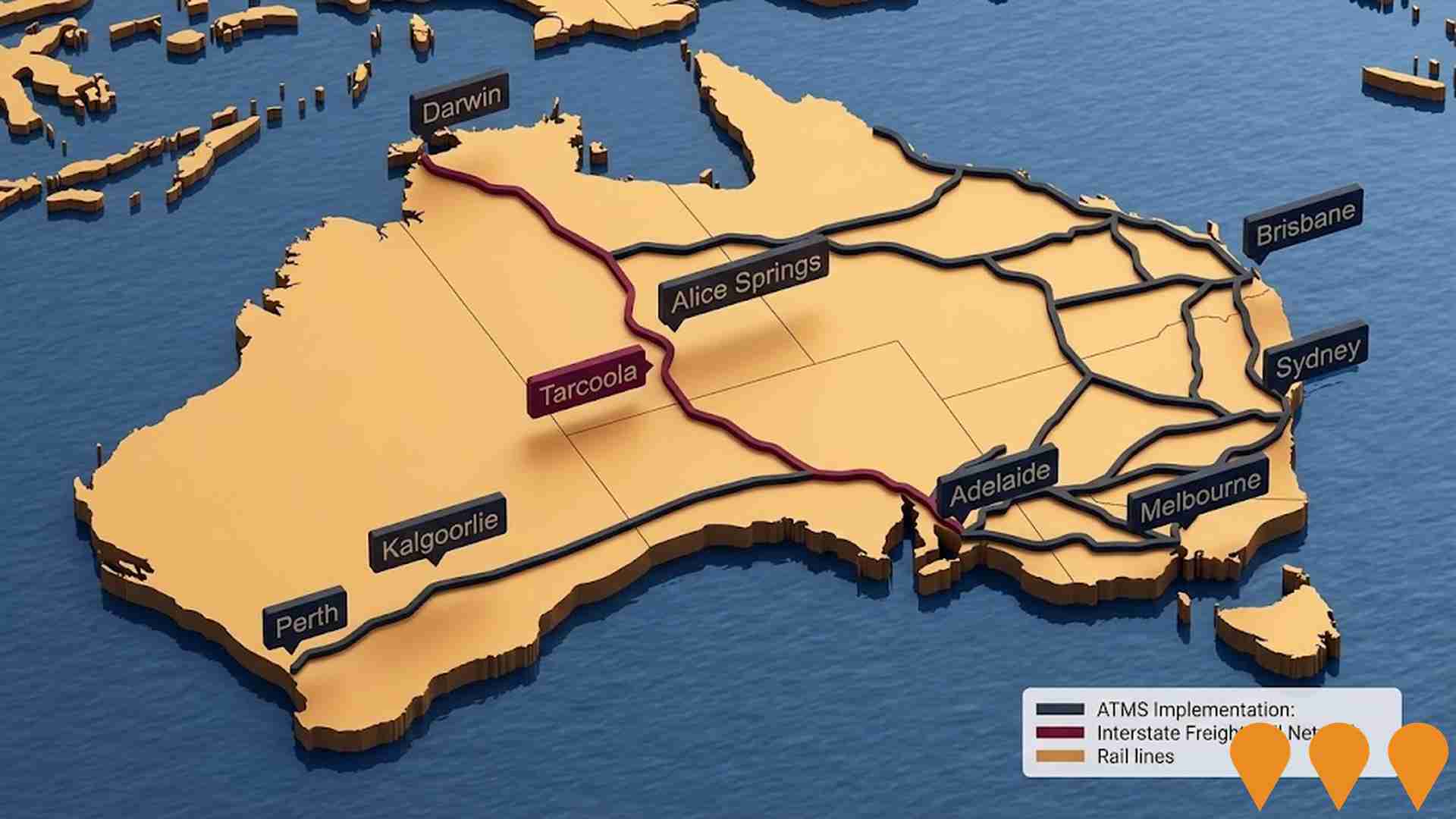
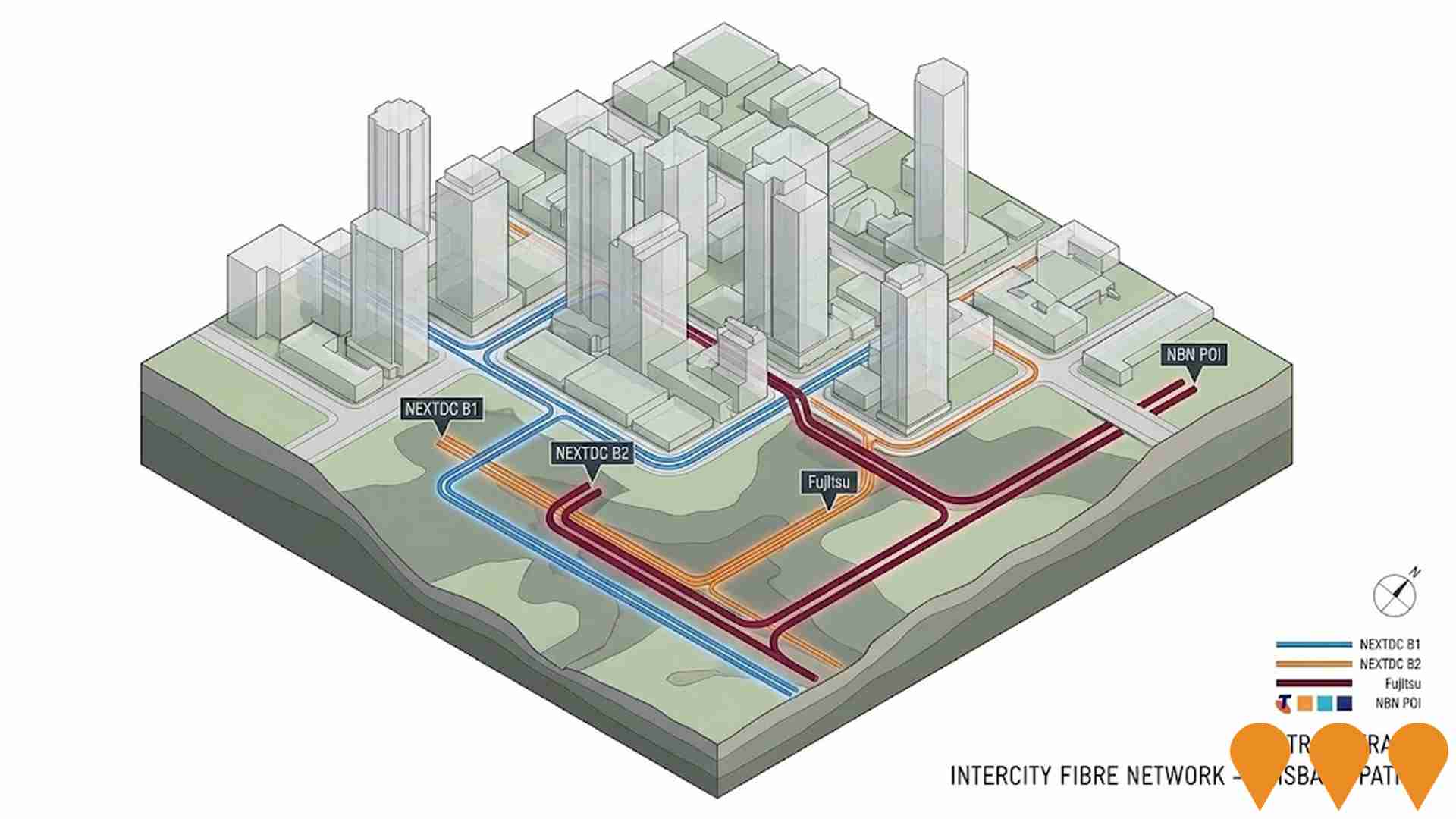
No factor impacts an area's performance more than changes to local infrastructure, major projects, and planning initiatives. AreaSearch has identified zero projects anticipated to affect this area. Key projects include Cethana Pumped Hydro Energy Storage Project, Tasmanian Irrigation Schemes: Tranche 3, Marinus Link, and Telstra InfraCo Intercity Fibre Network, with the following list highlighting those most relevant.

Professional plan users can use the search below to filter and access additional projects.

INFRASTRUCTURE SEARCH

All Selected

AI Generated Denotes AI-based impression for illustrative purposes only, not to be taken as definitive under any circumstances. Please follow links and conduct other investigations from the project's source for actual imagery. Developers and project owners wishing us to use original imagery please Contact Us and we will do so.

Frequently Asked Questions - Infrastructure

What are some of the major infrastructure and planning changes likely to influence Queenstown?
Key infrastructure and planning changes likely to influence Queenstown include: Cethana Pumped Hydro Energy Storage Project (Planning); Tasmanian Irrigation Schemes: Tranche 3 (Construction); Marinus Link (Planning); Telstra InfraCo Intercity Fibre Network (Construction); and Bulk Water Supply Security (Planning). These projects represent significant developments that will shape the area's future infrastructure landscape.
What types of infrastructure projects are impacting Queenstown?
Infrastructure development impacting Queenstown spans multiple sectors including Energy, Transport & Logistics, and Agriculture & Rural Development, among others.
What is the scale of infrastructure investment impacting Queenstown?
While specific investment values are not publicly disclosed for all projects impacting Queenstown, the area shows active development across multiple infrastructure categories within the broader region.
How does Queenstown's infrastructure development compare to other areas?
Infrastructure development activity impacting Queenstown currently ranks below national averages at the 16thth percentile.
Enabling Infrastructure for Hydrogen Production
Category: Energy
Stage: Planning | Est. Comp: N/A
Source / Links: Link 1   Link 2  

Australia has completed the National Hydrogen Infrastructure Assessment (NHIA) to 2050 and refreshed its National Hydrogen Strategy (2024). The programmatic focus has shifted to planning and enabling infrastructure through measures such as ARENA's Hydrogen Headstart and the Hydrogen Production Tax Incentive (from April 2025). Round 2 of Hydrogen Headstart consultation occurred in 2025. Collectively these actions aim to coordinate investment in transport, storage, water and electricity inputs linked to Renewable Energy Zones and priority hubs, supporting large-scale renewable hydrogen production and future export supply chains.

Energy

Enabling Digital Health Services for Regional and Remote Australia
Category: Health & Medical
Stage: Planning | Est. Comp: 2033
Source / Links: Link 1   Link 2  

National initiative to expand and improve digital health access for people in regional and remote Australia. Focus areas include enabling telehealth and virtual care, upgrading clinical systems and connectivity, supporting secure information exchange, and building workforce capability in digital health, aligned with the Australian Government's Digital Health Blueprint and Action Plan 2023-2033.

Health & Medical

Bulk Water Supply Security
Category: Environmental & Disaster Management
Stage: Planning | Est. Comp: N/A
Source / Links: Link 1   Link 2  

Nationwide program led by the National Water Grid Authority to improve bulk water security and reliability for non-potable and productive uses. Activities include strategic planning, science and business cases, and funding of state and territory projects such as storages, pipelines, dam upgrades, recycled water and efficiency upgrades to build drought resilience and support regional communities, industry and the environment.

Environmental & Disaster Management

National EV Charging Network (Highway Fast Charging)
Category: Transport & Logistics
Stage: Construction | Est. Comp: 2025
Source / Links: Link 1   Link 2  

Partnership between the Australian Government and NRMA to deliver a backbone EV fast charging network on national highways. Program funds and co-funds 117 DC fast charging sites at roughly 150 km intervals to connect all capital cities and regional routes, reducing range anxiety and supporting EV uptake.

Transport & Logistics

Network Optimisation Program - Roads
Category: Transport & Logistics
Stage: Proposed | Est. Comp: N/A
Source / Links: Link 1   Link 2  

A national program concept focused on improving congestion and reliability on urban road networks by using low-cost operational measures and technology (e.g., signal timing, intersection treatments, incident management) to optimise existing capacity across major city corridors.

Transport & Logistics

Cethana Pumped Hydro Energy Storage Project
Category: Energy
Stage: Planning | Est. Comp: N/A
Source / Links: Link 1   Link 2  

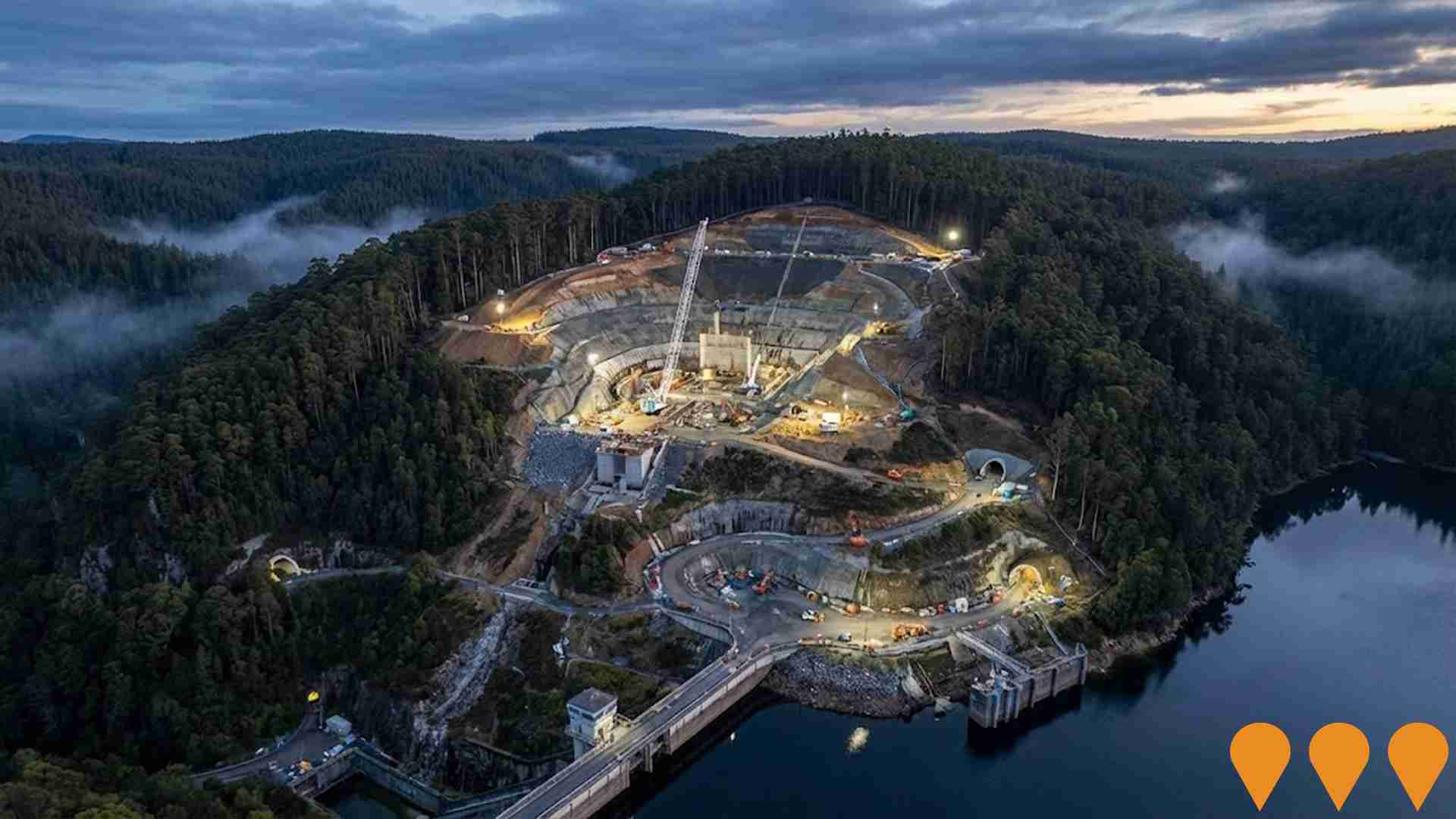
The Cethana pumped hydro project, led by Hydro Tasmania, is part of the Battery of the Nation initiative to enhance Tasmania's renewable storage and generation. It utilizes Lake Cethana as the lower storage, with a new upper storage, underground power station, and tunnels. The project has a generating capacity of 750 MW and storage capacity of 20 hours, requiring transmission upgrades and Marinus Link interconnection.
Energy

Tasmanian Irrigation Schemes: Tranche 3
Category: Agriculture & Rural Development
Stage: Construction | Est. Comp: N/A
Source / Links: Link 1   Link 2  

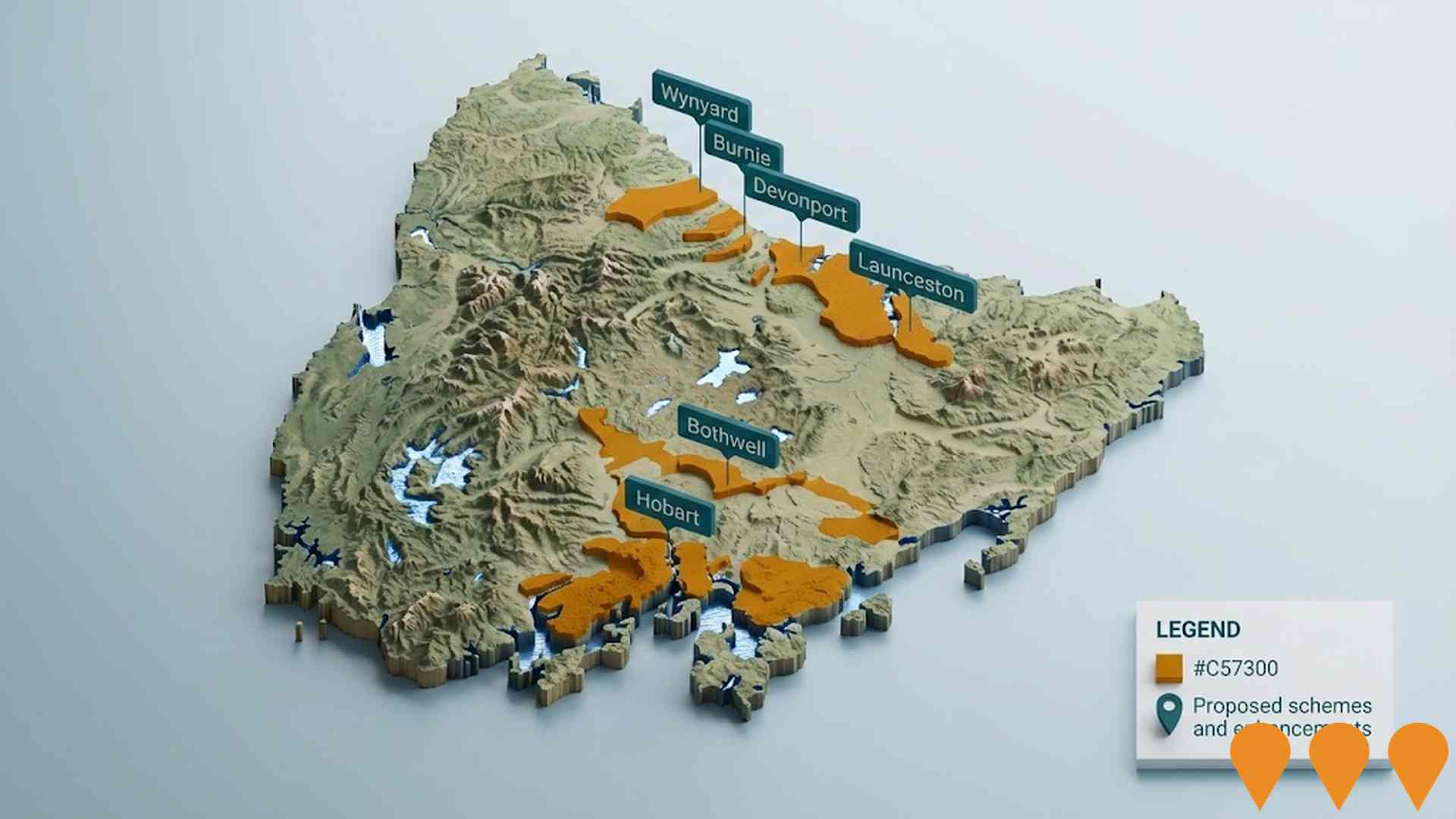
Development of sustainable water capture and distribution systems in Tasmania to enhance agricultural productivity by enabling dryland farms to transition to higher-value enterprises like fruit or viticulture.
Agriculture & Rural Development

Marinus Link
Category: Energy
Stage: Planning | Est. Comp: N/A
Source / Links: Link 1   

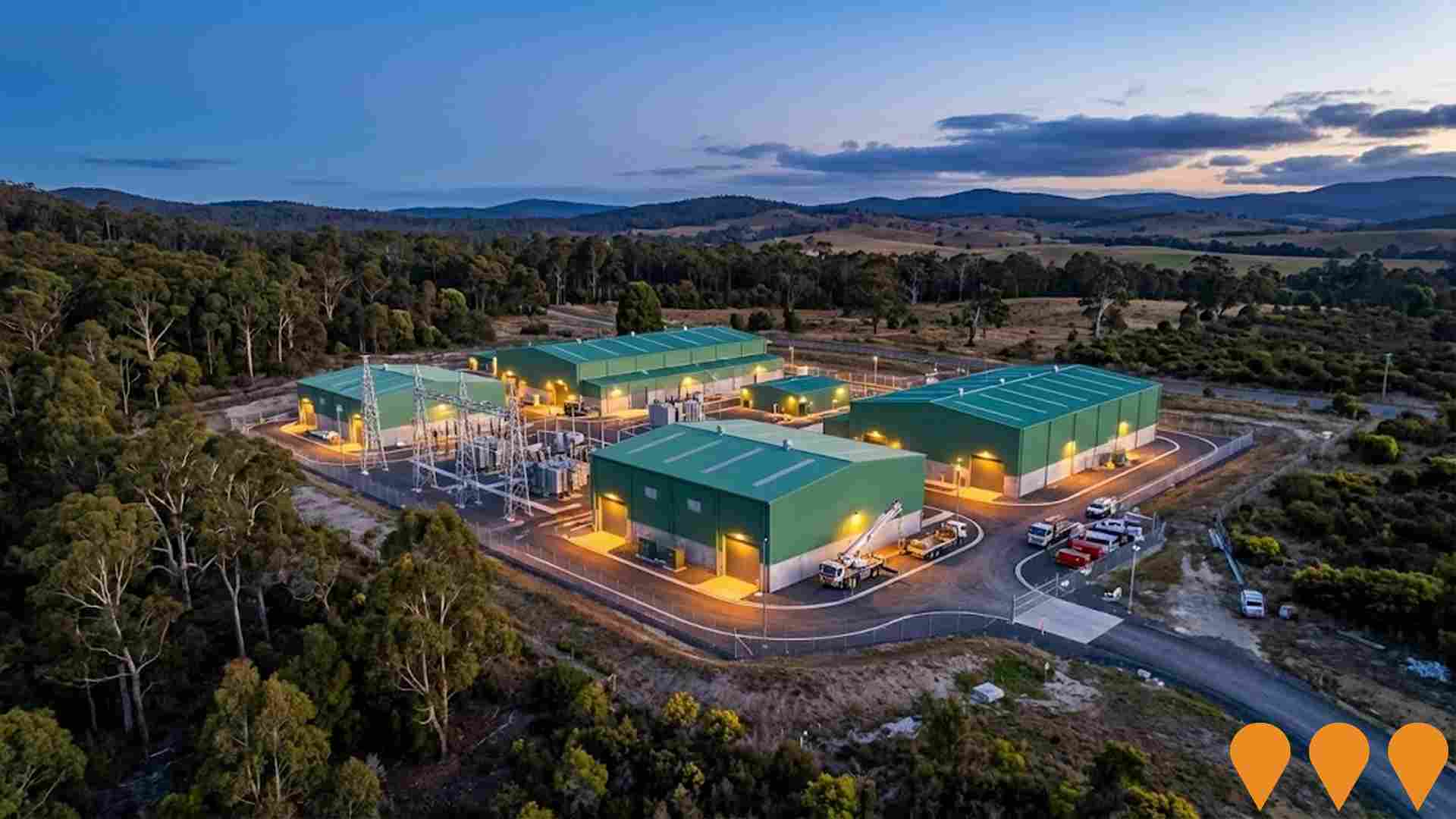
Marinus Link involves constructing a second undersea electricity link and supporting infrastructure between Tasmania and Victoria, enhancing the existing Basslink interconnector. The project, part of Project Marinus, includes transmission lines and network upgrades.
Energy

Employment

Table Chart PROFILE FAQ

Employment drivers in Queenstown are experiencing difficulties, placing it among the bottom 20% of areas assessed across Australia

Queenstown's workforce is balanced across white and blue-collar jobs, with manufacturing and industrial sectors prominent. The unemployment rate was 9.0% in the past year, showing an employment growth of 3.0%.

As of June 2025750 residents are employed, with an unemployment rate of 5.0%, 1.1 percentage points higher than Rest of Tas.'s rate of 3.9%. Workforce participation is lower at 48.3% compared to Rest of Tas.'s 55.7%. Dominant sectors include mining, accommodation & food, and health care & social assistance, with mining particularly notable at 9.8 times the regional average. Agriculture, forestry & fishing is under-represented, with only 1.4% of Queenstown's workforce compared to 8.4% in Rest of Tas..

The area offers limited local employment opportunities, as indicated by Census data. Between Jun-25 and Jul-26, employment increased by 3.0%, labour force by 2.5%, reducing the unemployment rate by 0.5 percentage points. In contrast, Rest of Tas. saw employment decline by 0.5% and labour force by 0.6%. National employment forecasts from Sep-22 project a 6.6% growth over five years and 13.7% over ten years. Applying these projections to Queenstown's employment mix suggests local employment should increase by 5.4% over five years and 12.0% over ten years, assuming constant population projections.

Frequently Asked Questions - Employment

What is the employment situation in Queenstown (Tas.)?
As of June 2025, Queenstown (Tas.) has approximately 750 employed residents with an unemployment rate of 9.0%. The elevated unemployment rate suggests challenging labour market conditions. The area faces employment challenges compared to other regions nationally.
How does Queenstown (Tas.)'s unemployment rate compare to the broader region?
As of June 2025, the unemployment rate in Queenstown (Tas.) stands at 9.0%, which is 5.0 percentage points above Rest of Tas.'s rate of 3.9%. This higher unemployment rate may indicate local labour market challenges. For comparison, the national unemployment rate is 4.1%.
What are the major employment sectors in Queenstown (Tas.)?
The employment landscape in Queenstown (Tas.) is dominated by several key sectors. The largest employers are mining (17.7% of employment), accommodation & food (12.1%), and health care & social assistance (10.8%). Other significant employers include retail trade and education & training.
How has employment changed recently in Queenstown (Tas.)?
Over the past year to June 2025, Queenstown (Tas.) has experienced employment growth, with total employment increasing while the labour force increased. As a result, the unemployment rate has fall. By comparison, Rest of Tas. saw employment decreased and its unemployment rate dropped.
What is the workforce participation rate in Queenstown (Tas.)?
The workforce participation rate in Queenstown (Tas.) is 48.3%, which represents the proportion of working-age residents who are either employed or actively seeking work. The relatively low participation rate may indicate limited job opportunities or demographic factors affecting workforce engagement. The local rate trailing the Rest of Tas. average of 55.7%, suggesting potential for increased workforce participation.
Which industries are over-represented in Queenstown (Tas.)'s employment market?
Queenstown (Tas.) shows notable specialization in mining, which employs 17.7% of the local workforce compared to 1.8% regionally. With a local vs regional employment ratio of 9.8, this represents a significant industry cluster that likely serves markets beyond the local area. The area also shows above-average employment in 3 other sectors, contributing to a distinctive economic profile.
What are the employment growth prospects for Queenstown (Tas.)?
Based on Jobs and Skills Australia projections applied to Queenstown (Tas.)'s industry mix, employment is expected to grow by 5.4% over the next five years and 12.0% over ten years. This compares to national growth expectations of 6.6% over five years. Steady growth is anticipated across multiple sectors, providing diverse employment opportunities.
How does the job market in Queenstown (Tas.) compare nationally?
Queenstown (Tas.)'s employment market shows weaker performance compared to most areas nationally. This suggests the need for targeted economic development initiatives. Recent job advertisement trends show the broader employment region saw a 18.7% decline, ranking 28.0th out of 37 regions nationally.
What employment opportunities exist for skilled workers in Queenstown (Tas.)?
Skilled workers will find good opportunities in Queenstown (Tas.), with skilled sectors accounting for 25.8% of employment. Key sectors for skilled workers include health care & social assistance (10.8%), education & training (10.7%), and professional & technical (2.5%). With projected employment growth of 5.4% over five years, demand for skilled workers is expected to remain strong.

Income

Table Chart PROFILE FAQ

Income metrics place the area in the bottom 10% of locations nationally according to AreaSearch analysis

Queenstown's median taxpayer income in financial year 2022 was $45,328, with an average of $57,294. This is lower than the national average, compared to Rest of Tas.'s median income of $47,358 and average income of $57,384. Based on a 13.83% growth in wages from financial year 2022 to September 2025, estimated incomes would be approximately $51,597 (median) and $65,218 (average). Census data shows that household, family, and personal incomes in Queenstown fall between the 0th and 4th percentiles nationally. The income band of $400 - 799 captures 34.8% of the community, while the broader area has a leading bracket of $1,500 - 2,999 at 28.5%. The concentration of 48.1% in sub-$800 weekly brackets indicates economic challenges faced by a significant portion of the community. Despite modest housing costs allowing for 92.0% income retention, total disposable income ranks at just the 4th percentile nationally.

Frequently Asked Questions - Income

What is the median taxable income in Queenstown (Tas.)?
Based on Wage Price Index adjustments to September 2025, the estimated median taxable income in Queenstown (Tas.) is approximately $51,597. The official ATO data from FY-22 recorded a median of $45,328.
What is the average taxable income in Queenstown (Tas.)?
Based on Wage Price Index adjustments to September 2025, the estimated average taxable income in Queenstown (Tas.) is approximately $65,218. The official ATO data from FY-22 recorded an average of $57,294.
How does the median taxable income in Queenstown (Tas.) compare to the region?
Based on Wage Price Index adjustments to September 2025, the estimated median taxable income in Queenstown (Tas.) is approximately $51,597 compared to $53,908 in Rest of Tas.. The official ATO data from FY-22 shows $45,328 and $47,358 respectively.
How does the average taxable income in Queenstown (Tas.) compare to the region?
Based on Wage Price Index adjustments to September 2025, the estimated average taxable income in Queenstown (Tas.) is approximately $65,218 compared to $65,320 in Rest of Tas.. The official ATO data from FY-22 shows $57,294 and $57,384 respectively.
What are the main income cohorts in Queenstown (Tas.) according to the 2021 Census?
As per the 2021 Census, the income bracket containing the largest proportion (~34.8% / 638 persons) of Queenstown (Tas.)'s population is the $400 - 799 cohort.
How do the main income cohorts in Queenstown (Tas.) compare to the region?
The largest income cohort in Queenstown (Tas.) is the $400 - 799 group, representing about 34.8% of the population. In comparison, Rest of Tas.'s largest income cohort is the $1,500 - 2,999 group, representing 28.5% of its population, according to the 2021 Census.
What is the median household income in Queenstown (Tas.) according to the 2021 Census?
The 2021 Census data indicates that the median household income in Queenstown (Tas.) is $851/wk.
What is the median family income in Queenstown (Tas.) according to the 2021 Census?
According to the 2021 Census, the median family income in Queenstown (Tas.) is $1,371/wk.
What is the median personal income in Queenstown (Tas.) according to the 2021 Census?
The 2021 Census shows that the median personal income in Queenstown (Tas.) is $509/wk.
How does Queenstown (Tas.)'s income rank nationally?
AreaSearch's latest postcode level ATO data for FY-22 reveals that income in Queenstown is below the national average, with the median assessed at $45,328 while the average income stands at $57,294. This contrasts to Rest of Tas.'s figures of a median income of $47,358 and an average income of $57,384. Based on Wage Price Index growth of 13.83% since FY-22, current estimates would be approximately $51,597 (median) and $65,218 (average) as of September 2025.
What is the disposable income in Queenstown (Tas.)?
The estimated disposable income in Queenstown (Tas.) is $3,393 per year according to AreaSearch analysis.
How does Queenstown (Tas.)'s disposable income compare to the region?
Queenstown (Tas.)'s disposable income is $3,393 compared to $4,607 for Rest of Tas., based on AreaSearch analysis.

Housing

Table Chart PROFILE FAQ

Queenstown is characterized by a predominantly suburban housing profile, with above-average rates of outright home ownership

In Queenstown, as per the latest Census, 96.1% of dwellings were houses, with the remaining 3.8% being semi-detached, apartments, or other types. This compares to Non-Metro Tas., where 95.9% were houses and 4.1% were other dwellings. Home ownership in Queenstown stood at 51.9%, with mortgaged dwellings at 24.0% and rented ones at 24.1%. The median monthly mortgage repayment was $574, lower than Non-Metro Tas.'s average of $1,053. The median weekly rent in Queenstown was $150, compared to Non-Metro Tas.'s $200. Nationally, Queenstown's mortgage repayments were significantly lower at $574 than the Australian average of $1,863, and rents were substantially below the national figure of $375.

Frequently Asked Questions - Housing

What percentage of homes are owned vs rented in Queenstown?
In Queenstown, 51.9% of homes are owned outright, 24.0% are owned with a mortgage, and 24.1% are rented.
What percentage of dwellings in Queenstown are houses?
According to the latest data, 96.1% of dwellings in Queenstown are houses.
What percentage of dwellings in Queenstown are apartments or units?
In Queenstown, 1.8% of dwellings are apartments or units, with an additional 1.3% being semi-detached dwellings.
What is the level of outright home ownership in Queenstown?
Outright home ownership in Queenstown stands at 51.9%, compared to 44.4% in Rest of Tas..
What is the median monthly mortgage repayment in Queenstown?
The median monthly mortgage repayment in Queenstown is $574, compared to $1,053 in Rest of Tas..
What is the median weekly rent in Queenstown?
The median weekly rent in Queenstown is $150, compared to $200 in Rest of Tas..
What is the distribution of rental prices in Queenstown?
In Queenstown, 37.7% of rentals are $0-149/week, 58.9% are $150-349/week, 3.4% are $350-649/week, 0.0% are $650-949/week, and 0.0% are $950+/week.
What is the average monthly housing cost in Queenstown?
The aggregate monthly housing cost in Queenstown is $294, which represents the average monthly cost across all housing types.
What percentage of income do residents spend on housing?
In Queenstown, households with mortgages typically spend 15.6% of their income on mortgage repayments, while renters spend 17.6% of their income on rent.
How crowded are homes in Queenstown?
The average persons per bedroom ratio in Queenstown is 0.7, indicating the level of household density.
How does housing affordability in Queenstown compare to the region?
Housing affordability in Queenstown shows mortgage holders spending 15.6% of income on repayments (vs 20.1% regionally), while renters spend 17.6% of income on rent (vs 16.5% regionally).
What types of dwellings are most common in Queenstown?
The dwelling mix in Queenstown consists of 96.1% detached houses, 1.3% semi-detached dwellings, 1.8% apartments, and 0.7% other dwelling types.
What is the weighted average housing cost based on tenure mix in Queenstown?
Considering the housing occupancy patterns, the weighted average monthly housing cost is approximately $294. This accounts for outright owners paying no housing costs, mortgage holders paying $574/month, and renters paying $650/month.
How affordable is housing in Queenstown relative to local incomes?
Housing in Queenstown consumes approximately 8.0% of median household income ($3,685 monthly), indicating costs are highly affordable. The generally accepted benchmark is that housing should not exceed 30% of household income.
How do proposed developments compare to existing housing types in Queenstown?
No recent development applications are recorded for this area.

Household Composition

Table Chart PROFILE FAQ

Queenstown features high concentrations of lone person households, with a lower-than-average median household size

Family households constitute 54.4% of all households, including 16.8% couples with children, 27.0% couples without children, and 10.5% single parent families. Non-family households account for the remaining 45.6%, with lone person households at 42.8% and group households comprising 2.4%. The median household size is 2.0 people, which is smaller than the Rest of Tas. average of 2.3.

Frequently Asked Questions - Households

How many households are in Queenstown?
As of the 2021 Census, Queenstown had 816 households. Based on population growth patterns, this has grown by approximately 1.5% to an estimated 828 households today.
What is the typical household size?
The median household size in Queenstown is 2.0 people. This compares to 2.3 in Rest of Tas. and reflects the area's household composition mix.
What types of households are most common?
Family households dominate at 54.4% of all households. The remaining households consist of lone person households (42.8%), group households (2.4%), and other household types (0.0%).
How are families structured in the area?
Among the 443 family households, 16.8% are couples with children, 27.0% are couples without children at home, and 10.5% are single parent families. This mix shapes local demand for schools, family services, and housing types.
How does Queenstown compare to regional household patterns?
Compared to Rest of Tas., Queenstown shows distinct household patterns. Lone person households are notably over-represented at 42.8% (versus 32.2% regionally). Conversely, family households are under-represented at 54.4% compared to the regional 65.2%. This higher proportion of single-person households drives demand for smaller dwellings and different community services.
What is the average family size?
Families in Queenstown have an average of 2.0 children, matching the Rest of Tas. average of 2.0. This influences local demand for child-related services and larger family homes.
What are the marriage patterns in Queenstown?
Marriage patterns reveal 34.6% of the adult population are currently married, while 42.0% have never married. This compares to 44.9% married and 35.1% never married across Rest of Tas..
How significant are single-person households?
Single-person households represent 42.8% of all households in Queenstown, higher than the regional average of 32.2%. This affects demand for smaller dwellings and single-person accommodation.
Are shared living arrangements common?
Group households (unrelated people sharing) account for 2.4% of households, well below the Rest of Tas. average of 2.7%. This low rate suggests limited student or young professional shared accommodation.
Loading household composition data...

Local Schools & Education

Table Chart PROFILE FAQ

Queenstown faces educational challenges, with performance metrics placing it in the bottom quartile of areas assessed nationally

The area's university qualification rate is 13.1%, significantly lower than the Australian average of 30.4%. This presents both a challenge and an opportunity for targeted educational initiatives. Bachelor degrees are the most common at 9.3%, followed by postgraduate qualifications (2.7%) and graduate diplomas (1.1%). Trade and technical skills are prominent, with 39.1% of residents aged 15+ holding vocational credentials – advanced diplomas (6.3%) and certificates (32.8%).

A substantial 24.4% of the population is actively pursuing formal education, including 11.3% in primary, 5.7% in secondary, and 3.1% in tertiary education. Educational provision includes St Joseph's Catholic School and Mountain Heights School, serving a total of 251 students. The area demonstrates varied educational conditions with an ICSEA score of 896 and offers a mix of educational institutions including one primary and one K-12 school.

Frequently Asked Questions - Education

What percentage of people in Queenstown have university qualifications?
13.1% of people aged 15 and over in Queenstown have university qualifications, compared to 14.6% in the broader region.
What percentage of people in Queenstown have no formal qualifications?
47.7% of people aged 15 and over in Queenstown have no formal qualifications, compared to 44.3% regionally.
How does Queenstown's education level compare to national averages?
Queenstown ranks in the 4th percentile nationally for education based on AreaSearch's analysis of qualification and performance metrics.
What types of qualifications are most common in Queenstown?
The most common qualifications in Queenstown are: Certificate (32.8%), Bachelor Degree (9.3%), Advanced Diploma (6.3%).
What proportion of Queenstown's population is currently attending educational institutions?
24.4% of the population in Queenstown is currently engaged in formal education, with 11.3% in primary school, 5.7% in secondary school, 3.1% at university.
What is the ICSEA score for schools in Queenstown?
The average ICSEA (Index of Community Socio-Educational Advantage) score for schools in Queenstown is 896, indicating below-average socio-educational advantage compared to the national average of 1000.
How many schools are located within Queenstown?
There are 2 schools within Queenstown, with a combined enrollment of approximately 251 students.
What types of schools are available in Queenstown?
Queenstown includes 1 primary school, 1 combined school.

Schools Detail

Nearby Services & Amenities

PROFILE FAQ

Transport

Table Chart PROFILE FAQ

No public transport data available for this catchment area.

Frequently Asked Questions - Transport

Is public transport available in Queenstown (Tas.)?
Limited or no public transport data is available for Queenstown.

Transport Stops Detail

Health

Table Chart PROFILE FAQ

Health performance in Queenstown is well below average with prevalence of common health conditions notable across both younger and older age cohorts

Queenstown faces significant health challenges, with high prevalence of common conditions across both younger and older age groups. Private health cover is relatively low at approximately 50%, covering around 914 people, compared to the national average of 55.3%.

Arthritis and mental health issues are the most common medical conditions, affecting 11.3% and 10.5% of residents respectively. However, 60.8% of residents report no medical ailments, slightly lower than the Rest of Tas. figure of 65.0%. The area has a higher proportion of seniors aged 65 and over at 25.2%, or 462 people, compared to the Rest of Tas.'s 22.0%. Despite this, health outcomes among seniors in Queenstown perform better than the general population in terms of health metrics.

Frequently Asked Questions - Health

How many people in Queenstown have private health insurance?
Around 49.9% of people in Queenstown are covered by private health insurance, which compares to 48.8% in the broader region of Rest of Tas..
What percentage of the population requires ongoing medical assistance in Queenstown?
In Queenstown, 9.8% of the population is identified as requiring ongoing medical assistance. This figure is slightly different from the regional average, where 6.2% of people in Rest of Tas. require similar assistance.
How prevalent is asthma in Queenstown?
8.6% of people in Queenstown are diagnosed with asthma. In comparison, 8.2% of the population across Rest of Tas. is affected by asthma.
What percentage of people have diabetes in Queenstown?
Diabetes affects 5.9% of the Queenstown population, while in the surrounding region, 5.1% of people are diagnosed with diabetes.
What is the percentage of people with heart disease in Queenstown?
4.7% of people in Queenstown have heart disease. Across the region of Rest of Tas., 4.1% of the population is affected by heart disease.
How does Queenstown compare to the region in terms of overall private health coverage?
In Queenstown, 49.9% of the population are estimated to have private health insurance. Comparatively, Rest of Tas. sees an estimated private health coverage rate of 48.8%.

Cultural Diversity

Table Chart PROFILE FAQ

Queenstown is considerably less culturally diverse than average when assessed alongside AreaSearch's national rankings for language and cultural background related metrics

Queenstown's cultural diversity was found to be below average. Its population was predominantly Australian, with 88.2% being citizens, 89.6% born in Australia, and 96.1% speaking English only at home. Christianity was the main religion in Queenstown, comprising 52.7% of its population, compared to 43.5% across the rest of Tasmania.

In terms of ancestry, the top three represented groups were Australian (34.8%), English (34.5%), and Irish (8.0%). Notably, Dutch representation was higher in Queenstown at 2.0%, compared to 1.6% regionally. Similarly, Australian Aboriginal representation was 5.2% in Queenstown versus 7.7% regionally, and Polish representation was 0.8% compared to 0.4%.

Frequently Asked Questions - Diversity

What is the level of cultural diversity in Queenstown?
Queenstown was found to be below average in terms of cultural diversity, with 88.2% of its population being citizens, 89.6% born in Australia, and 96.1% speaking English only at home.
What is the most common religion in Queenstown?
The main religion in Queenstown was found to be Christianity, which makes up 52.7% of people in Queenstown. This compares to 43.5% across Rest of Tas..
What are the top countries of origin in Queenstown?
In terms of ancestry (country of birth of parents), the top three represented groups in Queenstown are Australian, comprising 34.8% of the population, English, comprising 34.5% of the population, and Irish, comprising 8.0% of the population. Additionally, there are notable divergences in the representation of certain other ethnic groups: Dutch is notably overrepresented at 2.0% of Queenstown (vs 1.6% regionally), Australian Aboriginal at 5.2% (vs 7.7%) and Polish at 0.8% (vs 0.4%).
How does the percentage of people born overseas compare to the regional average?
10.4% of the Queenstown population was born overseas, compared to 12.2% regionally.
What percentage of the Queenstown population speaks a language other than English at home?
3.9% of the population in Queenstown speaks a language other than English at home, compared to 4.4% in the wider region.
How many people in Queenstown identify as Australian Aboriginal?
5.2% of the Queenstown population identifies as Australian Aboriginal, compared to 7.7% in the region.
What is the citizenship status of the population in Queenstown?
88.2% of the Queenstown population holds citizenship, compared to 86.3% in the wider region.

Age

Table Chart PROFILE FAQ

Queenstown hosts an older demographic, ranking in the top quartile nationwide

Queenstown's median age is 47, which is slightly higher than the Rest of Tas. figure of 45 and well above Australia's median age of 38 years. Compared to the Rest of Tas., Queenstown has a notably higher percentage of people aged 45-54 (14.0%) but a lower percentage of those aged 5-14 (9.3%). Between 2021 and present, the population of those aged 75-84 has grown from 6.4% to 8.1%, while the 25-34 age group has increased from 10.6% to 12.2%. Conversely, the percentage of people aged 45-54 has declined from 15.7% to 14.0%, and those aged 0-4 have decreased from 5.8% to 4.3%. Looking ahead to 2041, demographic projections show significant shifts in Queenstown's age structure. The 45-54 age cohort is projected to grow by 80 people (31%), from 256 to 337. Senior residents aged 65 and above will drive 51% of population growth, indicating a trend towards demographic aging. Conversely, population declines are projected for the 0-4 and 65-74 age cohorts.

Frequently Asked Questions - Age

What is the median age in Queenstown?
According to the latest data, the median age in Queenstown is 47 years.
How does Queenstown's median age compare to broader areas?
At 47 years, Queenstown is 2 years older than the Rest of Tas. average (45 years) and 9 years older than the national average (38 years).
What age groups are over-represented in Queenstown?
The most over-represented age group in Queenstown compared to the Rest of Tas. region is the 45 - 54 group, making up 14.0% of the population.
What age groups are under-represented in Queenstown?
The most under-represented age group in Queenstown compared to the Rest of Tas. region is the 5 - 14 group, making up 9.3% of the population.
Are there age groups with notable population variances?
No, the age distribution in Queenstown is broadly in line with the Rest of Tas. region.
What is the percentage of children (0-14 years) in Queenstown?
The percentage of children aged 0-14 years in Queenstown is 13.6%.
What is the percentage of older people (65+ years) in Queenstown?
The percentage of people aged 65 and over in Queenstown is 25.2%.

Nearby Areas