Chart Color Schemes
This analysis uses Suburbs and Localities (SAL) boundaries, which can materially differ from Statistical Areas (SA2) even when sharing the same name.
SAL boundaries are defined by Australia Post and the Australian Bureau of Statistics to represent commonly-known suburb names used in postal addresses.
Statistical Areas (SA2) are designed for census data collection and may combine multiple suburbs or use different geographic boundaries. For comprehensive analysis, consider reviewing both boundary types if available.
est. as @ -- *
2021 Census | -- people





Sales Activity


Curious about local property values? Filter the chart to assess the volume and appreciation (including resales) trends and regional comparisons, or scroll to the map below view this information at an individual property level.
Find a Recent Sale

Sales Detail
Population
An assessment of population growth drivers in Millner reveals an overall ranking slightly below national averages considering recent, and medium term trends
Recent assessments of ABS population adjustments for the surrounding region, combined with address verifications conducted by AreaSearch after the Census, indicate that the suburb of Millner has a population of approximately 2,718 as of May 2026. This represents a growth of 142 people (5.5%) compared to the 2021 Census, which recorded 2,576 people. This shift is calculated from the resident population of 2,718, which was determined by AreaSearch through evaluating the latest ABS ERP release (June 2025) along with address checks post-Census. Such a population size results in a density of 1,849 persons per square kilometer, exceeding the typical ratio found across national sites analyzed by AreaSearch. The primary driver of this population growth was overseas migration, which accounted for roughly 69.0% of the overall gains in recent times.
AreaSearch utilizes the 2024 population projections from the ABS and Geoscience Australia for each SA2 region, which use 2022 as their starting point. In cases where SA2 regions lack this data, and to project trends beyond 2032, AreaSearch applies age-cohort growth rates sourced from the ABS 2023 Greater Capital Region projections, which are based on 2022 records. Future projections suggest that the suburb of Millner will experience population growth slightly below the national median, with estimates pointing to an expansion of 310 persons by 2041 using aggregated SA2 projections, representing an overall increase of 11.4% over the 16 years.
Frequently Asked Questions - Population
Development
AreaSearch assessment of residential development drivers sees a low level of activity in Millner, placing the area among the bottom 25% of areas assessed nationally
Based on AreaSearch's evaluation of building approvals from statistical areas, the suburb of Millner averages approximately 1 approved dwelling annually, totaling 8 homes over the past 5 financial years. In the current financial year of FY-26, 5 approvals have been documented so far. With an average of 1.9 people moving to the suburb of Millner for each completed home during the 5 financial years from FY-21 to FY-25, demand and supply seem well-balanced, supporting steady market conditions; however, this metric has escalated to 35.5 people per dwelling over the past 2 financial years, indicating rising demand and a potential shortage. Newly built properties average $750,000 in value, pointing to developers focusing on high-end, premium housing. Additionally, commercial approvals worth $33,000 have been logged this financial year, highlighting the predominantly residential focus of the area.
When compared to Greater Darwin, the suburb of Millner exhibits significantly quieter building activity, running 68.0% below the regional per capita average. This limited addition of new housing typically supports demand and values for existing stock. This construction rate is also lower than the national average, indicating a mature market and potential developmental bottlenecks. The mix of new construction consists of 50.0% detached dwellings and 50.0% attached dwellings. This balance toward denser housing provides more budget-friendly options and draws downsizers, property investors, and first-time buyers. The area registers roughly 2676 people for every single dwelling approval, confirming it is an established market.
Population projections indicate that the suburb of Millner will add 310 residents by 2041, based on the latest quarterly calculations by AreaSearch. If construction continues at its current pace, the supply of new housing may not keep up with this growth, which could increase competition among purchasers and push property values upward.
Frequently Asked Questions - Development
Development applications around Millner
Loading development applications…
| Lodged | Address | Description | Type | Distance | Status |
|---|
SOURCE: Planning portals and council registers, compiled by AreaSearch. Distance & bearing measured from the suburb midpoint.
Infrastructure
Millner has limited levels of nearby infrastructure activity, ranking in the 14thth percentile nationally
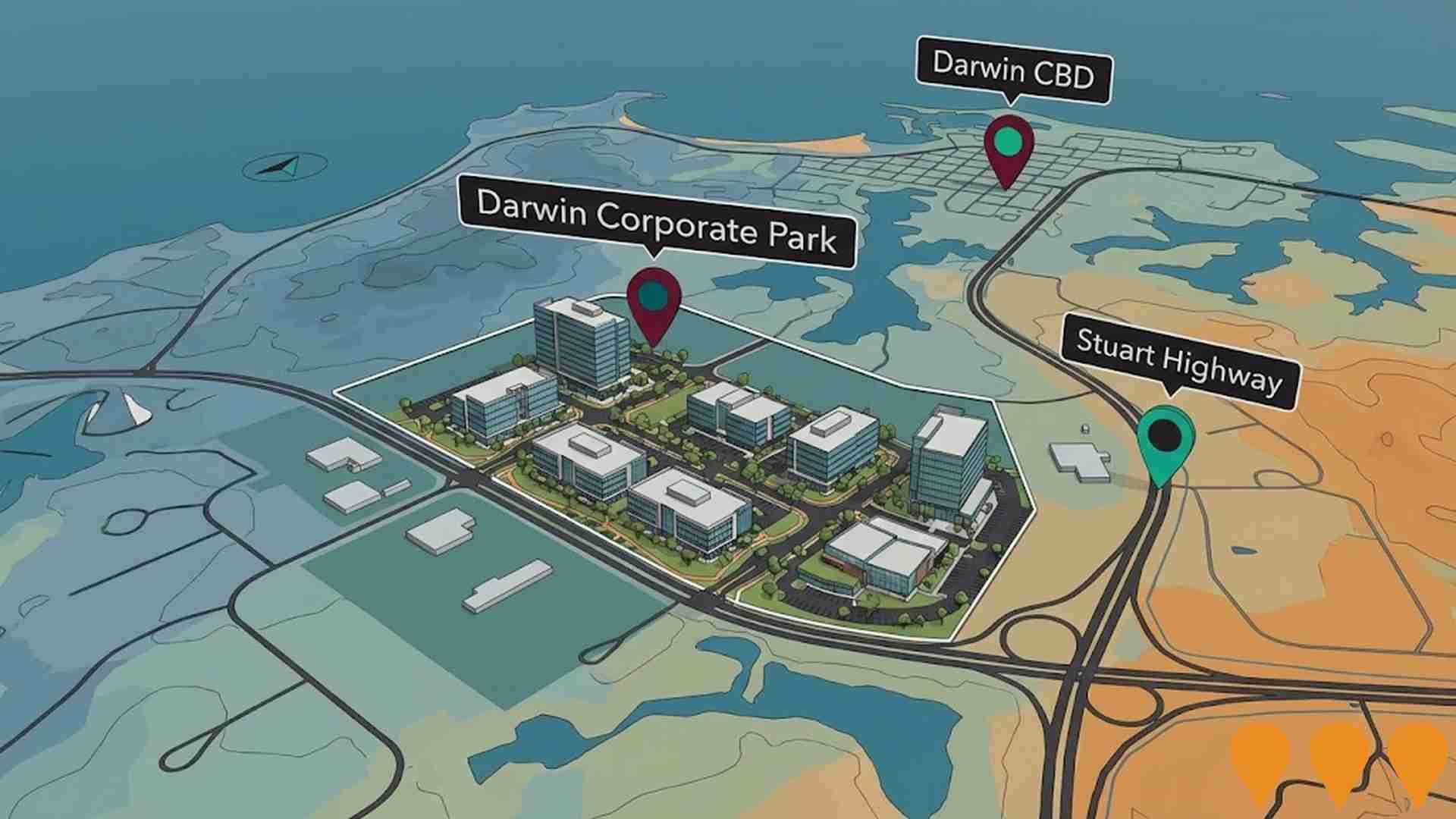
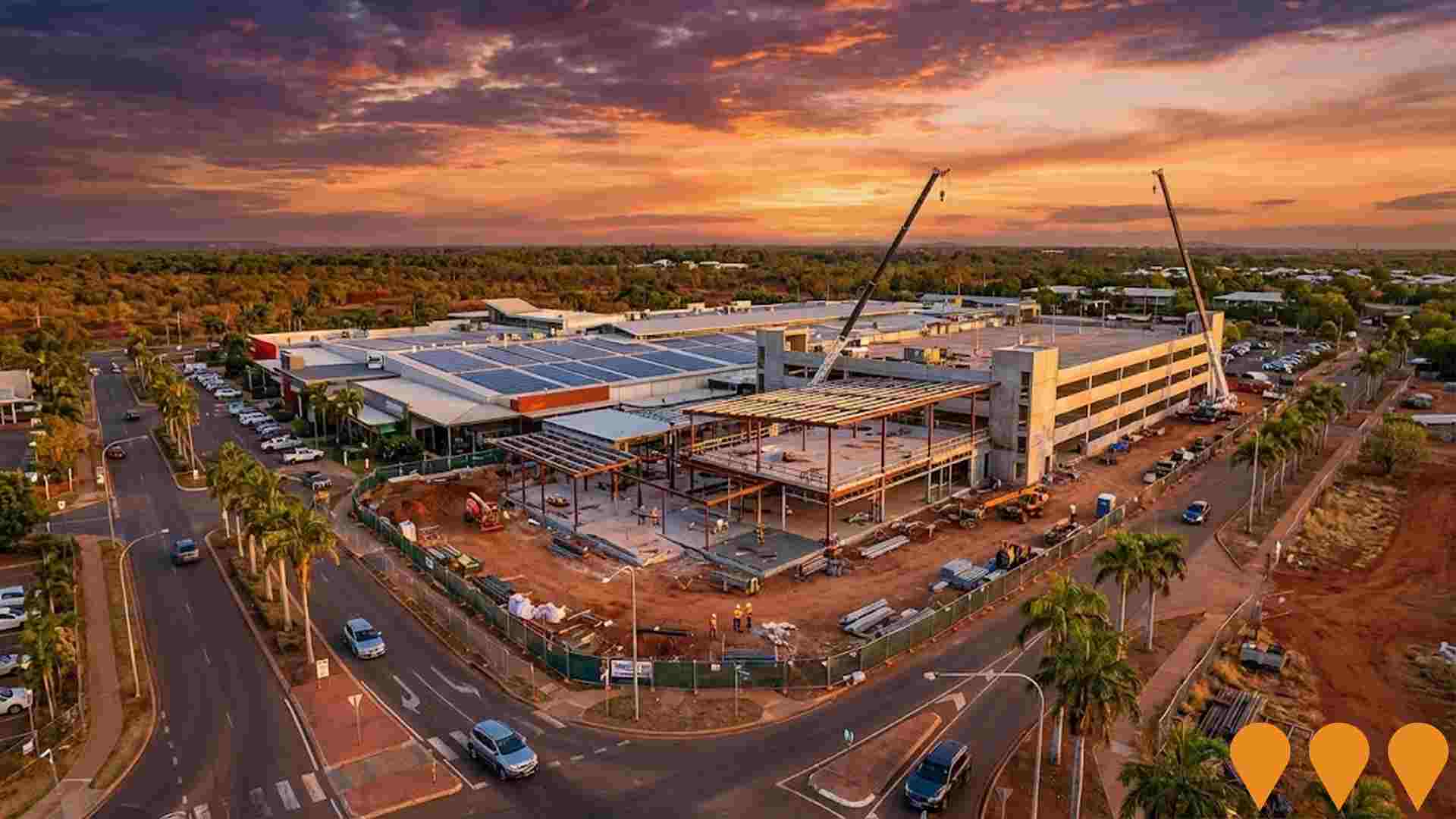
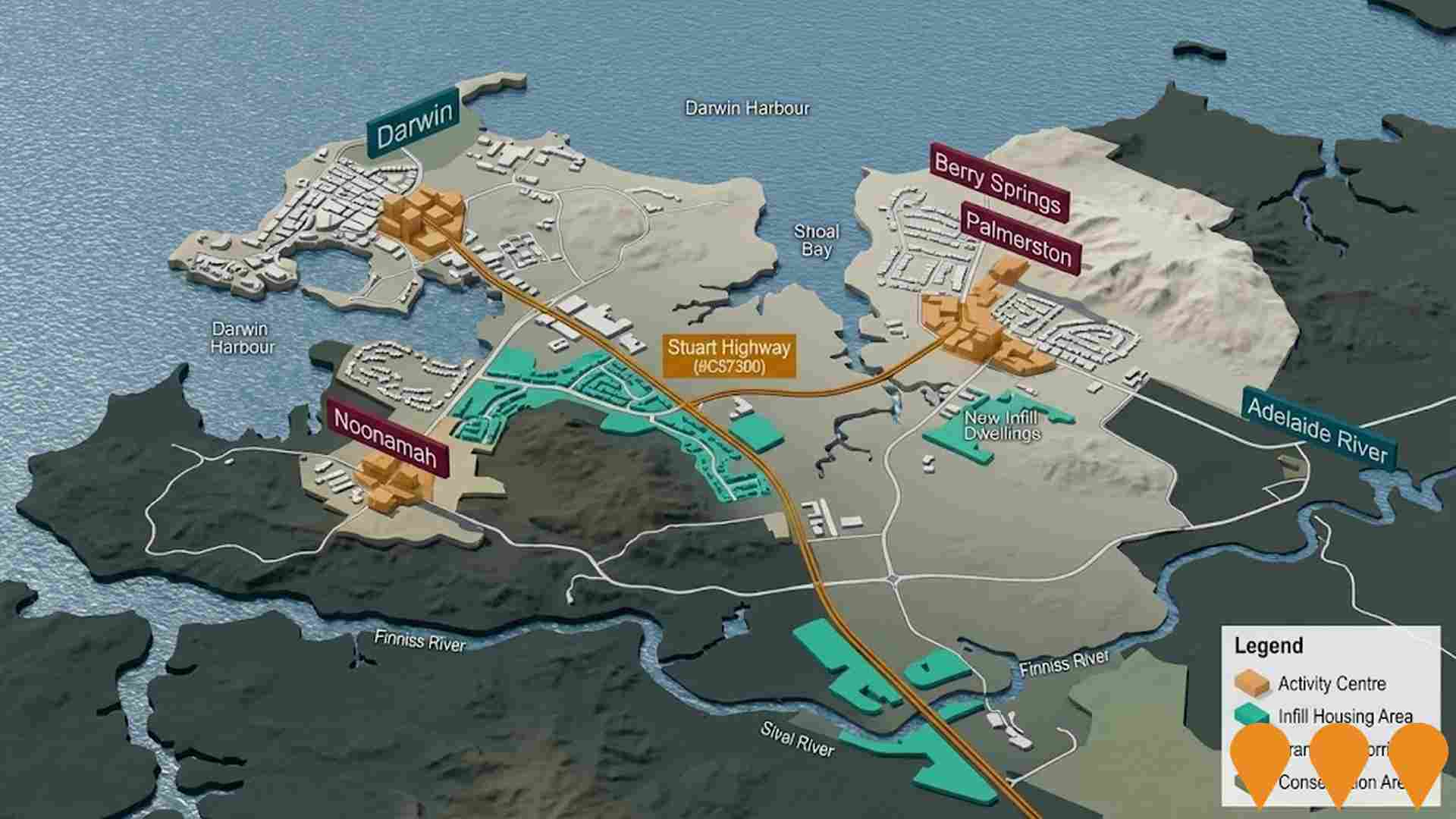
Changes to local infrastructure, major developments, and urban planning policies have a significant impact on local performance. AreaSearch has identified a total of 2 key projects expected to influence the area. These include the Social Housing Accelerator Payment (SHAP) - Greater Darwin / Nightcliff, the John Stokes Square Redevelopment, the Royal Darwin Hospital Mental Health Inpatient Unit and CSSD Upgrade, and the Casuarina Square Redevelopment, with the most relevant ones detailed in the list below.
Professional plan users can use the search below to filter and access additional projects.
INFRASTRUCTURE SEARCH
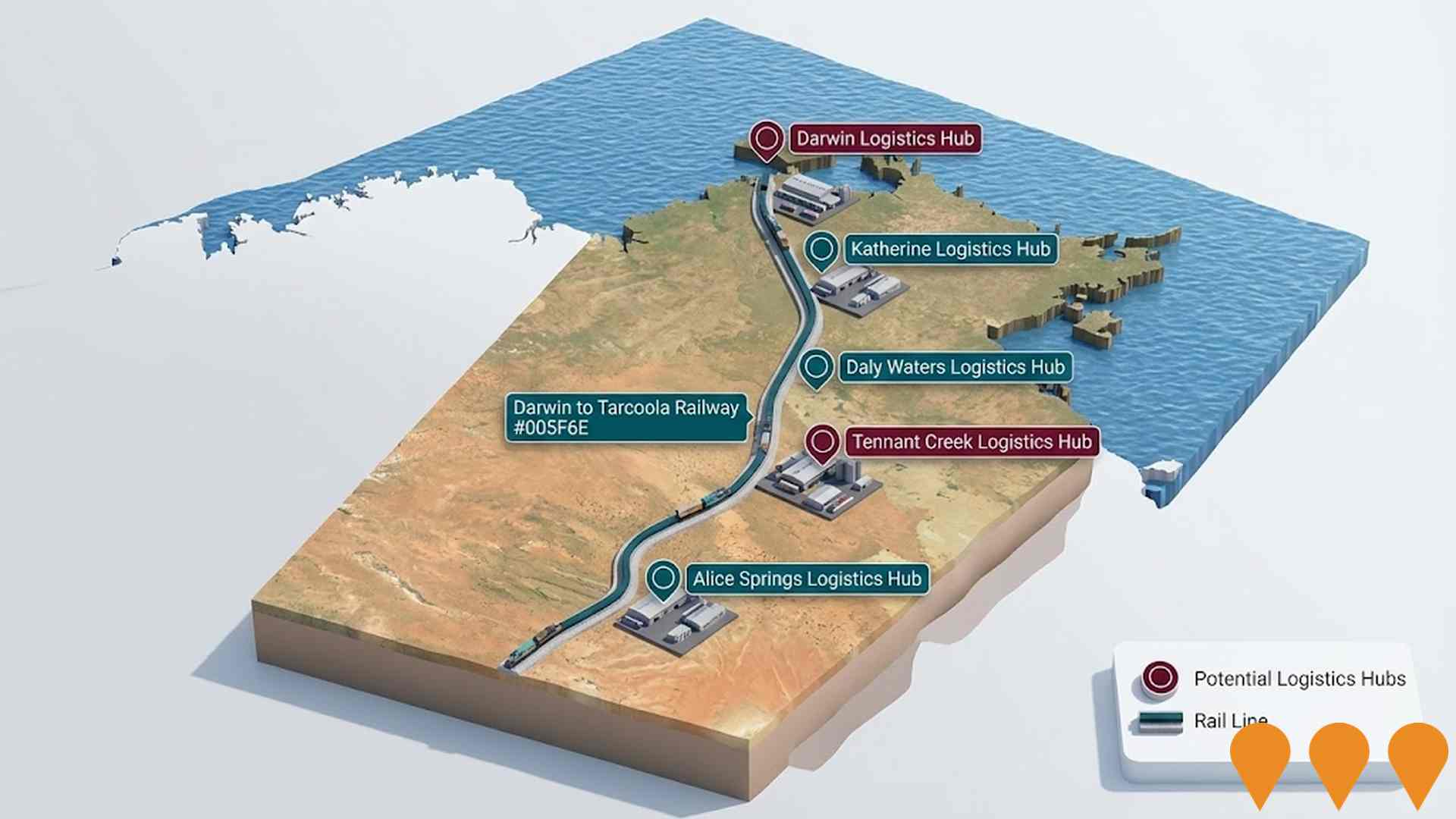
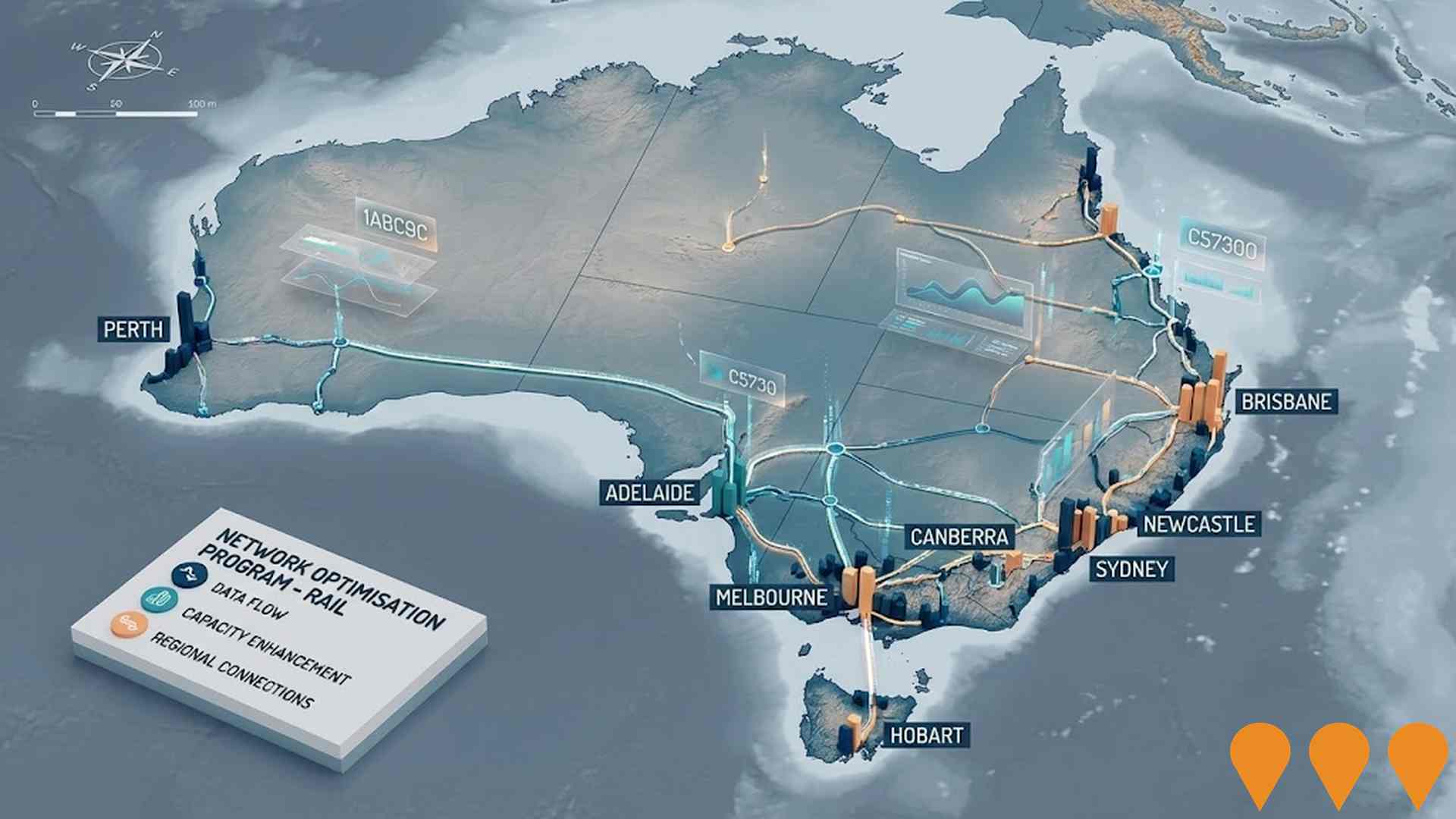
 Denotes AI-based impression for illustrative purposes only, not to be taken as definitive under any circumstances. Please follow links and conduct other investigations from the project's source for actual imagery. Developers and project owners wishing us to use original imagery please Contact Us and we will do so.
Frequently Asked Questions - Infrastructure
Australia-Asia PowerLink (AAPowerLink)
SunCable's AAPowerLink is a large renewable generation, battery storage and HVDC transmission project in the Northern Territory. The project has major environmental approvals from the Northern Territory and Australian governments, conditional Singapore approval to import 1.75 GW from 2035, Indonesian subsea permits, a Singapore-Australia cross-border electricity trade framework and a 70-year Indigenous Land Use Agreement for Powell Creek. It is being staged to supply industrial customers in the Barkly region from the late 2020s, Darwin from the early 2030s, and Southeast Asia from the mid-2030s, with final investment decision targeted for 2027.

Royal Darwin Hospital Mental Health Inpatient Unit and CSSD Upgrade
Construction of a new three-storey mental health inpatient facility providing 18 acute inpatient beds and a 6-bed Stabilisation Assessment and Referral Area (SARA). The unit connects to the Emergency Department via an elevated enclosed walkway across Nightingale Road. Internal fitout is currently underway as of May 2026. The project also encompasses upgrades to the Central Sterile Services Department (CSSD) to meet modern reprocessing standards and clinical safety requirements.

Enabling Digital Health Services for Regional and Remote Australia
A national digital infrastructure program under the Digital Health Blueprint 2023-2033 designed to provide equitable healthcare access for regional and remote Australians. The initiative is currently rolling out the 'Share by Default' legislative framework, which mandates the uploading of pathology and diagnostic imaging reports to My Health Record starting July 2026. Current 2026 milestones include the launch of the Digital Health Implementer Hub to accelerate software conformance and the implementation of the National Allied Health Digital Uplift Plan to integrate allied health practitioners into the national digital ecosystem.

John Stokes Square Redevelopment
The John Stokes Square redevelopment in Nightcliff has transformed an aging public housing estate into a mixed use social housing and community precinct. Delivered by the Northern Territory Government, the project provides a new Nightcliff Police Station, 78 purpose built social housing units for seniors and people living with disability, improved public open space and landscaping, and a pedestrian friendly link between Nightcliff Village and Nightcliff Shopping Centre. Construction of the police station finished in 2021 and the social housing towers were completed in 2023, with tenants now moving in and community housing provider Venture Housing managing the complex.

Desert Springs Octopus Renewable Energy Program
Majority Indigenous-owned developer pursuing a near-term pipeline of grid-connected solar and battery projects along the Darwin-Katherine Electricity System, with potential to expand into wind and green hydrogen. Partnership includes Octopus Australia with Larrakia Nation and Jawoyn Association to deliver utility-scale renewable energy and community benefit sharing.

Marine Industry Park
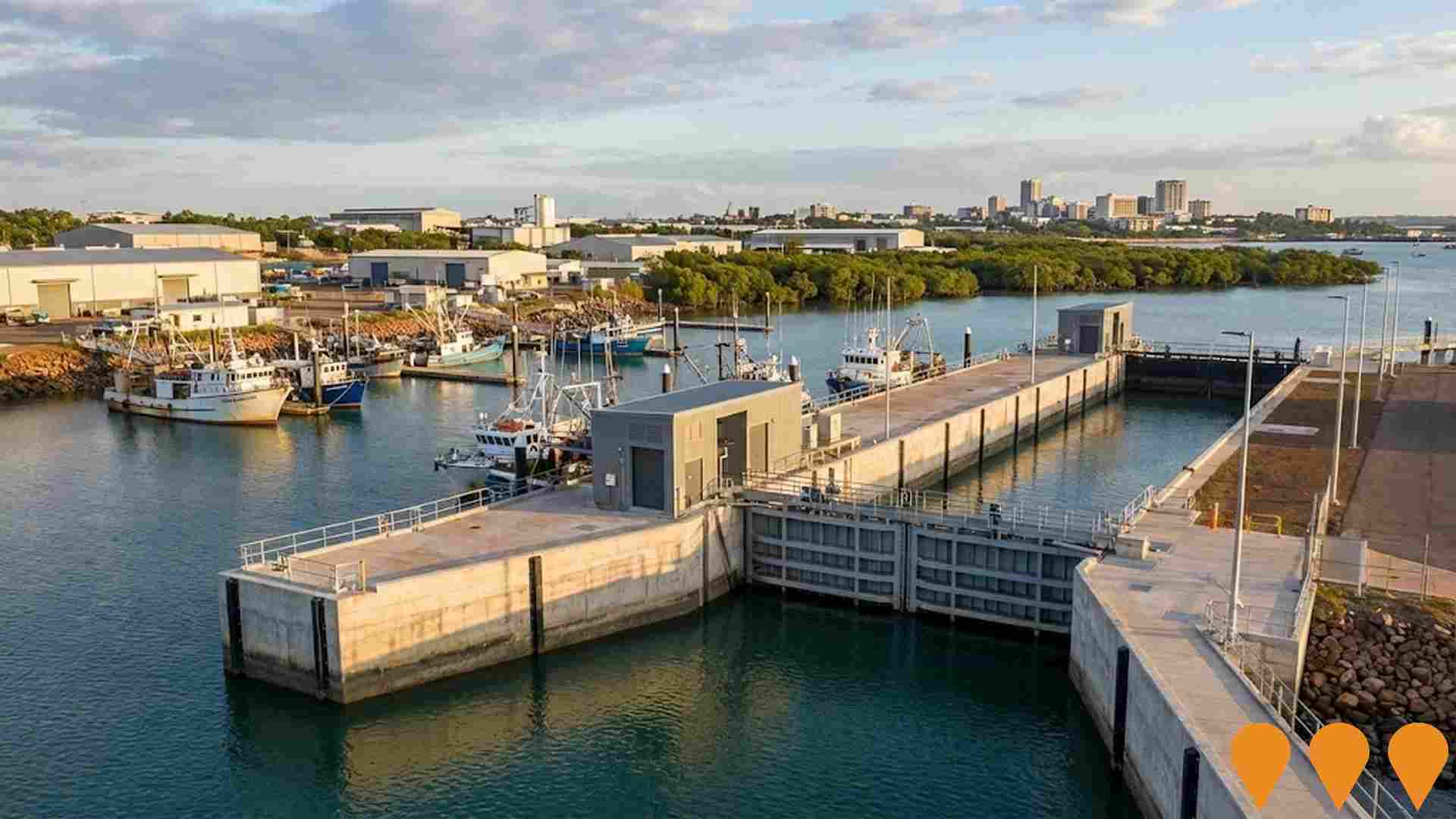
Marine and offshore industries servicing hub at East Arm, Darwin. Stage 1 planning approval is secured for a purpose-built industrial subdivision near the new Darwin Ship Lift, with expressions of interest open for serviced lots. Existing common-user facilities include an all-tide barge ramp (first point of entry) and a secure hardstand supporting storage and fabrication activities.

Hudson Creek Power Station
12MW natural gas-fired power plant, NT's first privately owned grid-connected gas generation facility. Features 25% lower emissions than average NT gas generators. Part of dual project with Batchelor Solar Farm, creating 162 construction jobs and providing vital grid stability to Darwin-Katherine network.

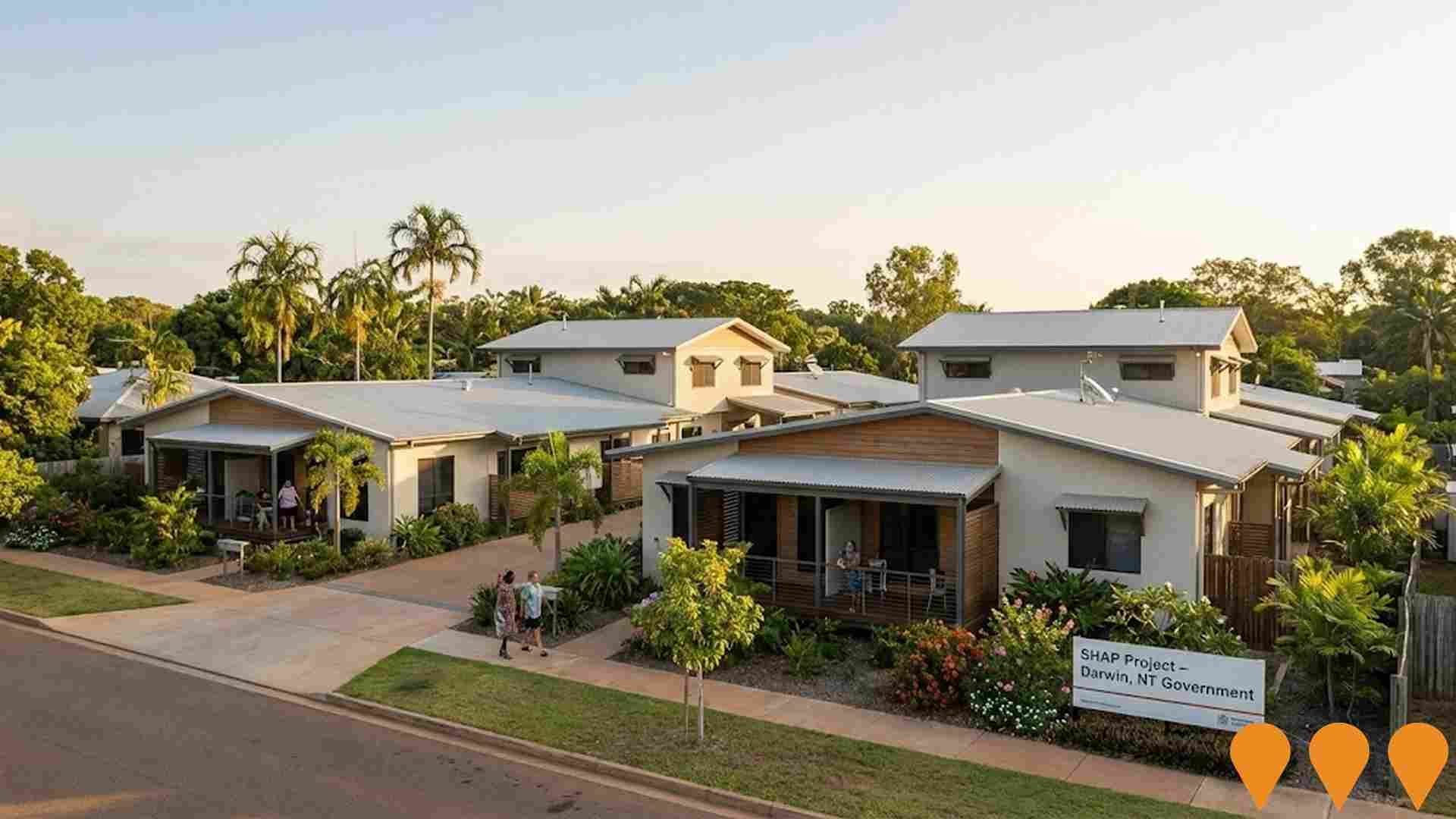
Social Housing Accelerator Payment (SHAP) - Greater Darwin / Nightcliff
Commonwealth-funded SHAP program delivering up to 100 new social and accessible homes across Greater Darwin, Katherine, Tennant Creek and Alice Springs. In Darwin's northern suburbs (including around Nightcliff), the NT Government commenced works in October 2024 with the first eight homes on vacant lots in Rapid Creek, Tiwi and Wanguri. Homes are being built to adaptable standards to better suit local climate and accessibility needs.
Employment
The labour market in Millner demonstrates typical performance when compared to similar areas across Australia
The suburb of Millner is home to a highly qualified labor force with strong representation in key service sectors, an unemployment rate of 3.5%, and an annual employment growth rate estimated at 0.5%, according to AreaSearch data compiled from statistical areas. As of March 2026, there are 1,564 employed residents, matching the Greater Darwin unemployment rate of 3.5%, while the labor participation rate is very close to the Greater Darwin level of 72.7%. Census records indicate that a minor 4.6% of residents worked from their homes, though this figures reflects the influence of COVID-19 restrictions.
Local employment is heavily weighted toward health care & social assistance, public administration & safety, and education & training. The presence of health care & social assistance jobs is particularly strong, standing at 1.5 times the regional average. Conversely, public administration & safety is underrepresented, employing 13.3% of the local workforce compared to 19.5% in Greater Darwin. The comparison of local working residents against resident workers indicates that this mostly residential suburb offers limited local employment opportunities.
AreaSearch's analysis of SALM and ABS statistics for the 12 months ending March 2026 shows that local employment rose by 0.5% while the labor force expanded by 0.7%, leading to a 0.2 percentage point increase in the unemployment rate. In comparison, Greater Darwin saw employment grow by 0.4%, the labor force expand by 0.8%, and the unemployment rate rise by 0.3 percentage points. National employment projections from May-25 by Jobs and Skills Australia provide further context on future occupational demand in the suburb of Millner. These five and ten-year projections have been applied to the local workforce structure to model future growth. While national employment is projected to grow by 6.6% over five years and 13.7% over ten years, trends vary by sector. Applying these sectoral trends to the local industry mix suggests that employment for residents of the suburb of Millner will grow by 6.9% over five years and 14.2% over ten years, though this is a simple weighted extrapolation and does not factor in local population changes.
Frequently Asked Questions - Employment
Income
The economic profile demonstrates above-average performance, with income metrics exceeding national benchmarks based on AreaSearch comparative assessment
According to financial year 2023 ATO statistics compiled by AreaSearch, income levels in the suburb of Millner are slightly below the national average. The median taxpayer income in the suburb of Millner is $57,384, with an average income of $66,829, compared to $66,956 and $77,199 respectively in Greater Darwin. Factoring in Wage Price Index growth of 9.41% since financial year 2023, current estimates for March 2026 would be roughly $62,784 for the median and $73,118 for the average. In the 2021 Census, individual weekly income was at the 74th percentile ($957 weekly), while household income was at the 54th percentile. The largest group, making up 39.4% of residents (1,070 residents), earns between $1,500 - 2,999 weekly, which aligns closely with the Greater Darwin proportion of 36.7%. Residential costs account for 15.4% of income, but solid earnings keep disposable income at the 55th percentile, and the area ranks in the 4th decile for SEIFA income.
Frequently Asked Questions - Income
Housing
Millner displays a diverse mix of dwelling types, with above-average rates of outright home ownership
At the time of the latest Census, the housing mix in the suburb of Millner consisted of 52.5% houses and 47.5% other dwellings, which include semi-detached properties and apartments, compared to 63.5% houses and 36.5% other dwellings across metro Darwin. Outright home ownership in the suburb of Millner stood at 22.6%, with the remaining properties occupied by residents with a mortgage (28.9%) or renters (48.5%). The median monthly mortgage payment was $1,733, notably lower than the metro Darwin average, while median weekly rent was $340, compared to $2,100 and $385 in the Darwin metro area. Nationally, mortgage payments in the suburb of Millner are lower than the Australian median of $1,863, and rent payments are also below the national average of $375.
Frequently Asked Questions - Housing
Household Composition
Millner features high concentrations of group households, with a lower-than-average median household size
Families make up 64.8% of all households in the suburb of Millner, consisting of couples with children at 26.9%, couples without children at 21.6%, and single-parent households at 14.3%. The remaining 35.2% are non-family households, with single-person households representing 27.3% and group households making up 8.1%. The median household occupancy of 2.4 people is slightly lower than the Greater Darwin average of 2.6.
Frequently Asked Questions - Households
Local Schools & Education
Educational outcomes in Millner fall within the lower quartile nationally, indicating opportunities for improvement in qualification attainment
The proportion of residents with tertiary education in the suburb of Millner is considerably higher than regional and national averages, with 38.7% of citizens aged 15+ holding a university degree, compared to 27.3% in NT and 30.4% across Australia. This educational profile positions the community well for professional opportunities. Bachelor degrees are the most common at 23.2%, followed by postgraduate degrees at 11.8% and graduate diplomas at 3.7%. Technical and vocational training is also common, with 29.2% of residents aged 15+ holding vocational qualifications, split between advanced diplomas (9.5%) and certificates (19.7%).
Enrolment in education is strong, with 33.2% of local residents actively participating in formal study. This student population includes 9.8% in primary schools, 8.5% in higher education, and 5.9% in secondary schools.
Frequently Asked Questions - Education
Schools Detail
Nearby Services & Amenities
Transport
Transport servicing is good compared to other areas nationally based on assessment of service frequency, route connectivity and accessibility
Analysis of public transit shows 16 active bus stops operating in the suburb of Millner. These stops are served by 35 different routes, which together provide 1,781 passenger trips every week. Transit access is rated as excellent, with residents living an average of 153 meters from the nearest stop. Because the area is mostly residential, most workers commute out of the suburb, with private cars remaining the primary travel mode at 85%, followed by buses at 7% and bicycles at 2%. Vehicle ownership averages 1.2 per home, which is below the regional average. A relatively low 4.6% of residents work from home, based on 2021 Census data, which may reflect pandemic-era conditions.
The average service frequency across all routes is 254 trips per day, which translates to roughly 111 weekly trips for each transit stop.
Frequently Asked Questions - Transport
Transport Stops Detail
Health
Millner's residents are healthier than average in comparison to broader Australia with a fairly standard level of common health conditions seen across both young and old age cohorts
Health indicators show positive patterns for residents in the suburb of Millner, with AreaSearch's evaluation of mortality rates and illnesses showing results that align with national averages. The prevalence of common health conditions is standard across both younger and older demographics, and the rate of private health insurance is slightly above the typical SA2 area at roughly 53% of the population (~1,446 people), compared to 57.8% in Greater Darwin.
Arthritis and mental health conditions are the most frequently reported medical issues, affecting 6.5 and 5.7% of residents, respectively, while 76.9% reported no long-term medical conditions, compared to 77.1% across Greater Darwin. Health indicators for residents under 65 are better than average. Residents aged 65 and older make up 12.2% of the population (331 people), which is higher than the Greater Darwin average of 11.0%. Senior citizens in the area enjoy particularly strong health outcomes, with national rankings exceeding those of the general population.
Frequently Asked Questions - Health
Cultural Diversity
Millner is among the most culturally diverse areas in the country based on AreaSearch assessment of a range of language and cultural background related metrics
The suburb of Millner displays high levels of cultural diversity, with 41.7% of the population born outside Australia and 40.8% speaking a language other than English at home. Christianity is the most common religious affiliation, representing 39.2% of residents. However, the most distinct religious concentration is Hinduism, which is practiced by 10.5% of the population, notably higher than the Greater Darwin average of 4.2%.
In terms of parental country of birth, the top three ancestries in the suburb of Millner are Other at 21.3% (significantly above the regional average of 13.1%), Australian at 17.7%, and English at 17.7%. There are also distinct differences in the representation of other ethnic backgrounds, with Filipino residents making up 5.3% of the suburb of Millner (compared to 3.8% regionally), Spanish at 0.9% (compared to 0.4%), and Greek at 3.9% (compared to 2.3%).
Frequently Asked Questions - Diversity
Age
Millner's population is slightly younger than the national pattern
The median age in the suburb of Millner is 36, making it slightly older than the Greater Darwin median of 34 but slightly younger than the Australian median of 38. Compared to Greater Darwin, the suburb of Millner has a higher proportion of residents aged 55 - 64 (13.5%) but a lower share of those aged 45 - 54 (9.9%). Since the 2021 Census, the 55 to 64 age group has expanded from 10.8% to 13.5% of the population, and the 35 to 44 age bracket has risen from 15.3% to 17.0%. In contrast, the 45 to 54 cohort shrank from 13.8% to 9.9%, and the 0 to 4 group declined from 6.7% to 4.8%. Population projections for 2041 indicate notable demographic shifts in the suburb of Millner, with the 65 to 74 age group expected to grow the most at 42%, adding 76 residents to reach 259, while the 0 to 4 group is projected to grow by just 3% (4 people).