Chart Color Schemes
This analysis uses Suburbs and Localities (SAL) boundaries, which can materially differ from Statistical Areas (SA2) even when sharing the same name.
SAL boundaries are defined by Australia Post and the Australian Bureau of Statistics to represent commonly-known suburb names used in postal addresses.
Statistical Areas (SA2) are designed for census data collection and may combine multiple suburbs or use different geographic boundaries. For comprehensive analysis, consider reviewing both boundary types if available.
est. as @ -- *
2021 Census | -- people





Sales Activity


Curious about local property values? Filter the chart to assess the volume and appreciation (including resales) trends and regional comparisons, or scroll to the map below view this information at an individual property level.
Find a Recent Sale

Sales Detail
Population
Killara lies within the top 10% of areas nationally in terms of population growth performance according to AreaSearch analysis of short and medium-term trends
The population of the Killara (Wodonga - Vic.) statistical area (Lv2) was estimated at 1,578 as of November 2025. This figure reflects an increase of 93 people since the 2021 Census, which reported a population of 1,485 people. The change is inferred from AreaSearch's estimation of the resident population at 1,476 following examination of the latest ERP data release by the ABS in June 2024, along with two validated new addresses since the Census date. This level of population equates to a density ratio of 956 persons per square kilometer. The growth rate of 6.3% since the 2021 census exceeded that of the SA3 area (4.2%) and the SA4 region, marking Killara as a growth leader in the region. Interstate migration contributed approximately 67.0% of overall population gains during recent periods.
AreaSearch is adopting ABS/Geoscience Australia projections for each SA2 area, released in 2024 with 2022 as the base year. For areas not covered by this data, AreaSearch utilises VIC State Government's Regional/LGA projections released in 2023, adjusted employing a method of weighted aggregation of population growth from LGA to SA2 levels. Growth rates by age group are applied across all areas for years 2032 to 2041. Exceptional growth is predicted over the period with the area expected to grow by 1,195 persons to 2041 based on aggregated SA2-level projections, reflecting an increase of 81.2% in total over the 17 years.
Frequently Asked Questions - Population
Development
Recent residential development output has been above average within Killara when compared nationally
Killara had minimal residential development activity with 3 dwelling approvals annually over the five-year period ending 2021. This resulted in a total of 15 dwellings approved during this time. The low development levels reflect the rural nature of the area, where development is typically driven by specific local housing needs rather than broad market demand.
It is important to note that due to the small number of approvals, individual development projects can significantly impact annual growth and relativity statistics. Killara has substantially lower development levels compared to Rest of Vic., with development levels also under national averages. Furthermore, new construction during this period was completely comprised of standalone homes, maintaining the area's rural nature with emphasis on space. With around 234 people per approval, Killara reflects a transitioning market.
According to AreaSearch's latest quarterly estimate, Killara is forecasted to gain 1,282 residents by 2041. Should current construction levels persist, housing supply could lag population growth, likely intensifying buyer competition and underpinning price growth.
Frequently Asked Questions - Development
Infrastructure
Killara has very high levels of nearby infrastructure activity, ranking in the top 20% nationally
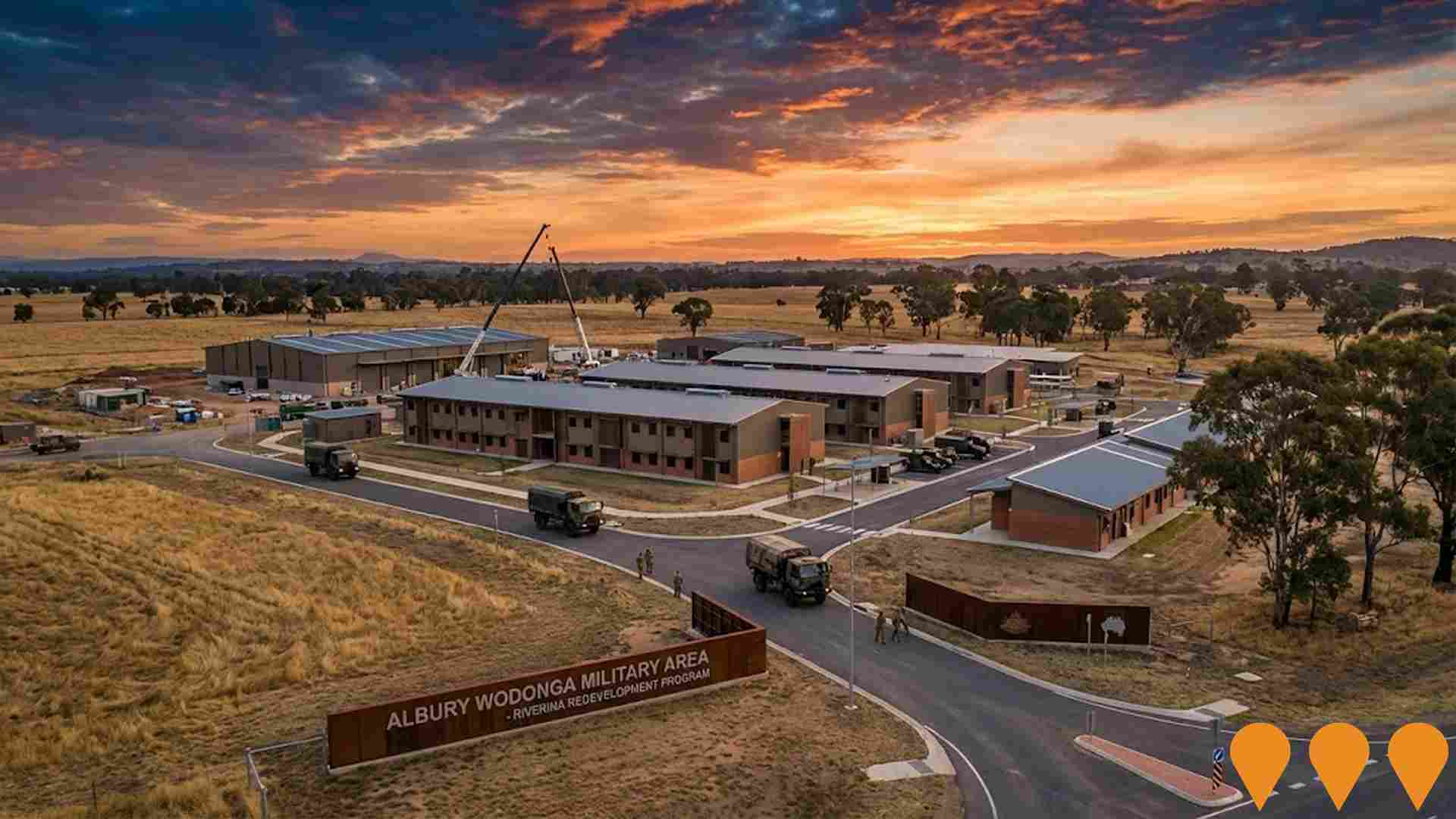
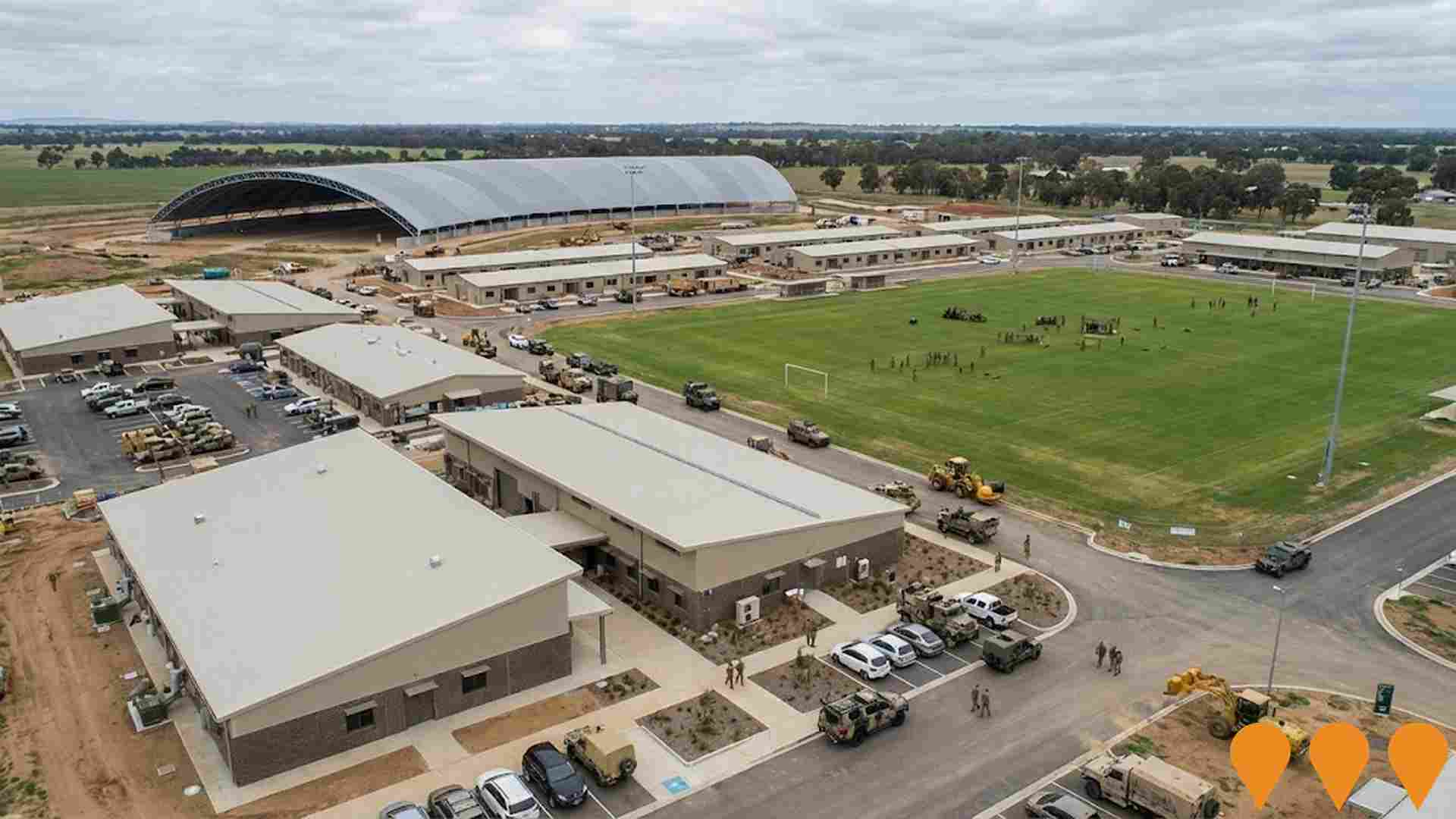
No infrastructure changes are currently planned in the area. No projects have been identified by AreaSearch that will impact the region. Key initiatives include Riverina Redevelopment Program (Albury Wodonga Military Area Redevelopment Project), Baranduda Electrical Energy Reserve (BESS), Baranduda Fields Sporting Complex, and Planning for Wodonga Hills.
Professional plan users can use the search below to filter and access additional projects.
INFRASTRUCTURE SEARCH
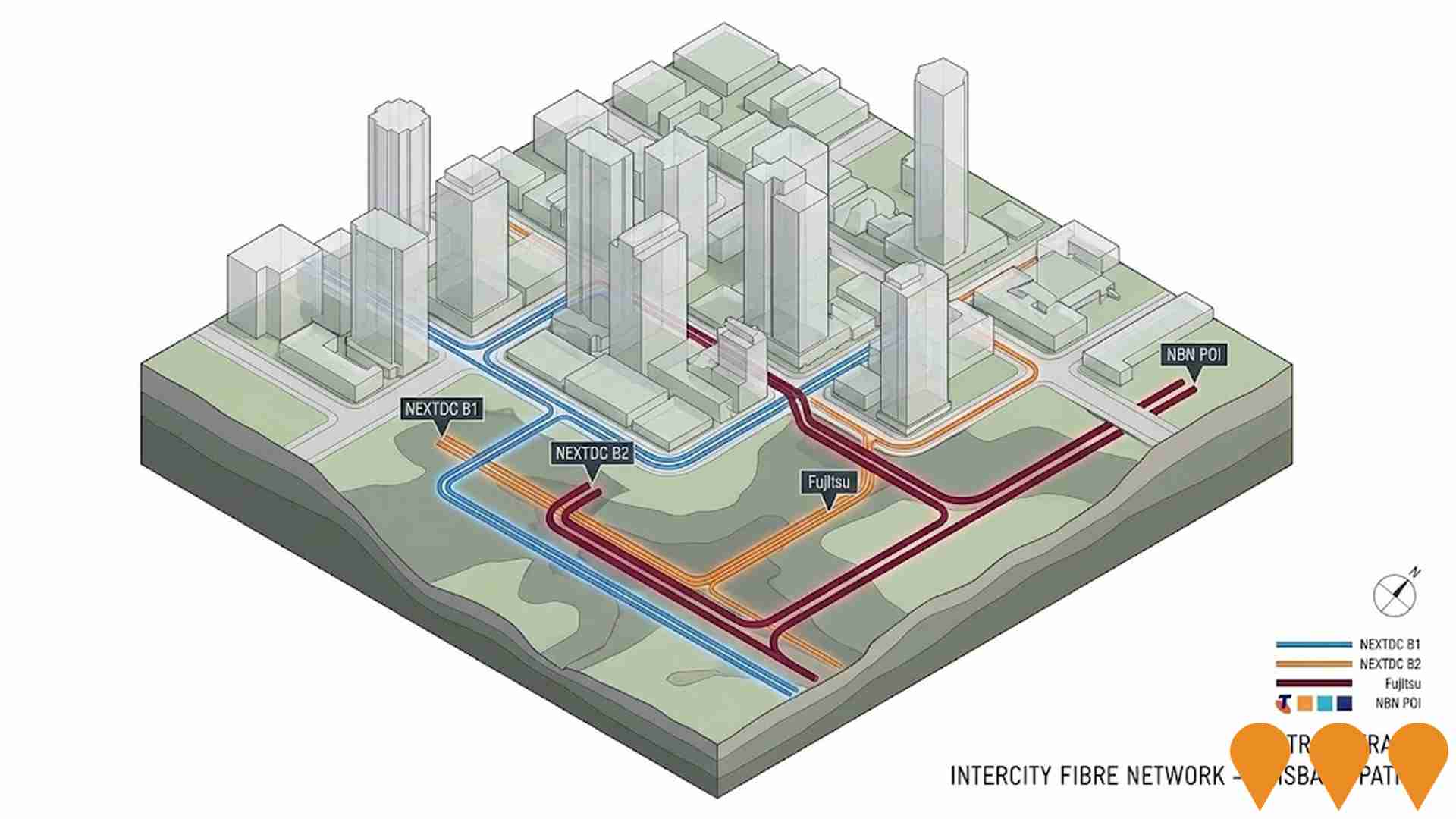
 Denotes AI-based impression for illustrative purposes only, not to be taken as definitive under any circumstances. Please follow links and conduct other investigations from the project's source for actual imagery. Developers and project owners wishing us to use original imagery please Contact Us and we will do so.
Frequently Asked Questions - Infrastructure
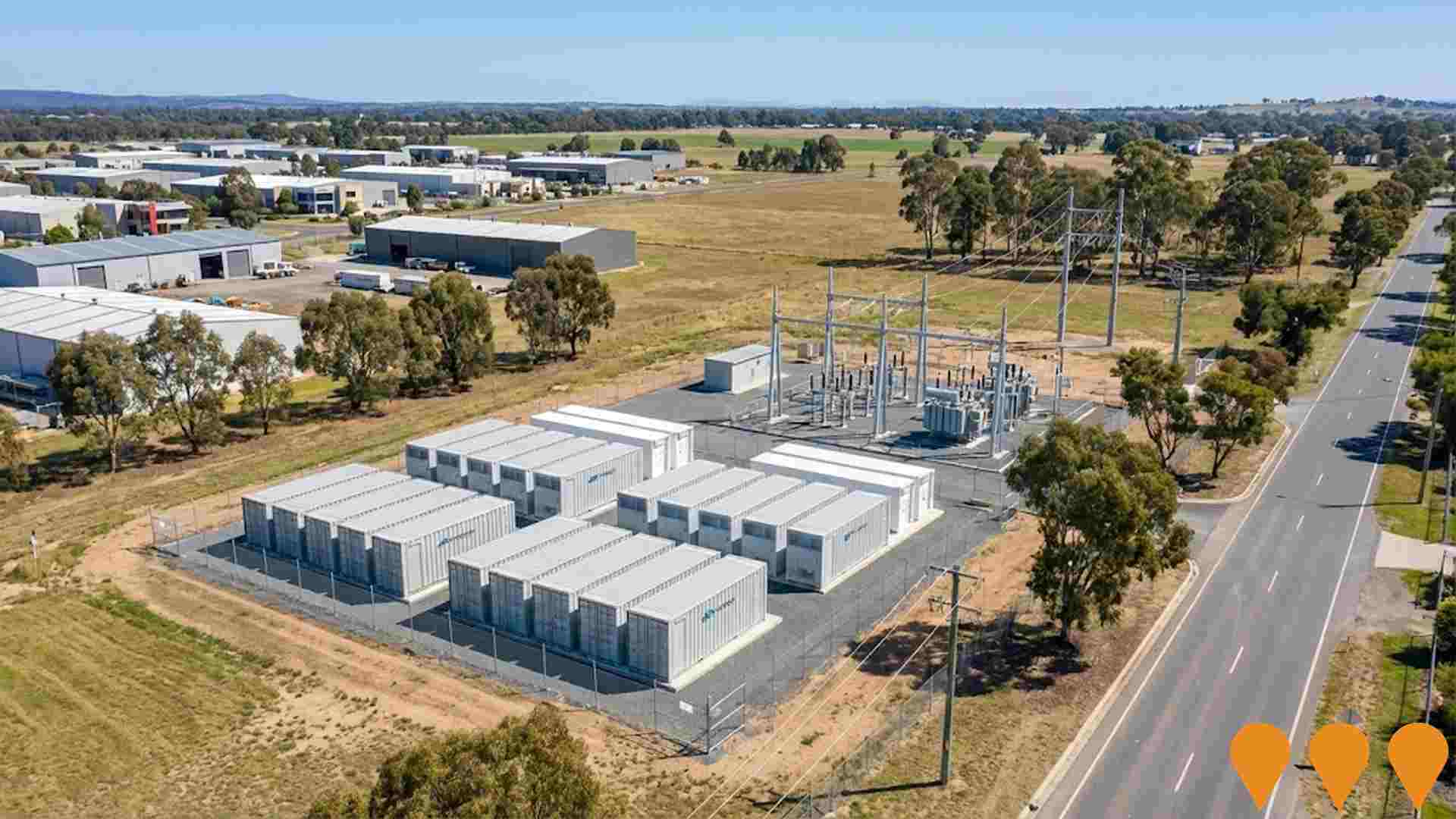
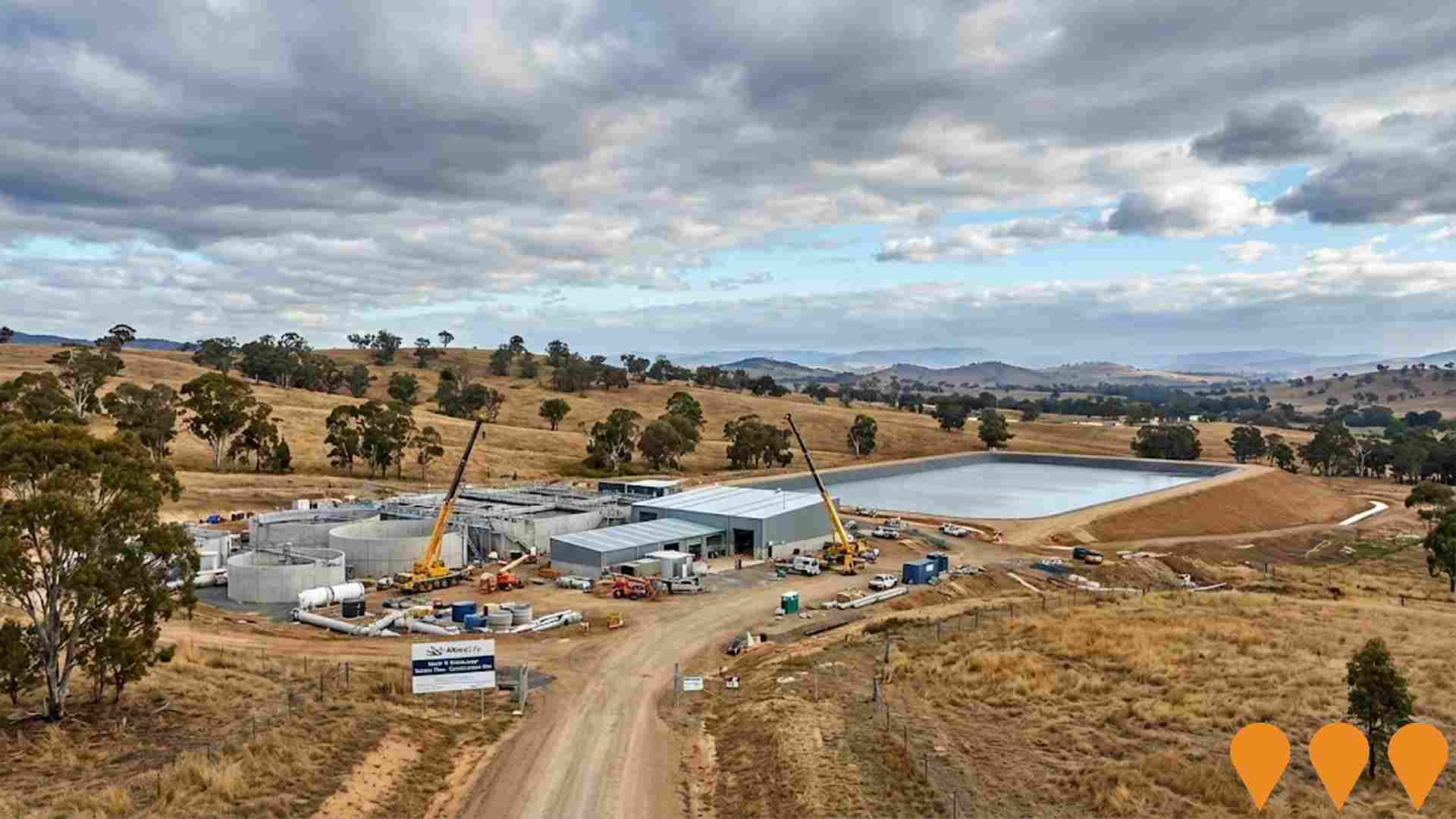
Baranduda Electrical Energy Reserve (BESS)
The development of a 400 MW/1,800 MWh Battery Energy Storage System (BESS) located in an industrial precinct near Wodonga, Victoria. It will connect to the adjacent Ausnet Wodonga Terminal Station via a 228-meter overhead powerline. The BESS is designed to store and release energy to complement rooftop solar, stabilize the electricity grid, and help reduce wholesale power prices in Victoria and NSW by providing long-term grid support services.
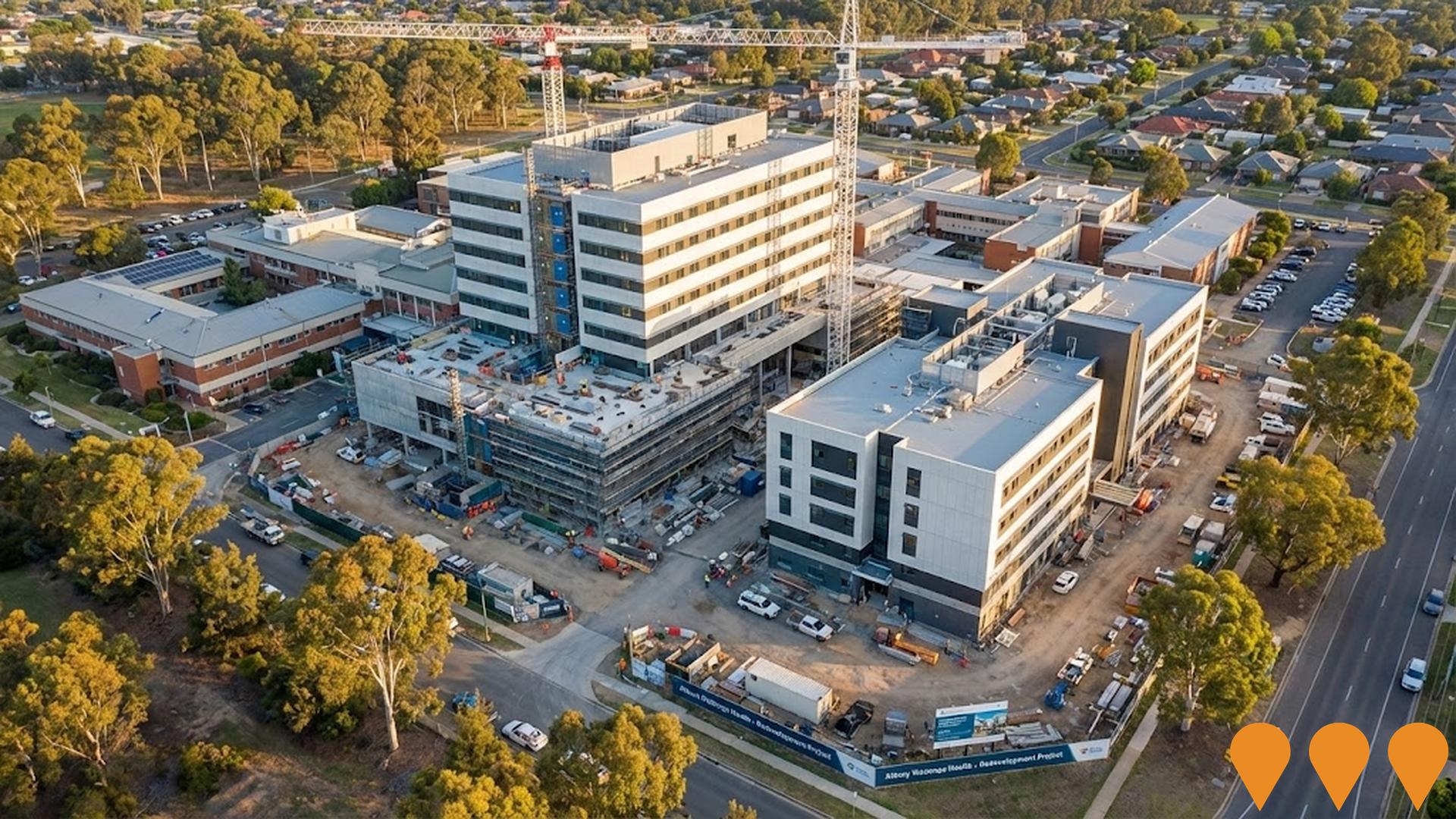
Albury Wodonga Regional Hospital Redevelopment
AUD 558 million joint NSW-Victorian-Commonwealth funded redevelopment of Albury Wodonga Health (Albury Campus). Delivering a new 7-storey Clinical Services Tower and separate Northeast Building. Key features include 80+ additional beds, expanded emergency department, new operating theatres (including hybrid theatre), expanded ICU, new 32-bed adult mental health unit, upgraded maternity and special care nursery, dedicated paediatric unit, and consolidated cancer services. Construction commenced early 2025 by Hansen Yuncken; Northeast Building due for completion 2026, main Clinical Services Tower 2028.
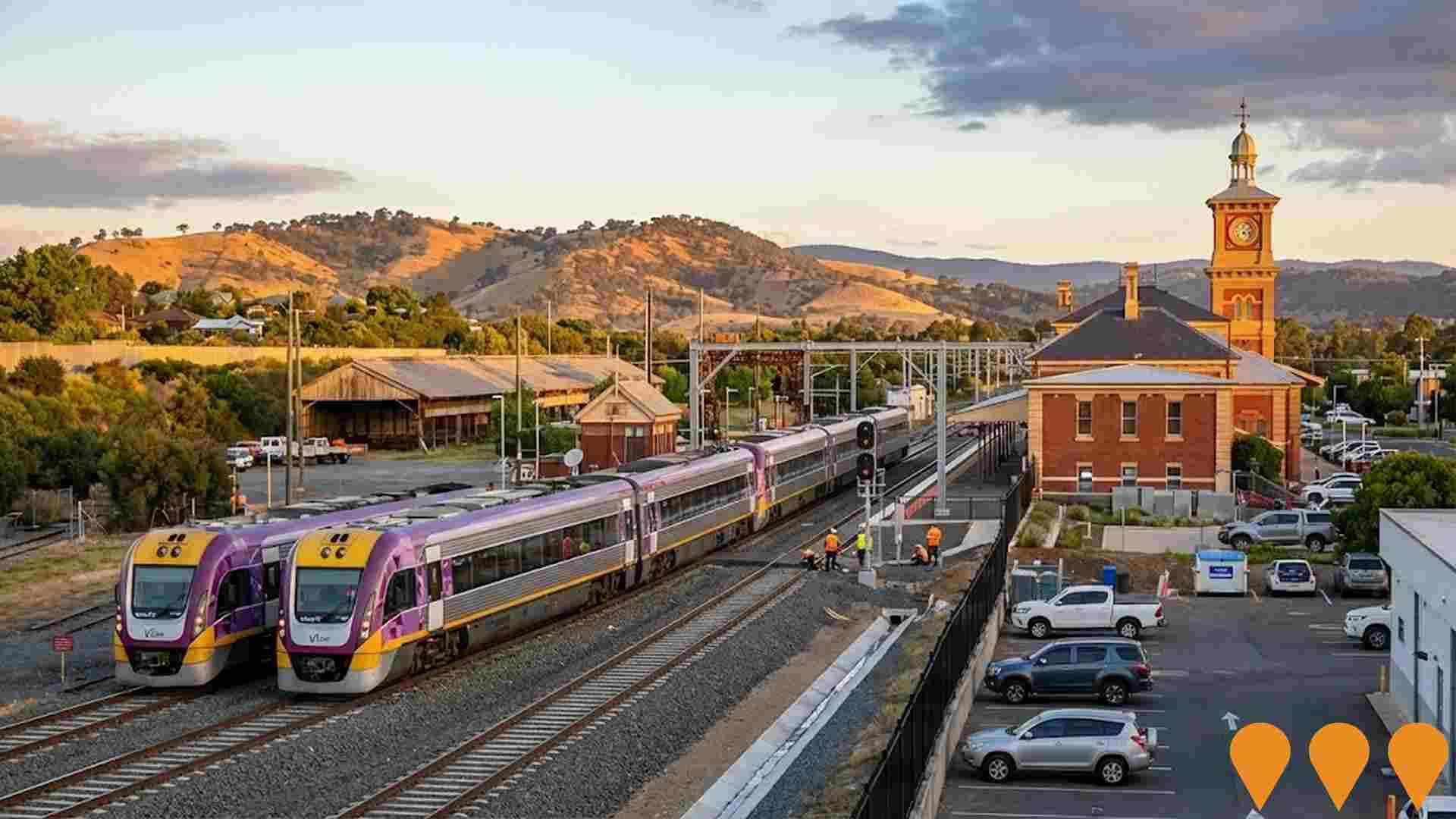
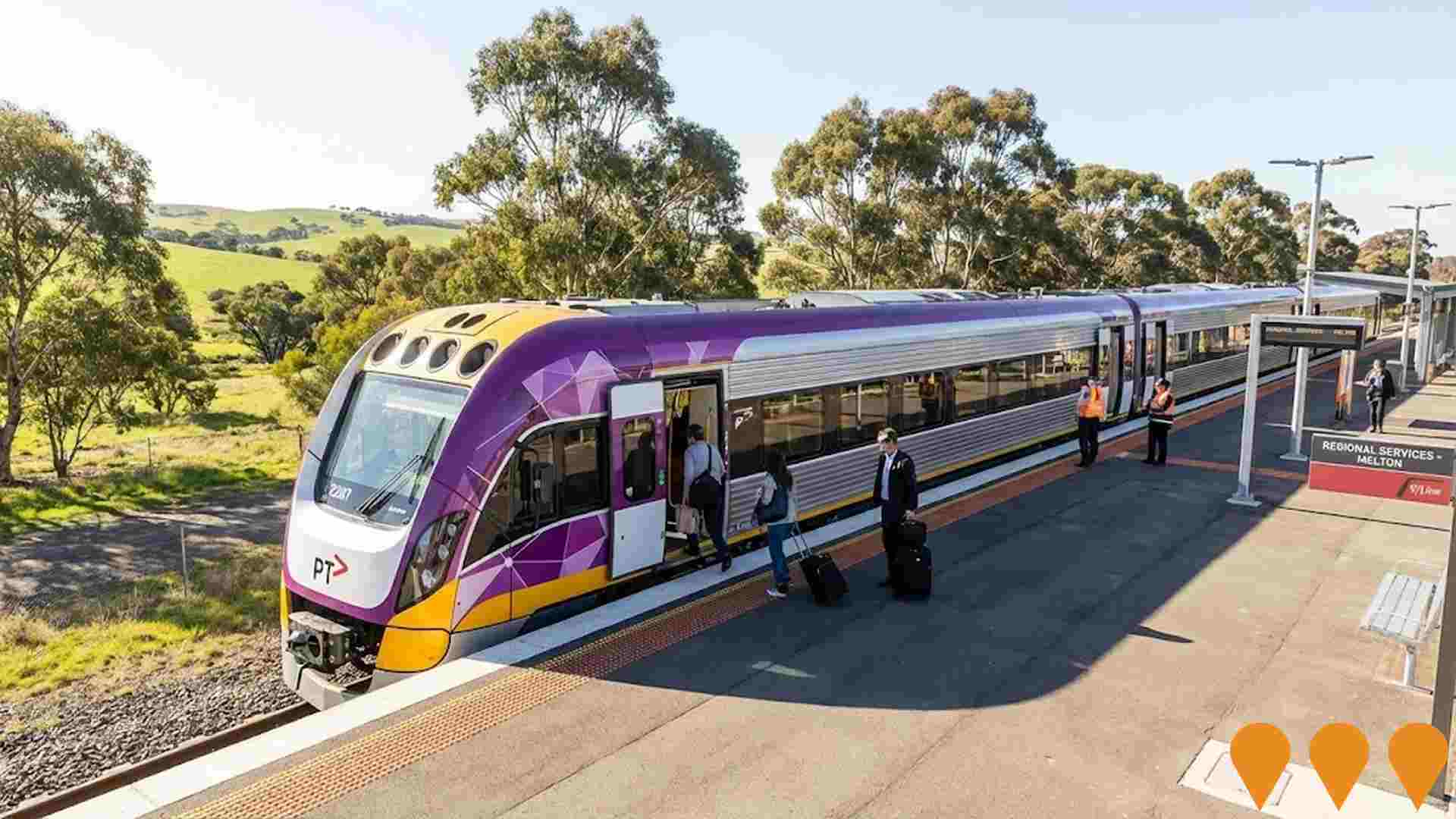
North East Rail Line Upgrade
Major upgrade to the North East Rail Line between Melbourne and Albury-Wodonga, improving freight and passenger services, including track resurfacing, mud-hole removal, drainage improvements, bridge upgrades, and signalling enhancements to allow VLocity trains and better ride quality.
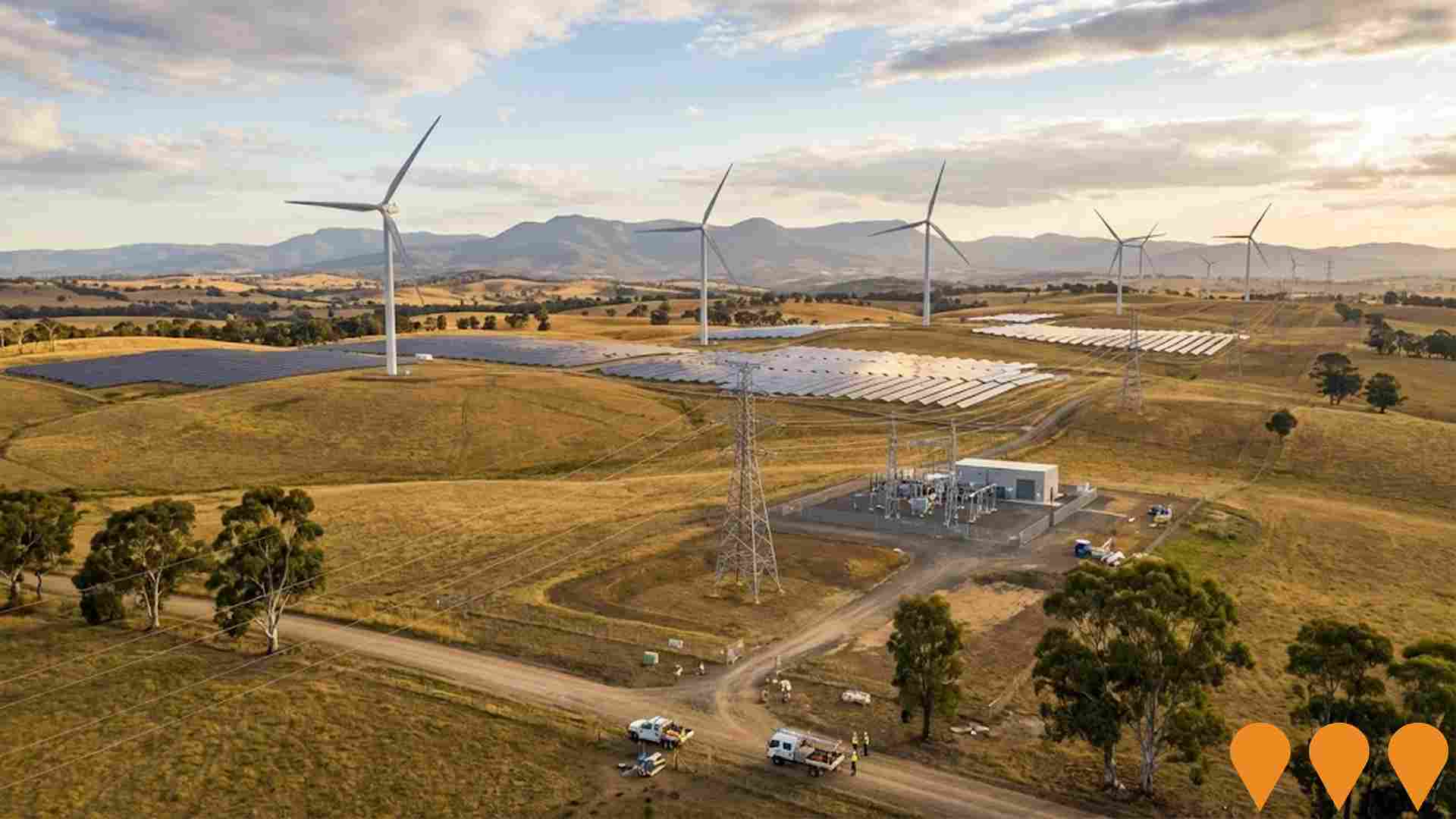
Victorian Renewable Energy Zones
VicGrid, a Victorian Government agency, is coordinating the planning and staged declaration of six proposed onshore Renewable Energy Zones (plus a Gippsland shoreline zone to support offshore wind). The 2025 Victorian Transmission Plan identifies the indicative REZ locations, access limits and the transmission works needed to connect new wind, solar and storage while minimising impacts on communities, Traditional Owners, agriculture and the environment. Each REZ will proceed through a statutory declaration and consultation process before competitive allocation of grid access to projects.
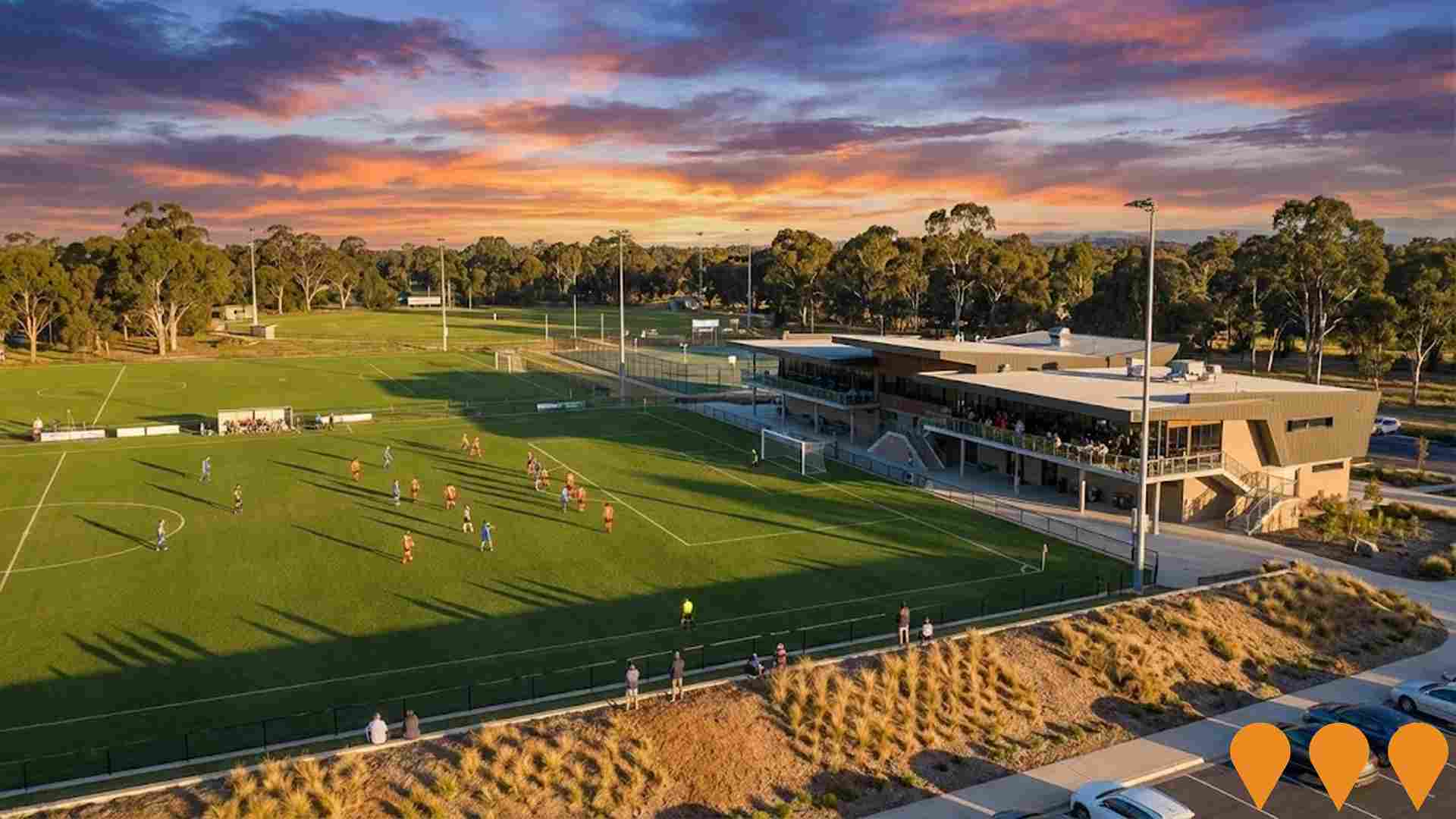
Baranduda Fields Sporting Complex
Regionally significant state-of-the-art sports and recreation facility in Wodonga, featuring two National Premier League standard turf football fields with lighting and pavilions, a full-sized Australian Rules football and cricket oval, two full-sized netball courts, shared pavilions with change rooms, umpires rooms, first aid, canteen, spectator seating, car parks, and shared pathways to serve the growing population.
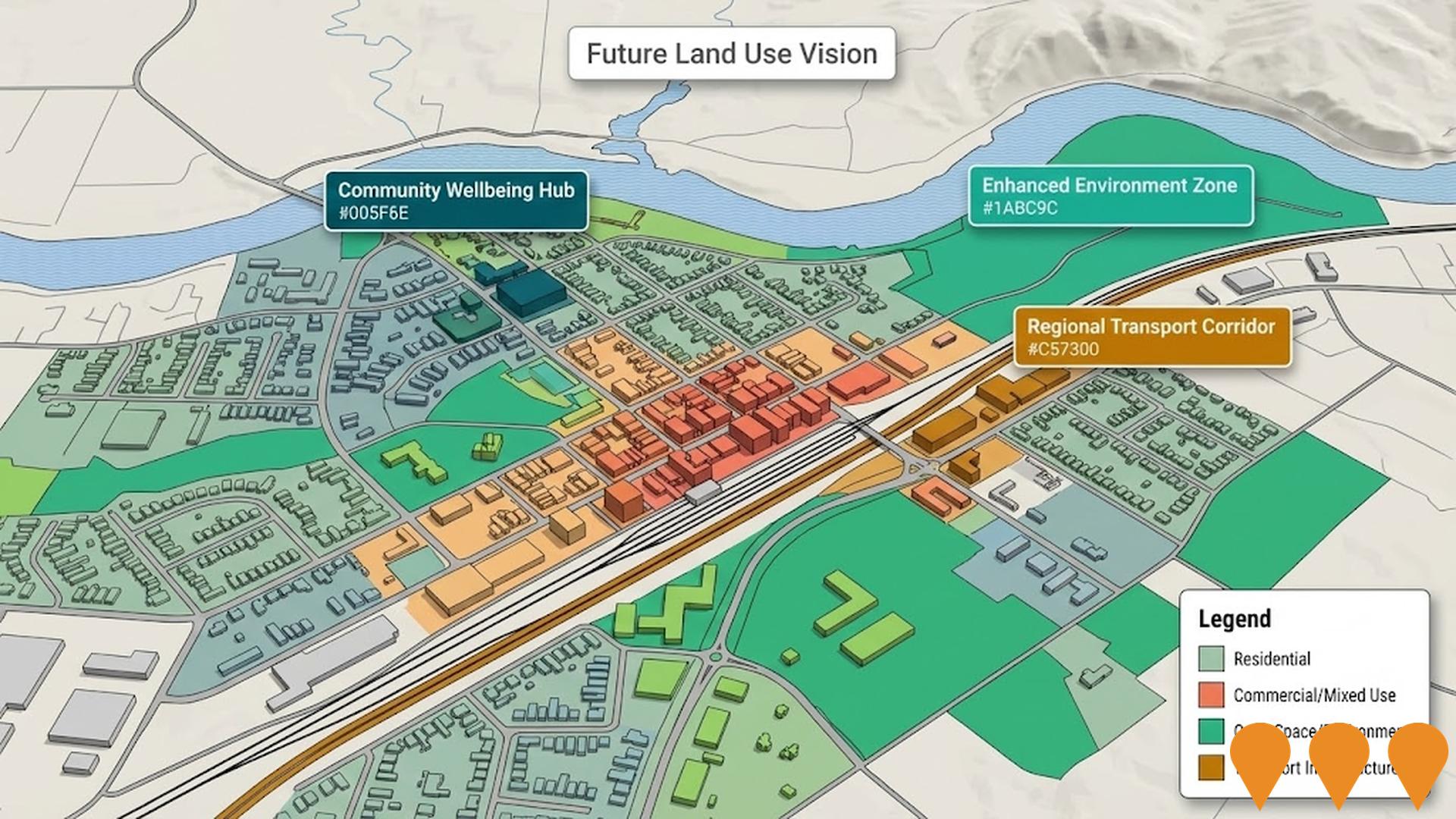
Planning for Wodonga Hills
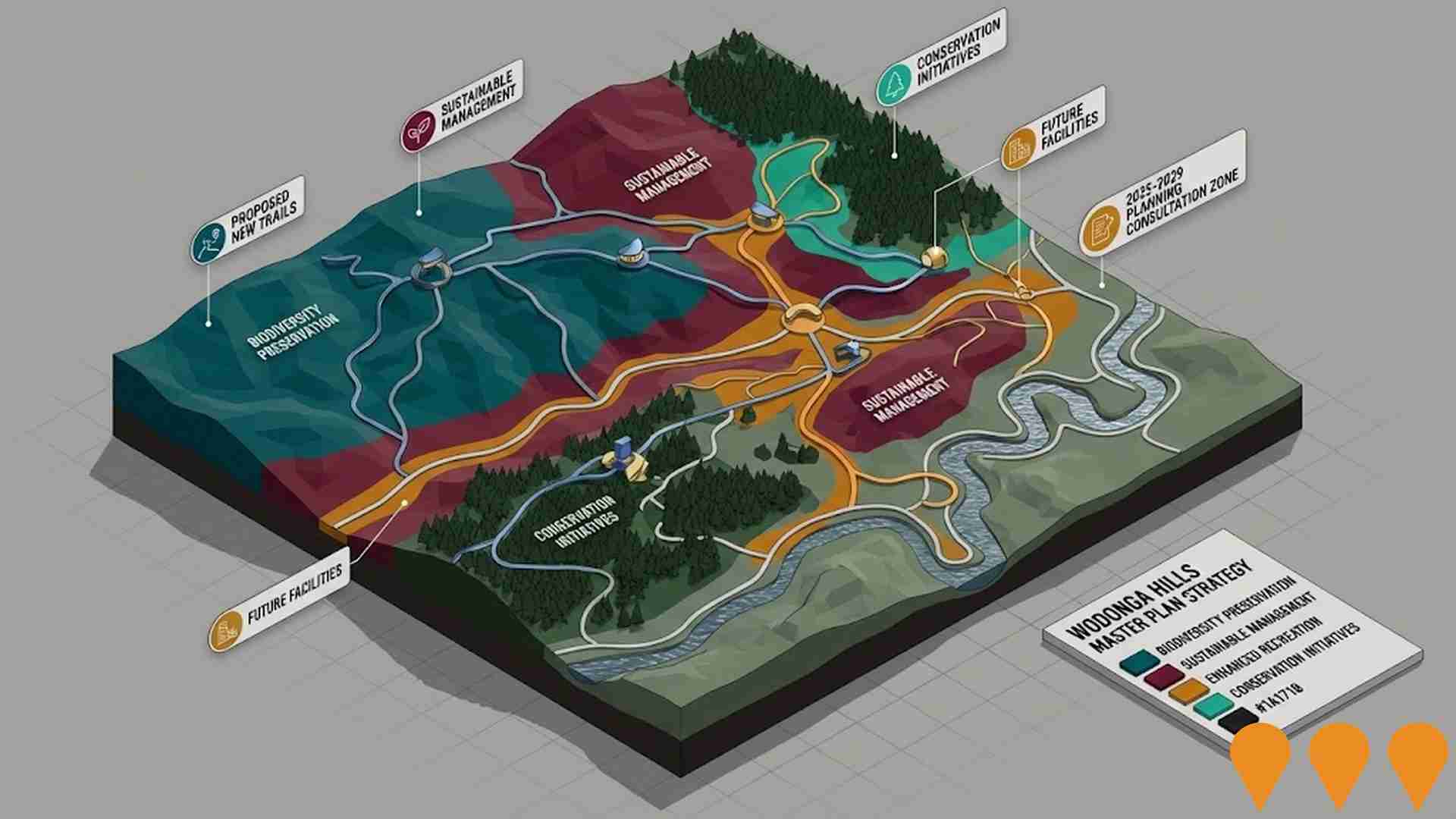
Long-term strategy and master plans for sustainable management, biodiversity preservation, and enhanced recreation in the Wodonga Hills area. The strategy was adopted by Council in 2017 and includes 20-year implementation plans for new trails, facilities, and conservation initiatives. Currently being reviewed as part of Council's broader strategic planning consultation process for 2025-2029.
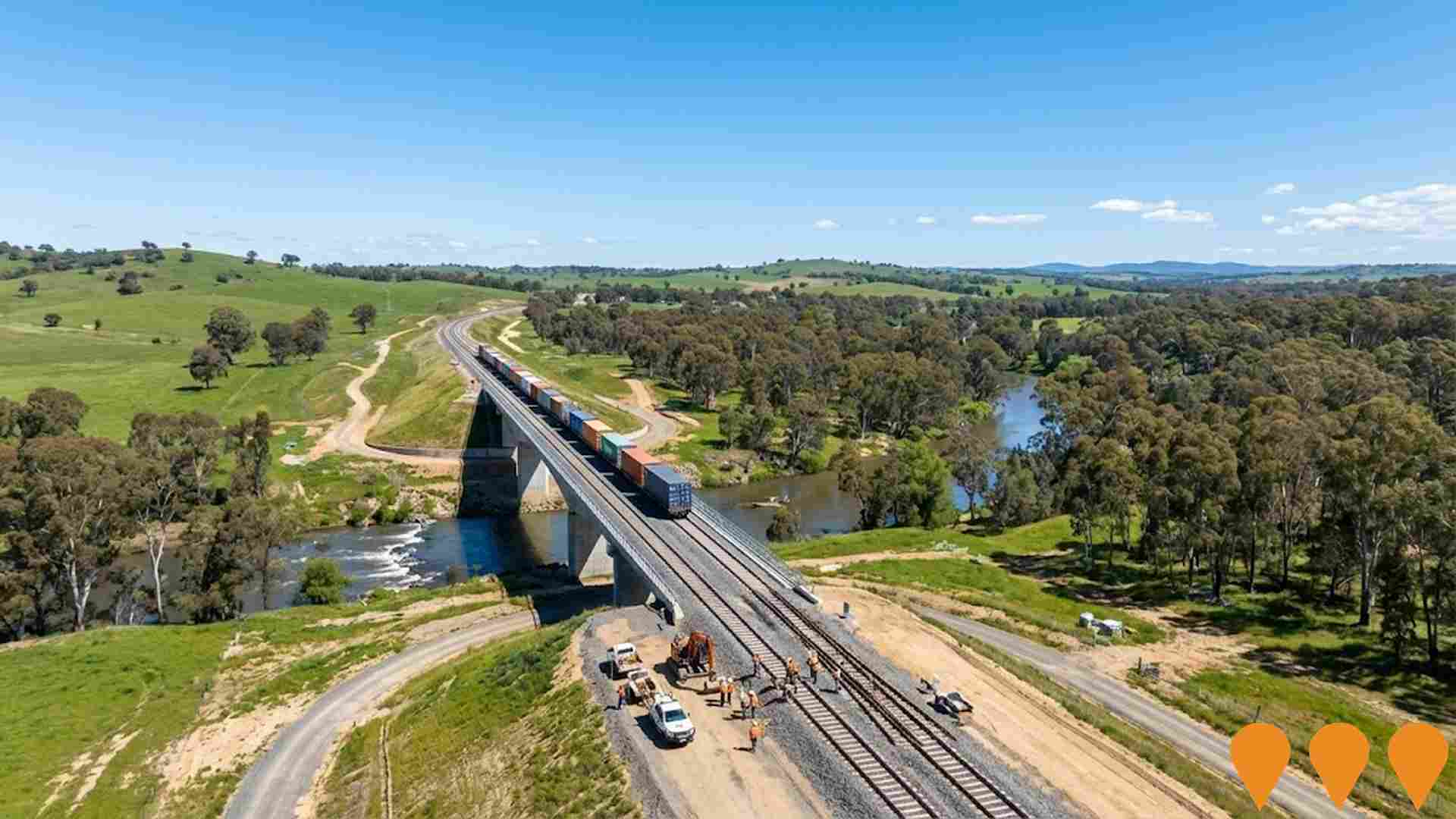
Inland Rail Beveridge to Albury
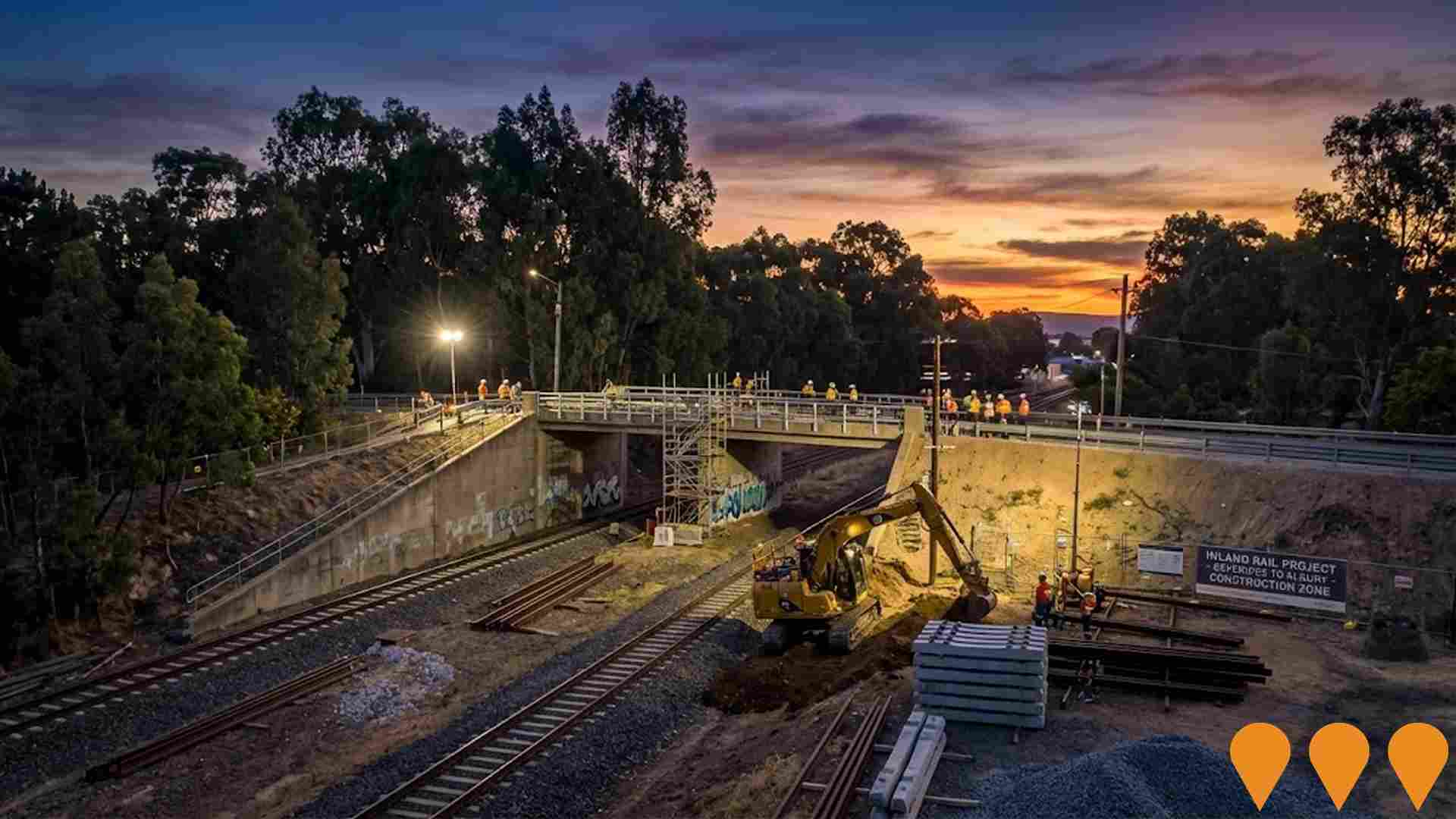
262km rail corridor upgrade enabling double-stacked freight trains between Beveridge and Albury. Two-tranche delivery with Tranche 1 under construction including bridge replacements and track modifications. John Holland contracted for Tranche 2.
Regional Housing Fund (Victoria)
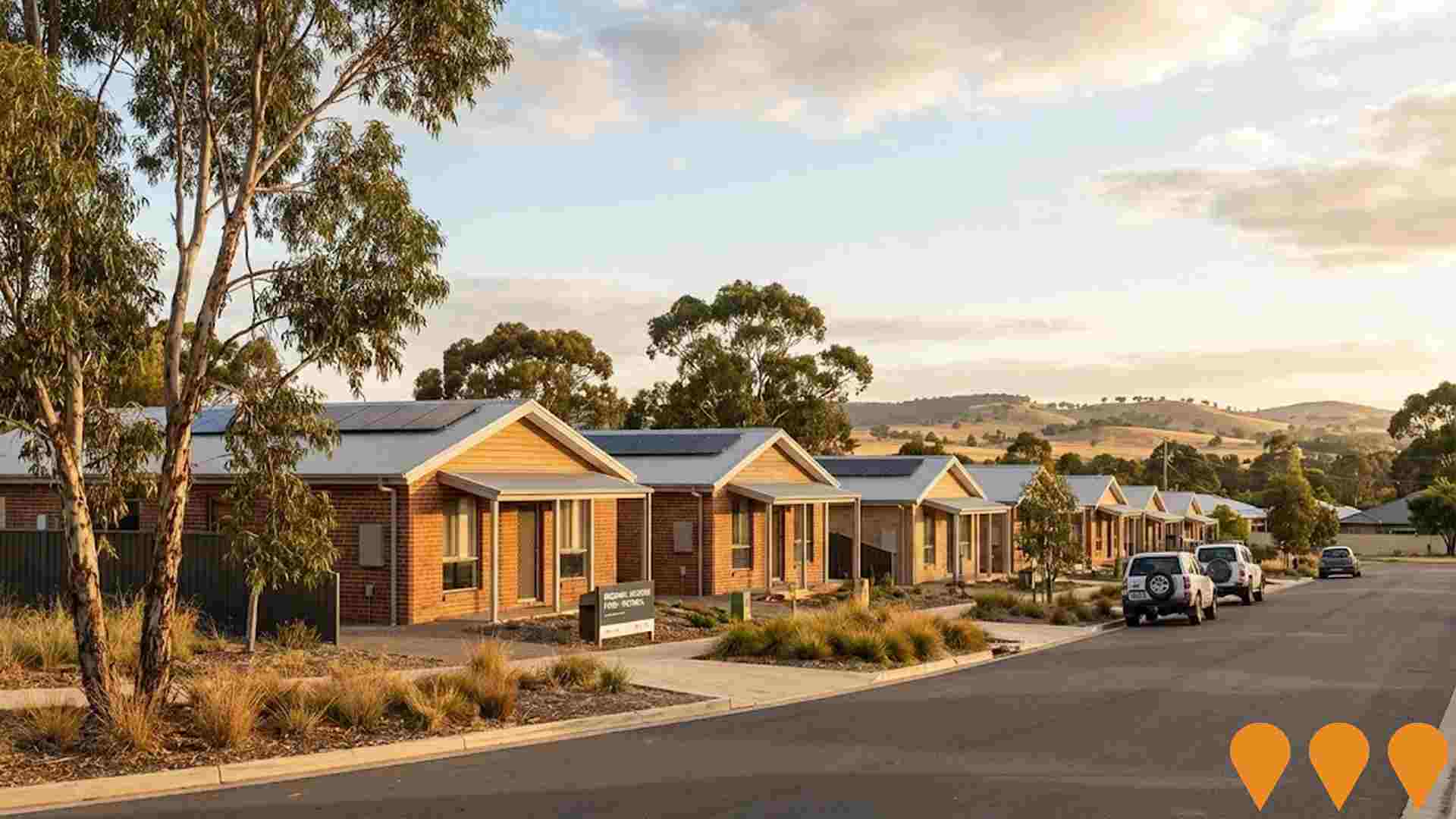
A $1 billion Homes Victoria program delivering around 1,300 new social and affordable homes across at least 30 regional and rural LGAs, using a mix of new builds, purchases in new developments, renewals and refurbishments. Delivery commenced in late 2023 with early completions recorded; overall fund completion is targeted for 2028.
Employment
Employment conditions in Killara demonstrate strong performance, ranking among the top 35% of areas assessed nationally
Killara has a skilled workforce with essential services sectors well represented. Its unemployment rate is 2.5%, as per AreaSearch's aggregation of statistical area data.
As of September 2025906 residents are employed, with an unemployment rate of 1.3% lower than Rest of Vic.'s 3.8%. Workforce participation in Killara is high at 77.8%, compared to Rest of Vic.'s 57.4%. Employment is concentrated in health care & social assistance, construction, and public administration & safety, with the latter being particularly notable at 2.1 times the regional average. However, agriculture, forestry & fishing is under-represented, comprising only 0.9% of Killara's workforce compared to Rest of Vic.'s 7.5%.
The area appears to have limited local employment opportunities, indicated by the difference between Census working population and resident population. Between September 2024 and September 2025, the labour force decreased by 0.7% and employment fell by 1.1%, leading to a rise in unemployment rate of 0.3 percentage points. In comparison, Rest of Vic.'s employment fell by 0.7%, labour force contracted by 0.6%, and unemployment rose marginally. State-level data from 25-Nov-25 shows VIC employment grew by 1.13% year-on-year, adding 41,950 jobs, with the state unemployment rate at 4.7%. National employment forecasts from May-25 suggest a growth of 6.6% over five years and 13.2% over ten years for Killara, based on industry-specific projections applied to its current employment mix.
Frequently Asked Questions - Employment
Income
Income metrics indicate excellent economic conditions, with the area achieving higher performance than 75% of national locations assessed by AreaSearch
AreaSearch's aggregation of latest postcode level ATO data released for financial year 2022 shows Killara had a median income among taxpayers of $59,794 and an average level of $68,489. These figures are above the national average. In comparison, Rest of Vic had levels of $48,741 and $60,693 respectively. Based on Wage Price Index growth of 12.16% since financial year 2022, current estimates for Killara would be approximately $67,065 (median) and $76,817 (average) as of September 2025. According to 2021 Census figures, household, family and personal incomes in Killara rank highly nationally, between the 82nd and 84th percentiles. The earnings profile shows that 47.4% of the community (747 individuals) falls within the $1,500 - 2,999 earnings band, aligning with the regional average of 30.3%. Housing accounts for 14.7% of income. Residents rank within the 82nd percentile for disposable income and the area's SEIFA income ranking places it in the 6th decile.
Frequently Asked Questions - Income
Housing
Killara is characterized by a predominantly suburban housing profile, with ownership patterns similar to the broader region
Killara's dwelling structure, as per the latest Census, consisted entirely of houses with no other dwellings recorded. This is in contrast to Non-Metro Vic., which had 91.6% houses and 8.5% other dwellings. Home ownership in Killara stood at 16.4%, with mortgaged dwellings at 63.7% and rented ones at 19.9%. The median monthly mortgage repayment was $1,733, higher than Non-Metro Vic.'s average of $1,473. The median weekly rent in Killara was $400, compared to Non-Metro Vic.'s $280. Nationally, Killara's mortgage repayments were lower than the Australian average of $1,863, while rents were higher at $375.
Frequently Asked Questions - Housing
Household Composition
Killara features high concentrations of family households, with a higher-than-average median household size
Family households compose 81.0% of all households, including 44.4% couples with children, 26.3% couples without children, and 9.3% single parent families. Non-family households constitute the remaining 19.0%, with lone person households at 14.3% and group households comprising 3.4%. The median household size is 2.9 people, larger than the Rest of Vic. average of 2.4.
Frequently Asked Questions - Households
Local Schools & Education
Killara demonstrates exceptional educational outcomes, ranking among the top 5% of areas nationally based on AreaSearch's comprehensive analysis of qualification and performance metrics
The area's university qualification rate is 22.5%, significantly lower than Victoria's average of 33.4%. Bachelor degrees are the most common at 15.9%, followed by postgraduate qualifications (3.7%) and graduate diplomas (2.9%). Vocational credentials are prevalent, with 45.6% of residents aged 15+ holding them, including advanced diplomas (13.6%) and certificates (32.0%). Educational participation is high, with 35.1% of residents currently enrolled in formal education, comprising 14.6% in primary, 7.3% in secondary, and 3.4% in tertiary education.
Educational participation is notably high, with 35.1% of residents currently enrolled in formal education. This includes 14.6% in primary education, 7.3% in secondary education, and 3.4% pursuing tertiary education.
Frequently Asked Questions - Education
Schools Detail
Nearby Services & Amenities
Transport
No public transport data available for this catchment area.
Frequently Asked Questions - Transport
Transport Stops Detail
Health
The level of general health in Killara is notably higher than the national average with prevalence of common health conditions low among the general population though higher than the nation's average across older, at risk cohorts
Killara shows better-than-average health outcomes with fewer common health conditions among its general population compared to national averages. However, rates are higher among older and at-risk cohorts.
Approximately 54% (~850 people) have private health cover, which is higher than the Rest of Vic's 49.4%. The most prevalent medical conditions are asthma (10.1%) and mental health issues (9.8%), while 72.1% report no medical ailments, compared to Rest of Vic's 64.1%. Killara has 7.1% residents aged 65 and over (112 people), lower than Rest of Vic's 20.7%. Health outcomes among seniors require more attention than the broader population.
Frequently Asked Questions - Health
Cultural Diversity
Killara is considerably less culturally diverse than average when assessed alongside AreaSearch's national rankings for language and cultural background related metrics
Killara, surveyed in 2016, showed low cultural diversity with 90.3% of its population born in Australia. It had a high citizenship rate of 96.2%, and 94.5% spoke English only at home. Christianity was the dominant religion at 47.6%.
The 'Other' religious group was slightly overrepresented at 0.8%, compared to the regional average of 0.6%. In terms of ancestry, Australian (33.5%), English (29.5%), and Irish (7.4%) were the most prevalent groups. Some ethnicities showed notable differences: French at 0.6% (vs regional 0.4%), German at 4.4% (vs 4.8%), and Hungarian at 0.3% (vs 0.2%).
Frequently Asked Questions - Diversity
Age
Killara hosts a very young demographic, ranking in the bottom 10% of areas nationwide
Killara has a median age of 31, which is younger than the Rest of Vic's figure of 43 and Australia's national average of 38 years. The 25-34 age group makes up 21.1% of Killara's population, higher than the Rest of Vic., while the 65-74 cohort constitutes 5.3%. This concentration in the 25-34 age bracket is significantly above the national average of 14.5%. From 2021 to present, the 15-24 age group has increased from 8.1% to 9.9%, and the 35-44 cohort has risen from 17.4% to 18.5%. Conversely, the 5-14 age group has decreased from 19.4% to 18.2%. By 2041, demographic projections indicate significant shifts in Killara's age structure. The 25-34 age group is projected to grow by 114%, adding 381 people and reaching a total of 714 from its current figure of 332. Meanwhile, the 85+ cohort remains unchanged with a growth rate of 0% (no additional people).