Chart Color Schemes
This analysis uses Suburbs and Localities (SAL) boundaries, which can materially differ from Statistical Areas (SA2) even when sharing the same name.
SAL boundaries are defined by Australia Post and the Australian Bureau of Statistics to represent commonly-known suburb names used in postal addresses.
Statistical Areas (SA2) are designed for census data collection and may combine multiple suburbs or use different geographic boundaries. For comprehensive analysis, consider reviewing both boundary types if available.
est. as @ -- *
2021 Census | -- people





Sales Activity


Curious about local property values? Filter the chart to assess the volume and appreciation (including resales) trends and regional comparisons, or scroll to the map below view this information at an individual property level.
Find a Recent Sale

Sales Detail
Population
An assessment of population growth drivers in Buckland Park reveals an overall ranking slightly below national averages considering recent, and medium term trends
Based on ABS population updates and AreaSearch validation, Buckland Park's estimated population is 2,199 as of Nov 2025. This reflects a significant increase from the 2021 Census figure of 99 people. The growth of 2,100 people (2121.2%) since the census is inferred from AreaSearch's estimated resident population of 1,757 in June 2024 and an additional 1,222 validated new addresses. This results in a density ratio of 38 persons per square kilometer. Buckland Park's growth exceeds both state (7.1%) and metropolitan area averages, marking it as a significant growth leader regionally. Interstate migration primarily drove this population growth, contributing approximately 83.0% of overall gains.
AreaSearch uses ABS/Geoscience Australia projections for each SA2 area released in 2024 with a base year of 2022. For areas not covered by this data and years post-2032, the SA State Government's Regional/LGA projections by age category are adopted, adjusted using a method of weighted aggregation from LGA to SA2 levels. According to aggregated SA2-level projections, Buckland Park is predicted to grow by 114 persons by 2041, reflecting an 89.1% decrease in total population over the 17-year period.
Frequently Asked Questions - Population
Development
AreaSearch assessment of residential development activity positions Buckland Park among the top 25% of areas assessed nationwide
Buckland Park saw approximately 249 new homes approved annually over the past five financial years ending FY-25. This totals an estimated 1,247 homes. As of FY-26113 approvals have been recorded. On average, no new residents per year per dwelling constructed were observed between FY-21 and FY-25.
The average construction value was $356,000. In FY-26, $45.0 million in commercial approvals were granted. Compared to Greater Adelaide, Buckland Park's development activity is 14207.0% higher per person. Recent construction comprises 97.0% detached dwellings and 3.0% attached dwellings. With around 0 people per dwelling approval, Buckland Park exhibits growth area characteristics.
Population projections indicate stability or decline, suggesting reduced housing demand pressures.
Frequently Asked Questions - Development
Infrastructure
Buckland Park has limited levels of nearby infrastructure activity, ranking in the 18thth percentile nationally
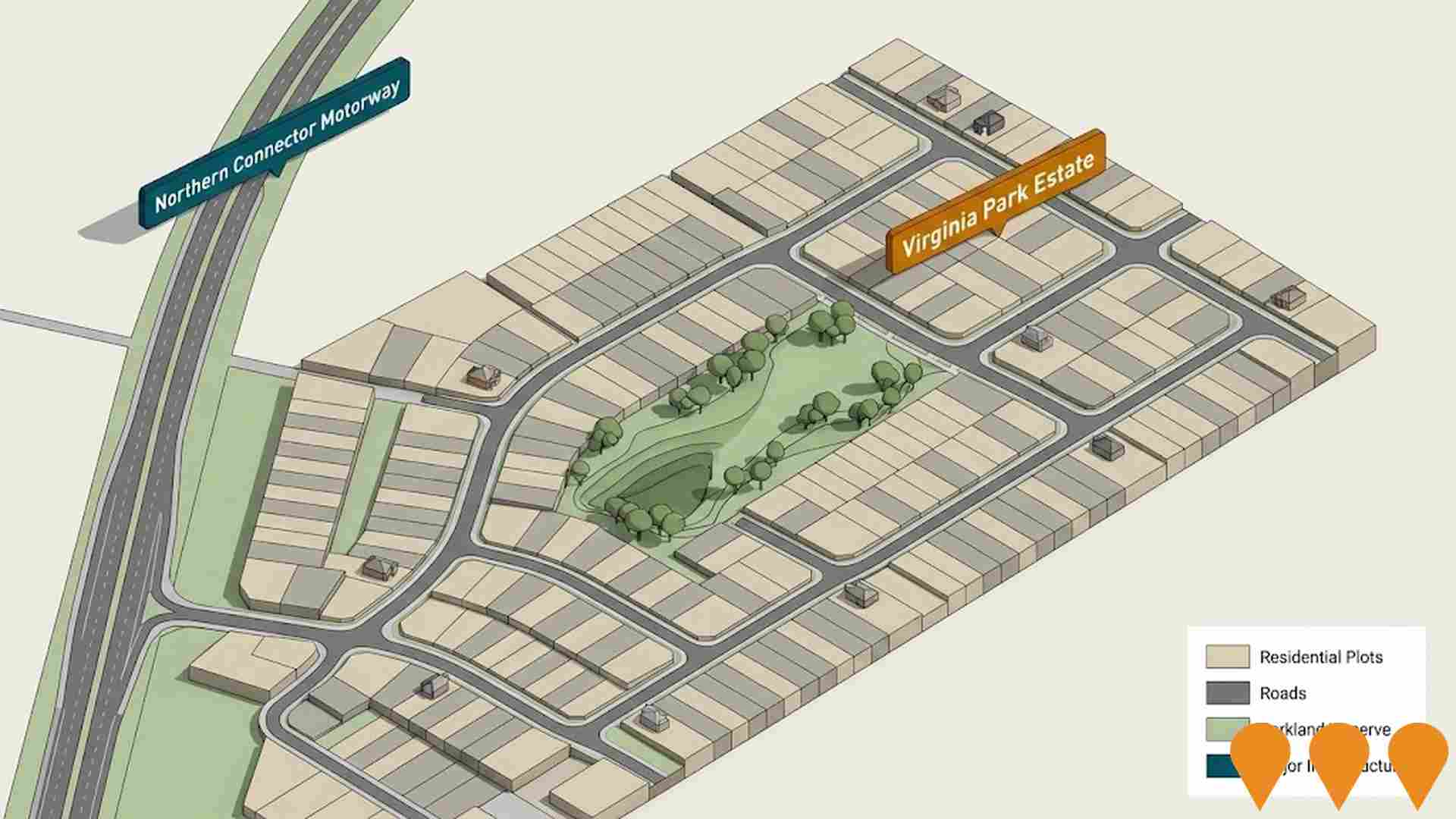
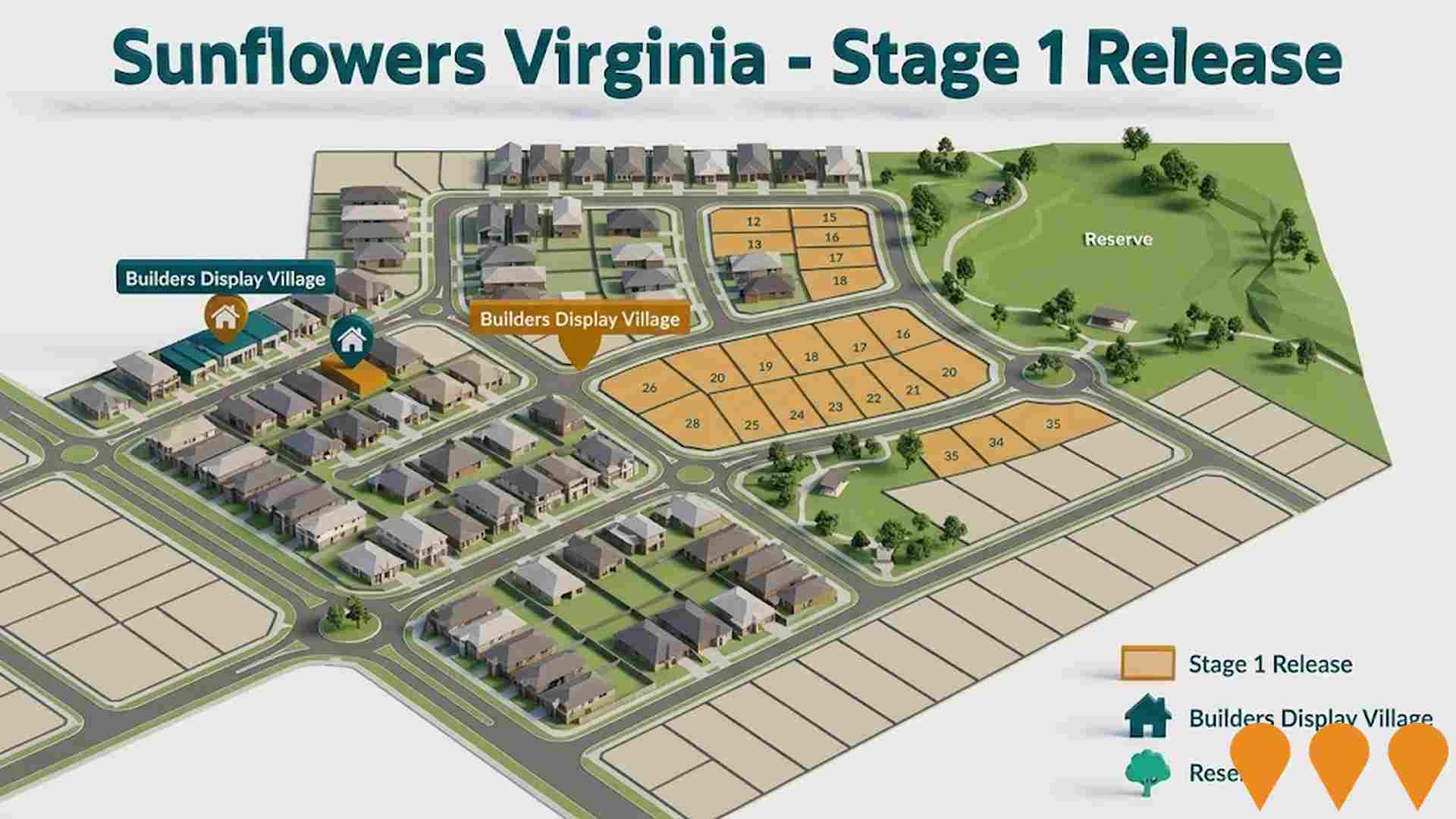
Eight projects were identified by AreaSearch as potentially impacting the area's performance. These include Riverlea Estate in Buckland Park Township, Palms Shopping Village Riverlea, Riverlea Masterplanned Community, and Virginia Grove.
Professional plan users can use the search below to filter and access additional projects.
INFRASTRUCTURE SEARCH
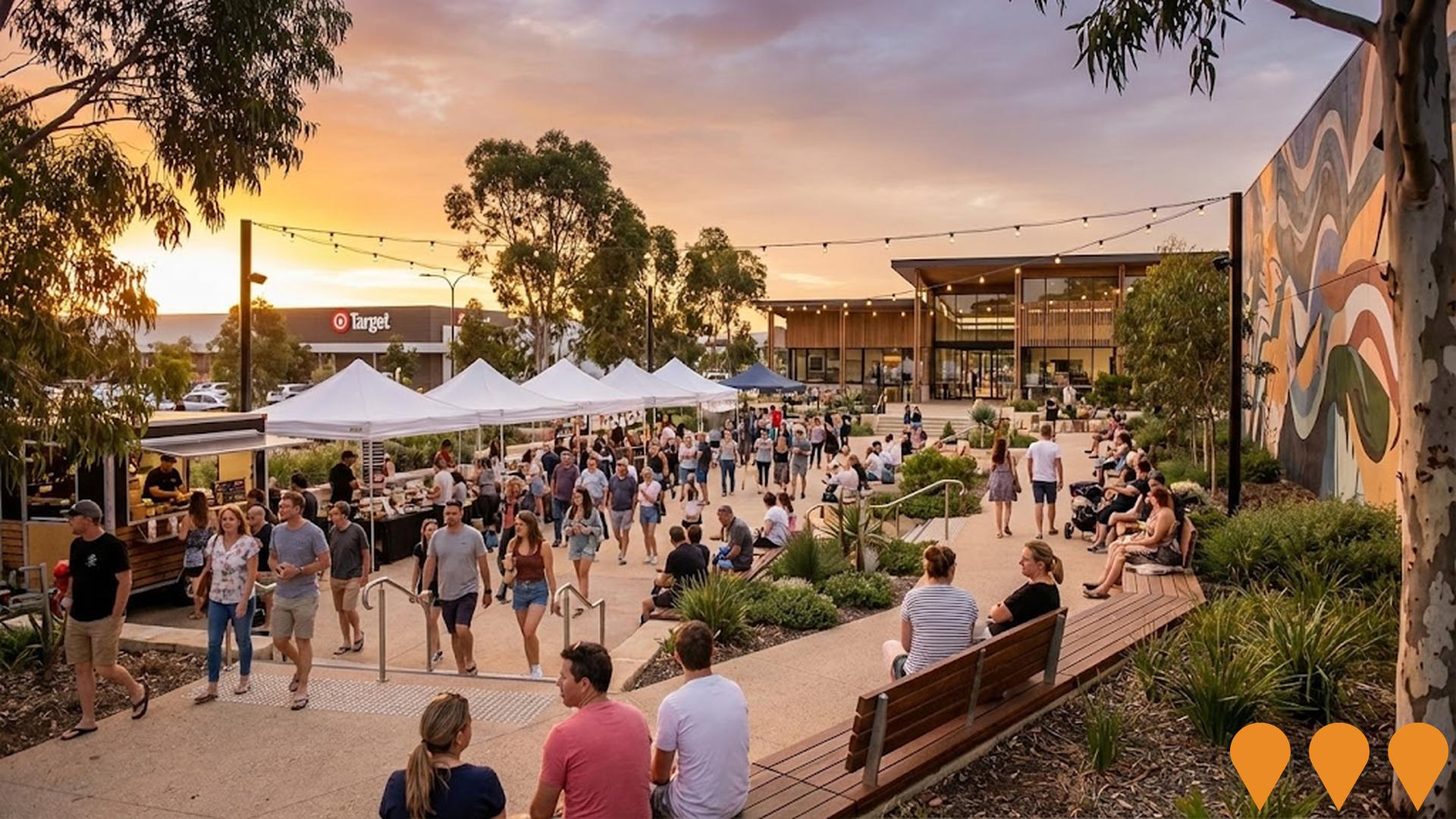
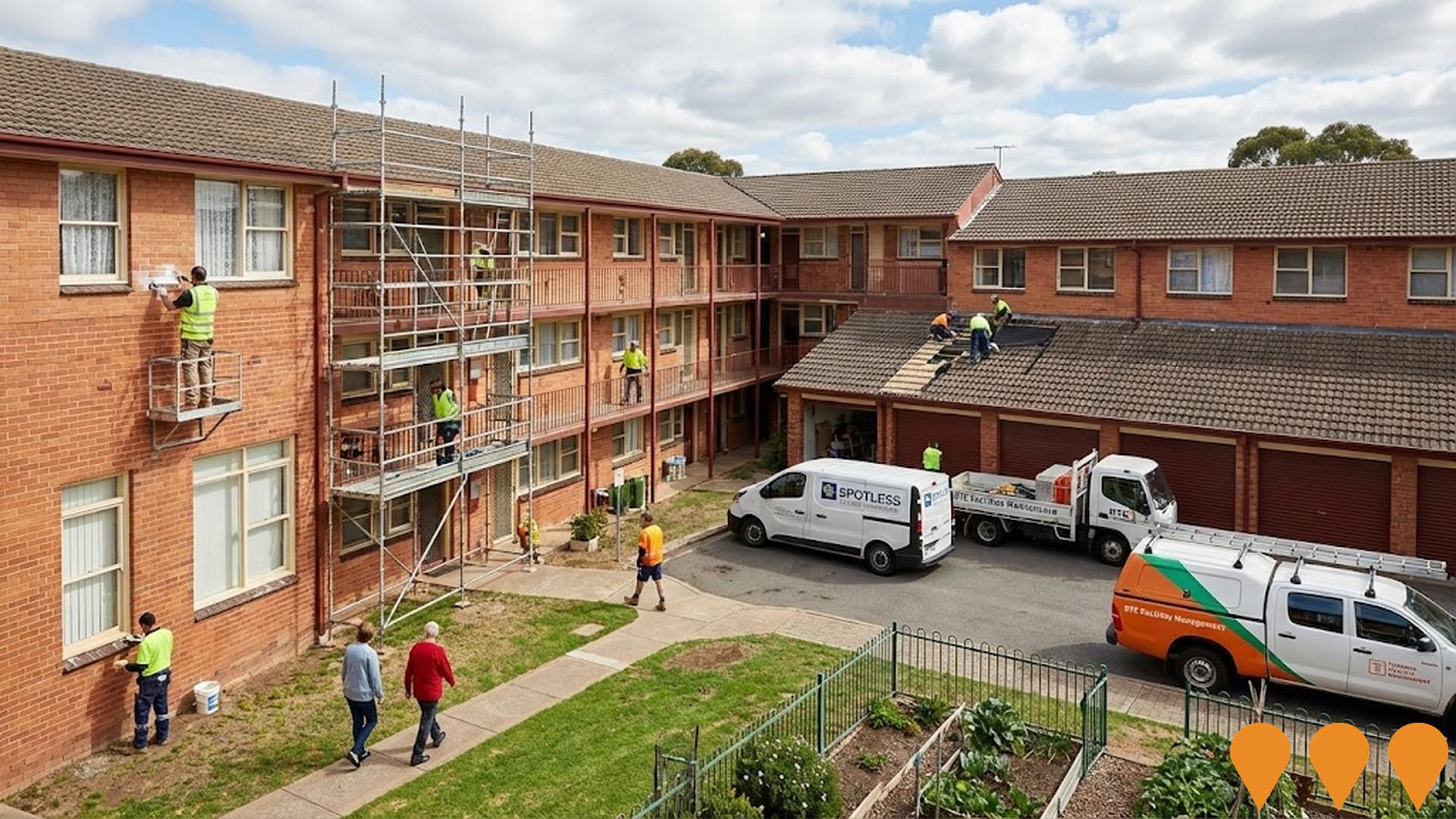
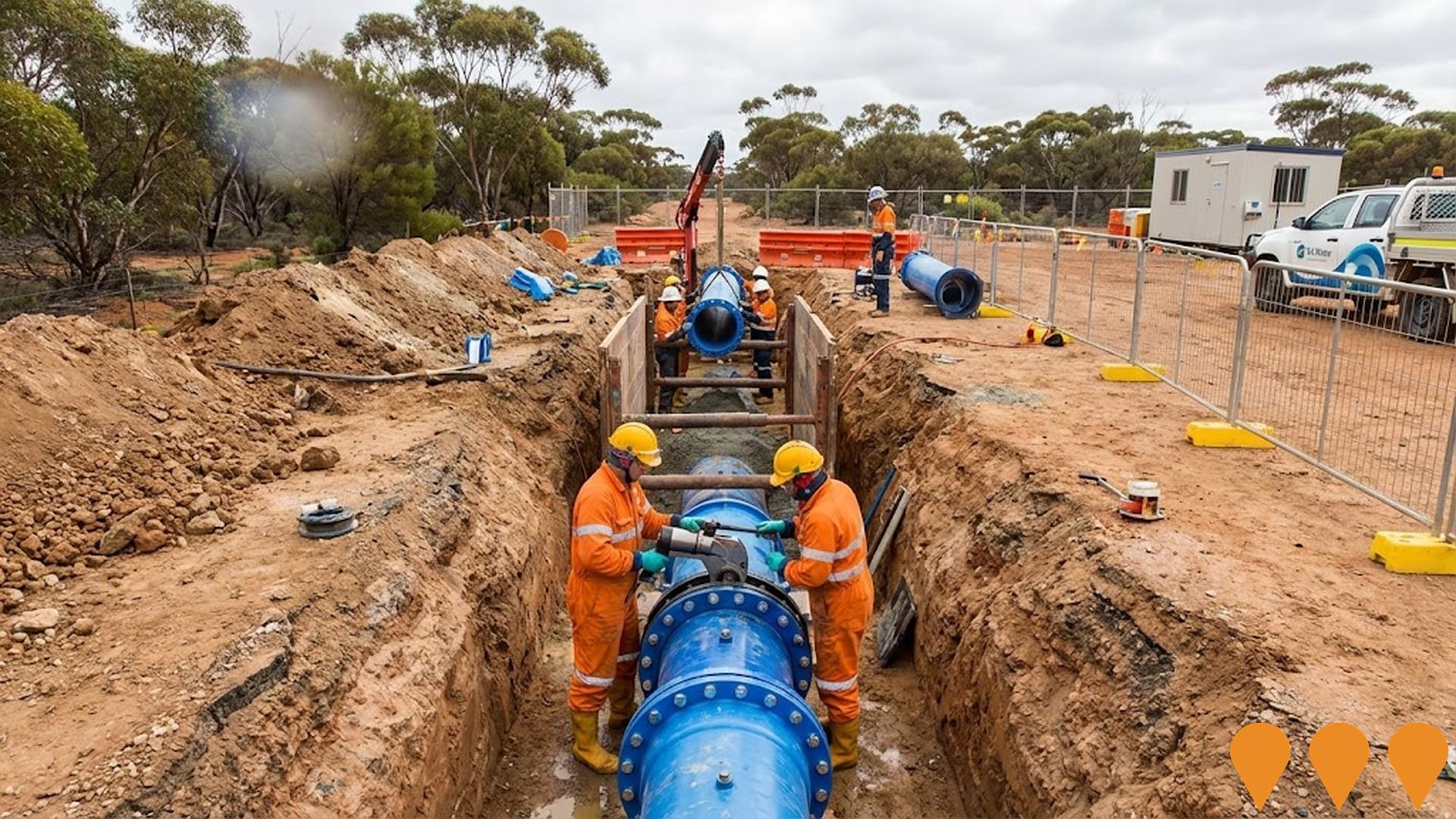
 Denotes AI-based impression for illustrative purposes only, not to be taken as definitive under any circumstances. Please follow links and conduct other investigations from the project's source for actual imagery. Developers and project owners wishing us to use original imagery please Contact Us and we will do so.
Frequently Asked Questions - Infrastructure
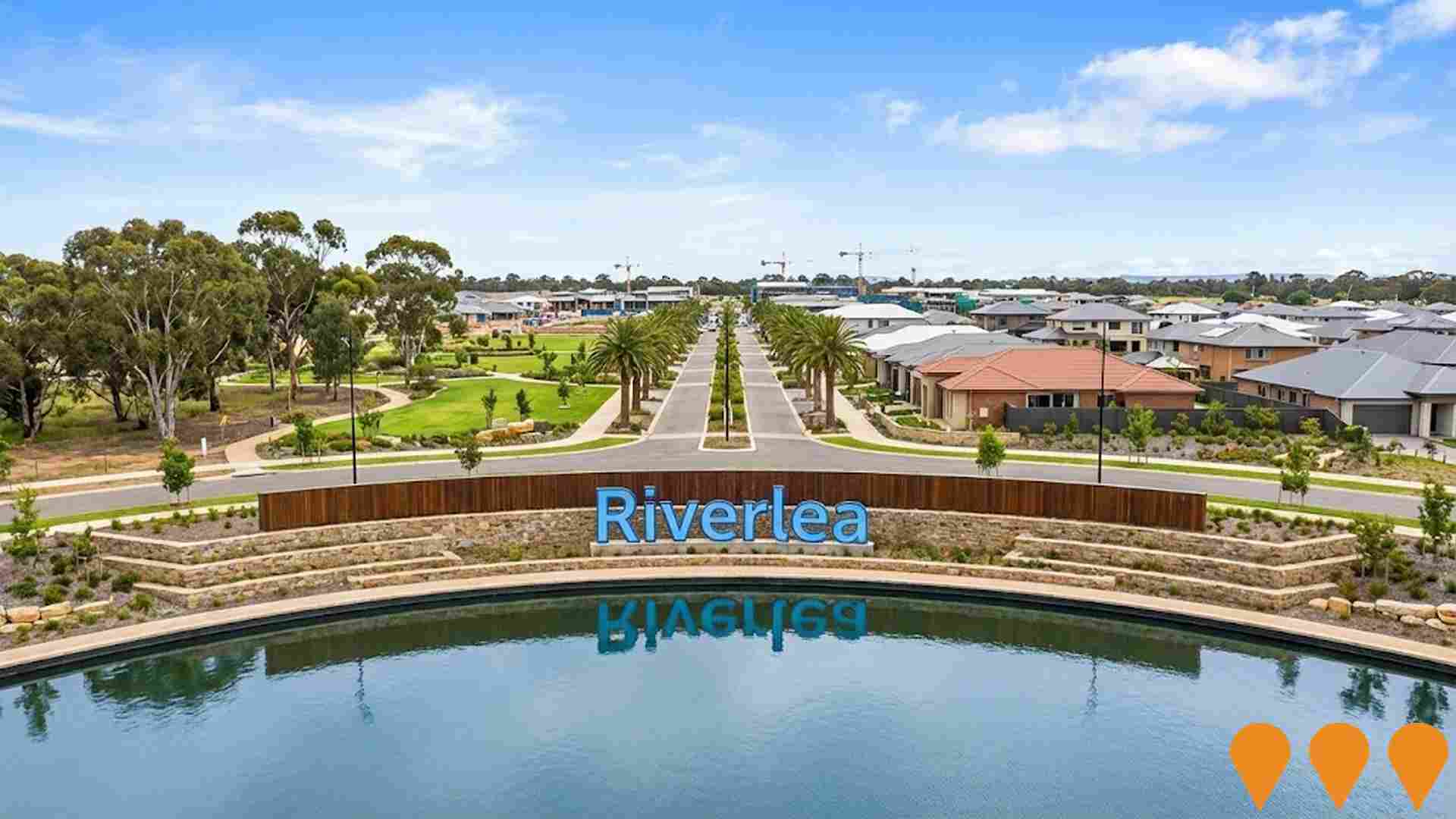
Riverlea Estate (Buckland Park Township)
South Australia's largest master-planned community, spanning over 1,300ha. The project is planned to deliver 12,000 homes and house over 40,000 people over the next 20 years. It will include a town centre, the $80M Palms Shopping Village, schools, community facilities, parks, lakes, and over 450ha of open space, aiming to create 10,000 jobs. Construction is underway with various stages in progress and some completed.
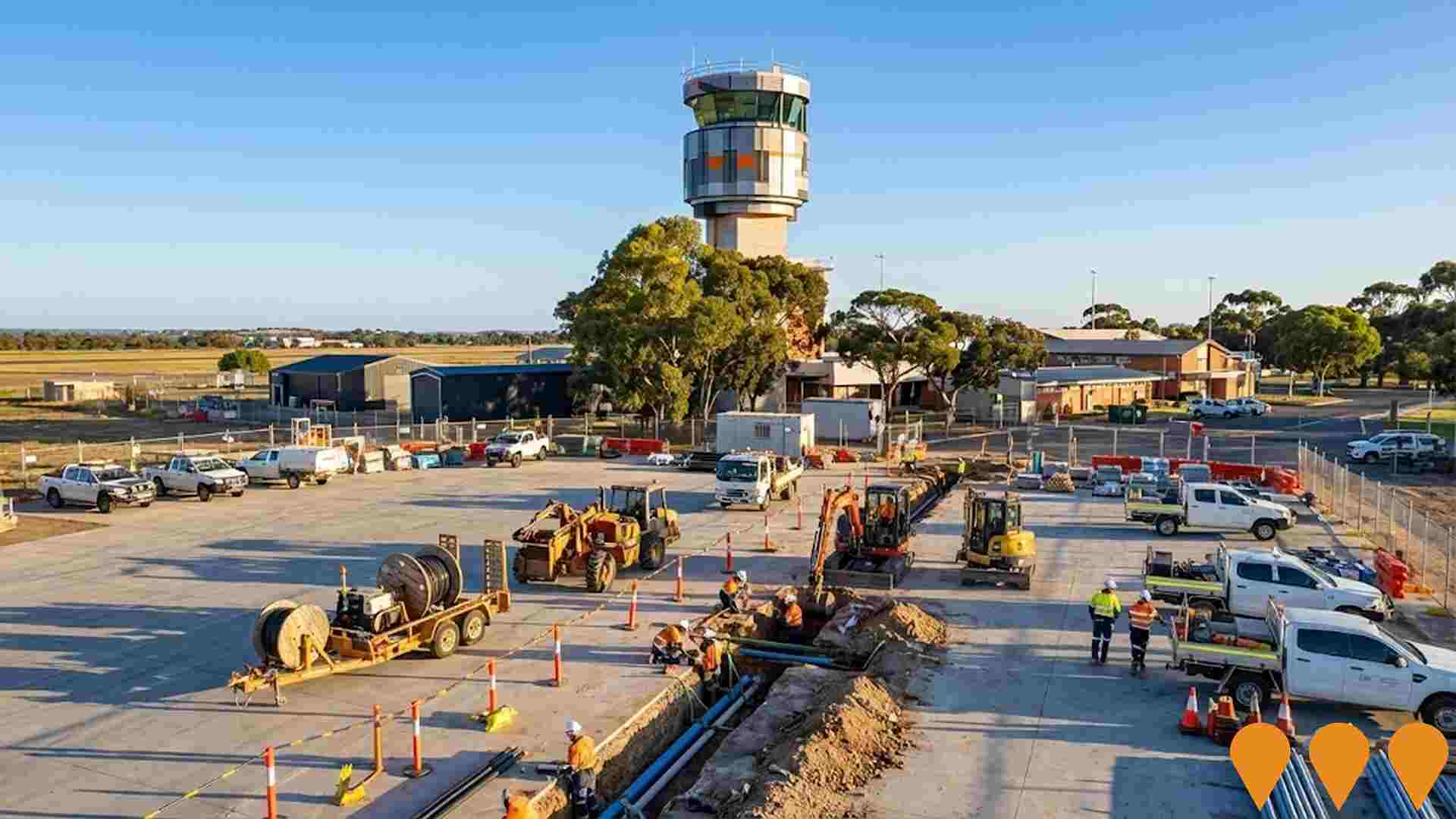
Edinburgh Defence Precinct Mid-Term Refresh
A mid-term refresh project to replace or upgrade aged engineering services, facilities, and infrastructure across the Edinburgh Defence Precinct, a key national defence research, manufacturing, and sustainment hub. The estimated cost is $311.9 million (excluding GST). The project aims to enhance estate resilience and redundancy to sustain Defence activities, including upgrades to high voltage power, fire water, sewer, and stormwater networks. Separately, BAE Systems Australia is undertaking a $25 million upgrade to its Edinburgh Parks facility within the precinct, focusing on advanced manufacturing and defence capabilities, including a new Security Operations Centre.
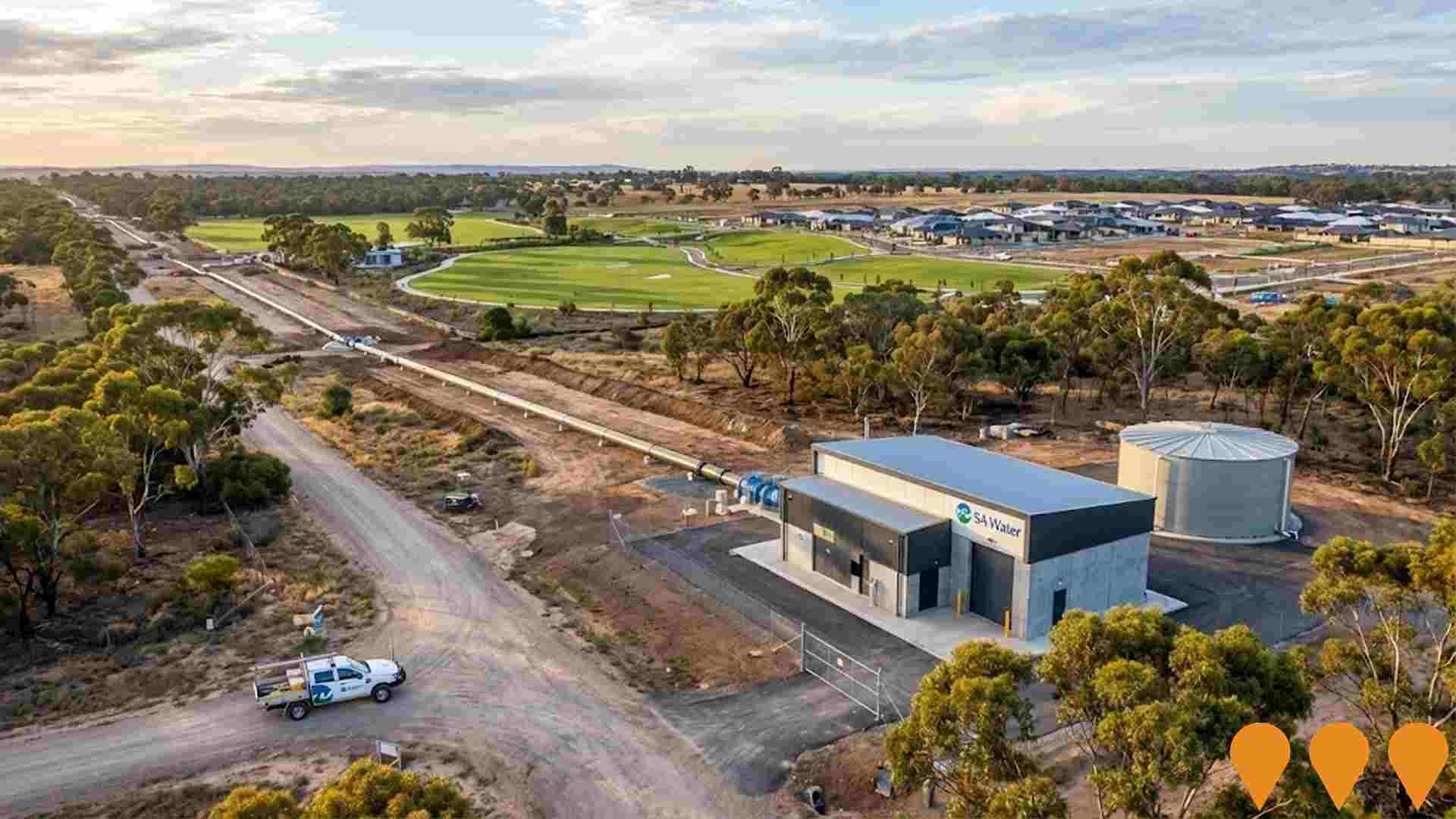
Northern Adelaide Irrigation Scheme (NAIS) - SA Water
Part of SA Water's $1.5 billion Northern Suburbs Infrastructure Program to deliver critical water and recycled water network upgrades across northern Adelaide. The Northern Adelaide Irrigation Scheme (NAIS) uses recycled water to irrigate 25,000+ homes' open spaces and supports housing growth for over 40,000 new homes by increasing capacity for trunk water mains, pump stations, storage, and recycled water distribution.
Northern Connector
Six-lane, 15.5 kilometre motorway providing vital freight and commuter link between Northern Expressway, South Road Superway and Port River Expressway. South Australia's first major concrete motorway and widest in the country. Includes 16 kilometres of shared cyclist and pedestrian paths connecting to Stuart O'Grady Bikeway. Features four major interchanges, intelligent transport systems, wetland restoration and Indigenous-inspired design elements. Opened March 7, 2020.

Adelaide Public Transport Capacity and Access
State-led program work to increase public transport capacity and access to, through and within central Adelaide. Current work is focused on the City Access Strategy (20-year movement plan for the CBD and North Adelaide) and the State Transport Strategy program, which together will shape options such as bus priority, interchange upgrades, tram and rail enhancements, and better first/last mile access.
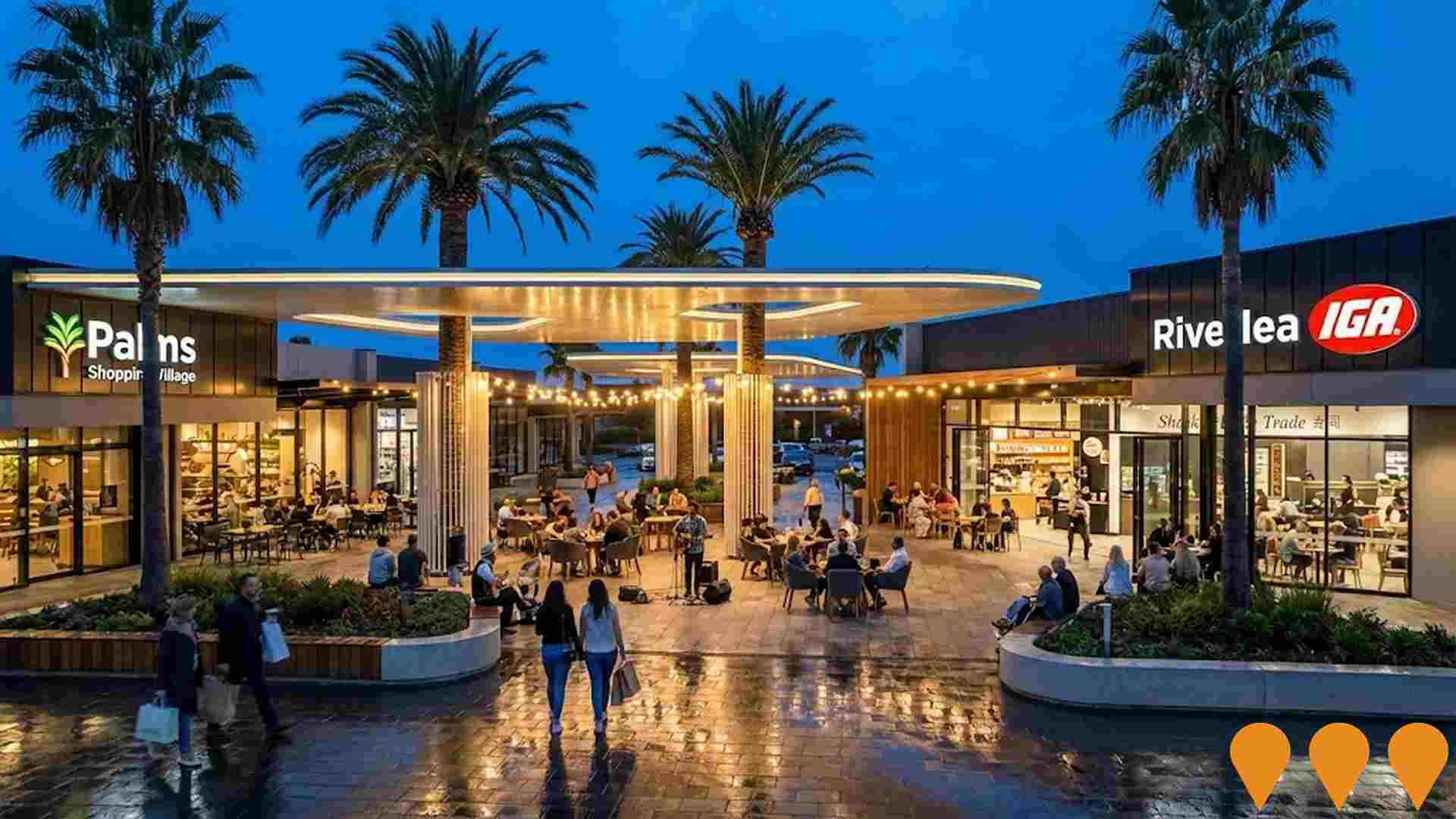
Palms Shopping Village Riverlea
First retail center for Riverlea community featuring supermarkets, specialty stores, and community services. Part of the broader Riverlea masterplan development.
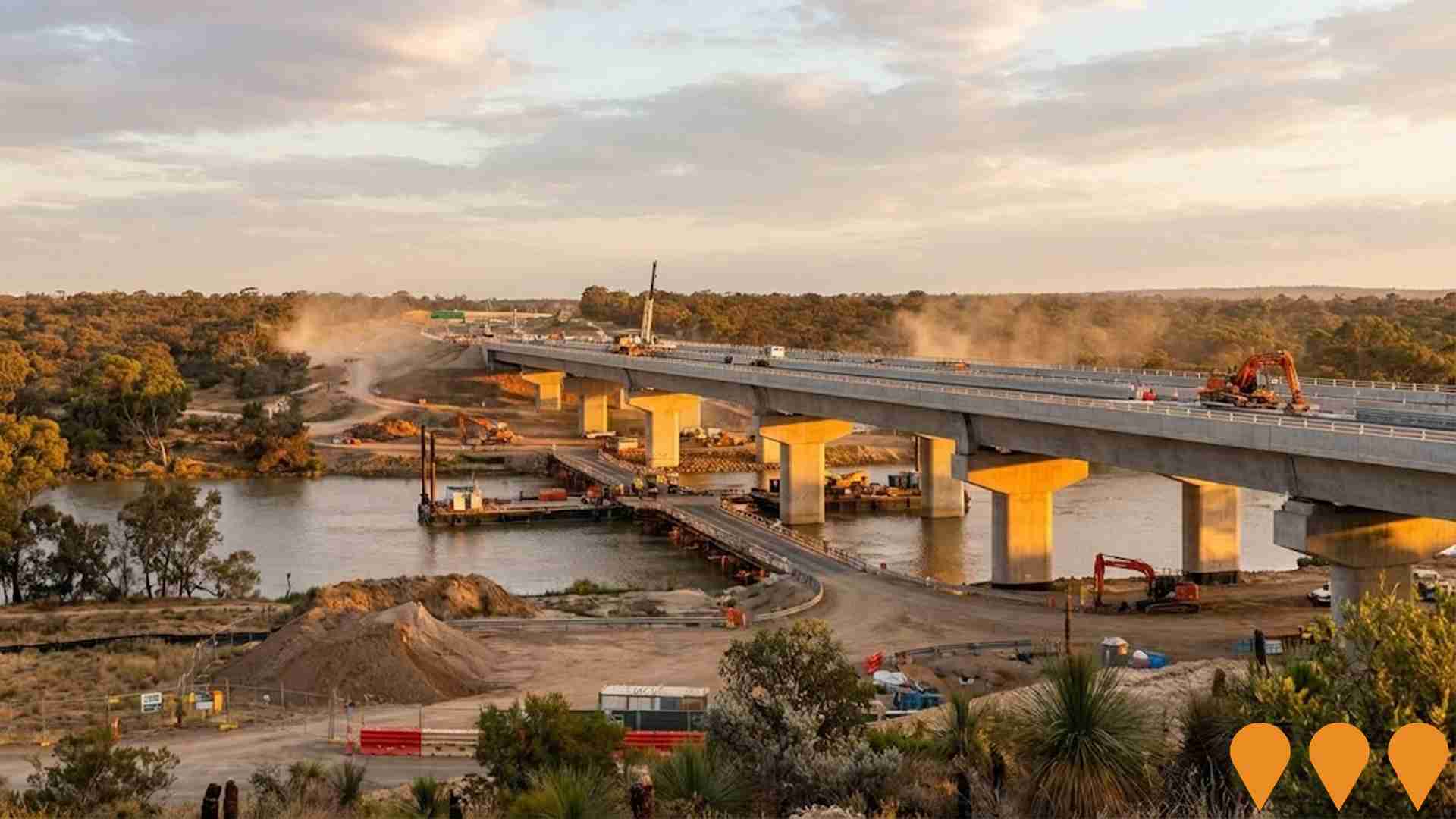
North South Corridor
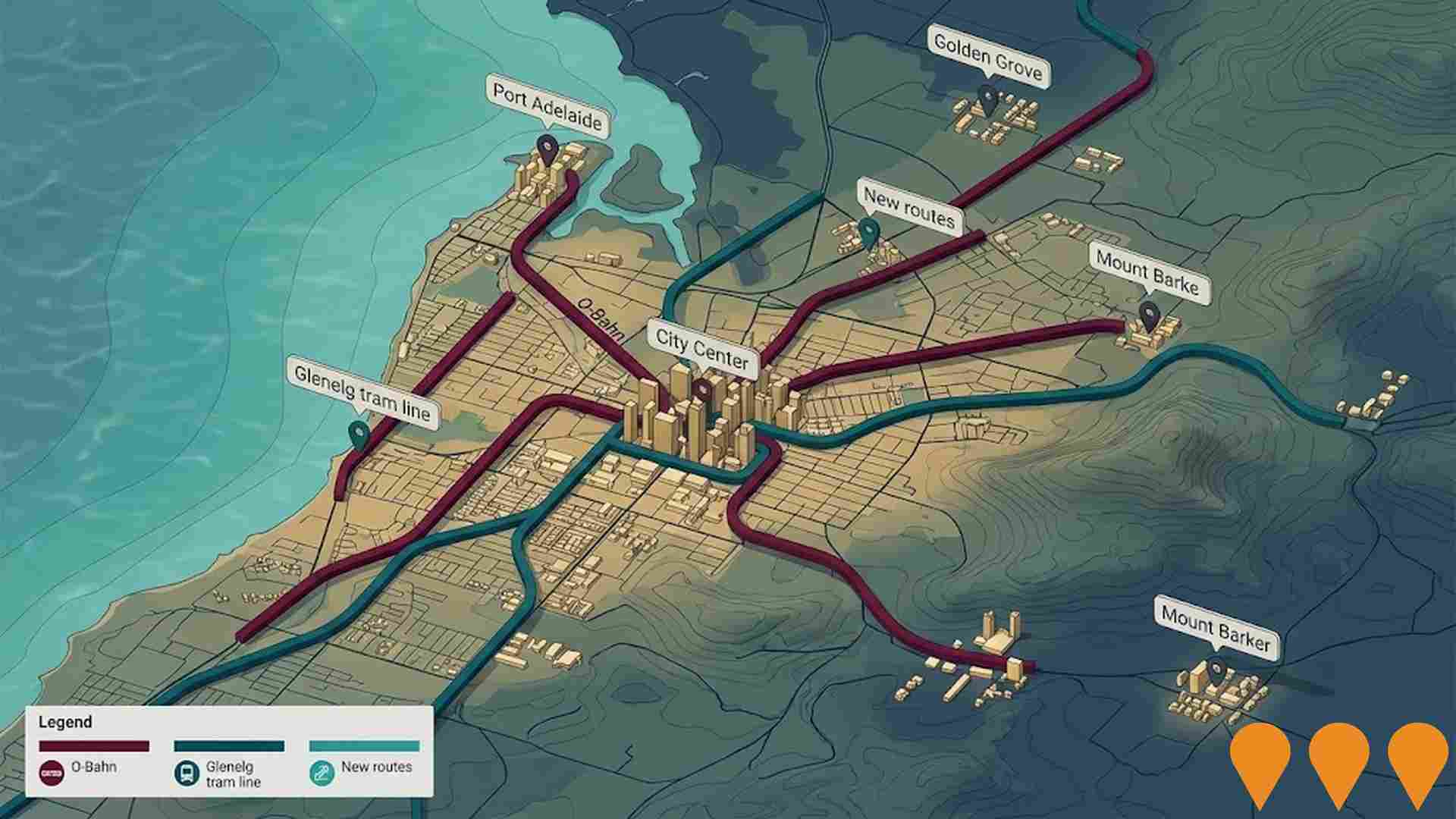
The North-South Corridor in Australia, a 78 km non-stop motorway from Gawler to Old Noarlunga through Adelaide, includes several projects like the Southern Expressway and Darlington Upgrade. Completion expected by 2031.
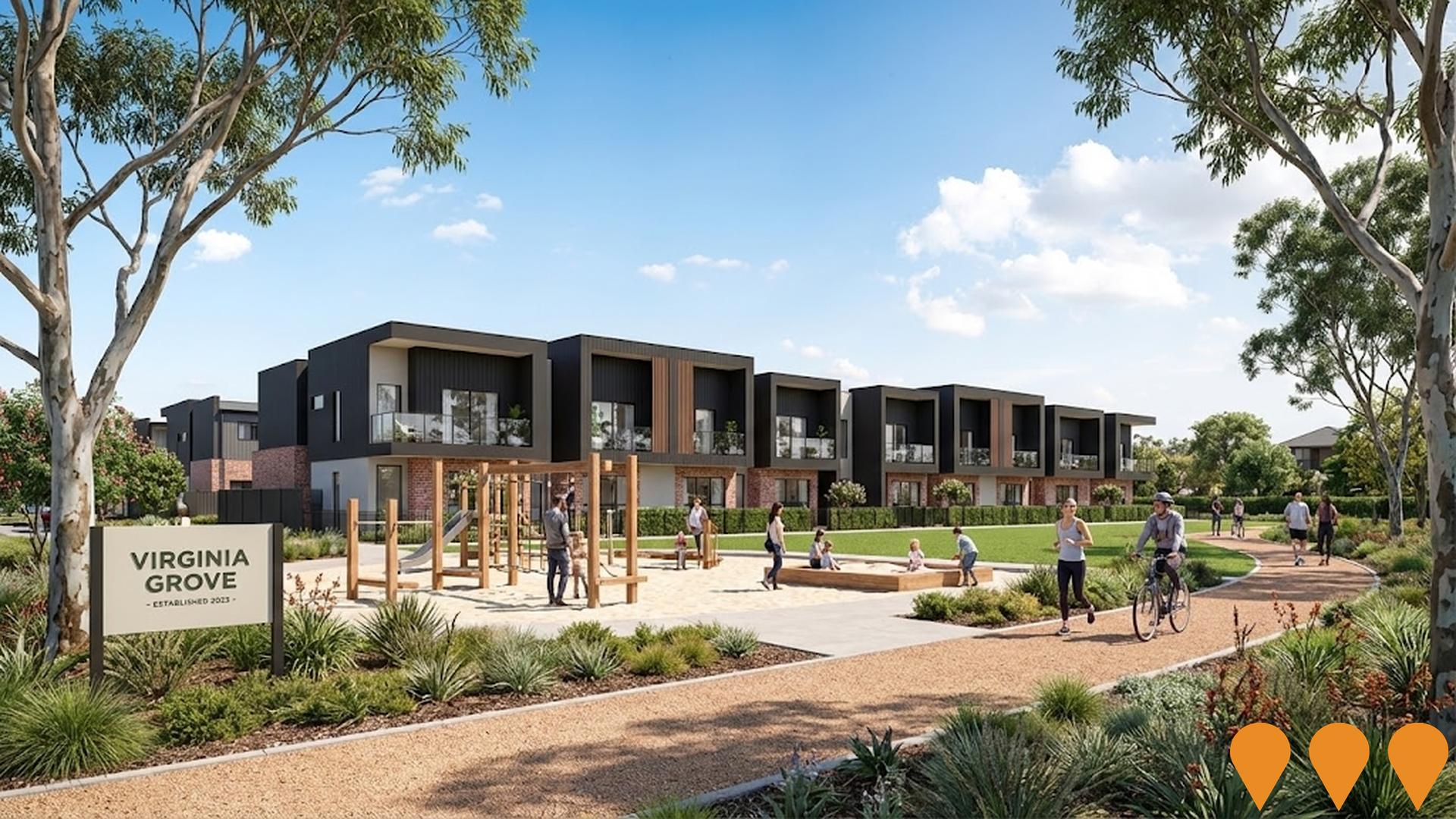
Riverlea Masterplanned Community
South Australia's largest masterplanned community in Buckland Park, planned for 15,300 dwellings housing up to 40,000 residents, spanning 1,308 hectares. The development includes a town centre, schools, commercial facilities, extensive open spaces with lakes and waterways, retail centers, and comprehensive community amenities. Construction timeline spans 25 years.

Employment
The employment landscape in Buckland Park shows performance that lags behind national averages across key labour market indicators
Buckland Park has a diverse workforce with both white and blue-collar jobs. The construction sector is prominent, with an unemployment rate of 4.6% and estimated employment growth of 3.3% in the past year (AreaSearch data).
As of September 2025186 residents are employed while the unemployment rate is 0.7% higher than Greater Adelaide's rate of 3.9%. Workforce participation is lower at 59.0%, compared to Greater Adelaide's 61.7%. Dominant employment sectors include agriculture, forestry & fishing, construction, and wholesale trade. Agriculture, forestry & fishing has a particularly high concentration with levels 35.2 times the regional average.
Conversely, health care & social assistance shows lower representation at 8.3% compared to the regional average of 17.7%. There are 13.0 workers per resident, indicating Buckland Park functions as an employment hub attracting workers from surrounding areas. Between September 2024 and September 2025, employment levels increased by 3.3%, labour force increased by 3.7%, causing the unemployment rate to rise by 0.4 percentage points (AreaSearch analysis). In contrast, Greater Adelaide experienced employment growth of 3.0% and labour force growth of 2.9%, with a 0.1 percentage point drop in unemployment rate. State-level data from 25-Nov-25 shows SA employment grew by 1.19% year-on-year, adding 10,710 jobs, with the state unemployment rate at 4.0%. National employment forecasts from May-25 suggest national employment will expand by 6.6% over five years and 13.7% over ten years. Applying these projections to Buckland Park's employment mix suggests local employment should increase by 4.9% over five years and 10.6% over ten years, though these are simple extrapolations for illustrative purposes and do not account for localised population projections.
Frequently Asked Questions - Employment
Income
Income levels align closely with national averages, indicating typical economic conditions for Australian communities according to AreaSearch analysis
AreaSearch's latest postcode level ATO data for financial year 2022 shows that income in Buckland Park is below the national average. The median income is $54,712 and the average income stands at $61,910. This contrasts with Greater Adelaide's figures of a median income of $52,592 and an average income of $64,886. Based on Wage Price Index growth of 12.83% since financial year 2022, current estimates would be approximately $61,732 (median) and $69,853 (average) as of September 2025. According to the 2021 Census figures, household, family, and personal incomes in Buckland Park rank modestly, between the 38th and 51st percentiles. Income analysis reveals that the $1,500 - 2,999 bracket dominates with 40.9% of residents (899 people), consistent with broader trends across the surrounding region showing 31.8% in the same category. After housing costs, residents retain 88.4% of income.
Frequently Asked Questions - Income
Housing
Buckland Park is characterized by a predominantly suburban housing profile, with above-average rates of outright home ownership
Buckland Park's dwelling structures, as per the latest Census, were entirely composed of houses with no semi-detached dwellings, apartments, or other types recorded. This is in contrast to Adelaide metro's structure which comprised 83.7% houses and 16.2% other dwellings. Home ownership in Buckland Park stood at 46.2%, with mortgaged properties accounting for 42.3% and rented dwellings making up 11.5%. The median monthly mortgage repayment in the area was $1,764, surpassing Adelaide metro's average of $1,300. Meanwhile, the median weekly rent figure in Buckland Park was $291, compared to Adelaide metro's $265. Nationally, Buckland Park's mortgage repayments were lower than the Australian average of $1,863, while rents were substantially below the national figure of $375.
Frequently Asked Questions - Housing
Household Composition
Buckland Park has a typical household mix, with a higher-than-average median household size
Family households account for 57.9% of all households, including 26.3% couples with children, 39.5% couples without children, and no single parent families. Non-family households constitute the remaining 42.1%, with lone person households at 10.5% and group households at 0%. The median household size is 2.7 people, larger than the Greater Adelaide average of 2.6.
Frequently Asked Questions - Households
Local Schools & Education
Educational attainment in Buckland Park aligns closely with national averages, showing typical qualification patterns and performance metrics
The area's university qualification rate is 7.4%, significantly lower than the Australian average of 30.4%. Bachelor degrees are most common at 7.4%, with postgraduate qualifications and graduate diplomas at 0%. Vocational credentials are prominent, with 25.9% of residents aged 15+ holding them, specifically advanced diplomas at 0% and certificates at 25.9%. Educational participation is high, with 29.3% currently enrolled in formal education: 11.7% in secondary, 5.9% in primary, and 5.9% in tertiary education.
Educational participation is notably high, with 29.3% of residents currently enrolled in formal education. This includes 11.7% in secondary education, 5.9% in primary education, and 5.9% pursuing tertiary education.
Frequently Asked Questions - Education
Schools Detail
Nearby Services & Amenities
Transport
Transport servicing is low compared to other areas nationally based on assessment of service frequency, route connectivity and accessibility
Buckland Park has four active public transport stops operating, all of which are bus stops. These stops are served by two different bus routes that together offer 65 weekly passenger trips.
On average, there are nine trips per day across both routes, resulting in about 16 weekly trips per individual stop.
Frequently Asked Questions - Transport
Transport Stops Detail
Health
Health performance in Buckland Park is lower than average with common health conditions somewhat prevalent across both younger and older age cohorts
Buckland Park experiences notable health challenges with common conditions prevalent across both younger and older age groups. Private health cover stands at approximately 51% of the total population (~1,132 people), slightly lower than Greater Adelaide's 47.2%.
Diabetes affects 10.3% of residents, while arthritis impacts 9.3%. A total of 68.9% report being free from medical ailments, compared to 63.4% in Greater Adelaide. The area has 17.8% of residents aged 65 and over (391 people), higher than Greater Adelaide's 13.3%. Health outcomes among seniors are strong, performing better than the general population in health metrics.
Frequently Asked Questions - Health
Cultural Diversity
Buckland Park is among the most culturally diverse areas in the country based on AreaSearch assessment of a range of language and cultural background related metrics
Buckland Park has a high level of cultural diversity, with 40.4% of its population born overseas and 51.0% speaking a language other than English at home. Christianity is the main religion in Buckland Park, comprising 55.6% of people. Buddhism is significantly overrepresented compared to the Greater Adelaide average, making up 30.0% of Buckland Park's population.
The top three ancestry groups are English (21.8%), Vietnamese (17.6%), and Australian (11.8%). Notably, New Zealand (2.5%), Polish (2.5%), and Serbian (2.5%) ethnicities are overrepresented compared to regional averages.
Frequently Asked Questions - Diversity
Age
Buckland Park hosts a notably older demographic compared to the national average
Buckland Park's median age is 45 years, which is higher than Greater Adelaide's average of 39 years and exceeds the national average of 38 years. The age group of 65-74 years comprises 15.6% of Buckland Park's population, compared to Greater Adelaide's percentage, while the 15-24 cohort makes up 8.1%, which is less prevalent than in Greater Adelaide. This concentration of the 65-74 age group is higher than the national average of 9.4%. According to post-2021 Census data, Buckland Park's population has seen changes: the 15-24 age group grew from 0.0% to 8.1%, and the 65-74 cohort increased from 11.7% to 15.6%. Conversely, the 25-34 cohort declined from 19.1% to 12.6%, and the 55-64 group dropped from 21.3% to 17.0%. Demographic modeling suggests significant changes in Buckland Park's age profile by 2041, with the strongest projected growth for the 85+ cohort at 0%, adding 0 residents to reach 0. Population declines are projected for the 75-84 and 0-4 cohorts.