Chart Color Schemes
This analysis uses Suburbs and Localities (SAL) boundaries, which can materially differ from Statistical Areas (SA2) even when sharing the same name.
SAL boundaries are defined by Australia Post and the Australian Bureau of Statistics to represent commonly-known suburb names used in postal addresses.
Statistical Areas (SA2) are designed for census data collection and may combine multiple suburbs or use different geographic boundaries. For comprehensive analysis, consider reviewing both boundary types if available.
est. as @ -- *
2021 Census | -- people







Curious about local property values? Filter the chart to assess the volume and appreciation (including resales) trends and regional comparisons, or scroll to the map below view this information at an individual property level.
Find a Recent Sale

Sales Detail
Lawson (ACT) has an estimated 2,967 residents, up from 2,739 at the 2021 Census — a change of 228 people, or 8.3%. Growth has averaged 2.7% a year over five years. Natural increase accounts for 65.0% of that increase. That puts 963 residents on each square kilometre. Population is estimated from ABS Estimated Resident Population releases and GNAF address data, re-based from the 2021 Census and updated annually.
Detail
According to AreaSearch evaluations combining post-Census validated address counts with broader ABS demographic releases, the suburb of Lawson (ACT) reaches an estimated resident count of approximately 2,967 as of Aug 2026. Comparing this to the 2021 Census tally of 2,739 people indicates a gain of 228 people (8.3%). This updated figure stems from an estimated resident population base of 2,913 identified from the ABS ERP data release (June 2025), alongside 18 validated new addresses confirmed after the Census. The suburb's density currently stands at 963 persons per square kilometer, aligning closely with standard benchmarks across AreaSearch study locations.
Moreover, the 8.3% expansion recorded in the suburb of Lawson (ACT) since the 2021 census outpaced the broader SA3 area rate of 4.2%, establishing it as a primary regional growth hub. Inward demographic movement was predominantly underpinned by natural increase, which generated around 65.0% of recent population gains. Projections for the suburb of Lawson (ACT) apply 2024 ABS/Geoscience Australia models starting from a 2022 baseline for each SA2. For subsequent periods beyond 2032 or locations outside that series, ACT Government SA2 projections anchored to 2022 are utilized. Looking ahead under this framework, the demographic trajectory points downward, with the suburb of Lawson (ACT) projected to contract by 312 persons by 2041. In contrast to the broader downward trend, specific age brackets are slated to expand, most prominently the 45 to 54 cohort with an expected addition of 58 people. See the age section for more details.
Frequently Asked Questions - Population
Detail
Building permit data from the ABS examined across statistical boundaries indicates that development approvals in Lawson have averaged roughly 1 dwellings each year, totaling approximately 6 homes approved during the 5 financial years from FY-21 to FY-25, with no new dwellings approved during FY-25 to date. Over this five-year timeframe across FY-21 and FY-25, approximately 368 people moved into the locality annually for every newly constructed residence, highlighting a pronounced shortfall in additions relative to incoming demand that intensifies purchasing competition and applies upward pressure on residential prices. Non-residential building activity remains modest, with $27,000 recorded in commercial approvals across the current financial year, underscoring the predominantly residential focus of the neighborhood.
Compared with the wider Australian Capital Territory, residential construction volumes across Lawson remain exceptionally subdued. This constrained pace of additional stock tends to bolster buyer interest and underpin price stability across established housing. Furthermore, local building numbers trail national benchmarks, reflecting the built-out status of the area along with potential regulatory or zoning constraints. Anticipated population stability or gradual decline is likely to ease housing demand pressures across Lawson, which could enhance opportunities for prospective purchasers.
Frequently Asked Questions - Development
Development applications around Lawson (ACT)
Loading development applications…
| Lodged | Address | Description | Type | Distance | Status |
|---|
SOURCE: Planning portals and council registers, compiled by AreaSearch. Distance & bearing measured from the suburb midpoint.
AreaSearch tracks 54 current infrastructure and development projects close to Lawson (ACT), worth an estimated $18.7 billion. 14 are already under construction and 22 are due for completion within three years. The pipeline spans residential development, communities, precincts & urban renewal and communities. Records are compiled from Infrastructure Australia, state agencies, council planning portals and public announcements, reviewed and updated daily, then ranked by proximity, construction stage, completion horizon and project scale.
Detail
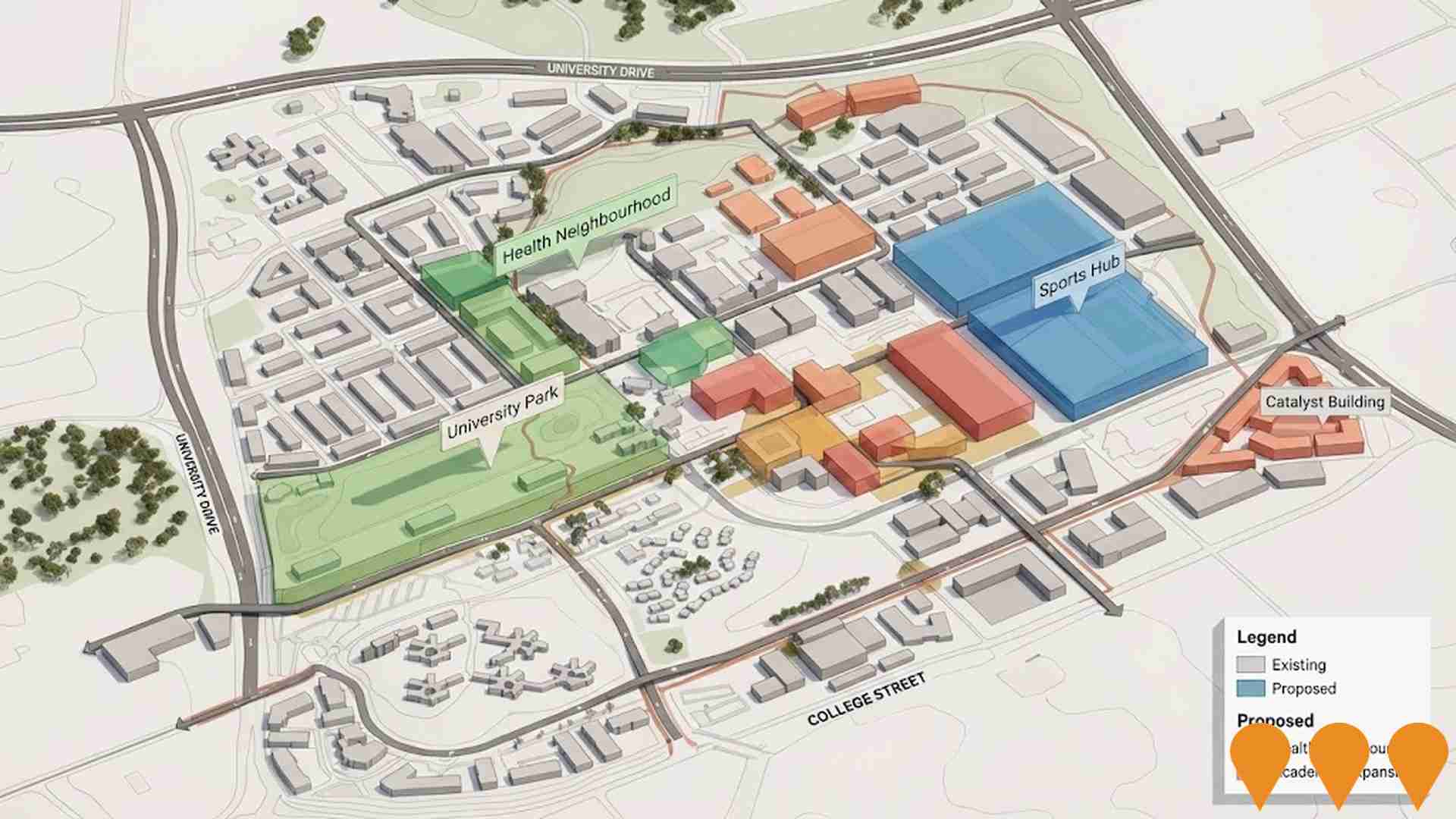
Strategic civic investments and planned capital works remain vital determinants of future local growth and connectivity. A total of 19 infrastructure initiatives have been identified with potential local relevance, highlighted by projects such as the Bruce Sports, Health and Education Precinct, the AIS Podium Project, the Bruce Innovation District, and the Mona Tait Gardens & Bullecourt Retirement Village Expansion.
Professional plan users can use the search below to filter and access additional projects.
INFRASTRUCTURE SEARCH
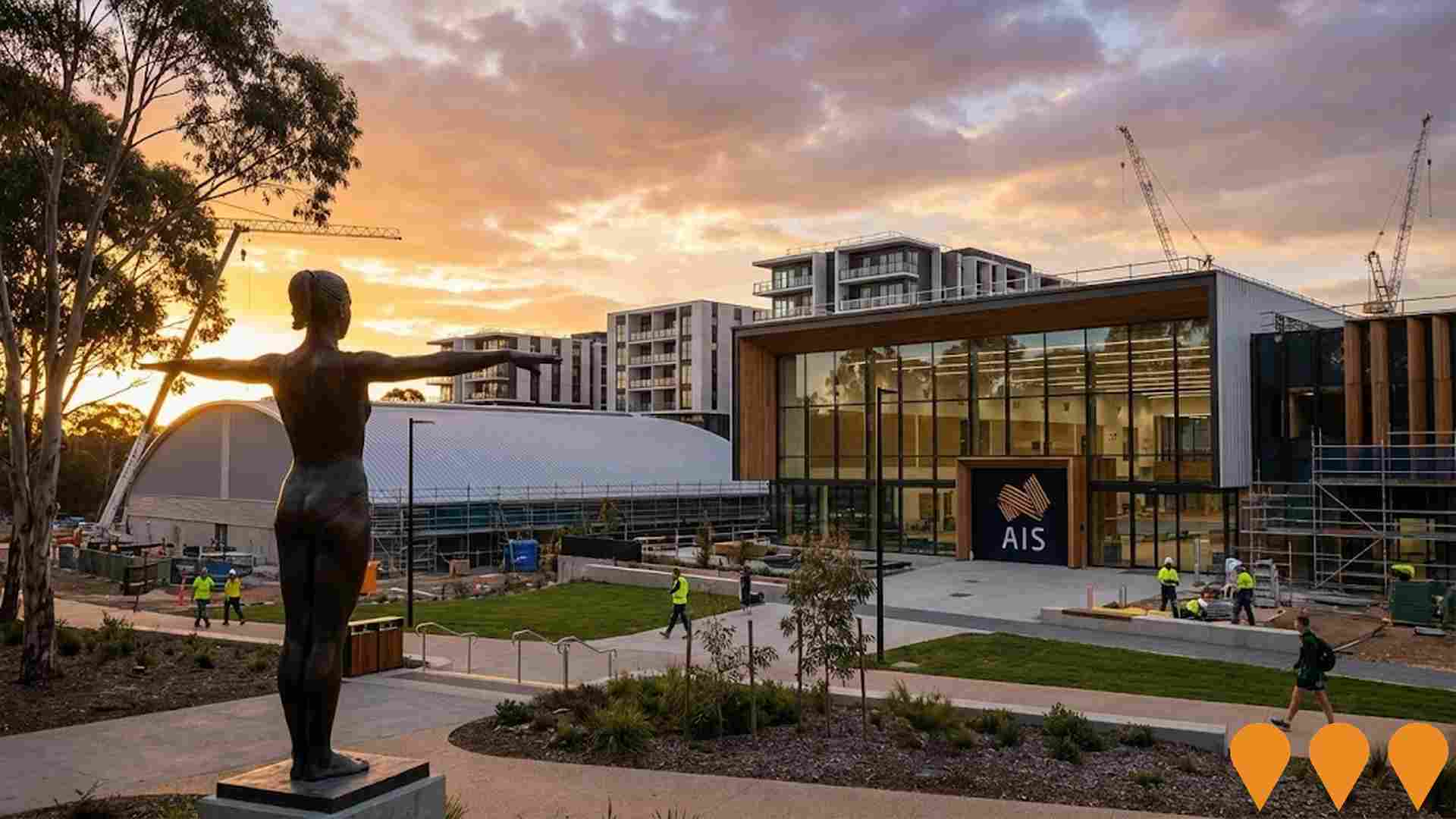
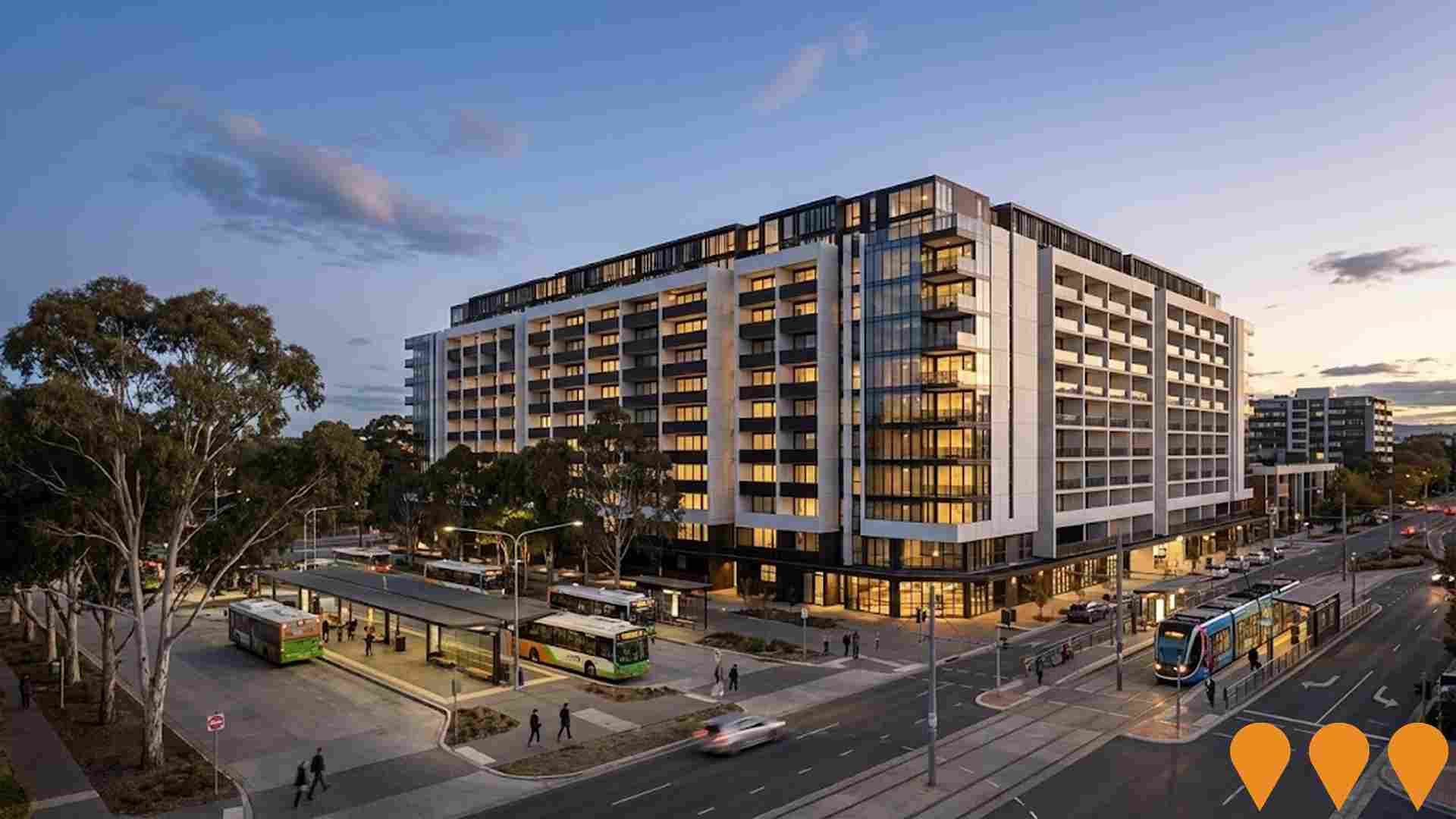
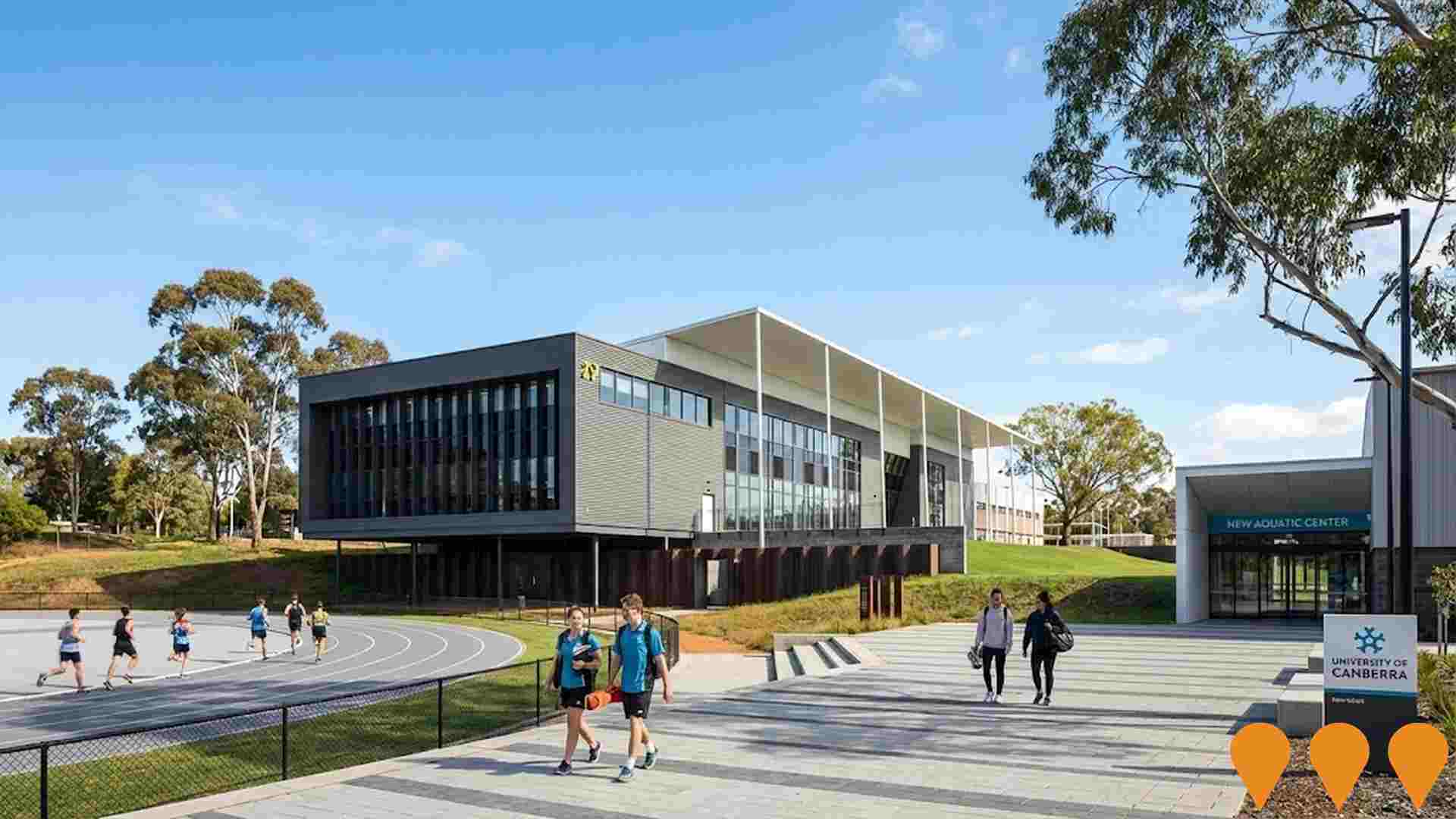
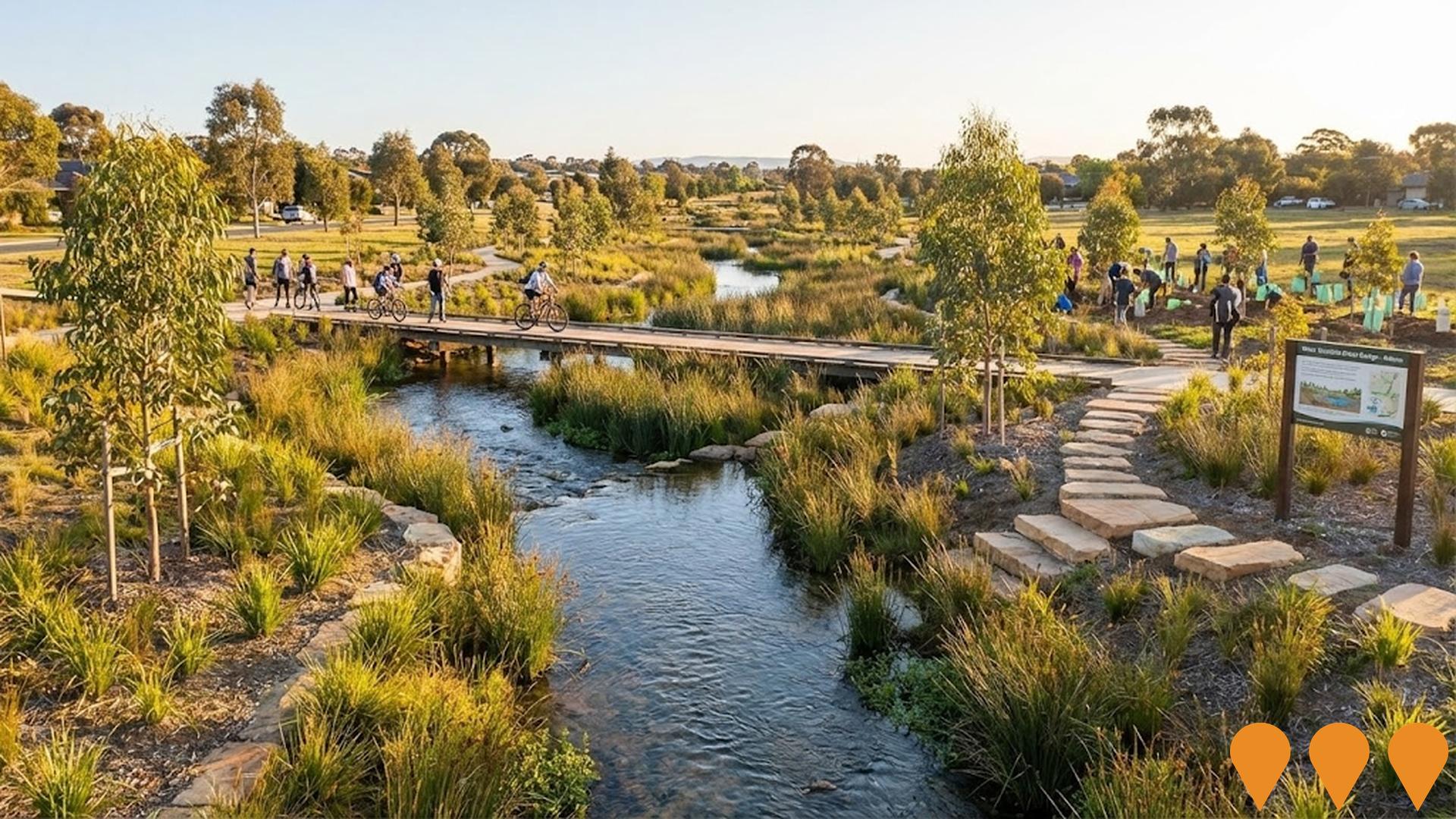
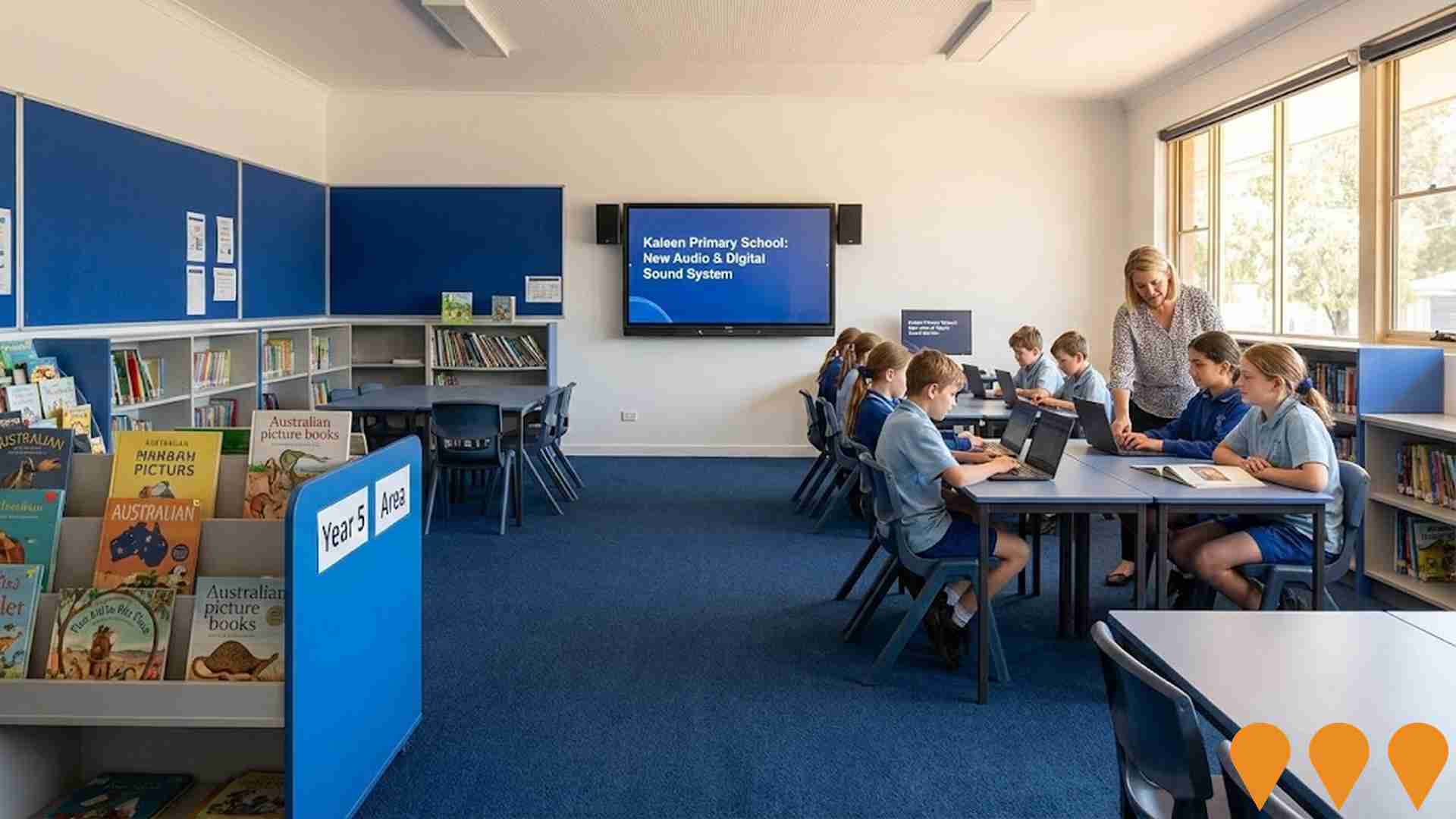
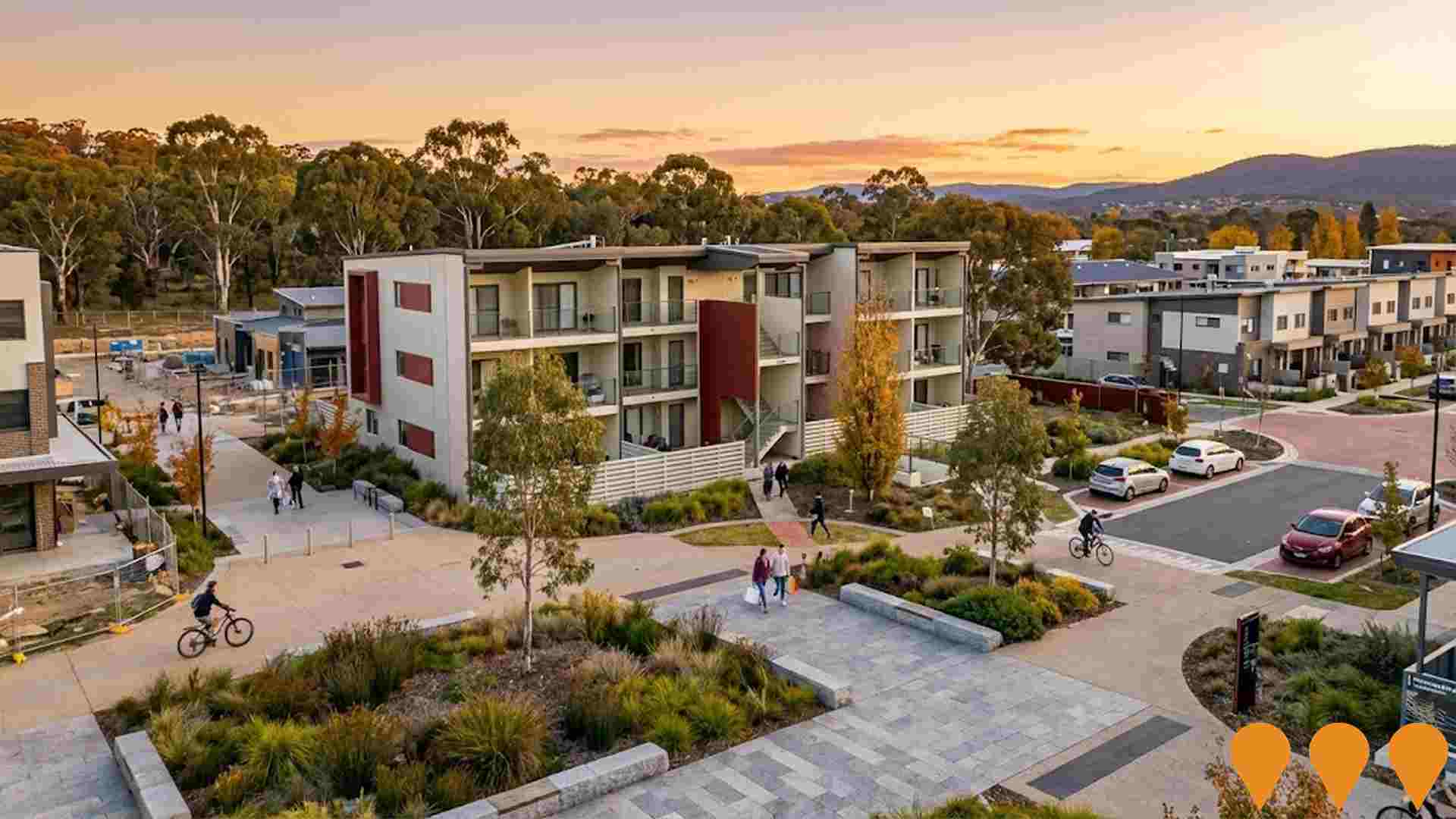
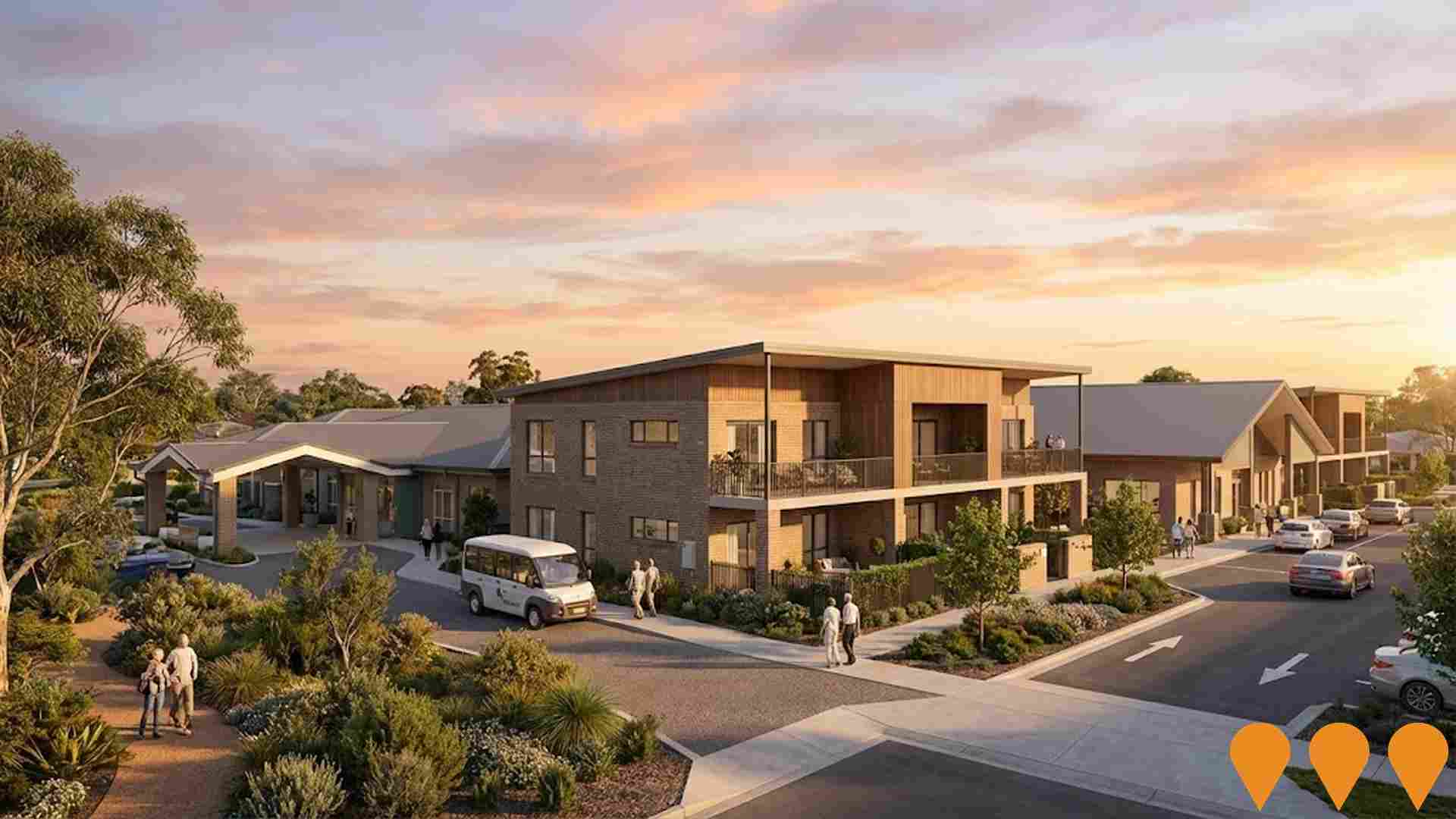
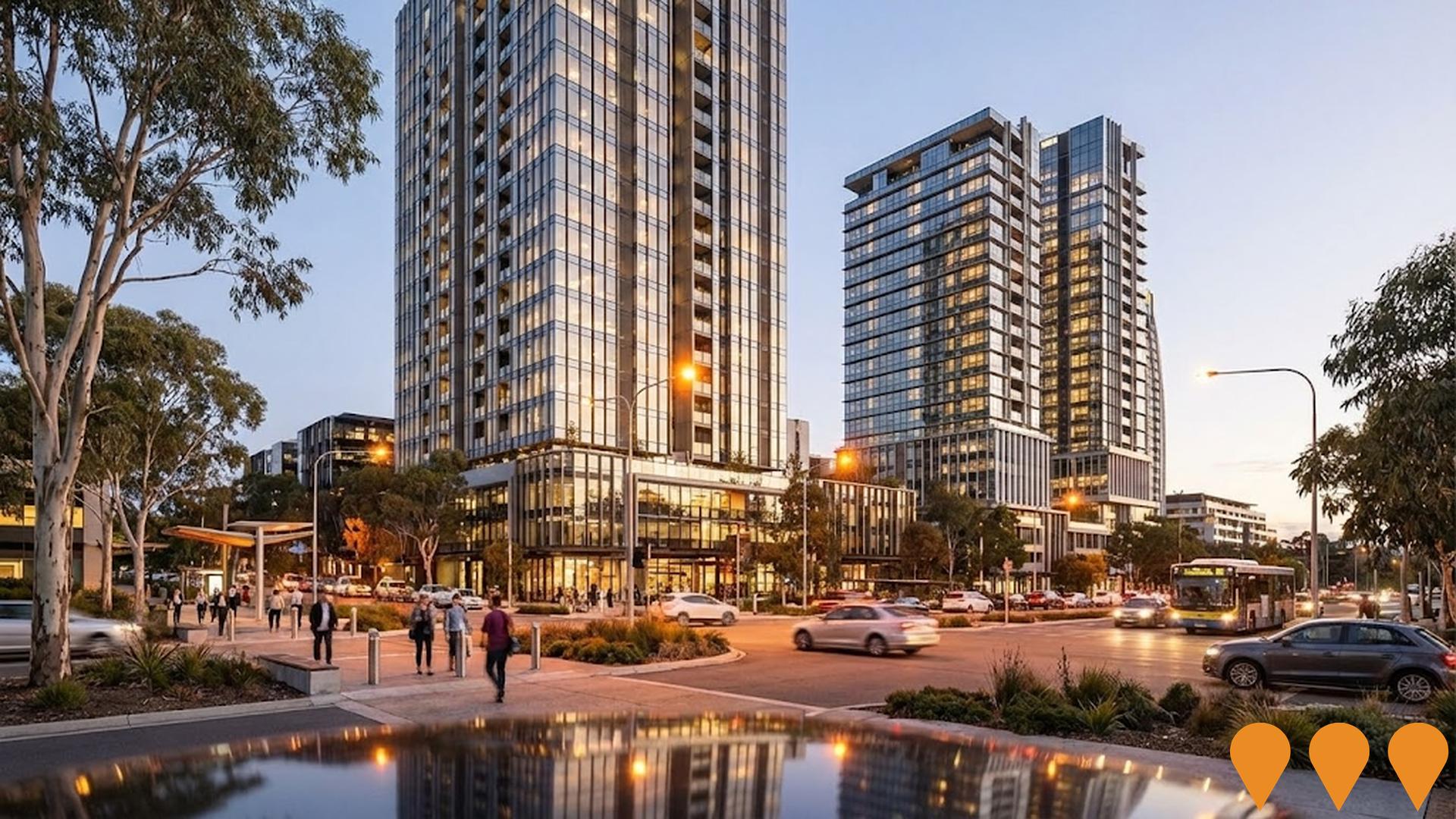
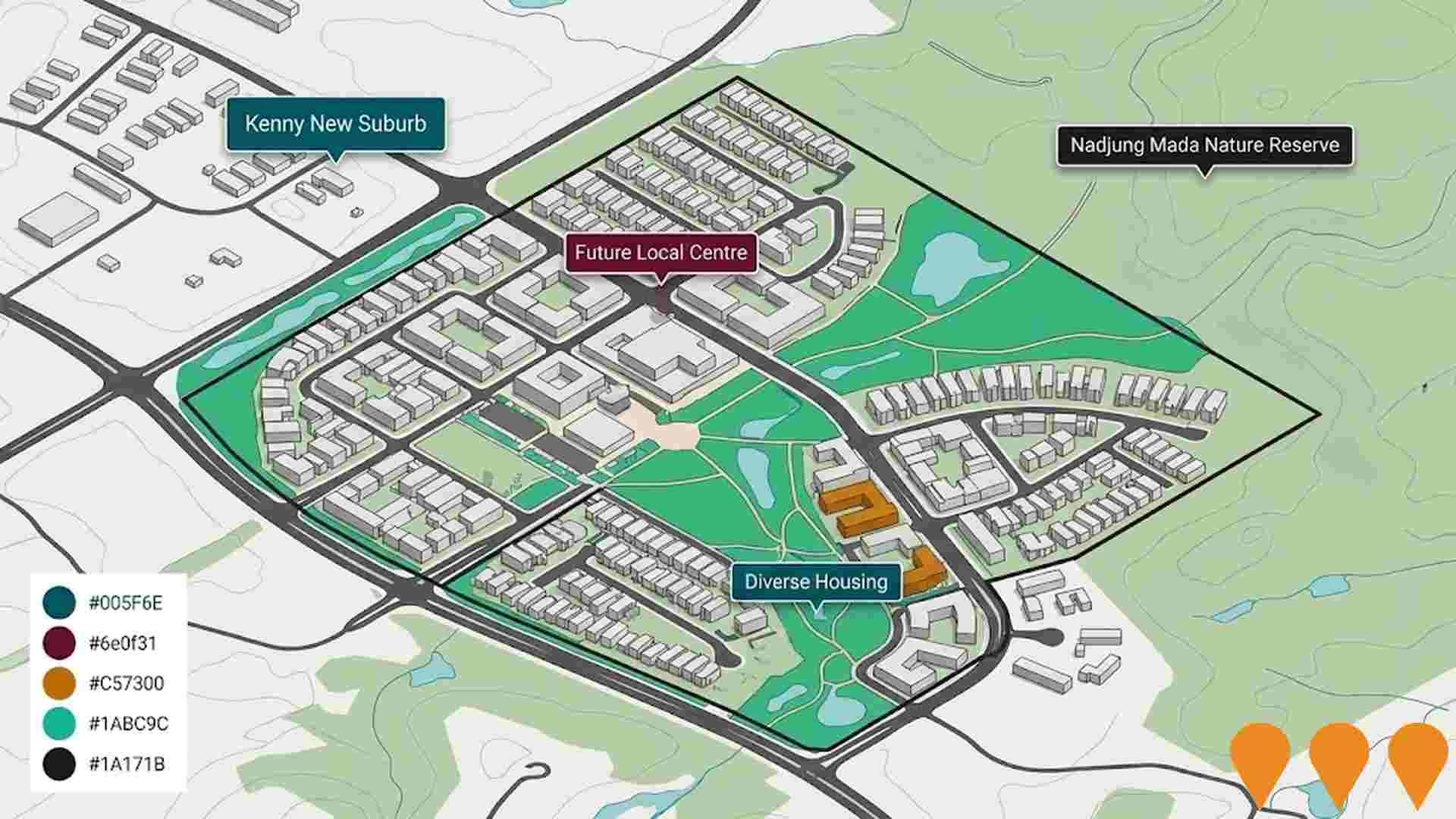
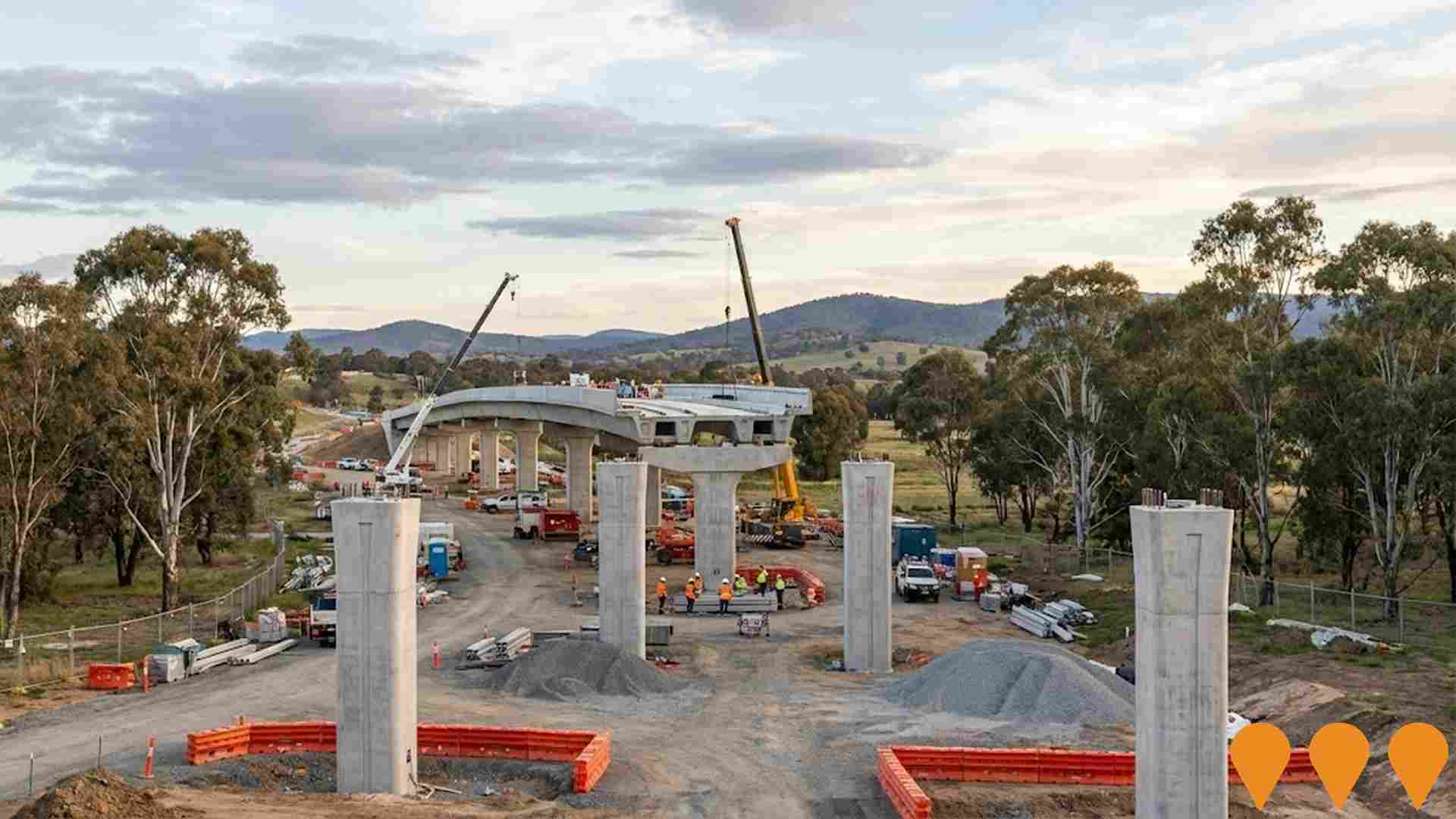
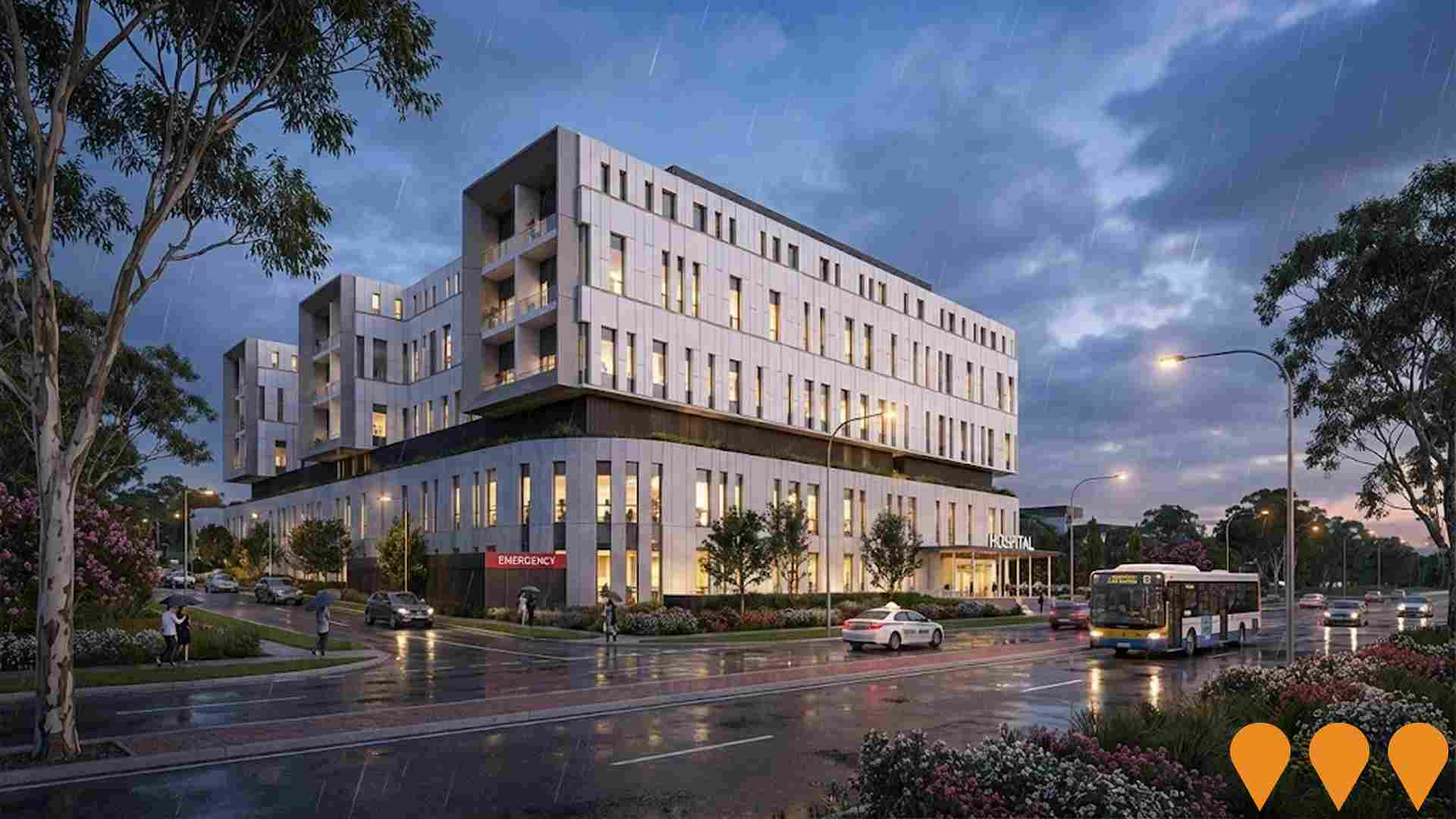
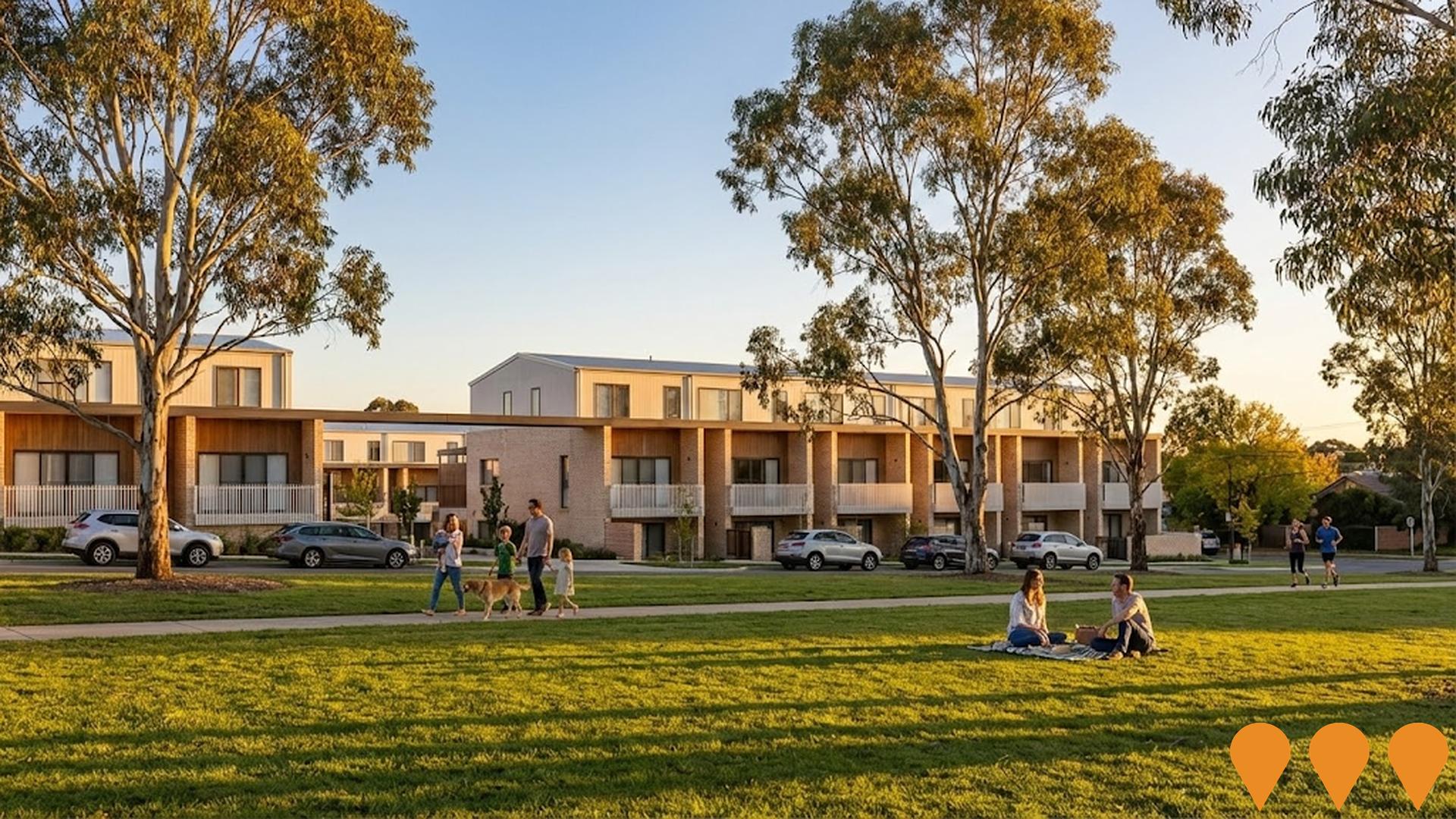
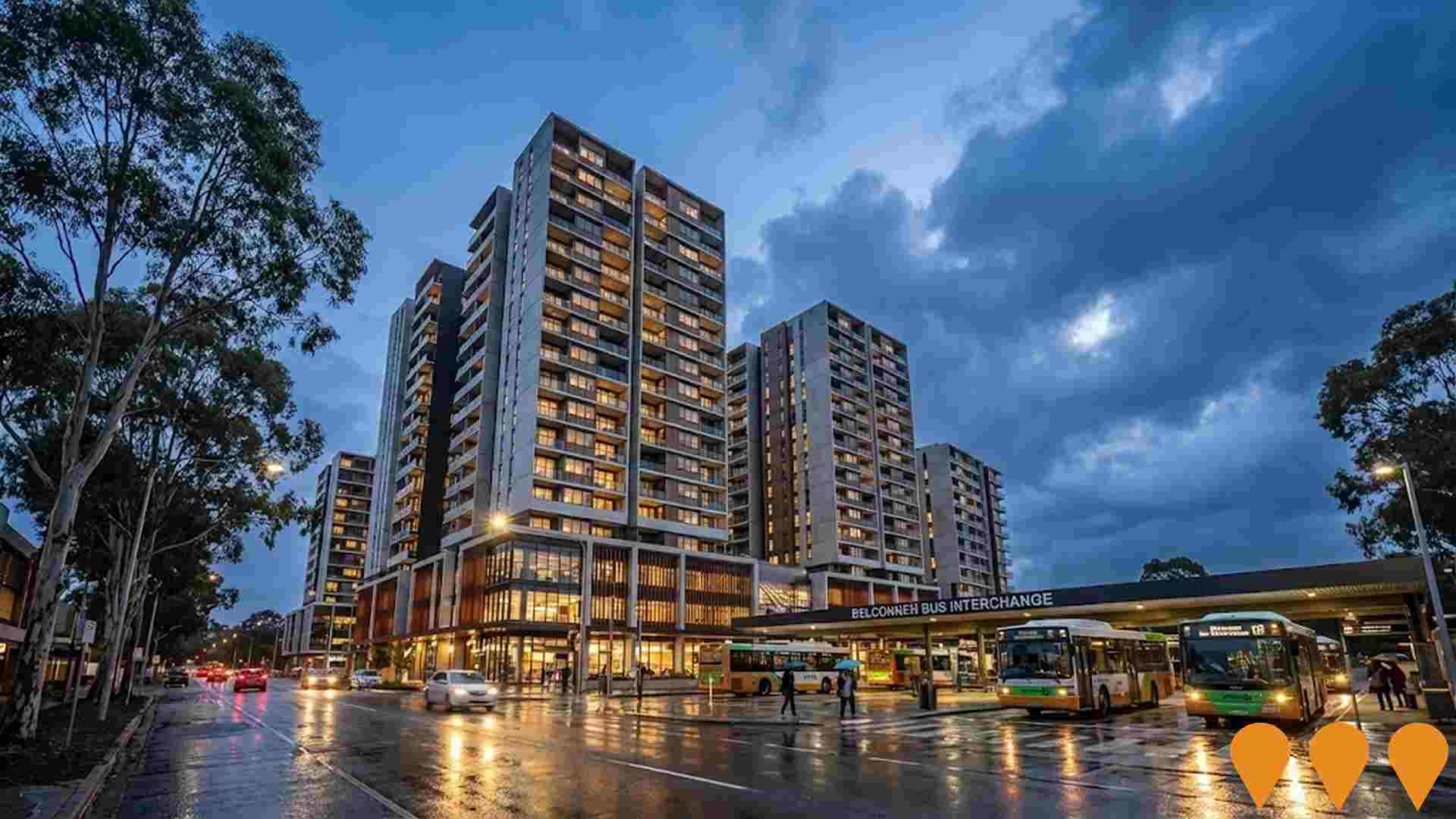
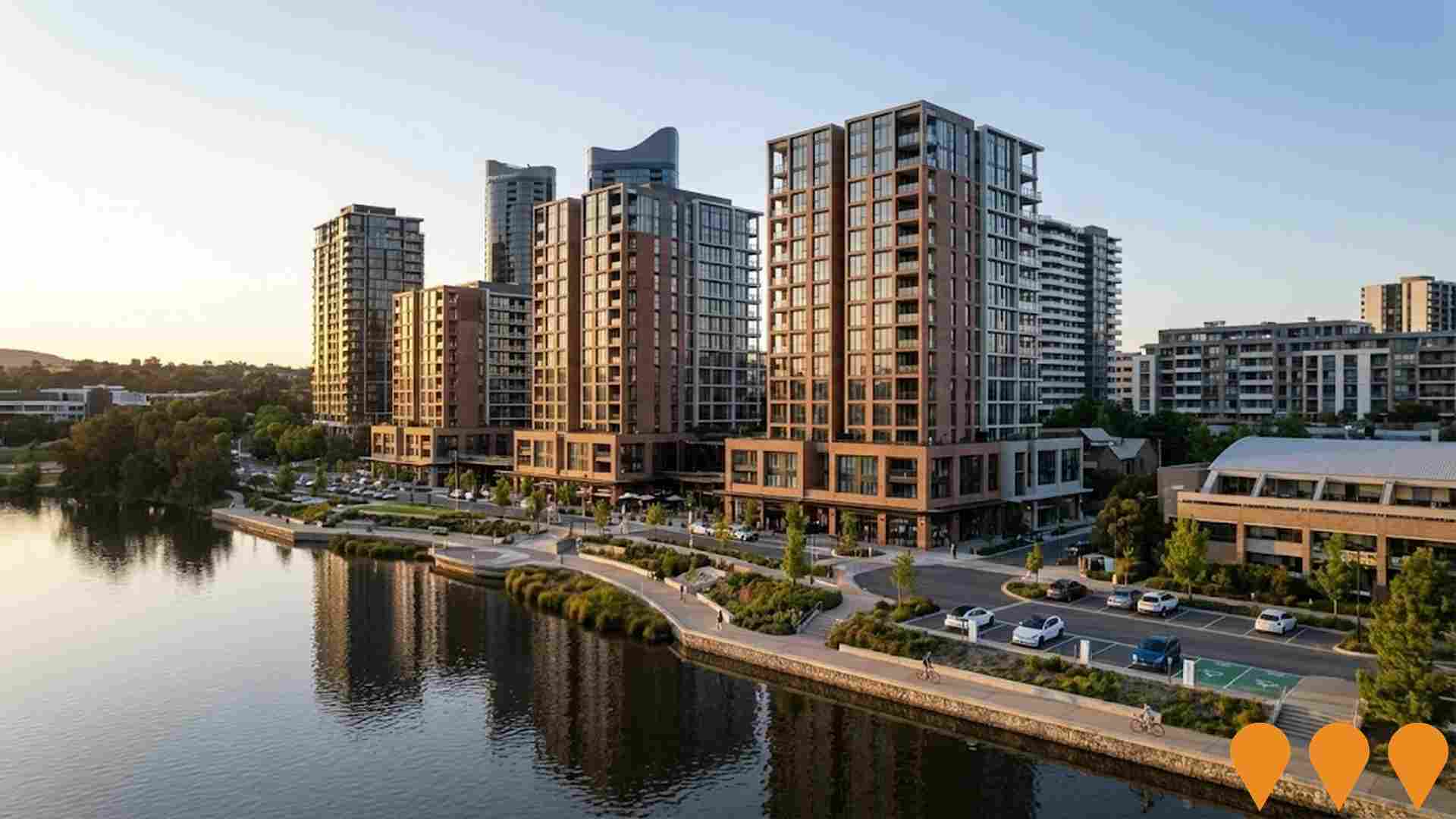
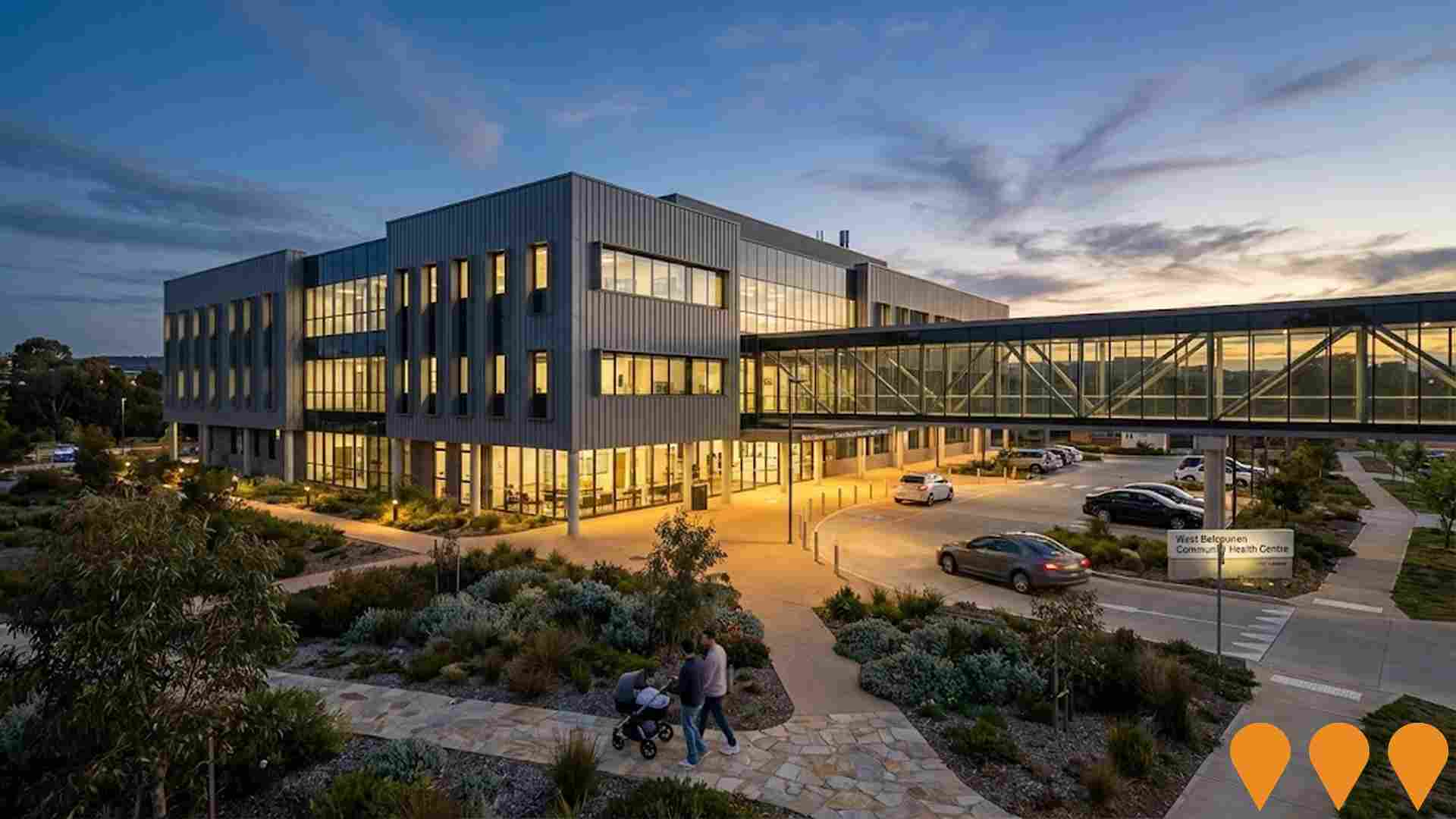
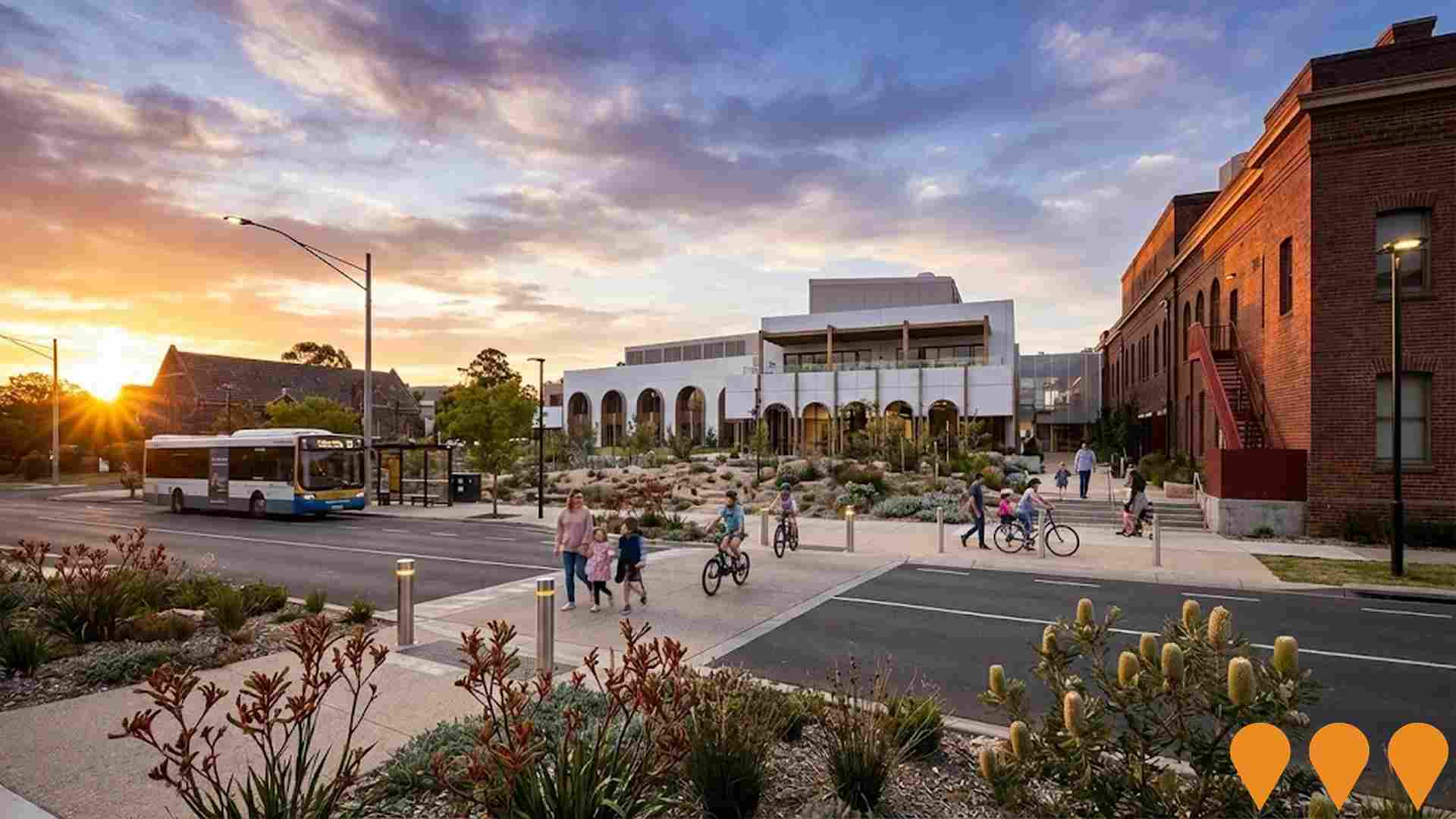
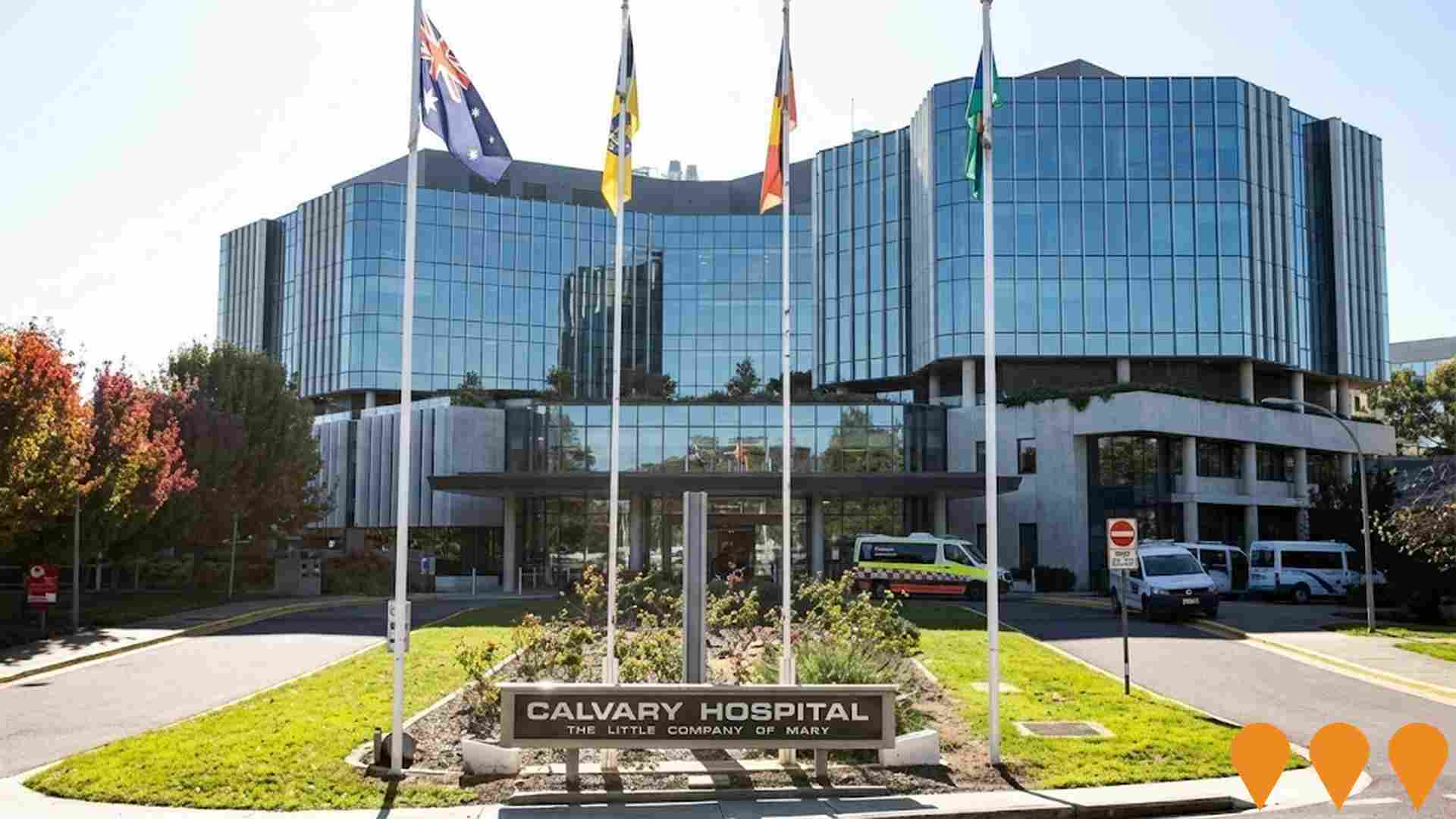
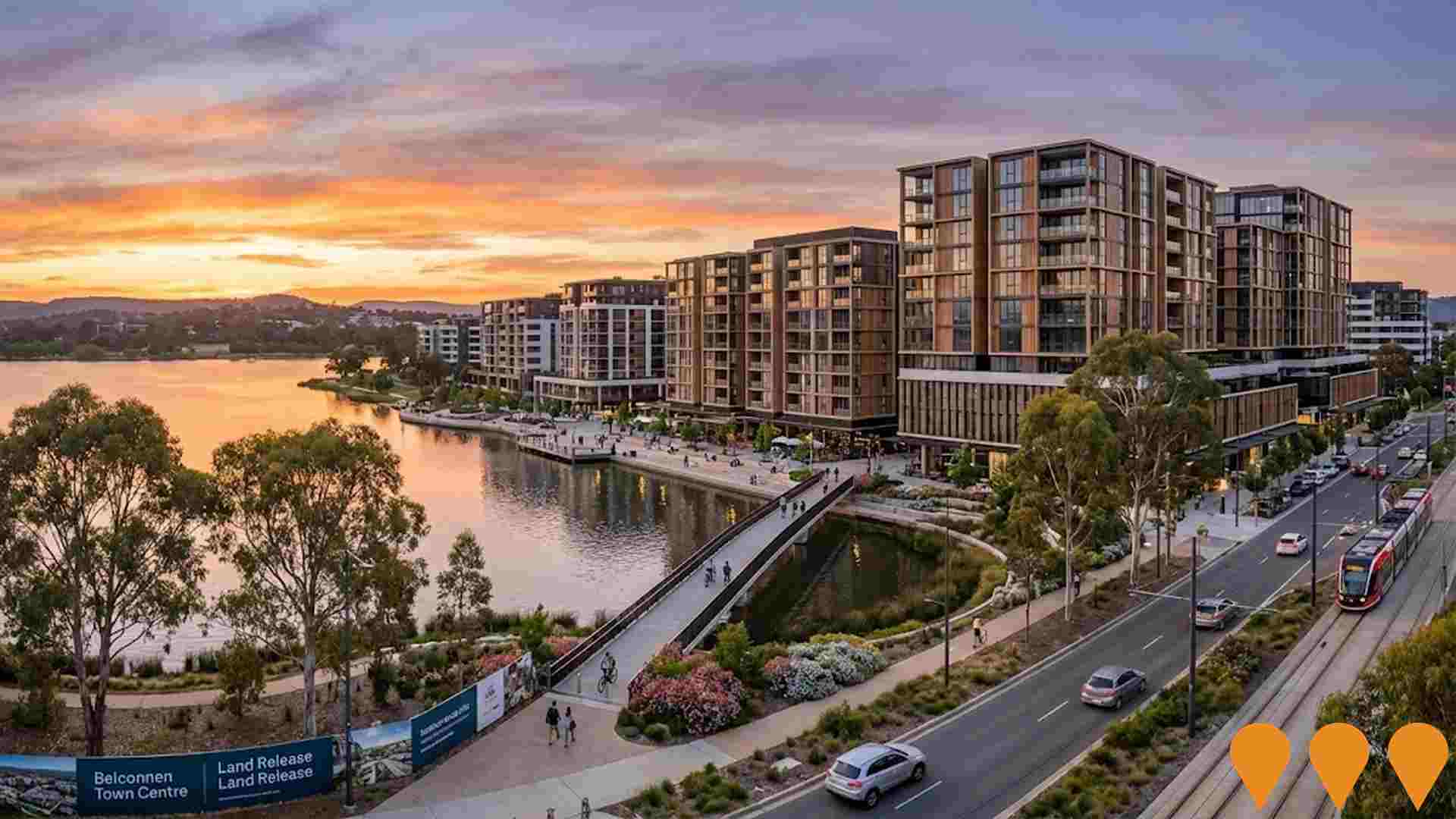
 Denotes AI-based impression for illustrative purposes only, not to be taken as definitive under any circumstances. Please follow links and conduct other investigations from the project's source for actual imagery. Developers and project owners wishing us to use original imagery please Contact Us and we will do so.
Frequently Asked Questions - Infrastructure
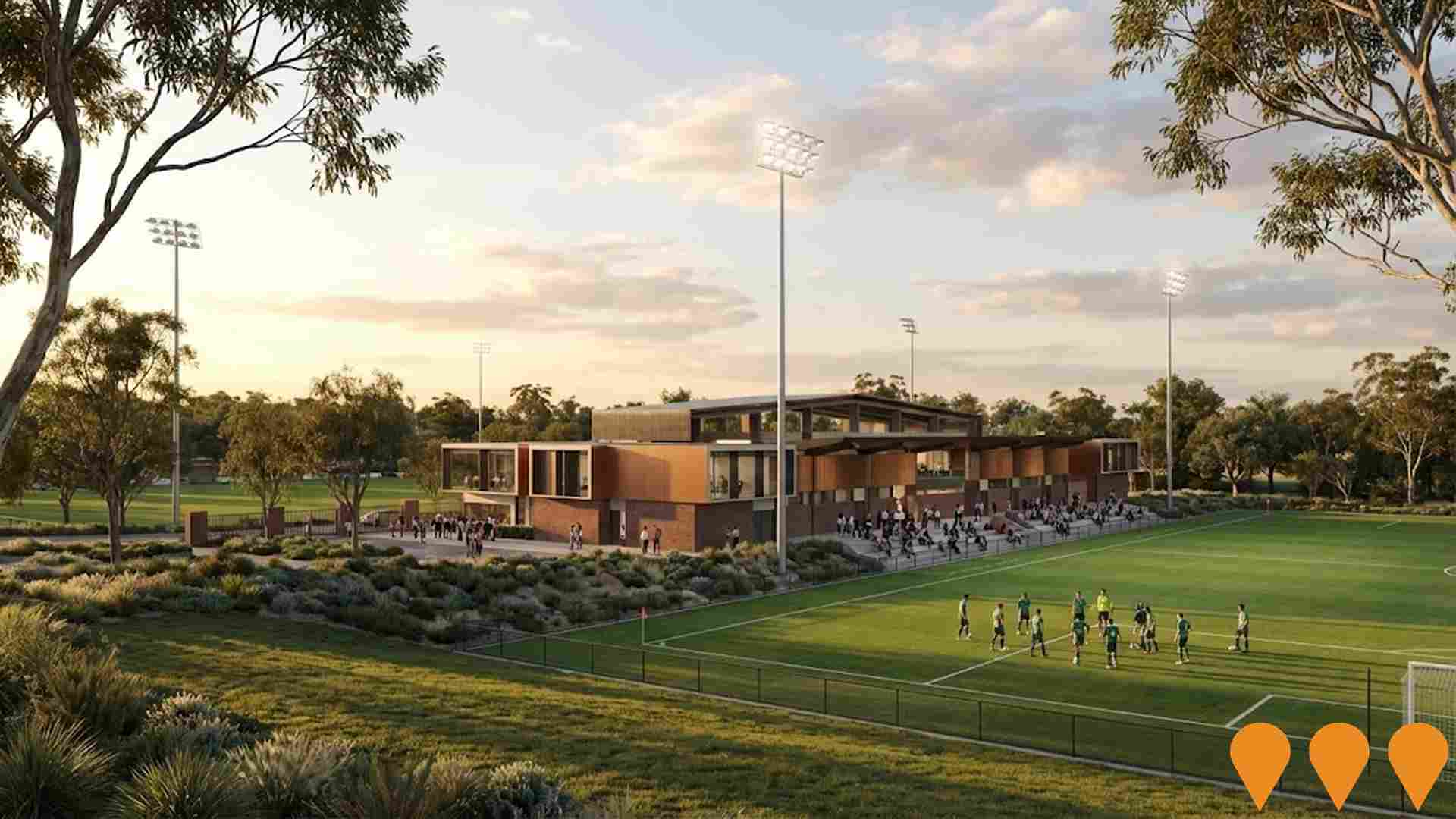
Bruce Sporting Complex Upgrade
Progressive upgrade of sporting facilities in Bruce including playing fields, lighting, pavilions, changerooms and supporting infrastructure. The works form part of the ACT Government's ongoing sportsground improvement program to improve community and competition sporting facilities.
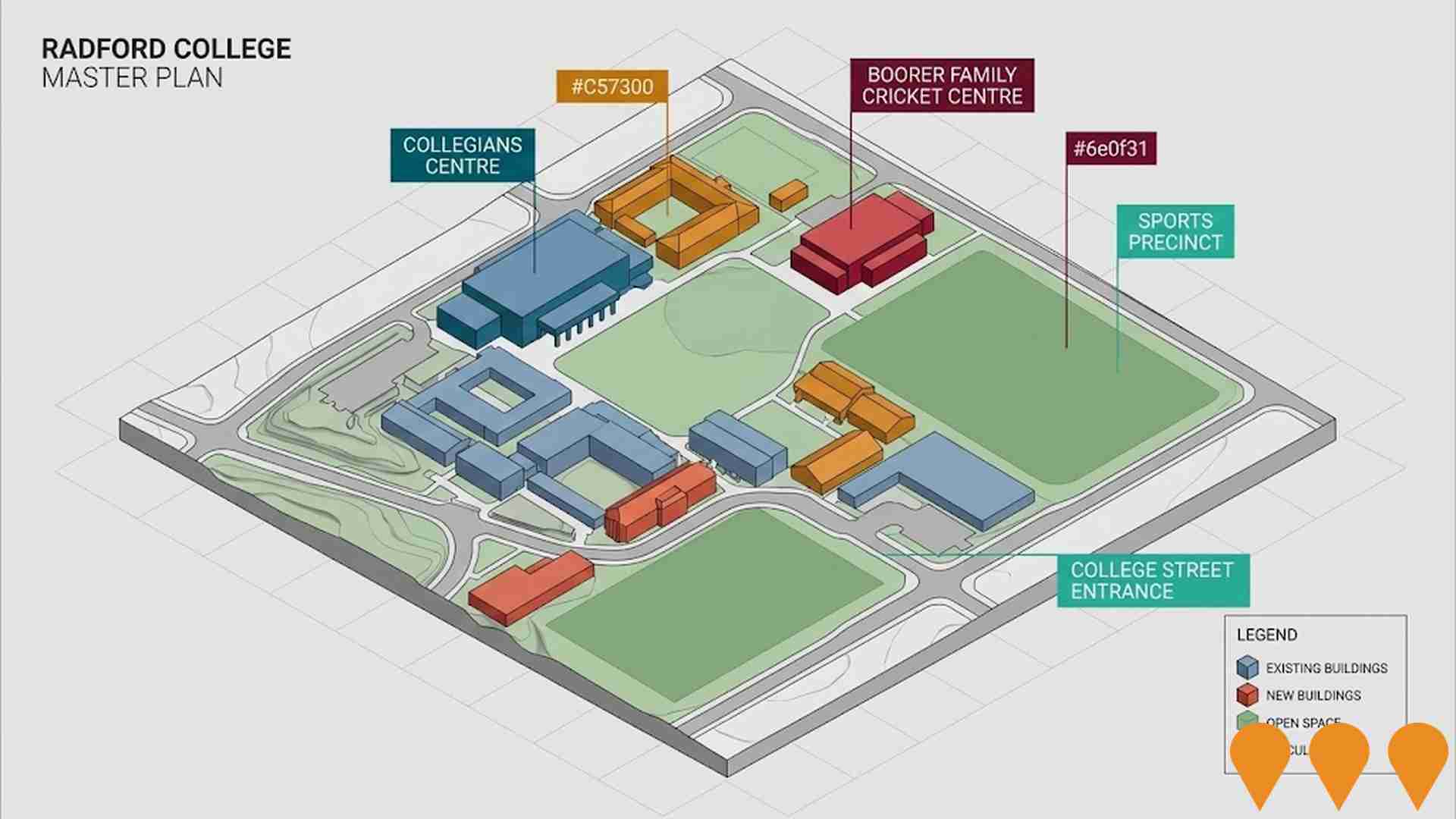
Radford College Master Plan Implementation
Ongoing implementation of the Radford College Master Plan at the Bruce campus. Major recent works include the completed Collegians Centre (multi-purpose hall) and the Boorer Family Cricket Centre. As of mid-2025 the College Board confirmed the final stage of works was progressing, comprising the completion of the school ovals, presentation upgrades to the Haydon Drive and College Street boundaries, a new Foundation Walk, and a feature pedestrian entrance and path linking College Street to the Collegians Centre with shelter, seating, lighting and an avenue of trees.The College anticipated the design becoming visible by the end of Term 3 2025 following earthworks and landscaping across multiple worksites.
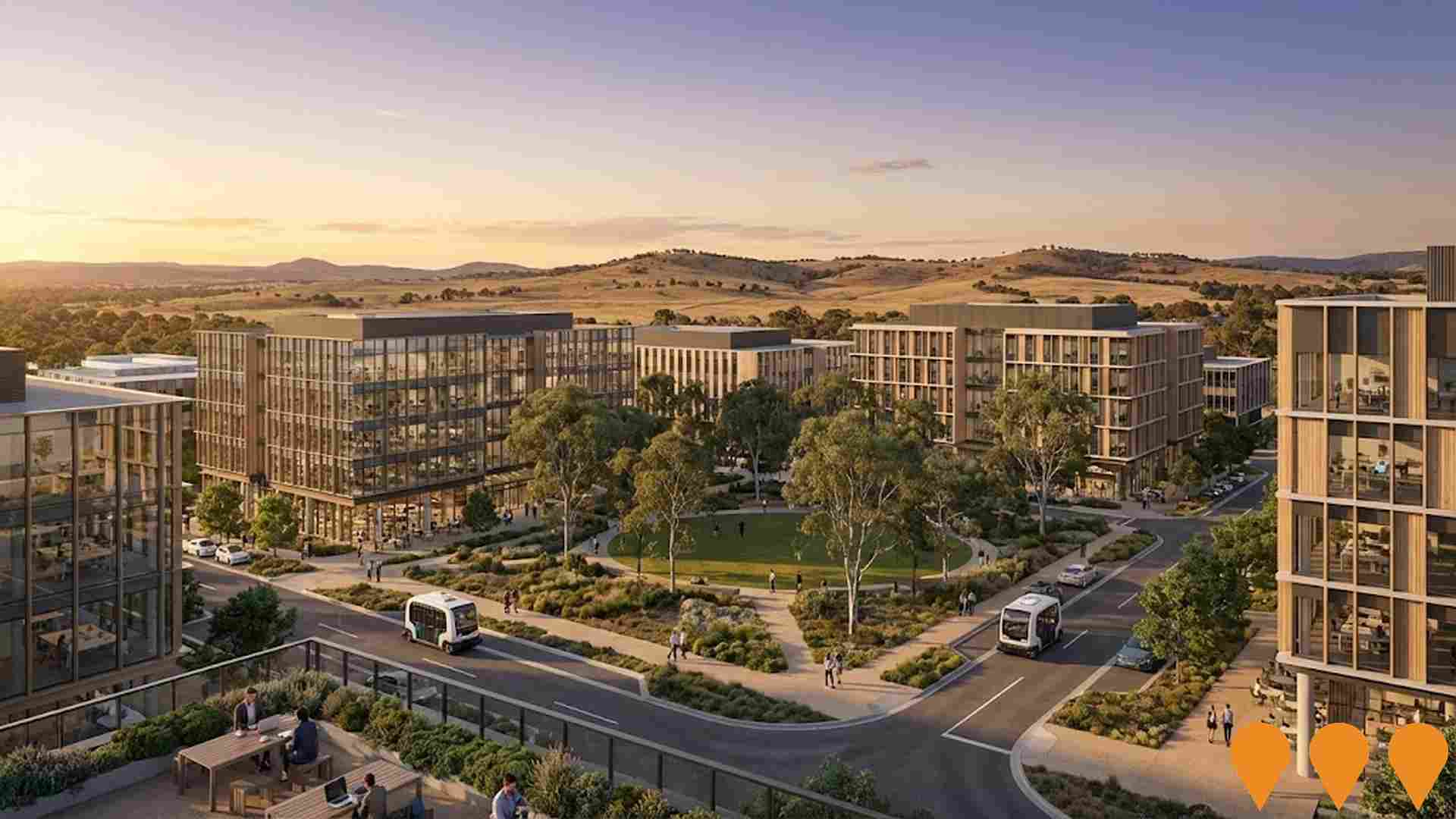
Bruce Precinct
A masterplanned mixed-use urban precinct and residential land release located centrally in Bruce. Aligning with the Bruce Sports, Health and Education Precinct masterplan, it aims to deliver 250-500 new dwellings alongside commercial, hospitality, innovation hubs, and retail opportunities.
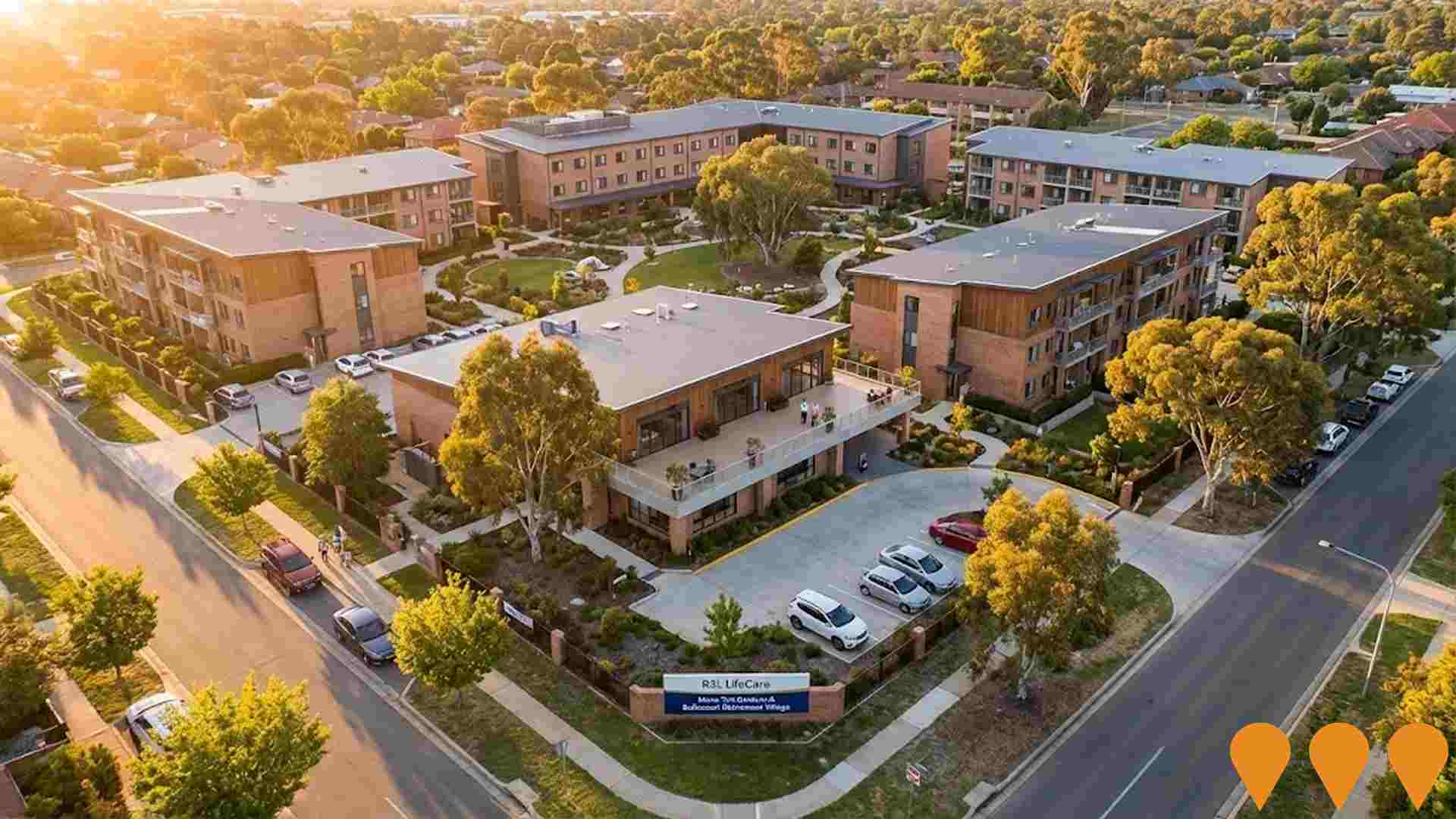
Mona Tait Gardens & Bullecourt Retirement Village Expansion
Expansion of the Bullecourt Retirement Village within the Mona Tait Gardens seniors living precinct. Stage 1 comprising 20 independent living units has been completed. The revised Stage 2 development is now under construction and will deliver 83 additional retirement homes (72 apartments and 11 townhouses), a community hub, landscaped open space and associated infrastructure following a redesign that reduced building heights along Warrego Circuit after community consultation.
AIS Podium Project
A 249.7 million dollar redevelopment of the Australian Institute of Sport campus to modernize infrastructure for the Brisbane 2032 Games. The project includes a new High Performance Testing and Training Centre, a multi-sport indoor dome, and a 200-bed accessible athlete residence. As of May 2026, the project is in a critical planning and procurement phase with major works tenders closing this month and demolition of the original 1985 Athletes Village scheduled for June 2026.
Ethos Belconnen
Ethos is the second stage of Per Se Developments' Cirrus lakeside precinct at Belconnen. The project comprises 88 premium apartments with ground floor commercial tenancies overlooking Lake Ginninderra. Construction is well advanced with display apartments open and commercial space being marketed ahead of expected completion in 2026.
University of Canberra Sports Precinct
Major expansion of University of Canberra sports facilities, including the development of Sports Hub 2, new aquatic centre, indoor sports courts, outdoor playing fields, gymnasium upgrades, and athlete training facilities. It focuses on community access programs and elite athlete development.
Kaleen Environmental Restoration Project
Restoration of natural habitats and delivery of water sensitive urban design works in Kaleen to improve creek health, reduce stormwater pollutants entering Lake Ginninderra, and enhance local biodiversity and amenity.
2,160 residents of Lawson (ACT) are employed, from a labour force of 2,192. Unemployment sits at 1.5%, with participation at 85.8%. Weighted for its industry mix, the area's sectors are forecast to grow about 6.8% nationally over five years. That reflects industry composition only and makes no allowance for local population growth. The working-day population is estimated at 1,912, about 64% of the resident population, so more people leave the area for work than travel in. Unemployment and labour force come from ABS Small Area Labour Markets, updated quarterly; the industry and occupation profile is from the 2021 Census.
Detail
Lawson features an exceptionally qualified labor force characterized by a notable share of professional services roles, an unemployment rate standing at only 1.5%, and annual job growth estimated at 0.7% per aggregated statistical boundaries. As of March 2026, employed residents total 2,160, maintaining an unemployment rate 2.6% lower than the Australian Capital Territory figure of 4.1%, while local labor force participation reaches an elevated 85.8% compared to the territory standard of 70.6%. At the Census, working from home was reported by 8.9% of local workers, a metric influenced by prevailing Covid-19 restrictions at the time.
The primary employment fields for local residents comprise public administration & safety, health care & social assistance, alongside professional & technical services. Accommodation & food services exhibits an especially pronounced footprint, tracking at 1.5 times the regional proportion. Meanwhile, public administration & safety makes up 20.9% of resident employment, falling below the territory-wide average of 30.4%. Comparing the local resident workforce against the number of jobs physically situated in the suburb indicates relatively constrained on-site employment within the boundary. Aggregated ABS and SALM figures show that over the 12-month period, local employment expanded by 0.7% while the overall workforce grew by 1.0%, lifting the local unemployment rate by 0.3 percentage points. Across the broader Australian Capital Territory over the same timeframe, employment rose 0.3%, the labor force increased 1.1%, and unemployment expanded by 0.7 percentage points. Applying national industry growth trajectories from Jobs and Skills Australia (Mar-26) to the local sector distribution provides an outlook on future labor requirements. Nationally, employment is projected to expand 6.6% across five years and 13.7% across ten years, with performance varying by industry. Weighting these projections against the existing industry profile of Lawson suggests local employment could expand by 6.8% over five years and 13.8% over ten years, representing a basic model that does not incorporate discrete local population projections.
Frequently Asked Questions - Employment
Median household income in Lawson (ACT) is $2,492 a week (about $130,000 a year), with median personal income at $1,190 a week. ATO records put median taxable income at $66,556 a year against an average of $80,376. Household income is from the 2021 Census; taxable income is from ATO Taxation Statistics for the latest financial year available, indexed forward using the ABS Wage Price Index.
Detail
ATO personal tax records for financial year 2023 place individual earnings in Lawson among the highest in the country, recording a median of $66,556 and an average of $80,376. In comparison, the Australian Capital Territory recorded a median of $72,206 and an average of $85,981. Factoring in 10.44% Wage Price Index growth since financial year 2023 elevates current wage benchmarks to approximately $73,504 for median income and $88,767 for average income as of March 2026. In the 2021 Census, personal, family, and household earnings placed between the 90th and 90th percentiles nationwide.
The weekly income band of $1,500 - 2,999 represents the largest share at 40.7% of residents (1,207 people), compared to 34.3% across the wider region, while 40.3% receive weekly incomes above $3,000. Residential housing expenses account for 18.6% of income, yet strong earnings maintain disposable income at the 87th percentile, with SEIFA economic advantage scores ranking the area in the 10th decile.
Frequently Asked Questions - Income
Lawson (ACT) had 990 occupied dwellings at the 2021 Census, 20% detached houses and 17% apartments. 46% are owned with a mortgage, 46% rented and 8% owned outright. At that Census the median rent was $548 a week and the median mortgage repayment $2,000 a month, a total housing cost higher than 97% of areas nationally. Rent absorbs 22.0% of household income here and mortgage repayments 18.5%. Dwelling stock, tenure and housing costs are 2021 Census measures — the only source that counts dwellings at this boundary size.
Detail
According to the latest Census, the housing composition in Lawson consisted of 19.7% separate houses and 80.3% other dwellings such as apartments, semi-detached residences, and alternative configurations, differing markedly from the Australian Capital Territory distribution of 63.3% houses and 36.7% other dwellings. Outright property ownership stood at 8.1%, below territory norms, while mortgaged properties accounted for 45.8% and rental arrangements comprised 46.0%. Typical monthly mortgage payments were $2,000 compared to the territory baseline of $2,080, while median weekly rent was $548 against the territory figure of $450. On a national scale, mortgage commitments in Lawson exceed the Australian benchmark of $1,863, and weekly rents track substantially above the countrywide figure of $375.
Frequently Asked Questions - Housing
Lawson (ACT) counted 990 households at the 2021 Census, an estimated 1,072 today, averaging 2.6 people each. 22% are couples with children, fewer than in 82% of areas nationally, against 32% couples without children. 20% of households are people living alone, and families average 0.6 children. Household and family composition is measured only by the Census, so these are 2021 figures.
Detail
Families constitute 62.4% of all local households, divided between couples without children (31.5%), couples with children (21.5%), and single parent families (5.9%). Non-family living arrangements account for the remaining 37.6%, with single-person residences representing 19.6% and shared group households making up 17.5%. Average household occupancy is 2.6 people, slightly above the Australian Capital Territory median of 2.5.
Frequently Asked Questions - Households
62.7% of adults in Lawson (ACT) hold a university qualification, including 35.5% with a bachelor degree and 23.1% with postgraduate qualifications, higher than 96% of areas nationally. A further 9.1% hold a vocational qualification. Qualifications come from the 2021 Census.
Detail
Tertiary qualification rates in Lawson stand substantially above regional and nationwide benchmarks, with 62.7% of residents aged 15+ holding a university credential, compared to 43.8% across the SA3 area and 30.4% across Australia. Attainment is led by bachelor degrees at 35.5%, followed by postgraduate degrees at 23.1% and graduate diplomas at 4.1%. In addition, vocational certificates and diplomas represent 16.6% of qualifications for individuals aged 15+, consisting of 7.5% in advanced diplomas and 9.1% across certificate courses. Formal study engagement is substantial throughout the community, with 38.4% of the population attending an educational institution.
This cohort comprises 20.1% enrolled in tertiary courses, 5.6% attending primary schools, and 3.6% engaged in secondary education.
Frequently Asked Questions - Education
Schools Detail
Public transport in Lawson (ACT) reaches 9 stops on 38 routes, timetabled for about 2,600 services a week. The typical home sits about 170 m from its nearest stop. Buses carry the largest share of public transport commuters. Households keep an average of 1.4 vehicles. Stop and service counts are built from operators' published GTFS timetables and refresh with each timetable release; vehicle ownership is from the 2021 Census.
Detail
Public transport networks within Lawson encompass 9 operational transit stops primarily accommodating bus services. These locations are connected across 38 distinct routes delivering 2,597 weekly scheduled services. Commuter access is strong, with typical proximity to a stop averaging 168 meters. Outward commuting patterns prevail, with private vehicles serving as the dominant transport mode for 88% of journeys, followed by 8% utilizing public buses. Household motor vehicle ownership stands at an average of 1.4 vehicles per residence, while 8.9% of residents worked remotely according to 2021 Census records during pandemic conditions.
Transit service frequency reaches an average of 371 daily trips across the entire local network, representing approximately 288 departures per stop on a weekly basis.
Frequently Asked Questions - Transport
Transport Stops Detail
84.0% of residents in Lawson (ACT) report no long-term health condition, a healthier profile than 84% of areas nationally. 1.5% need daily assistance with core activities, and 58.9% hold private health cover. The standardised death rate runs at 4.8 per 1,000 residents. Health conditions, assistance needs and insurance are 2021 Census measures; the death rate comes from current ABS releases.
Detail
Health metrics across Lawson reflect strong overall well-being, characterized by low chronic illness prevalence across all age cohorts and extensive private health insurance coverage reaching approximately 59% of the population (1,748 people), compared to 62.4% across the Australian Capital Territory. The most prevalent diagnosed conditions among residents are mental health issues at 6.7 and asthma at 6.5%, while 84.0% of the community reported having no long-term medical ailments, exceeding the Australian Capital Territory level of 70.2%. Individuals aged 65 and over represent 3.0% of the local population (89 people), below the territory proportion of 14.2%, with older residents demonstrating particularly favorable health scores relative to national standards.
Frequently Asked Questions - Health
53.0% of Lawson (ACT) residents were born overseas and 54.0% speak a language other than English at home, more culturally diverse than 92% of areas nationally. The largest reported ancestries are Chinese (17.6%) and English (15.2%). Ancestry, language and country of birth are counted only by the Census, so these are 2021 figures.
Detail
Cultural diversity is pronounced across Lawson, where 53.0% of residents were born abroad and 54.0% speak a primary language other than English at home. Christianity represents the most common religious affiliation at 25.4% of the population, while Hinduism displays a notable local concentration at 11.3%, substantially higher than the 4.8% recorded across the Australian Capital Territory. Reflecting parental country of birth, the top three reported ancestries in Lawson are Other at 18.6% (compared to 12.2% across the region), Chinese at 17.6% (above the 4.2% regional figure), and English at 15.2% (below the regional level of 23.3%).
Additional distinct cultural representations include Vietnamese backgrounds at 2.8% versus 1.0% regionally, Indian ancestry at 7.7% versus 3.3%, and Korean heritage at 1.6% against 0.6% across the wider territory.
Frequently Asked Questions - Diversity
The median resident of Lawson (ACT) is 29, younger than 99% of areas nationally. That is 1 year older than at the 2021 Census. 51.7% of residents are aged 15 to 34. Age cohorts are not raw Census counts: the Census split is re-based to the latest ABS population estimates and state projections.
Detail
The age distribution in Lawson displays a pronounced concentration of younger adult residents without children. As of August 2026, persons aged 25 - 44 account for an estimated 57.1% of the population, compared to 32.8% across the Australian Capital Territory, whereas seniors aged 65+ comprise 3.0% locally against 14.2% regionally. The estimated median age is 29, up from 28 at the 2021 Census, which sits 6 years below the territory benchmark of 35 and well under the national median of 38 from that same Census. Young residents aged 0 - 24 have contracted from 34.0% at the Census to an estimated 26.4%.
Looking toward 2041, the 45 - 64 age category is projected to see the largest absolute expansion, increasing by 39 (10%) to reach 428, while the 65+ group shows the highest growth rate at 29% to reach 115, even as younger adult and youth segments are expected to contract.
Frequently Asked Questions - Age
Data & MethodBoundaries, Sources & Method for Lawson (ACT)
9 of 14 data sections on this page were updated within the last 12 months — the newest current to Oct 2026.
Everything is aggregated to the Suburb (SAL) boundary shown above, on a 2021 Census baseline. Only 3 sections — housing, households and cultural diversity — still wait on the 2026 Census.
The ledger — source, cycle and currency by section
| Section | Source & update cycle | Currency |
|---|---|---|
| Updated within the last 12 months 9 sections | ||
| Population | ABS, GNAF, Geoscience Australia Annual (ABS ERP) | Aug 2026 2 months ago headline measures · 2021 Census baseline |
| Re-based to the ABS Estimated Resident Population (June 2025 release) and updated with new dwellings from GNAF address data. Current to Aug 2026, with the 2021 Census supplying the small-area baseline. | ||
| Age profile | ABS, Geoscience Australia, State governments Annual | Aug 2026 2 months ago headline measures · 2021 Census baseline |
| Age cohorts are re-based to the latest ABS population estimates and state projections, current to Aug 2026. Each cohort is held as a Census baseline and a current estimate. | ||
| Development & approvals | ABS, GNAF Monthly (ABS approvals) | Aug 2026 2 months ago headline measures · Jul 2026 baseline |
| Property sales & rents | Valuer General, Rental Board, ABS Weekly sales, quarterly rents | Oct 2026 this month headline measures · Sep 2026 baseline |
| Sales from the state Valuer General register, refreshed weekly, and rents from quarterly rental bond lodgements. Both are read live each time this page loads, current to Oct 2026. | ||
| Infrastructure projects | Infrastructure Australia, Local governments Daily | May 2026 5 months ago all 2 projects tracked here |
| Project pipeline maintained continuously from Infrastructure Australia, state agencies, local government and public announcements. Records are added and revised daily; this area was last updated May 2026. | ||
| Employment | ABS, DEWR, JSA Quarterly (ABS SALM) | Mar 2026 7 months ago headline measures · 2021 Census baseline |
| Unemployment and labour force from ABS Small Area Labour Markets, current to Mar 2026. The growth outlook applies Department of Employment (now Jobs and Skills Australia) forecasts for all 19 industry divisions to the local industry mix, so it measures sector composition rather than local expansion and makes no allowance for population growth. Job demand comes from the same agency via its Internet Vacancy Index; industry and occupation structure from the 2021 Census. | ||
| Education | ABS, ACARA Annual (ACARA) | Sep 2026 last month headline measures · 2021 Census baseline |
| Transport | ABS, State Transport Departments Each timetable release | Jul 2026 3 months ago headline measures · 2021 Census baseline |
| Services & amenities | Provider directories, ACECQA Continuous | Sep 2026 last month all 14 measures |
| Annual and financial-year sources 2 sections | ||
| Income | ABS, ATO Annual (ATO) | FY 2023 3 years ago headline measures · 2021 Census baseline |
| ATO taxable income statistics for FY 2023, indexed forward using the Wage Price Index. Census household income provides the distribution detail. | ||
| Health | ABS, ATO Annual | 2024 2 years ago headline measures · 2021 Census baseline |
| Census-measured — next update: 2026 Census 3 sections No more current small-area source exists for these, so they are labelled as Census-measured rather than implied to be current. | ||
| Housing | ABS 5-yearly (Census) | 2021 Census next update 2026 all 30 measures |
| Households | ABS 5-yearly (Census) | 2021 Census next update 2026 all 18 measures |
| Cultural diversity | ABS, Geoscience Australia 5-yearly (Census) | 2021 Census next update 2026 all 44 measures |
"Currency" is the most recent release feeding that section. Where the Census supplies the structural baseline underneath a current headline figure, the row says so.
How the numbers are built
Population
The Census provides the small-area baseline, aggregated from mesh blocks to this boundary. It is then re-based to the ABS Estimated Resident Population (June 2025 release), and new dwellings built since Census night are counted from address data — 18 validated new addresses here. The headline figure is therefore a current estimate for Aug 2026, not a 2021 count (2,739 at the 2021 Census → 2,967 now). Annual growth rates are compound (CAGR), not simple averages.
Age profile
Cohort shares are not raw Census counts. Every cohort is held as a pair — the Census baseline and a current estimate — and the split is re-based using ERP and state population projections, current to Aug 2026. Median age is the Census median plus modelled change since. Charts that show both are labelled "2021 Census vs Current Estimate".
Property sales
Sourced from the state valuation authority's sales register — current, not Census, and refreshed weekly. Medians are calculated from settled transactions in the period shown; periods with very low transaction counts are flagged or suppressed, because a handful of sales can move a median substantially.
Rents
Derived from state rental bond lodgement data, by dwelling type and bedroom count. Bonds are lodged at the start of a new tenancy, so this reflects new lettings, not the whole rented stock.
Development & infrastructure
Building approvals come from current ABS releases; development applications are collected from council and state planning portals; the infrastructure pipeline is compiled from Infrastructure Australia and local government sources. Applications are matched to this boundary by address or coordinates, so very recent lodgements may not yet appear.
Employment & income
Industry and occupation structure comes from the Census, but the headline labour-market indicators do not. Unemployment and labour force are derived from ABS Small Area Labour Markets (quarterly). The employment outlook applies Department of Employment forecasts for all 19 industry divisions to this area's own industry mix (the agency is now Jobs and Skills Australia), as does the Internet Vacancy Index used for job demand. Because it is weighted on industry composition alone, that outlook carries no allowance for local population growth — in fast-growing areas the real rise in local jobs will typically be higher. Income combines Census household income with ATO taxable-income statistics for FY 2023, indexed forward using the Wage Price Index.
Education, transport & amenities
School enrolments, ICSEA and performance come from ACARA's current release, not the Census. Public transport stops and service frequency are derived from GTFS timetable feeds published by state transport departments. Services and amenities are proximity and count scores built from provider directories, refreshed on their own cycle. The Census contributes only the travel-to-work and qualification measures.
Rankings and benchmarks. Where we rank this area, the comparison set is every area of the same boundary type — suburbs against suburbs, SA2s against SA2s. Benchmarks compare this area against its greater capital city region and the national figure for the same measure and period.
Limits worth knowing. Small areas carry larger error margins, and the ABS introduces small random adjustments to Census counts to protect confidentiality — so totals may not sum exactly. Estimates re-based from regional data describe the area's expected trajectory, not a direct count of it. Figures are indicative for research and are not financial, planning or valuation advice.
Cross-check us. The Census baseline for this boundary is at ABS 2021 Census QuickStats (SAL80085). QuickStats reports 2021 only — the figures on this page are more current wherever the ledger shows a later date.