Chart Color Schemes
This analysis uses Suburbs and Localities (SAL) boundaries, which can materially differ from Statistical Areas (SA2) even when sharing the same name.
SAL boundaries are defined by Australia Post and the Australian Bureau of Statistics to represent commonly-known suburb names used in postal addresses.
Statistical Areas (SA2) are designed for census data collection and may combine multiple suburbs or use different geographic boundaries. For comprehensive analysis, consider reviewing both boundary types if available.
est. as @ -- *
2021 Census | -- people





Sales Activity


Curious about local property values? Filter the chart to assess the volume and appreciation (including resales) trends and regional comparisons, or scroll to the map below view this information at an individual property level.
Find a Recent Sale

Sales Detail
Population
Population growth drivers in Avoca are above average based on AreaSearch's ranking of recent, and medium to long-term trends
Based on analysis of ABS population updates for the broader area, as of November 2025, Avoca's population is estimated at around 1,608 people. This reflects an increase of 252 people since the 2021 Census, which reported a population of 1,356 people in the Avoca (Vic.) statistical area (Lv2). The change was inferred from the resident population of 1,443 estimated by AreaSearch following examination of the latest ERP data release by the ABS on June 2024, and an additional 52 validated new addresses since the Census date. This level of population equates to a density ratio of 15.6 persons per square kilometer in the Avoca (Vic.) (SA2). The area's 18.6% growth since the 2021 census exceeded the non-metro area's 6.0%, marking it as a growth leader in the region. Population growth for the area was primarily driven by interstate migration, contributing approximately 85.0% of overall population gains during recent periods.
AreaSearch is adopting ABS/Geoscience Australia projections for each SA2 area, released in 2024 with 2022 as the base year. For areas not covered by this data, AreaSearch utilises VIC State Government's Regional/LGA projections released in 2023, adjusted employing a method of weighted aggregation of population growth from LGA to SA2 levels. Growth rates by age group are applied across all areas for years 2032 to 2041. Considering the projected demographic shifts, an above median population growth is projected for regional areas across the nation, with the Avoca (Vic.) (SA2) expected to increase by 190 persons to 2041 based on aggregated SA2-level projections, reflecting an increase of 0.1% in total over the 17 years.
Frequently Asked Questions - Population
Development
Residential development activity is lower than average in Avoca according to AreaSearch's national comparison of local real estate markets
Between FY-21 and FY-25, Avoca recorded approximately 4 residential properties granted approval per year, totalling an estimated 23 homes. In FY-26 so far, 3 approvals have been recorded. On average, over these past five financial years, 3.9 new residents were expected for every home built. This indicates demand outpacing supply, which can put upward pressure on prices and increase competition among buyers.
The average construction value of new homes was $677,000, suggesting developers focused on the premium market with high-end developments. In FY-26, $1.2 million in commercial approvals have been registered, indicating a predominantly residential focus. Compared to Rest of Vic., Avoca shows approximately 65% of construction activity per person and ranks among the 41st percentile nationally, suggesting limited buyer options while strengthening demand for established homes. This level is below average nationally, reflecting the area's maturity and possible planning constraints.
Recent development has been entirely standalone homes, preserving Avoca's low density nature with an emphasis on detached housing attracting space-seeking buyers. The estimated population per dwelling approval is 403 people. Population forecasts indicate Avoca will gain 1 resident by 2041. With current construction levels, housing supply should meet demand adequately, creating favourable conditions for buyers while potentially enabling growth that exceeds current forecasts.
Frequently Asked Questions - Development
Infrastructure
Avoca has strong levels of nearby infrastructure activity, ranking in the top 30% nationally
Changes to local infrastructure significantly impact an area's performance. AreaSearch has identified one major project likely affecting this region. Key projects are Ararat to Maryborough Line Upgrades (Murray Basin Rail Project), Western Highway Ballarat to Stawell Upgrade, Central Goldfields Land Use Planning Framework, and Nyaninyuk Wind Farm. The following list details those most relevant.
Professional plan users can use the search below to filter and access additional projects.
INFRASTRUCTURE SEARCH
 Denotes AI-based impression for illustrative purposes only, not to be taken as definitive under any circumstances. Please follow links and conduct other investigations from the project's source for actual imagery. Developers and project owners wishing us to use original imagery please Contact Us and we will do so.
Frequently Asked Questions - Infrastructure
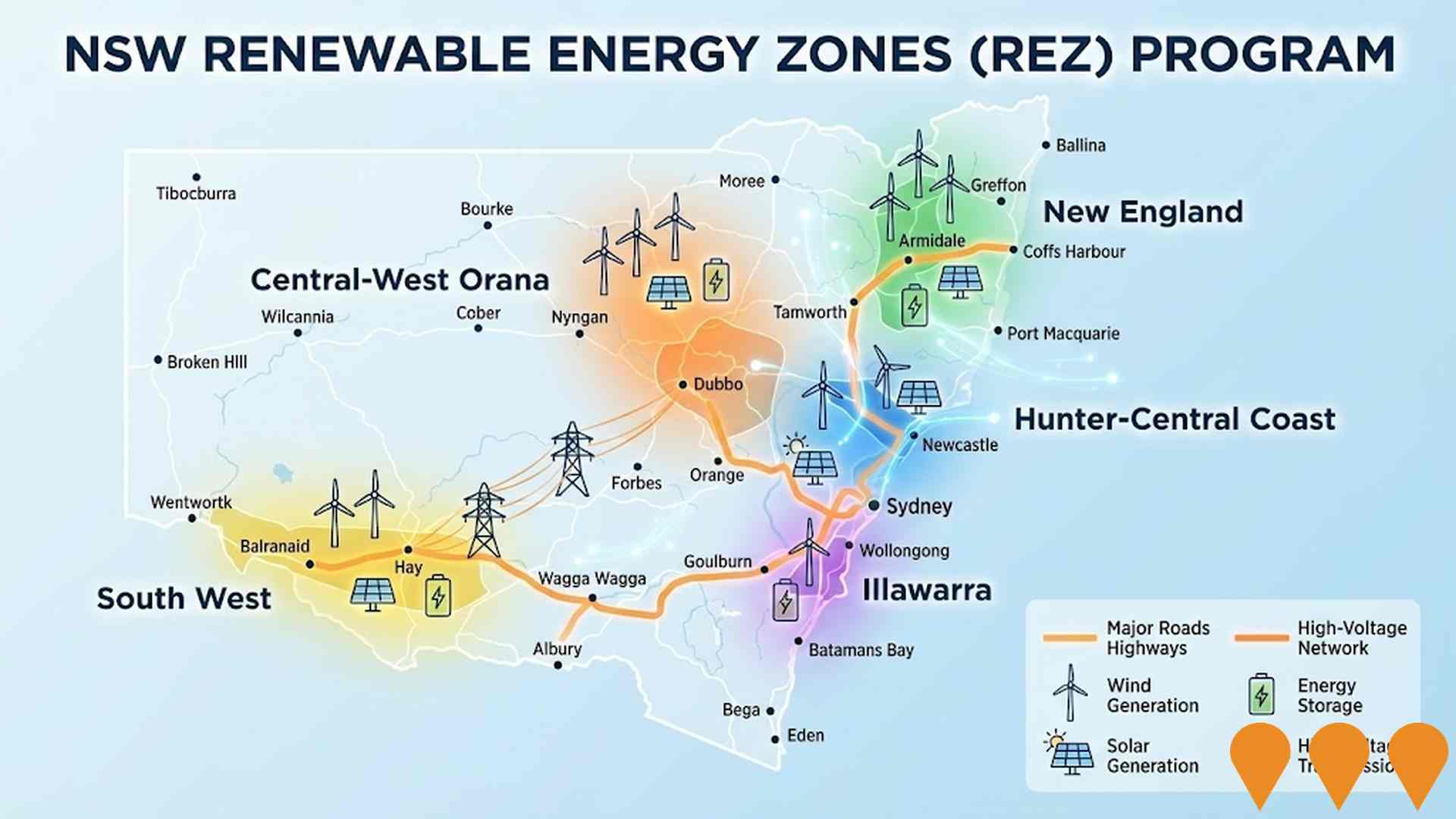
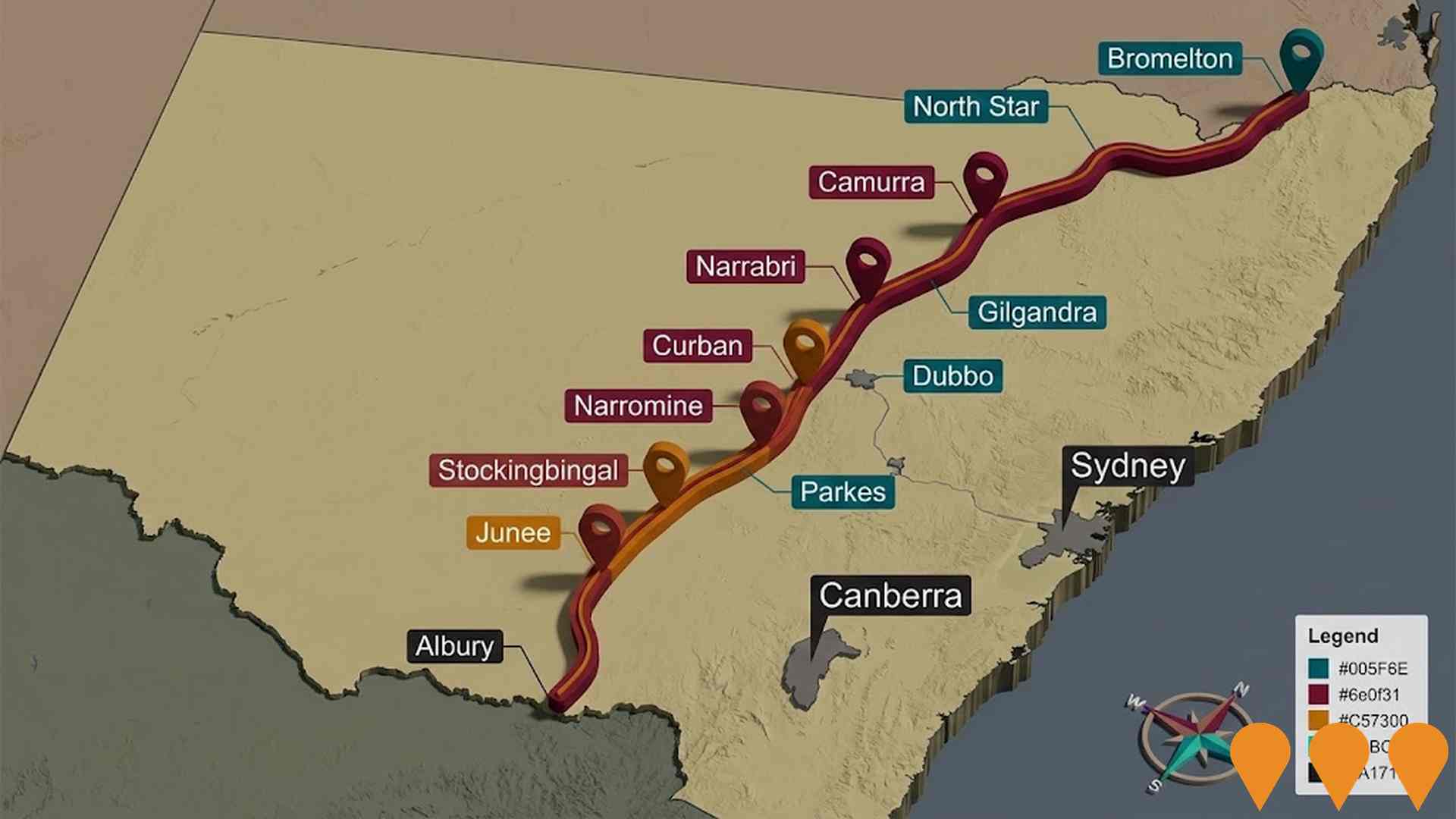
NSW Renewable Energy Zones (REZ) Program
NSW is delivering five Renewable Energy Zones (Central-West Orana, New England, South West, Hunter-Central Coast and Illawarra) to coordinate new wind and solar generation, storage and high-voltage transmission. The program is led by EnergyCo NSW under the Electricity Infrastructure Roadmap. Construction of the first REZ (Central-West Orana) transmission project commenced in June 2025, with staged energisation from 2028. Across the program, NSW targets at least 12 GW of new renewable generation and 2 GW of long-duration storage by 2030.
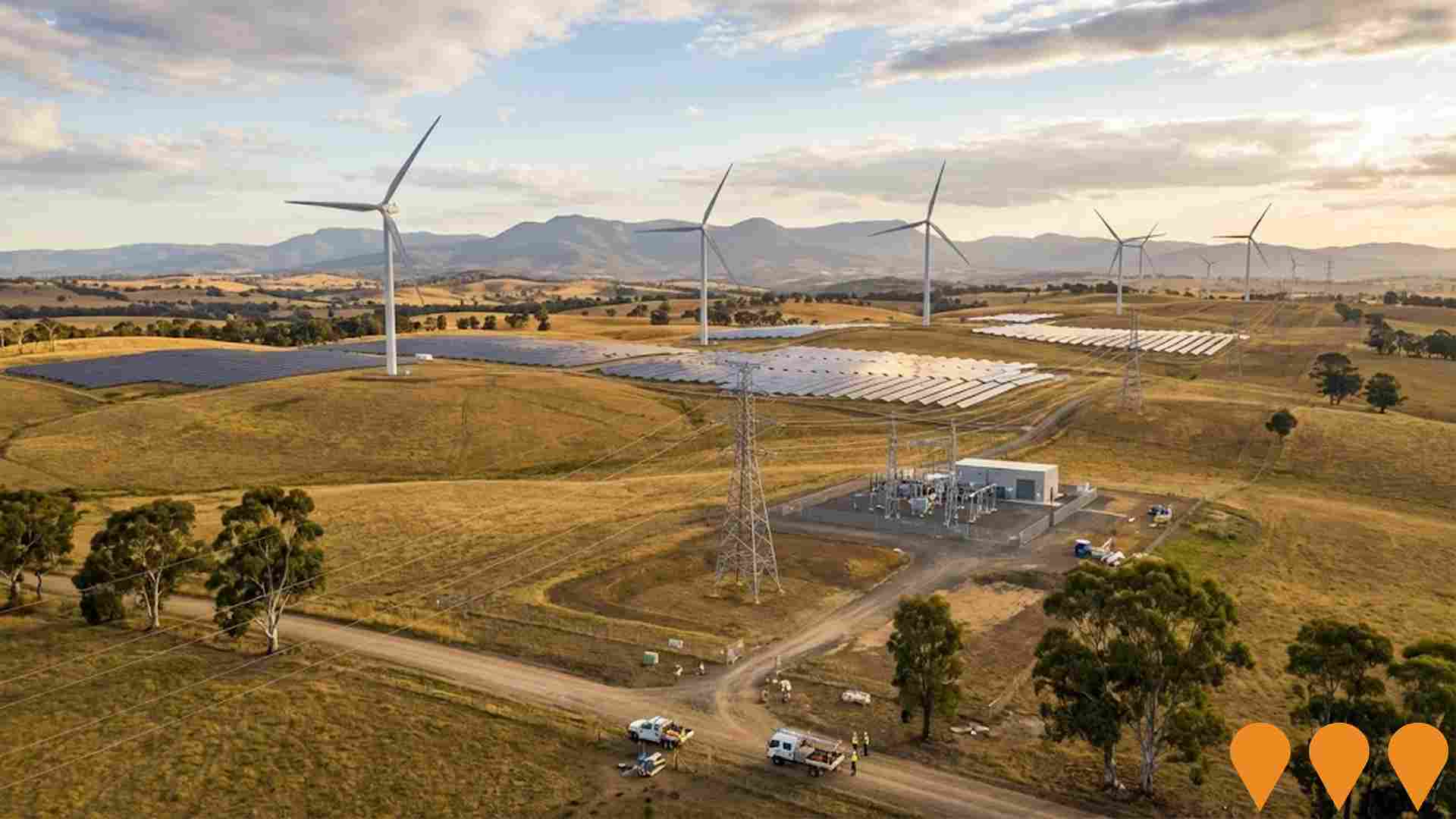
Victorian Renewable Energy Zones
VicGrid, a Victorian Government agency, is coordinating the planning and staged declaration of six proposed onshore Renewable Energy Zones (plus a Gippsland shoreline zone to support offshore wind). The 2025 Victorian Transmission Plan identifies the indicative REZ locations, access limits and the transmission works needed to connect new wind, solar and storage while minimising impacts on communities, Traditional Owners, agriculture and the environment. Each REZ will proceed through a statutory declaration and consultation process before competitive allocation of grid access to projects.
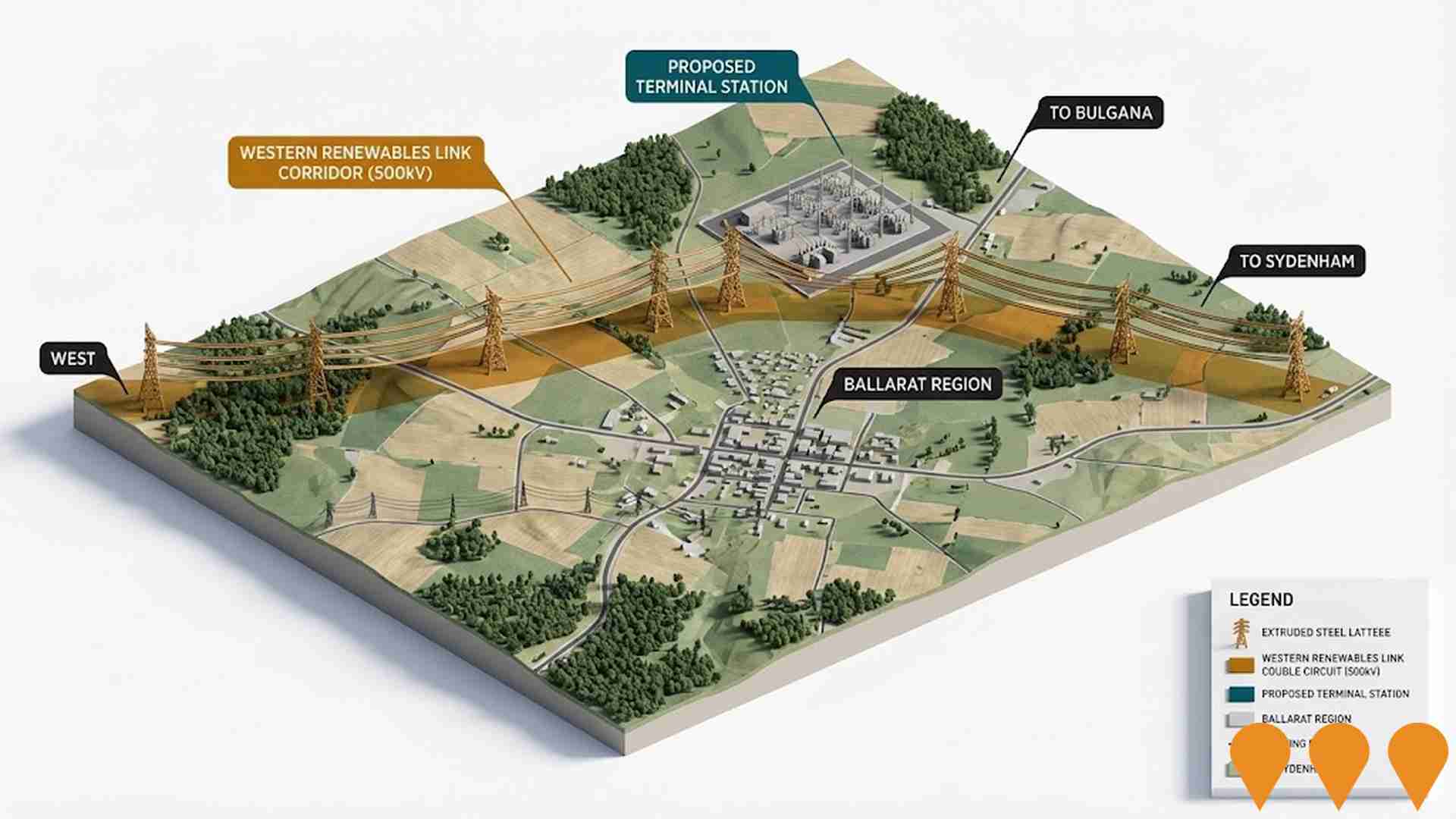
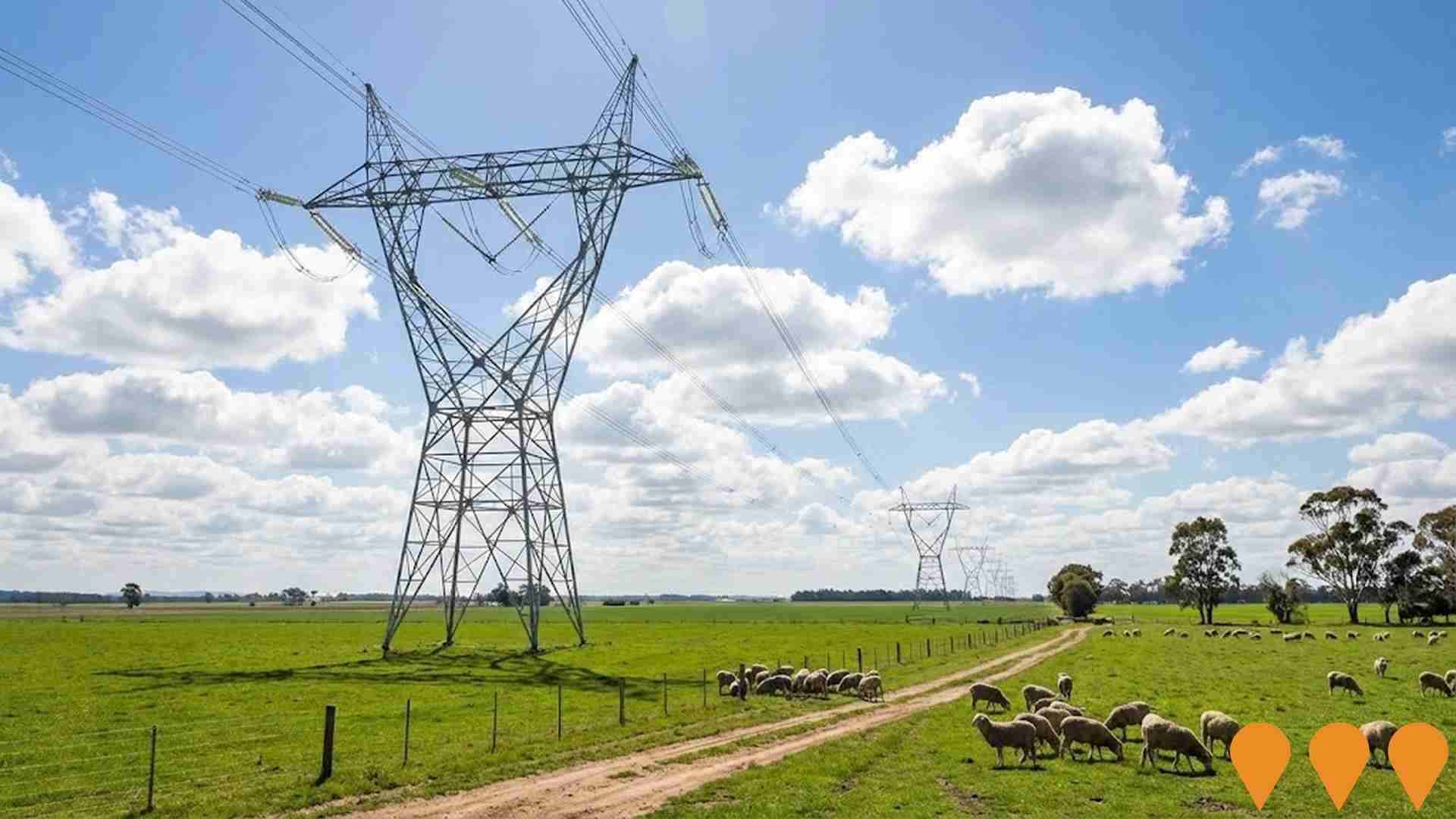
Western Renewables Link
Proposed 190km overhead 500kV double circuit high-voltage electricity transmission line from Bulgana in western Victoria to Sydenham in Melbourne's north-west. The project is currently in the EES public exhibition process (30 June to 25 August 2025).
Western Highway Ballarat to Stawell Upgrade
Multi-billion dollar highway duplication project between Ballarat and Stawell, with 55km already completed between Ballarat and Buangor. The project includes adding two lanes in each direction with central median, upgrading intersections, and building new bridges. Benefits freight movement and regional connectivity including to Maryborough area.

Central Goldfields Land Use Planning Framework
Strategic planning project to identify areas for growth in Central Goldfields Shire to meet future housing and industrial needs. Community consultation has identified preferences for preserving rural lifestyle while supporting controlled development with appropriate infrastructure. Planning includes Maryborough, Carisbrook, and surrounding townships.
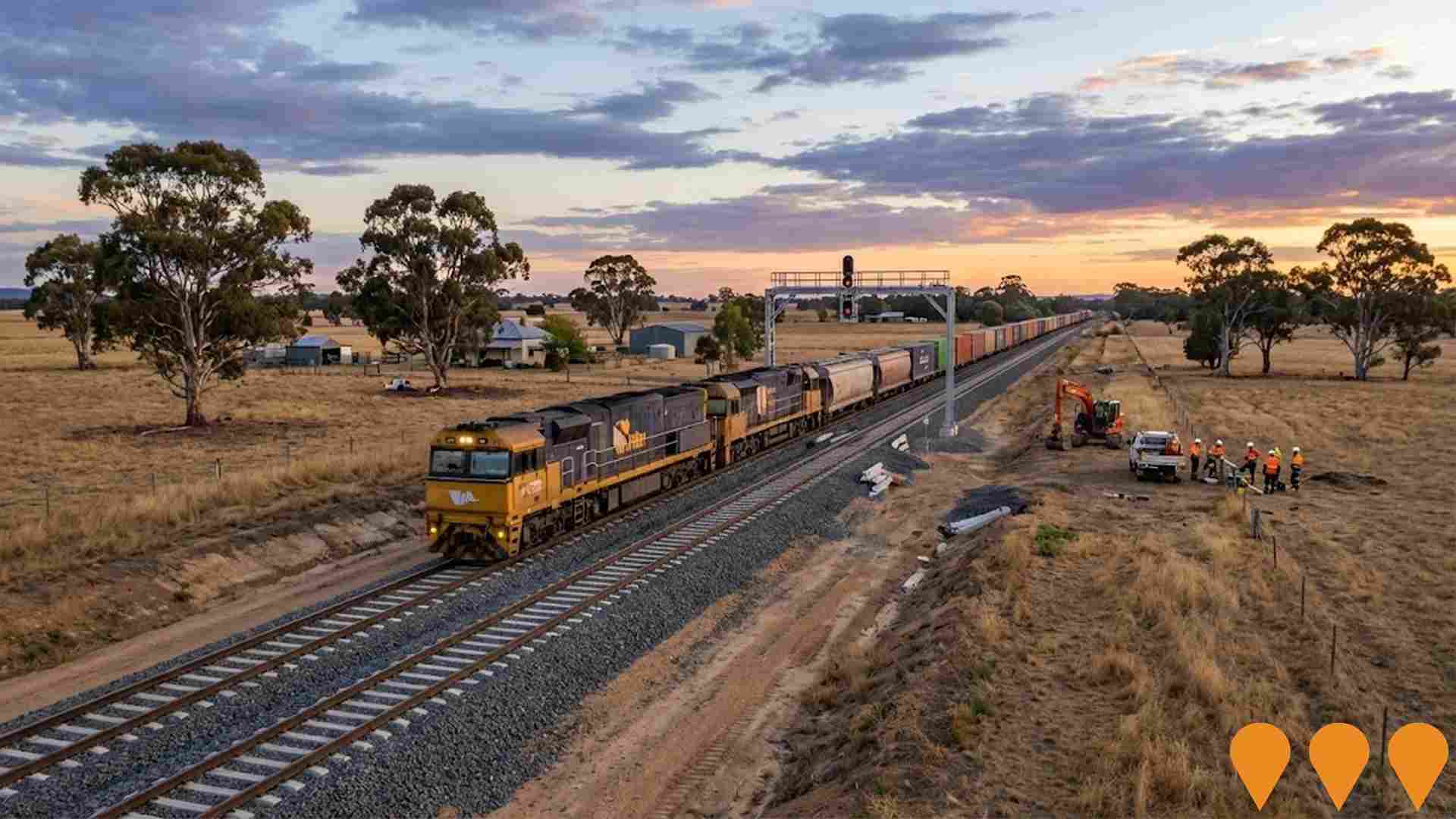
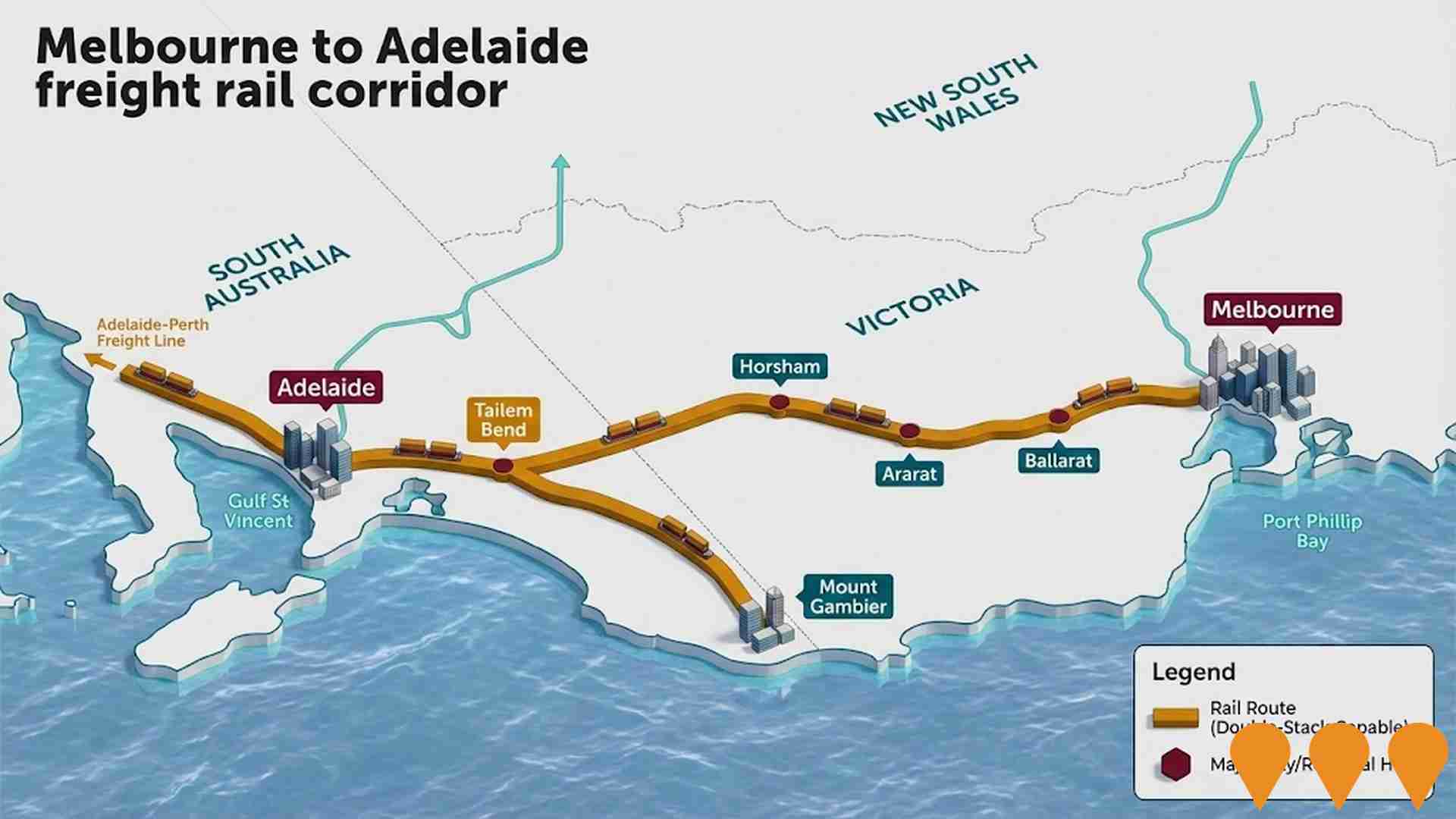
Ararat to Maryborough Line Upgrades (Murray Basin Rail Project)
Reopening and subsequent upgrades of the 88 km Maryborough-Ararat freight line (Avoca line) as part of the Murray Basin Rail Project. Works delivered standard gauge, 21-tonne axle loading, new 47 kg rail and ballast, a new passing loop at Elmhurst (mid-2024), and associated junction/signalling upgrades. The line is operational; further signalling works around Maryborough continue under the broader program.
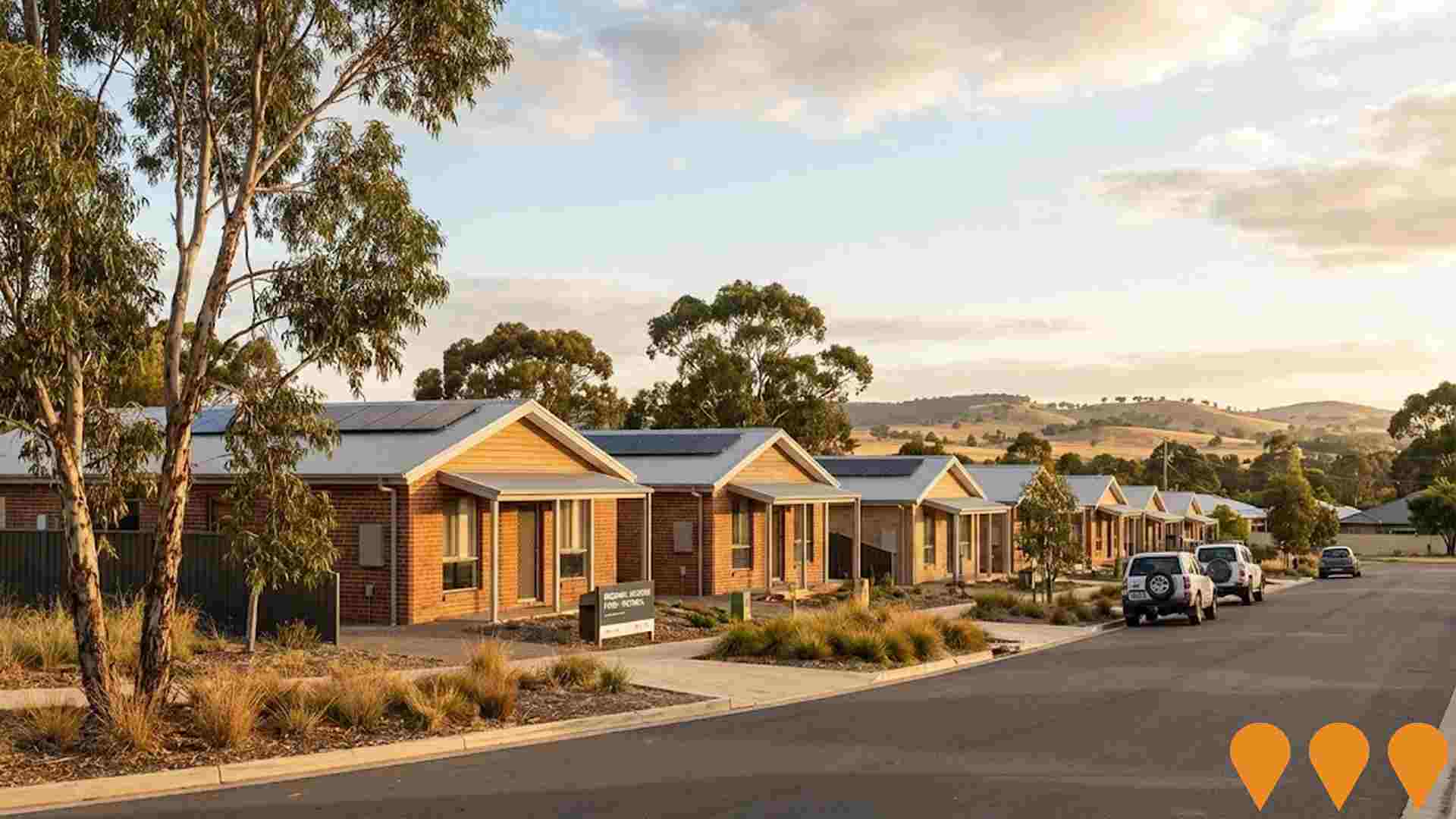
Regional Housing Fund (Victoria)
A $1 billion Homes Victoria program delivering around 1,300 new social and affordable homes across at least 30 regional and rural LGAs, using a mix of new builds, purchases in new developments, renewals and refurbishments. Delivery commenced in late 2023 with early completions recorded; overall fund completion is targeted for 2028.
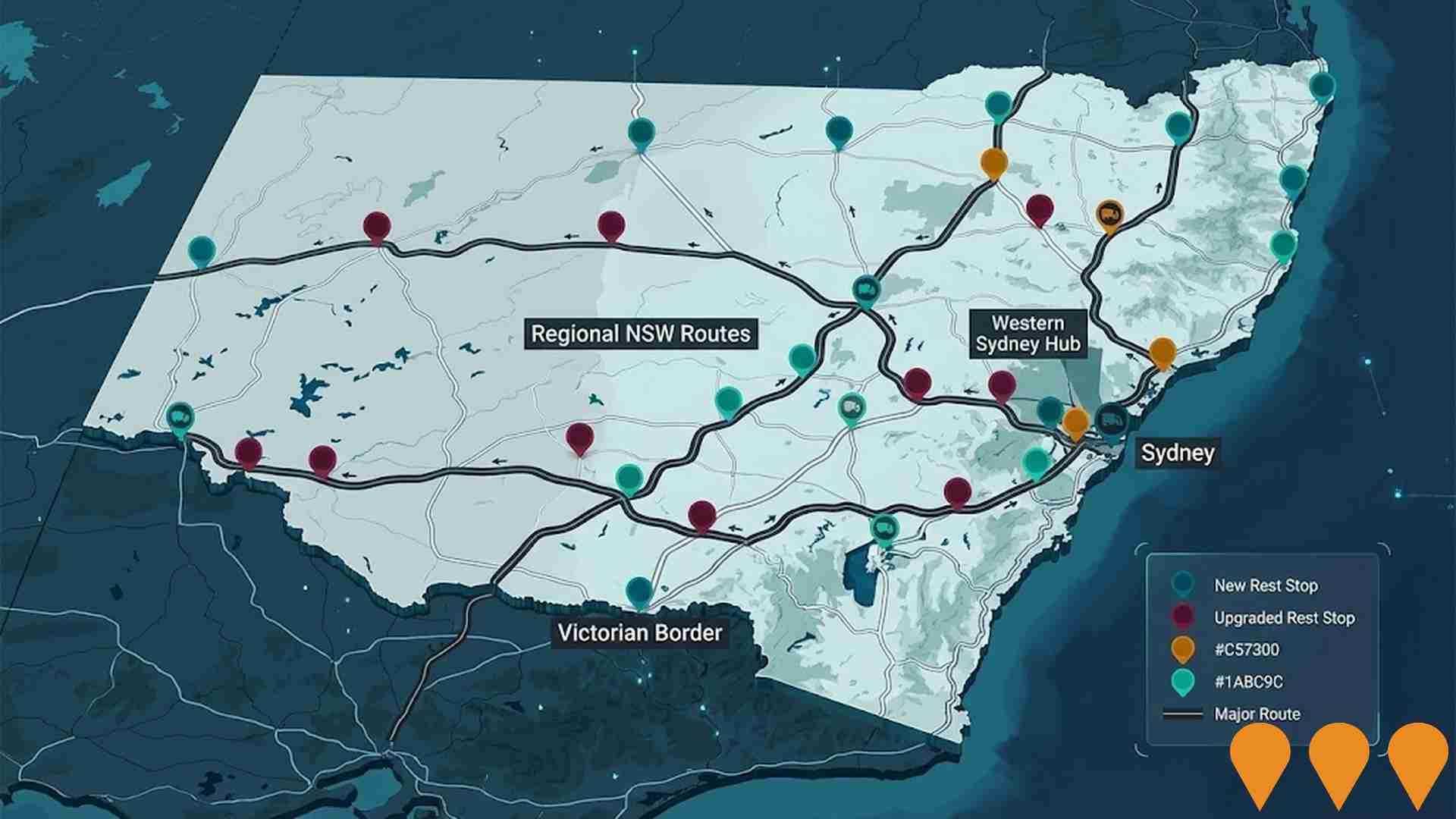
NSW Heavy Vehicle Rest Stops Program (TfNSW)
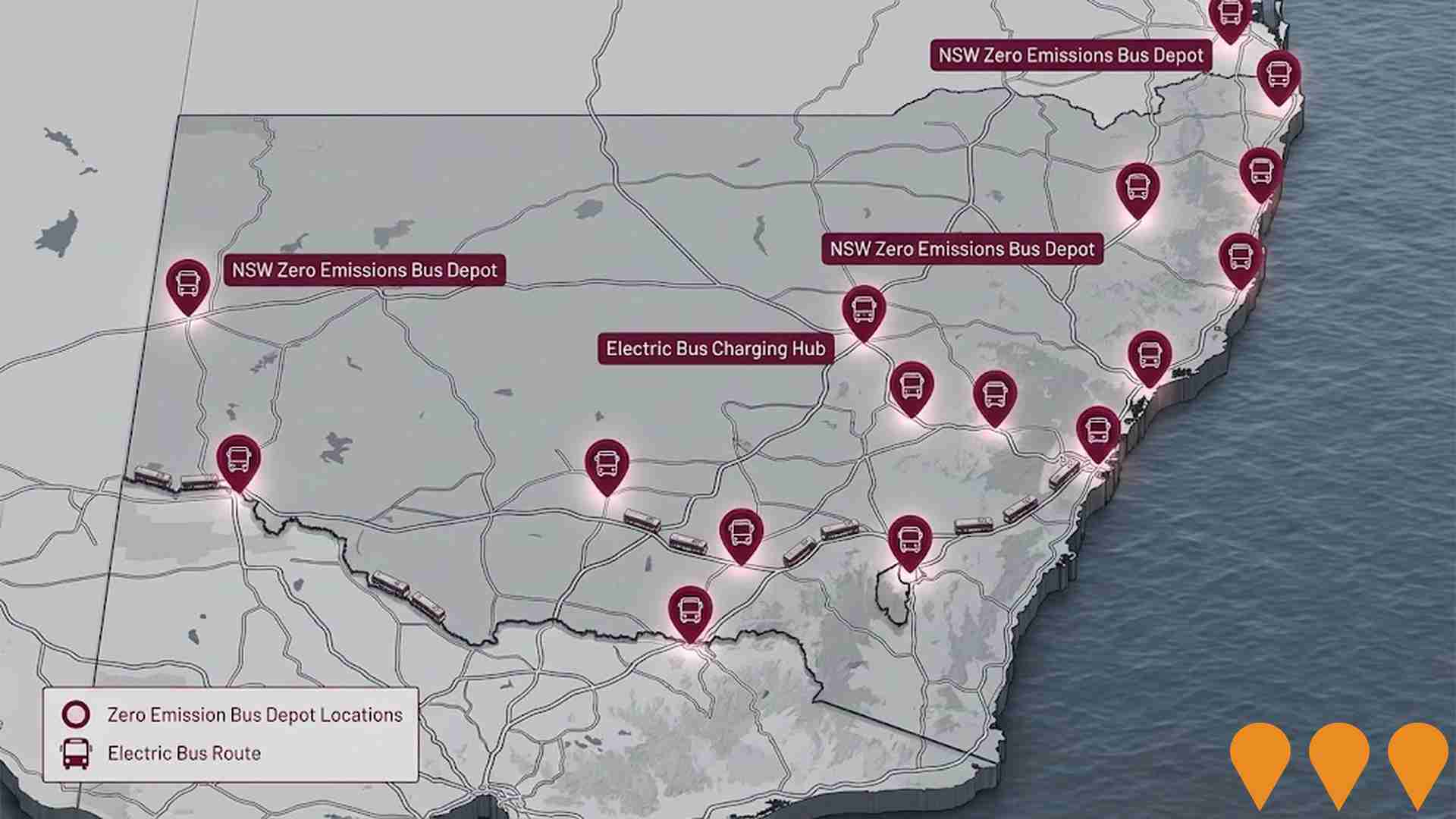
Statewide Transport for NSW program to increase and upgrade heavy vehicle rest stopping across NSW. Works include minor upgrades under the $11.9m Heavy Vehicle Rest Stop Minor Works Program (e.g. new green reflector sites and amenity/signage improvements), early works on new and upgraded formal rest areas in regional NSW, and planning and site confirmation for a major new dedicated rest area in Western Sydney. The program aims to reduce fatigue, improve safety and productivity on key freight routes, and respond to industry feedback collected since 2022.

Employment
Employment conditions in Avoca face significant challenges, ranking among the bottom 10% of areas assessed nationally
Avoca's workforce is balanced across white and blue-collar jobs with significant representation in manufacturing and industrial sectors. The unemployment rate was 6.0% as of September 2025, with an estimated employment growth of 3.3% over the past year.
This rate is 2.2% higher than Rest of Vic.'s rate of 3.8%. Workforce participation in Avoca lags at 43.2%, compared to Rest of Vic.'s 57.4%. Employment among residents is concentrated in agriculture, forestry & fishing, manufacturing, and health care & social assistance. The area has a strong specialization in agriculture, forestry & fishing, with an employment share 1.9 times the regional level.
Conversely, construction is under-represented at 7.2% compared to Rest of Vic.'s 10.4%. Employment opportunities appear limited locally, as indicated by Census data comparing working population to resident population. Over a 12-month period ending in September 2025, employment increased by 3.3%, while labour force grew by 2.5%, resulting in a 0.9 percentage point decrease in unemployment. In contrast, Rest of Vic. saw employment fall by 0.7% and unemployment rise marginally. State-level data to 25-Nov-25 shows VIC employment grew by 1.13% year-on-year, with the state unemployment rate at 4.7%. National employment forecasts from May-25 project a growth of 6.6% over five years and 13.7% over ten years. Applying these projections to Avoca's employment mix suggests local employment should increase by 5.1% over five years and 11.6% over ten years, though this is a simplified extrapolation for illustrative purposes.
Frequently Asked Questions - Employment
Income
Income metrics place the area in the bottom 10% of locations nationally according to AreaSearch analysis
The suburb of Avoca's median income among taxpayers was $43,034 in financial year 2022. The average income stood at $51,170 during the same period. These figures are lower than those for Rest of Vic., which had median and average incomes of $48,741 and $60,693 respectively. By September 2025, based on a 12.16% increase in wages since financial year 2022, the estimated median income would be approximately $48,267 and the average income would be around $57,392. According to the 2021 Census, incomes in Avoca fall between the 1st and 4th percentiles nationally for households, families, and individuals. In terms of income distribution, 33.8% of Avoca's population (543 individuals) earn within the $400 - $799 range, differing from regional levels where the $1,500 - $2,999 category is predominant at 30.3%. A notable proportion of households, 43.7%, earn below $800 weekly, indicating affordability pressures for many residents. Despite modest housing costs allowing for 88.4% income retention, total disposable income ranks at the 4th percentile nationally.
Frequently Asked Questions - Income
Housing
Avoca is characterized by a predominantly suburban housing profile, with above-average rates of outright home ownership
Avoca's dwelling structures, as per the latest Census, consisted of 96.0% houses and 4.0% other dwellings (semi-detached, apartments, 'other' dwellings). Non-Metro Vic., in comparison, had 93.8% houses and 6.2% other dwellings. Home ownership in Avoca stood at 53.6%, with mortgaged dwellings at 28.4% and rented ones at 17.9%. The median monthly mortgage repayment was $1,056, below Non-Metro Vic.'s average of $1,127. Median weekly rent in Avoca was $210, compared to Non-Metro Vic.'s $230. Nationally, Avoca's mortgage repayments were significantly lower than the Australian average of $1,863, and rents were substantially below the national figure of $375.
Frequently Asked Questions - Housing
Household Composition
Avoca features high concentrations of lone person households, with a fairly typical median household size
Family households account for 62.3% of all households, including 19.9% couples with children, 31.4% couples without children, and 9.9% single parent families. Non-family households constitute the remaining 37.7%, with lone person households at 35.7% and group households comprising 1.4% of the total. The median household size is 2.2 people, which aligns with the average for the Rest of Vic.
Frequently Asked Questions - Households
Local Schools & Education
Avoca faces educational challenges, with performance metrics placing it in the bottom quartile of areas assessed nationally
The area's university qualification rate is 14.8%, significantly lower than Victoria's average of 33.4%. Bachelor degrees are the most common at 9.8%, followed by postgraduate qualifications (3.0%) and graduate diplomas (2.0%). Vocational credentials are prominent, with 38.4% of residents aged 15+ holding them - advanced diplomas (9.3%) and certificates (29.1%). Educational participation is high, with 25.4% currently enrolled in formal education.
This includes 10.0% in primary, 8.5% in secondary, and 2.4% in tertiary education.
Frequently Asked Questions - Education
Schools Detail
Nearby Services & Amenities
Transport
Transport servicing is very low compared to other areas nationally based on assessment of service frequency, route connectivity and accessibility
Avoca has three active public transport stops currently in operation, all of which are bus stops. These stops are serviced by four distinct routes that together offer 13 weekly passenger trips. The accessibility of these transport services is rated as limited, with residents typically located 648 meters away from the nearest stop.
On average, each route provides one trip per day, resulting in approximately four weekly trips per individual stop.
Frequently Asked Questions - Transport
Transport Stops Detail
Health
Health performance in Avoca is a key challenge with a range of health conditions having marked impacts on both younger and older age cohorts
Avoca faces significant health challenges, with various conditions affecting both younger and older age groups. Approximately 47% (~758 people) have private health cover, compared to the national average of 55.3%.
The most prevalent medical conditions are arthritis (12.2%) and mental health issues (9.7%). Conversely, 58.3% report no medical ailments, slightly higher than the Rest of Vic's 56.8%. Avoca has a larger senior population, with 31.9% (512 people) aged 65 and over, compared to Rest of Vic's 27.9%. While health outcomes among seniors present challenges, they generally perform better than the general population in health metrics.
Frequently Asked Questions - Health
Cultural Diversity
The latest Census data sees Avoca placing among the least culturally diverse areas in the country when compared across a range of language and cultural background related metrics
Avoca's cultural diversity was found to be below average, with 88.7% of its population being Australian citizens, born in Australia (91.3%), and speaking English only at home (98.6%). Christianity was the predominant religion, comprising 47.2% of Avoca's population. The most notable overrepresentation was seen in the 'Other' category, which made up 0.6% of Avoca's population compared to the Rest of Vic's 0.6%.
In terms of ancestry, the top three represented groups were Australian (35.0%), English (34.8%), and Scottish (10.1%). Notably, Hungarian was overrepresented at 0.6% in Avoca versus 0.3% regionally, Dutch at 2.0% versus 1.6%, and Irish at 8.9% versus 9.2%.
Frequently Asked Questions - Diversity
Age
Avoca ranks among the oldest 10% of areas nationwide
Avoca has a median age of 50, which is higher than Rest of Vic.'s figure of 43 and well above the national average of 38. The 65-74 age group comprises 17.3% of Avoca's population, compared to Rest of Vic.'s figure, and is notably higher than the national average of 9.4%. Meanwhile, the 25-34 cohort makes up 8.7% of Avoca's population. Following the 2021 Census, the 55 to 64 age group grew from 12.4% to 14.1%, and the 75 to 84 cohort increased from 9.4% to 11.0%. Conversely, the 45 to 54 cohort declined from 12.7% to 10.2%, and the 65 to 74 group dropped from 19.5% to 17.3%. By 2041, demographic modeling suggests Avoca's age profile will significantly evolve. The 25-34 age cohort is projected to grow by 51 people (37%), from 139 to 191. Conversely, population declines are projected for the 45 to 54 and 55 to 64 cohorts.