Chart Color Schemes
This analysis uses Suburbs and Localities (SAL) boundaries, which can materially differ from Statistical Areas (SA2) even when sharing the same name.
SAL boundaries are defined by Australia Post and the Australian Bureau of Statistics to represent commonly-known suburb names used in postal addresses.
Statistical Areas (SA2) are designed for census data collection and may combine multiple suburbs or use different geographic boundaries. For comprehensive analysis, consider reviewing both boundary types if available.
est. as @ -- *
2021 Census | -- people





Sales Activity


Curious about local property values? Filter the chart to assess the volume and appreciation (including resales) trends and regional comparisons, or scroll to the map below view this information at an individual property level.
Find a Recent Sale

Sales Detail
Population
Menangle Park is positioned among the lower quartile of areas assessed nationally for population growth based on AreaSearch's assessment of recent, and medium term trends
As of Nov 2025, the estimated population for the Menangle Park statistical area (Lv2) is around 2,087. This reflects a significant increase from the 2021 Census figure of 224 people, marking an 831.7% rise in population over this period. The current resident population estimate of 1,799 is based on AreaSearch's examination of the latest ERP data release by the ABS (June 2024), combined with additional validation of 905 new addresses since the Census date. This growth translates to a density ratio of 239 persons per square kilometer in Menangle Park (SA2), indicating substantial space available for further development. The area's population growth has outpaced both state and metropolitan averages, with overseas migration contributing approximately 56% of overall population gains during recent periods. AreaSearch's projections for the Menangle Park statistical area (Lv2) are based on ABS/Geoscience Australia data released in 2024, using 2022 as the base year.
For areas not covered by this data, NSW State Government SA2-level projections from 2022 with a 2021 base year are utilized. Growth rates by age group from these aggregations are applied to all areas for years 2032 to 2041. Future population dynamics in the Menangle Park statistical area (Lv2) anticipate exceptional growth, placing it within the top 10 percent of national statistical areas. By 2041, the area is expected to grow by an additional 278 persons, reflecting a decline rate of 75.8% over the 17-year period.
Frequently Asked Questions - Population
Development
AreaSearch assessment of residential development activity positions Menangle Park among the top 25% of areas assessed nationwide
Based on AreaSearch analysis of ABS building approval numbers from statistical area data, Menangle Park recorded around 135 residential properties granted approval annually over the past five financial years ending FY25. This totals an estimated 675 homes. So far in FY26144 approvals have been recorded.
Over these five years, on average, there were just 0 new residents arriving per year for each new home approved, indicating that new construction is matching or outpacing demand. The average expected construction cost value of new dwellings was $417,000, somewhat higher than regional norms, reflecting quality-focused development. Compared to Greater Sydney, Menangle Park shows 9266.0% higher new home approvals per person, which should provide buyers with ample choice and suggests strong developer confidence in the location. Recent construction comprised 75.0% detached houses and 25.0% medium and high-density housing, maintaining the area's traditional low density character while also responding to evolving lifestyle preferences and housing affordability needs. This marks a significant departure from existing housing patterns, which were currently 100.0% houses. The location has approximately 1 person per dwelling approval, indicating an expanding market despite stable or declining population forecasts, creating favourable conditions for buyers with less housing pressure expected.
Given stable or declining population forecasts, Menangle Park may experience less housing pressure, creating favourable conditions for buyers.
Frequently Asked Questions - Development
Infrastructure
Menangle Park has strong levels of nearby infrastructure activity, ranking in the top 30% nationally
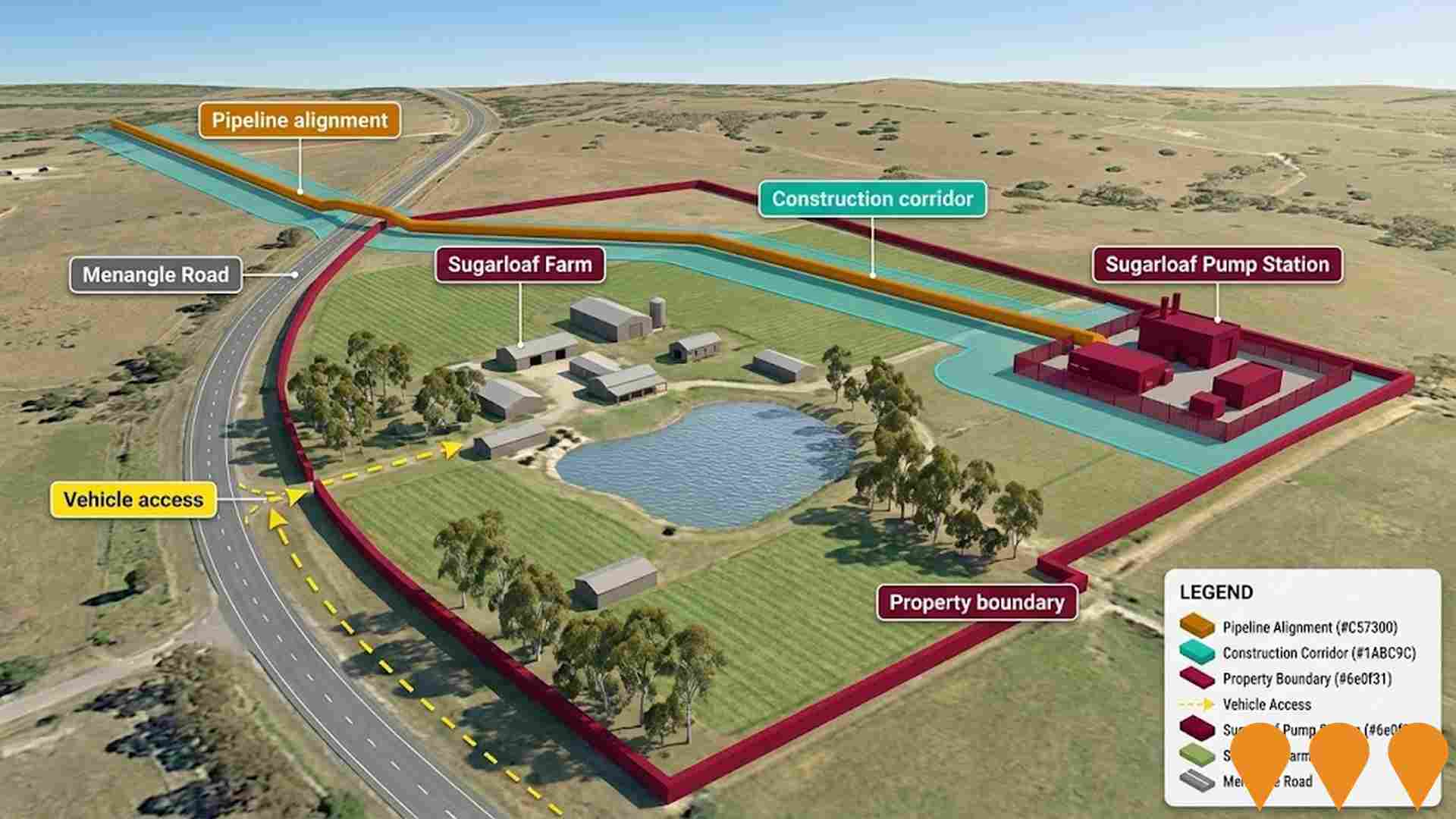
Changes to local infrastructure significantly influence an area's performance. AreaSearch has identified nine projects likely impacting the region. Key initiatives include Menangle and Menangle Park Wastewater and Water Servicing, Menangle Park Master Planned Community, Spring Farm Parkway Stage 1, and Spring Farm Parkway Stage 1. The following list details those most relevant.
Professional plan users can use the search below to filter and access additional projects.
INFRASTRUCTURE SEARCH
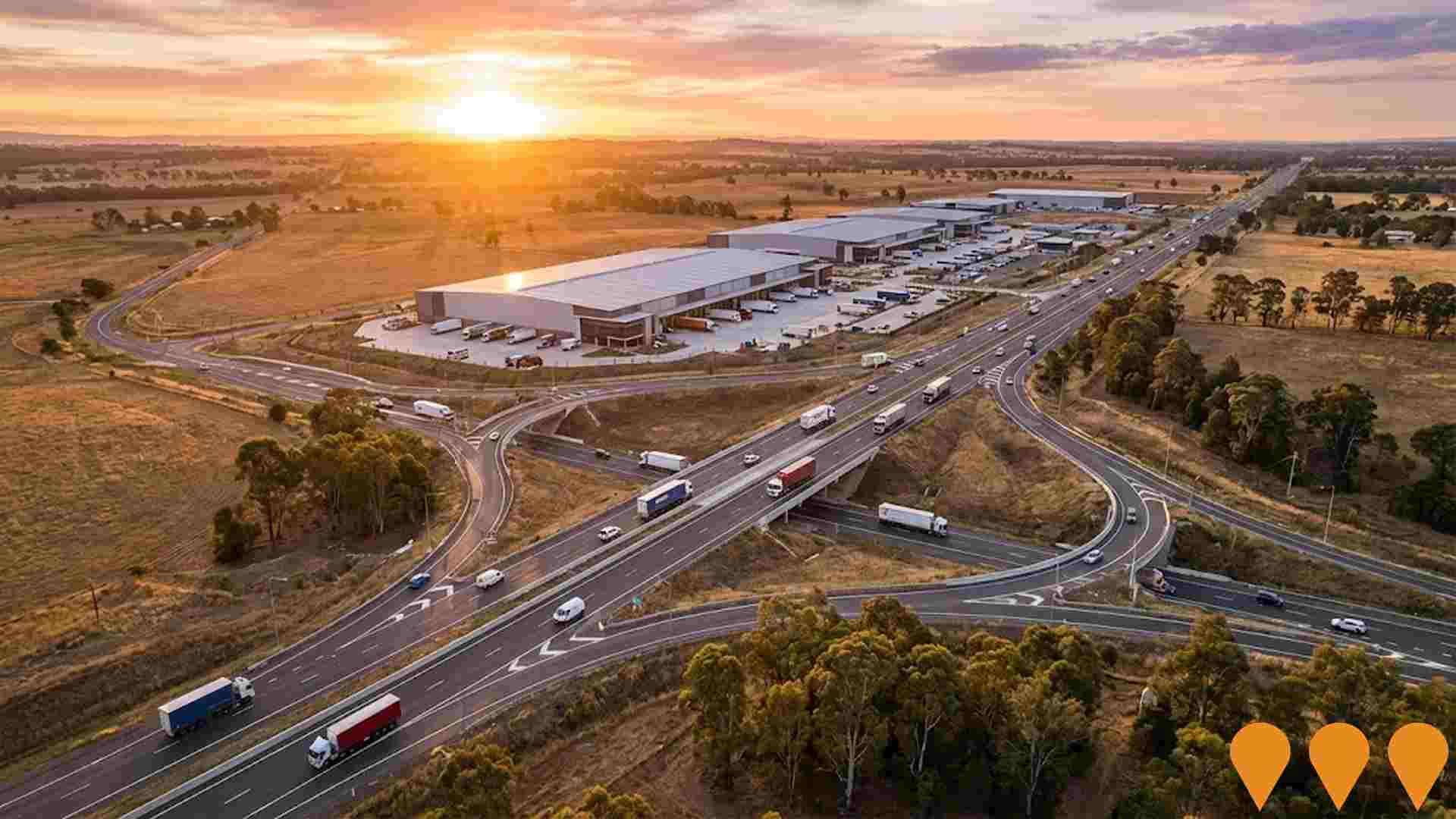
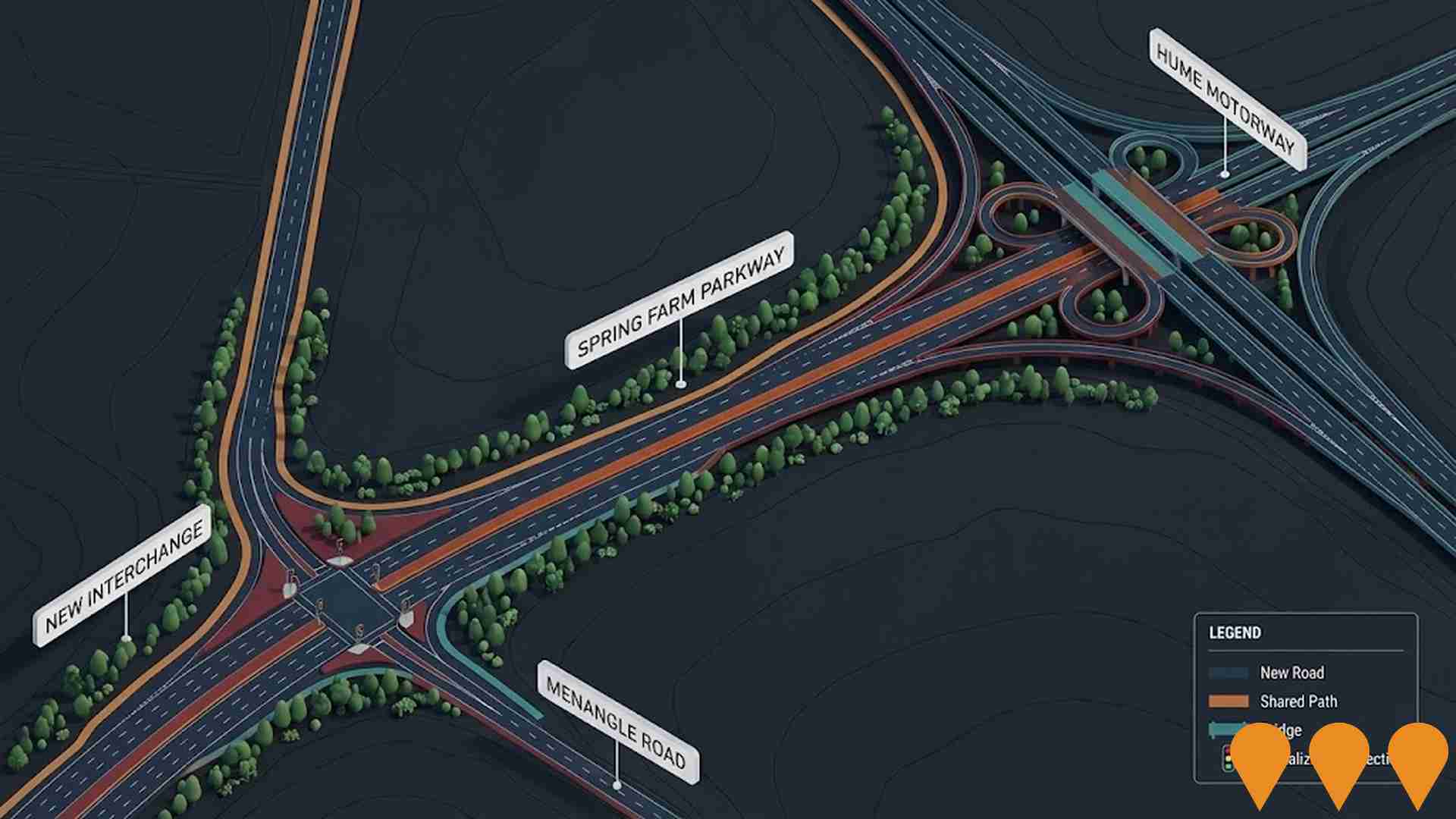
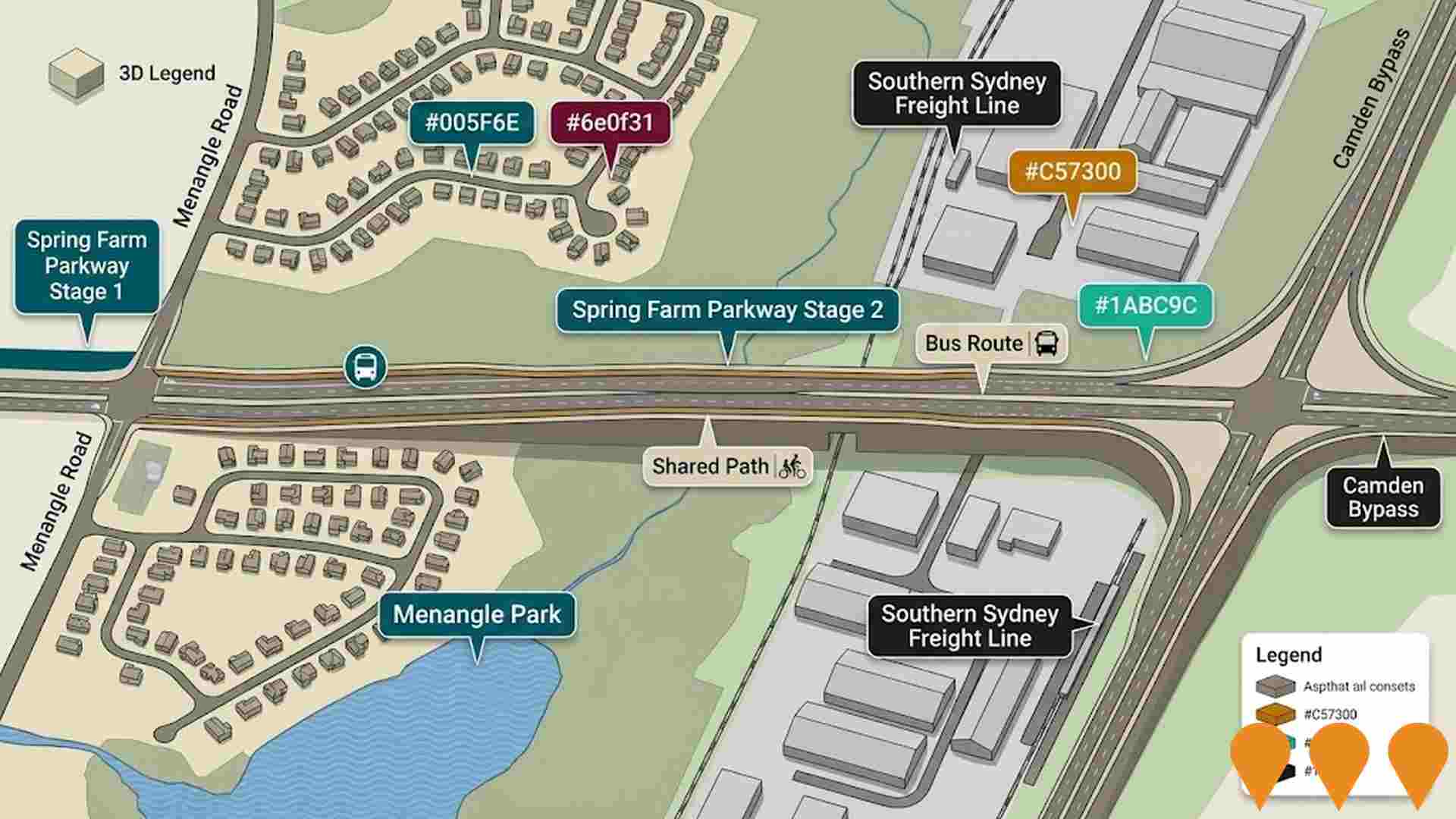
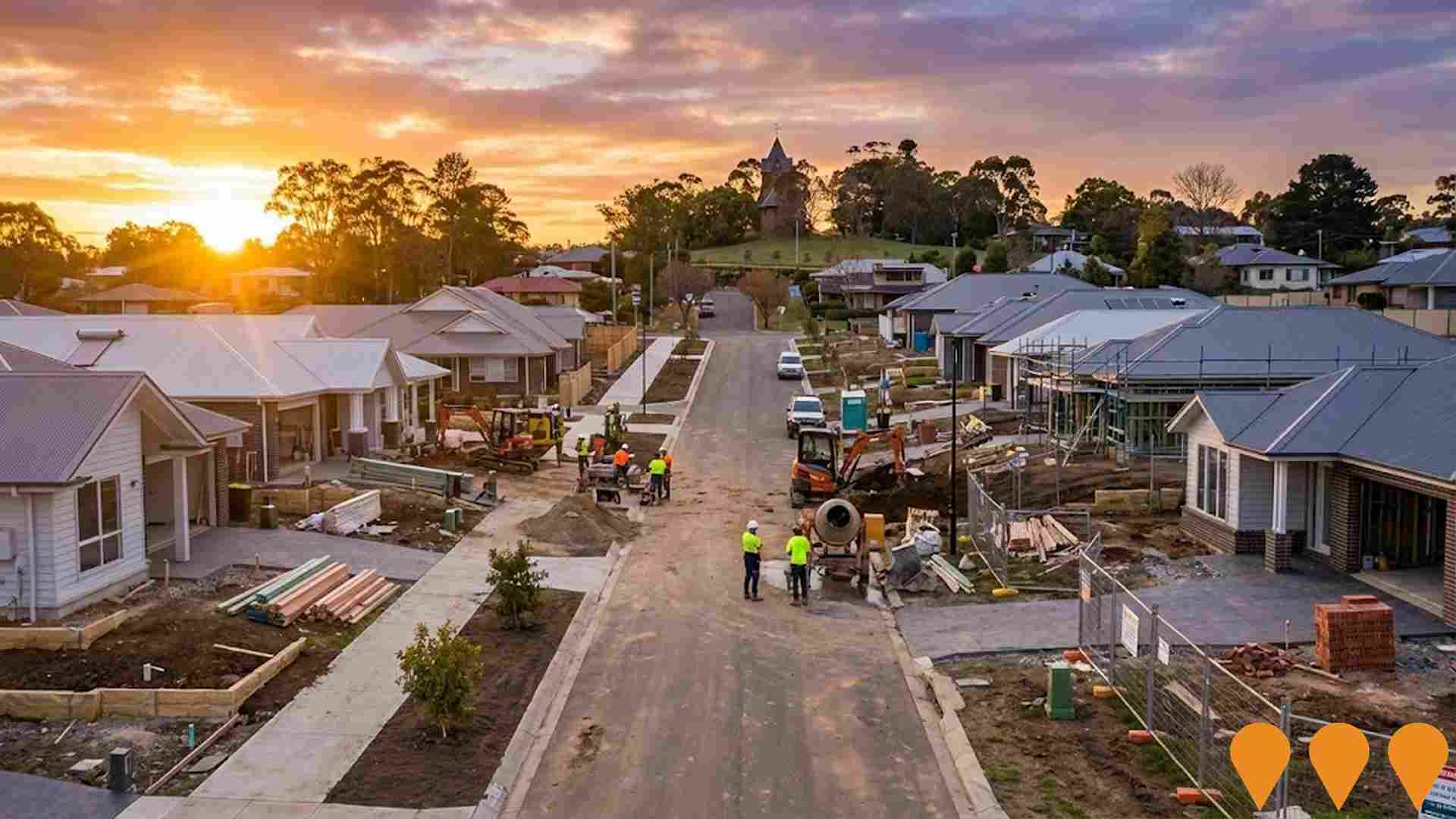
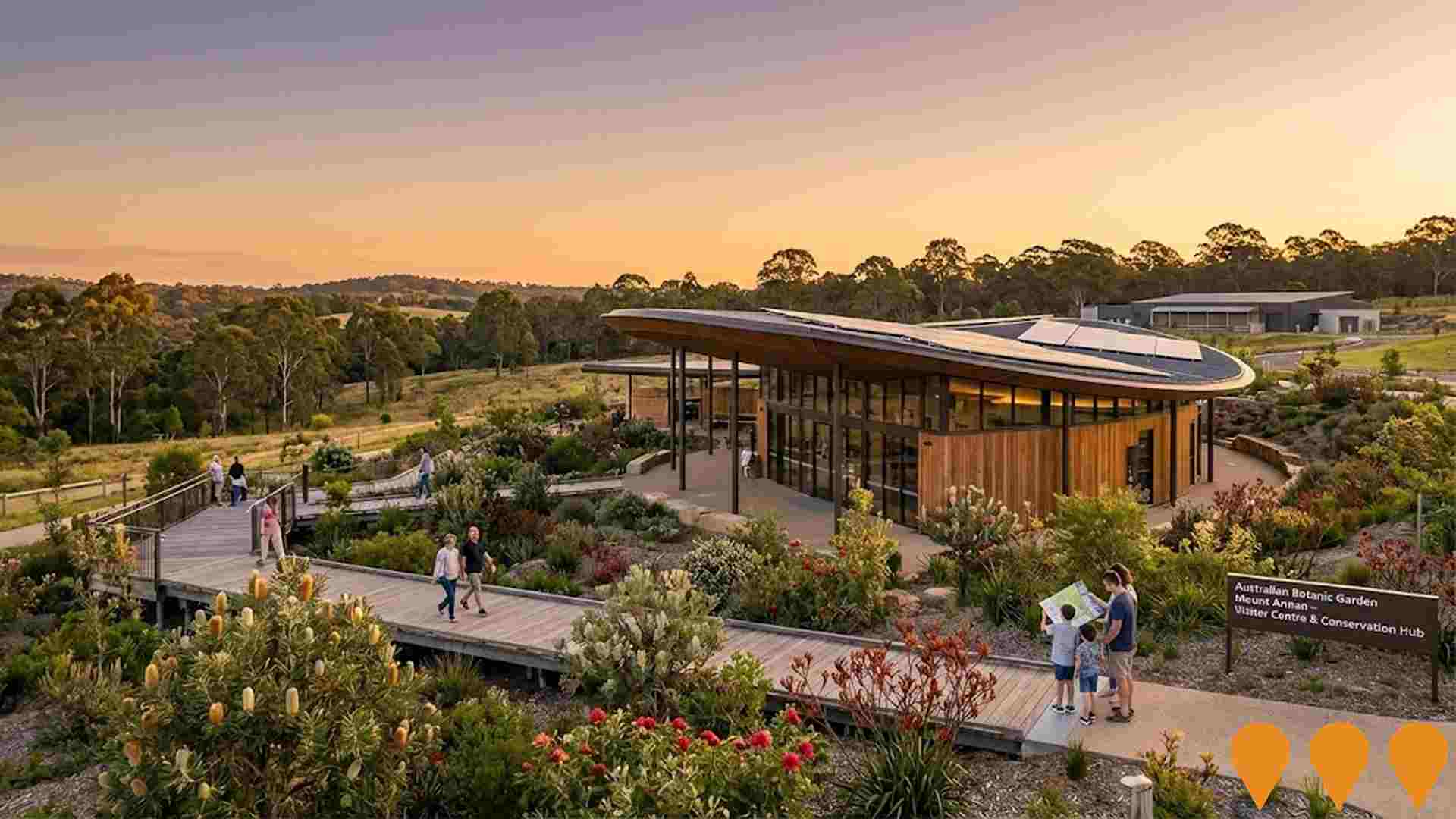
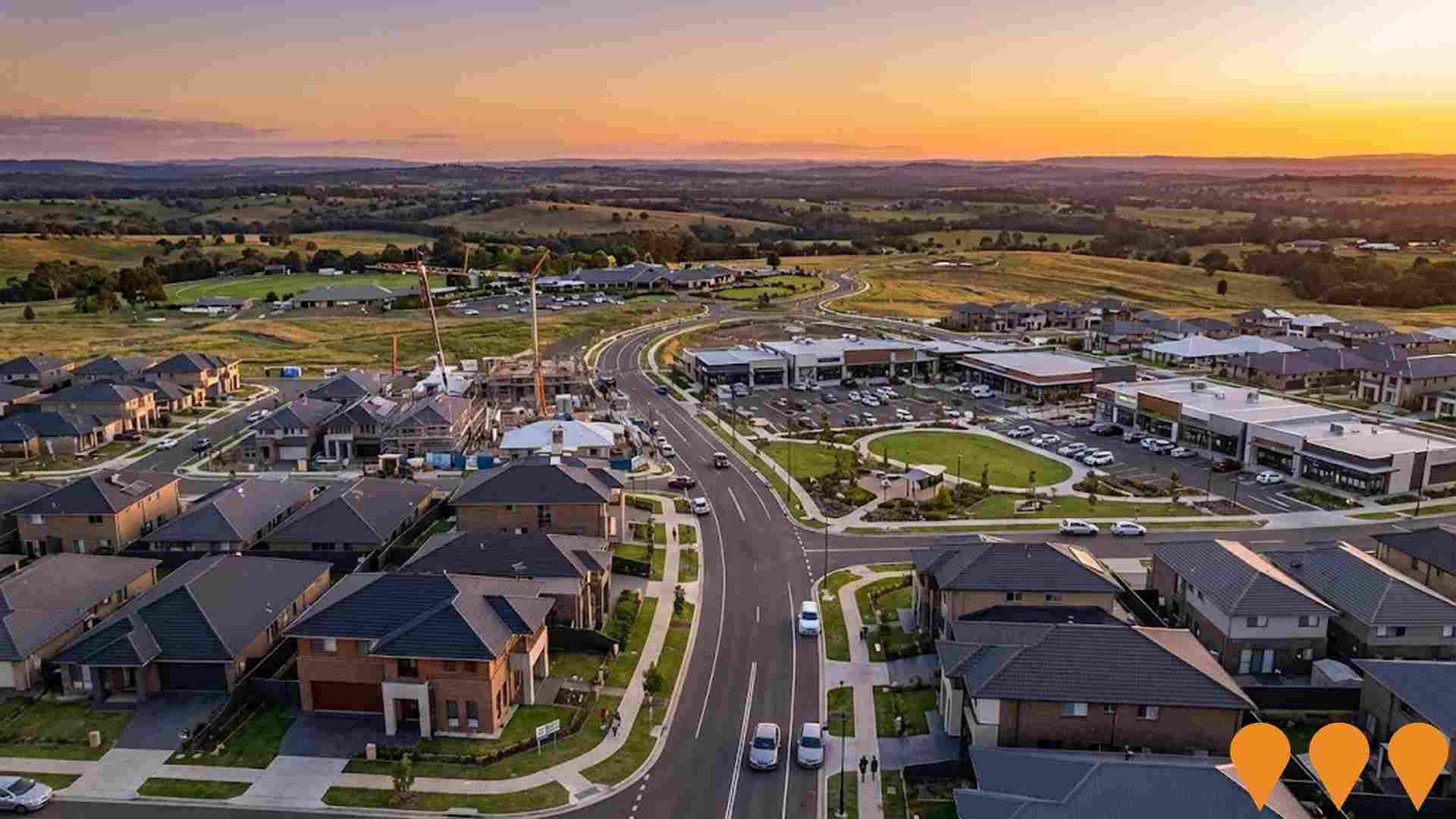
 Denotes AI-based impression for illustrative purposes only, not to be taken as definitive under any circumstances. Please follow links and conduct other investigations from the project's source for actual imagery. Developers and project owners wishing us to use original imagery please Contact Us and we will do so.
Frequently Asked Questions - Infrastructure
Greater Macarthur Growth Area
The Greater Macarthur Growth Area is one of NSW's priority growth areas, encompassing the Glenfield to Macarthur urban renewal corridor and new land release precincts at Gilead, Appin and West Appin. It is planned to deliver approximately 58,000 new homes and support around 40,000 new jobs over the next 20-30 years, with planning and infrastructure coordination and environmental conservation ongoing.
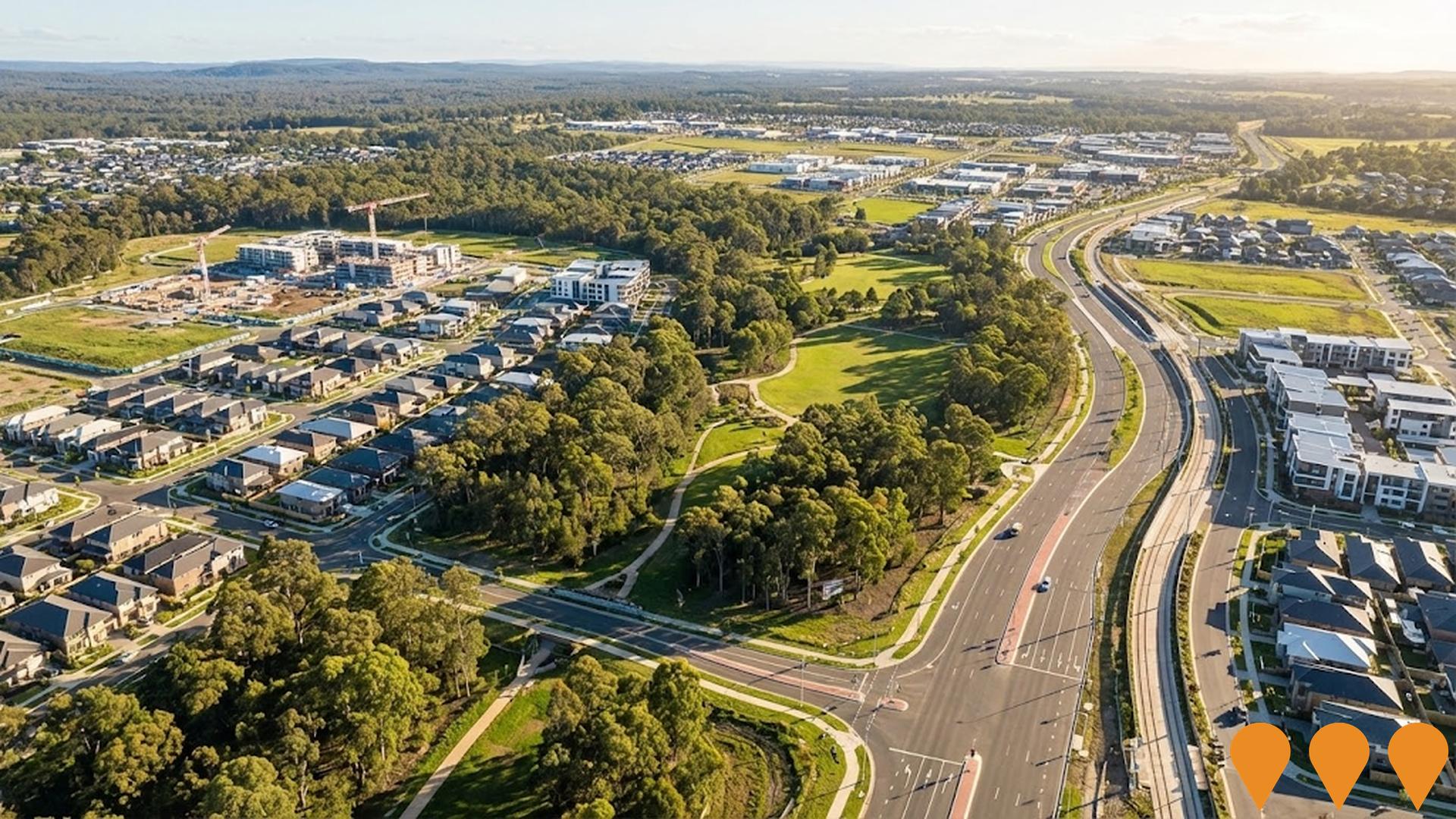
Menangle Park Master Planned Community
Large-scale master-planned community in Sydney's South West Growth Area delivering approximately 5,500 new homes, a future town centre, neighbourhood centres, schools, over 100 hectares of open space including sports fields and riparian corridors, employment lands and integrated transport networks.
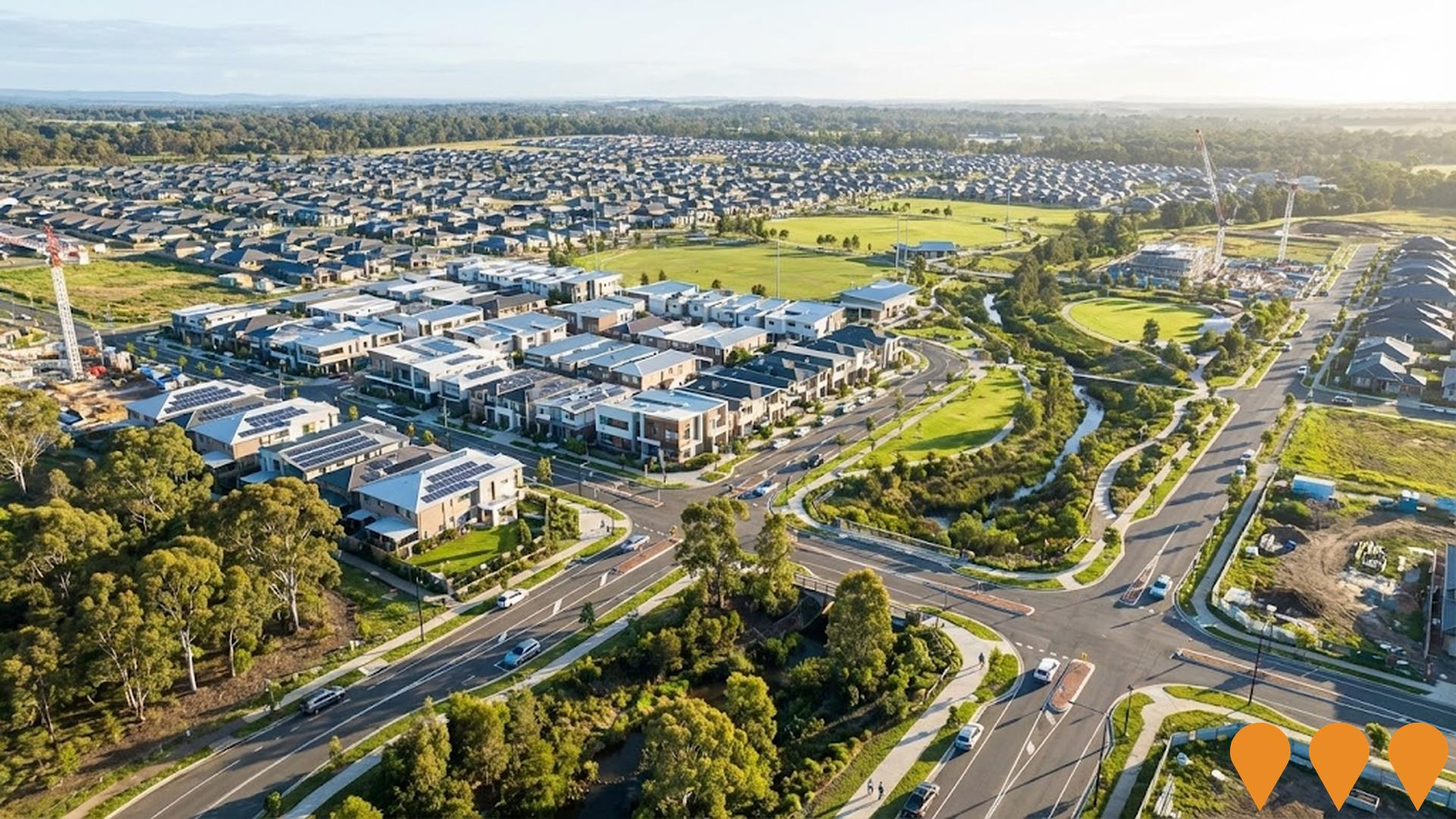
Australian Botanic Garden Mount Annan Masterplan
A $203.7 million transformation of Australia's largest botanic garden featuring a new Coolamon Lake precinct shaped like a traditional coolamon vessel, world-class biodome greenhouses showcasing Australian native flora, First Nations Garden with cultural awareness programs, native farm, accommodation facilities, over 10 kilometers of new walking and cycling trails, entertainment and event spaces, research and science facilities including expansion of the Australian PlantBank and National Herbarium, and ecotourism facilities. The masterplan designed by McGregor Coxall aims to restore Dharawal Country, regenerate endangered Cumberland Plain vegetation, and establish one of the world's leading sustainable scientific gardens while providing essential green space for Western Sydney's growing population.
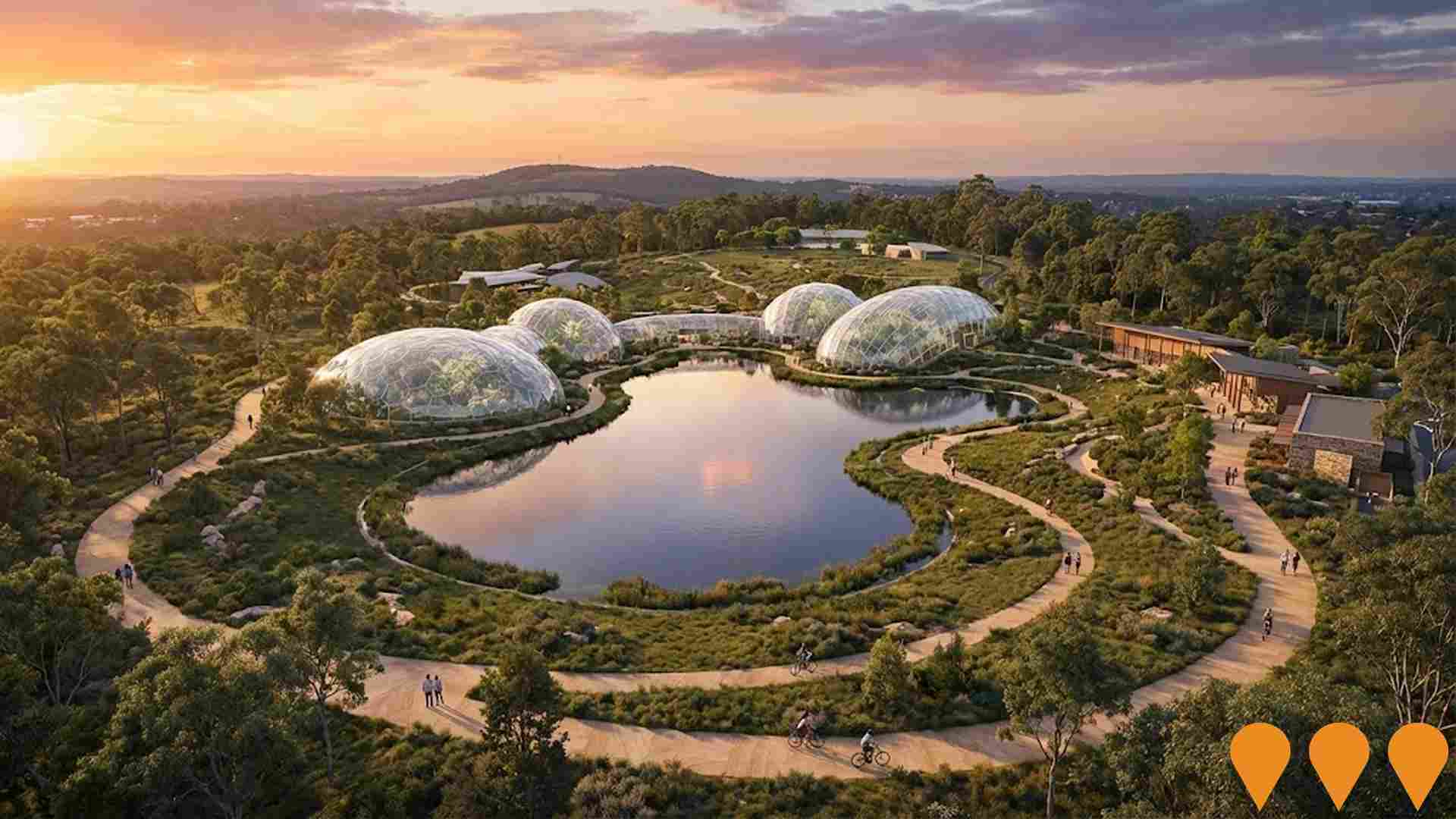
Gilead Stage Two
Lendlease's 495ha State Assessed Planning Proposal to transform a site within the Greater Macarthur Growth Area to deliver up to 3,300 new homes, a new school, town centre, and public open space over 10-15 years. The rezoning has been finalised, with 50% of the site (247.8ha) zoned as protected environmental land, including 230ha of mapped koala corridors. The potential development of 3,300 dwellings is approved, with 600 dwelling lots unlocked now, pending adoption of a Precinct Structure Plan and Development Control Plan, and a further 2,700 lots conditional on delivery of necessary infrastructure such as wastewater servicing. Upgrades to Appin Road including koala underpasses are also committed by the proponent.
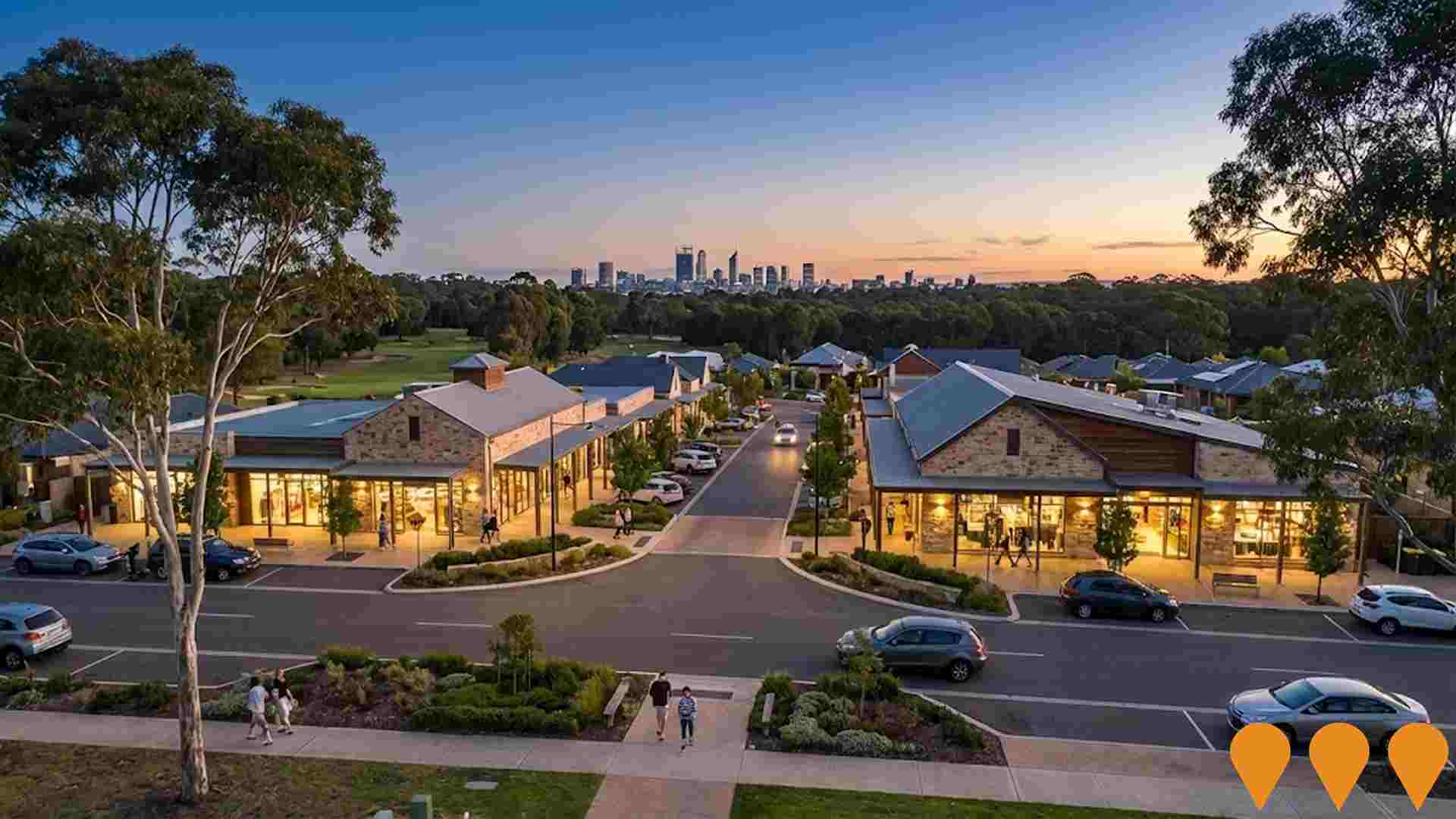
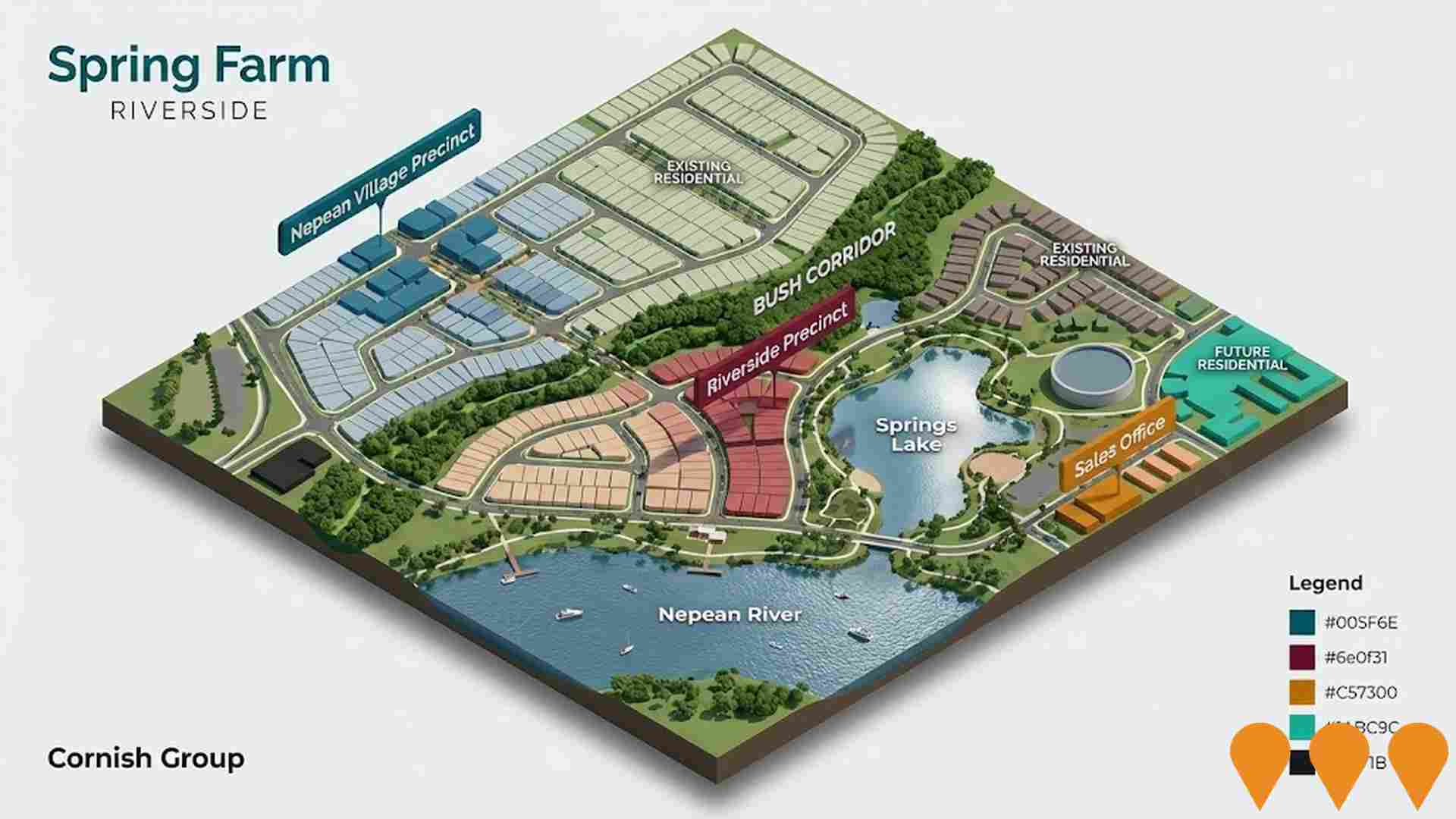
Spring Farm Riverside Estate
Spring Farm Riverside comprises 1,100 residential lots carefully planned around the Nepean River and existing 10-hectare Springs Lake. The development includes boardwalks, parks, BBQ areas, playgrounds, 185 hectares of bike paths and walkways, picnic areas by the water's edge, and blocks ranging from 390m2 to 800m2 with premium lakeside and riverside positions.
Spring Farm Parkway Stage 1
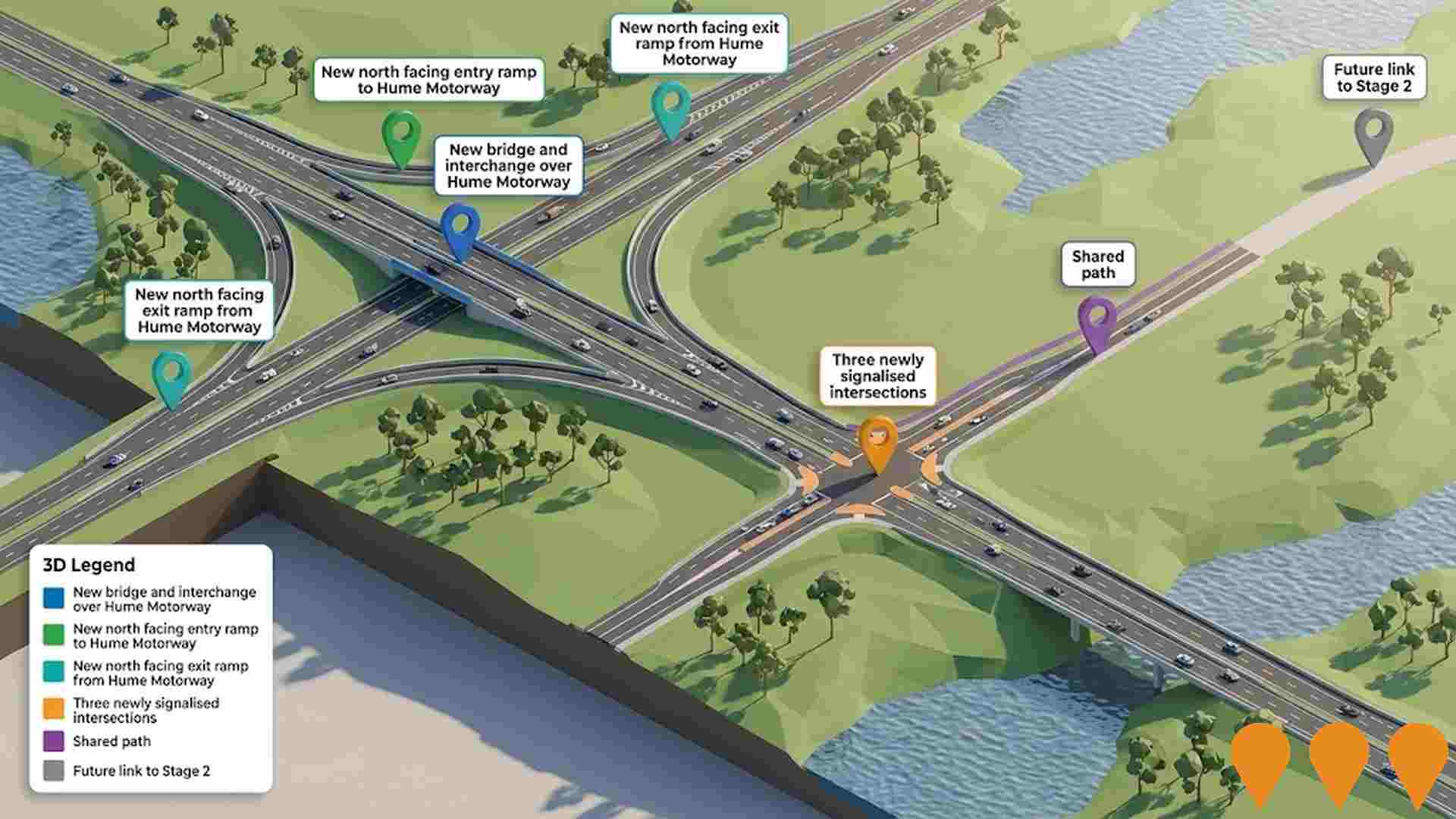
Four-lane divided road extending approximately one kilometre connecting Menangle Road to the Hume Motorway with city-facing on and off ramps. Stage 1 provides improved access to Spring Farm, Elderslie, and Menangle Park communities, reducing travel times by up to 15 minutes and diverting traffic from local roads. The project includes an interchange over the Hume Motorway connecting to the Menangle Park Urban Release Area.
Mount Taurus Development, Menangle
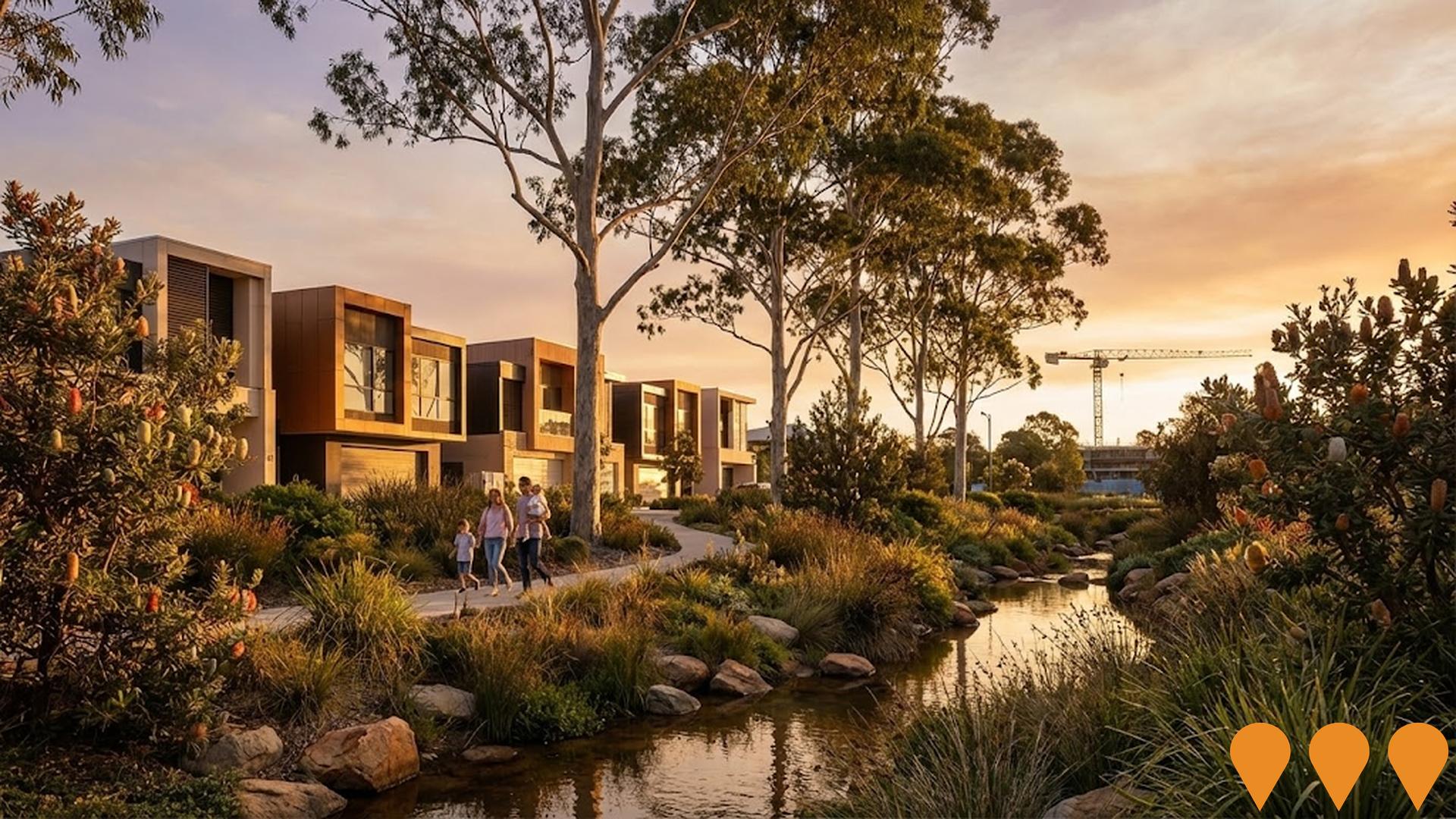
Proposed development of almost 2,000 new low and medium density homes, with new retail, commercial, educational, and open space facilities, located in Menangle village.
Evergreen Estate Spring Farm
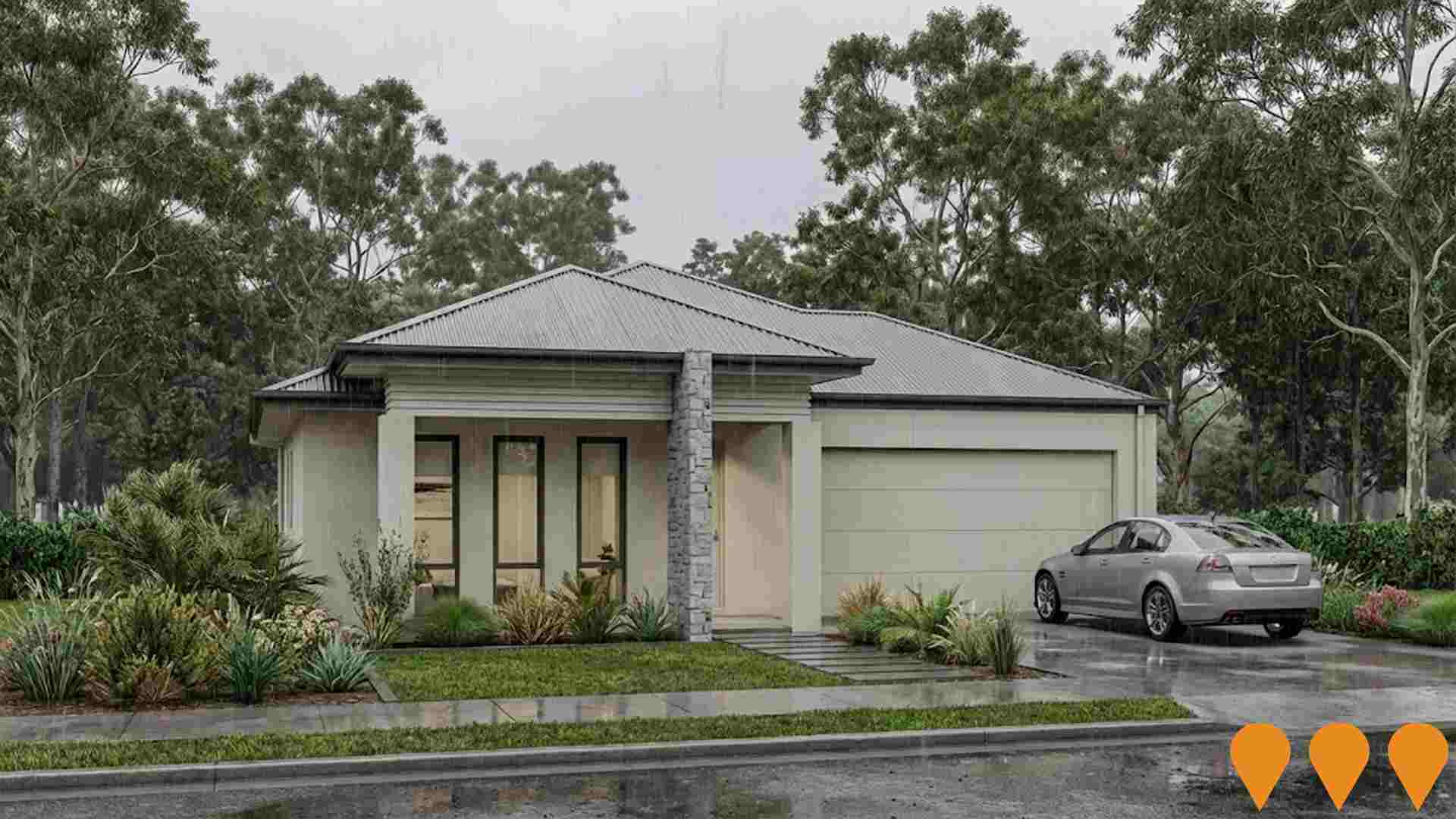
AVJennings' Evergreen Estate offers contemporary residential living with modern 3, 4 & 5 bedroom turnkey homes. Located 1km from Spring Farm Public School, 3km to Narellan Town Centre, 4km to Camden Town Centre, and 15 minutes to Macarthur Square Shopping Centre & Train Station. Features spacious layouts with stylish finishes perfect for modern living.
Employment
Error processing employment analysis
Income
Income analysis reveals strong economic positioning, with the area outperforming 60% of locations assessed nationally by AreaSearch
AreaSearch released postcode level ATO data for financial year 2022. Menangle Park's median income among taxpayers is $56,553, with an average of $64,906. Nationally, it's approximately average, compared to Greater Sydney's median of $56,994 and average of $80,856. By September 2025, estimates suggest a median income of approximately $63,684 and an average of $73,091, based on Wage Price Index growth since financial year 2022. The 2021 Census shows household, family, and personal incomes in Menangle Park rank modestly, between the 46th and 47th percentiles. Income distribution data indicates that 34.6% of locals (722 people) fall into the $1,500 - 2,999 category, similar to the surrounding region at 30.9%. Housing affordability pressures are severe, with only 80.7% of income remaining, ranking at the 43rd percentile. The area's SEIFA income ranking places it in the 7th decile.
Frequently Asked Questions - Income
Housing
Menangle Park is characterized by a predominantly suburban housing profile, with above-average rates of outright home ownership
Menangle Park's dwellings were 100.0% houses as of the latest Census, with 0.0% being other types such as semi-detached homes or apartments, contrasting Sydney metro's 78.5% houses and 21.5% other dwellings. Home ownership in Menangle Park stood at 30.6%, with mortgaged properties at 20.8% and rented ones at 48.6%. The median monthly mortgage repayment was $1,712, lower than Sydney metro's average of $2,100. Median weekly rent in Menangle Park was $500, higher than Sydney metro's $380. Nationally, Menangle Park's mortgage repayments were below the Australian average of $1,863, while rents were above the national figure of $375.
Frequently Asked Questions - Housing
Household Composition
Menangle Park features high concentrations of group households, with a fairly typical median household size
Family households make up 71.0% of all households, including 29.0% couples with children, 23.2% couples without children, and 11.6% single parent families. Non-family households constitute the remaining 29.0%, with lone person households at 18.8% and group households comprising 4.3%. The median household size is 2.9 people, which matches the Greater Sydney average.
Frequently Asked Questions - Households
Local Schools & Education
Educational attainment in Menangle Park aligns closely with national averages, showing typical qualification patterns and performance metrics
The area's university qualification rate is 7.8%, significantly lower than Greater Sydney's average of 38.0%. This disparity presents both a challenge and an opportunity for targeted educational initiatives. Bachelor degrees are the most common at 7.8%, followed by postgraduate qualifications (0%) and graduate diplomas (0%). Trade and technical skills are prominent, with 44.1% of residents aged 15+ holding vocational credentials – advanced diplomas (6.9%) and certificates (37.2%).
Educational participation is high, with 33.0% of residents currently enrolled in formal education. This includes 11.7% in primary education, 11.7% in secondary education, and 3.4% pursuing tertiary education.
Frequently Asked Questions - Education
Schools Detail
Nearby Services & Amenities
Transport
Transport servicing is high compared to other areas nationally based on assessment of service frequency, route connectivity and accessibility
Menangle Park has 20 active public transport stops offering a mix of train and bus services. These stops are served by 22 individual routes that collectively facilitate 1,930 weekly passenger trips. The accessibility of these transport options is rated as excellent, with residents typically located just 59 meters from the nearest stop.
On average, there are 275 daily trips across all routes, equating to approximately 96 weekly trips per individual stop.
Frequently Asked Questions - Transport
Transport Stops Detail
Health
Health performance in Menangle Park is lower than average with common health conditions somewhat prevalent across the board, though to a slightly higher degree among older age cohorts
Menangle Park faces significant health challenges with common health conditions somewhat prevalent across all age groups, but to a slightly higher degree among older cohorts. As of 2016, approximately 53% (~1,097 people) of Menangle Park's total population had private health cover, compared to the Greater Sydney average of 49.3%.
The most common medical conditions in the area were arthritis (impacting 10.7% of residents) and heart disease (7.7%). However, 65.5% of residents declared themselves completely clear of medical ailments, compared to 70.3% across Greater Sydney. As of 2016, 14.9% of Menangle Park's residents were aged 65 and over (310 people). Health outcomes among seniors require more attention than the broader population.
Frequently Asked Questions - Health
Cultural Diversity
The latest Census data sees Menangle Park placing among the least culturally diverse areas in the country when compared across a range of language and cultural background related metrics
Menangle Park's cultural diversity was found to be below average, with 87.1% of its population being citizens, 93.4% born in Australia, and 96.5% speaking English only at home. Christianity was the predominant religion in Menangle Park, comprising 56.7% of people, compared to 51.8% across Greater Sydney. The top three ancestry groups were English (34.6%), Australian (33.2%), and Scottish (7.9%), all substantially higher than their respective regional averages of 18.1%, 20.0%, and not specified.
Notably, Polish (1.8%) and Maltese (2.5%) were overrepresented compared to the regional averages of 0.6% and 0.8%. Additionally, Australian Aboriginal representation was lower in Menangle Park at 2.5% compared to the regional average of 3.1%.
Frequently Asked Questions - Diversity
Age
Menangle Park's population aligns closely with national norms in age terms
The median age in Menangle Park is 39 years, which is higher than Greater Sydney's average of 37 years and close to the national average of 38 years. The 15-24 cohort is over-represented at 17.7% locally compared to Greater Sydney's average, while the 25-34 age group is under-represented at 11.5%. This concentration of the 15-24 age group is higher than the national average of 12.5%. According to post-2021 Census data, the 45 to 54 age group has increased from 10.1% to 12.8%, and the 75 to 84 cohort has grown from 3.9% to 6.2%. Conversely, the 55 to 64 age group has declined from 15.4% to 11.9%, and the 65 to 74 age group has dropped from 7.9% to 5.8%. Population forecasts for 2041 indicate significant demographic changes in Menangle Park, with the 85+ age group expected to grow by -47 people (-47%), reaching a population of 32 from its current level of 60. Both the 85+ and 75 to 84 age groups are projected to have reduced numbers by that year.