Chart Color Schemes
This analysis uses ABS Statistical Areas Level 2 (SA2) boundaries, which can materially differ from Suburbs and Localities (SAL) even when sharing similar names.
SA2 boundaries are defined by the Australian Bureau of Statistics and are designed to represent communities for statistical reporting (e.g., census and ERP).
Suburbs and Localities (SAL) represent commonly-used suburb/locality names (postal-style areas) and may use different geographic boundaries. For comprehensive analysis, consider reviewing both boundary types if available.
est. as @ -- *
ABS ERP | -- people | --
2021 Census | -- people





Sales Activity


Curious about local property values? Filter the chart to assess the volume and appreciation (including resales) trends and regional comparisons, or scroll to the map below view this information at an individual property level.


Find a Recent Sale

Sales Detail
Population
Wetherill Park Industrial lies within the top quartile of areas nationally for population growth performance according to AreaSearch analysis of recent, and medium to long-term trends
Based on AreaSearch's analysis, Wetherill Park Industrial's population is around 274 as of Nov 25. This reflects an increase of 237 people (640.5%) since the 2021 Census, which reported a population of 37 people. The change is inferred from the estimated resident population of 164 from the ABS as of June 2024 and an additional 91 validated new addresses since the Census date. This level of population equates to a density ratio of 32 persons per square kilometer, a level providing ample space per person. Wetherill Park Industrial's 640.5% growth since the 2021 census exceeded the SA3 area (2.2%), along with the state, marking it as a growth leader in the region. Population growth for the area was primarily driven by balanced factors across natural increase and migration patterns.
AreaSearch is adopting ABS/Geoscience Australia projections for each SA2 area, as released in 2024 with 2022 as the base year. For any SA2 areas not covered by this data, AreaSearch is utilising the NSW State Government's SA2 level projections, as released in 2022 with 2021 as the base year. Growth rates by age group from these aggregations are also applied to all areas for years 2032 to 2041. Considering the projected demographic shifts, a population increase just below the median of statistical areas across the nation is expected, with the area expected to grow by 4 persons to 2041 based on the latest population numbers, with a reduction of 84.3% in total over the 17 years.
Frequently Asked Questions - Population
Development
The level of residential development activity in Wetherill Park Industrial is very low in comparison to the average area assessed nationally by AreaSearch
Development activity data is being compiled for this area.
Relative to Greater Sydney, Wetherill Park Industrial records markedly lower building activity. This constrained new construction usually reinforces demand and pricing for existing homes. This level is likewise lower than nationally, reflecting market maturity and pointing to possible development constraints.
With population projections showing stability or decline, Wetherill Park Industrial should see reduced housing demand pressures, benefiting potential buyers.
Frequently Asked Questions - Development
Infrastructure
Wetherill Park Industrial has very high levels of nearby infrastructure activity, ranking in the top 20% nationally
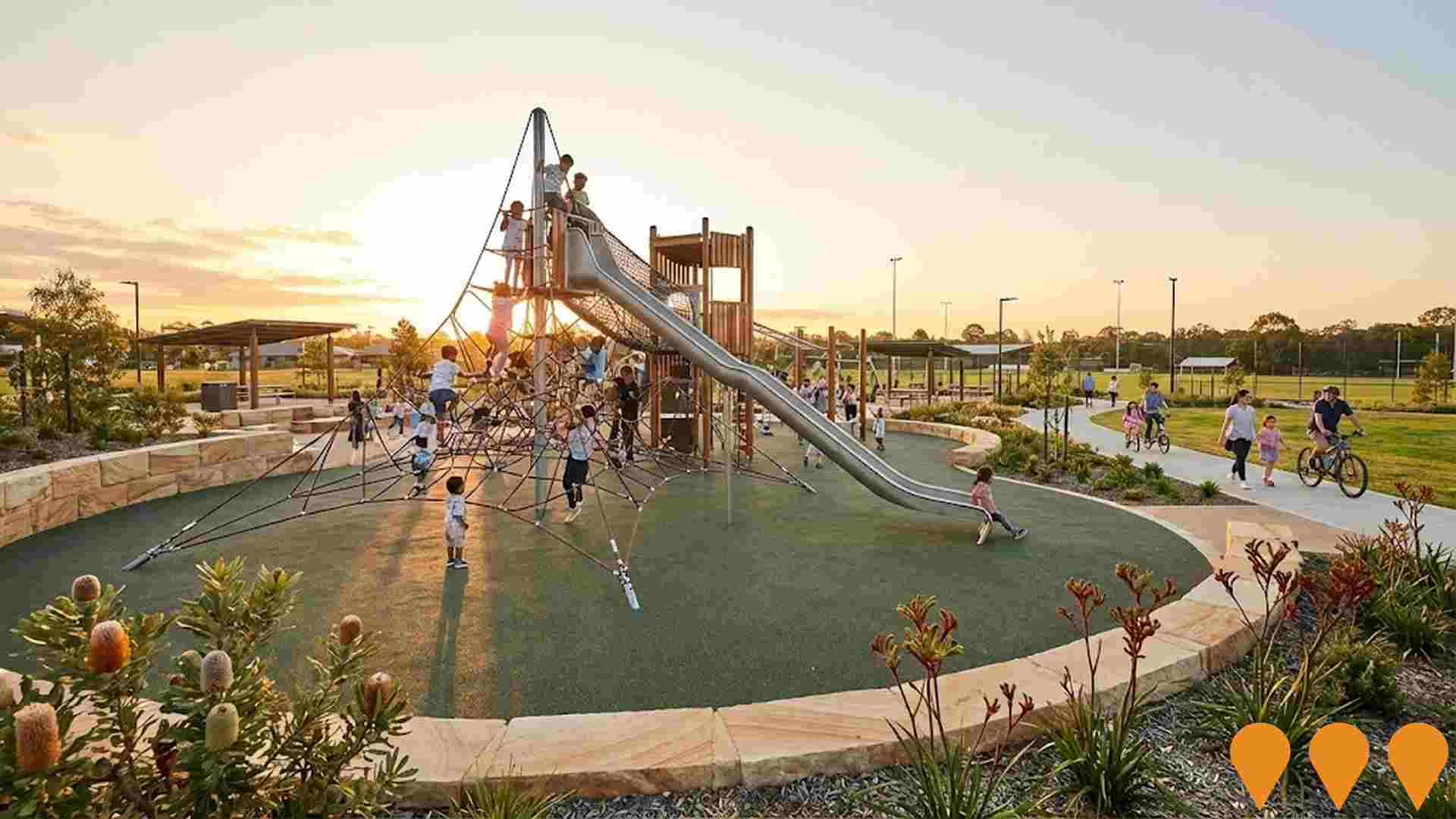
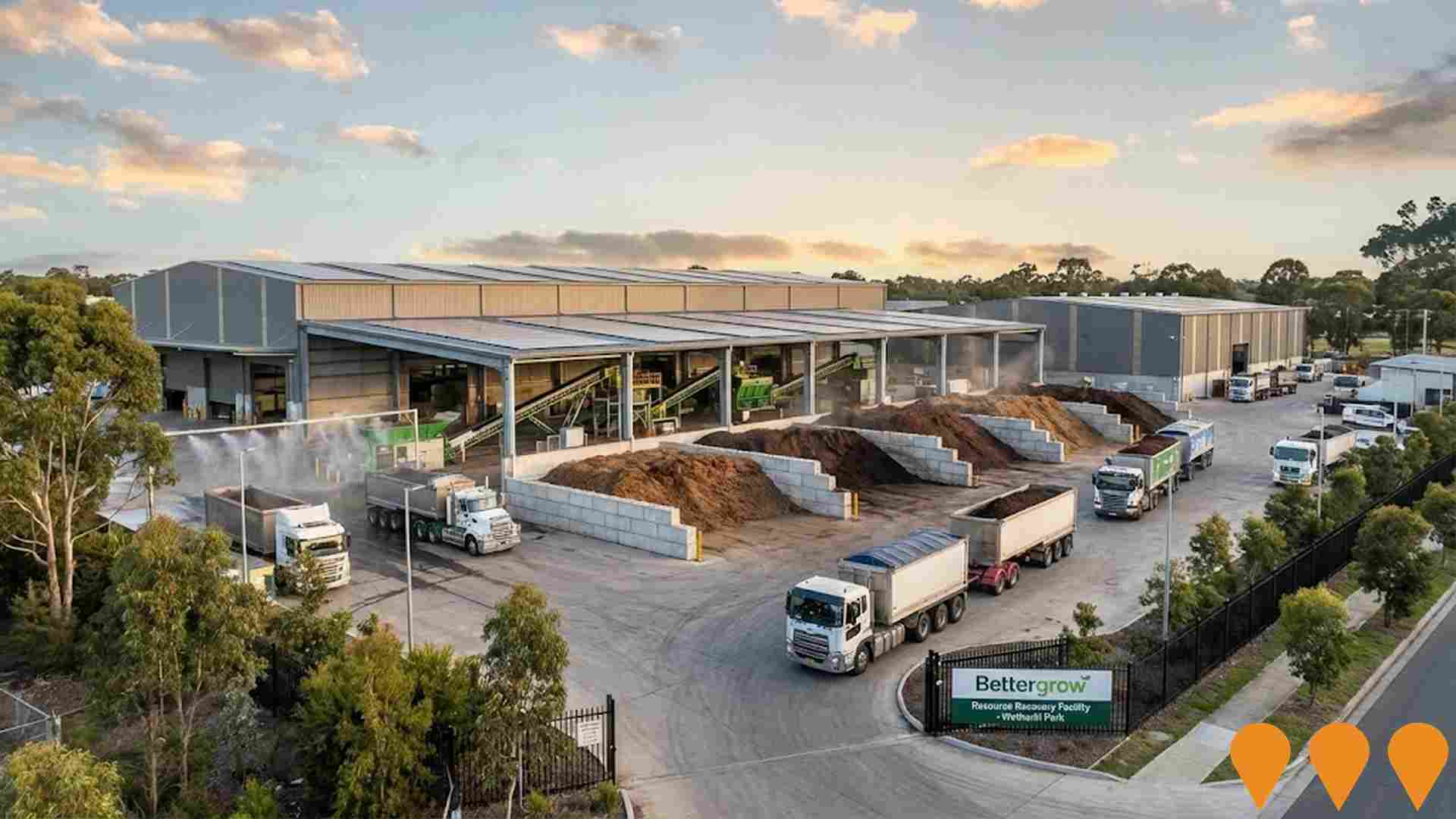
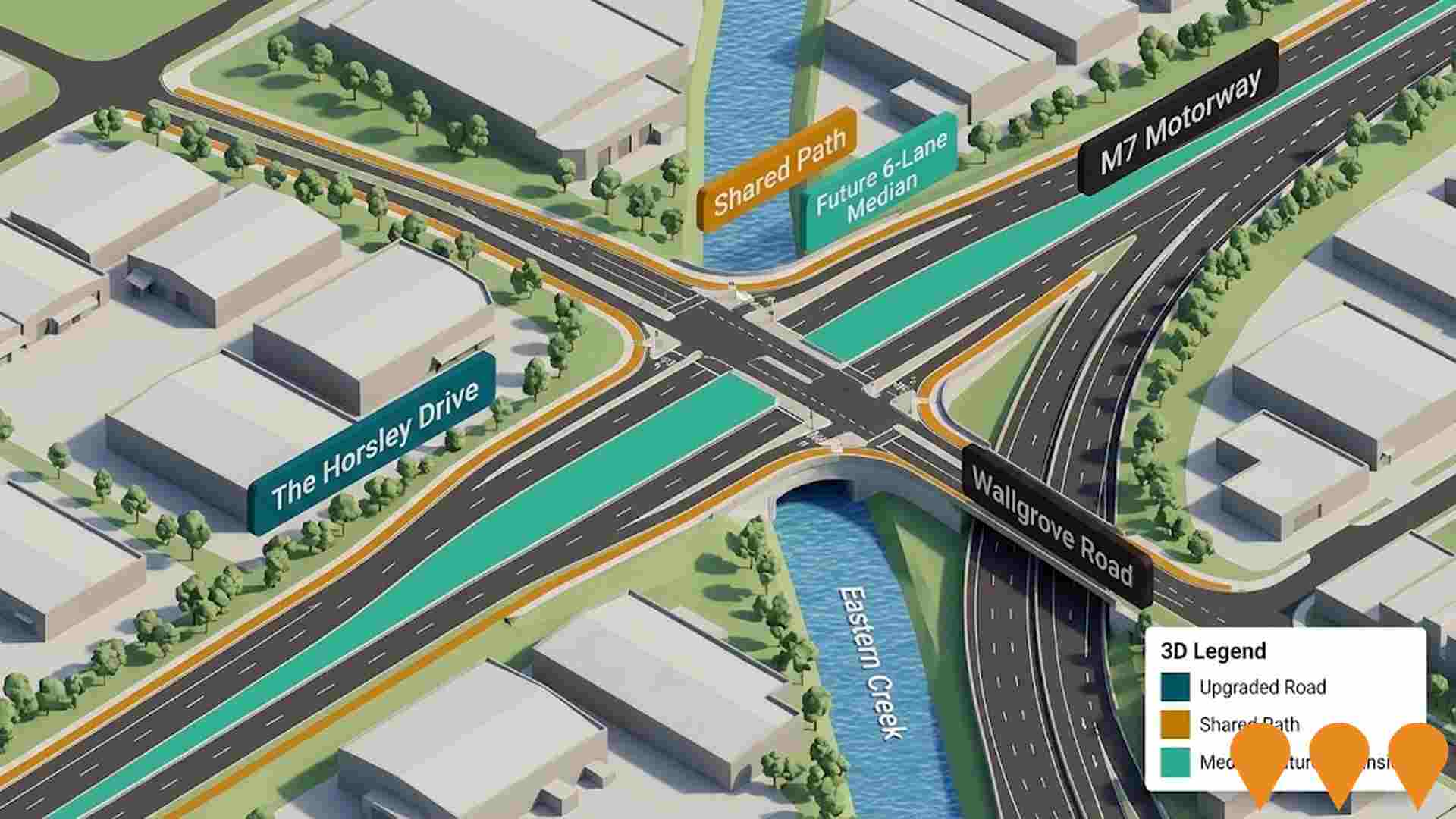
Nothing can influence an area's performance as much as changes to local infrastructure, major projects and planning initiatives. In total 16 projects have been identified by AreaSearch that are likely to have an impact on the area. Key projects include Prospect Pretreatment Plant, Bettergrow Resource Recovery Facility Wetherill Park, Smithfield-Wetherill Park Industrial Estate Renewal & Expansion, and Wetherill Park District Park Upgrade, with the below list detailing those likely to be of most relevance.
Wetherill Park Industrial has very high levels of nearby infrastructure activity, ranking in the top 20% nationally
Professional plan users can use the search below to filter and access additional projects.
INFRASTRUCTURE SEARCH
 Denotes AI-based impression for illustrative purposes only, not to be taken as definitive under any circumstances. Please follow links and conduct other investigations from the project's source for actual imagery. Developers and project owners wishing us to use original imagery please Contact Us and we will do so.
Frequently Asked Questions - Infrastructure
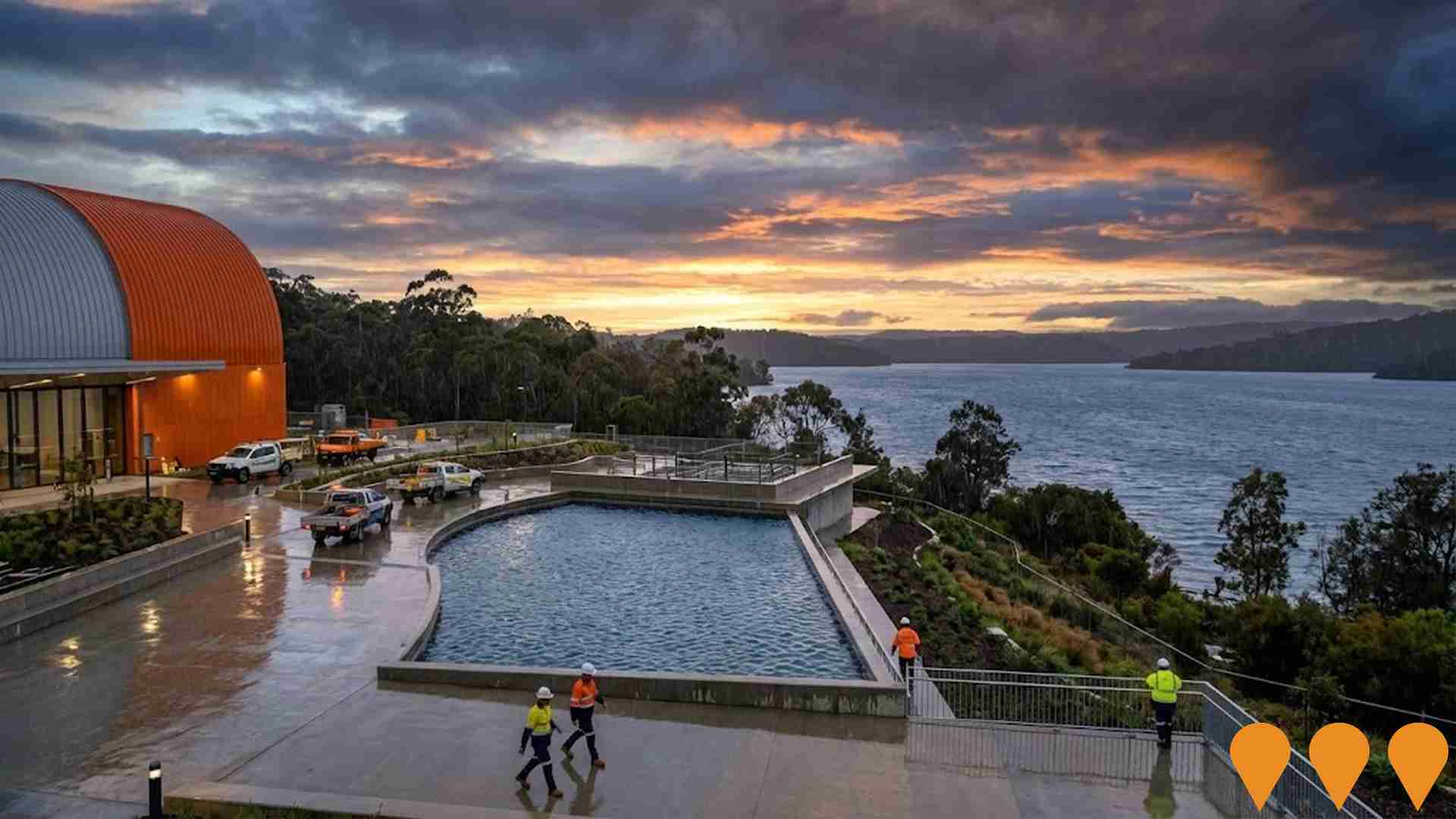
Prospect Pretreatment Plant
Sydney Water is building a new upstream pretreatment facility adjacent to the Prospect Water Filtration Plant to enhance water supply resilience during poor raw water quality events in the Hawkesbury-Nepean catchment. The 500 ML/day plant uses chemically assisted sedimentation to remove contaminants before water reaches the filtration plant. Works include a new raw water pump station, chemical dosing, sludge handling, and SCADA integration. Additional packages deliver flood protection upgrades and Prospect WFP modifications.
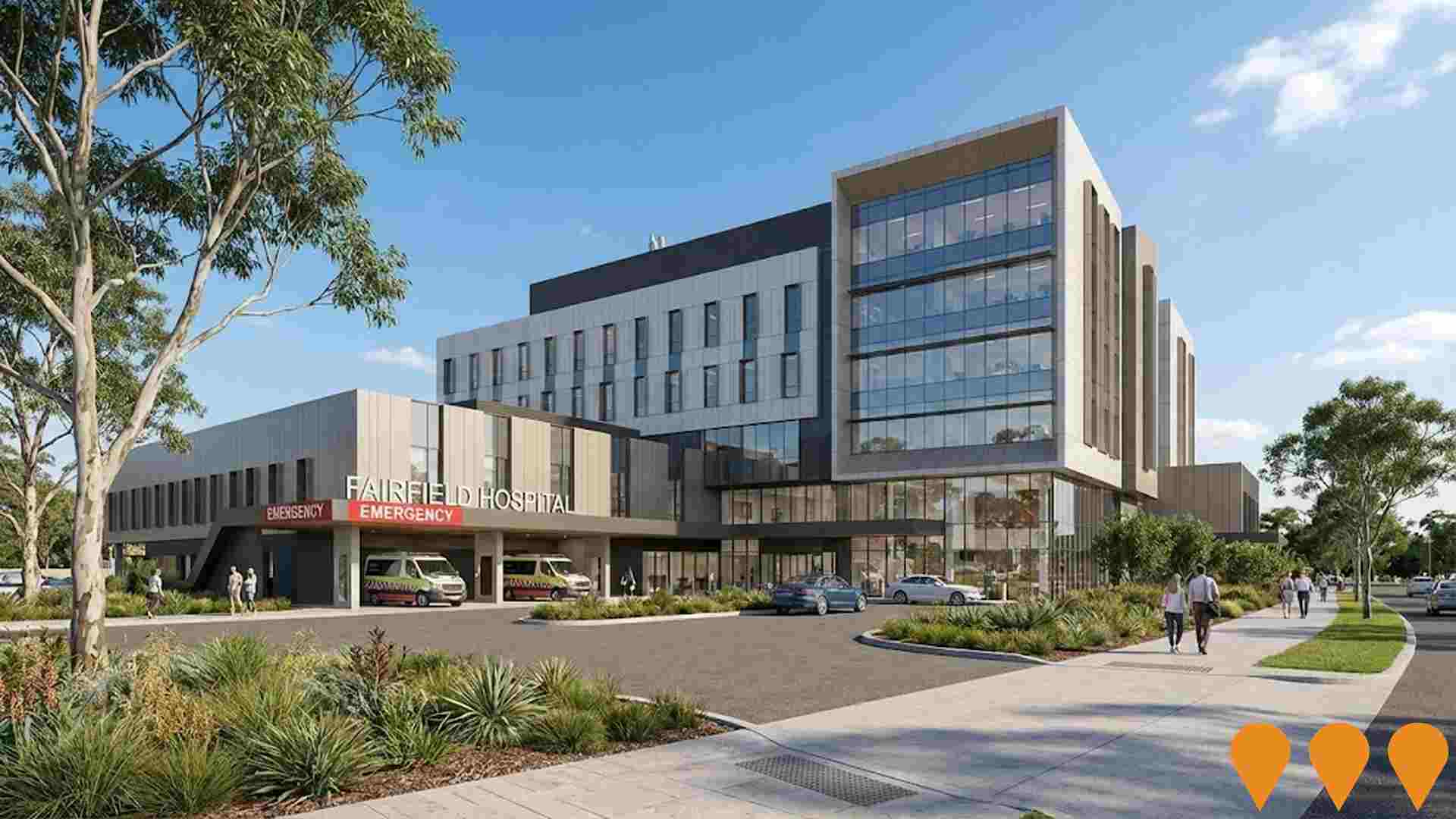
Fairfield Hospital Redevelopment
NSW Government $550 million redevelopment of Fairfield Hospital delivering a new multi-storey clinical services building, expanded emergency department, new inpatient units, enhanced maternity and paediatric services, mental health facilities and additional medical beds. The project will significantly increase capacity to meet growing demand in South Western Sydney. Design team appointed September 2024. Master planning released late 2024 with community consultation completed. Concept design phase underway with expected completion late 2025. Early enabling works and detailed design to follow.
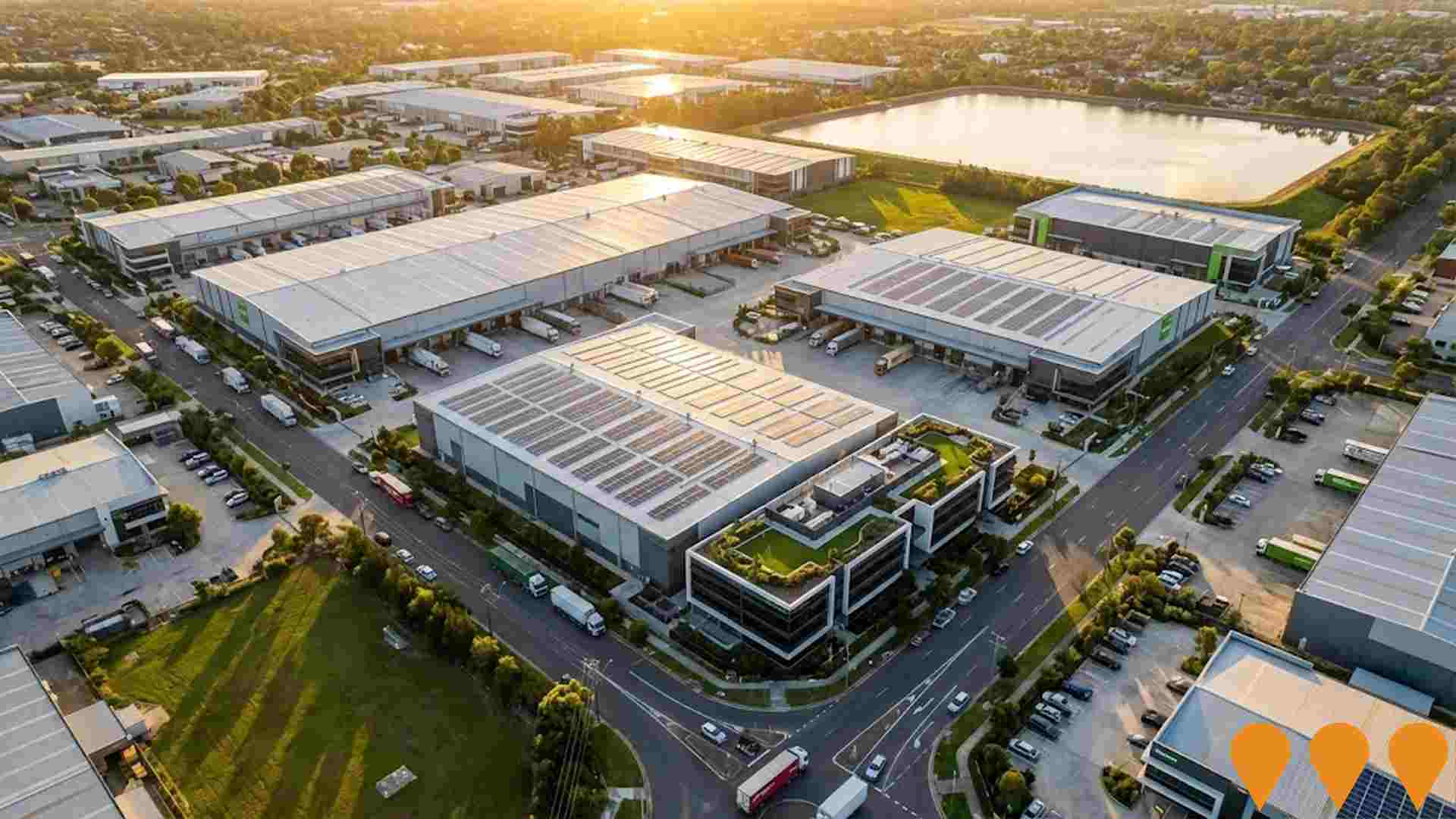
Smithfield-Wetherill Park Industrial Estate Renewal & Expansion
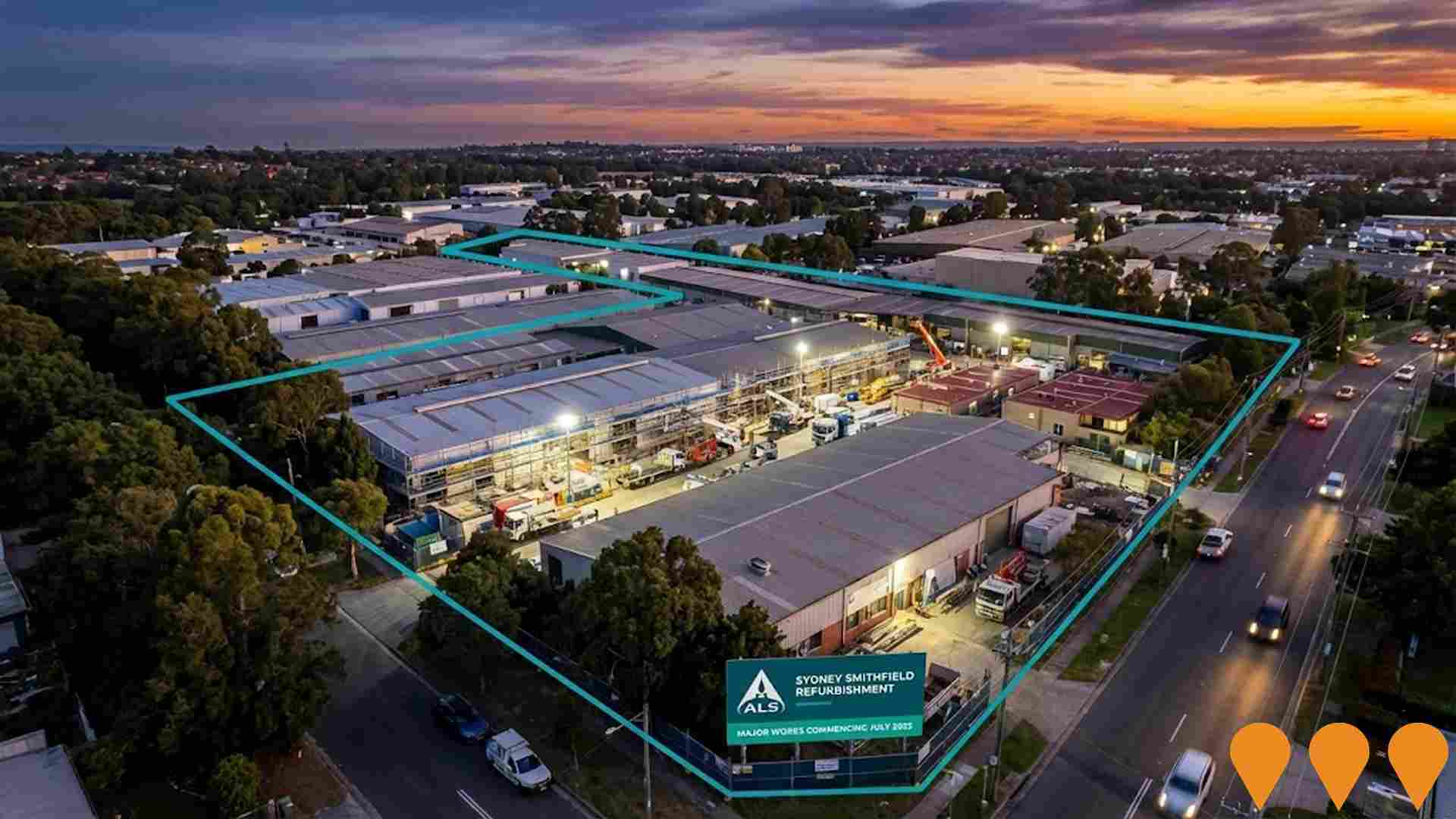
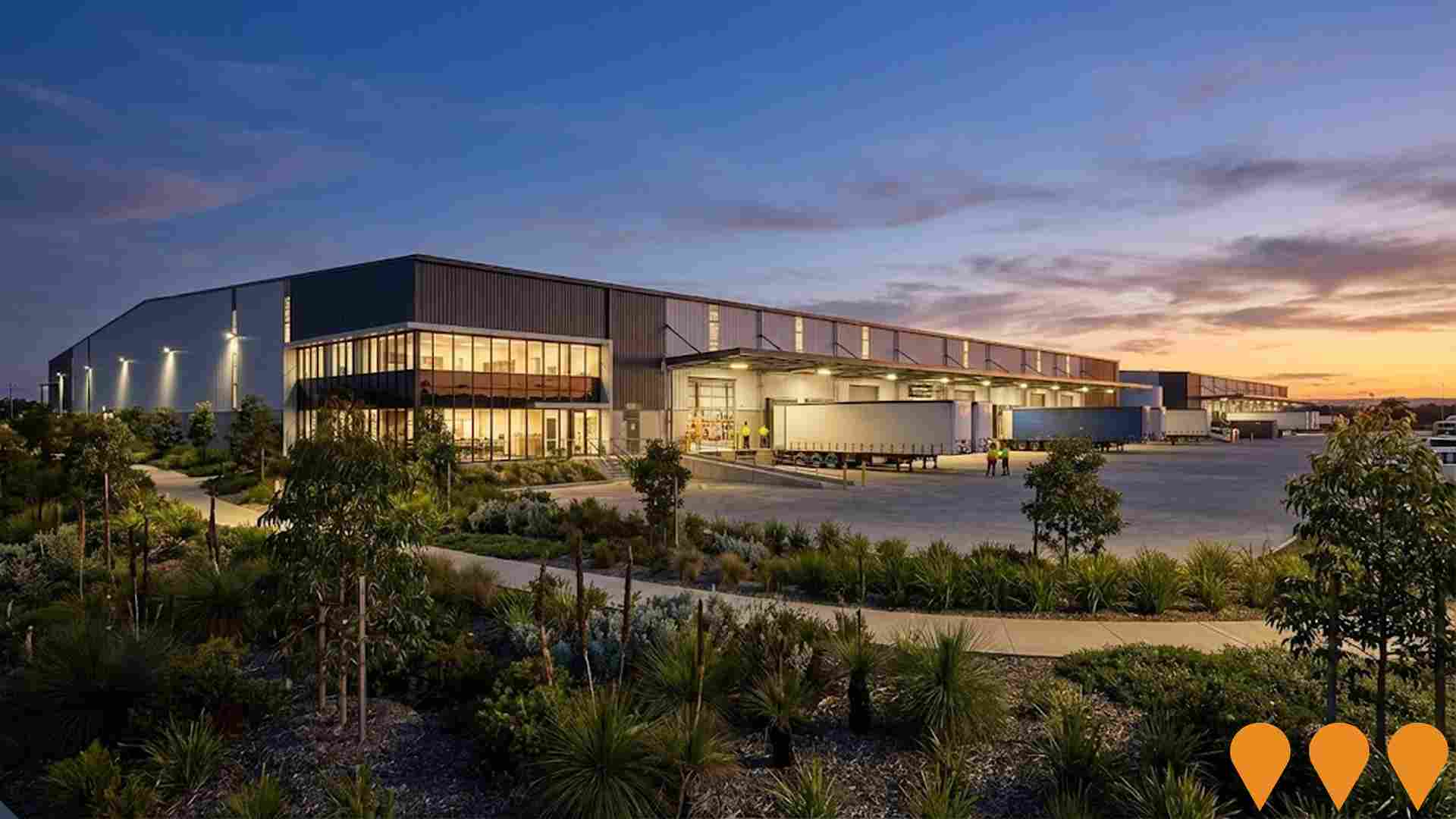
Ongoing renewal and expansion of Australia's largest industrial estate in Western Sydney. Multiple private and council-led developments are delivering new generation warehousing, logistics facilities and manufacturing space across Smithfield and Wetherill Park. Key recent and active projects include ESR Wetherill Industry Park, Centuria Industrial developments, Goodman and Charter Hall facilities, and Horsley Drive Business Park extensions, supporting continued jobs growth and modern supply-chain infrastructure close to Western Sydney Airport.
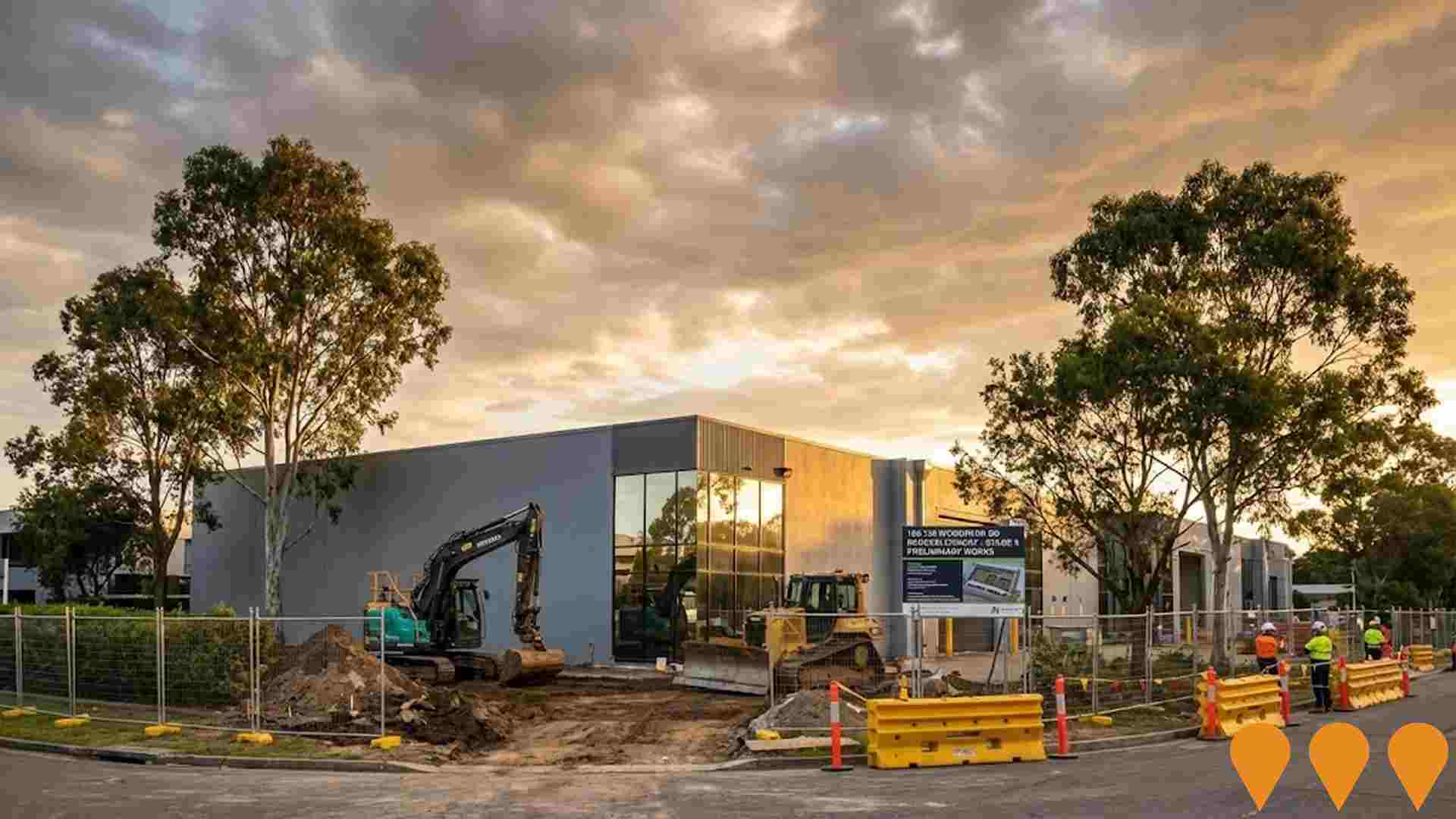
106-128 Woodpark Road Smithfield Stage 3 Redevelopment
Stage 3 mixed-use retail redevelopment on the southern portion of the site, enabled by a 2021 LEP amendment for additional retail and office uses. Current activity includes a 2025 construction certificate for preliminary site and road works to support future bulky goods, child care, medical, food and drink and warehouse uses across the precinct.
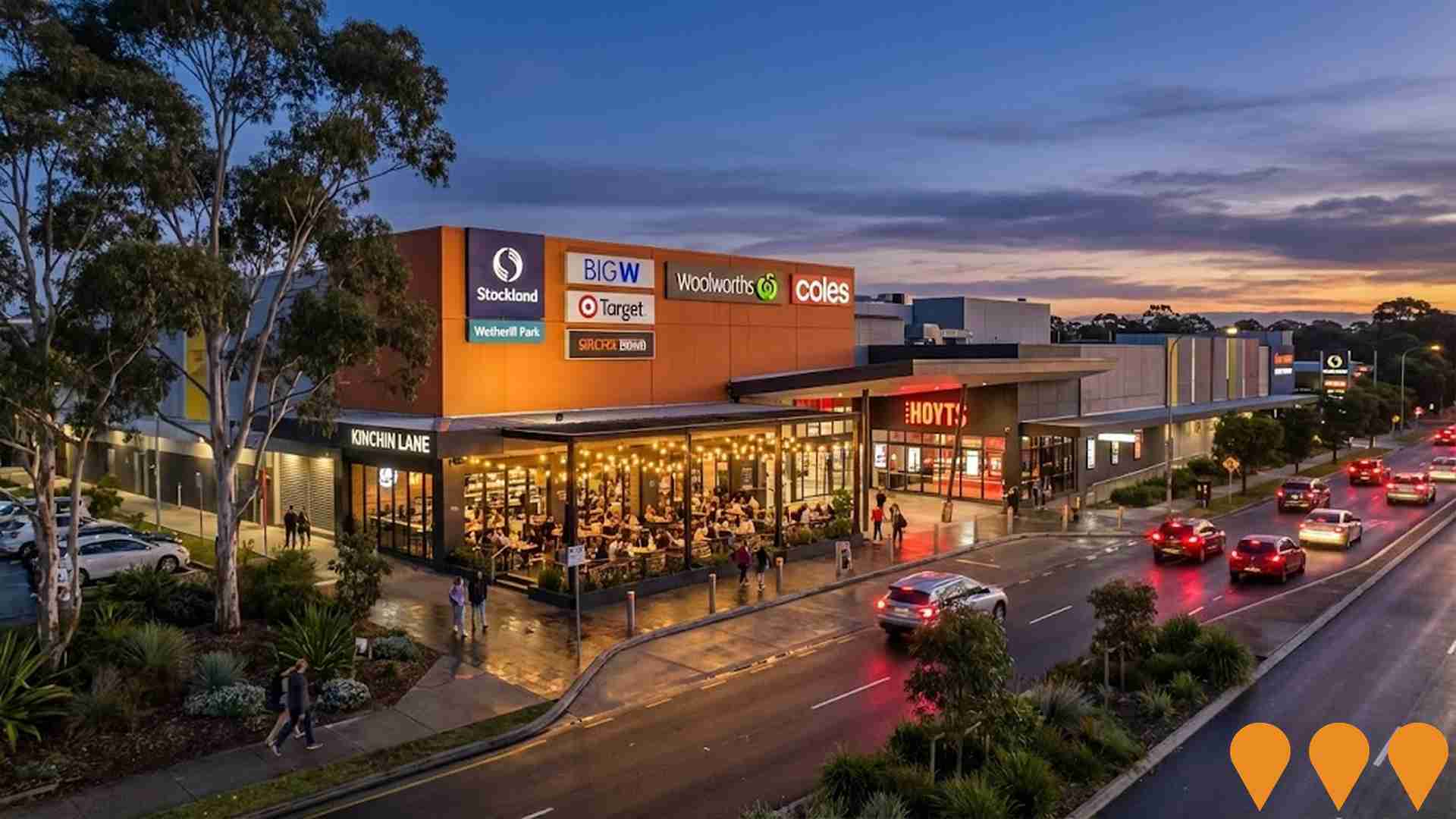
Stockland Wetherill Park Shopping Centre Completed Expansion
Major $228 million expansion completed in 2016 adding 5,600sqm retail space. Features 12-screen Hoyts cinema, 24-hour gym, Kinchin Lane dining precinct, and 200+ specialty stores. Serves as major regional shopping destination for Western Sydney.
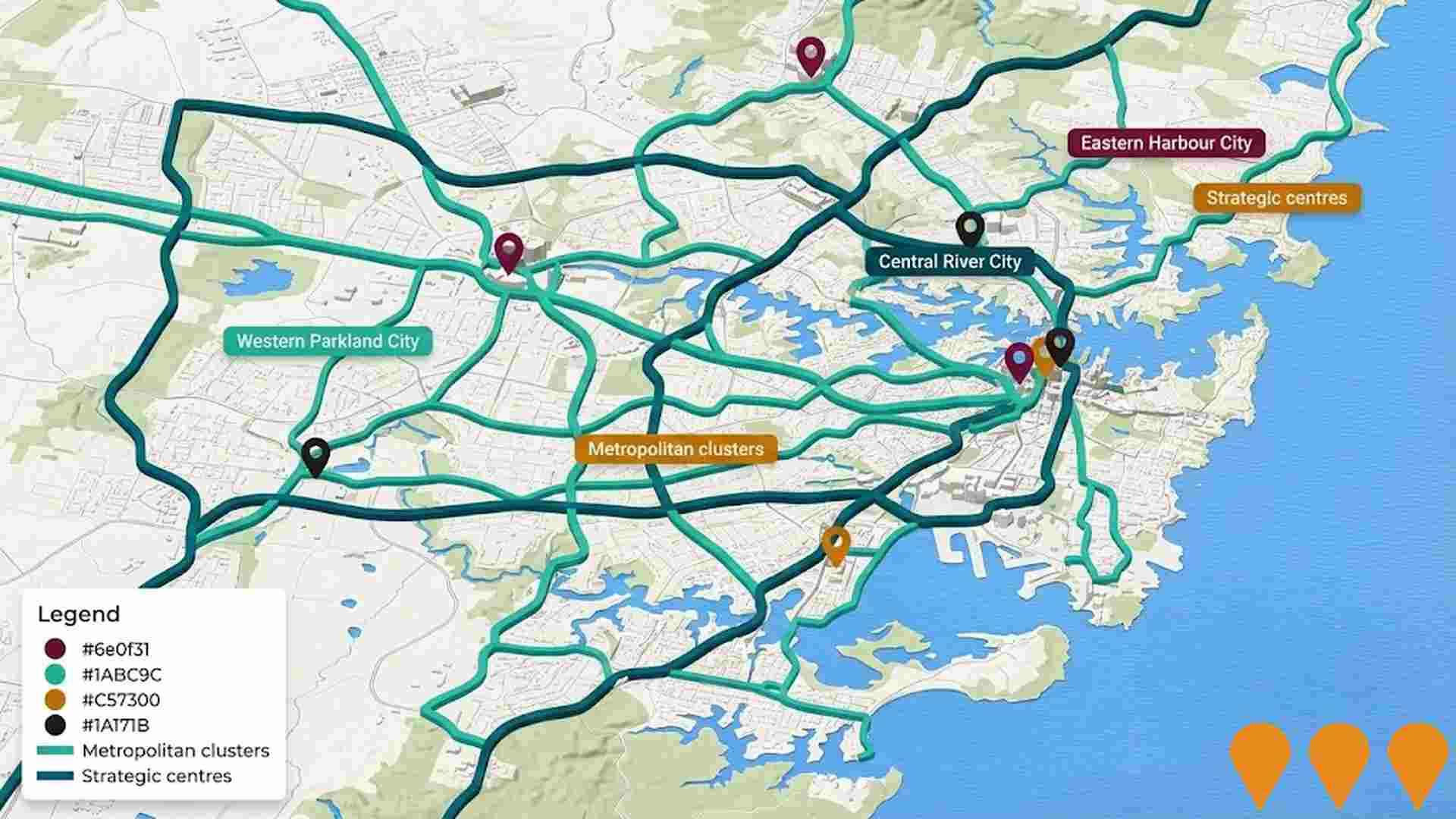
Greater Sydney Cycling Network Improvements
NSW Government (Transport for NSW) is progressing a program of strategic cycleway corridors and local network upgrades across Greater Sydney to make riding safer and more convenient. The program aims to connect centres and public transport, fill missing links such as the Sydney Harbour Bridge northern ramp, and deliver over 100 km of new strategic cycleways supported by council projects under Get NSW Active by around 2028.
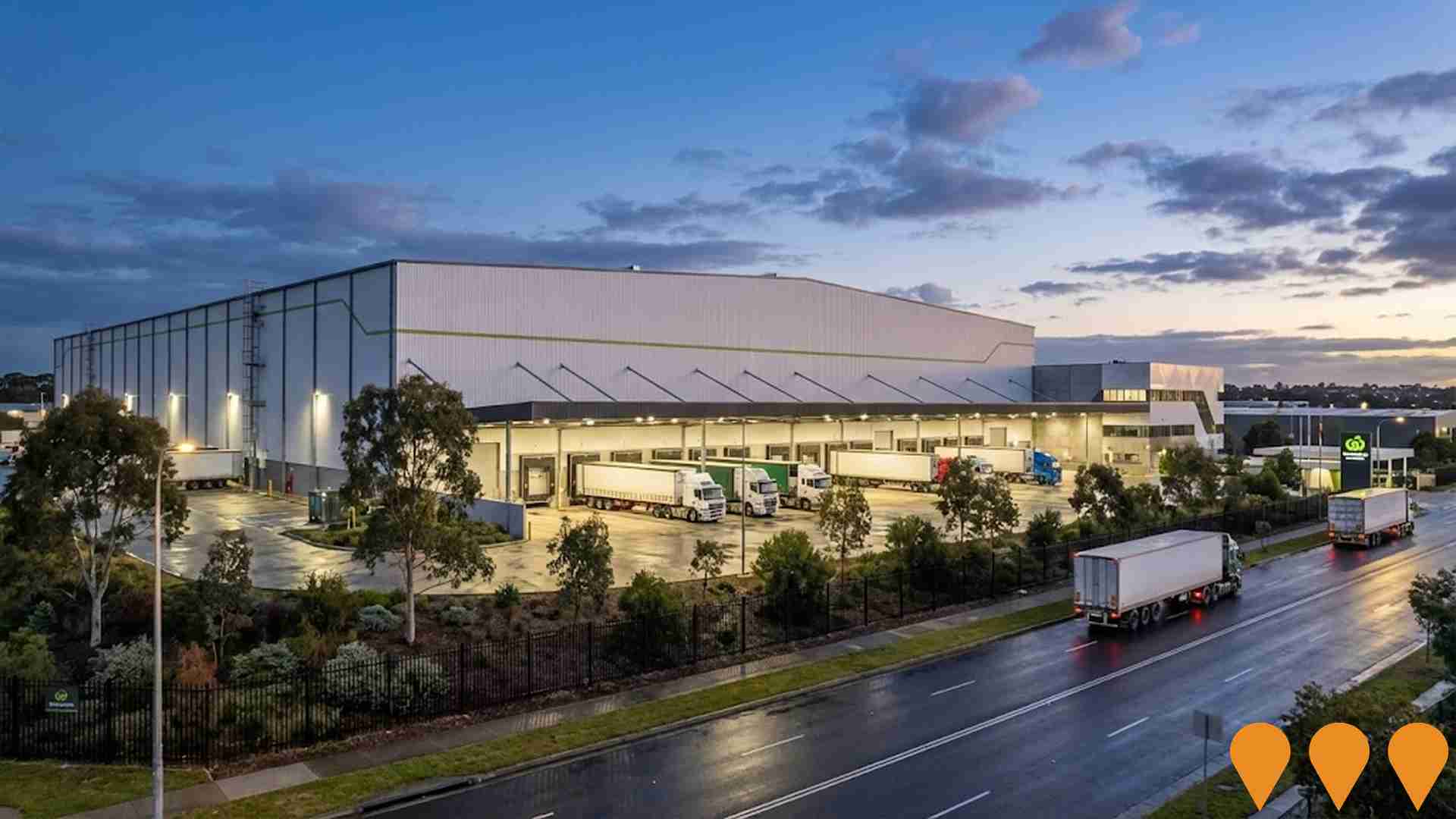
Woolworths Warehouse Distribution Centre Wetherill Park
Construction and operation of warehouse and distribution facility for chilled and fresh products serving 250+ Woolworths stores. Generates 3,400 vehicles daily including 1,400 trucks. 24-hour operations capability with extensive cold storage facilities.
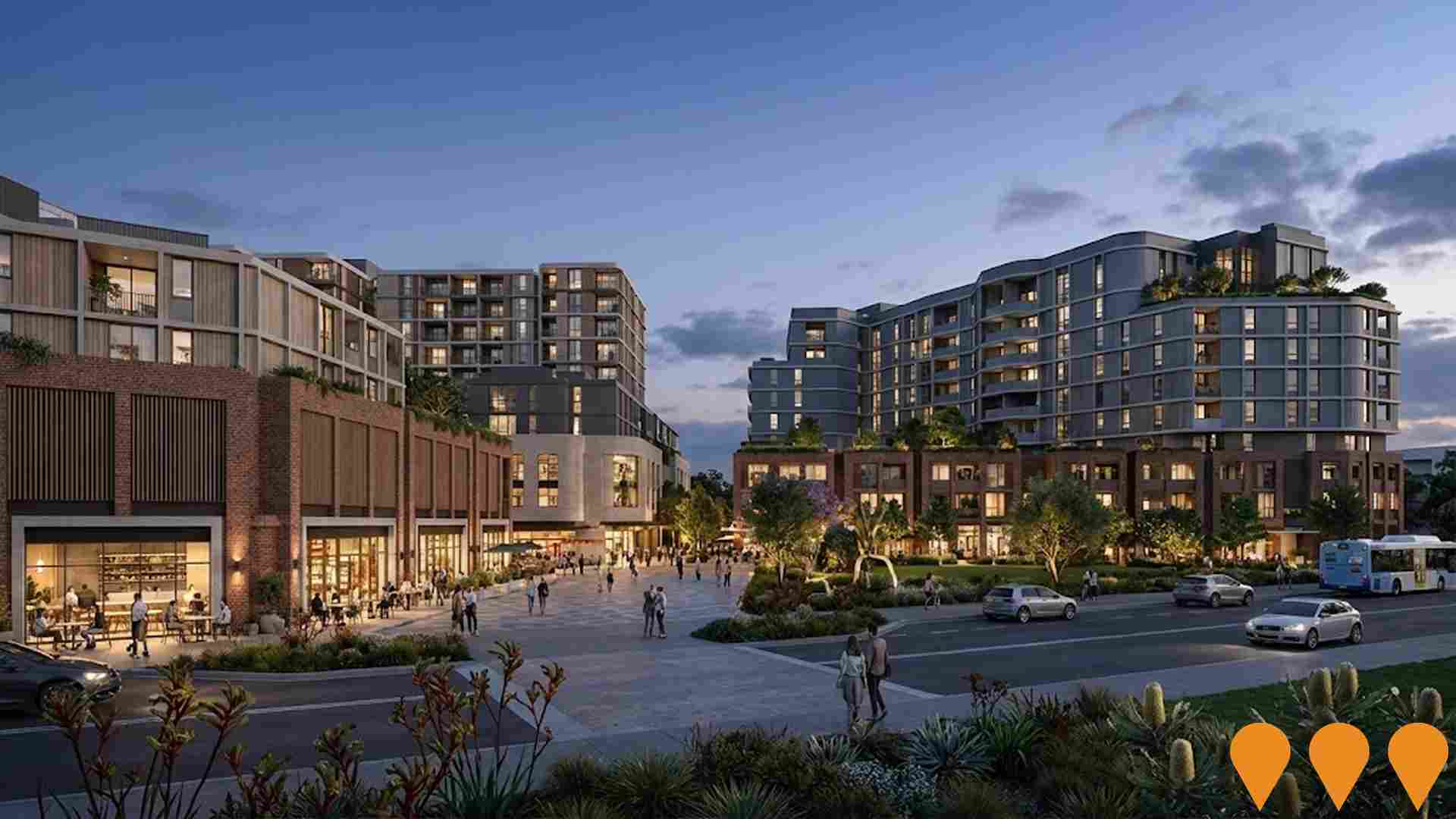
Villawood Town Centre Redevelopment Stage 2
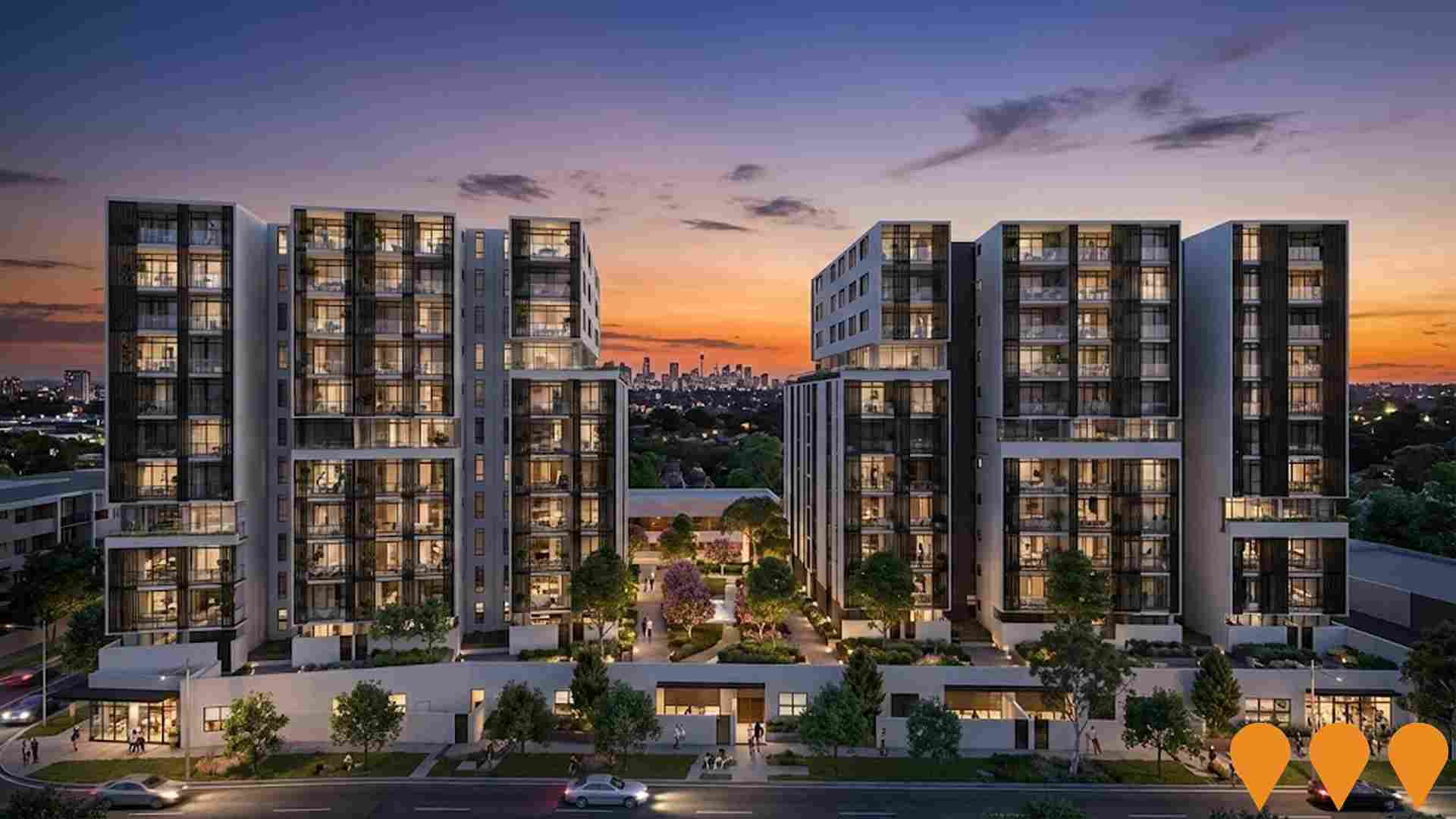
Stage 2 redevelopment of a vacant site in Villawood town centre, featuring two 8-11 storey mixed-use buildings with 228 residential apartments (including 55 social housing units), retail spaces, supermarket, medical centre, community facility, basement and above-ground parking, and 2000sqm of public open space. This $90 million project by Traders in Purple, in partnership with NSW Land and Housing Corporation, aims to create a vibrant community hub addressing housing shortages in Western Sydney.

Employment
Employment conditions in Wetherill Park Industrial face significant challenges, ranking among the bottom 10% of areas assessed nationally
Wetherill Park Industrial features a skilled workforce, with manufacturing and industrial sectors strongly represented, an unemployment rate of just 0.0%, and relative employment stability over the past year. As of June 2025, 0 residents are in work, and workforce participation lags significantly (44.1% compared to Greater Sydney's 60.0%).
Leading employment industries among residents comprise other services, manufacturing, and wholesale trade. The area shows particularly strong specialization in other services, with an employment share of 15.7 times the regional level. On the other hand, health care & social assistance is under-represented, with only 0.0% of Wetherill Park Industrial's workforce compared to 14.1% in Greater Sydney. With 491.9 workers for every resident, as at the Census, the area functions as an employment hub, hosting more jobs than residents and attracting workers from surrounding areas.
Employment trend data is currently being compiled for Wetherill Park Industrial. Jobs and Skills Australia's national employment forecasts from May 2025 can offer further insight into potential future demand within Wetherill Park Industrial. These projections, covering five and ten-year periods, have been mapped against the local employment profile to estimate growth patterns. While national employment is forecast to expand by 6.6% over five years and 13.7% over ten years, growth rates differ significantly between industry sectors. Applying these industry-specific projections to Wetherill Park Industrial's employment mix suggests local growth of approximately increase by 3.3%% over five years and 8.9% over ten years (please note this is a simple weighting extrapolation for illustrative purposes and does not take into account localised population projections).
Frequently Asked Questions - Employment
Income
Income metrics place the area in the bottom 10% of locations nationally according to AreaSearch analysis
As per AreaSearch's latest postcode level ATO data released for FY-22, Wetherill Park Industrial's median income among taxpayers is $43,160, with an average of $55,464. This is lower than average on a national basis, and compares to Greater Sydney's median of $56,994 and average of $80,856. Based on Wage Price Index growth of 12.61% since FY-22, current estimates would be approximately $48,602 (median) and $62,458 (average) as of September 2025. According to 2021 Census figures, household, family and personal incomes in Wetherill Park Industrial all fall between the 2nd and 6th percentiles nationally. The earnings profile shows the largest segment comprises 50.0% earning $0 - 399 weekly (137 residents), diverging from regional levels where the $1,500 - 2,999 category predominates at 30.9%. With 50.0% earning under $800 per week, this suburb faces considerable income constraints affecting local spending patterns. Housing affordability pressures are severe, with only 62.3% of income remaining, ranking at the 3rd percentile.
Frequently Asked Questions - Income
Housing
Wetherill Park Industrial displays a diverse mix of dwelling types, with a higher proportion of rental properties than the broader region
Dwelling structure within Wetherill Park Industrial, as evaluated at the latest Census, comprised 70.0% houses and 30.0% other dwellings (semi-detached, apartments, 'other' dwellings), in comparison to Sydney metro's 73.3% houses and 26.7% other dwellings. Meanwhile, the level of home ownership within Wetherill Park Industrial was lagging that of Sydney metro, at 0.0%, with the remainder of dwellings either mortgaged (0.0%) or rented (100.0%). The median monthly mortgage repayment in the area was well below the Sydney metro average at $0, while the median weekly rent figure was recorded at $400, compared to Sydney metro's $2,000 and $400. Nationally, Wetherill Park Industrial's mortgage repayments are significantly lower than the Australian average of $1,863, while rents are exceeding the national figure of $375.
Frequently Asked Questions - Housing
Household Composition
Wetherill Park Industrial features high concentrations of lone person households, with a lower-than-average median household size
Family households dominate at 25.0% of all households, comprising 0.0% couples with children, 0.0% couples without children, and 0.0% single parent families. Non-family households make up the remaining 75.0%, with lone person households at 33.3% and group households comprising 0.0% of the total. The median household size of 1.9 people is smaller than the Greater Sydney average of 3.2.
Frequently Asked Questions - Households
Local Schools & Education
Wetherill Park Industrial faces educational challenges, with performance metrics placing it in the bottom quartile of areas assessed nationally
The area faces educational challenges, with university qualification rates (21.1%) substantially below the Greater Sydney average of 38.0%. This represents both a challenge and an opportunity for targeted educational initiatives. Bachelor degrees lead at 21.1%, followed by postgraduate qualifications (0.0%) and graduate diplomas (0.0%). Trade and technical skills feature prominently, with 31.7% of residents aged 15+ holding vocational credentials – advanced diplomas (0.0%) and certificates (31.7%).
A substantial 21.6% of the population actively pursues formal education. This includes 0.0% in primary education, 0.0% in secondary education, and 0.0% pursuing tertiary education. Educational facilities appear to be located outside the immediate catchment boundaries, requiring families to access schools in neighboring areas.
Frequently Asked Questions - Education
Schools Detail
Nearby Services & Amenities
Transport
Transport servicing is good compared to other areas nationally based on assessment of service frequency, route connectivity and accessibility
Public transport analysis reveals 64 active transport stops operating within Wetherill Park Industrial comprising a mix of buses. These stops are serviced by 15 individual routes, collectively providing 1,915 weekly passenger trips.
Service frequency averages 273 trips per day across all routes, equating to approximately 29 weekly trips per individual stop.
Frequently Asked Questions - Transport
Transport Stops Detail
Health
Wetherill Park Industrial's residents boast exceedingly positive health performance metrics with younger cohorts in particular seeing very low prevalence of common health conditions
Health outcomes data demonstrates outstanding results across Wetherill Park Industrial with younger cohorts in particular seeing very low prevalence of common health conditions , and the rate of private health cover found to be very low at approximately 48% of the total population (~130 people). The national average is 55.3%.
The most common medical conditions in the area were found to be arthritis and asthma, impacting 14.3 and 8.6% of residents, respectively, while 73.3% declared themselves as completely clear of medical ailments compared to 75.6% across Greater Sydney. The area has 15.4% of residents aged 65 and over (42 people), which is lower than the 19.0% in Greater Sydney. Health outcomes among seniors are above average though, requiring more attention than the broader population.
Overall 0.0% of the total population registered as requiring assistance with day to day activities, which is well below average. In Greater Sydney, 9.3% require assistance. Nationally, 5.8% require assistance.
Frequently Asked Questions - Health
Cultural Diversity
Wetherill Park Industrial is among the most culturally diverse areas in the country based on AreaSearch assessment of a range of language and cultural background related metrics
Wetherill Park Industrial is among the most culturally diverse areas in the country, with 68.8% of its population speaking a language other than English at home and 78.1% born overseas. The main religion in Wetherill Park Industrial was found to be Buddhism, which makes up 45.2% of people in Wetherill Park Industrial. This compares to 21.7% across Greater Sydney.
In terms of ancestry (country of birth of parents), the top three represented groups in Wetherill Park Industrial are Vietnamese, comprising 66.7% of the population, which is substantially higher than the regional average of 17.8%, Other, comprising 18.5% of the population, which is notably lower than the regional average of 32.7%, and English, comprising 14.8% of the population, which is substantially higher than the regional average of 6.6%.
Frequently Asked Questions - Diversity
Age
Wetherill Park Industrial ranks among the oldest 10% of areas nationwide
At 61 years, Wetherill Park Industrial's median age is considerably higher than the Greater Sydney average of 37 and is considerably older than the national norm of 38. The age profile shows 55 - 64 year-olds are particularly prominent (46.1%), while the 15 - 24 group is comparatively smaller (0.0%) than in Greater Sydney. This 55 - 64 concentration is well above the national 11.2%. In the period since 2021, the median age has increased by 4.9 years from 56 to 61, reflecting an aging population. Key changes show the 55 to 64 age group has grown from 33.3% to 46.1% of the population, while the 5 to 14 cohort increased from 0.0% to 10.3%. Conversely, the 45 to 54 cohort has declined from 23.1% to 12.8% and the 35 to 44 group dropped from 17.9% to 7.7%. Population forecasts for 2041 indicate substantial demographic changes for Wetherill Park Industrial. The 0 to 4 age cohort is projected to increase solidly, expanding by 0 people (0%) from 0 to 0. Meanwhile, the 65 to 74 and 25 to 34 cohorts are expected to experience population declines.