Chart Color Schemes
This analysis uses Suburbs and Localities (SAL) boundaries, which can materially differ from Statistical Areas (SA2) even when sharing the same name.
SAL boundaries are defined by Australia Post and the Australian Bureau of Statistics to represent commonly-known suburb names used in postal addresses.
Statistical Areas (SA2) are designed for census data collection and may combine multiple suburbs or use different geographic boundaries. For comprehensive analysis, consider reviewing both boundary types if available.
est. as @ -- *
2021 Census | -- people







Curious about local property values? Filter the chart to assess the volume and appreciation (including resales) trends and regional comparisons, or scroll to the map below view this information at an individual property level.
Find a Recent Sale

Sales Detail
Collinsville (Qld) has an estimated 1,500 residents. Growth has averaged 0.7% a year over five years, slower than 90% of areas nationally. Density is about 43 people per square kilometre. Population is estimated from ABS Estimated Resident Population releases and GNAF address data, re-based from the 2021 Census and updated annually.
Detail
According to ABS population updates for the wider region and new address data validated by AreaSearch since the Census, the suburb of Collinsville (Qld) has a population estimated at approximately 1,500 in May 2026. This represents an expansion of 4 people (0.3%) from the 2021 Census, which documented 1,496 people. This shift is calculated from a resident population of 1,499, which AreaSearch estimated after evaluating the ABS June 2025 ERP data release and identifying 11 validated new addresses since the Census date. This population size results in a density of 43 persons per square kilometer, indicating a low-density environment with substantial space.
Recent population gains were mostly driven by natural increase, which accounted for roughly 62.0% of the growth, though all factors, including interstate and overseas migration, made positive contributions. AreaSearch uses ABS/Geoscience Australia projections for each SA2 region, published in 2024 using 2022 as the baseline. For SA2 regions lacking this data, and for any years after 2032, the Queensland State Government's SA2 projections from 2023 (based on 2021 data) are used. Because these state projections lack age breakdowns, AreaSearch scales the age cohorts proportionally using the ABS Greater Capital Region projections released in 2023 from 2022 data. Future demographic trends for the suburb of Collinsville (Qld) point to a shrinking population, with projections showing a loss of 11 persons by 2041 under this framework. Conversely, specific age groups are set to expand, led by those aged 25 to 34, which is expected to rise by 31 people. Details on age distributions are provided in the relevant section.
Frequently Asked Questions - Population
Detail
Property development in Collinsville is highly restricted, with an average of 3 approvals granted annually, totaling 15 approvals over a five-year timeframe. This minimal level of building activity is typical for rural settings where housing demand is low and construction is constrained by local needs and infrastructure limits. Because of the small number of projects, individual developments can heavily skew annual rates and comparison metrics. Building activity in Collinsville is far lower than in the Rest of Qld, and the pace of development also lags well behind national averages. Furthermore, recent construction has consisted entirely of standalone homes, reflecting a local preference for rural properties offering space and privacy.
Faced with flat or shrinking population projections, Collinsville is likely to see reduced pressure on housing, which may create advantageous conditions for property purchasers.
Frequently Asked Questions - Development
Development applications around Collinsville (Qld)
Loading development applications…
| Lodged | Address | Description | Type | Distance | Status |
|---|
SOURCE: Planning portals and council registers, compiled by AreaSearch. Distance & bearing measured from the suburb midpoint.
AreaSearch tracks 2 current infrastructure and development projects inside Collinsville (Qld), worth an estimated $8.35 billion. A further 56 sit in the immediately surrounding suburbs, taking the tracked pipeline within reach of the area to $33.8 billion. 16 are already under construction and 28 are due for completion within three years. The pipeline spans transport & logistics, environmental & disaster management and residential development. Records are compiled from Infrastructure Australia, state agencies, council planning portals and public announcements, reviewed and updated daily, then ranked by proximity, construction stage, completion horizon and project scale.
Detail
Local infrastructure projects, major planning, and development initiatives are primary drivers of regional growth. In total, 2 projects have been identified by AreaSearch as having a likely impact on the region. Significant projects include the Bowen Basin Gas Pipeline, Collinsville Green Energy Hub, Burdekin Falls Dam Raising and Improvement Project, and the Isaac And Whitsunday Regions Productive Water Supply, with the most relevant details provided below.
Professional plan users can use the search below to filter and access additional projects.
INFRASTRUCTURE SEARCH
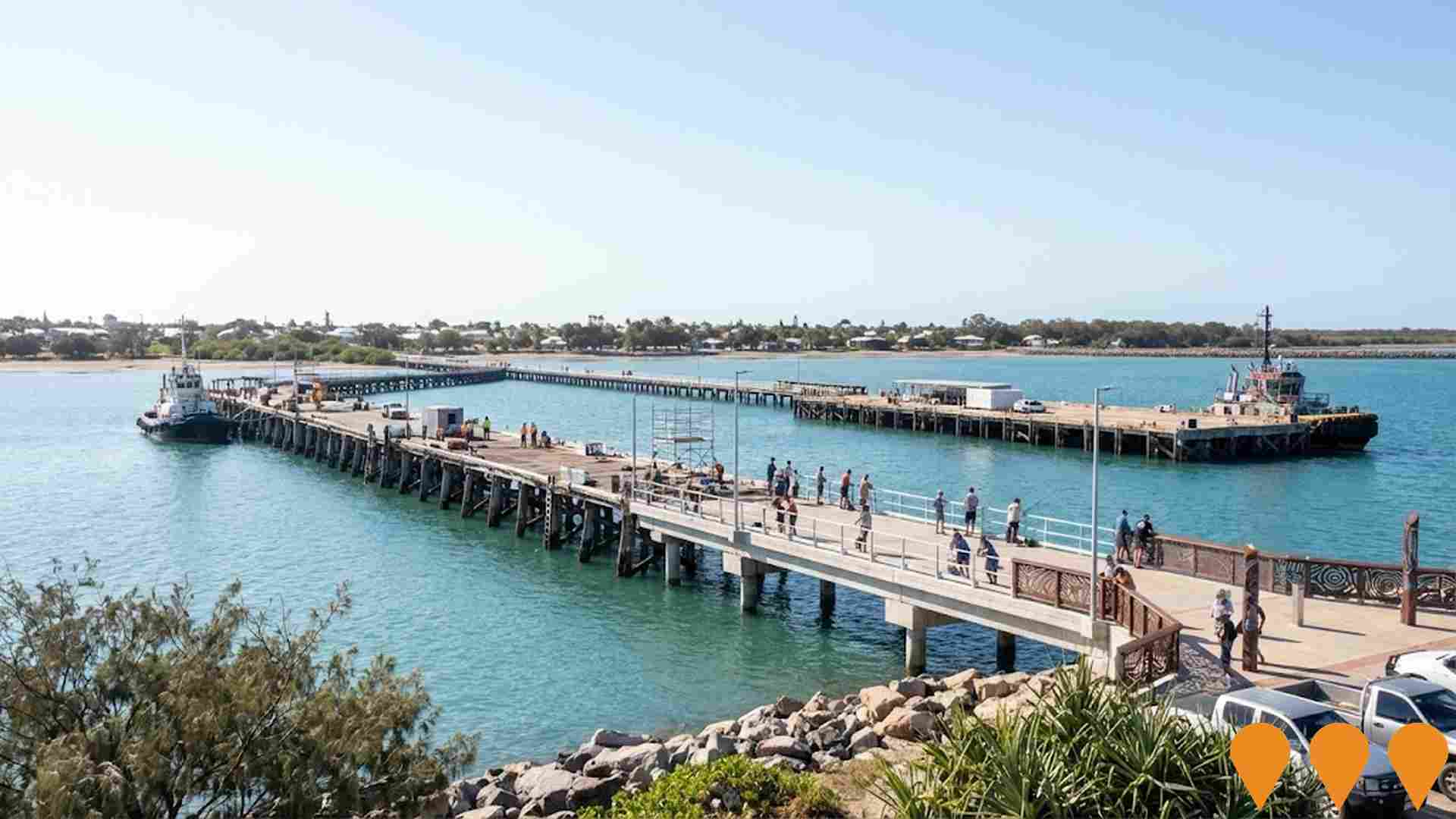
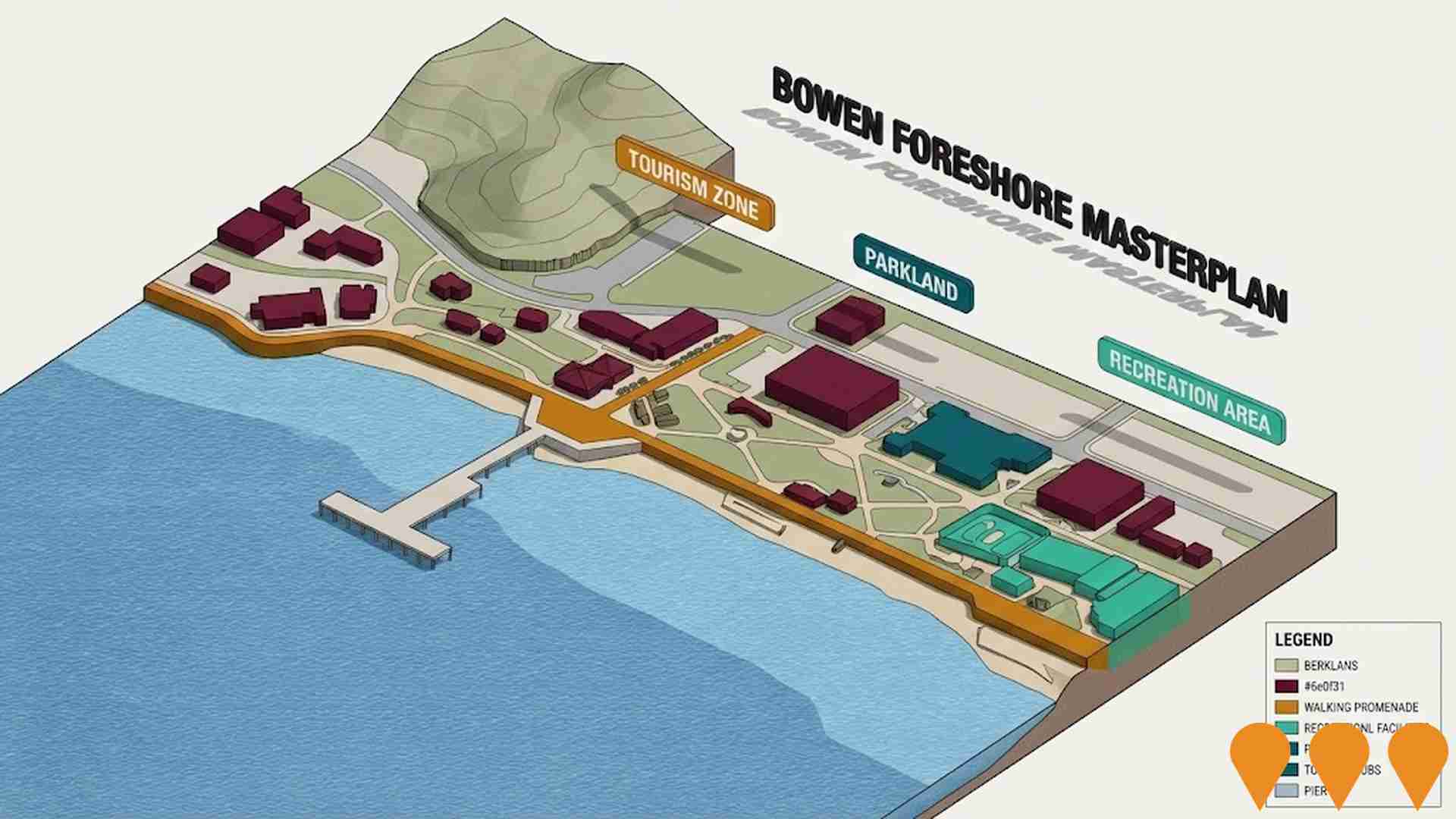
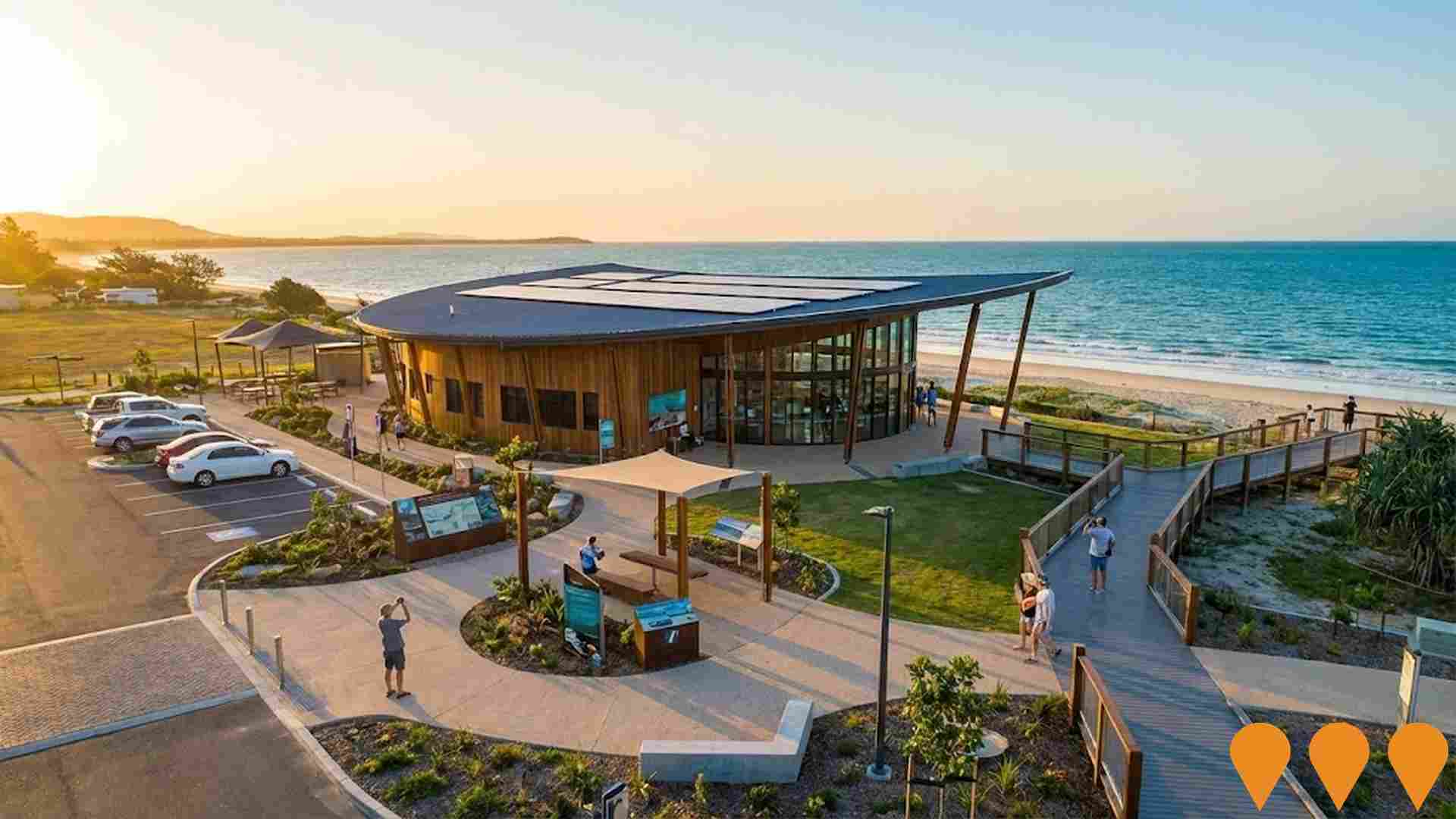
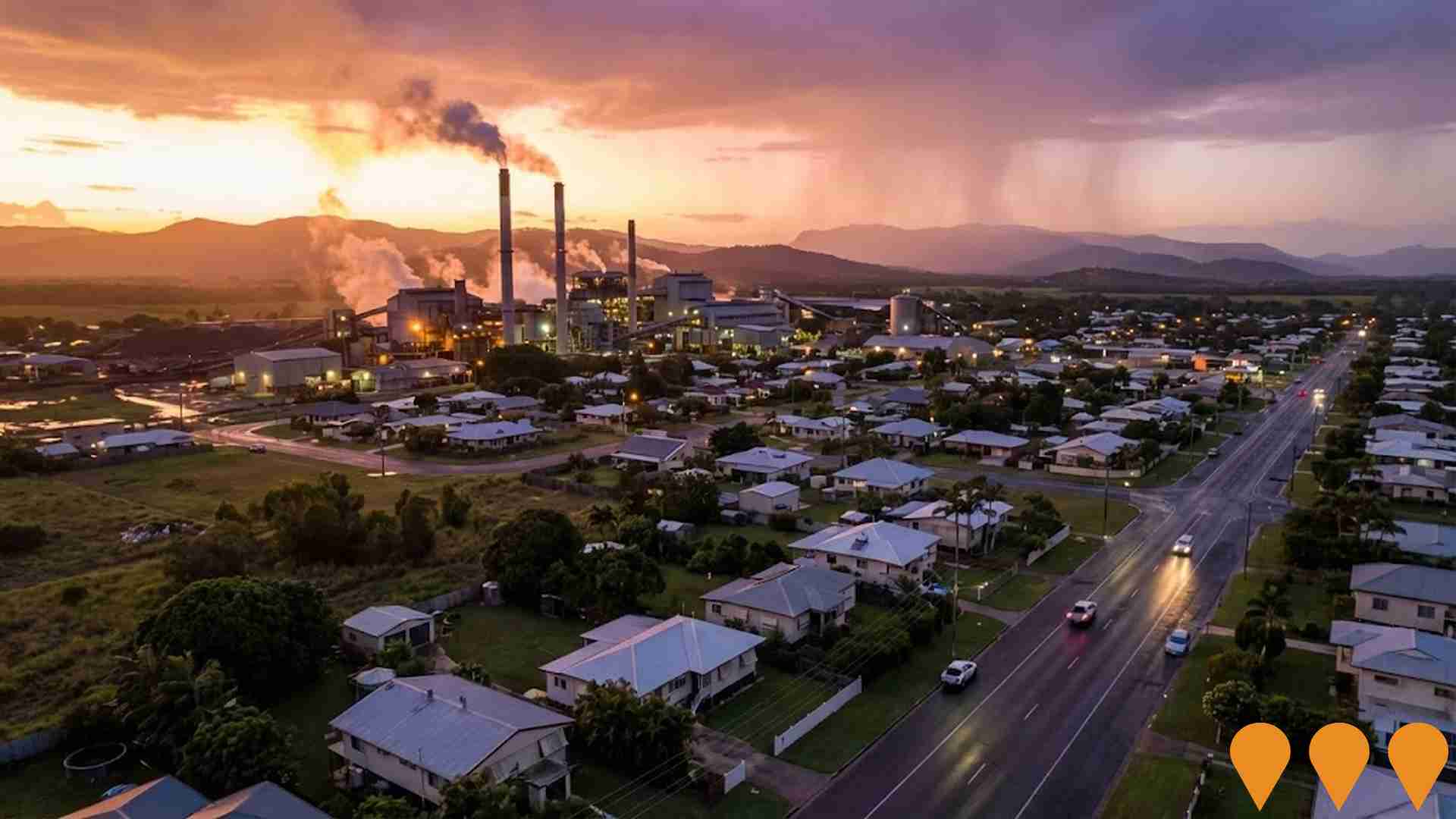
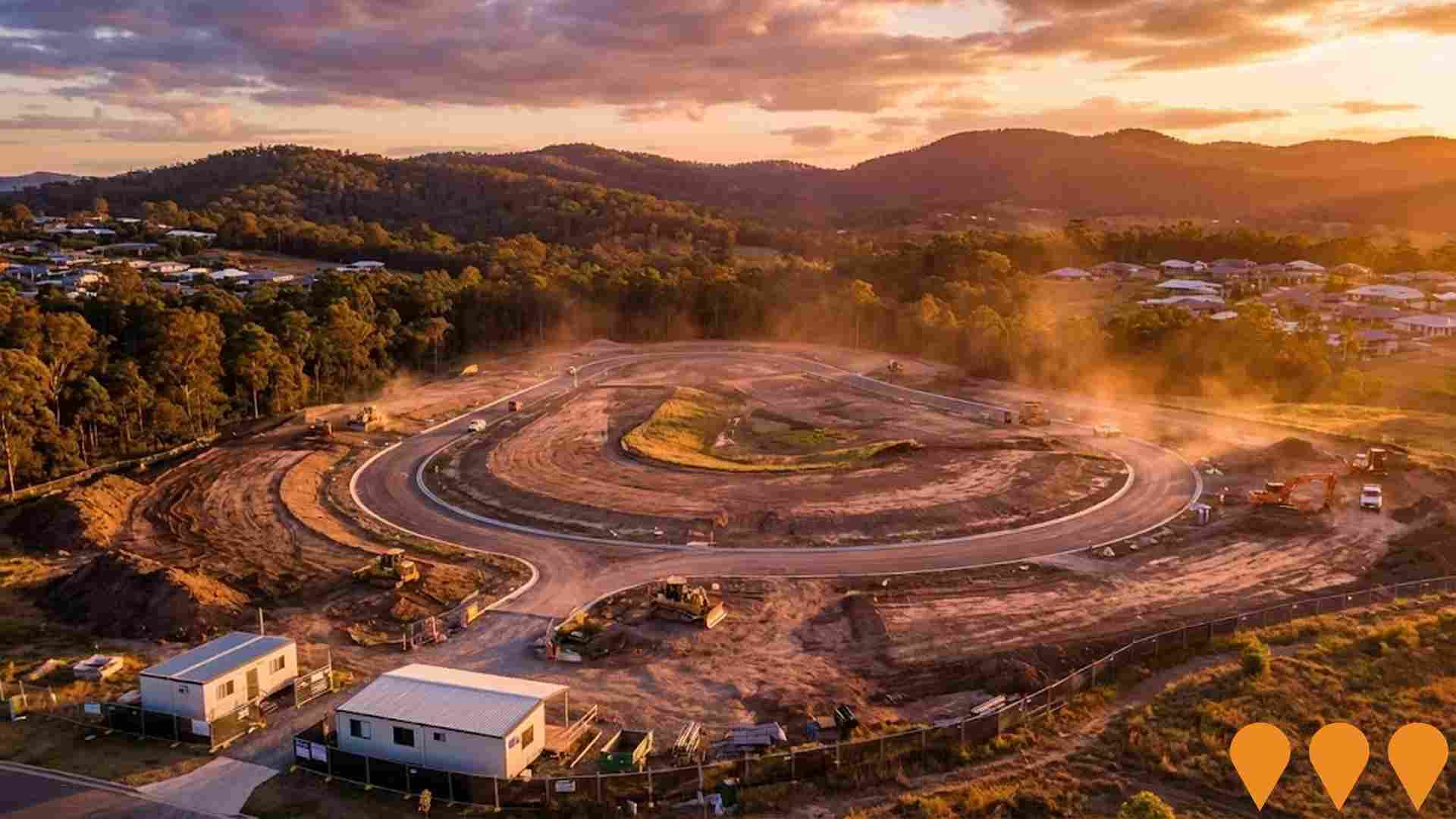
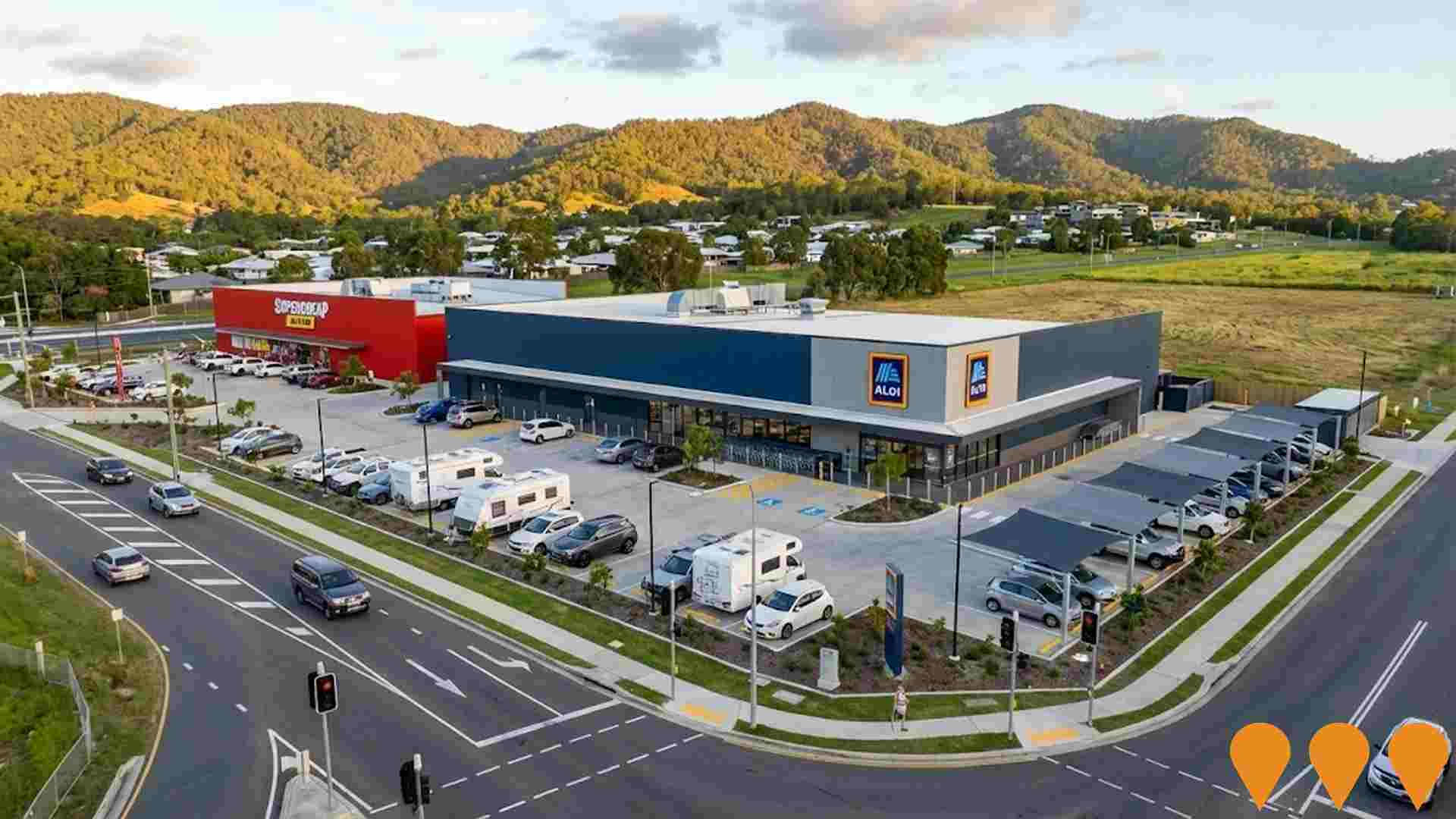
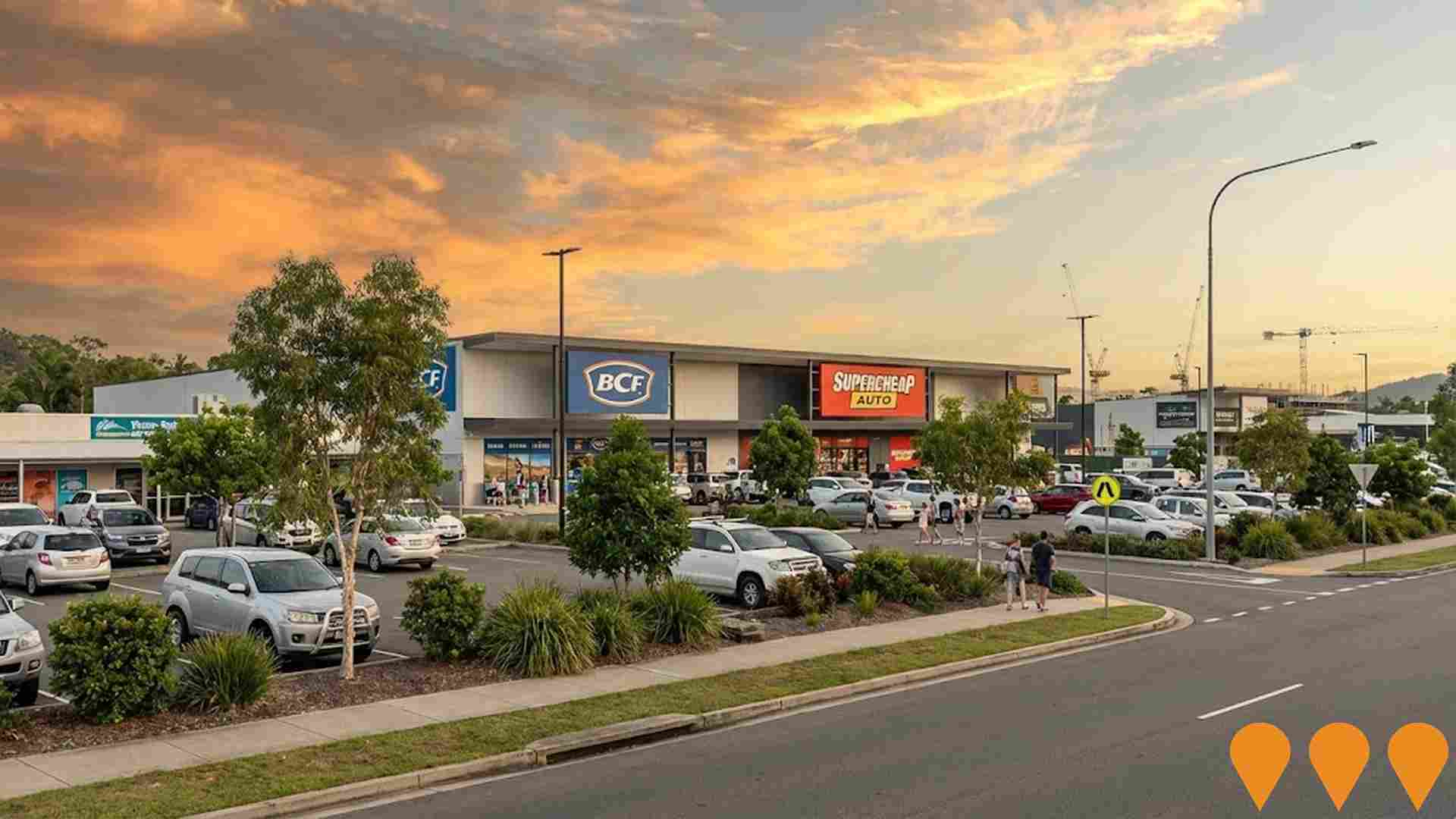
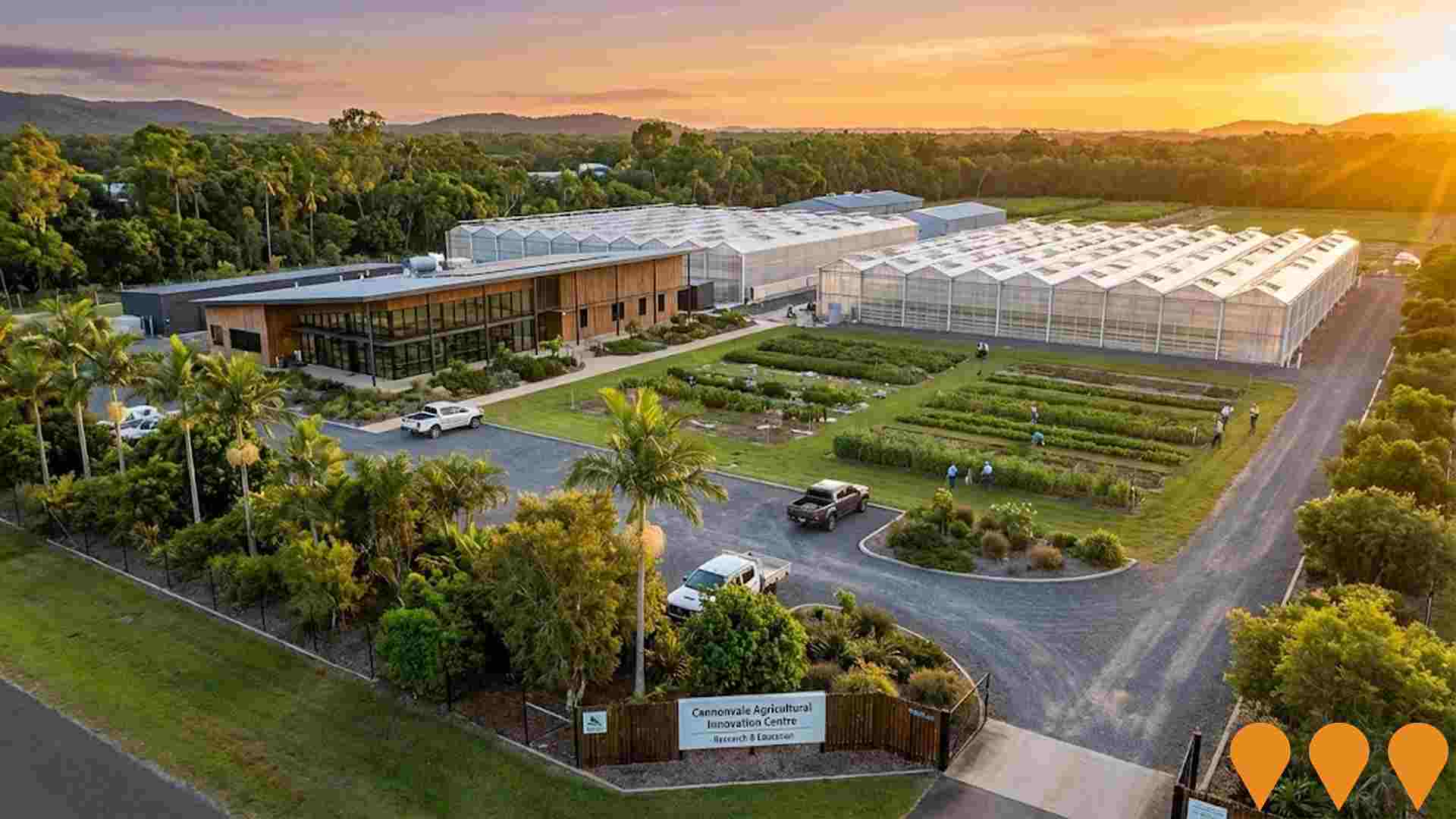
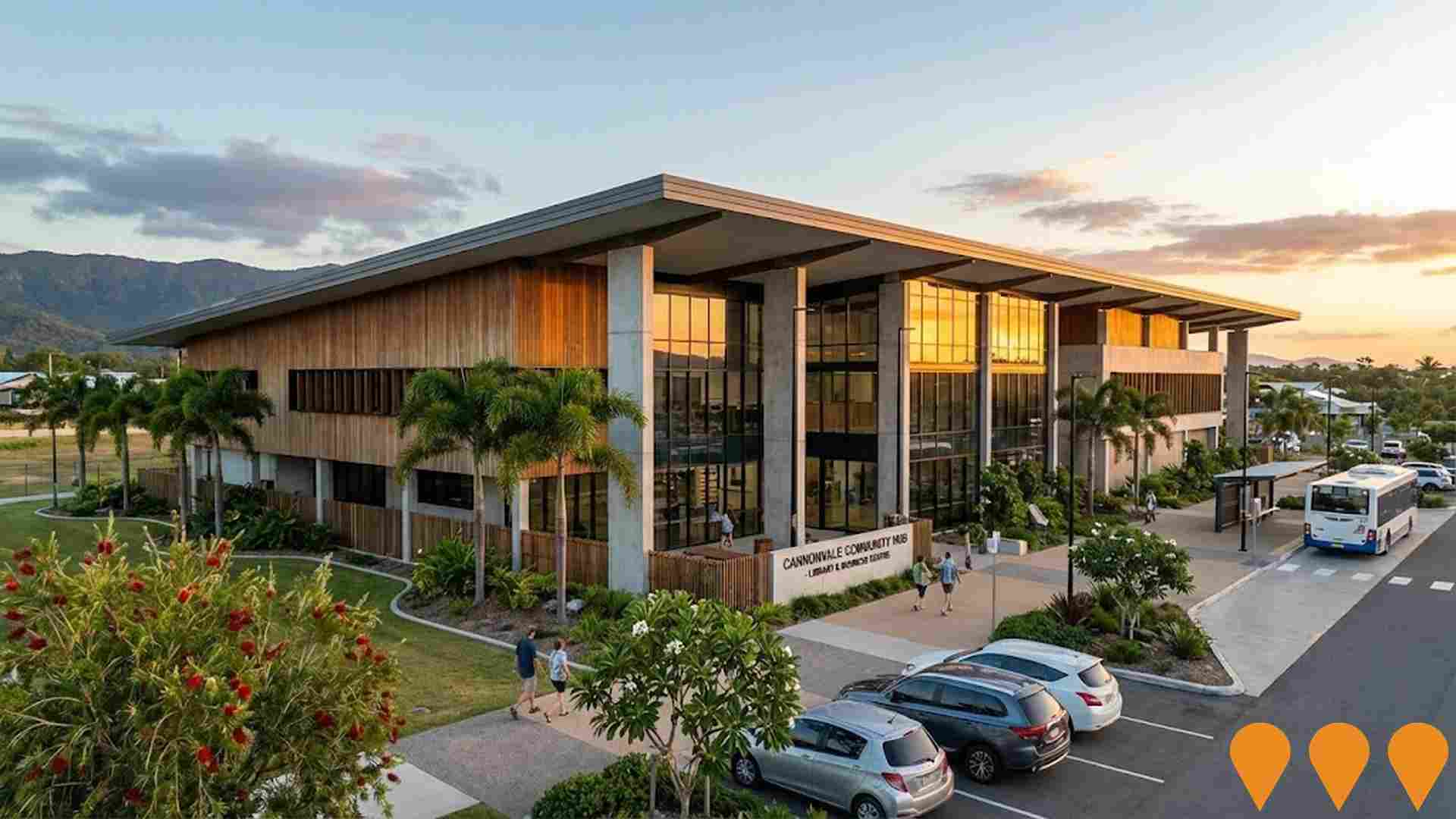
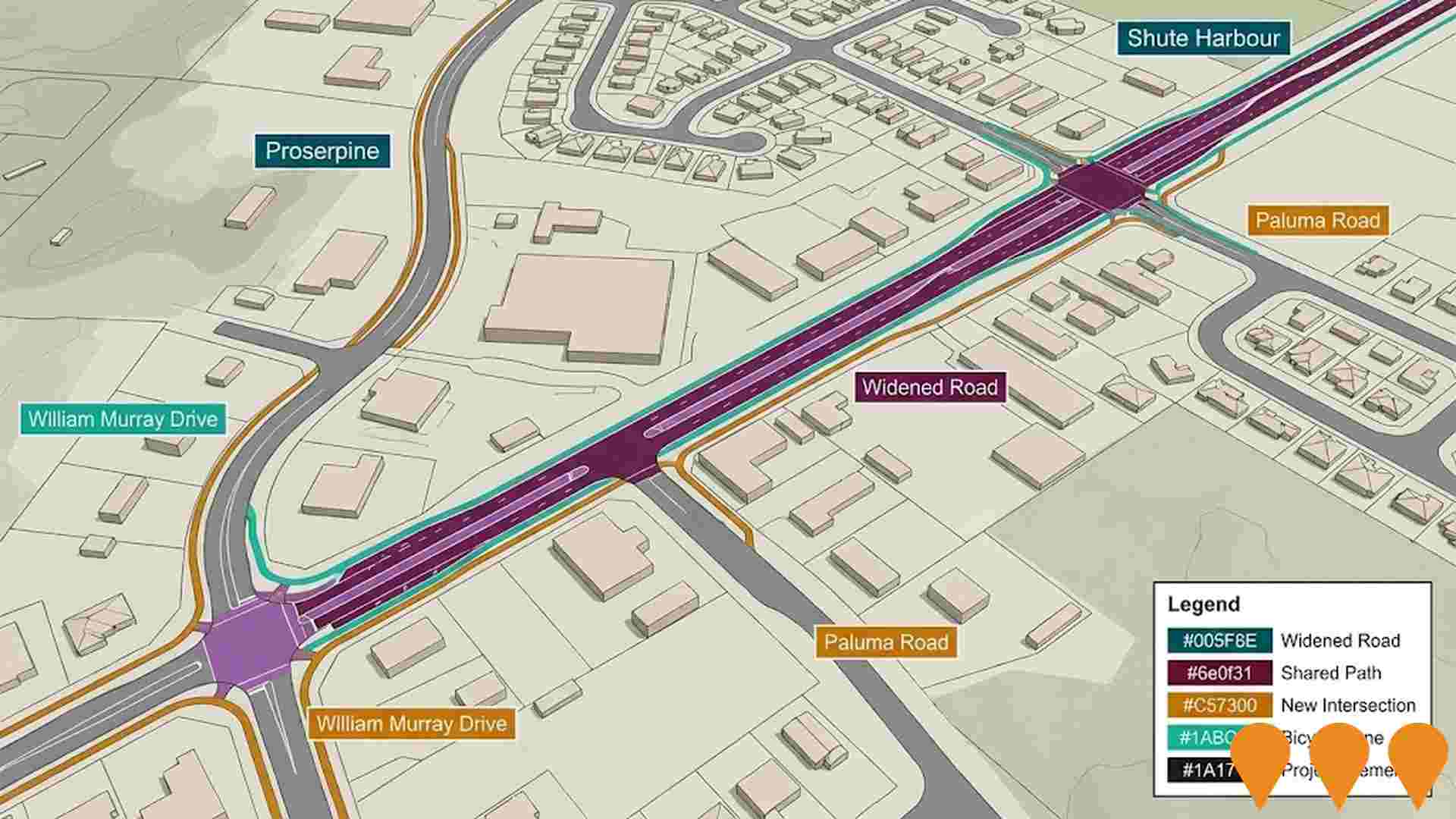
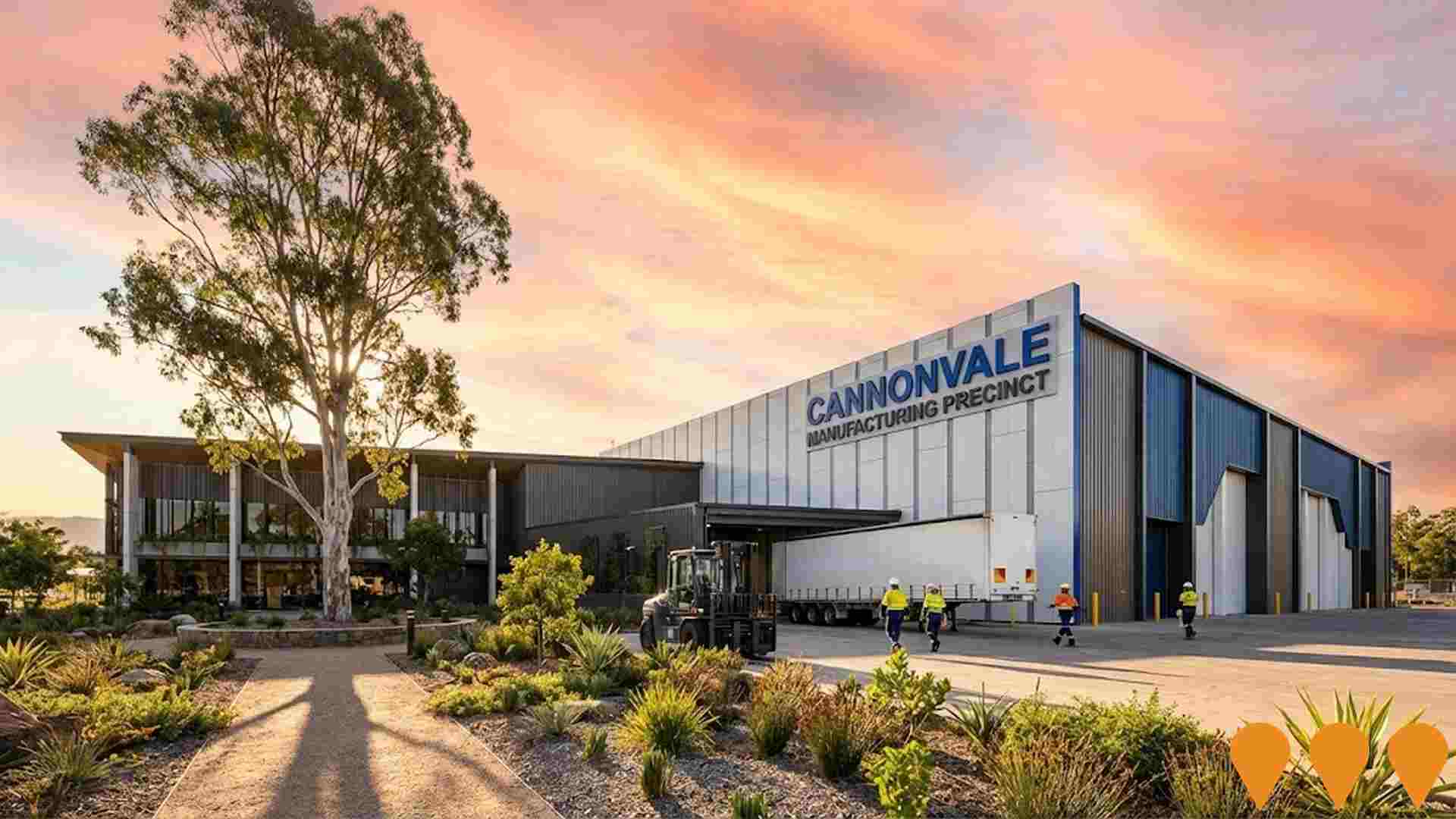
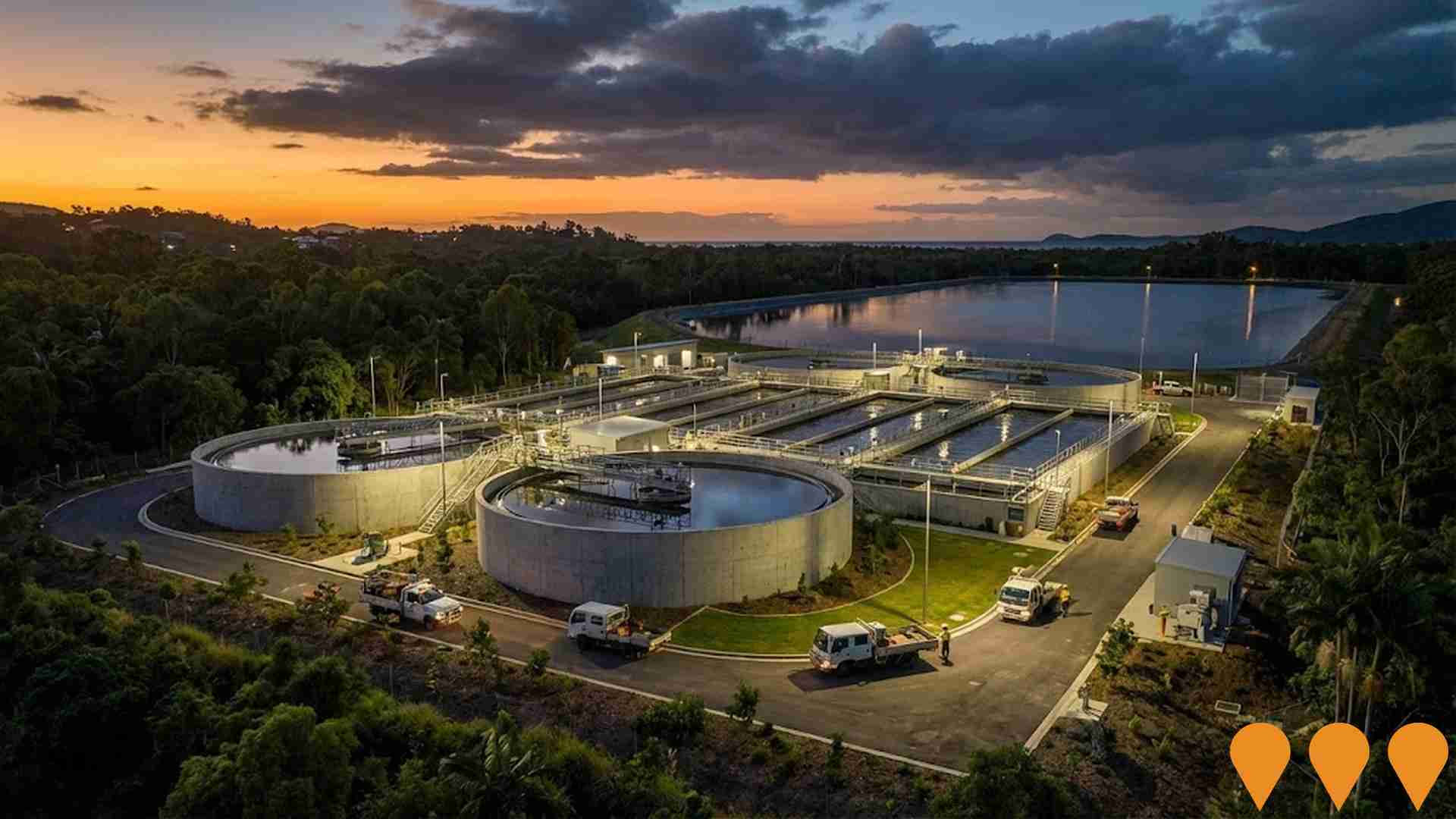
 Denotes AI-based impression for illustrative purposes only, not to be taken as definitive under any circumstances. Please follow links and conduct other investigations from the project's source for actual imagery. Developers and project owners wishing us to use original imagery please Contact Us and we will do so.
Frequently Asked Questions - Infrastructure
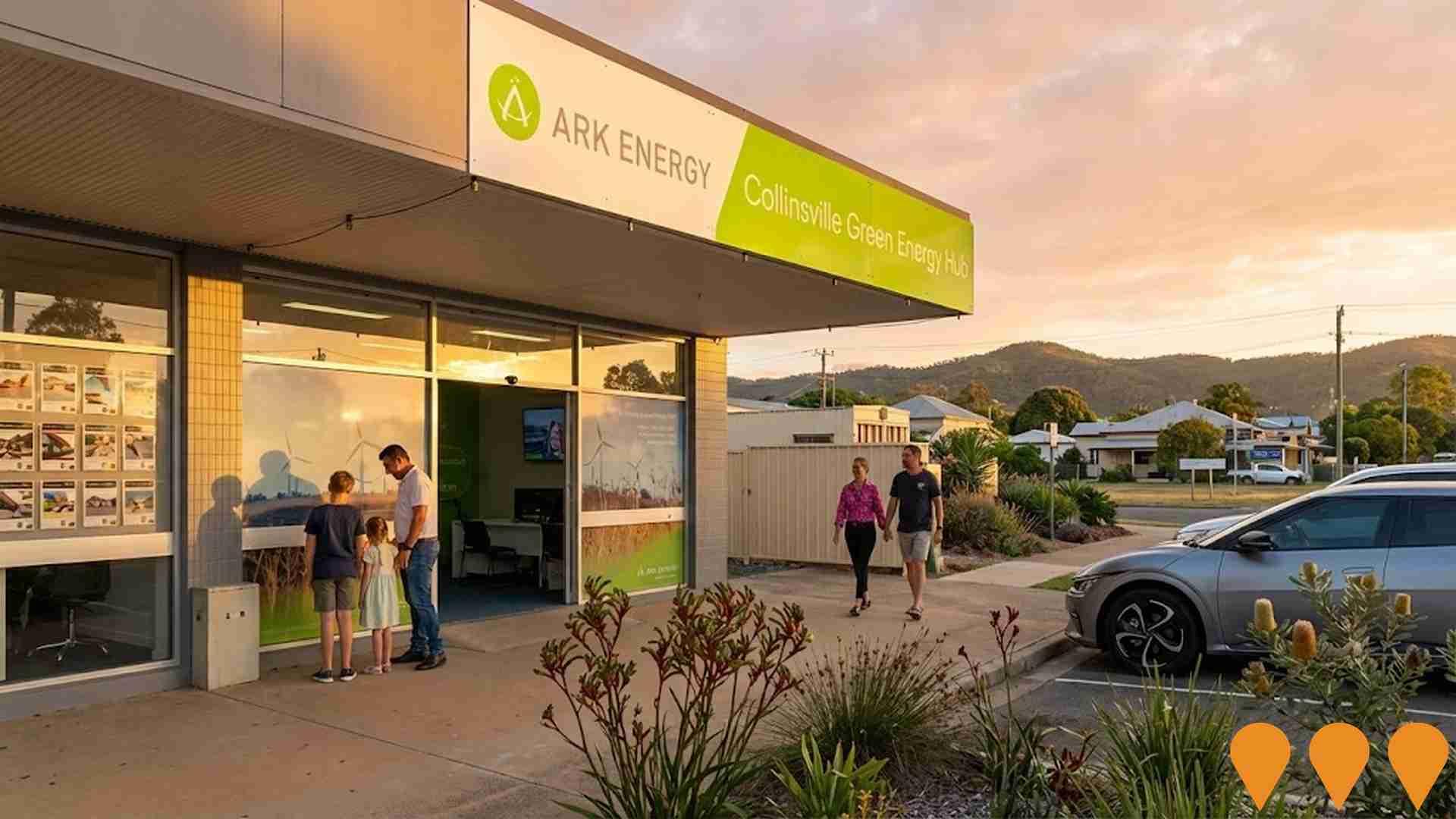
Collinsville Green Energy Hub
The Collinsville Green Energy Hub is a massive renewable energy project located north-west of Collinsville in the Northern Queensland Renewable Energy Zone. The hub is designed to produce up to 3,000 MW of power using approx. 268 wind turbines, large-scale solar PV, and battery energy storage (BESS). As of early 2026, the project remains in the planning and community engagement phase, with ongoing environmental studies and social impact assessments to support the development application.
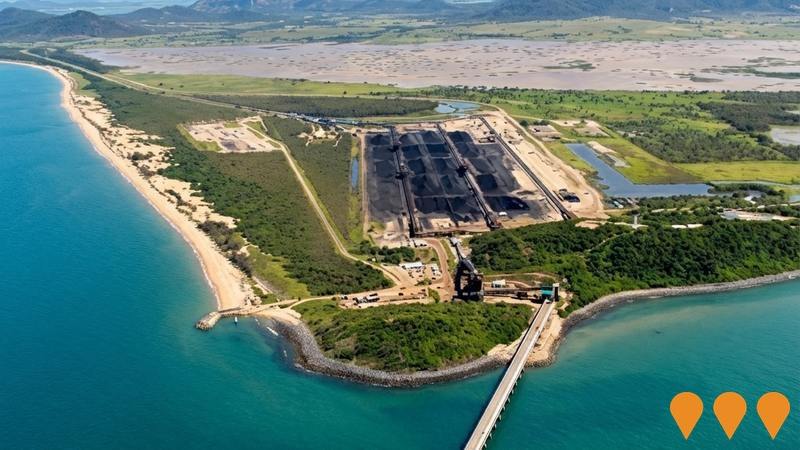
HyNQ North Queensland Clean Energy Project
HyNQ is a large-scale integrated green hydrogen and ammonia export project within the Abbot Point State Development Area near Bowen[cite: 1]. The facility includes over 1 GW of electrolyser capacity powered by approximately 2 GW of behind-the-meter solar and wind generation, targeting 500,000 tonnes per annum of green ammonia[cite: 1]. Led by Energy Estate alongside CS Energy, Idemitsu Australia, and IHI Corporation, the project reached Pre-FEED completion and targets a Final Investment Decision to enable operations towards 2030[cite: 1].
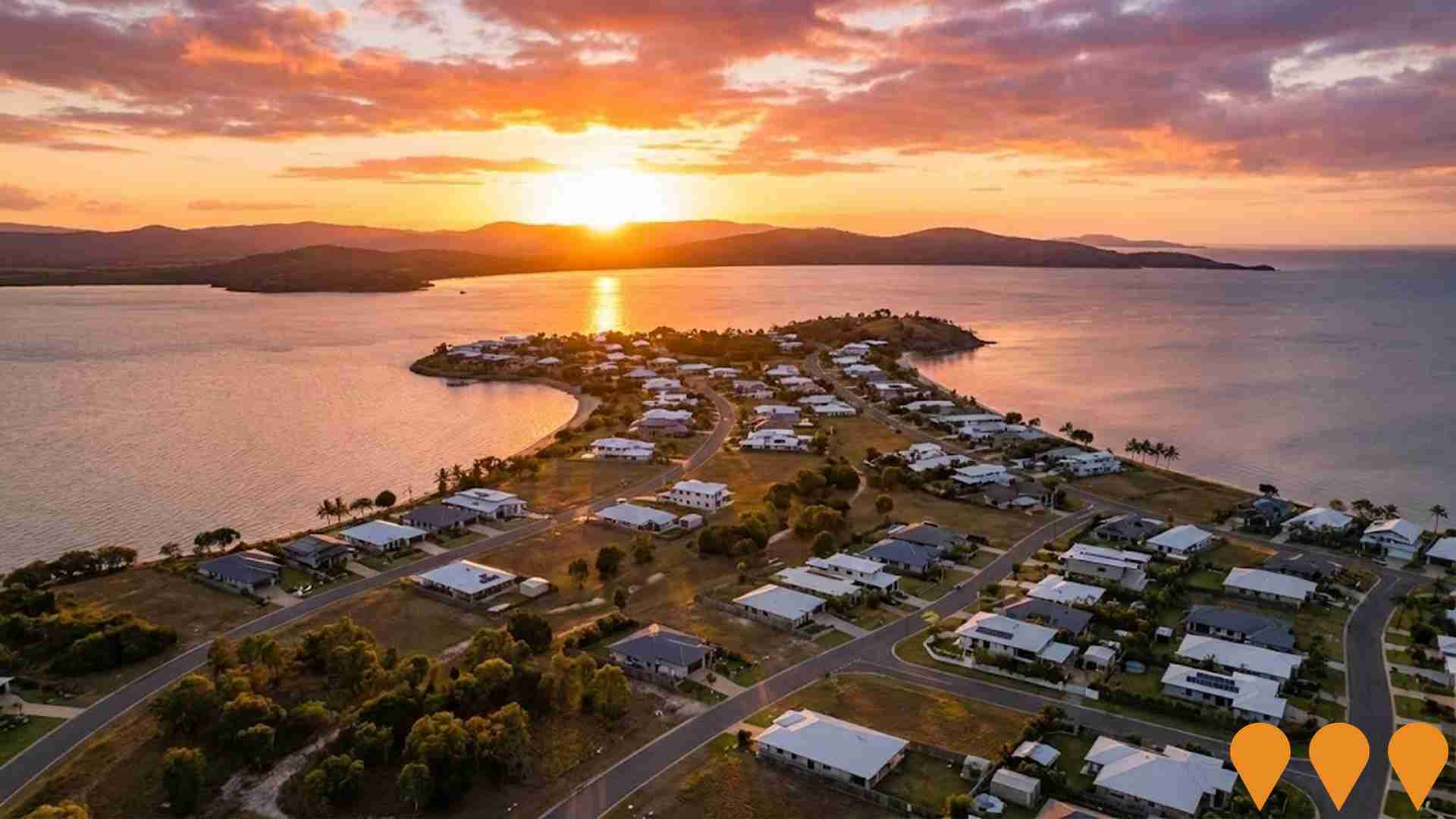
Whitsunday Paradise
Whitsunday Paradise is a 1.1 billion dollar master-planned coastal community in Bowen. This 20-year project will deliver 1,757 residential lots, a retirement village, a 150-room hotel, and a marina village with retail and commercial precincts. The development features an AFL-standard sports complex and extensive parklands. As of early 2026, the project is advancing through critical enabling works, with tenders for the state-funded 33 million dollar Build Bowen South Utilities project, including the new Sewage Pump Station J, closing in March 2026 to unlock further housing stages.
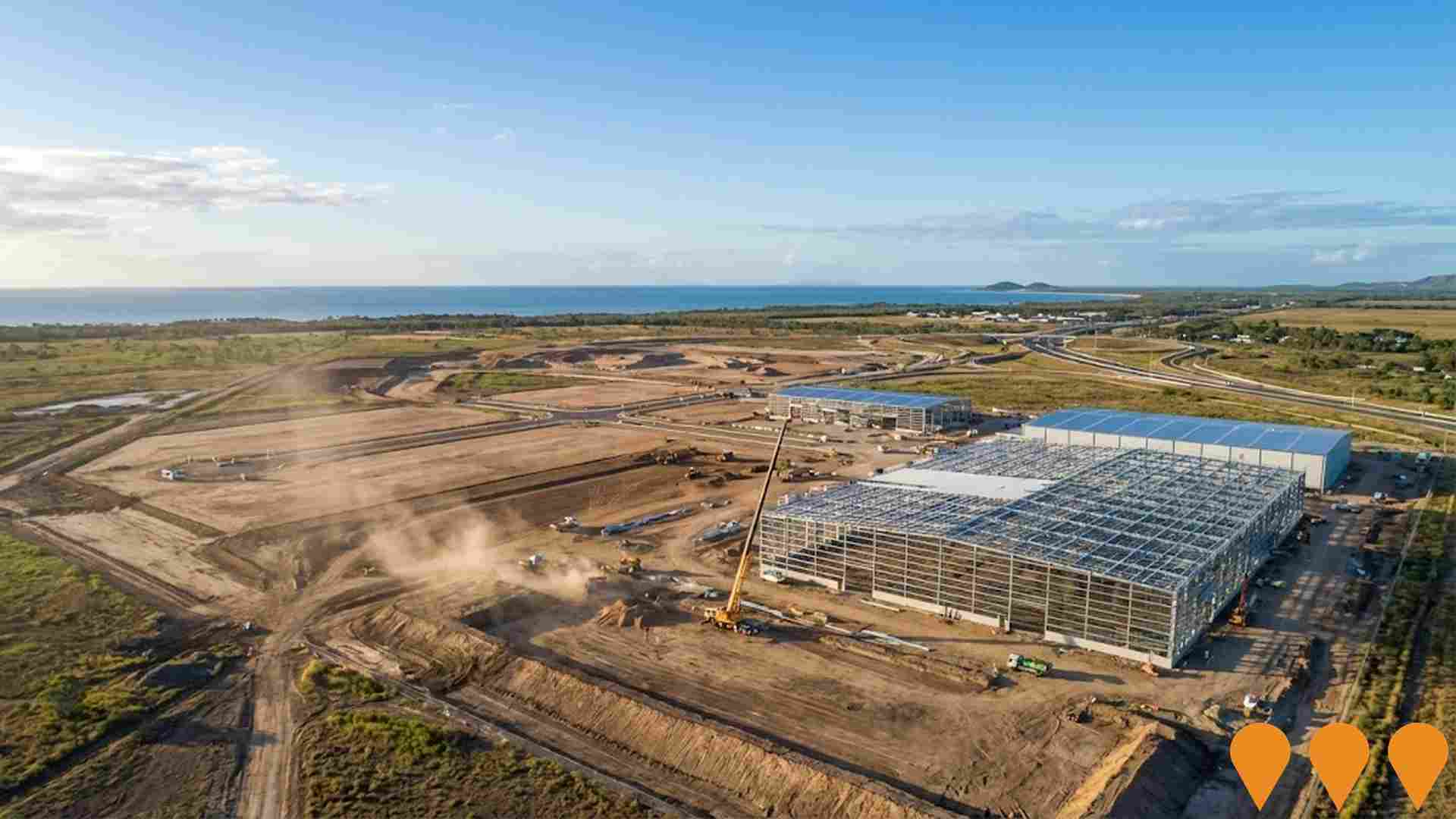
Bowen Industrial Estate
Economic Development Queensland's Bowen Industrial Estate provides industrial land for sale and lease between Townsville and Mackay, about 30 km south of Abbot Point. Current marketed opportunities include Lot 11 on West Street, Bowen, with 17.38 hectares and land options from 2,000 sqm, and Lot 3 on Myles Street, Merinda, with 1.64 hectares. The estate offers large undeveloped parcels with access to the Bruce Highway and proximity to Abbot Point Port and the Salisbury Plains Industrial Precinct, supporting regional industrial, logistics, agribusiness, resources and renewable energy activity.
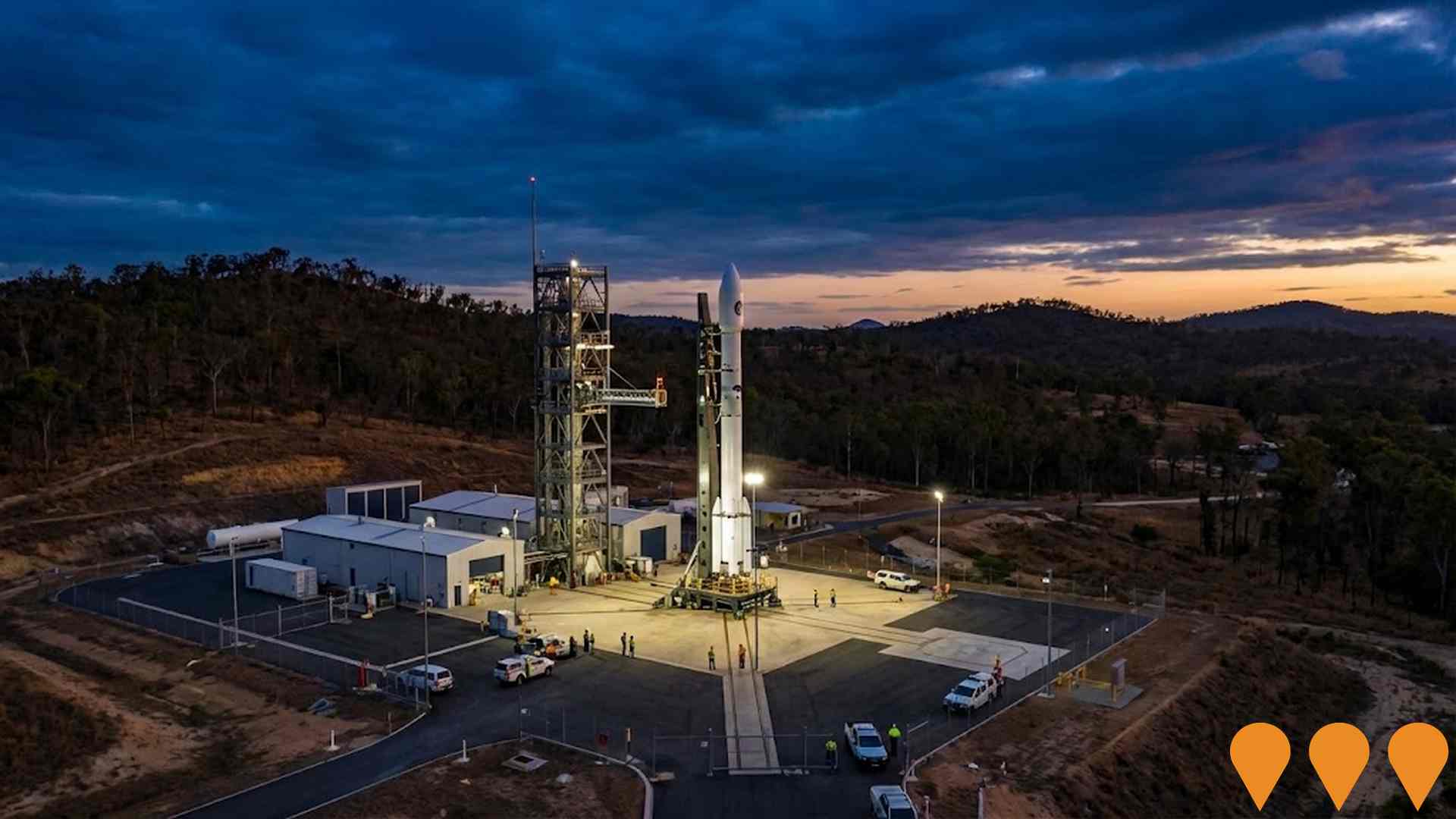
Bowen Orbital Spaceport
Australia's first commercial orbital launch facility, developed and operated by Gilmour Space Technologies. The spaceport was granted Australia's first orbital launch facility licence in March 2024 and was the launch site for the maiden test flight of the Australian-designed and built Eris rocket in July 2025. This test successfully validated the key launch systems, propulsion technology, and infrastructure, marking a major milestone for Australia's sovereign launch capability.
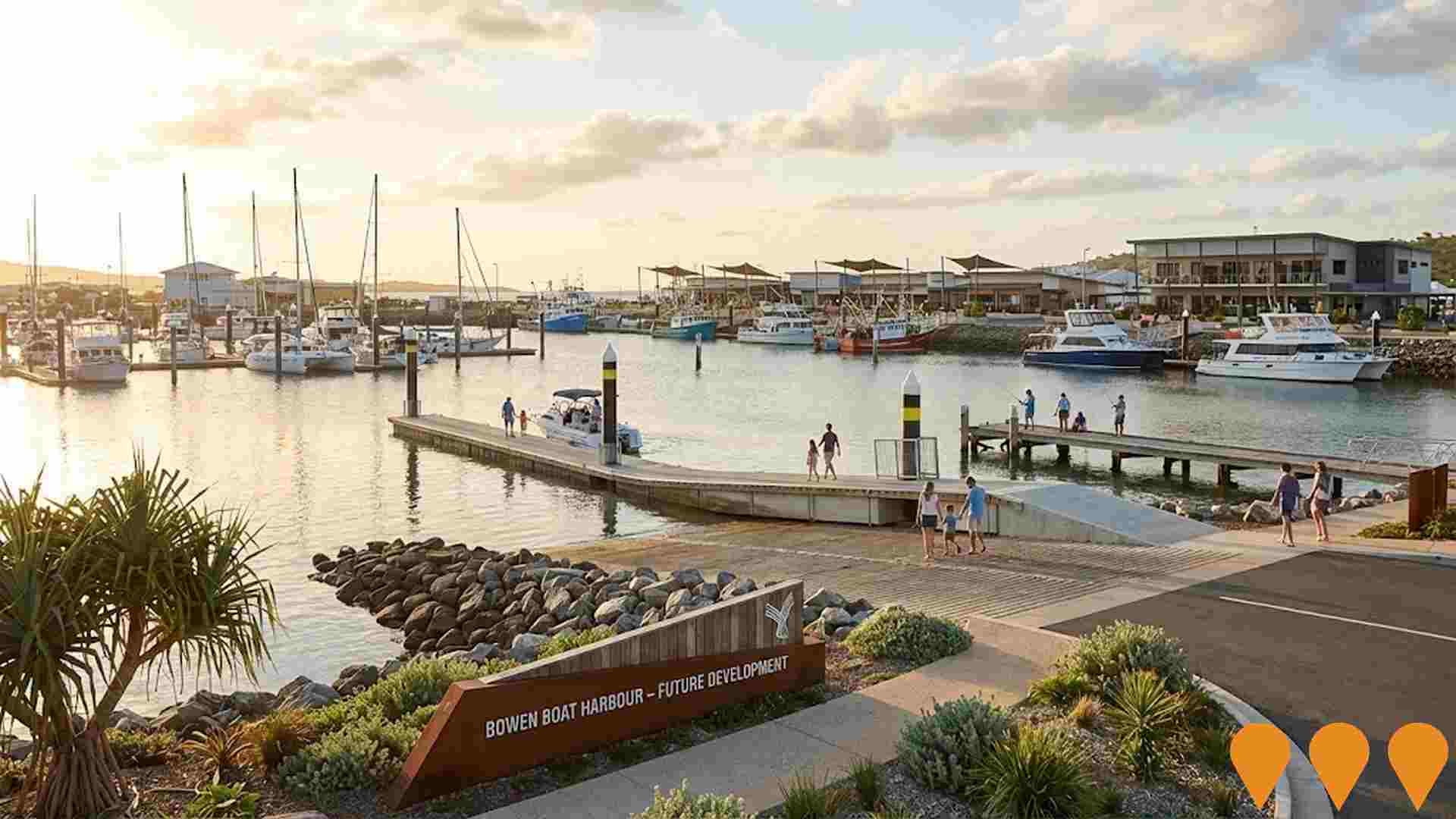
Bowen State Boat Harbour Master Plan
Development of a long-term strategic master plan for the Bowen State Boat Harbour to guide future infrastructure investment and redevelopment. The plan focuses on enhancing the harbour's role as a key maritime hub for recreational and commercial vessels, tourism, and local industry. It is being developed in collaboration with the Whitsunday Regional Council to align with the broader Bowen Foreshore Masterplan and the $68 million Bowen Wharf replacement project.
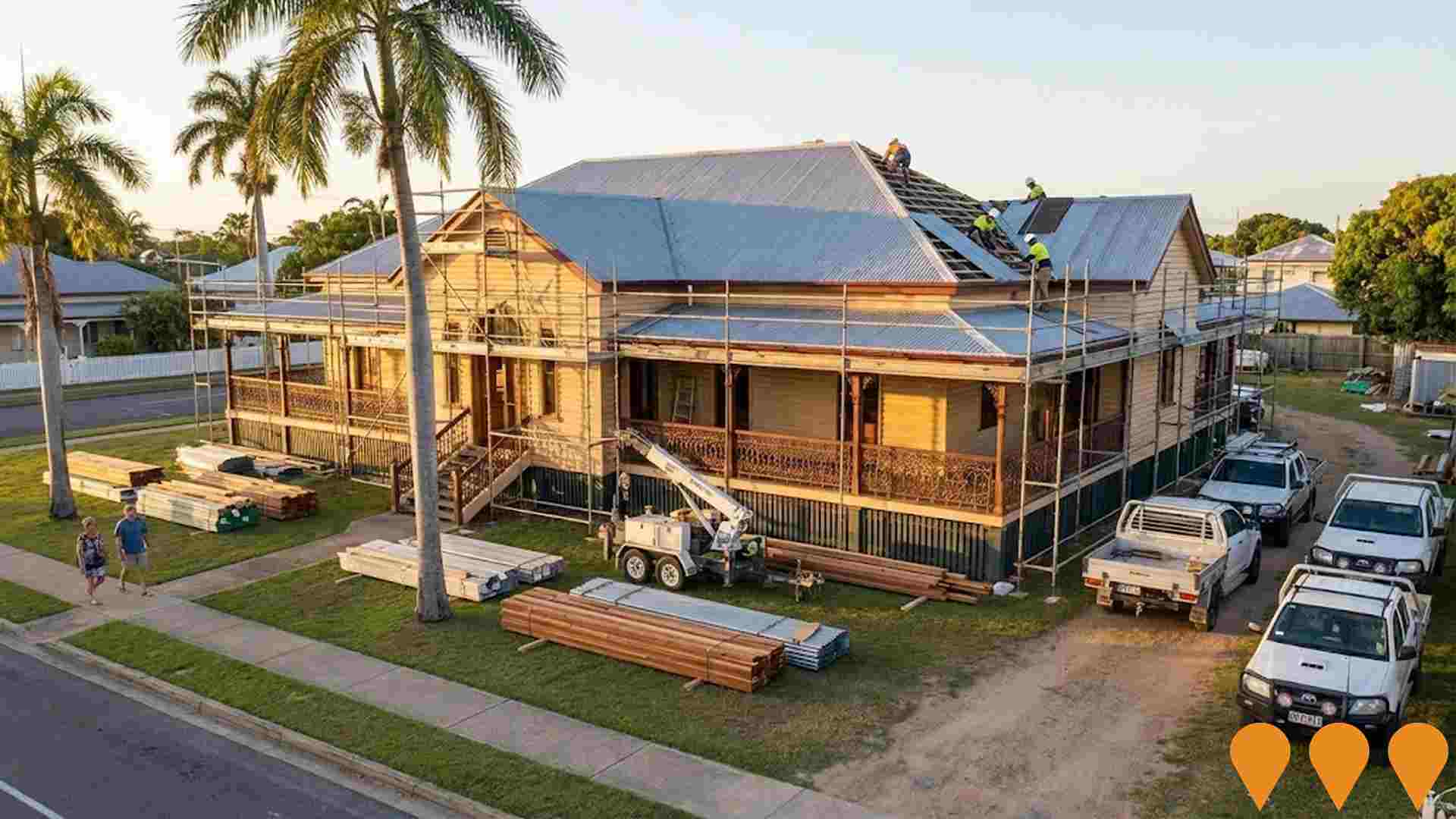
Bowen Courthouse Restoration
Restoration of the heritage-listed Bowen Courthouse to address major structural deterioration including termite and moisture damage. Works include structural repairs, restoration of floors, walls, stairs, verandas and ceilings, replacement of the roof, gutters, downpipes and stormwater systems, accessibility improvements and continued preservation of one of Queensland's oldest courthouses. Construction commenced following the temporary closure and relocation of court services in June 2026.
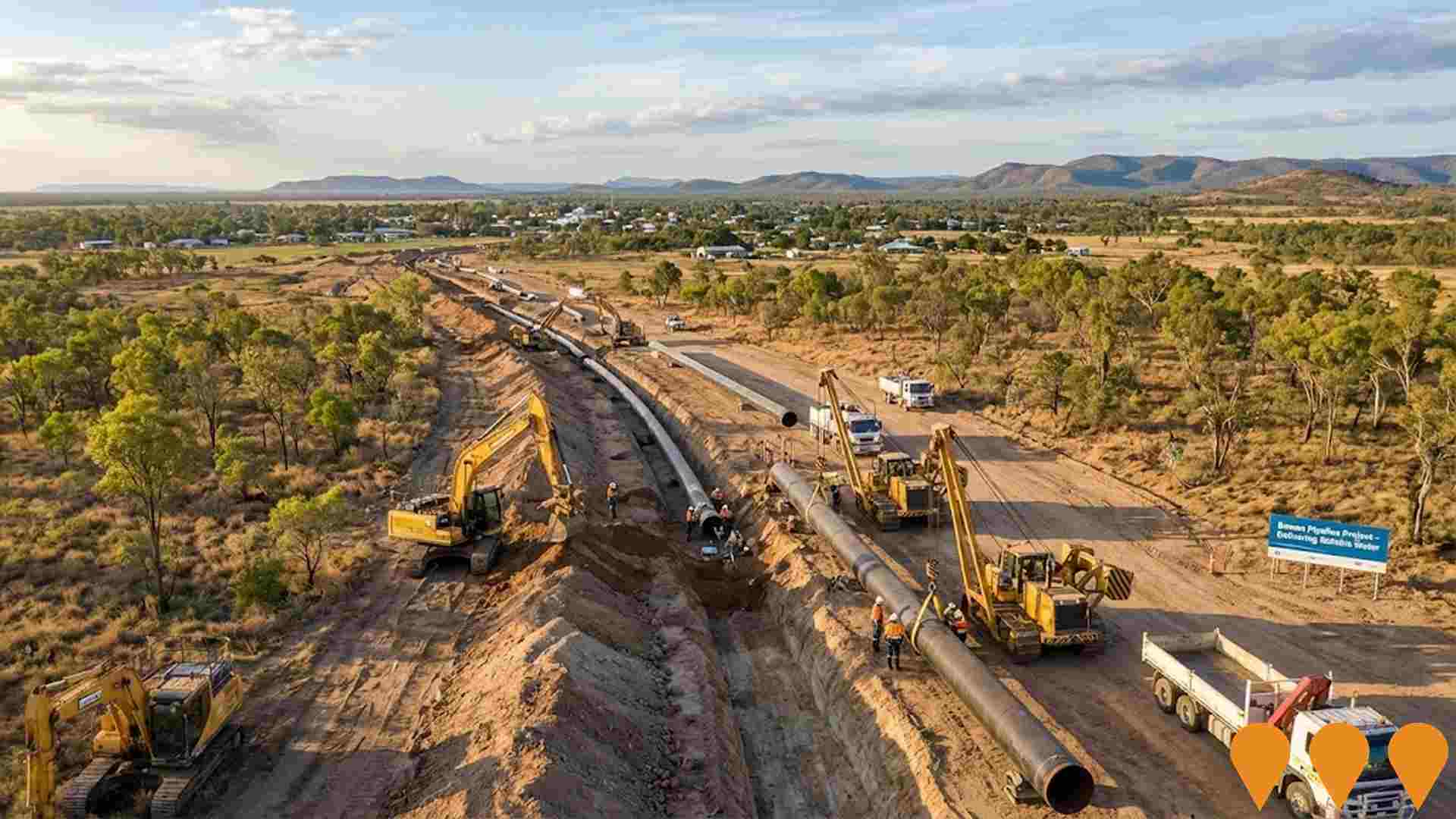
Bowen Pipeline Project
A 182 km underground water pipeline project designed to deliver 100,000 ML of water annually from the Burdekin River to the Bowen and Collinsville regions. The project utilizes high-density polyethylene (HDPE) technology and solar power to reduce transport emissions. It aims to support the Abbot Point State Development Area, local agriculture, and emerging green energy industries. Notably, the project features an equity partnership with the Juru and Bindal Traditional Owners and is currently in the final stages of Federal and State Government assessment.
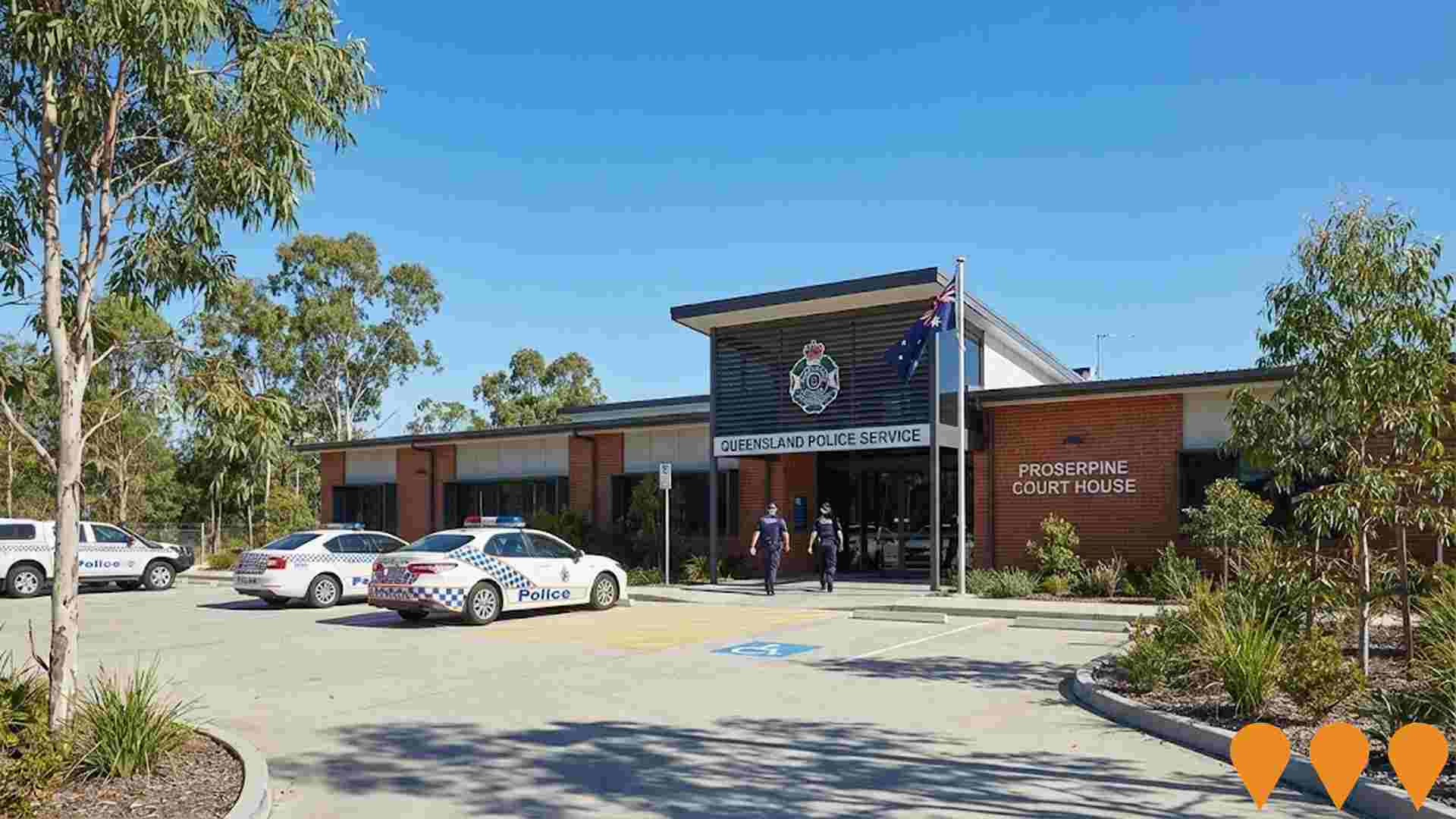
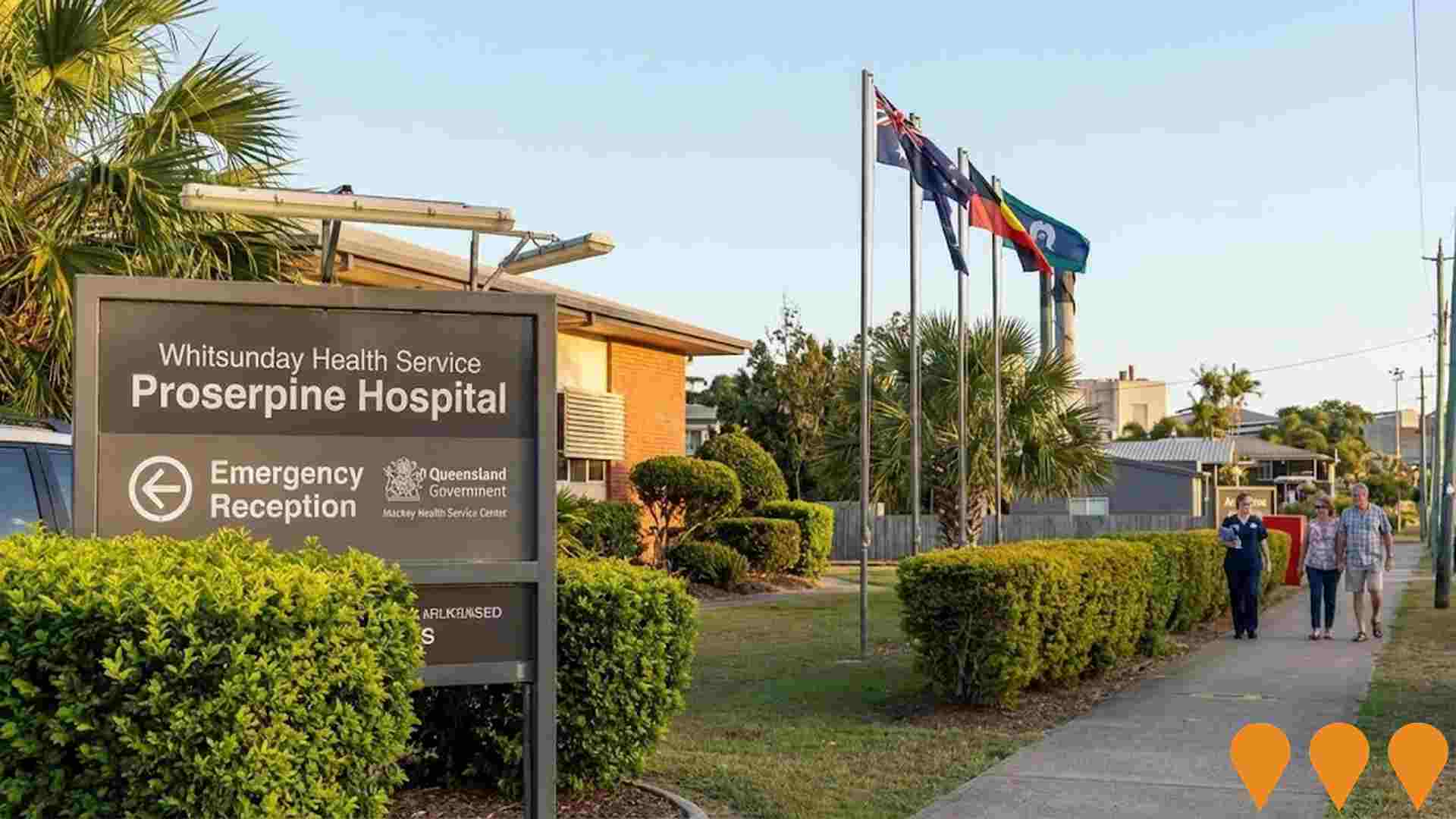
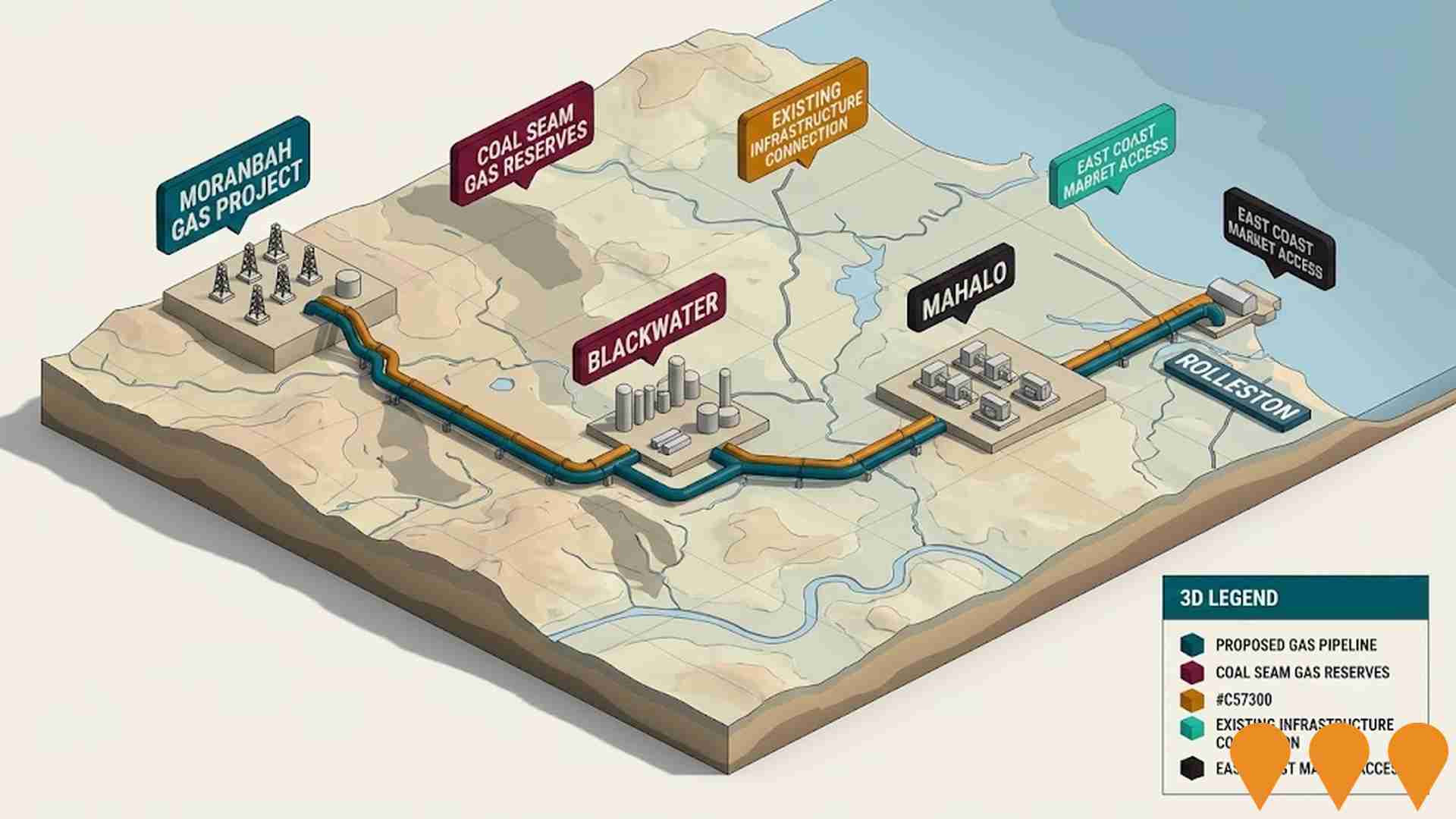
689 residents of Collinsville (Qld) are employed, from a labour force of 758. Unemployment sits at 9.1%, with participation at 61.1%. Weighted for its industry mix, the area's sectors are forecast to grow about 4.8% nationally over five years. That reflects industry composition only and makes no allowance for local population growth. The working-day population is estimated at 1,146, about 76% of the resident population, so more people leave the area for work than travel in. Unemployment and labour force come from ABS Small Area Labour Markets, updated quarterly; the industry and occupation profile is from the 2021 Census.
Detail
Collinsville features a balanced split between white-collar and blue-collar workers, with a strong presence in manufacturing and industrial operations, an unemployment rate of 9.1%, and steady employment levels over the last year, based on statistical area data compiled by AreaSearch. In March 2026, there were 689 working residents, with the unemployment rate sitting 5.2% higher than the Regional Qld rate of 3.9%, showing scope for improvement, while workforce participation is slightly low at 61.1% compared to 64.3% in Regional Qld. Census records show only a minor 2.9% of residents working from home, though this figure was likely influenced by Covid-19 restrictions.
The local workforce is largely employed in mining, education & training, and accommodation & food. The area exhibits a major concentration in mining, where the employment share is 9.0 times the regional average. In contrast, health care & social assistance has a minor presence at 8.0% of the workforce compared to 16.1% across the region. Local job opportunities appear limited, as seen when comparing the number of working residents to the Census working population. According to AreaSearch analysis of SALM and ABS data aggregated across broader statistical boundaries, the labour force expanded by 3.8% during the year ending March 2026, while employment shrank by 0.1%, resulting in a 3.8 percentage point increase in the unemployment rate. Over the same timeframe, Regional Qld saw employment rise by 0.1% and the labour force grow by 0.3%, with a 0.1 percentage point increase in unemployment. National employment projections from Jobs and Skills Australia dated May-25 offer additional context on future demand in Collinsville. These projections, spanning five and ten years, have been applied to the local workforce structure to model growth. Nationally, employment is projected to grow by 6.6% over five years and 13.7% over ten years, though rates vary greatly by sector. Applying these industry projections to the local workforce mix estimates that Collinsville employment will rise by 4.8% over five years and 11.3% over ten years, though this is a basic weighted extrapolation and does not adjust for local population forecasts.
Frequently Asked Questions - Employment
Median household income in Collinsville (Qld) is $1,271 a week (about $66,000 a year), with median personal income at $638 a week. ATO records put median taxable income at $44,721 a year against an average of $59,602. Household income is from the 2021 Census; taxable income is from ATO Taxation Statistics for the latest financial year available, indexed forward using the ABS Wage Price Index.
Detail
Collinsville residents have a median taxpayer income of $44,721 and an average of $59,602, based on the latest postcode-level ATO data compiled by AreaSearch for the 2023 financial year. These figures sit below national averages, and compare to a median of $53,146 and average of $66,593 in Regional Qld. Factoring in Wage Price Index growth of 11.36% since the 2023 financial year, current estimates point to a median of approximately $49,801 and an average of $66,373 as of March 2026. The 2021 Census reveals that household, family, and individual incomes in Collinsville lie between the 17th and 18th percentiles nationally.
Income distribution shows that the $1,500 - 2,999 weekly bracket accounts for 25.8% of the population (387 individuals), which is close to the wider region where 31.7% fall into this range. Home occupancy costs are low, leaving residents with 90.2% of their income, yet total disposable income remains in the 26th percentile nationally.
Frequently Asked Questions - Income
Collinsville (Qld) had 550 occupied dwellings at the 2021 Census, 93% detached houses and 3% apartments. 19% are owned with a mortgage, 39% rented and 43% owned outright. At that Census the median rent was $200 a week and the median mortgage repayment $1,083 a month. Rent absorbs 15.7% of household income here and mortgage repayments 19.7%. Dwelling stock, tenure and housing costs are 2021 Census measures — the only source that counts dwellings at this boundary size.
Detail
The housing stock in Collinsville at the time of the latest Census consisted of 92.9% standalone houses and 7.1% alternative dwellings like apartments or semi-detached properties, whereas Regional Qld recorded 76.4% houses and 23.6% other options. Home ownership rates in Collinsville were higher than the regional average, standing at 42.7%, with the remaining properties being mortgaged (18.7%) or rented (38.7%). The median monthly mortgage payment was $1,083, which is much lower than the Regional Qld average of $1,655, while the median weekly rent was $200 compared to the regional figure of $345.
On a national level, Collinsville mortgage costs are far below the Australian average of $1,863, and rents are similarly lower than the national average of $375.
Frequently Asked Questions - Housing
Collinsville (Qld) counted 550 households at the 2021 Census, averaging 2.2 people each. 23% are couples with children, fewer than in 79% of areas nationally, against 29% couples without children. 35% of households are people living alone, and families average 1.9 children. Household and family composition is measured only by the Census, so these are 2021 figures.
Detail
Families make up the majority of households at 63.6%, consisting of couples with children (22.6%), couples without children (29.1%), and single-parent homes (10.1%). Non-family households represent the remaining 36.4%, comprising single-person households at 35.3% and group housing at 1.6%. The median household size of 2.2 residents is smaller than the Regional Qld average of 2.5.
Frequently Asked Questions - Households
10.4% of adults in Collinsville (Qld) hold a university qualification, including 8.2% with a bachelor degree and 1.8% with postgraduate qualifications, lower than 95% of areas nationally. A further 39.7% hold a vocational qualification. 3 schools serve the area, with 265 enrolment places and an average ICSEA of 893 against a national benchmark of 1,000. Qualifications come from the 2021 Census; school enrolments, ICSEA and results come from ACARA's current release.
Detail
The local community experiences low tertiary attainment, with university graduation rates at 10.4%, which is far below the national average of 30.4%. This highlights a clear gap and an opportunity for targeted educational programs. Among university graduates, bachelor degrees are the most common at 8.2%, followed by postgraduate qualifications at 1.8% and graduate diplomas at 0.4%. Vocational skills are highly prevalent, with 45.8% of residents aged 15+ holding trade credentials, consisting of advanced diplomas (6.1%) and certificates (39.7%). Participation in study is high, with 30.5% of the population enrolled in education.
This comprises 15.2% in primary schooling, 8.3% in secondary school, and 1.3% undertaking tertiary studies.
Frequently Asked Questions - Education
Schools Detail
Getting around Collinsville (Qld) means driving: households keep an average of 1.3 vehicles, and no scheduled public transport appears in the current timetable feeds. Service data is built from operators' published GTFS timetables; vehicle ownership is from the 2021 Census.
Frequently Asked Questions - Transport
Transport Stops Detail
65.2% of residents in Collinsville (Qld) report no long-term health condition, a less healthy profile than 87% of areas nationally. 4.7% need daily assistance with core activities, and 50.8% hold private health cover. The standardised death rate runs at 7.0 per 1,000 residents. Health conditions, assistance needs and insurance are 2021 Census measures; the death rate comes from current ABS releases.
Detail
Local health statistics show notable difficulties in Collinsville, according to AreaSearch analysis of death rates and chronic illness rates. Illnesses are prominent across both younger and older cohorts, and the rate of private health insurance is low, covering around 51% of residents (~762 people). The most prevalent health issues in the community are arthritis and mental health conditions, affecting 10.5% and 7.5% of the population, respectively. Meanwhile, 65.2% of residents reported having no long-term health conditions, compared to 67.6% across Regional Qld. Chronic disease rates are elevated among the working-age population.
The area has 21.5% of its population aged 65 and over (322 people), which is slightly higher than the Regional Qld average of 20.4%. Health profiles for these older residents show some challenges, with national rankings matching those of the broader community.
Frequently Asked Questions - Health
Collinsville (Qld) is largely Australian-born, at 89.3% of residents, with 4.9% speaking a language other than English at home. The largest reported ancestries are Australian (32.3%) and English (29.9%). 6.4% of residents identify as Aboriginal and/or Torres Strait Islander. Ancestry, language and country of birth are counted only by the Census, so these are 2021 figures.
Detail
Collinsville shows lower cultural diversity than average, with citizens making up 79.7% of the population, 89.3% born in Australia, and 95.1% speaking only English at home. The predominant religion is Christianity, representing 53.3% of the community, which is similar to the 52.2% recorded across Regional Qld. Regarding parental country of birth, the most common ancestries are Australian at 32.3% of the population (higher than the regional average of 26.5%), English at 29.9%, and Scottish at 9.1%. Certain other ethnic backgrounds show higher concentrations locally: Welsh represents 1.2% of Collinsville (compared to 0.5% regionally), Australian Aboriginal accounts for 6.4% (compared to 3.9%), and Filipino stands at 2.4% (compared to 0.9%).
Frequently Asked Questions - Diversity
The median resident of Collinsville (Qld) is 42. That is 1 year younger than at the 2021 Census. 22.5% of residents are aged 15 to 34. Age cohorts are not raw Census counts: the Census split is re-based to the latest ABS population estimates and state projections.
Detail
The median age of 42 years in Collinsville is similar to the Regional Qld average of 41 and higher than the Australian median of 38. The 25 - 34 cohort is highly represented at 14.1% locally, while the 15 - 24 age bracket is underrepresented at 8.4% compared to Regional Qld. Since the 2021 Census, the 75 to 84 age group expanded from 4.8% to 6.7% of the population, and the 35 to 44 cohort grew from 10.0% to 11.7%. Meanwhile, the 45 to 54 cohort decreased from 15.3% to 13.4%, and the 55 to 64 group fell from 15.3% to 13.8%.
Projections for 2041 suggest shifts, with the 25 to 34 bracket expected to grow by 28 people (13%) from 211 to 240, while the 35 to 44 and 5 to 14 cohorts are expected to decrease.
Frequently Asked Questions - Age
Data & MethodBoundaries, Sources & Method for Collinsville (Qld)
9 of 14 data sections on this page were updated within the last 12 months — the newest current to Oct 2026.
Everything is aggregated to the Suburb (SAL) boundary shown above, on a 2021 Census baseline. Only 3 sections — housing, households and cultural diversity — still wait on the 2026 Census.
The ledger — source, cycle and currency by section
| Section | Source & update cycle | Currency |
|---|---|---|
| Updated within the last 12 months 9 sections | ||
| Population | ABS, GNAF, Geoscience Australia Annual (ABS ERP) | Aug 2026 2 months ago headline measures · 2021 Census baseline |
| Re-based to the ABS Estimated Resident Population (June 2025 release) and updated with new dwellings from GNAF address data. Current to Aug 2026, with the 2021 Census supplying the small-area baseline. | ||
| Age profile | ABS, Geoscience Australia, State governments Annual | Aug 2026 2 months ago headline measures · 2021 Census baseline |
| Age cohorts are re-based to the latest ABS population estimates and state projections, current to Aug 2026. Each cohort is held as a Census baseline and a current estimate. | ||
| Development & approvals | ABS, GNAF Monthly (ABS approvals) | Aug 2026 2 months ago headline measures · Jul 2026 baseline |
| Property sales & rents | Valuer General, Rental Board, ABS Weekly sales, quarterly rents | Oct 2026 this month headline measures · Sep 2026 baseline |
| Sales from the state Valuer General register, refreshed weekly, and rents from quarterly rental bond lodgements. Both are read live each time this page loads, current to Oct 2026. | ||
| Infrastructure projects | Infrastructure Australia, State agencies, Local governments Daily | May 2026 5 months ago all 2 projects tracked here |
| Project pipeline maintained continuously from Infrastructure Australia, state agencies, local government and public announcements. Records are added and revised daily; this area was last updated May 2026. | ||
| Employment | ABS, DEWR, JSA Quarterly (ABS SALM) | Mar 2026 7 months ago headline measures · 2021 Census baseline |
| Unemployment and labour force from ABS Small Area Labour Markets, current to Mar 2026. The growth outlook applies Department of Employment (now Jobs and Skills Australia) forecasts for all 19 industry divisions to the local industry mix, so it measures sector composition rather than local expansion and makes no allowance for population growth. Job demand comes from the same agency via its Internet Vacancy Index; industry and occupation structure from the 2021 Census. | ||
| Education | ABS, ACARA Annual (ACARA) | Sep 2026 last month headline measures · 2021 Census baseline |
| Transport | ABS, State Transport Departments Each timetable release | Jul 2026 3 months ago headline measures · 2021 Census baseline |
| Services & amenities | Provider directories, ACECQA Continuous | Sep 2026 last month all 14 measures |
| Annual and financial-year sources 2 sections | ||
| Income | ABS, ATO Annual (ATO) | FY 2023 3 years ago headline measures · 2021 Census baseline |
| ATO taxable income statistics for FY 2023, indexed forward using the Wage Price Index. Census household income provides the distribution detail. | ||
| Health | ABS, ATO Annual | 2024 2 years ago headline measures · 2021 Census baseline |
| Census-measured — next update: 2026 Census 3 sections No more current small-area source exists for these, so they are labelled as Census-measured rather than implied to be current. | ||
| Housing | ABS 5-yearly (Census) | 2021 Census next update 2026 all 30 measures |
| Households | ABS 5-yearly (Census) | 2021 Census next update 2026 all 18 measures |
| Cultural diversity | ABS, Geoscience Australia 5-yearly (Census) | 2021 Census next update 2026 all 44 measures |
"Currency" is the most recent release feeding that section. Where the Census supplies the structural baseline underneath a current headline figure, the row says so.
How the numbers are built
Population
The Census provides the small-area baseline, aggregated from mesh blocks to this boundary. It is then re-based to the ABS Estimated Resident Population (June 2025 release), and new dwellings built since Census night are counted from address data — 11 validated new addresses here. The headline figure is therefore a current estimate for May 2026, not a 2021 count (1,496 at the 2021 Census → 1,500 now). Annual growth rates are compound (CAGR), not simple averages.
Age profile
Cohort shares are not raw Census counts. Every cohort is held as a pair — the Census baseline and a current estimate — and the split is re-based using ERP and state population projections, current to May 2026. Median age is the Census median plus modelled change since. Charts that show both are labelled "2021 Census vs Current Estimate".
Property sales
Sourced from the state valuation authority's sales register — current, not Census, and refreshed weekly. Medians are calculated from settled transactions in the period shown; periods with very low transaction counts are flagged or suppressed, because a handful of sales can move a median substantially.
Rents
Derived from state rental bond lodgement data, by dwelling type and bedroom count. Bonds are lodged at the start of a new tenancy, so this reflects new lettings, not the whole rented stock.
Development & infrastructure
Building approvals come from current ABS releases; development applications are collected from council and state planning portals; the infrastructure pipeline is compiled from Infrastructure Australia and local government sources. Applications are matched to this boundary by address or coordinates, so very recent lodgements may not yet appear.
Employment & income
Industry and occupation structure comes from the Census, but the headline labour-market indicators do not. Unemployment and labour force are derived from ABS Small Area Labour Markets (quarterly). The employment outlook applies Department of Employment forecasts for all 19 industry divisions to this area's own industry mix (the agency is now Jobs and Skills Australia), as does the Internet Vacancy Index used for job demand. Because it is weighted on industry composition alone, that outlook carries no allowance for local population growth — in fast-growing areas the real rise in local jobs will typically be higher. Income combines Census household income with ATO taxable-income statistics for FY 2023, indexed forward using the Wage Price Index.
Education, transport & amenities
School enrolments, ICSEA and performance come from ACARA's current release, not the Census. Public transport stops and service frequency are derived from GTFS timetable feeds published by state transport departments. Services and amenities are proximity and count scores built from provider directories, refreshed on their own cycle. The Census contributes only the travel-to-work and qualification measures.
Rankings and benchmarks. Where we rank this area, the comparison set is every area of the same boundary type — suburbs against suburbs, SA2s against SA2s. Benchmarks compare this area against its greater capital city region and the national figure for the same measure and period.
Limits worth knowing. Small areas carry larger error margins, and the ABS introduces small random adjustments to Census counts to protect confidentiality — so totals may not sum exactly. Estimates re-based from regional data describe the area's expected trajectory, not a direct count of it. Figures are indicative for research and are not financial, planning or valuation advice.
Cross-check us. The Census baseline for this boundary is at ABS 2021 Census QuickStats (SAL30652). QuickStats reports 2021 only — the figures on this page are more current wherever the ledger shows a later date.