Chart Color Schemes
This analysis uses ABS Statistical Areas Level 2 (SA2) boundaries, which can materially differ from Suburbs and Localities (SAL) even when sharing similar names.
SA2 boundaries are defined by the Australian Bureau of Statistics and are designed to represent communities for statistical reporting (e.g., census and ERP).
Suburbs and Localities (SAL) represent commonly-used suburb/locality names (postal-style areas) and may use different geographic boundaries. For comprehensive analysis, consider reviewing both boundary types if available.
est. as @ -- *
ABS ERP | -- people | --
2021 Census | -- people





Sales Activity


Curious about local property values? Filter the chart to assess the volume and appreciation (including resales) trends and regional comparisons, or scroll to the map below view this information at an individual property level.


Find a Recent Sale

Sales Detail
Population
Population growth drivers in Sydenham - Tempe - St Peters are slightly above average based on AreaSearch's ranking of recent, and medium term trends
According to research conducted by AreaSearch, the population of Sydenham - Tempe - St Peters stands at approximately 8,981 as of May 2026. This represents a growth of 703 individuals (8.5%) from the 8,278 residents recorded in the 2021 Census. This population shift is calculated using the June 2025 ABS estimated resident population of 8,976 along with 102 validated new addresses registered since the Census. With these figures, the local density reaches 2,332 persons per square kilometer, a level that exceeds the typical average across the country. The 8.5% expansion rate since the 2021 census outpaced the broader SA3 region (6.1%) and the state, positioning the locality as a leader in regional growth. The main driver of this expansion was overseas migration, which accounted for roughly 75.8% of the total population increase in recent times.
AreaSearch incorporates projections from the ABS and Geoscience Australia released in 2024, using 2022 as the base year, for each SA2 district. For SA2 territories where these datasets are unavailable, projections from the NSW State Government released in 2022 using a 2021 base year are applied instead. Age bracket growth trends derived from these sources are also projected forward for the period spanning 2032 to 2041. Future demographic outlooks suggest that population growth will exceed the national median, with the locality projected to gain 1,161 residents by 2041 based on the most recent annual ERP statistics, which represents a total increase of 12.9% over the 16 years.
Frequently Asked Questions - Population
Development
AreaSearch assessment of residential development activity positions Sydenham - Tempe - St Peters among the top 25% of areas assessed nationwide
Sydenham - Tempe - St Peters registers approximately 61 residential approvals each year, totaling 306 approved dwellings over the last 5 financial years (between FY-21 and FY-25) and 14 approvals during the current FY-26 period. Over the last 5 financial years (between FY-21 and FY-25), there has been an average of 2 new residents per year for each dwelling, highlighting steady demand that should bolster real estate values. Developers are focusing on upscale builds, with new dwellings carrying an average construction value of $684,000. In addition, commercial development approvals have reached $16.8 million this financial year, pointing to consistent commercial investment activity.
Per capita construction activity in Sydenham - Tempe - St Peters is 82.0% higher than the Greater Sydney average, expanding options for prospective buyers. The incoming supply is composed of 12.0% standalone houses and 88.0% medium-to-high density housing options like townhouses or apartments. This preference for compact layouts offers more affordable entry points to the market and appeals to downsizers, investors, and first-time buyers. This represents a major shift from the current residential mix (which stands at 42.0% houses), indicating a scarcity of developable land and reflecting changing lifestyles and housing affordability pressures. The local market appears highly established, averaging about 359 people per dwelling approval.
Projections indicate that Sydenham - Tempe - St Peters will see an increase of 1,156 residents by 2041, based on the latest quarterly calculations from AreaSearch. Current construction trends suggest that the incoming supply of housing will comfortably accommodate this demand, establishing favorable conditions for buyers and potentially supporting population growth beyond current forecasts.
Frequently Asked Questions - Development
Development applications around Sydenham - Tempe - St Peters
Loading development applications…
| Lodged | Address | Description | Type | Distance | Status |
|---|
SOURCE: Planning portals and council registers, compiled by AreaSearch. Distance & bearing measured from the suburb midpoint.
Infrastructure
Sydenham - Tempe - St Peters has strong levels of nearby infrastructure activity, ranking in the top 30% nationally
Local infrastructure projects, major works, and urban planning initiatives are key drivers of regional growth. AreaSearch has identified a total of 53 projects that are expected to influence this locality. Some of the major developments include M6 Stage 1 (St Peters to Kogarah), Camdenville Park Upgrade, Precinct 75 Build-To-Rent Project, and Sydney Local Health District Hospital Redevelopment Program - RPA and Canterbury, with details provided below for the most significant projects.
Professional plan users can use the search below to filter and access additional projects.
INFRASTRUCTURE SEARCH
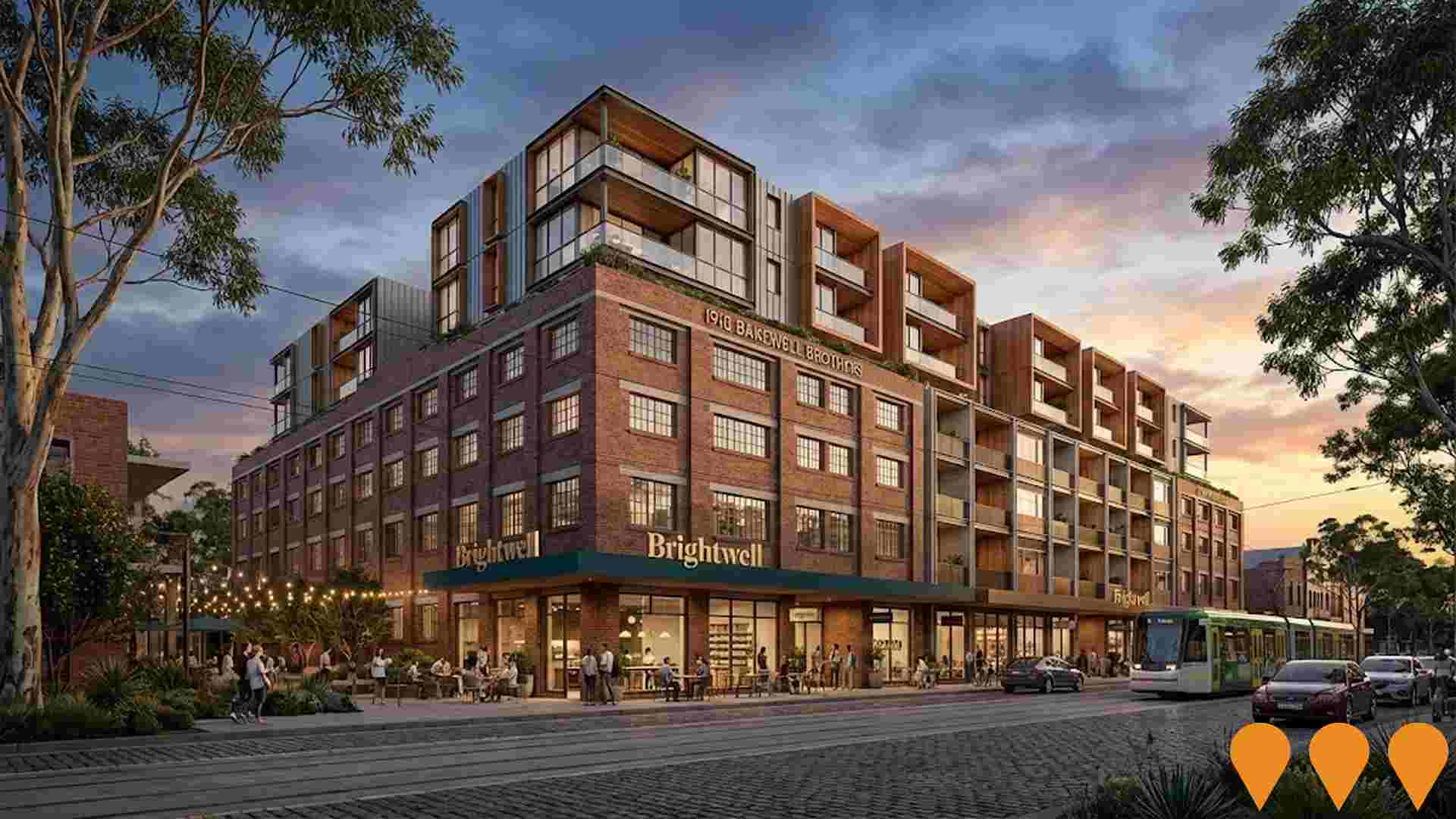
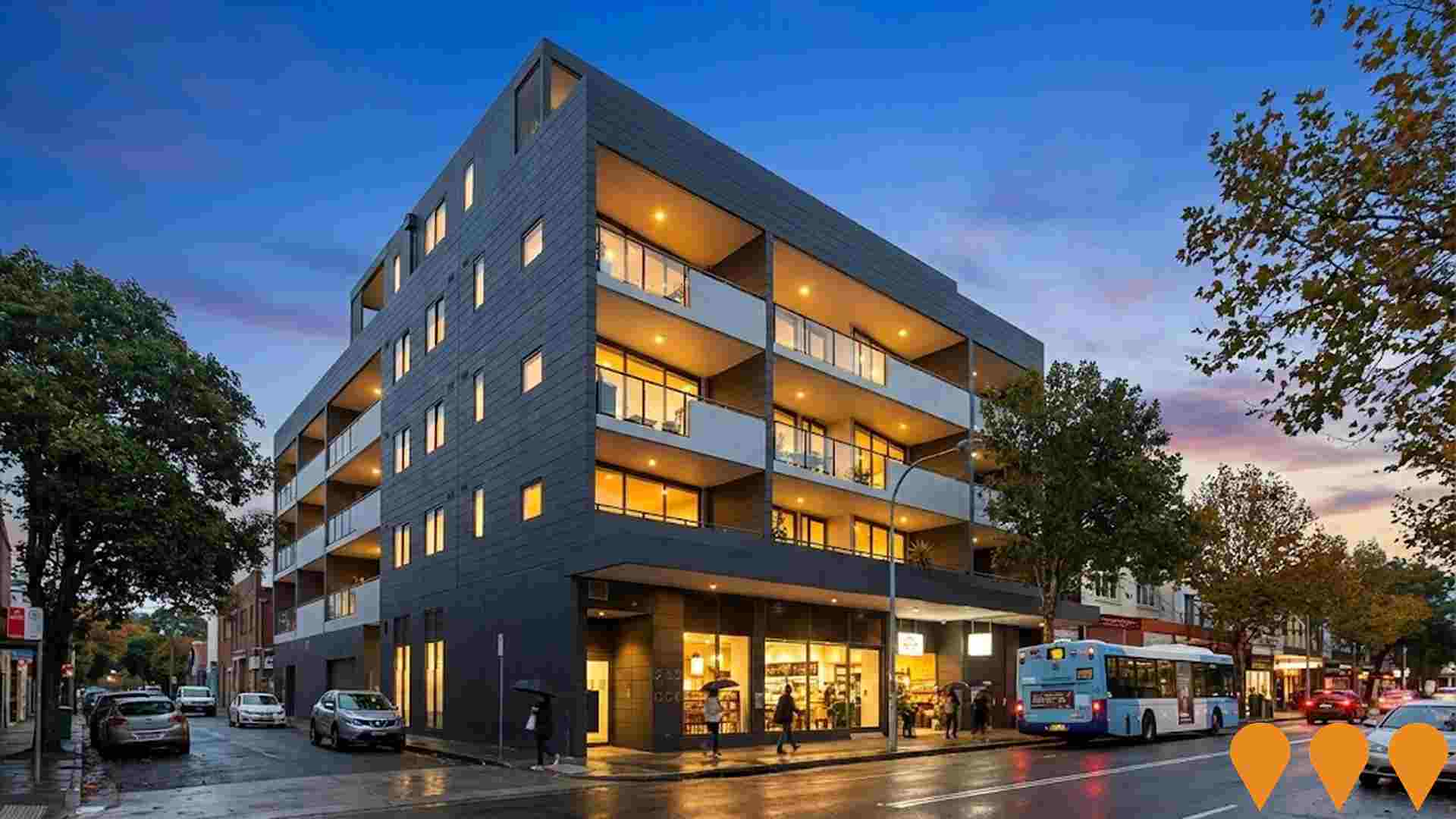
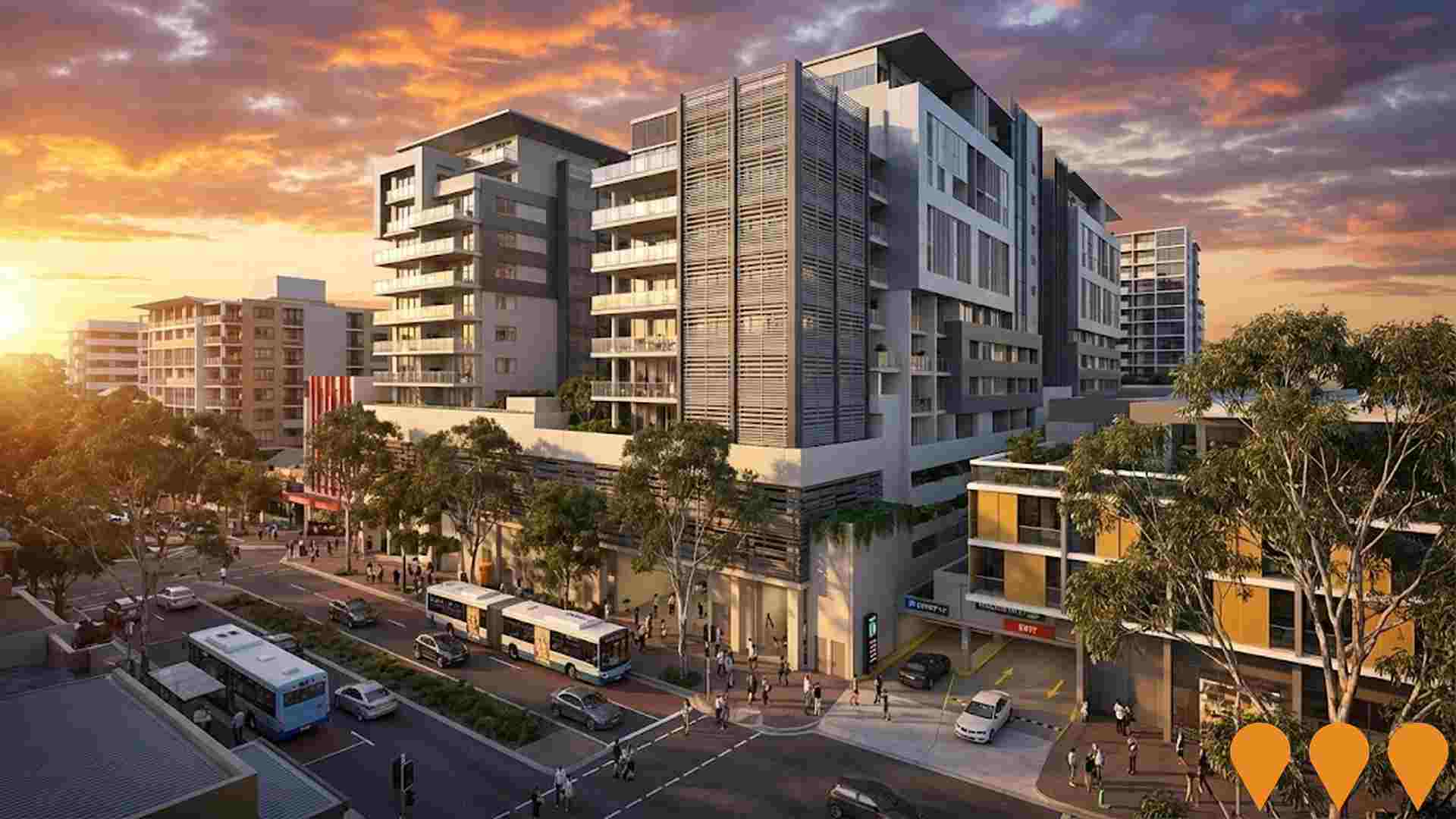
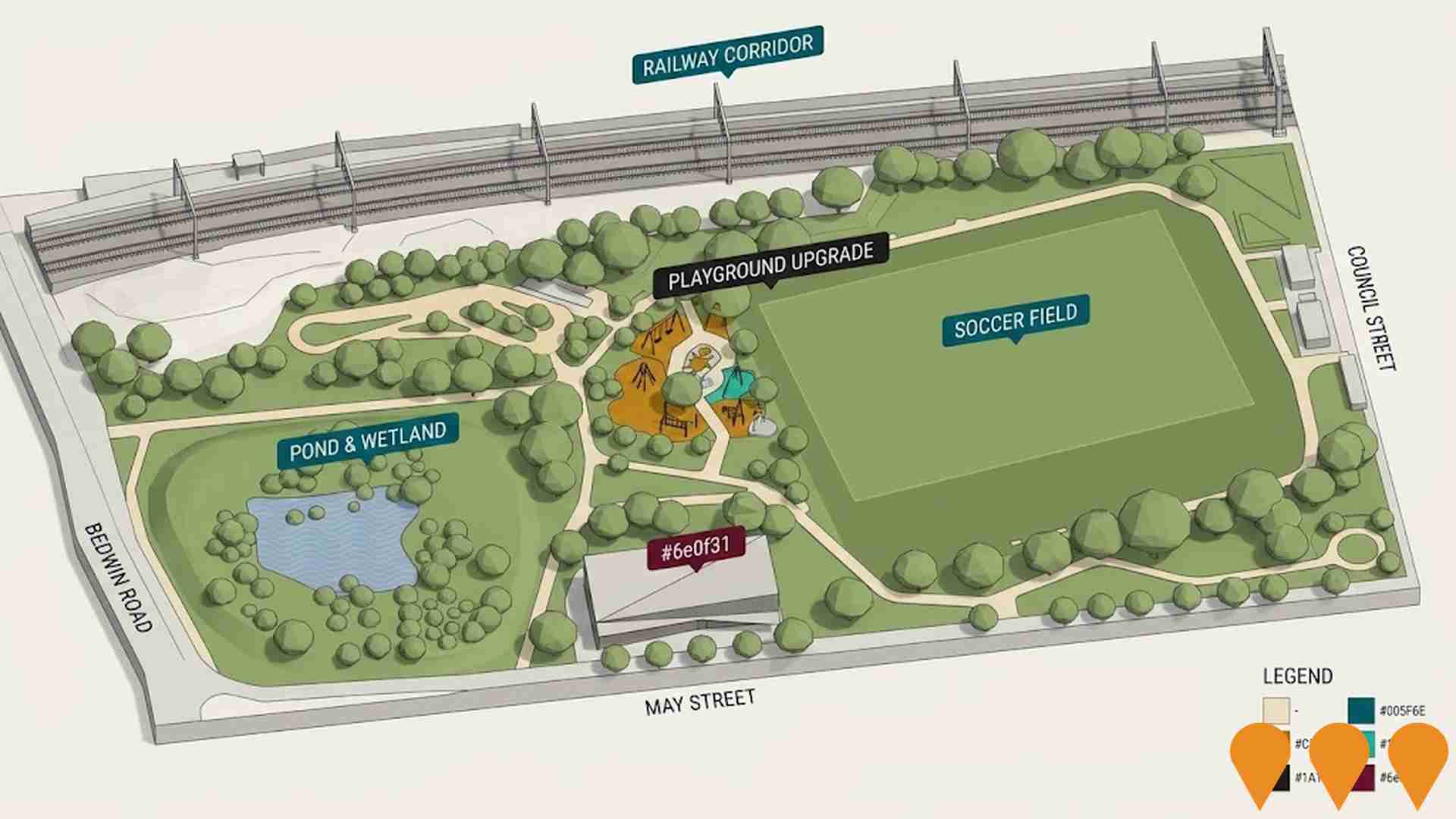
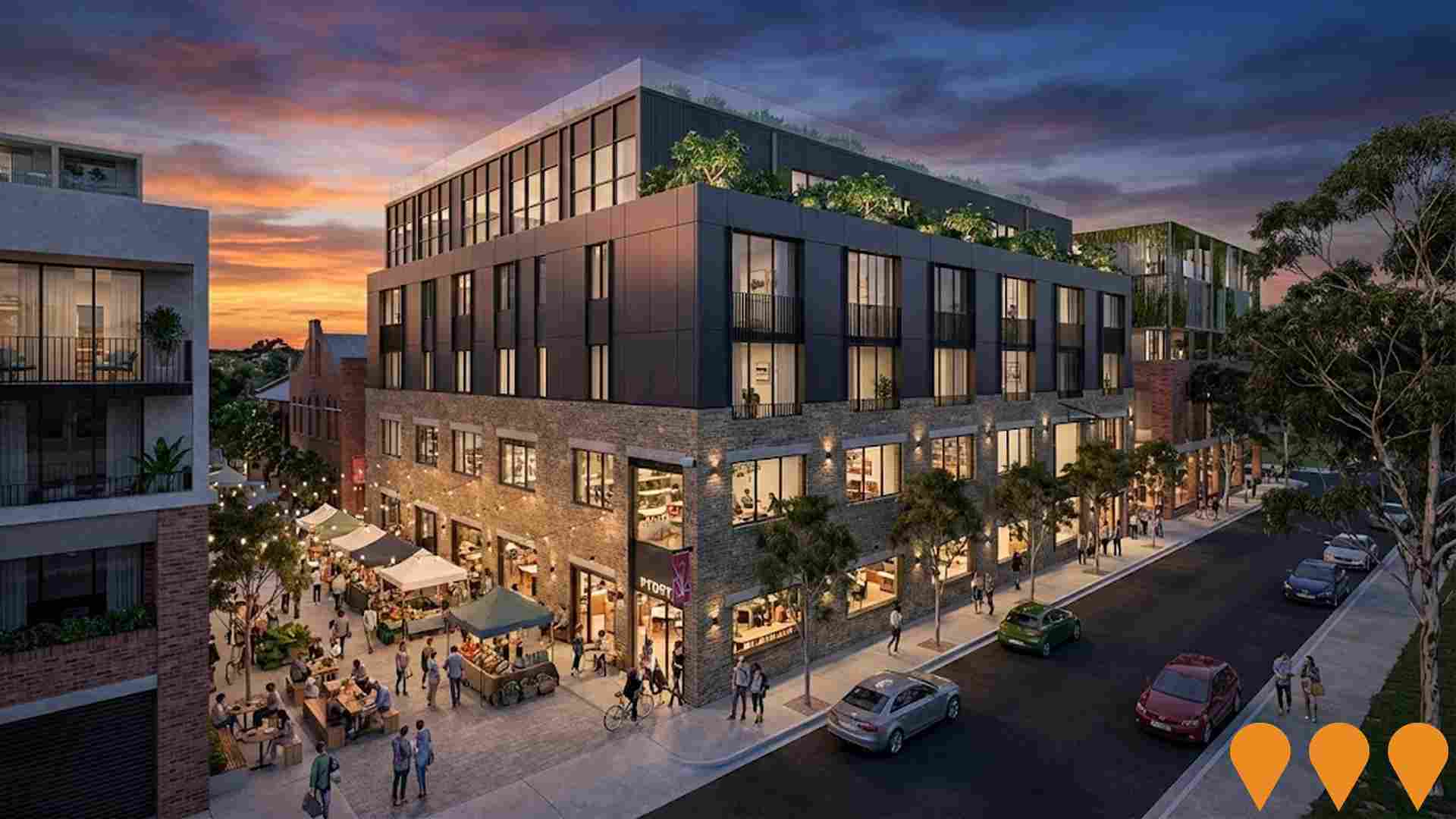
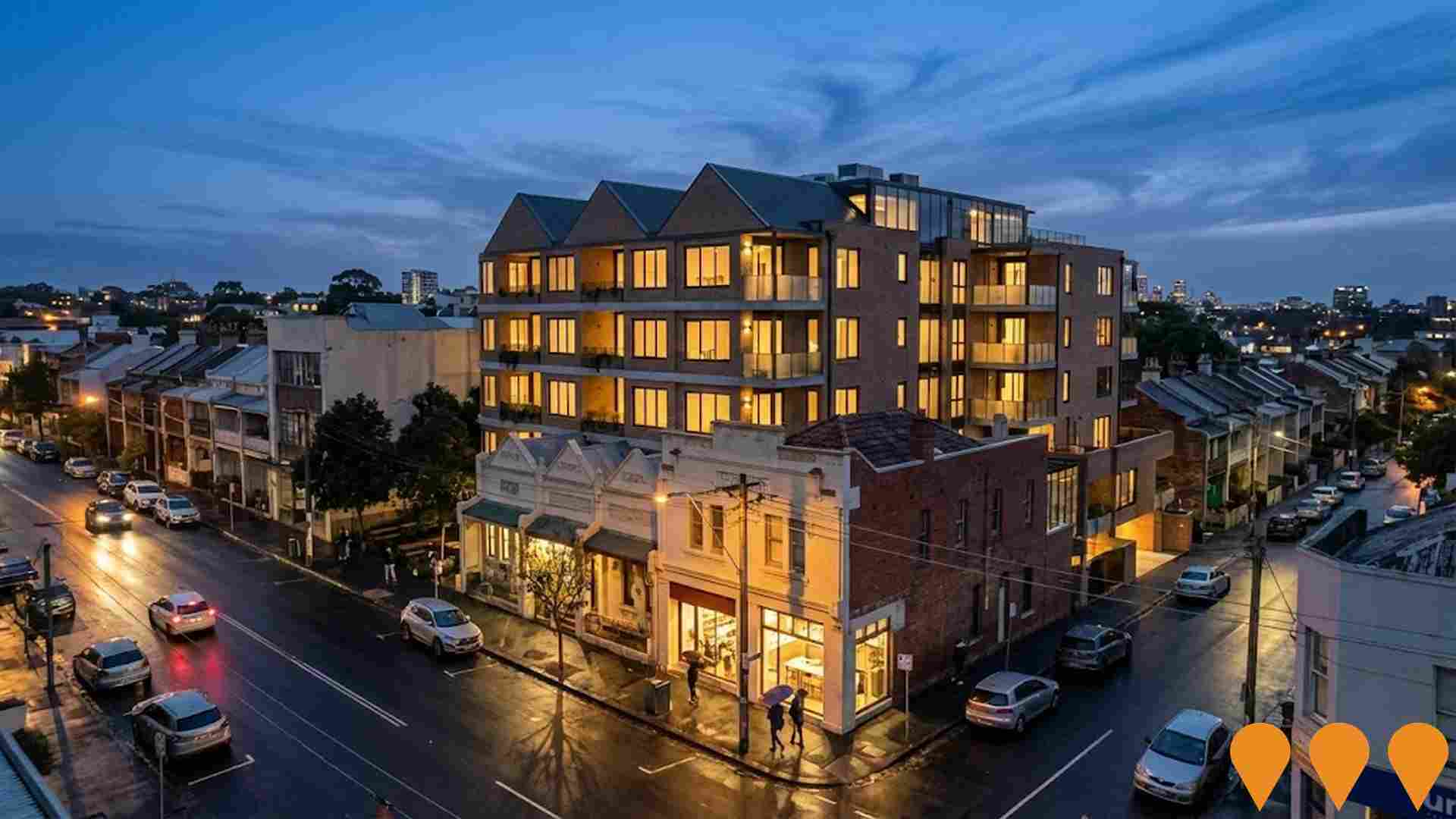
 Denotes AI-based impression for illustrative purposes only, not to be taken as definitive under any circumstances. Please follow links and conduct other investigations from the project's source for actual imagery. Developers and project owners wishing us to use original imagery please Contact Us and we will do so.
Frequently Asked Questions - Infrastructure
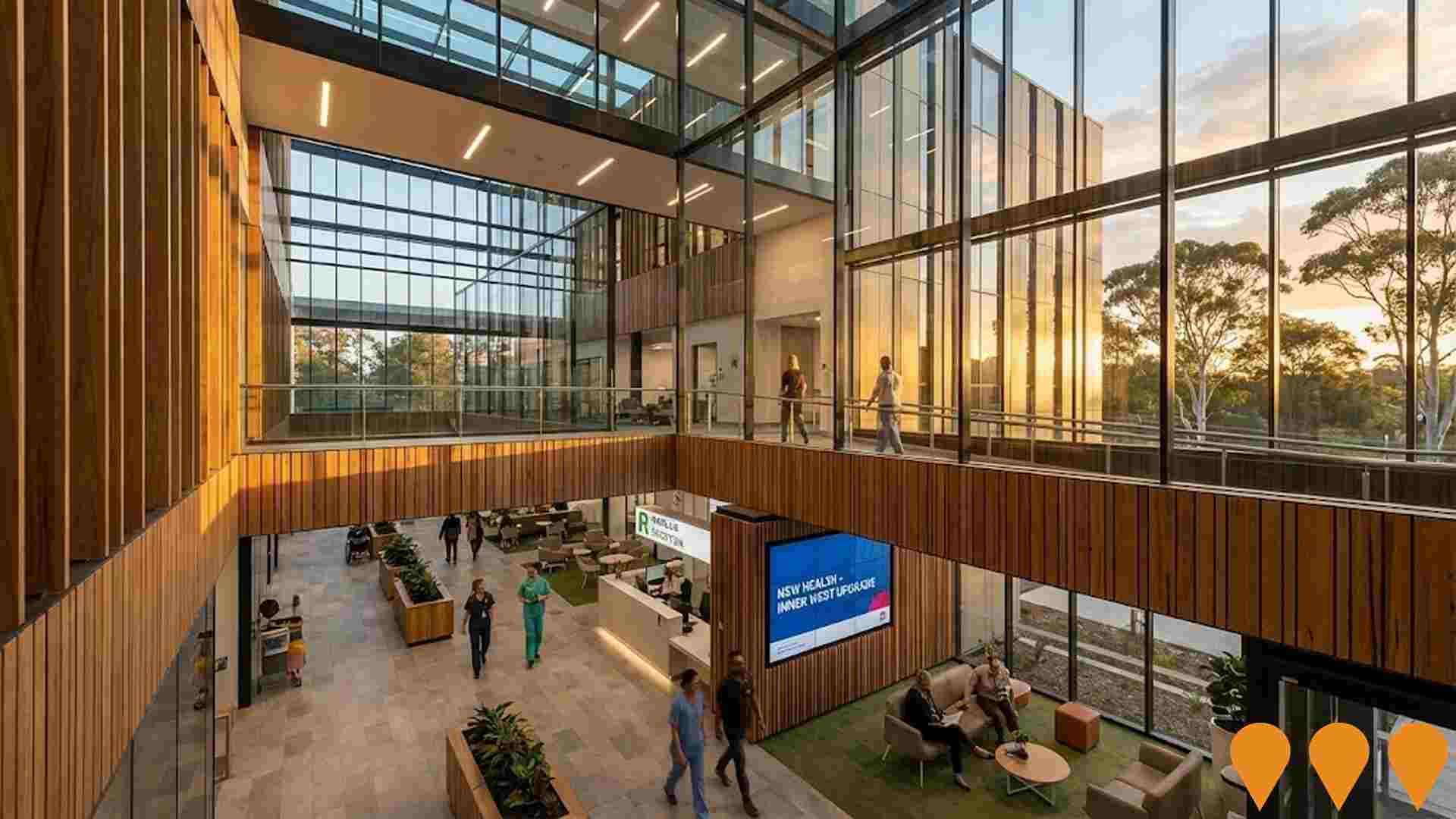
Sydney Local Health District Hospital Redevelopment Program - RPA and Canterbury
Major NSW Health hospital redevelopment program in Sydney Local Health District, led by Health Infrastructure. The program includes the $940 million Royal Prince Alfred Hospital Redevelopment at Camperdown, where major construction is underway for a new hospital building, expanded emergency department and ICU, operating theatres, imaging, inpatient, maternity, neonatal and paediatric services, with completion expected in 2028/29. It also includes the $350 million Canterbury Hospital Redevelopment at Campsie, now in detailed design and early works planning, with expanded ICU, emergency, adult inpatient, antenatal, surgical, outpatient, diagnostics and support services planned.
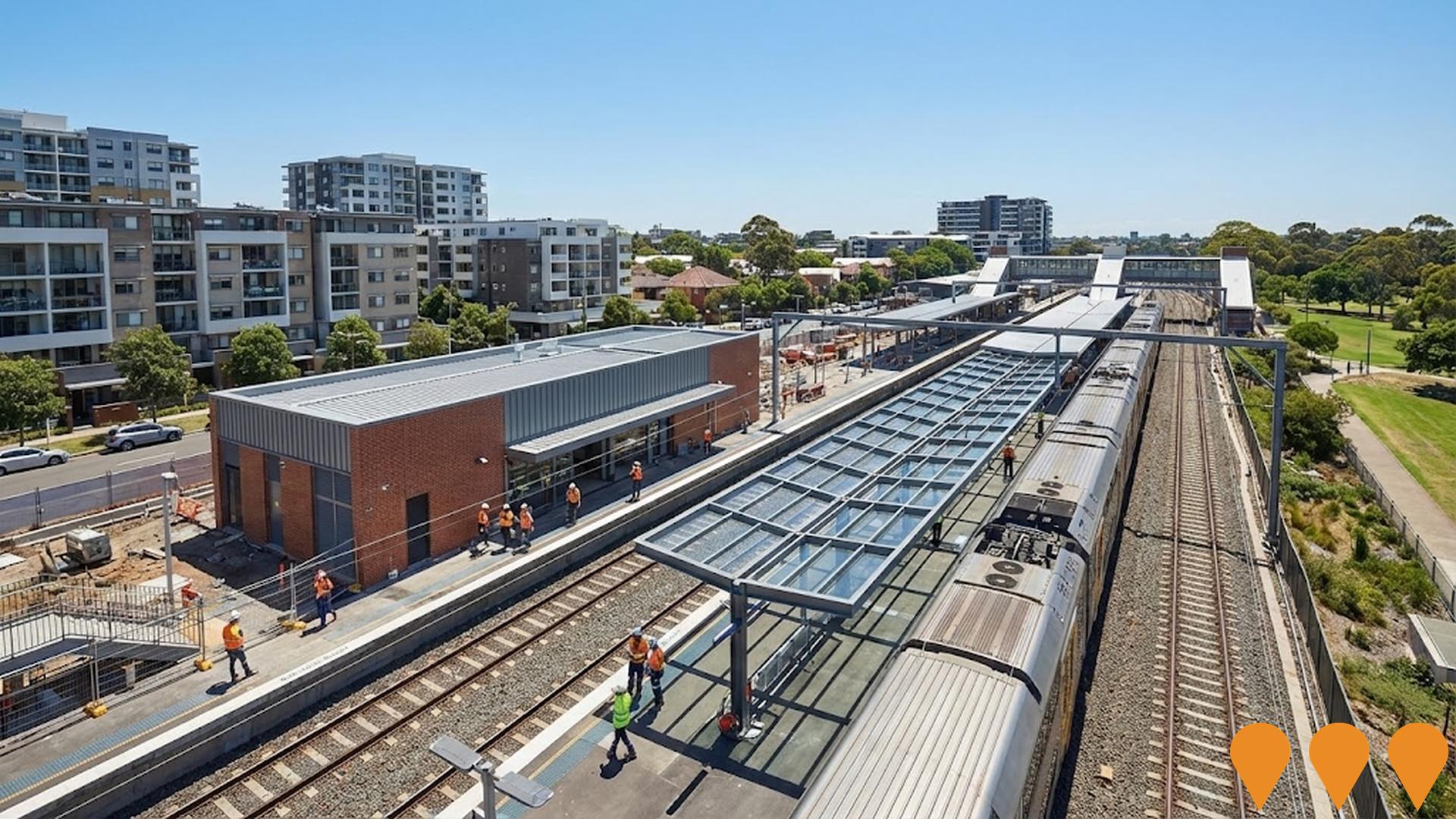
Rail Service Improvement Program - T8 Airport & South Line Upgrades (Component of MTMS Stage 2)
The T8 Airport & South Line Improvements, part of the broader Rail Service Improvement Program, involved significant power supply and signalling upgrades. Key works included the construction of the new Wolli Creek Substation and the removal of the redundant Undercliffe Substation at Spark Lane. These upgrades were designed to support an 80 percent increase in peak services at airport stations and the introduction of new suburban train fleets by enhancing the electrical capacity of the tunnel between Central and Wolli Creek Junction.
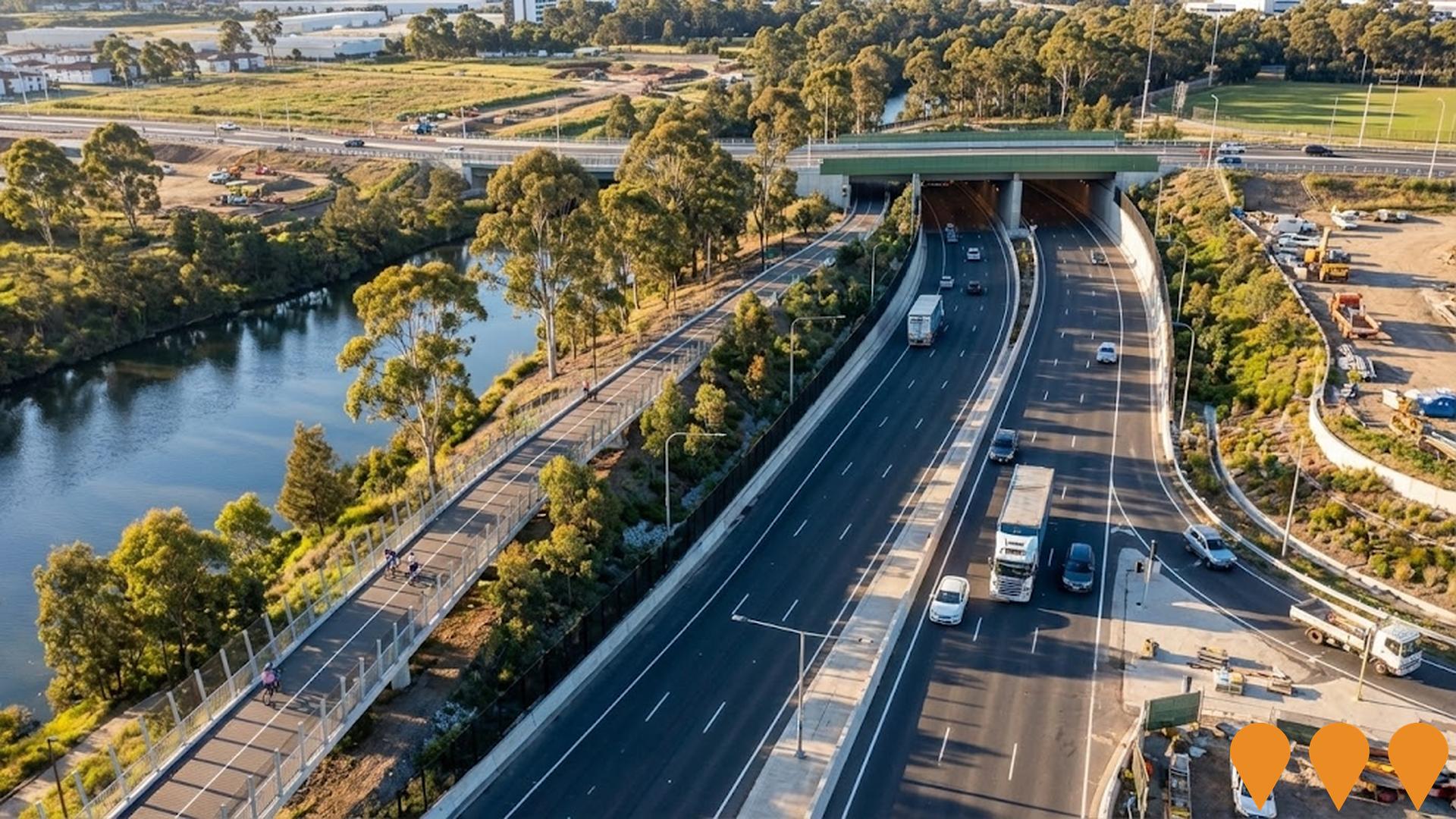
M6 Stage 1 (St Peters to Kogarah)
Construction of the M6 Stage 1 motorway featuring twin four-kilometre tunnels connecting the M8 at Arncliffe to President Avenue, Kogarah. The project includes new interchanges and a five-kilometre shared pedestrian and cyclist pathway. Tunnelling is approximately 90 per cent complete, but opening has been delayed to late 2028 following 2024 subsidence incidents. Current 2026 activity focuses on completing surface roadworks, finalising the shared pathway, and utility relocations along West Botany Street.
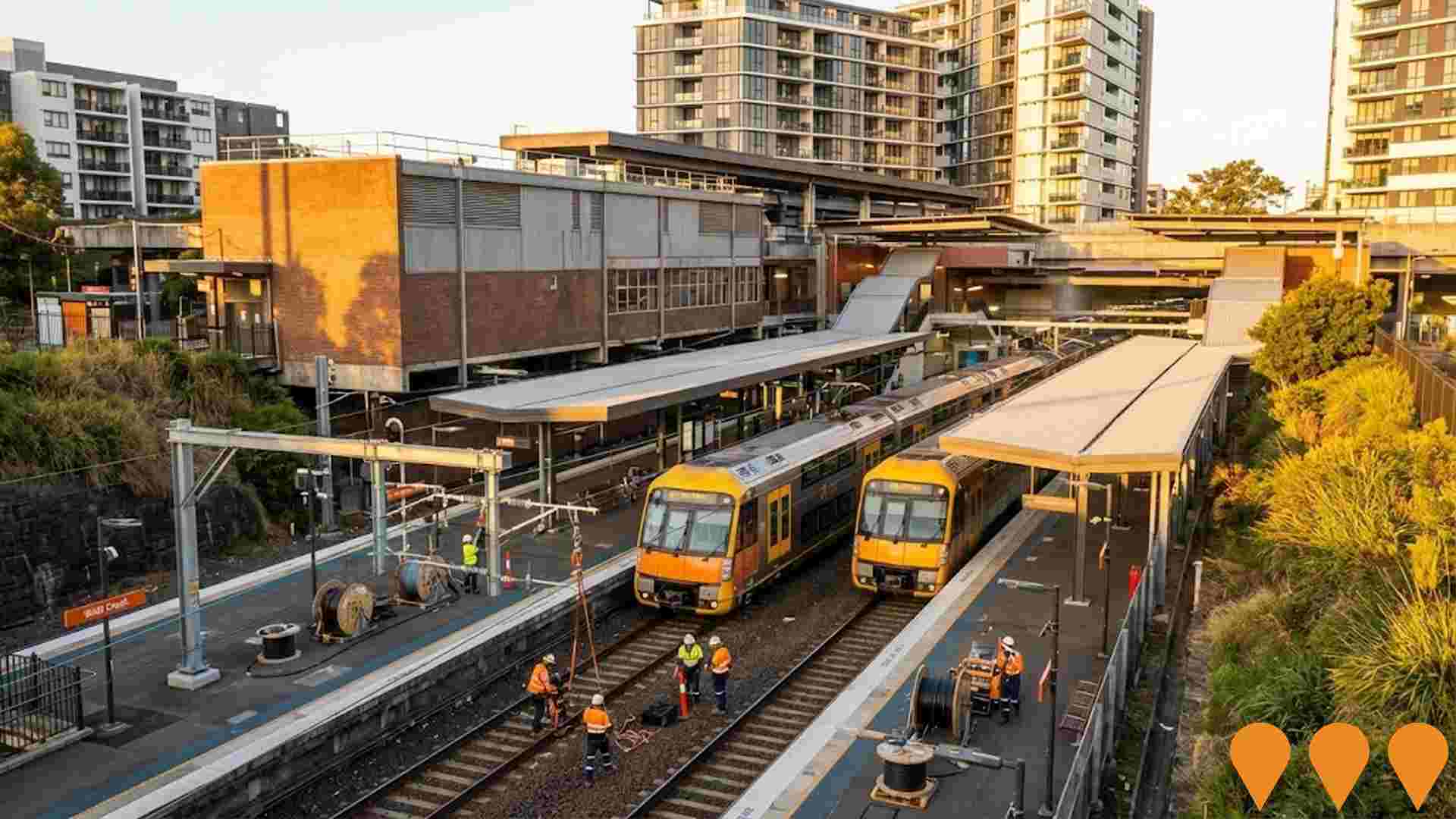
Wolli Creek and T8 Airport Line Power Supply Upgrade
Major rail infrastructure upgrade delivering power supply enhancements along the T8 Airport Line tunnel from Central to Wolli Creek Junction. Part of the Rail Service Improvement Program (formerly More Trains More Services), the project includes construction of a new substation at Wolli Creek Junction (5A Lusty Street), installation and modification of 6km of overhead wiring and new power supply cables throughout the tunnel from Chalmers Street substation through to Green Square, Mascot and Wolli Creek stations, installation of new power supply cable between Chalmers Street Substation and Rail Operations Centre at Green Square, signalling system upgrades, platform canopy extensions at Wolli Creek Station, and decommissioning of redundant substations at Undercliffe and Wolli Creek signalling hut. The upgrade will support increased train services on the T8 Airport Line including an 80% increase at Airport stations, accommodate new train fleets, and future-proof the Sydney Trains network for additional services and capacity while enhancing grid reliability for growing residential, commercial and logistics developments in the area.
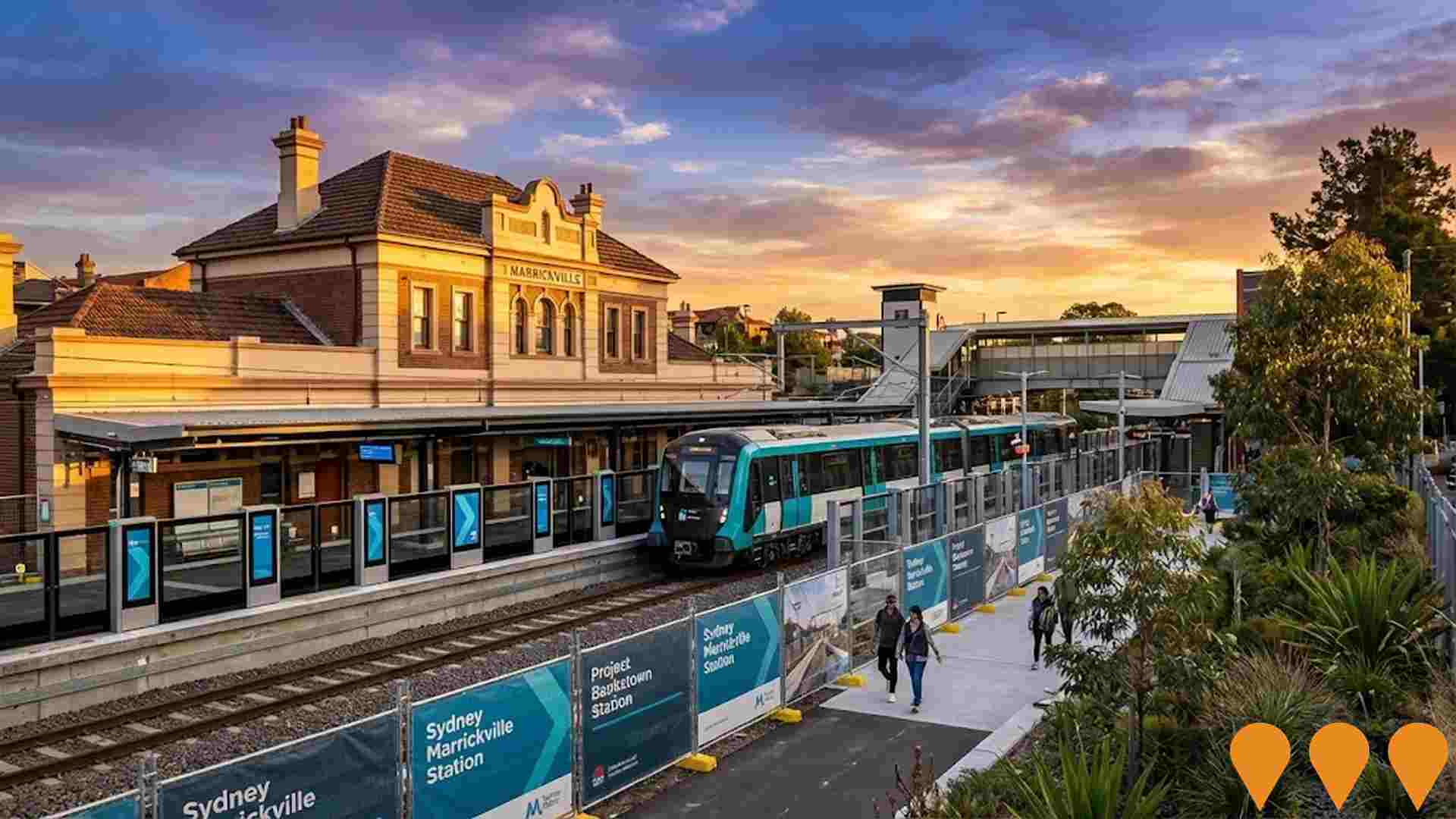
Marrickville Station Metro Upgrade
Upgrade of Marrickville Station to metro standards as part of the Sydney Metro City & Southwest project, including platform screen doors, level access, and frequent air-conditioned trains. The line is currently closed for conversion, with services expected to commence in 2026.
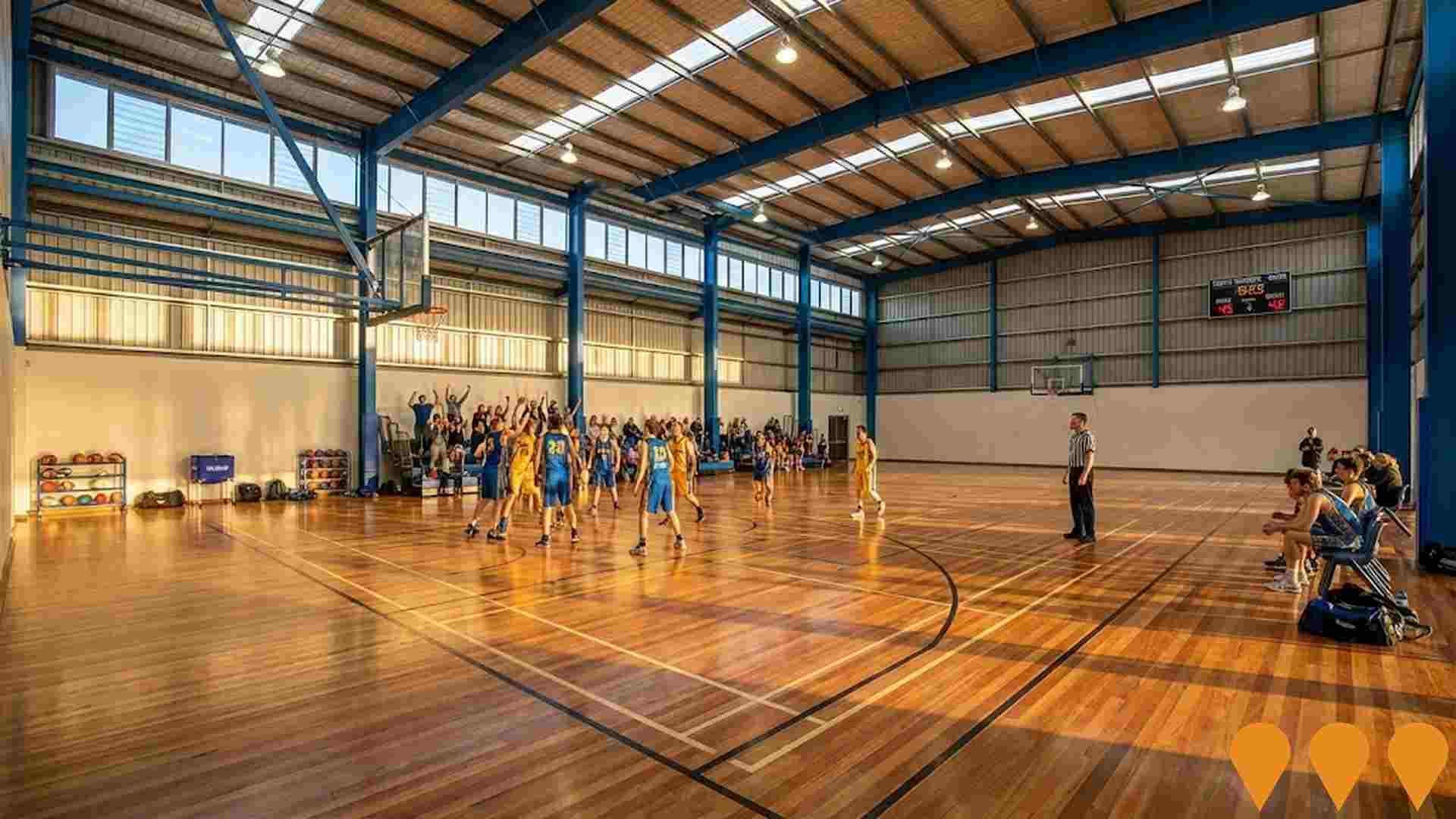
Tempe Reserve Upgrade
Upgrade of sporting facilities within Tempe Reserve delivering a new synthetic multi-purpose sports field, upgrades to five natural turf fields, new irrigation and stormwater drainage with harvesting to service amenities, upgraded sports lighting, four new cricket nets and two upgraded wickets, new pathways, tree planting, and related improvements. Works form part of the Tempe Reserve Plan of Management and Master Plan to enhance community recreation.
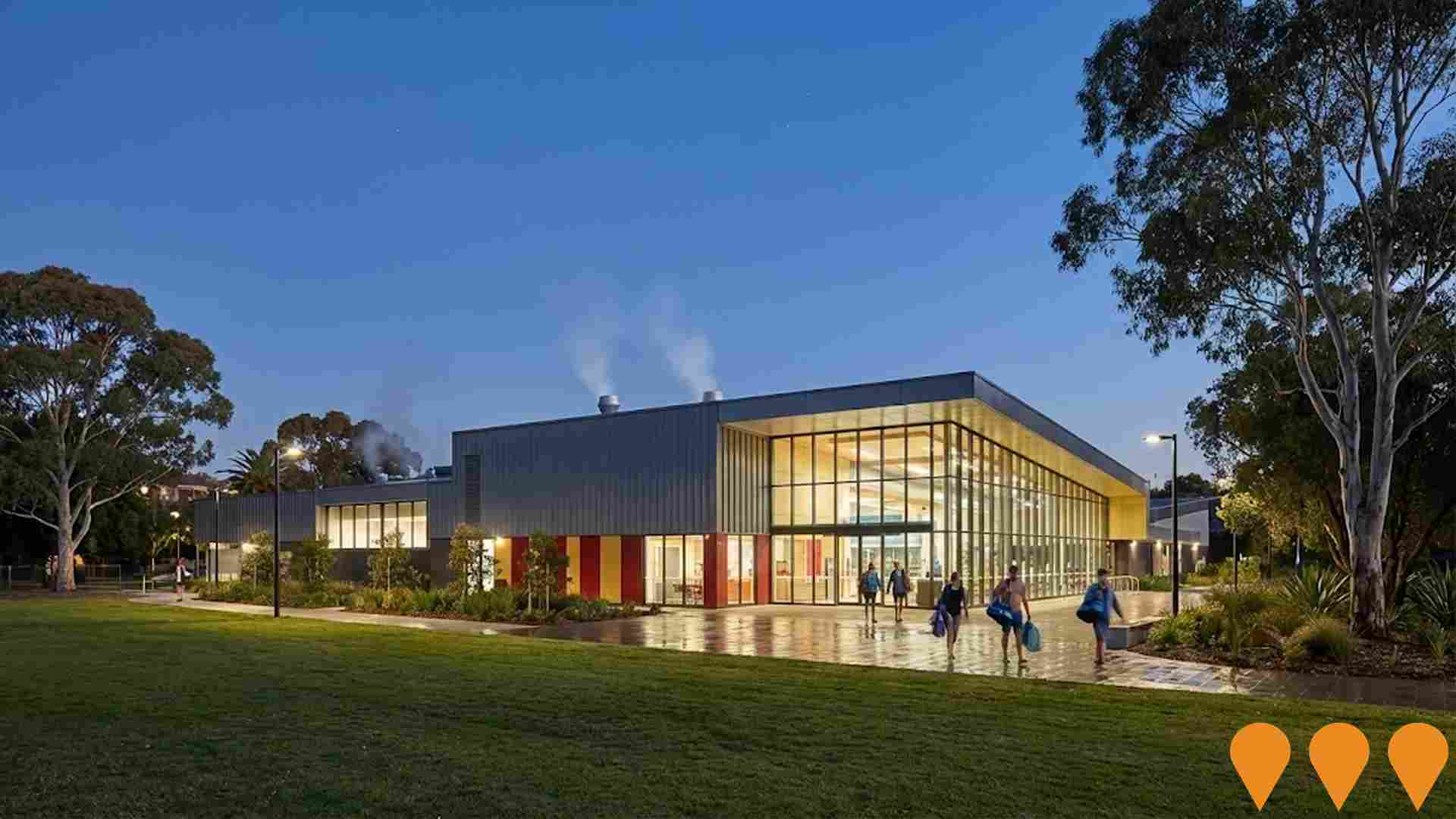
Annette Kellerman Aquatic Centre Upgrade
Two-stage upgrade to replace end-of-life plant and improve sustainability and energy performance at the Annette Kellerman Aquatic Centre. Stage 1 involved replacing aluminium composite cladding for fire safety improvements and was completed in October 2024. Stage 2 includes replacing heating and cooling plant with a fully electrified heat pump and chiller system, expanding existing solar panels, and replacing roof louvers and skylights.
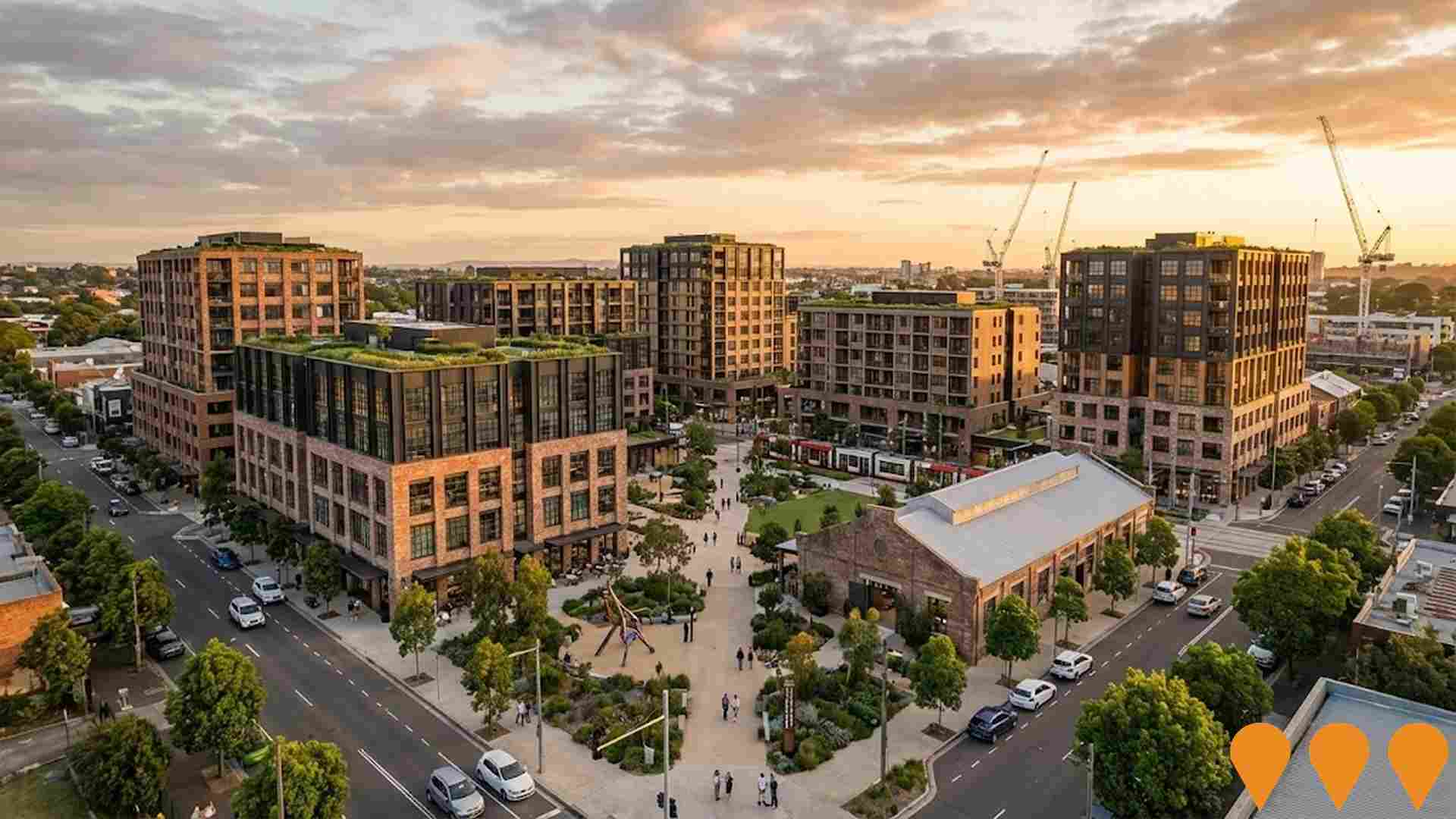
The Timberyards
A $1.5-billion mixed-use build-to-rent precinct transforming a 2.2-hectare former industrial site into a neo-industrial neighbourhood. Features 1,188 rental apartments including 484 build-to-rent units, 589 co-living dwellings, and 115 affordable housing units across seven buildings ranging from 8 to 13 storeys. Includes 2,400 sqm of commercial and retail space, 10,200 sqm of public open space, creative arts hub, and retained warehouse structure. Developed by RTL Co., a spinoff of Scape Australia, with construction expected to commence in early 2026 if approved.

Employment
AreaSearch assessment positions Sydenham - Tempe - St Peters ahead of most Australian regions for employment performance
The local workforce in Sydenham - Tempe - St Peters is highly qualified, with the technology sector showing particularly strong representation. The unemployment rate is low at 3.7%, and employment has expanded by an estimated 1.5% over the past year. In March 2026, there were 5,346 employed residents, and the unemployment rate sat 0.4% below the Greater Sydney benchmark of 4.1%. Workforce participation is solid, reaching 72.3% compared to 69.1% across Greater Sydney. Census records show that a high 57.0% of working residents operated from home, though this figure may be influenced by Covid-19 pandemic restrictions.
Residents are predominantly employed in professional & technical, health care & social assistance, and education & training sectors. The area has a notable concentration in professional & technical fields, with employment levels reaching 1.3 times the regional average. Conversely, the construction sector is less prominent, employing 5.9% of workers compared to 8.6% across the region. At the time of the Census, there were 0.8 workers for each resident, indicating a higher-than-average availability of local job opportunities.
AreaSearch analysis of SALM and ABS statistics shows that over the 12-month period, employment rose by 1.5% while the labor force expanded by 0.9%, resulting in a 0.6 percentage point decrease in the unemployment rate. This compares to Greater Sydney, where employment grew by 1.9%, the labor force increased by 1.9%, and the unemployment rate fell slightly. National employment forecasts from May-25 published by Jobs and Skills Australia provide further context regarding future demand within Sydenham - Tempe - St Peters. These five and ten-year projections have been applied to the local workforce profile to model future growth. Nationally, employment is projected to grow by 6.6% over five years and 13.7% over ten years, though rates vary significantly by sector. Applying these sectoral trends to the local employment structure suggests that Sydenham - Tempe - St Peters will experience employment growth of 7.0% over five years and 14.1% over ten years, representing a basic weighted extrapolation for illustrative purposes that does not account for local population projections.
Frequently Asked Questions - Employment
Income
The economic profile demonstrates exceptional strength, placing the area among the top 10% nationally based on comprehensive AreaSearch income analysis
Taxpayer data from the ATO, analyzed by AreaSearch for financial year 2023, shows that incomes in the Sydenham - Tempe - St Peters SA2 are exceptionally high by national standards. The median taxpayer income is $74,324 and the average income is $89,063, compared to Greater Sydney averages of $60,817 and $83,003 respectively. Adjusting for a Wage Price Index increase of 10.32% since financial year 2023, current estimates for March 2026 are approximately $81,994 (median) and $98,254 (average). Census records indicate that household, family, and personal incomes all rank highly, sitting in the 92nd and 92nd percentiles nationally. The largest earnings segment is the $1,500 - 2,999 weekly bracket, which contains 28.9% of residents (2,595 people), mirroring the wider regional pattern where 30.9% of people fall into this range. A substantial 44.3% of individuals earn more than $3,000 per week, pointing to affluent cohorts that drive local retail and services. High accommodation costs account for 18.7% of income, yet strong earnings keep disposable income in the 90th percentile, and the SEIFA index ranks the area in the 9th decile for income.
Frequently Asked Questions - Income
Housing
Sydenham - Tempe - St Peters displays a diverse mix of dwelling types, with ownership patterns similar to the broader region
According to the latest Census, the housing stock in Sydenham - Tempe - St Peters consisted of 41.8% standalone houses and 58.3% other types of dwellings such as semi-detached homes, townhouses, and apartments. This differs from the Sydney metropolitan average, which recorded 55.9% houses and 44.1% other dwellings. The rate of home ownership was lower than the Sydney metro average, standing at 24.6%, with the remaining properties being mortgaged (38.4%) or rented (37.0%). The median monthly mortgage payment in the area was significantly higher than the Sydney metro average of $2,427, coming in at $2,900, while the median weekly rent was $630 compared to the metropolitan average of $470. On a national level, mortgage repayments in Sydenham - Tempe - St Peters are much higher than the Australian median of $1,863, and weekly rents are well above the national average of $375.
Frequently Asked Questions - Housing
Household Composition
Sydenham - Tempe - St Peters features high concentrations of group households, with a lower-than-average median household size
Family households make up 67.2% of all households, which includes 26.4% couples with children, 30.1% couples without children, and 9.0% single parent families. Non-family households account for the remaining 32.8%, consisting of lone person households (22.3%) and group households (10.5%). The median household size is 2.5 people, which is slightly lower than the Greater Sydney average of 2.7.
Frequently Asked Questions - Households
Local Schools & Education
Sydenham - Tempe - St Peters shows strong educational performance, ranking in the upper quartile nationally when assessed across multiple qualification and achievement indicators
Residents of Sydenham - Tempe - St Peters show high levels of educational attainment, with 48.6% of those aged 15+ holding a university degree, compared to 30.4% nationally and 32.2% across NSW. This educational profile positions the community well for knowledge-sector employment. Bachelor degrees are the most common qualification at 32.6%, followed by postgraduate degrees (12.8%) and graduate diplomas (3.2%). Vocational education accounts for 23.1% of qualifications among residents aged 15+, consisting of advanced diplomas (9.8%) and certificates (13.3%).
Participation in education is high, with 25.8% of the local population enrolled in formal study. This comprises 7.4% in primary schools, 6.9% in higher education, and 4.8% in secondary schools.
Frequently Asked Questions - Education
Schools Detail
Nearby Services & Amenities
Transport
Transport servicing is high compared to other areas nationally based on assessment of service frequency, route connectivity and accessibility
Public transport services in Sydenham - Tempe - St Peters include 83 active stops, offering a combination of train, lightrail, and bus options. These stops accommodate 15 distinct transit routes, which provide a total of 21,438 passenger trips each week. Transport access is highly rated, with residents living an average of 169 meters from their nearest transit stop. Given the residential nature of the suburb, most workers commute out of the area. Private vehicles remain the primary mode of travel at 58%, followed by trains at 20% and walking at 8%. Average vehicle ownership is 0.7 cars per household, which sits below the metropolitan average. A high proportion of residents, 57.0%, work from home, based on 2021 Census records that may reflect pandemic-related conditions.
Transit service frequency averages 3,062 daily trips across the network, which translates to roughly 258 weekly departures per transit stop.
Frequently Asked Questions - Transport
Transport Stops Detail
Health
Sydenham - Tempe - St Peters's residents boast exceedingly positive health performance metrics with very low prevalence of common health conditions across all age groups
Health metrics indicate strong outcomes across Sydenham - Tempe - St Peters based on AreaSearch's evaluation of mortality rates and chronic disease indicators, showing very low rates of common health conditions across all age groups. Private health insurance coverage is exceptionally high, with approximately 65% of the population (5,855 people) holding cover. This compares to 59.9% in Greater Sydney and a national average of 55.7%.
Mental health conditions and asthma were identified as the most common diagnoses, affecting 9.9 and 8.0% of residents respectively. Meanwhile, 73.1% of residents reported having no long-term medical conditions, compared to 74.6% across Greater Sydney. The working-age cohort is particularly healthy, showing low rates of chronic illness. Residents aged 65 and over make up 10.5% of the local population (942 people), which is lower than the Greater Sydney average of 15.5%. Seniors in the area display strong health profiles, with national health rankings aligning closely with the general population.
Frequently Asked Questions - Health
Cultural Diversity
Sydenham - Tempe - St Peters was found to be more culturally diverse than the vast majority of local markets in Australia, upon assessment of a range of language and cultural background related metrics
Sydenham - Tempe - St Peters displays higher cultural diversity than most local areas, with 27.5% of residents speaking a non-English language at home and 35.2% born outside Australia. Christianity is the most common religion, practiced by 33.3% of the local population. The most distinct religious overrepresentation relative to regional norms is Judaism, which accounts for 0.6% of residents, compared to 0.8% across Greater Sydney.
In terms of ancestral backgrounds, the three largest groups in Sydenham - Tempe - St Peters are English at 21.3%, Australian at 18.2%, and Other at 12.8%. There are also notable differences in the concentration of other backgrounds, with Macedonian ancestry representing 2.1% of the local population (compared to 0.4% regionally), French at 0.9% (compared to 0.5%), and Vietnamese at 2.9% (compared to 1.8%).
Frequently Asked Questions - Diversity
Age
Sydenham - Tempe - St Peters's population is slightly younger than the national pattern
The median age in Sydenham - Tempe - St Peters is 36 years, which is close to the Greater Sydney average of 37 and slightly below the national median of 38. The area has a higher concentration of residents aged 35 - 44 (22.4%) than Greater Sydney, but fewer young people aged 15 - 24 (10.0%). The proportion of 35 - 44 year-olds is significantly higher than the national average of 14.3%. Since the 2021 Census, the 35 to 44 age bracket expanded from 20.1% to 22.4% of the population, and the 15 to 24 age bracket rose from 8.8% to 10.0%. In contrast, the 25 to 34 cohort decreased from 22.4% to 20.3%. Demographic projections suggest the age distribution will change by 2041, with the 45 to 54 cohort expected to grow the fastest by 30%, adding 361 residents to reach 1,567, while the 0 to 4 age group is projected to grow by 1% (3 people).