Chart Color Schemes
This analysis uses Suburbs and Localities (SAL) boundaries, which can materially differ from Statistical Areas (SA2) even when sharing the same name.
SAL boundaries are defined by Australia Post and the Australian Bureau of Statistics to represent commonly-known suburb names used in postal addresses.
Statistical Areas (SA2) are designed for census data collection and may combine multiple suburbs or use different geographic boundaries. For comprehensive analysis, consider reviewing both boundary types if available.
est. as @ -- *
2021 Census | -- people







Curious about local property values? Filter the chart to assess the volume and appreciation (including resales) trends and regional comparisons, or scroll to the map below view this information at an individual property level.
Find a Recent Sale

Sales Detail
Dysart (Qld) has an estimated 3,049 residents, up from 2,918 at the 2021 Census — a change of 131 people, or 4.5%. Growth has averaged 0.8% a year over five years. Fewer than ten people live on each square kilometre, across a boundary that takes in surrounding rural land. Population is estimated from ABS Estimated Resident Population releases and GNAF address data, re-based from the 2021 Census and updated annually.
Detail
An assessment by AreaSearch incorporating broader ABS population revisions alongside post-Census address validations indicates that the suburb of Dysart (Qld) has an estimated resident tally of 3,049 as of Aug 2026. This marks an expansion of 131 people (4.5%) compared to the 2021 Census count of 2,918 people. AreaSearch established this figure of 3,049 residents by reviewing the ABS ERP release from June 2025 in conjunction with 8 validated new addresses recorded after the Census. Consequently, population density stands at 0.90 persons per square kilometer, ensuring spacious living conditions for local inhabitants.
Demographic expansion has been primarily underpinned by natural increase, which generated approximately 69.0% of recent population additions, while positive net flows were likewise observed across overseas migration and interstate migration. In formulating demographic outlooks, AreaSearch utilizes ABS/Geoscience Australia projections by SA2 area, which were published in 2024 using 2022 as their starting baseline. For years following post-2032 or locations absent from this series, 2023 Queensland State Government SA2 releases based on 2021 numbers are incorporated. Because these state figures omit specific age brackets, AreaSearch integrates proportional weightings derived from the 2023 ABS Greater Capital Region data (based on 2022 benchmarks) across each age group. In light of these anticipated demographic adjustments, the suburb of Dysart (Qld) is expected to experience lower quartile growth relative to regional Australia overall, expanding by 101 persons to 2041 under aggregated SA2 modeling, which constitutes an overall rise of 3.3% across the 16 years.
Frequently Asked Questions - Population
Detail
Property development remains extremely quiet across the locality, recording an average below 1 approvals per year, or 2 approvals over five years in total. Such restrained building levels correspond to rural settings where residential demand is low and new construction is constrained by infrastructure limits and local requirements. Because of the limited volume of activity, individual construction approvals can produce notable volatility in annual growth metrics and comparative indicators. Building and construction activity is substantially lower than levels observed across Rest of Qld. Furthermore, the local rate of development tracks substantially beneath national benchmarks.
Frequently Asked Questions - Development
Development applications around Dysart (Qld)
Loading development applications…
| Lodged | Address | Description | Type | Distance | Status |
|---|
SOURCE: Planning portals and council registers, compiled by AreaSearch. Distance & bearing measured from the suburb midpoint.
AreaSearch tracks 2 current infrastructure and development projects inside Dysart (Qld), worth an estimated $1 billion. A further 48 sit in the immediately surrounding suburbs, taking the tracked pipeline within reach of the area to $16.6 billion. 14 are already under construction and 17 are due for completion within three years. The pipeline spans residential development, communities, precincts & urban renewal and energy. Records are compiled from Infrastructure Australia, state agencies, council planning portals and public announcements, reviewed and updated daily, then ranked by proximity, construction stage, completion horizon and project scale.
Detail
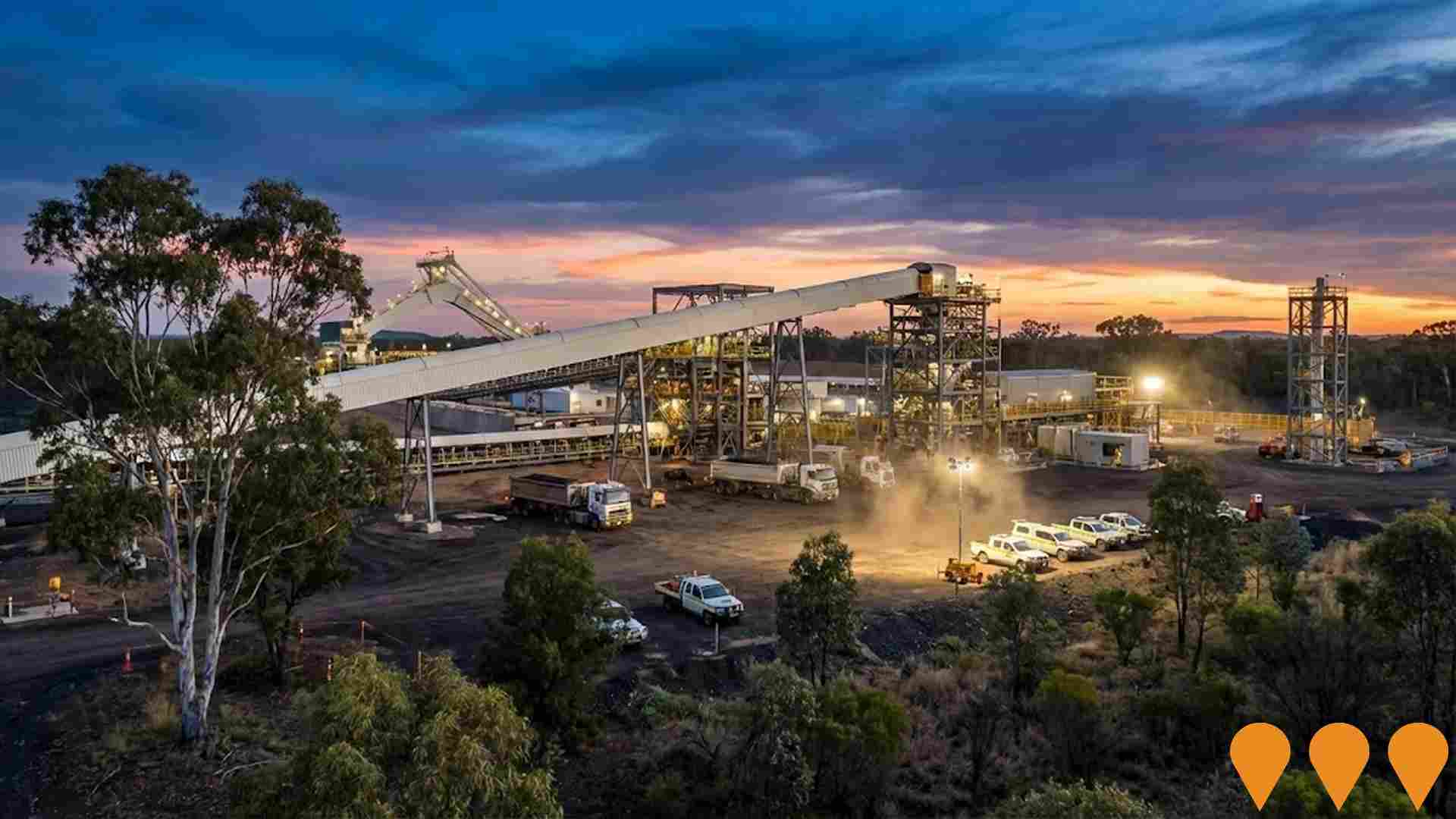
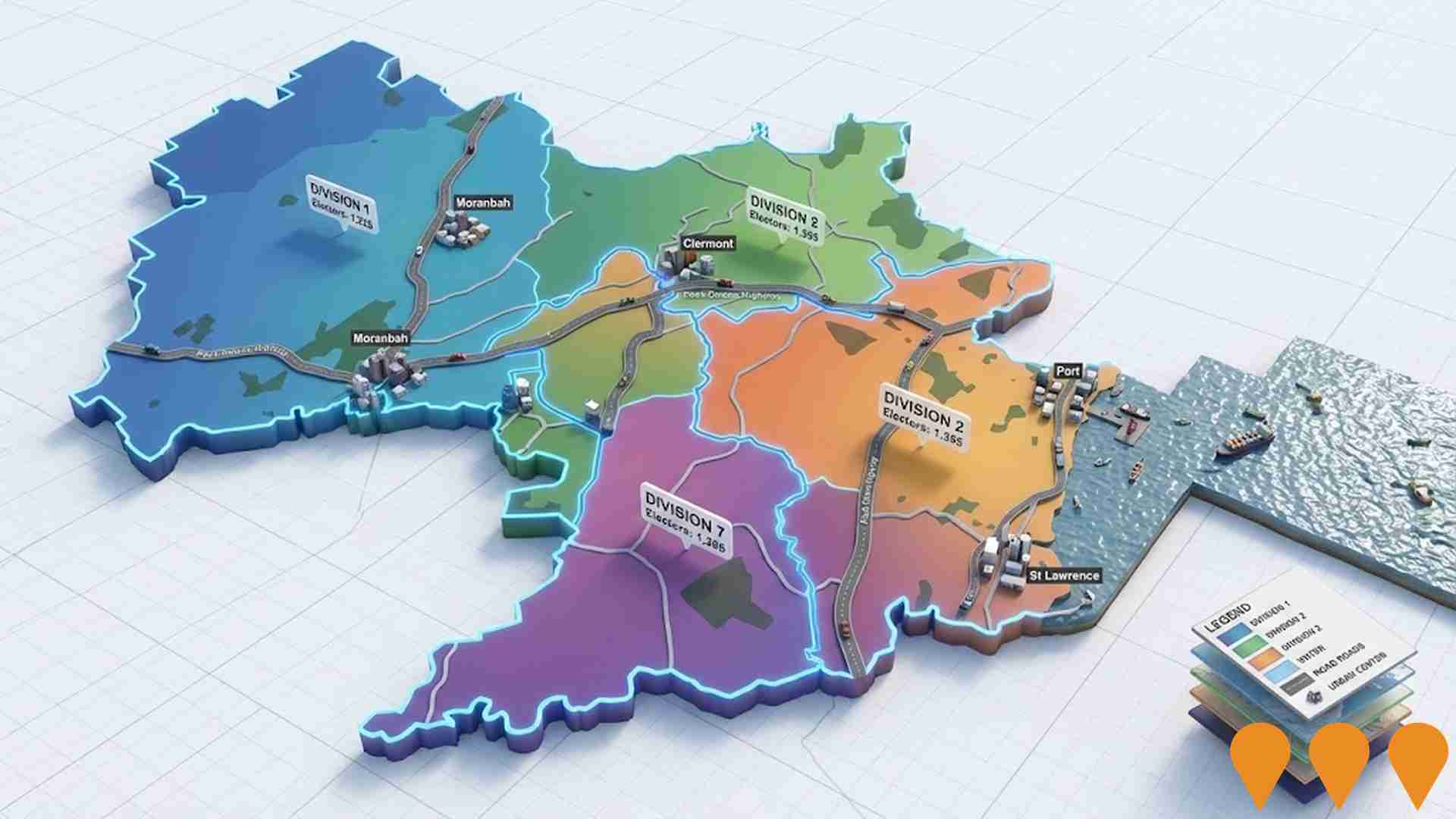
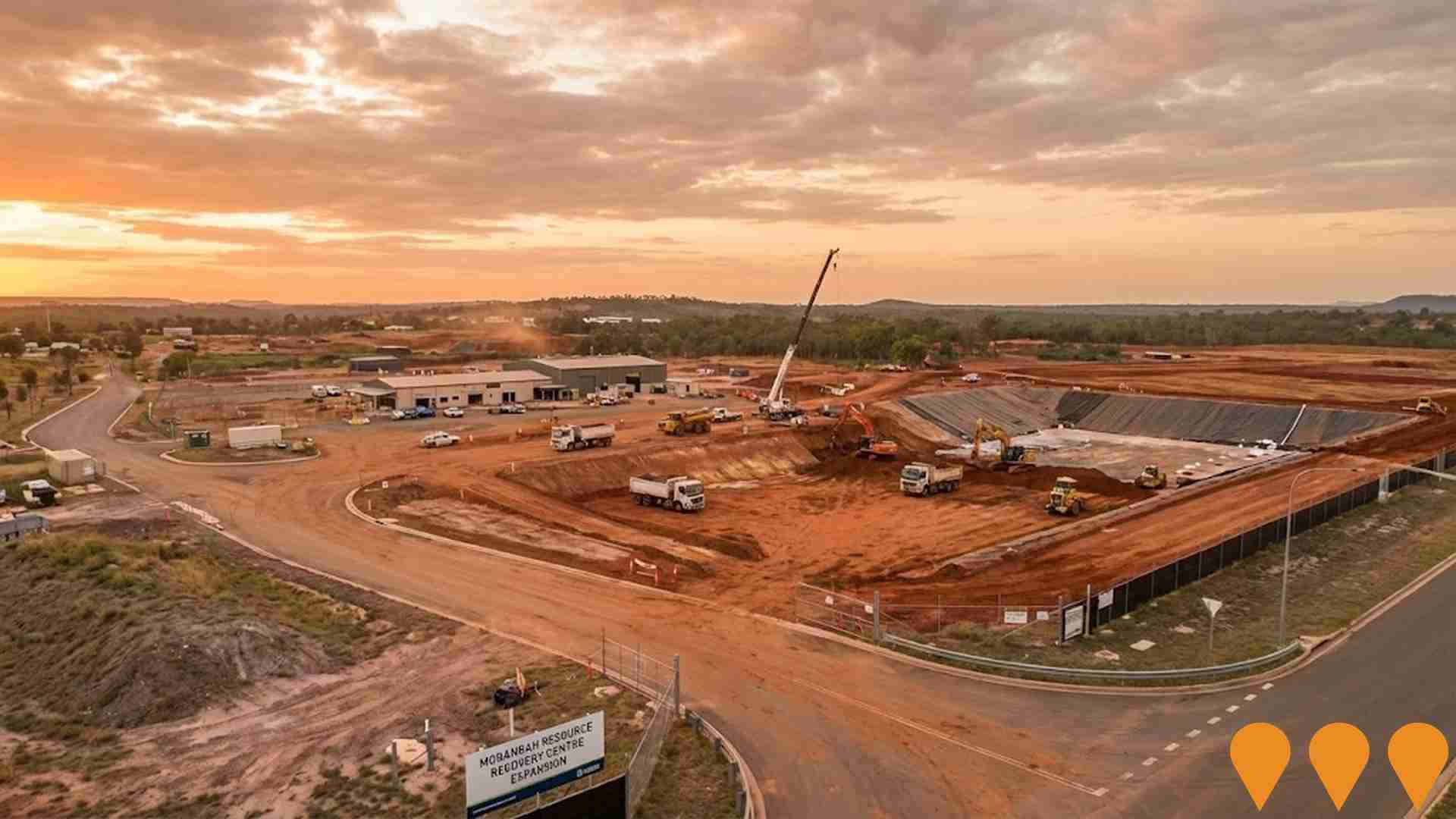
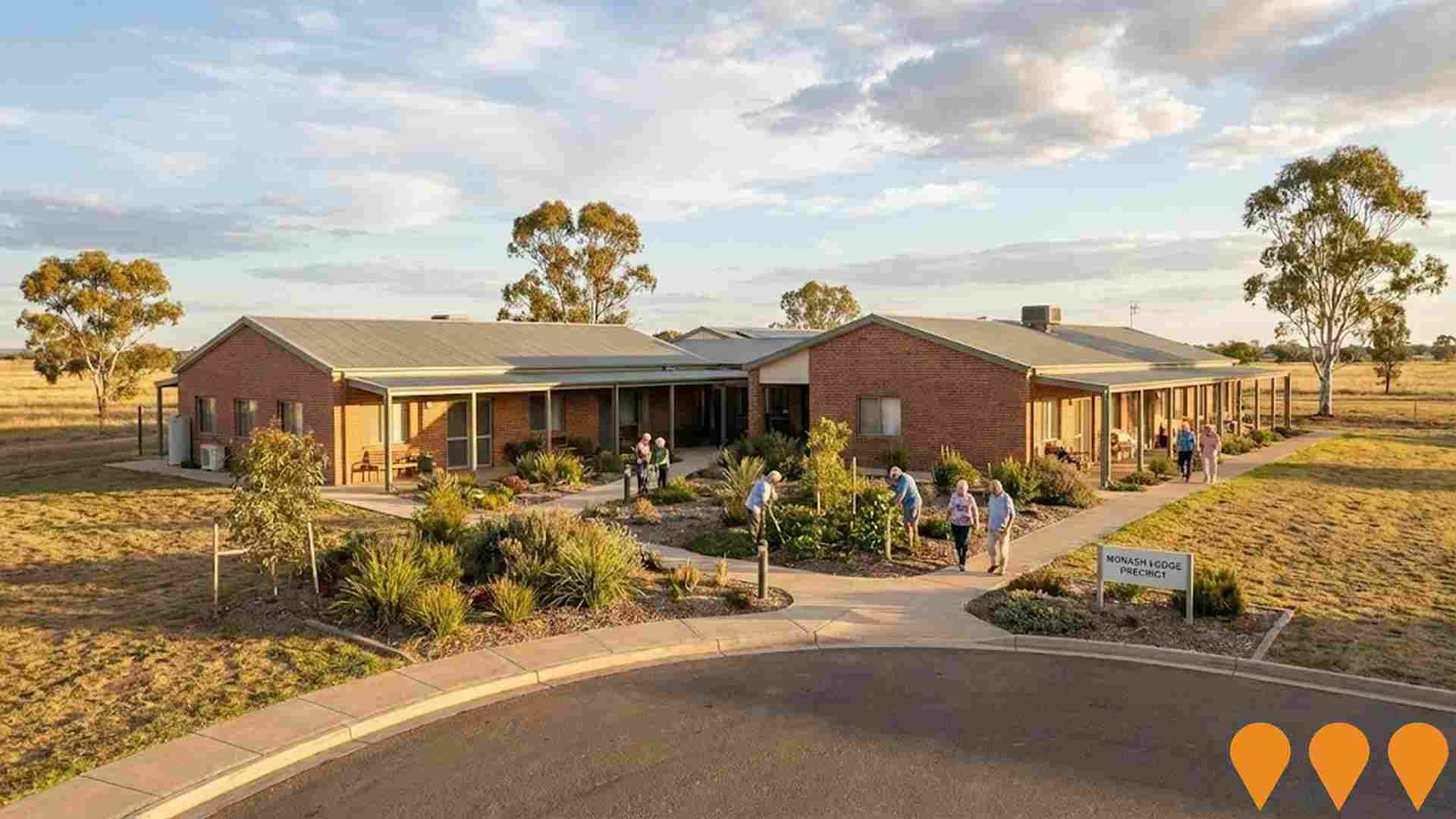
Regional prosperity and demographic patterns are heavily guided by strategic planning initiatives and major capital works. AreaSearch has identified 6 projects that are positioned to influence the surrounding region. Significant undertakings include the Dysart Urban Design Framework & Masterplan, Peak Downs Mine Continuation Project, Olive Downs Coking Coal Complex, and Winchester South Project, with major local developments summarized below.
Professional plan users can use the search below to filter and access additional projects.
INFRASTRUCTURE SEARCH
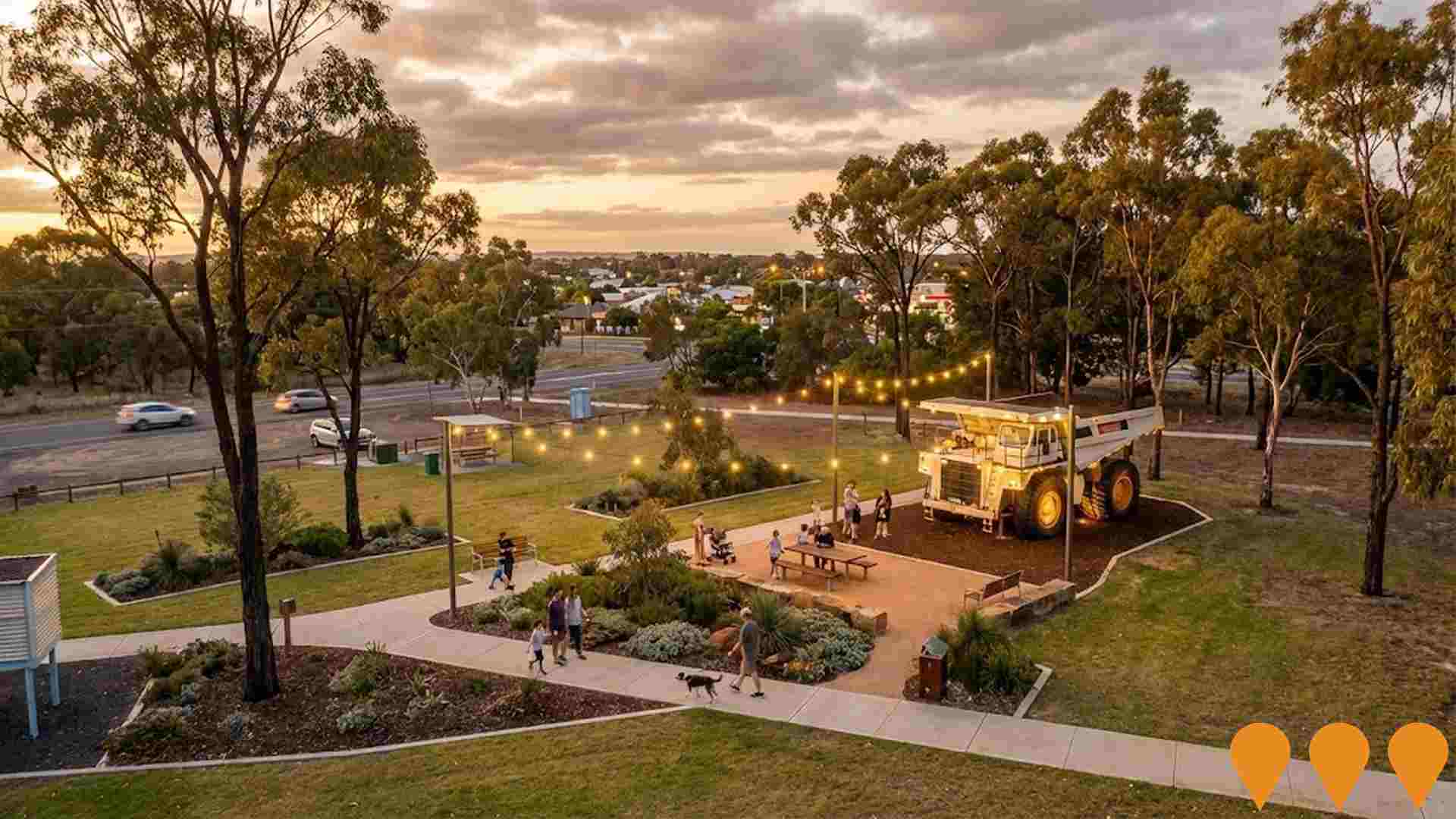
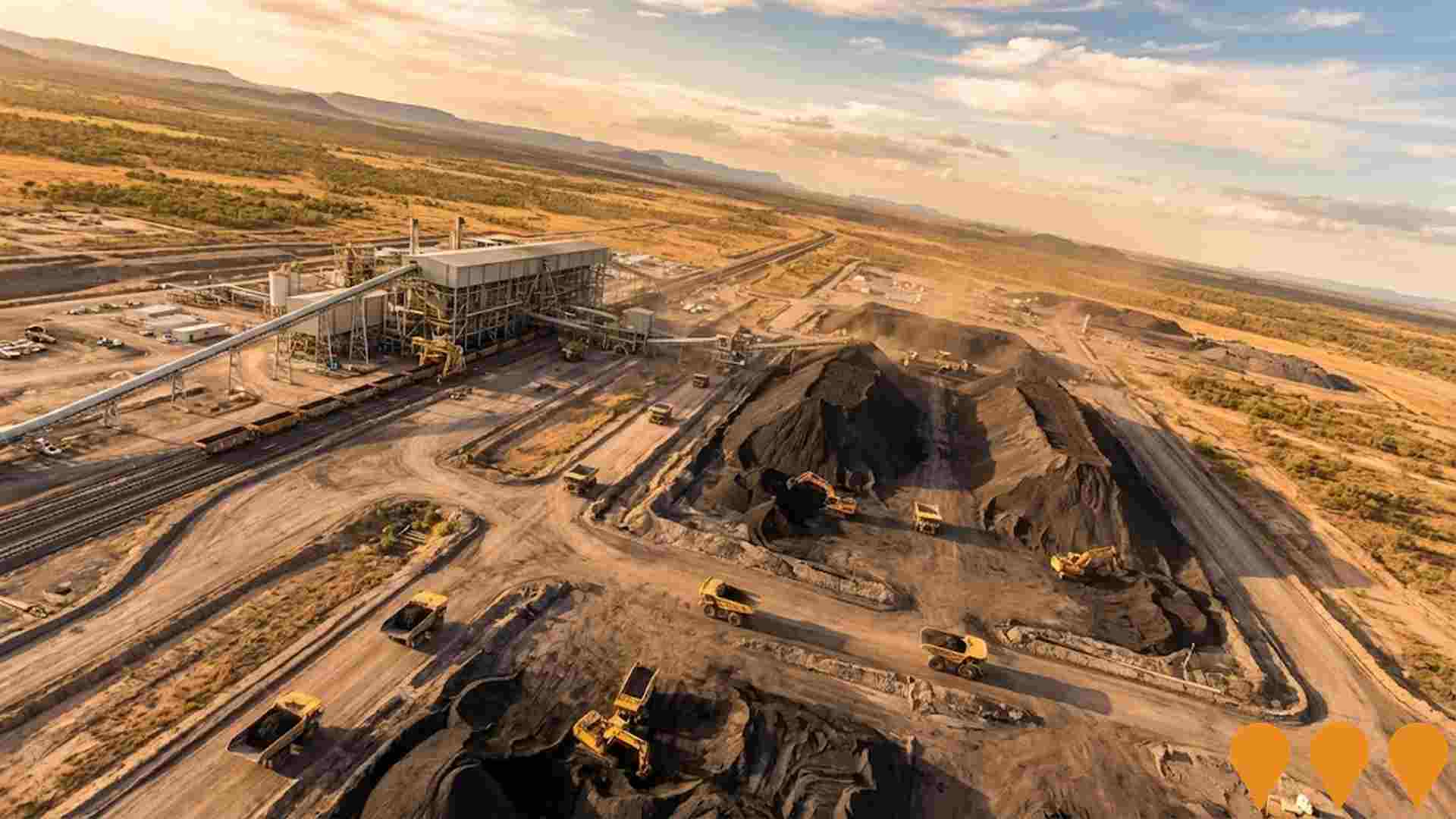
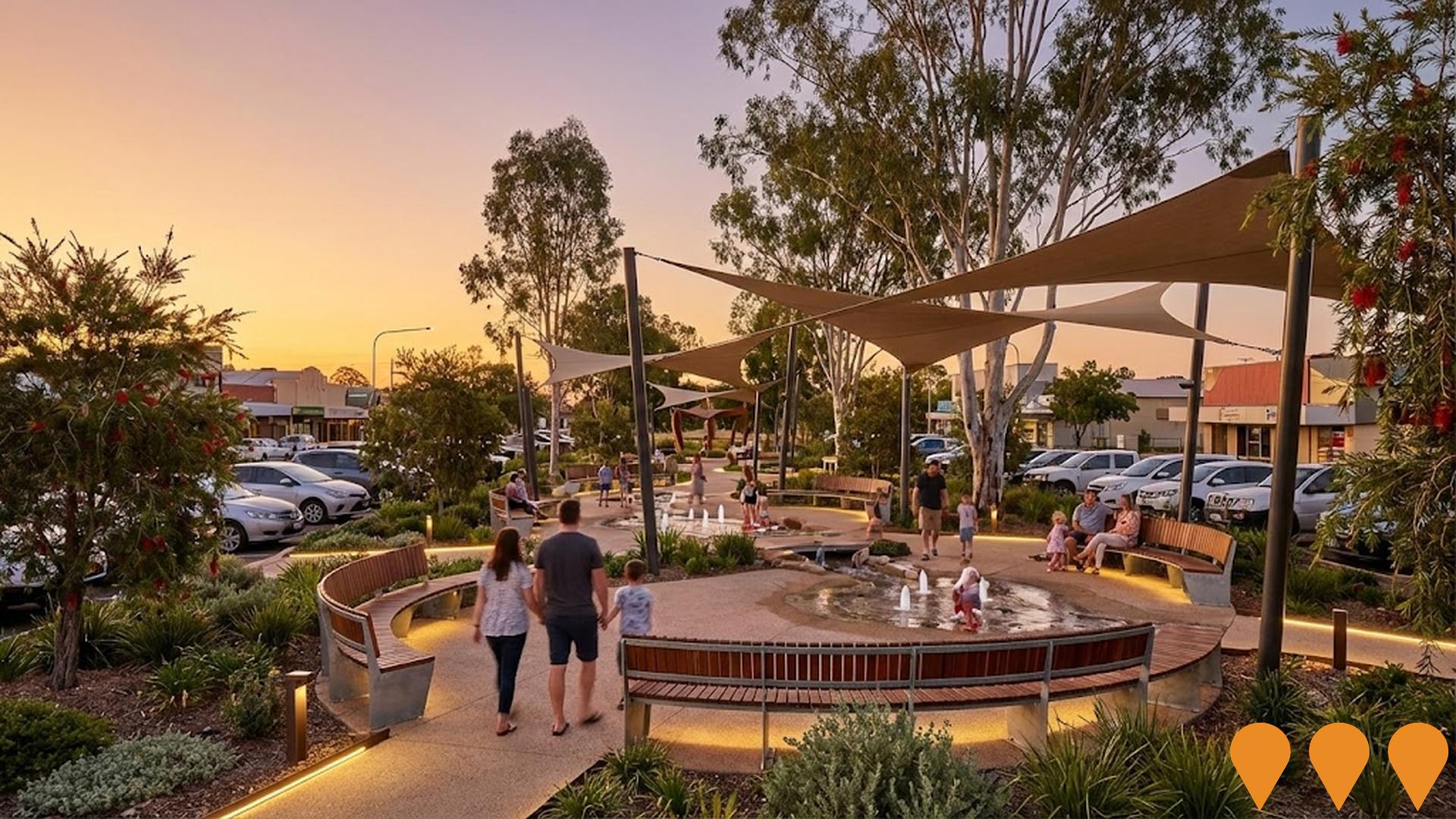
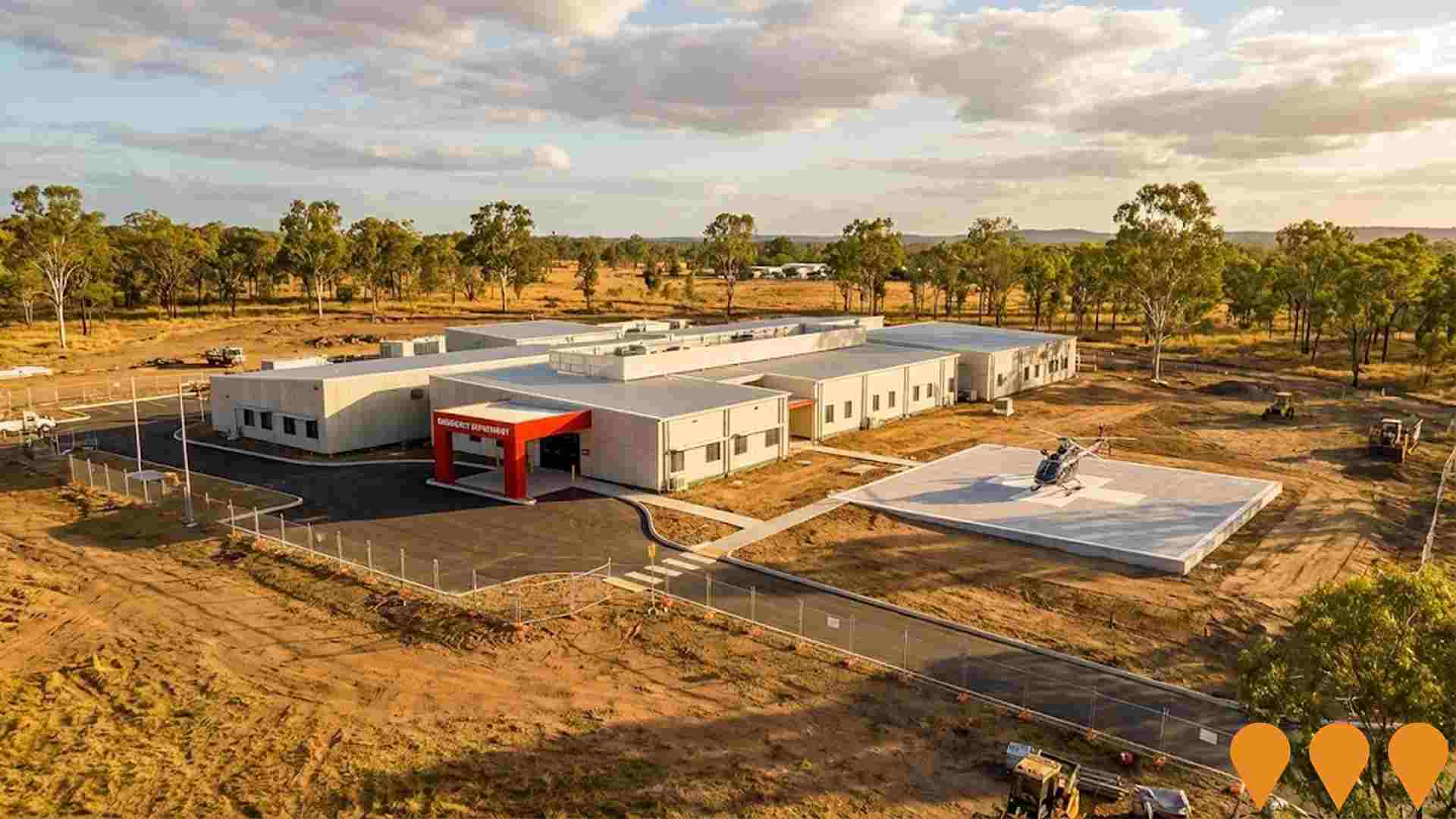
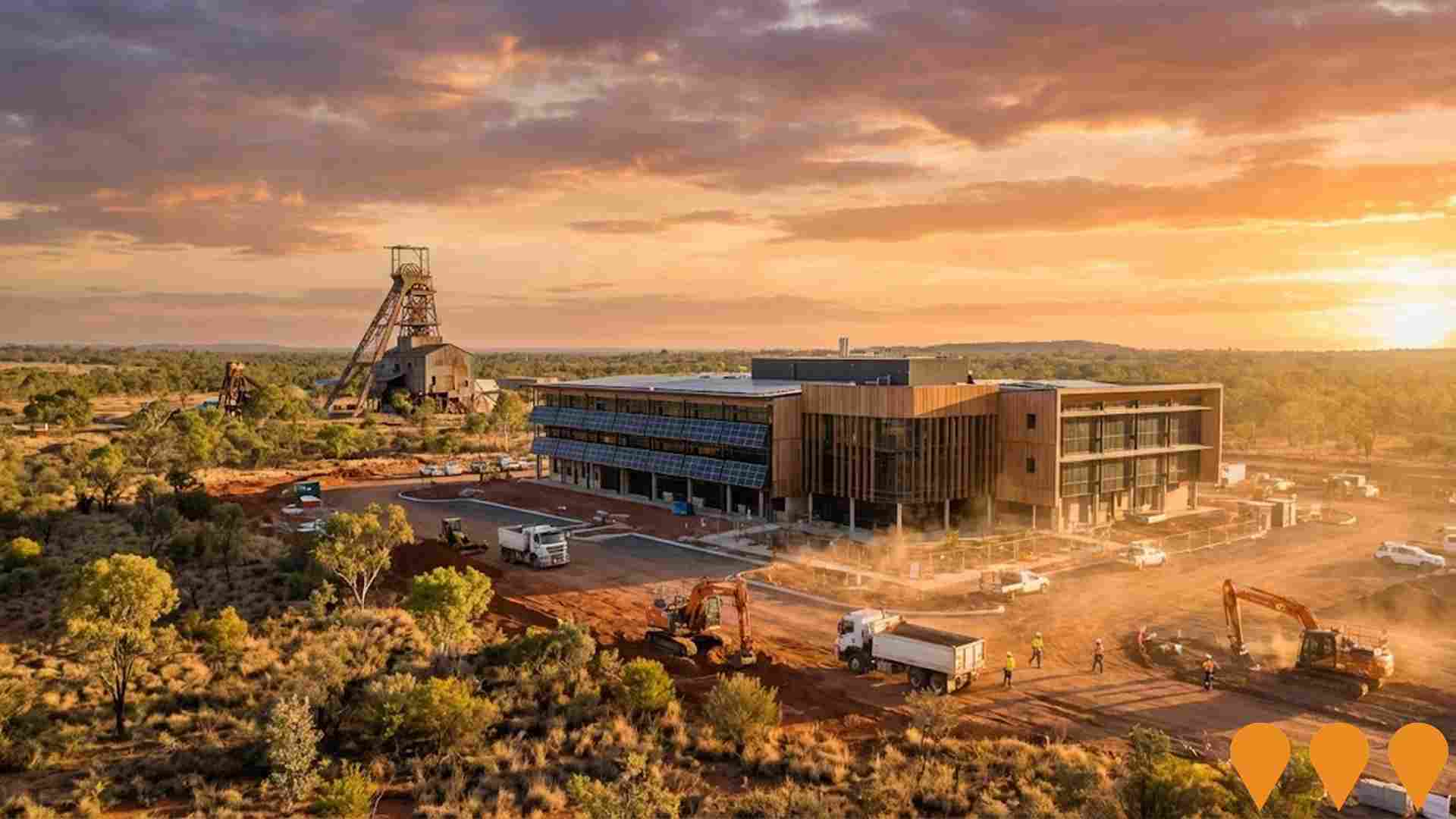
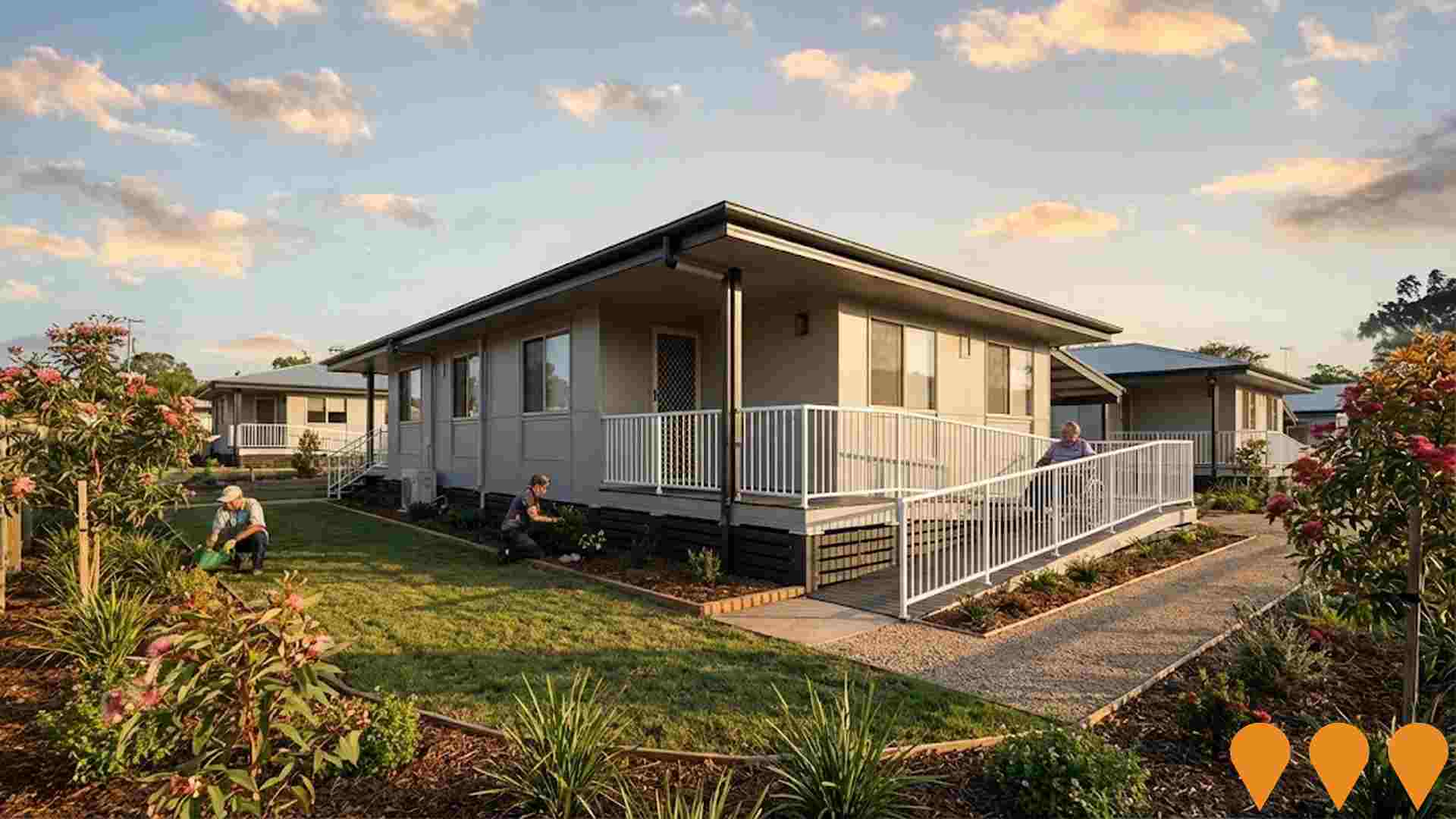
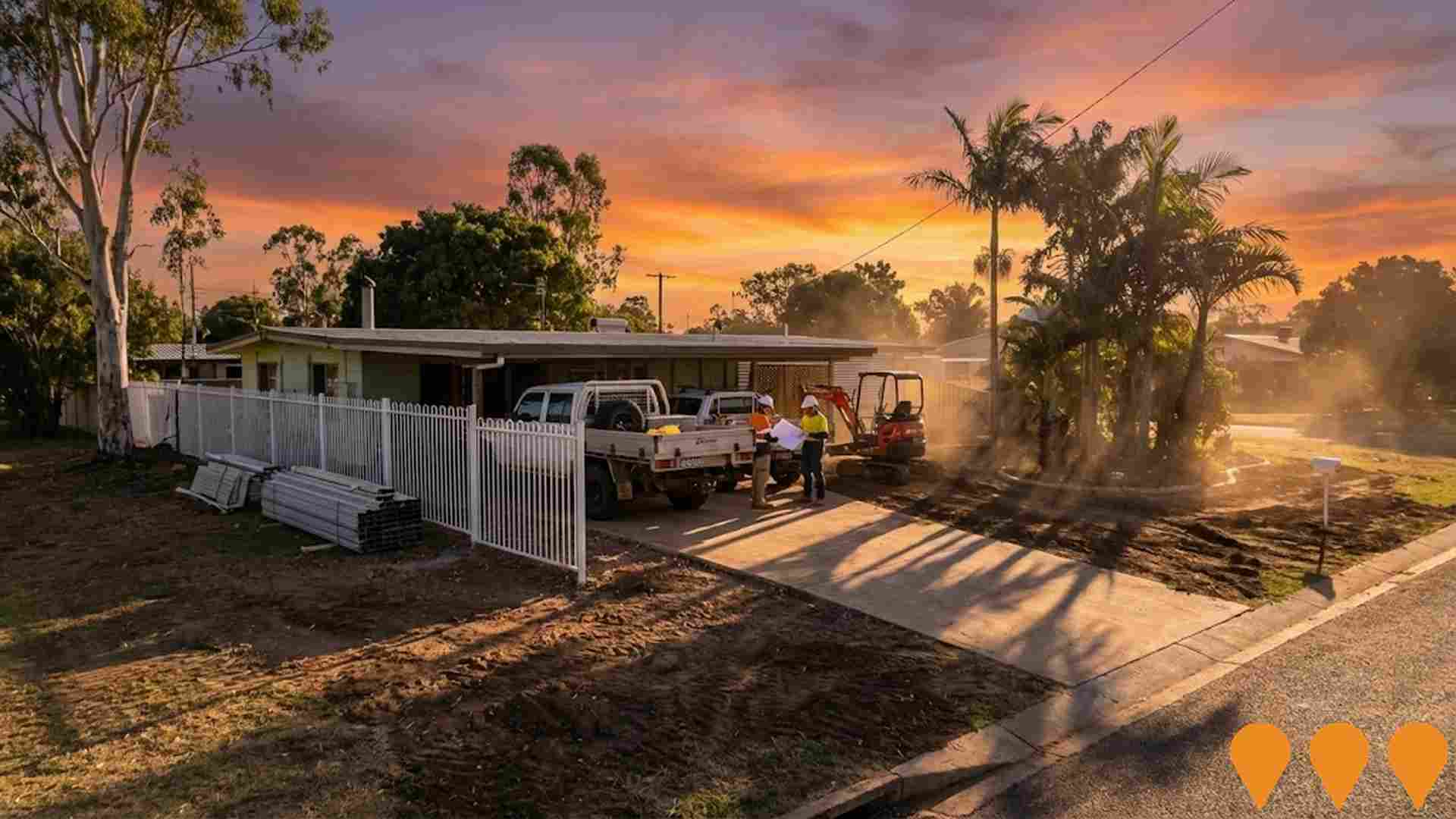
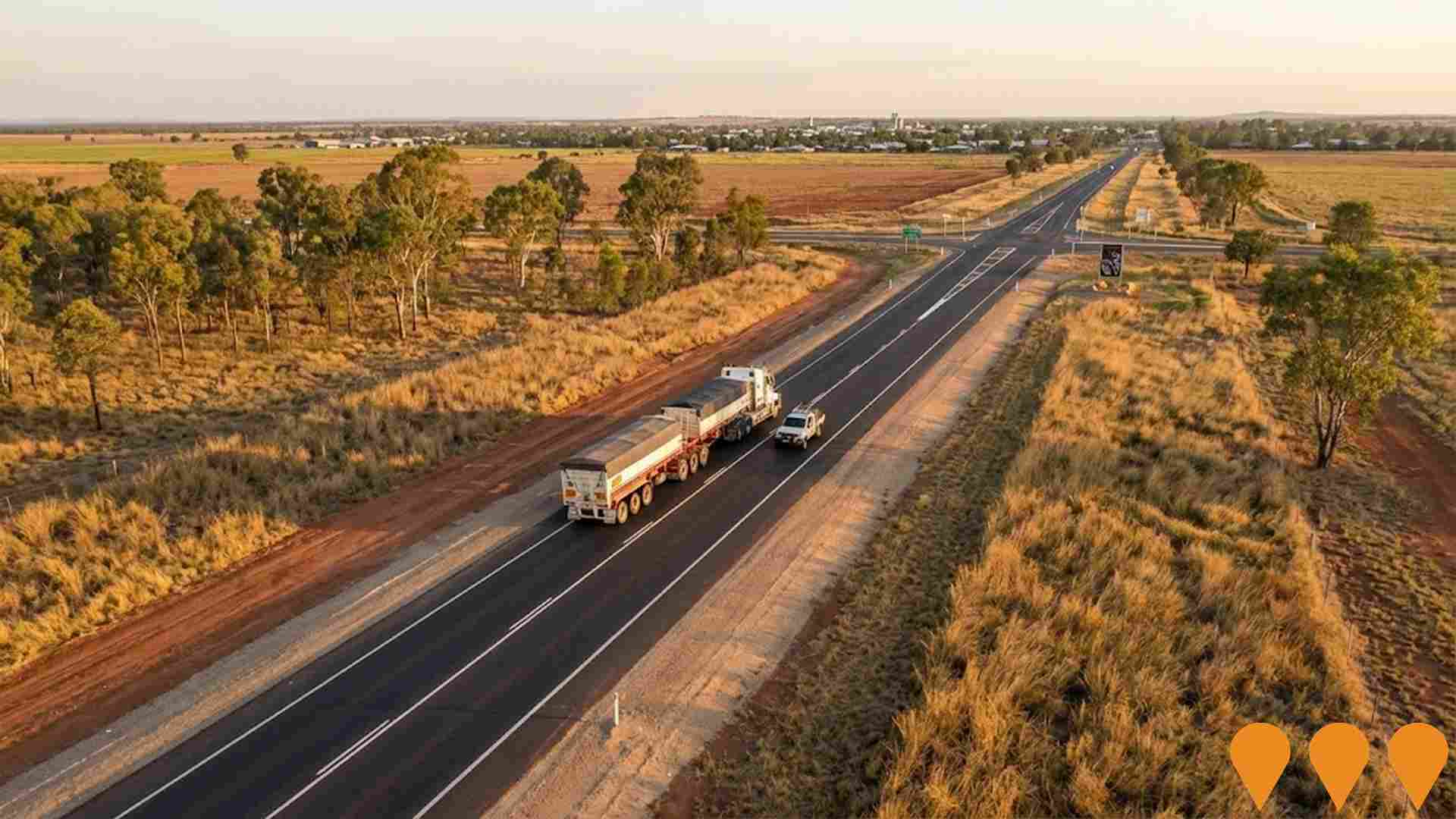
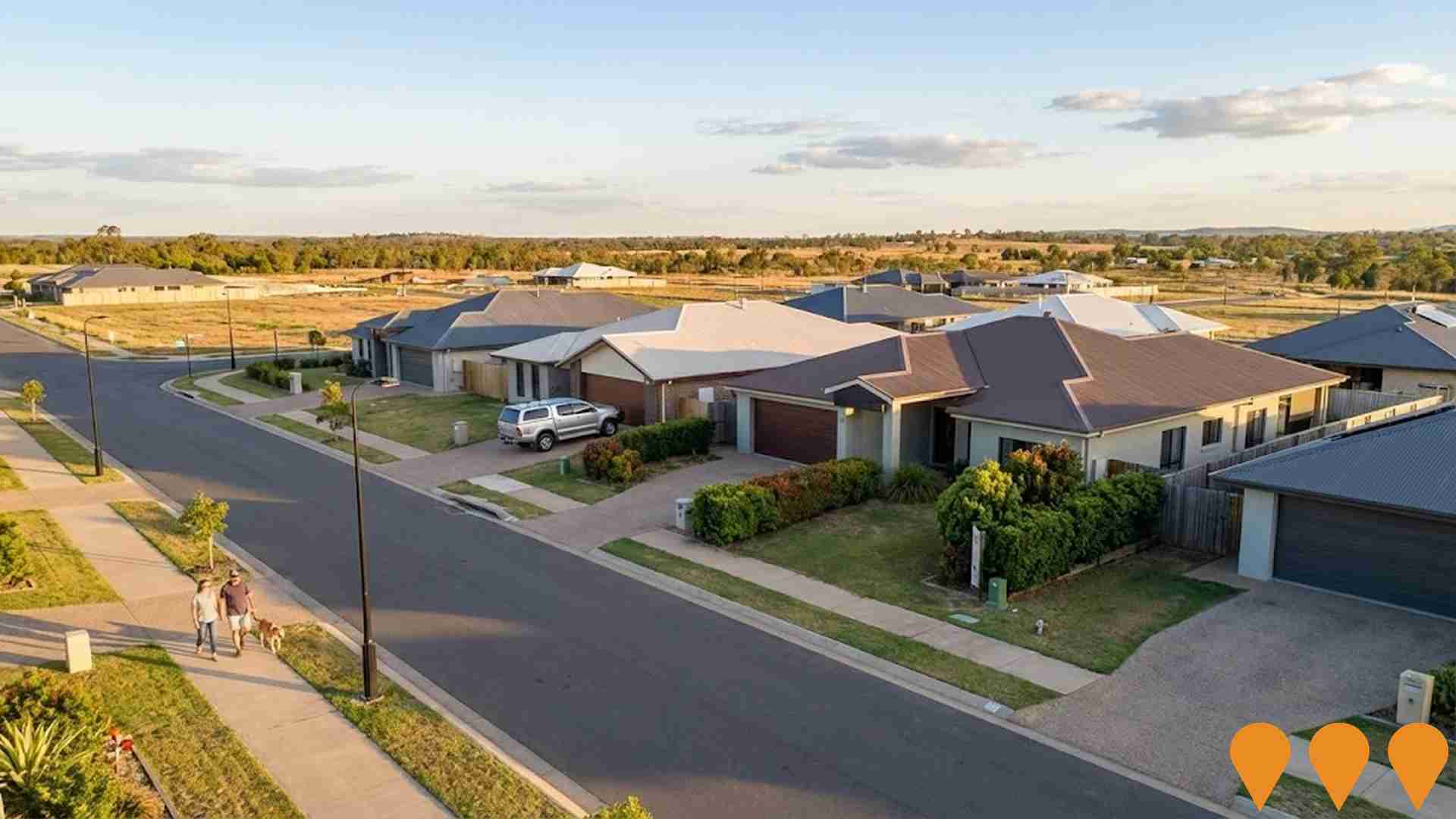
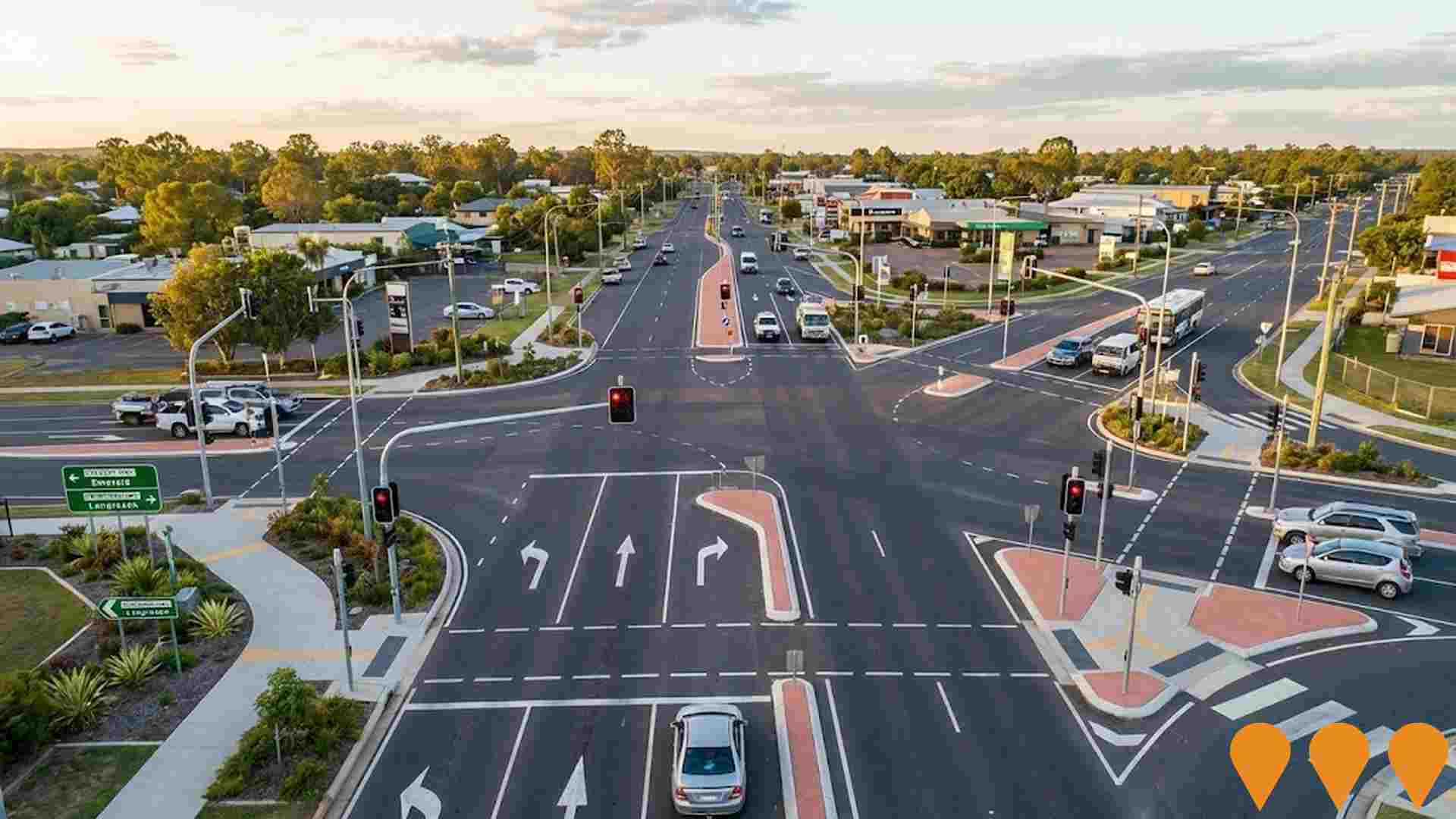
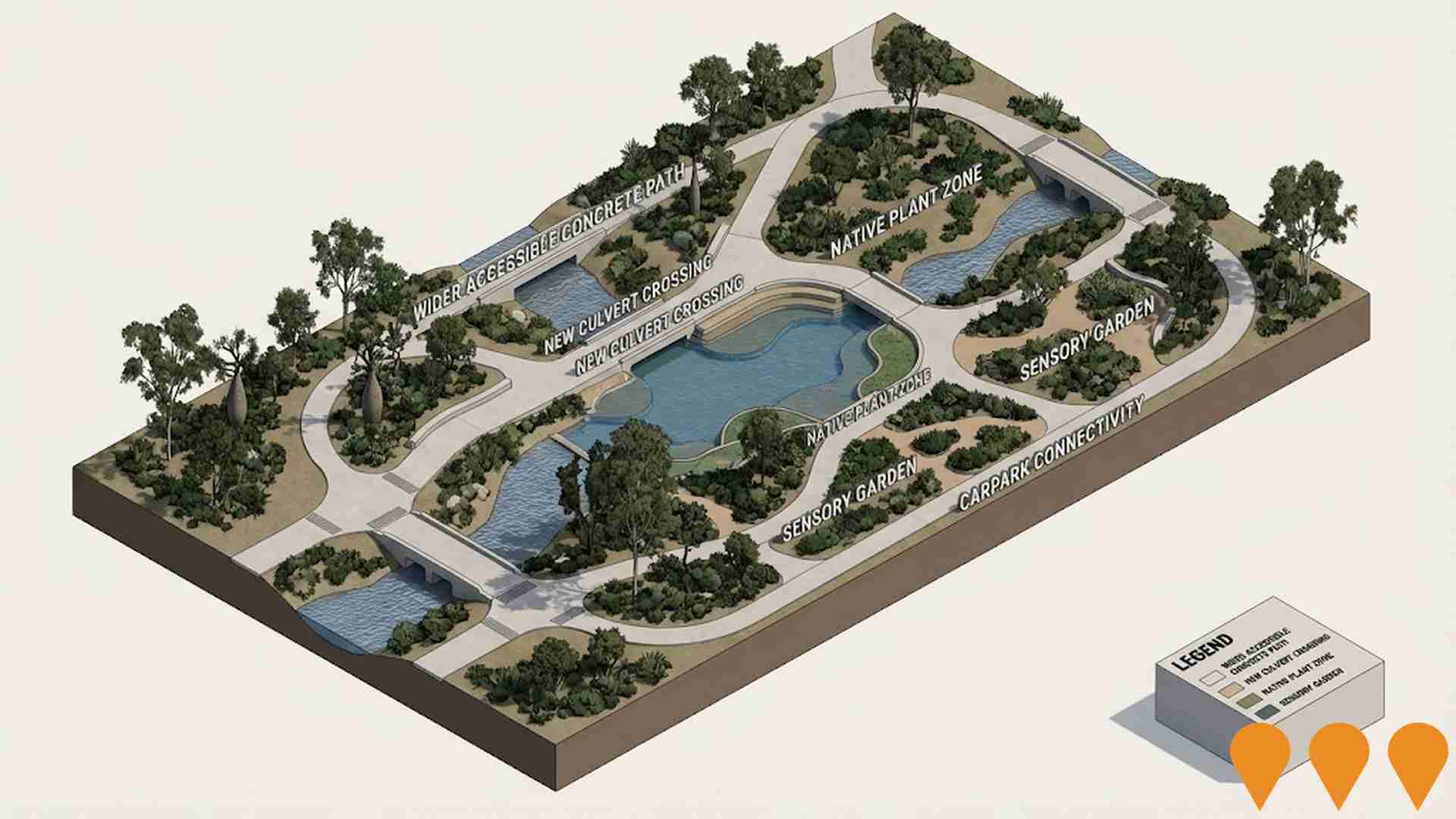
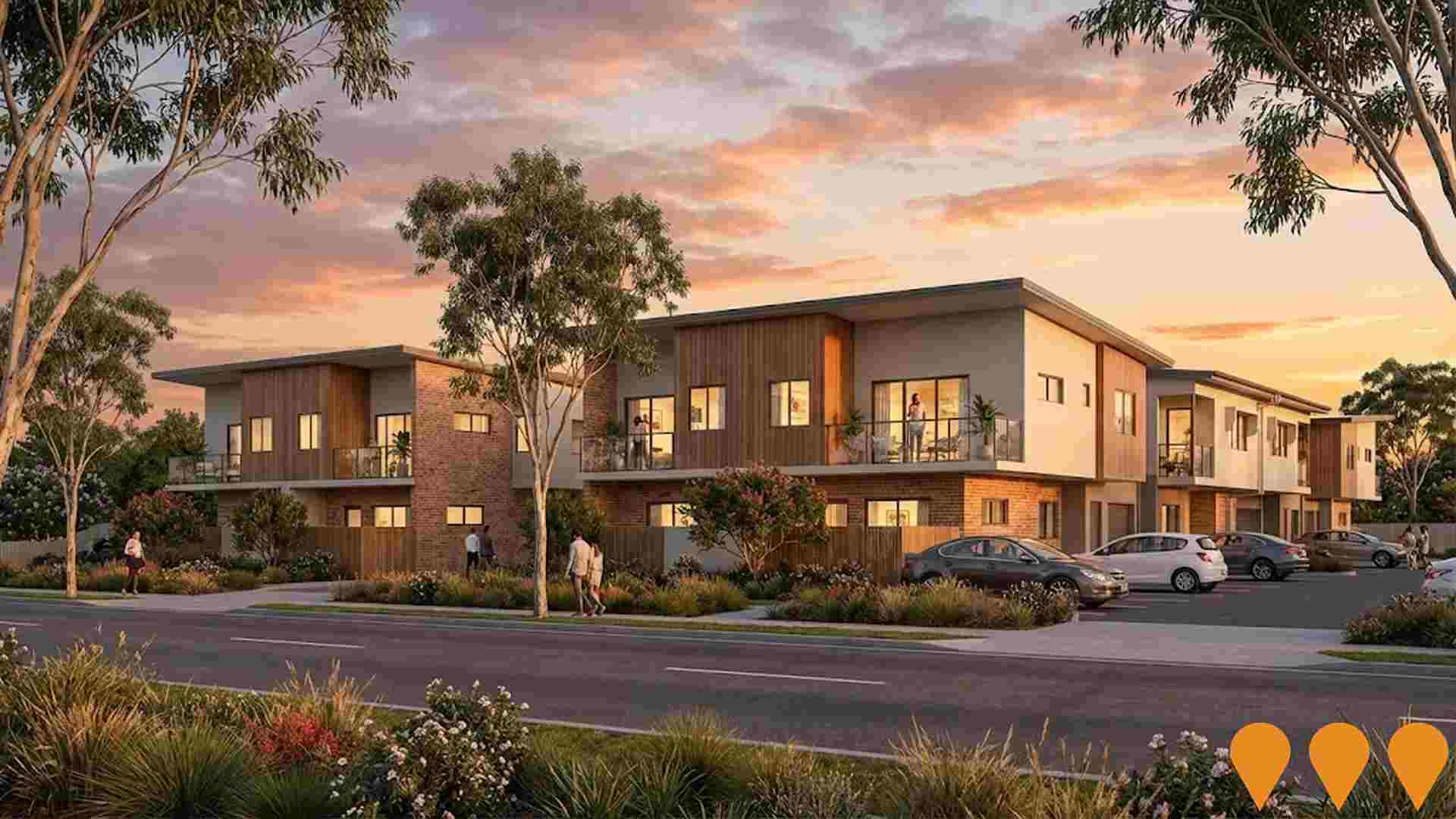
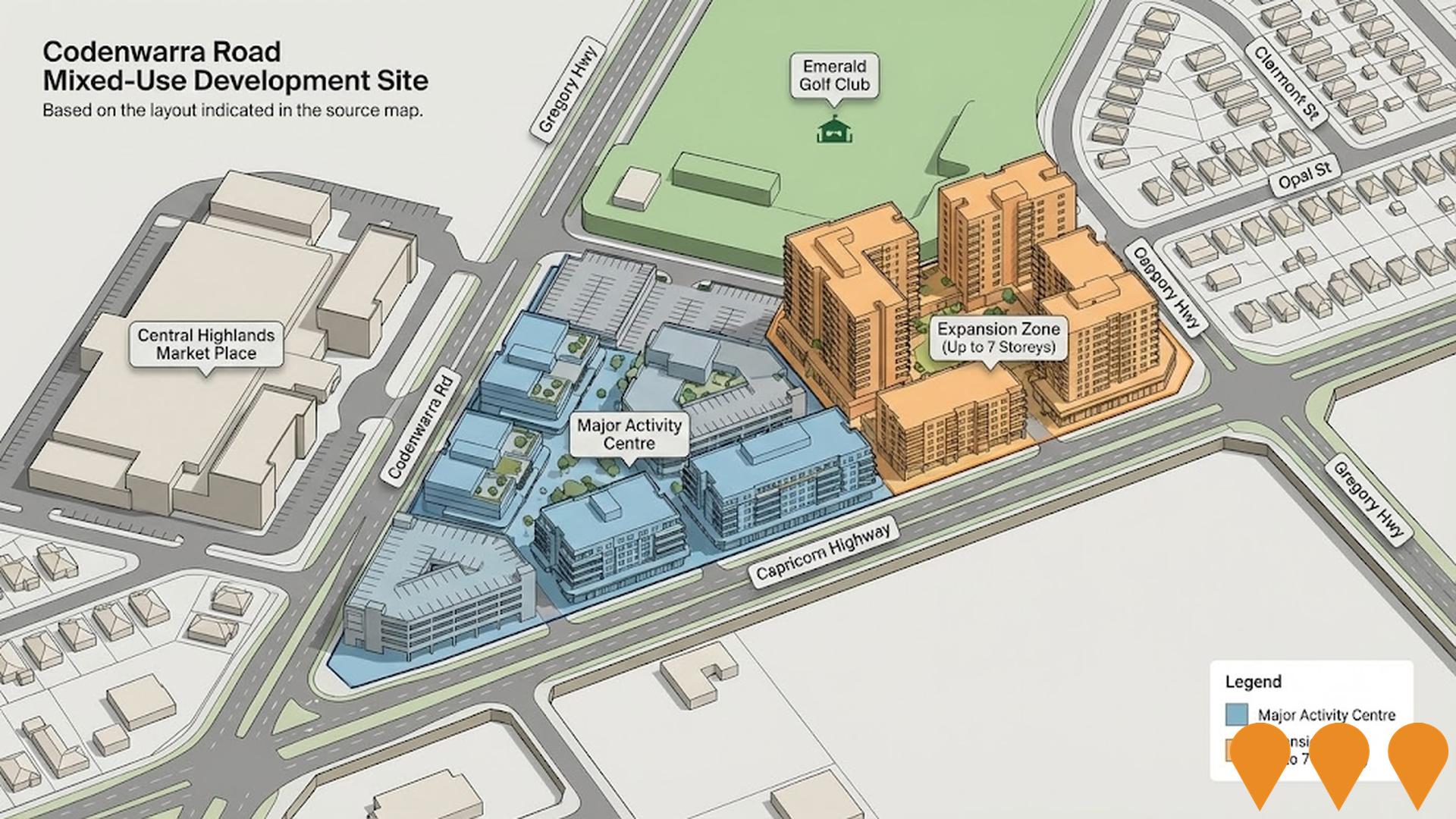
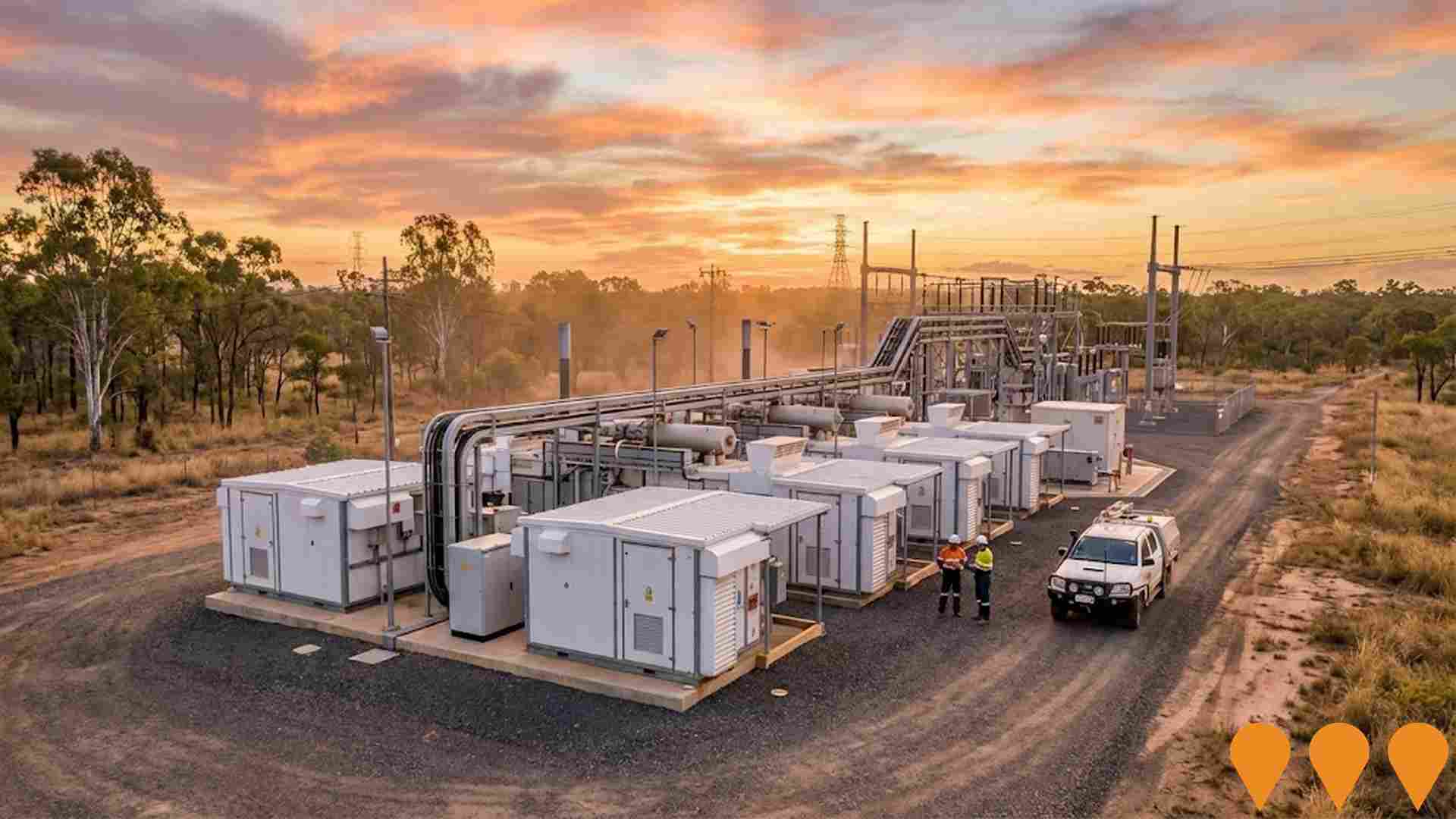
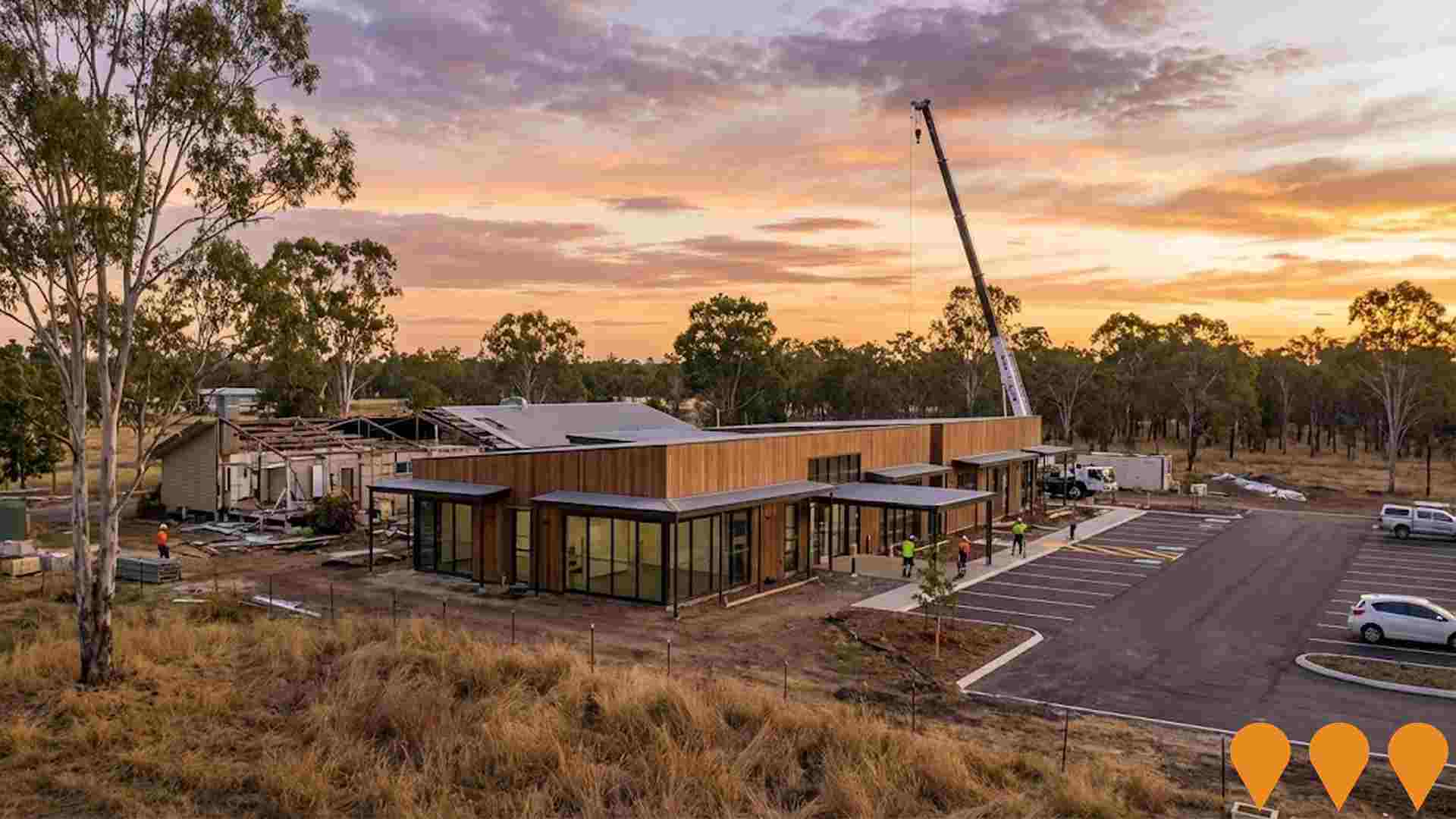
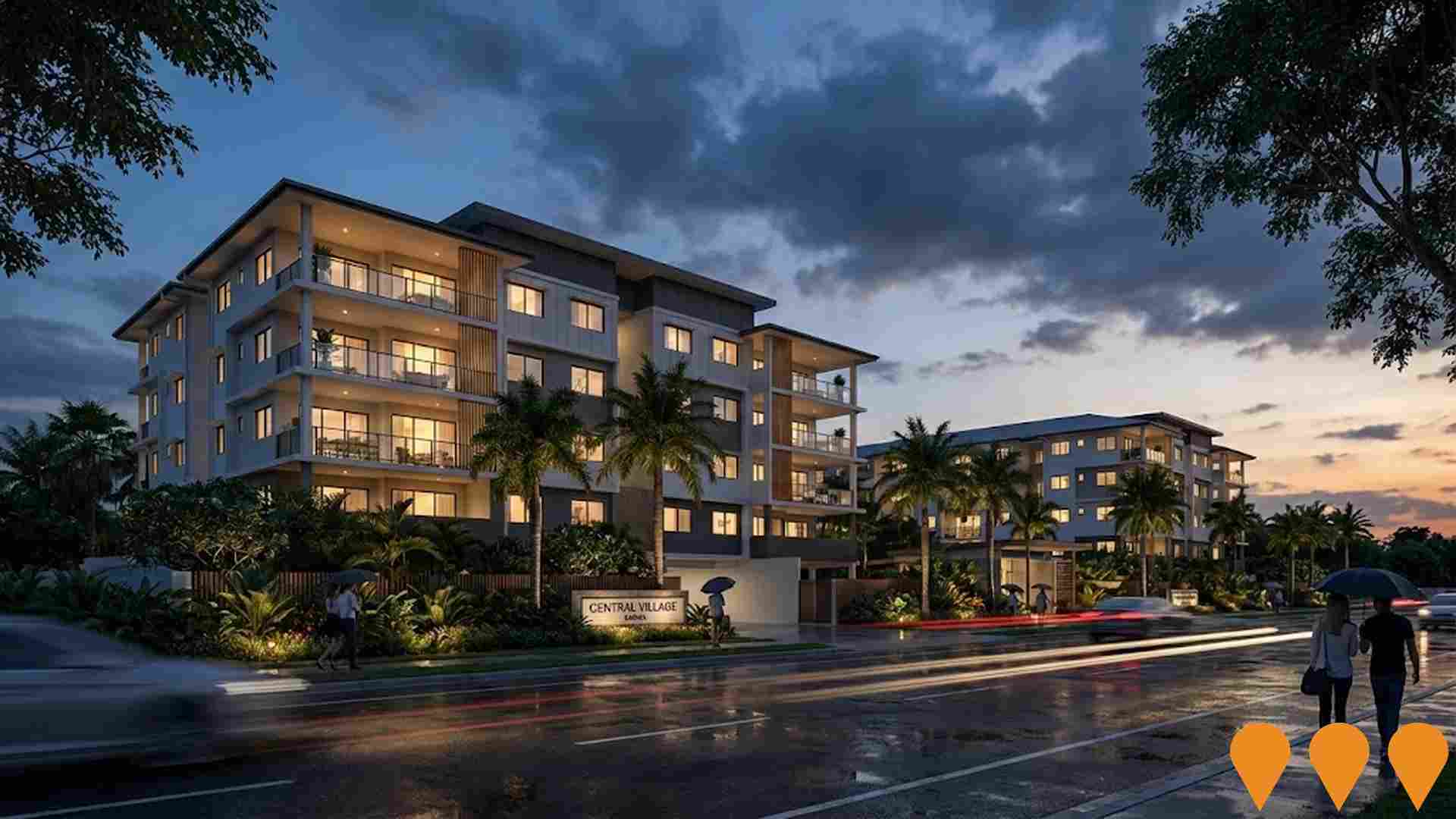
 Denotes AI-based impression for illustrative purposes only, not to be taken as definitive under any circumstances. Please follow links and conduct other investigations from the project's source for actual imagery. Developers and project owners wishing us to use original imagery please Contact Us and we will do so.
Frequently Asked Questions - Infrastructure
Dysart Urban Design Framework & Masterplan
An adopted urban design framework and masterplan prepared by Isaac Regional Council to guide the long term development and renewal of Dysart. The framework includes a town-wide masterplan, design guidelines and an implementation plan, and is now used as a reference document when assessing development applications against the Isaac Region Planning Scheme 2021. It focuses on improving the public realm, supporting infill housing and commercial development, and coordinating future community and infrastructure investment in the town.
Olive Downs Coking Coal Complex
The Olive Downs Complex is a fully operational large-scale steelmaking coal mine in the Bowen Basin, Queensland. It commenced production in mid-2023, with operations fully starting in April 2024, producing up to 15 million tonnes per annum of high-quality coking coal and PCI products for export to markets including Japan, South Korea, and India. The mine features a central coal handling and processing plant, rail infrastructure, and has an expected life of over 79 years, generating significant economic benefits including over $10 billion in royalties for Queensland.
Moranbah Town Square Development Project
Community infrastructure project removing old fountain structure and creating new creative garden setting with benches, shade structures, water features and improved lighting.
Moranbah Hospital Redevelopment
$48.5 million new hospital replacing the existing facility at Moranbah, funded by the Queensland Government's progressive coal royalty tiers. The new hospital opened 26 November 2024 and features an expanded emergency department with 10 treatment spaces, 12 inpatient beds, a CT scanner in an expanded imaging department, dedicated mental health care, allied health and community health spaces, gymnasium, and improved ambulance access. A new on-campus helipad to support inter-hospital patient transfers was under construction post-opening as at April 2025, with concrete slab, light installation and landscaping works underway.Builder: Hutchinson Builders.
Isaac Resources Excellence Precinct
A jointly funded innovation, research and training precinct in Moranbah focused on resources, critical minerals, mine rehabilitation, renewable energy, workforce development and industry collaboration. Construction is continuing with staged works scheduled through mid-2027, alongside industry partnerships and tenant planning.
Moranbah Affordable Housing Project
A 16-unit affordable housing complex in Moranbah, including five units designed to Liveable Housing Australia's gold standards for tenants supported by the National Disability Insurance Scheme, providing safe and secure homes for the community.
Moranbah Community Centre Revitalisation
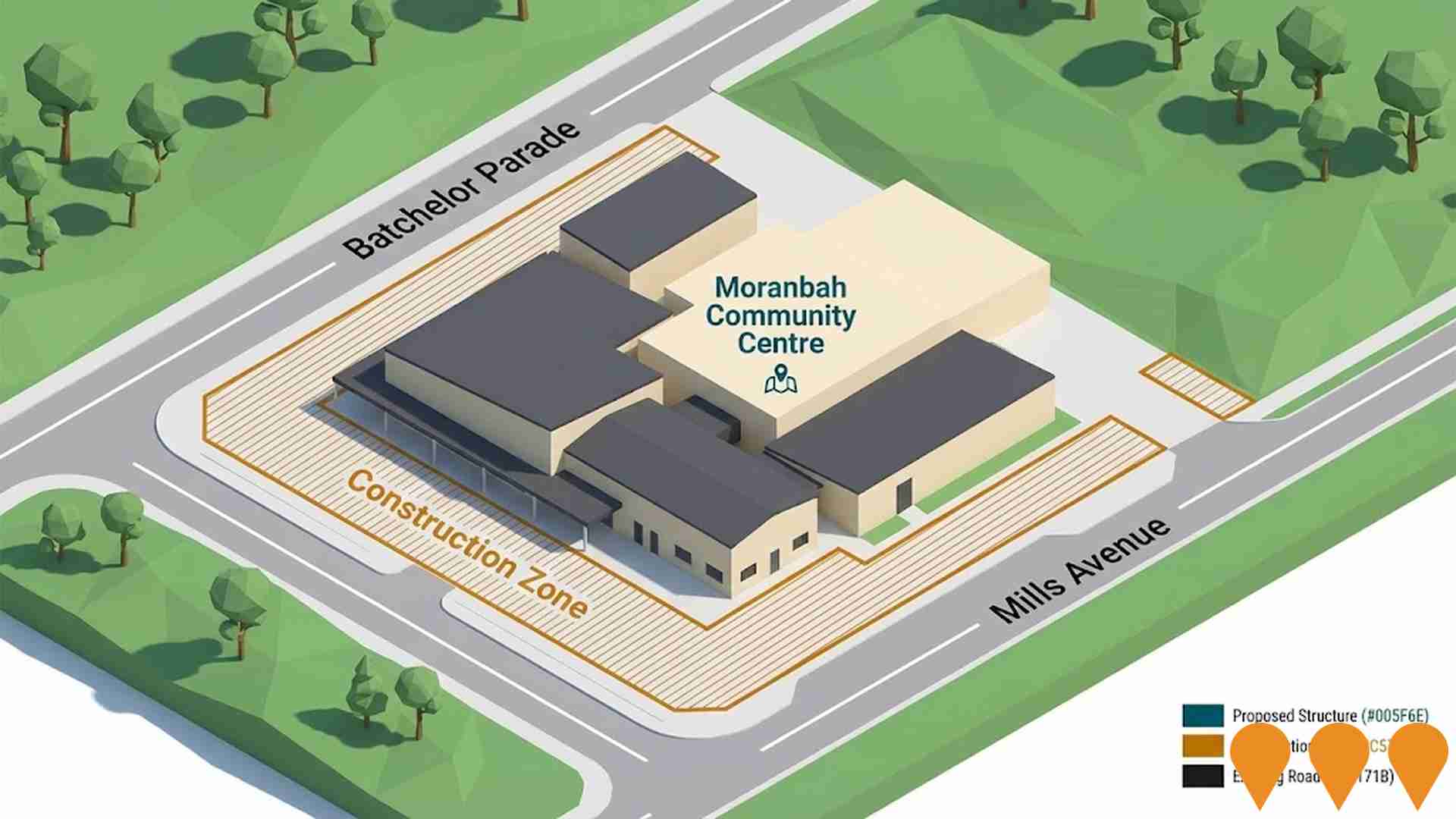
Major upgrade of 50-year-old community centre to address growing corporate and community needs. Funded by Resources Community Infrastructure Fund and Isaac Regional Council.
Moranbah Mixed Use Development
DA approved staged mixed-use development in Moranbah comprising 132 mixed zoned lots, including a 96-apartment complex and a 96-room hotel. Civil works for power, water, roads, and infrastructure completed, with millions invested. Positioned to support mining expansion with new housing demands from upcoming Winchester South Project Coal mine.

1,924 residents of Dysart (Qld) are employed, from a labour force of 1,948. Unemployment sits at 1.2%, with participation at 81.3%. Weighted for its industry mix, the area's sectors are forecast to grow about 4.0% nationally over five years. That reflects industry composition only and makes no allowance for local population growth. Unemployment and labour force come from ABS Small Area Labour Markets, updated quarterly; the industry and occupation profile is from the 2021 Census.
Detail
The local labor market in Dysart reflects a mix of white and blue collar positions, with manufacturing and industrial fields making up a significant portion of the economy. The unemployment rate stands at 1.2%, and there has been an estimated employment growth of 4.6% over the last year, according to data aggregated by AreaSearch from statistical area sources. In March 2026, the number of residents employed was 1,924, and the local unemployment rate was 2.7% lower than the Regional Qld rate of 3.9%. Workforce participation in Dysart is notably higher than the regional average, reaching 81.3% compared to 64.2% in Regional Qld.
According to census data, only 6.0% of residents reported working from home, although the effects of Covid-19 lockdowns may have influenced these figures. Local workers are primarily concentrated within mining, administrative & support, and education & training. Specialization in mining is particularly pronounced, with the sector's local employment concentration reaching 12.4 times the regional proportion. Conversely, health care & social assistance accounts for only 4.5% of local employment, well under the 16.1% recorded in Regional Qld. Although jobs exist within the boundary, comparisons between the Census working population and resident counts suggest a substantial volume of workers commute to employment outside the immediate area. Aggregated data from broader statistical areas, analyzed by AreaSearch using SALM and ABS figures, show that between January and March 2026, employment grew by 4.6% while the labour force expanded by 5.1%, leading to an increase in unemployment of 0.5 percentage points. Meanwhile, Regional Qld recorded more modest gains, with employment rising by 0.1% and the labour force growing by 0.3%, accompanied by a 0.1 percentage point increase in unemployment. Jobs and Skills Australia's national employment forecasts starting Mar-26 provide additional context for anticipating future demand in Dysart. These projections span five and ten-year horizons and have been overlaid onto local employment data to gauge likely growth trajectories. Nationally, employment is projected to grow by 6.6% over five years and 13.7% over ten years, though sectoral growth varies considerably. When these industry-specific forecasts are applied to Dysart's current employment composition, local employment is estimated to rise by 4.0% over five years and 10.2% over ten years, though this represents a straightforward weighting exercise for illustrative use only and does not incorporate localized population trends.
Frequently Asked Questions - Employment
Median household income in Dysart (Qld) is $2,444 a week (about $127,000 a year), with median personal income at $1,406 a week. ATO records put median taxable income at $84,578 a year against an average of $98,171. Household income is from the 2021 Census; taxable income is from ATO Taxation Statistics for the latest financial year available, indexed forward using the ABS Wage Price Index.
Detail
ATO postcode statistics compiled by AreaSearch for financial year 2023 place local earnings in the top national percentile, recording a median income of $84,578 and an average income of $98,171. These metrics exceed Regional Qld, which reported a median of $53,146 and an average of $66,593. Factoring in an 11.36% increase in the Wage Price Index since financial year 2023, updated estimates as of March 2026 reach approximately $94,186 (median) and $109,323 (average). Census findings from 2021 similarly place personal, household, and family earnings between the 89th and 96th percentiles across the nation.
The weekly income band of $1,500 - 2,999 is the largest, covering 35.8% of workers (1,091 people), mirroring the broader region where 31.7% fall into this bracket. A significant 39.3% earn more than $3,000 weekly, underscoring substantial affluence, while residents retain 96.3% of earnings once housing expenses are met.
Frequently Asked Questions - Income
Dysart (Qld) had 864 occupied dwellings at the 2021 Census, 92% detached houses and 2% apartments. 17% are owned with a mortgage, 65% rented and 18% owned outright. At that Census the median rent was $100 a week and the median mortgage repayment $672 a month. Rent absorbs 4.1% of household income here and mortgage repayments 6.3%. Dwelling stock, tenure and housing costs are 2021 Census measures — the only source that counts dwellings at this boundary size.
Detail
At the time of the latest Census, separate houses constituted 92.2% of the local residential stock while 7.7% comprised semi-detached dwellings, apartments, and other configurations, compared to 76.4% houses and 23.6% other residential types in Regional Qld. Outright ownership accounted for 18.4% of tenures, lagging regional levels, with mortgaged properties making up 16.9% and rental housing representing 64.8%. Typical mortgage payments were $672 per month, significantly below the Regional Qld figure of $1,655, whereas median weekly rents stood at $100 compared to $345 regionally. On a national scale, local monthly mortgage repayments sit far below the Australian benchmark of $1,863, and weekly rents are markedly lower than the national figure of $375.
Frequently Asked Questions - Housing
Dysart (Qld) counted 864 households at the 2021 Census, averaging 2.5 people each. 32% are couples with children, against 26% couples without children. 27% of households are people living alone, and families average 1.7 children. Household and family composition is measured only by the Census, so these are 2021 figures.
Detail
Family arrangements represent the majority of living situations, making up 70.7% of households and comprising 32.1% couples with children, 26.2% childless couples, and 10.8% single parent families. Non-family dwellings constitute the remaining 29.3%, divided into lone person residences at 26.8% and group households at 3.3%. The typical household size stands at 2.5 people, aligning exactly with the Regional Qld average.
Frequently Asked Questions - Households
11.7% of adults in Dysart (Qld) hold a university qualification, including 9.2% with a bachelor degree and 1.7% with postgraduate qualifications, lower than 86% of areas nationally. A further 43.9% hold a vocational qualification. 2 schools serve the area, with 435 enrolment places and an average ICSEA of 915 against a national benchmark of 1,000. Qualifications come from the 2021 Census; school enrolments, ICSEA and results come from ACARA's current release.
Detail
Tertiary attainment levels in the locality reflect notable educational hurdles, as only 11.7% of residents possess a university qualification against the 30.4% national standard, presenting opportunities for educational development. Within higher education, bachelor degrees represent 9.2%, postgraduate degrees comprise 1.7%, and graduate diplomas account for 0.8%. Conversely, vocational and technical credentials are widespread, held by 52.3% of the population aged 15+, consisting of certificates (43.9%) and advanced diplomas (8.4%). A substantial proportion of the community is engaged in learning, with 40.7% currently enrolled in an educational course. Specifically, primary schooling accounts for 20.1%, secondary schooling represents 11.6%, and tertiary study encompasses 2.6%.
Frequently Asked Questions - Education
Schools Detail
Getting around Dysart (Qld) means driving: households keep an average of 1.6 vehicles, and no scheduled public transport appears in the current timetable feeds. Service data is built from operators' published GTFS timetables; vehicle ownership is from the 2021 Census.
Frequently Asked Questions - Transport
Transport Stops Detail
75.9% of residents in Dysart (Qld) report no long-term health condition. 2.7% need daily assistance with core activities, and 66.1% hold private health cover. The standardised death rate runs at 6.1 per 1,000 residents. Health conditions, assistance needs and insurance are 2021 Census measures; the death rate comes from current ABS releases.
Detail
Health indicators across the community are generally favorable, with AreaSearch evaluations of chronic illnesses and mortality rates showing metrics comparable to nationwide standards and typical incidence rates across all age brackets. Furthermore, private health insurance coverage is remarkably high, held by roughly 66% of the population (2,015 people), compared to 52.5% in Regional Qld and a national level of 55.7%. Asthma and mental health conditions are the most prevalent ailments locally, reported by 9.2 and 6.8% of inhabitants, respectively, while 75.9% of residents stated they have no medical conditions, higher than the 67.6% recorded across Regional Qld.
Health metrics are notably strong among residents under 65. The cohort aged 65 and over represents 8.0% of the population (243 people), well below the 20.3% share in Regional Qld, with older residents recording health outcomes that outpace national benchmarks.
Frequently Asked Questions - Health
Dysart (Qld) is largely Australian-born, at 87.4% of residents, with 5.2% speaking a language other than English at home. The largest reported ancestries are Australian (30.9%) and English (29.5%). 6.2% of residents identify as Aboriginal and/or Torres Strait Islander. Ancestry, language and country of birth are counted only by the Census, so these are 2021 figures.
Detail
Cultural and demographic background measures indicate lower diversity than average, with Australian citizens making up 72.6% of residents, 87.4% born in Australia, and 94.8% speaking exclusively English at home. Christianity represents the predominant faith, followed by 48.2% of the local population. Meanwhile, those identifying with Other religions represent 0.7% of residents, compared to 0.8% in Regional Qld. Looking at parental heritage, the most frequently reported ancestries are Australian at 30.9%, English at 29.5%, and Irish at 7.7%. Clear variations emerge in other demographic cohorts: Maori heritage is recorded by 1.8% of residents compared to 0.8% regionally, New Zealand background accounts for 1.3% against 0.9%, and Australian Aboriginal ancestry stands at 6.2% compared to 3.9% regionally.
Frequently Asked Questions - Diversity
The median resident of Dysart (Qld) is 32, younger than 90% of areas nationally. 28.4% of residents are aged 15 to 34. Age cohorts are not raw Census counts: the Census split is re-based to the latest ABS population estimates and state projections.
Detail
The demographic structure of the suburb of Dysart (Qld) is heavily oriented toward young family cohorts. AreaSearch estimates for August 2026 indicate that 35.2% of residents are aged 25 - 44, compared to 25.5% in Regional Qld, whereas seniors aged 65+ comprise 8.0% against 20.4% across the broader region. The median age is an estimated 32 as at August 2026, matching the 2021 Census figure, remaining 9 years lower than the Regional Qld median of 41 and below Australia's Census median of 38. The share of youth aged 0 - 24 has decreased from 34.6% at the Census to an estimated 31.3%.
Projections to 2041 indicate that adults aged 25 - 44 will see the largest absolute increase, rising by 107 residents (10%) to 1,180, while the 65+ age group is forecast to grow at the quickest rate, rising 27% to 309 residents, alongside an expected decrease in the 0 - 24 cohort.
Frequently Asked Questions - Age
Data & MethodBoundaries, Sources & Method for Dysart (Qld)
9 of 14 data sections on this page were updated within the last 12 months — the newest current to Oct 2026.
Everything is aggregated to the Suburb (SAL) boundary shown above, on a 2021 Census baseline. Only 3 sections — housing, households and cultural diversity — still wait on the 2026 Census.
The ledger — source, cycle and currency by section
| Section | Source & update cycle | Currency |
|---|---|---|
| Updated within the last 12 months 9 sections | ||
| Population | ABS, GNAF, Geoscience Australia Annual (ABS ERP) | Aug 2026 2 months ago headline measures · 2021 Census baseline |
| Re-based to the ABS Estimated Resident Population (June 2025 release) and updated with new dwellings from GNAF address data. Current to Aug 2026, with the 2021 Census supplying the small-area baseline. | ||
| Age profile | ABS, Geoscience Australia, State governments Annual | Aug 2026 2 months ago headline measures · 2021 Census baseline |
| Age cohorts are re-based to the latest ABS population estimates and state projections, current to Aug 2026. Each cohort is held as a Census baseline and a current estimate. | ||
| Development & approvals | ABS, GNAF Monthly (ABS approvals) | Aug 2026 2 months ago headline measures · Jul 2026 baseline |
| Property sales & rents | Valuer General, Rental Board, ABS Weekly sales, quarterly rents | Oct 2026 this month headline measures · Sep 2026 baseline |
| Sales from the state Valuer General register, refreshed weekly, and rents from quarterly rental bond lodgements. Both are read live each time this page loads, current to Oct 2026. | ||
| Infrastructure projects | Infrastructure Australia, State agencies, Local governments Daily | Nov 2025 11 months ago all 2 projects tracked here |
| Project pipeline maintained continuously from Infrastructure Australia, state agencies, local government and public announcements. Records are added and revised daily; this area was last updated Nov 2025. | ||
| Employment | ABS, DEWR, JSA Quarterly (ABS SALM) | Mar 2026 7 months ago headline measures · 2021 Census baseline |
| Unemployment and labour force from ABS Small Area Labour Markets, current to Mar 2026. The growth outlook applies Department of Employment (now Jobs and Skills Australia) forecasts for all 19 industry divisions to the local industry mix, so it measures sector composition rather than local expansion and makes no allowance for population growth. Job demand comes from the same agency via its Internet Vacancy Index; industry and occupation structure from the 2021 Census. | ||
| Education | ABS, ACARA Annual (ACARA) | Sep 2026 last month headline measures · 2021 Census baseline |
| Transport | ABS, State Transport Departments Each timetable release | Jul 2026 3 months ago headline measures · 2021 Census baseline |
| Services & amenities | Provider directories, ACECQA Continuous | Sep 2026 last month all 14 measures |
| Annual and financial-year sources 2 sections | ||
| Income | ABS, ATO Annual (ATO) | FY 2023 3 years ago headline measures · 2021 Census baseline |
| ATO taxable income statistics for FY 2023, indexed forward using the Wage Price Index. Census household income provides the distribution detail. | ||
| Health | ABS, ATO Annual | 2024 2 years ago headline measures · 2021 Census baseline |
| Census-measured — next update: 2026 Census 3 sections No more current small-area source exists for these, so they are labelled as Census-measured rather than implied to be current. | ||
| Housing | ABS 5-yearly (Census) | 2021 Census next update 2026 all 30 measures |
| Households | ABS 5-yearly (Census) | 2021 Census next update 2026 all 18 measures |
| Cultural diversity | ABS, Geoscience Australia 5-yearly (Census) | 2021 Census next update 2026 all 44 measures |
"Currency" is the most recent release feeding that section. Where the Census supplies the structural baseline underneath a current headline figure, the row says so.
How the numbers are built
Population
The Census provides the small-area baseline, aggregated from mesh blocks to this boundary. It is then re-based to the ABS Estimated Resident Population (June 2025 release), and new dwellings built since Census night are counted from address data — 8 validated new addresses here. The headline figure is therefore a current estimate for Aug 2026, not a 2021 count (2,918 at the 2021 Census → 3,049 now). Annual growth rates are compound (CAGR), not simple averages.
Age profile
Cohort shares are not raw Census counts. Every cohort is held as a pair — the Census baseline and a current estimate — and the split is re-based using ERP and state population projections, current to Aug 2026. Median age is the Census median plus modelled change since. Charts that show both are labelled "2021 Census vs Current Estimate".
Property sales
Sourced from the state valuation authority's sales register — current, not Census, and refreshed weekly. Medians are calculated from settled transactions in the period shown; periods with very low transaction counts are flagged or suppressed, because a handful of sales can move a median substantially.
Rents
Derived from state rental bond lodgement data, by dwelling type and bedroom count. Bonds are lodged at the start of a new tenancy, so this reflects new lettings, not the whole rented stock.
Development & infrastructure
Building approvals come from current ABS releases; development applications are collected from council and state planning portals; the infrastructure pipeline is compiled from Infrastructure Australia and local government sources. Applications are matched to this boundary by address or coordinates, so very recent lodgements may not yet appear.
Employment & income
Industry and occupation structure comes from the Census, but the headline labour-market indicators do not. Unemployment and labour force are derived from ABS Small Area Labour Markets (quarterly). The employment outlook applies Department of Employment forecasts for all 19 industry divisions to this area's own industry mix (the agency is now Jobs and Skills Australia), as does the Internet Vacancy Index used for job demand. Because it is weighted on industry composition alone, that outlook carries no allowance for local population growth — in fast-growing areas the real rise in local jobs will typically be higher. Income combines Census household income with ATO taxable-income statistics for FY 2023, indexed forward using the Wage Price Index.
Education, transport & amenities
School enrolments, ICSEA and performance come from ACARA's current release, not the Census. Public transport stops and service frequency are derived from GTFS timetable feeds published by state transport departments. Services and amenities are proximity and count scores built from provider directories, refreshed on their own cycle. The Census contributes only the travel-to-work and qualification measures.
Rankings and benchmarks. Where we rank this area, the comparison set is every area of the same boundary type — suburbs against suburbs, SA2s against SA2s. Benchmarks compare this area against its greater capital city region and the national figure for the same measure and period.
Limits worth knowing. Small areas carry larger error margins, and the ABS introduces small random adjustments to Census counts to protect confidentiality — so totals may not sum exactly. Estimates re-based from regional data describe the area's expected trajectory, not a direct count of it. Figures are indicative for research and are not financial, planning or valuation advice.
Cross-check us. The Census baseline for this boundary is at ABS 2021 Census QuickStats (SAL30913). QuickStats reports 2021 only — the figures on this page are more current wherever the ledger shows a later date.