Tusmore

Suburb

Greater Adelaide / Burnside

Updated 9 Jan 2026
Chart Color Schemes
Loading map data ...
0 People

est. as @ -- *

2021 Census | -- people

Land Area
--
Land Area
Population Density
--
Density
Unemployment Rate
--
Unemployment
Development
--
Resi Approvals
Get My Report

Sales Activity

Table Chart PROFILE FAQ

Curious about local property values? Filter the chart to assess the volume and appreciation (including resales) trends and regional comparisons, or scroll to the map below view this information at an individual property level.

Find a Recent Sale
Type Specified (1) | Limit 50

Sales Detail

Population

Table Chart PROFILE FAQ

An assessment of population growth drivers in Tusmore reveals an overall ranking slightly below national averages considering recent, and medium term trends

The population of Tusmore, as estimated by AreaSearch based on ABS updates and new addresses validated since Nov 2025, is around 1,555. This figure represents an increase of 52 people from the 2021 Census total of 1,503, reflecting a growth rate of 3.5%. The estimated resident population (ERP) of Tusmore was 1,518 in June 2024, according to AreaSearch's analysis of ABS data and validation of two new addresses since the Census date. This results in a population density ratio of 2,392 persons per square kilometer for Tusmore, placing it in the upper quartile compared to other locations assessed by AreaSearch nationwide. Between the 2021 Census and Nov 2025, Tusmore's population growth rate of 3.5% is within 1.6 percentage points of the SA3 area's growth rate of 5.1%, indicating competitive growth fundamentals for the suburb. Overseas migration was the primary driver of Tusmore's population growth during recent periods.

AreaSearch employs ABS/Geoscience Australia projections for each SA2 area, released in 2024 with a base year of 2022, to forecast demographic trends. For areas not covered by this data and years post-2032, the SA State Government's Regional/LGA projections by age category are adopted after adjustments made using a method of weighted aggregation of population growth from LGA to SA2 levels. Looking ahead with these demographic trends, Tusmore is expected to experience a population increase just below the median of statistical areas across the nation. According to aggregated SA2-level projections, the suburb is anticipated to expand by 143 persons to reach approximately 1,708 residents by 2041, reflecting an overall gain of 8.7% over the 17-year period from 2024 to 2041.

Frequently Asked Questions - Population

What is the latest population estimate for Tusmore?
Total population for Tusmore was estimated to be approximately 1,555 as at Nov 25. This is based upon an estimated resident population of 1,518 from the ABS up to June 2024.
How has the population in Tusmore changed since 2021?
Tusmore has added approximately 52 people and shown a 3.46% increase from the 1,503 people recorded at the 2021 Census period.
What is the population density in Tusmore?
The population density in Tusmore is estimated at 2,392 persons per square kilometer based on the latest population estimate.
How much has the population grown over the past 10 years?
Over the past 10 years, the population has shown a compound annual growth rate of 0.6% per annum.
What are the main drivers of population growth in the area?
Population growth in Tusmore is driven by: Overseas migration (100.0%), Natural increase (0.0%), Interstate migration (0.0%). The primary driver is Overseas migration, contributing 100.0% of overall population gains.

Development

Table Chart PROFILE FAQ

Residential development activity is slightly higher than average within Tusmore when compared nationally

AreaSearch analysis of ABS building approval numbers indicates Tusmore has seen approximately 3 new homes approved annually over the past five financial years, totalling around 17 homes. So far in FY26, 1 approval has been recorded. This results in an average of about 3.1 new residents per year for every home built between FY21 and FY25, suggesting demand significantly outpaces supply.

New properties are constructed at an average expected cost value of $594,000, indicating developers target the premium market segment with higher-end properties. Compared to Greater Adelaide, Tusmore has considerably less development activity, 63.0% below the regional average per person. Recent building activity consists entirely of medium and high-density housing, a notable shift from the area's existing housing composition (currently 71.0% houses). With around 182 people per dwelling approval, Tusmore shows characteristics of a low density area. Population forecasts suggest Tusmore will gain approximately 135 residents by 2041. If current construction levels persist, housing supply may lag population growth, potentially intensifying buyer competition and underpinning price growth.

Population forecasts indicate Tusmore will gain 135 residents through to 2041 (from the latest AreaSearch quarterly estimate). Should current construction levels persist, housing supply could lag population growth, likely intensifying buyer competition and underpinning price growth.

Frequently Asked Questions - Development

How many dwelling approvals have occurred in the Tusmore area recently?
Dwelling approval activity in the Tusmore area has seen 17 residential approvals over the past two financial years, based on AreaSearch's SA2 aggregation method. Tusmore's current population of 1,555 has been supported by 3 approvals on average over recent years.
How does Tusmore's development activity compare to the broader region?
Tusmore has seen 0.22 approvals per 100 people in recent years, compared to 0.75 approvals in the broader region. This means that one dwelling has been approved for every 182 people in Tusmore, compared to one for every 142 in the broader region.
Is the Tusmore area keeping up with housing demand?
With the population expected to increase by 135 people by 2041, around 68 new dwellings will be necessary. Recent approval levels appear more than sufficient to meet these forecasts, considering the census average of 2.0 persons per dwelling. This suggests that population growth may exceed trend projections in the coming years, supported by a robust housing supply.
What has been the trend in development approvals over the past five years?
Looking at development activity over the past five years, Tusmore's approval levels have been significantly above the yearly average of 3, indicating strong recent growth in development activity.
How many dwellings will be needed to accommodate future population growth?
The population in Tusmore is expected to grow by 135 people by 2041, necessitating approximately 68 new dwellings. This calculation is based on the current census average of 2.0 persons per dwelling in the area.
How does recent development compare to population growth in Tusmore?
Over the past five years, the population in Tusmore has grown by approximately 138 people, while 17 residential approvals were recorded. This equates to a ratio of 8.1 people added for each new dwelling approval. This high ratio suggests strong population growth relative to housing supply, potentially indicating unmet housing demand.
Are there opportunities for residential developers in Tusmore?
With dwelling approval activity running at an average of 3 approvals per year and a population of 1,555, the market appears to be adequately supplied relative to projected housing demand in recent years, suggesting that developers should have a longer-term approach when considering new projects. With the population expected to increase by 135 people by 2041, around 68 new dwellings will be necessary. Recent approval levels appear more than sufficient to meet these forecasts, considering the census average of 2.0 persons per dwelling. This suggests that population growth may exceed trend projections in the coming years, supported by a robust housing supply.

Infrastructure

PROFILE FAQ

Tusmore has strong levels of nearby infrastructure activity, ranking in the top 40% nationally

Changes to local infrastructure significantly influence an area's performance. AreaSearch has identified 0 projects that may impact this area. Notable projects include Glenside Development, UniSA Magill Campus Redevelopment (Magill Project), Burnside Village Expansion, and Unley Cultural Hub. The following list details those likely most relevant.

Professional plan users can use the search below to filter and access additional projects.

INFRASTRUCTURE SEARCH

All Selected

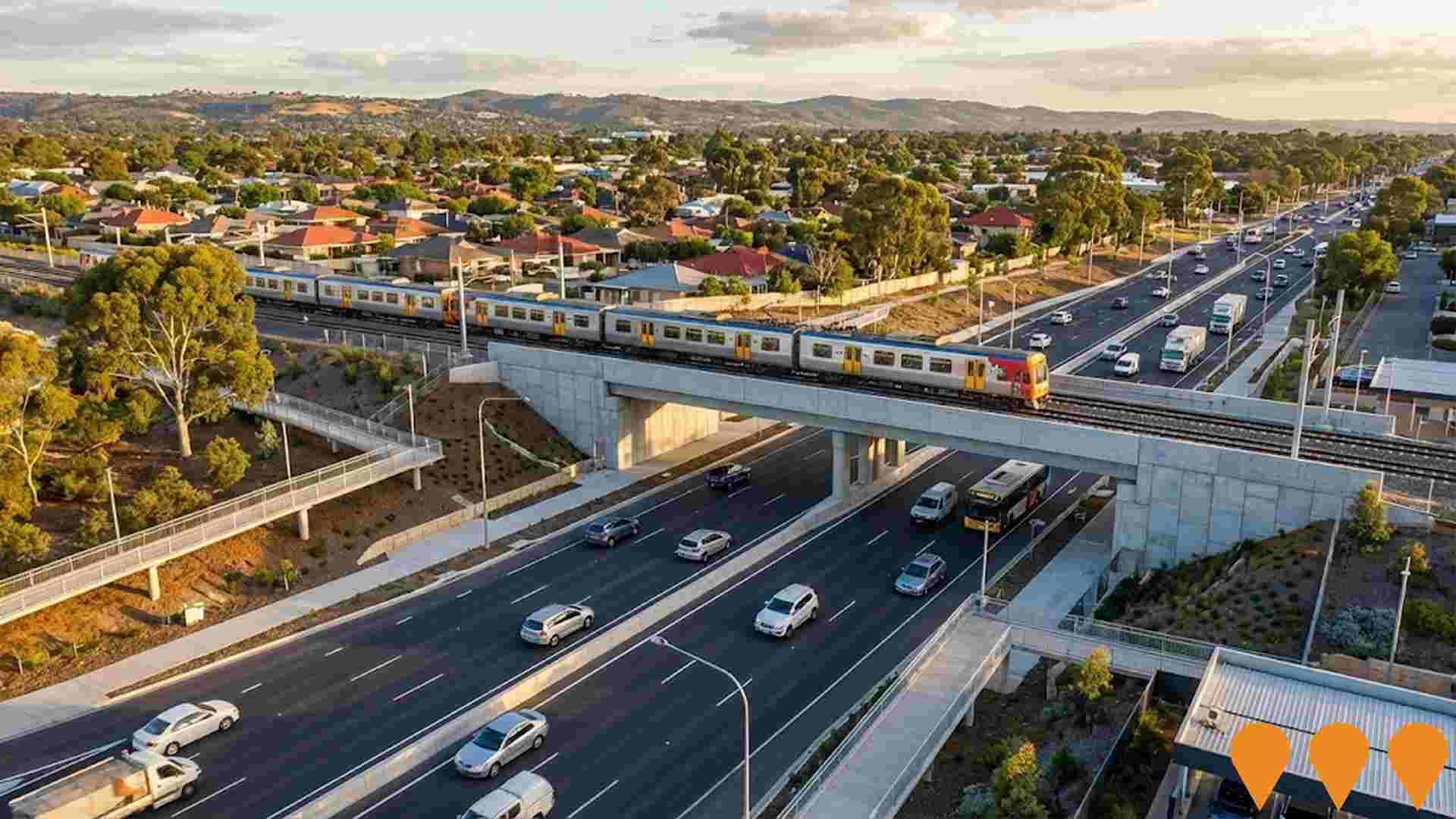
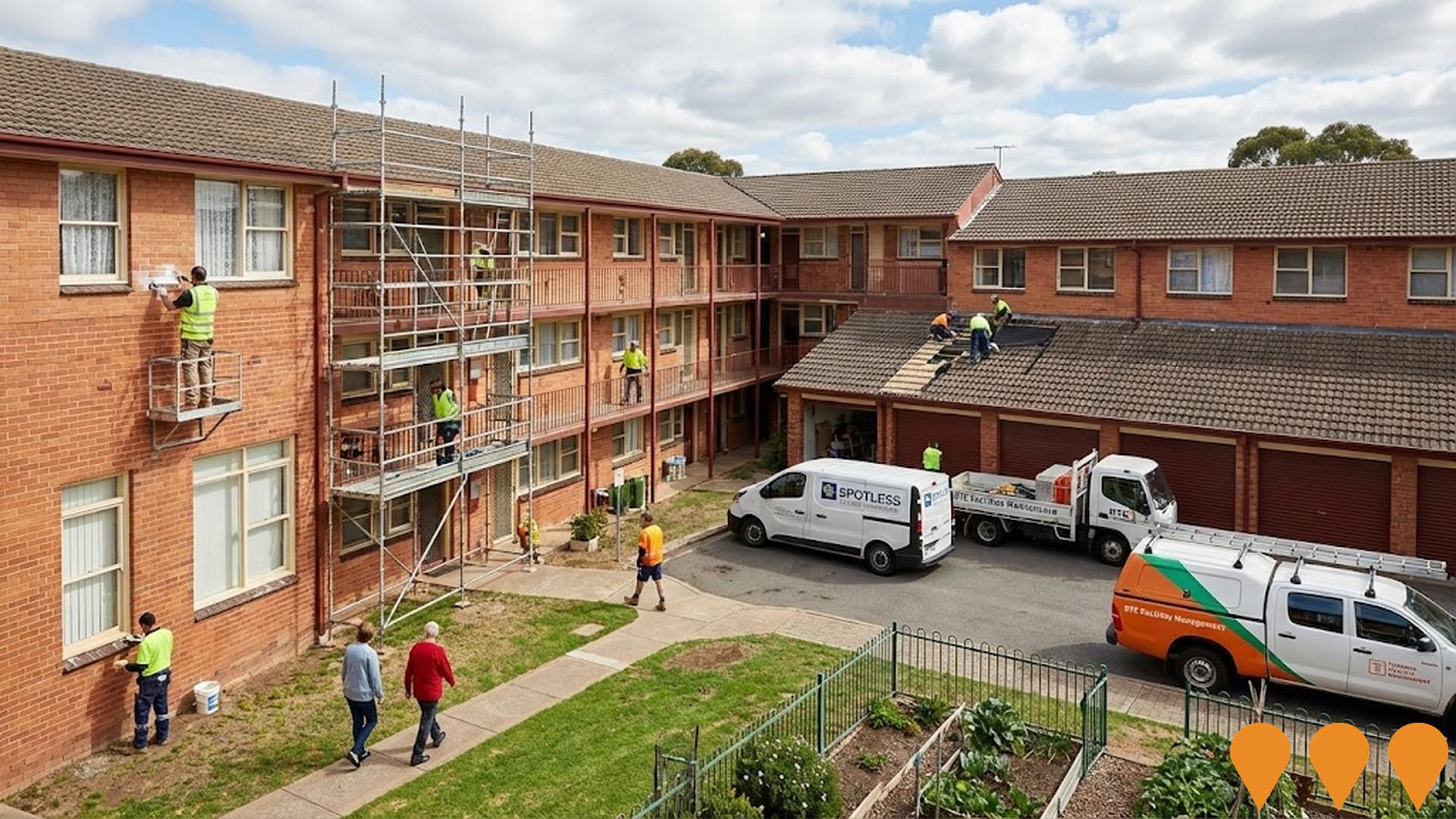
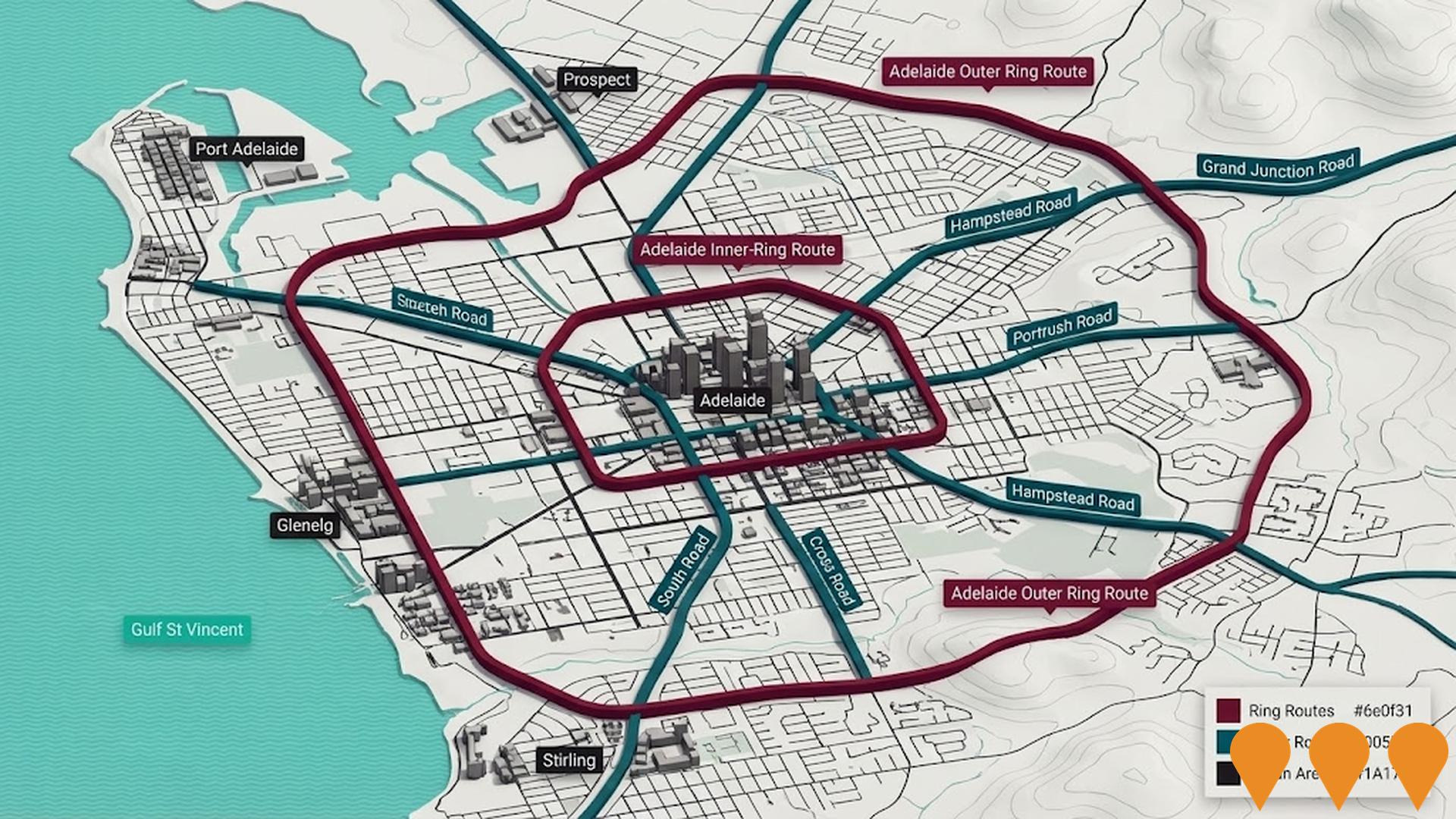
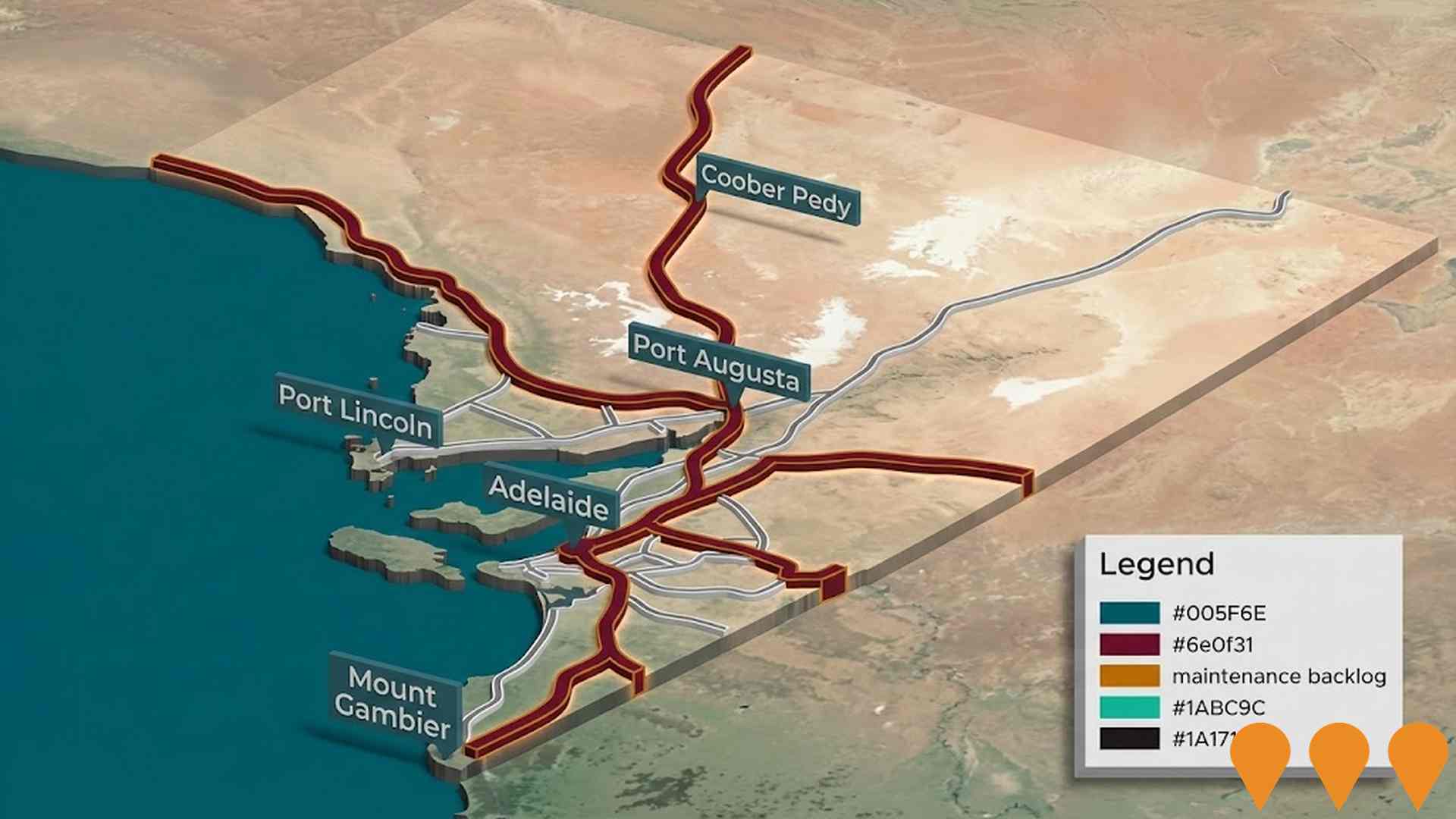
AI Generated Denotes AI-based impression for illustrative purposes only, not to be taken as definitive under any circumstances. Please follow links and conduct other investigations from the project's source for actual imagery. Developers and project owners wishing us to use original imagery please Contact Us and we will do so.

Frequently Asked Questions - Infrastructure

What are some of the major infrastructure and planning changes likely to influence Tusmore?
Key infrastructure and planning changes likely to influence Tusmore include: Glenside Development (Construction); UniSA Magill Campus Redevelopment (Magill Project) (Planning); Burnside Village Expansion (Completed); Unley Cultural Hub (Proposed); and SA Water Capital Work Delivery Contracts (Construction). These projects represent significant developments that will shape the area's future infrastructure landscape.
What types of infrastructure projects are impacting Tusmore?
Infrastructure development impacting Tusmore spans multiple sectors including Transport & Logistics, Residential Development, and Environmental & Disaster Management, among others.
What is the scale of infrastructure investment impacting Tusmore?
Infrastructure investment analysis indicates substantial capital deployment exceeding $2.0 billion in projects that will impact the extended area.
How does Tusmore's infrastructure development compare to other areas?
With an infrastructure score in the top 40%, Tusmore demonstrates above-average development activity compared to national benchmarks.
Enabling Infrastructure for Hydrogen Production
Category: Energy
Stage: Planning | Est. Comp: N/A
Source / Links: Link 1   Link 2  

Australia has completed the National Hydrogen Infrastructure Assessment (NHIA) to 2050 and refreshed its National Hydrogen Strategy (2024). The programmatic focus has shifted to planning and enabling infrastructure through measures such as ARENA's Hydrogen Headstart and the Hydrogen Production Tax Incentive (from April 2025). Round 2 of Hydrogen Headstart consultation occurred in 2025. Collectively these actions aim to coordinate investment in transport, storage, water and electricity inputs linked to Renewable Energy Zones and priority hubs, supporting large-scale renewable hydrogen production and future export supply chains.

Energy

Glenside Development
Category: Residential Development
Stage: Construction | Est. Comp: 2027
Source / Links: Link 1   Link 2  

A $400 million master-planned community transforming the former Glenside Hospital site into approximately 1,200 homes, including apartments and townhouses, with a focus on modern design, heritage preservation, and significant public open space (over 30% of the 16.5-hectare site). Key components like Bloom Stage 1 and Banksia Apartments are complete, with Bloom Stage 2 under construction. The state government has recently adopted a Code Amendment to allow building heights up to 20 storeys in a specific north-west corner of the development, which could increase the total dwelling yield from 1,043 to approximately 1,200.

Residential Development

Adelaide Public Transport Capacity and Access
Category: Transport & Logistics
Stage: Planning | Est. Comp: N/A
Source / Links: Link 1   Link 2  

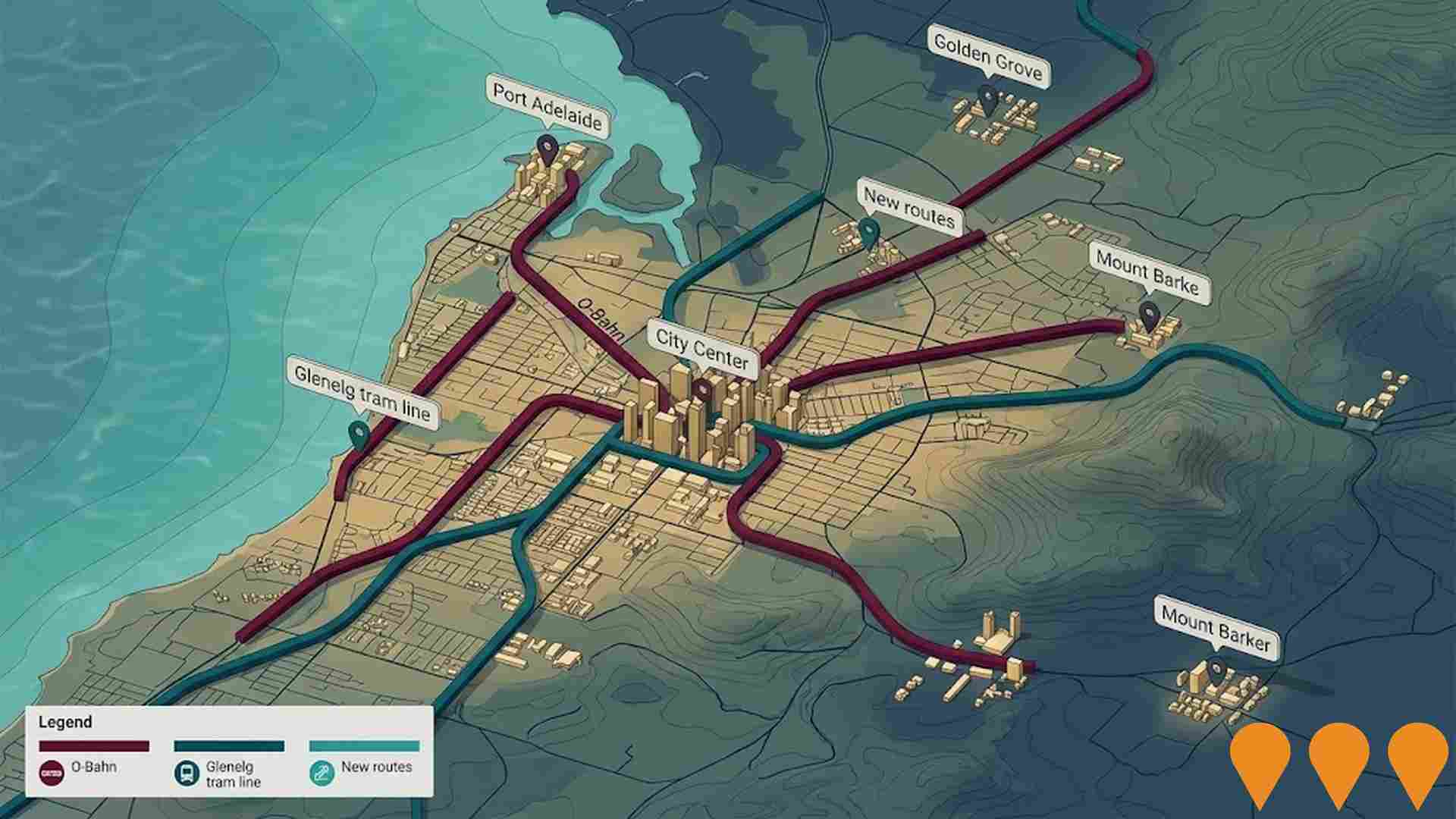
State-led program work to increase public transport capacity and access to, through and within central Adelaide. Current work is focused on the City Access Strategy (20-year movement plan for the CBD and North Adelaide) and the State Transport Strategy program, which together will shape options such as bus priority, interchange upgrades, tram and rail enhancements, and better first/last mile access.
Transport & Logistics

Bulk Water Supply Security
Category: Environmental & Disaster Management
Stage: Planning | Est. Comp: N/A
Source / Links: Link 1   Link 2  

Nationwide program led by the National Water Grid Authority to improve bulk water security and reliability for non-potable and productive uses. Activities include strategic planning, science and business cases, and funding of state and territory projects such as storages, pipelines, dam upgrades, recycled water and efficiency upgrades to build drought resilience and support regional communities, industry and the environment.

Environmental & Disaster Management

Burnside Village Expansion
Category: Retail
Stage: Completed | Est. Comp: 2023
Source / Links: Link 1   Link 2  

Major expansion of Burnside Village shopping center bringing luxury brands including Gucci, Louis Vuitton, and Coco Republic to Adelaide. Features premium retail spaces, dining precincts, and enhanced parking facilities in a $200 million redevelopment.

Retail

UniSA Magill Campus Redevelopment (Magill Project)
Category: Communities, Precincts & Urban Renewal
Stage: Planning | Est. Comp: 2036
Source / Links: Link 1   Link 2  

The South Australian Government has acquired the 14.62 hectare UniSA Magill campus site, on both sides of St Bernards Road, and transferred it to Renewal SA to be planned as a mixed use residential precinct. Renewal SA is preparing a master plan and structure plan that will guide future rezoning and development, with a vision for more than 400 new homes in a range of housing types including affordable housing, together with enhanced open space, tree canopy, community and recreational facilities, and protection of key features such as Murray House and the Third Creek corridor. Initial community engagement on the high level vision and opportunities for the site ran from November 2024 to February 2025, and feedback is now being used to refine the draft structure plan ahead of a future Code Amendment and staged redevelopment over the next decade, once UniSA leaseback arrangements expire.

Communities, Precincts & Urban Renewal

North South Corridor
Category: Transport & Logistics
Stage: Construction | Est. Comp: 2031
Source / Links: Link 1   

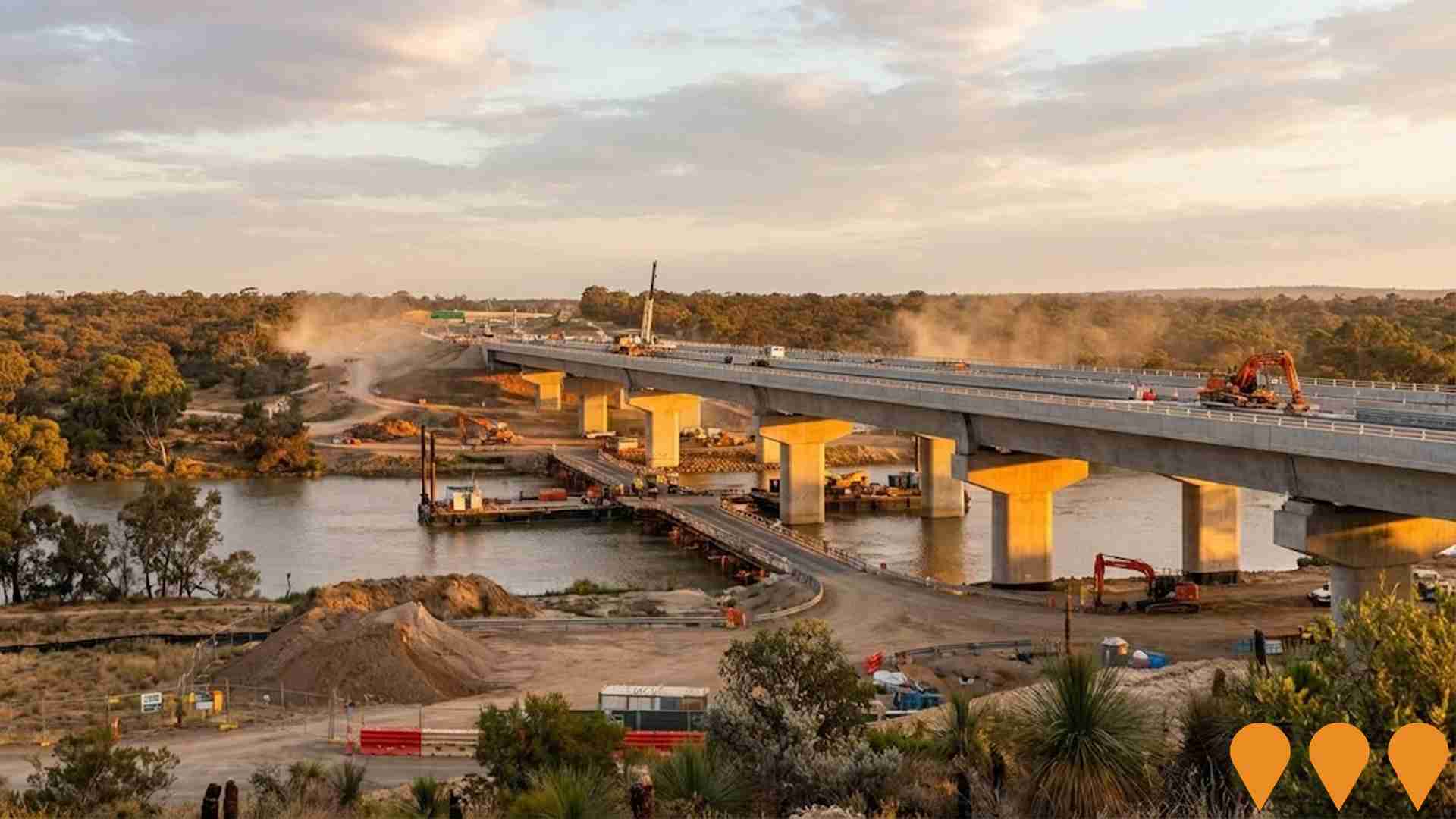
The North-South Corridor in Australia, a 78 km non-stop motorway from Gawler to Old Noarlunga through Adelaide, includes several projects like the Southern Expressway and Darlington Upgrade. Completion expected by 2031.
Transport & Logistics

Unley Cultural Hub
Category: Arts & Culture
Stage: Proposed | Est. Comp: N/A
Source / Links: Link 1   

The Unley Cultural Hub will expand and reimagine Unley's award-winning Museum, creating a vibrant destination where history, heritage, and community thrive.

Arts & Culture

Employment

Table Chart PROFILE FAQ

The labour market strength in Tusmore positions it well ahead of most Australian regions

Tusmore has an educated workforce with strong representation in professional services. The unemployment rate was 1.9% as of June 2025, below Greater Adelaide's rate of 4%.

Employment growth over the past year was estimated at 1.9%. Workforce participation was 64.4%, similar to Greater Adelaide's 61.7%. Major employment sectors include health care & social assistance, professional & technical services, and retail trade. Tusmore specializes in professional & technical services with an employment share of 1.9 times the regional level, but has lower representation in construction at 4.8% compared to the regional average of 8.7%.

The area offers limited local employment opportunities as indicated by Census data. In the past year, employment increased by 1.9%, labour force grew by 1.7%, and unemployment fell by 0.1 percentage points. This contrasts with Greater Adelaide where employment rose by 2.1% and unemployment marginally increased. Jobs and Skills Australia's national employment forecasts from Sep-22 suggest Tusmore's employment should increase by 7.3% over five years and 15.0% over ten years, based on industry-specific projections applied to Tusmore's employment mix.

Frequently Asked Questions - Employment

What is the employment situation in Tusmore?
As of June 2025, Tusmore has approximately 870 employed residents with an unemployment rate of 1.9%. This very low unemployment rate indicates a tight labour market with strong demand for workers. The area ranks in the top 25% nationally for employment performance, indicating a robust job market.
How does Tusmore's unemployment rate compare to the broader region?
As of June 2025, the unemployment rate in Tusmore stands at 1.9%, which is 2.1 percentage points below Greater Adelaide's rate of 4.0%. This lower unemployment rate suggests stronger local employment conditions. For comparison, the national unemployment rate is 4.1%.
What are the major employment sectors in Tusmore?
The employment landscape in Tusmore is dominated by several key sectors. The largest employers are health care & social assistance (20.8% of employment), professional & technical (14.1%), and retail trade (10.5%). Other significant employers include education & training and public administration & safety.
How has employment changed recently in Tusmore?
Over the past year to June 2025, Tusmore has experienced employment growth, with total employment increasing while the labour force increased. As a result, the unemployment rate has fall. By comparison, Greater Adelaide saw employment increased and its unemployment rate rose.
What is the workforce participation rate in Tusmore?
The workforce participation rate in Tusmore is 64.4%, which represents the proportion of working-age residents who are either employed or actively seeking work. This healthy participation rate reflects good employment opportunities and workforce engagement. The local rate leading the Greater Adelaide average of 61.7%, showing similar workforce dynamics to the broader region.
Which industries are over-represented in Tusmore's employment market?
Tusmore shows notable specialization in professional & technical, which employs 14.1% of the local workforce compared to 7.3% regionally. This concentration suggests the area has developed competitive advantages in this sector. The area also shows above-average employment in 1 other sectors, contributing to a distinctive economic profile.
What are the employment growth prospects for Tusmore?
Based on Jobs and Skills Australia projections applied to Tusmore's industry mix, employment is expected to grow by 7.3% over the next five years and 15.0% over ten years. This exceeds the national forecast of 6.6% over five years, suggesting the area's industry composition is well-positioned for future growth. Steady growth is anticipated across multiple sectors, providing diverse employment opportunities.
How does the job market in Tusmore compare nationally?
Tusmore's employment market shows strong performance nationally, ranking in the top 25% of areas assessed by AreaSearch. This indicates robust employment conditions and economic vitality compared to other regions. Recent job advertisement trends show the broader employment region saw a 2.7% decline, ranking 3.0rd out of 37 regions nationally.
What employment opportunities exist for skilled workers in Tusmore?
Skilled workers will find excellent opportunities in Tusmore, with knowledge-intensive sectors comprising 50.6% of local employment. Key sectors for skilled workers include health care & social assistance (20.8%), professional & technical (14.1%), and education & training (10.2%). With projected employment growth of 7.3% over five years, demand for skilled workers is expected to remain strong.

Income

Table Chart PROFILE FAQ

Income metrics indicate excellent economic conditions, with the area achieving higher performance than 75% of national locations assessed by AreaSearch

According to AreaSearch's aggregation of postcode level ATO data released on June 30, 2022, Tusmore had a median income among taxpayers of $65,179 and an average income of $106,753. These figures place Tusmore in the top percentile nationally, compared to median and average incomes of $52,592 and $64,886 respectively across Greater Adelaide. Based on Wage Price Index growth of 12.83% since June 30, 2022, estimated current incomes as of September 2025 would be approximately $73,541 (median) and $120,449 (average). Census data from 2021 shows household, family, and personal incomes in Tusmore rank between the 83rd and 85th percentiles nationally. Income distribution indicates that 29.4% of Tusmore's population falls within the $1,500 - $2,999 income range, consistent with broader regional trends showing 31.8% in the same category. The area demonstrates affluence, with 37.2% earning over $3,000 per week, supporting premium retail and service offerings. After housing costs, residents retain 89.5% of their income, reflecting strong purchasing power. Tusmore's SEIFA income ranking places it in the 9th decile.

Frequently Asked Questions - Income

What is the median taxable income in Tusmore?
Based on Wage Price Index adjustments to September 2025, the estimated median taxable income in Tusmore is approximately $73,541. The official ATO data from FY-22 recorded a median of $65,179.
What is the average taxable income in Tusmore?
Based on Wage Price Index adjustments to September 2025, the estimated average taxable income in Tusmore is approximately $120,449. The official ATO data from FY-22 recorded an average of $106,753.
How does the median taxable income in Tusmore compare to the region?
Based on Wage Price Index adjustments to September 2025, the estimated median taxable income in Tusmore is approximately $73,541 compared to $59,340 in Greater Adelaide. The official ATO data from FY-22 shows $65,179 and $52,592 respectively.
How does the average taxable income in Tusmore compare to the region?
Based on Wage Price Index adjustments to September 2025, the estimated average taxable income in Tusmore is approximately $120,449 compared to $73,211 in Greater Adelaide. The official ATO data from FY-22 shows $106,753 and $64,886 respectively.
What are the main income cohorts in Tusmore according to the 2021 Census?
As per the 2021 Census, the income bracket containing the largest proportion (~29.4% / 457 persons) of Tusmore's population is the $1,500 - 2,999 cohort.
How do the main income cohorts in Tusmore compare to the region?
The largest income cohort in Tusmore is the $1,500 - 2,999 group, representing about 29.4% of the population. In comparison, Greater Adelaide's largest income cohort is the $1,500 - 2,999 group, representing 31.8% of its population, according to the 2021 Census.
What is the median household income in Tusmore according to the 2021 Census?
The 2021 Census data indicates that the median household income in Tusmore is $2,298/wk.
What is the median family income in Tusmore according to the 2021 Census?
According to the 2021 Census, the median family income in Tusmore is $2,849/wk.
What is the median personal income in Tusmore according to the 2021 Census?
The 2021 Census shows that the median personal income in Tusmore is $1,090/wk.
How does Tusmore's income rank nationally?
As per AreaSearch's latest postcode level ATO data released for FY-22, Tusmore's median income among taxpayers is $65,179, with an average of $106,753. This is exceptionally high nationally, and compares to Greater Adelaide's median of $52,592 and average of $64,886. Based on Wage Price Index growth of 12.83% since FY-22, current estimates would be approximately $73,541 (median) and $120,449 (average) as of September 2025.
What is the disposable income in Tusmore?
The estimated disposable income in Tusmore is $8,912 per year according to AreaSearch analysis.
How does Tusmore's disposable income compare to the region?
Tusmore's disposable income is $8,912 compared to $5,698 for Greater Adelaide, based on AreaSearch analysis.

Housing

Table Chart PROFILE FAQ

Tusmore is characterized by a predominantly suburban housing profile, with above-average rates of outright home ownership

In Tusmore, as per the latest Census, 70.6% of dwellings were houses, with the remaining 29.4% comprising semi-detached homes, apartments, and other types. This compares to Adelaide metro's figures of 67.0% houses and 33.0% other dwellings. Home ownership in Tusmore stood at 45.4%, similar to Adelaide metro, with mortgaged dwellings at 31.0% and rented ones at 23.7%. The median monthly mortgage repayment in Tusmore was $2,184, lower than Adelaide's average of $2,300. Weekly rent in Tusmore was $360, matching Adelaide metro's figure but differing from the national average of $375. Nationally, Tusmore's mortgage repayments were higher than the Australian average of $1,863.

Frequently Asked Questions - Housing

What percentage of homes are owned vs rented in Tusmore?
In Tusmore, 45.4% of homes are owned outright, 31.0% are owned with a mortgage, and 23.7% are rented.
What percentage of dwellings in Tusmore are houses?
According to the latest data, 70.6% of dwellings in Tusmore are houses.
What percentage of dwellings in Tusmore are apartments or units?
In Tusmore, 0.0% of dwellings are apartments or units, with an additional 29.4% being semi-detached dwellings.
What is the level of outright home ownership in Tusmore?
Outright home ownership in Tusmore stands at 45.4%, compared to 44.7% in Greater Adelaide.
What is the median monthly mortgage repayment in Tusmore?
The median monthly mortgage repayment in Tusmore is $2,184, compared to $2,300 in Greater Adelaide.
What is the median weekly rent in Tusmore?
The median weekly rent in Tusmore is $360, compared to $360 in Greater Adelaide.
What is the distribution of rental prices in Tusmore?
In Tusmore, 0.0% of rentals are $0-149/week, 44.8% are $150-349/week, 47.2% are $350-649/week, 5.6% are $650-949/week, and 2.4% are $950+/week.
What is the average monthly housing cost in Tusmore?
The aggregate monthly housing cost in Tusmore is $1,046, which represents the average monthly cost across all housing types.
What percentage of income do residents spend on housing?
In Tusmore, households with mortgages typically spend 21.9% of their income on mortgage repayments, while renters spend 15.7% of their income on rent.
How crowded are homes in Tusmore?
The average persons per bedroom ratio in Tusmore is 0.8, indicating the level of household density.
How does housing affordability in Tusmore compare to the region?
Housing affordability in Tusmore shows mortgage holders spending 21.9% of income on repayments (vs 25.7% regionally), while renters spend 15.7% of income on rent (vs 17.4% regionally).
What types of dwellings are most common in Tusmore?
The dwelling mix in Tusmore consists of 70.6% detached houses, 29.4% semi-detached dwellings, 0.0% apartments, and 0.0% other dwelling types.
What is the weighted average housing cost based on tenure mix in Tusmore?
Based on the area's tenure composition, the weighted average monthly housing cost is approximately $1,046. This accounts for outright owners paying no housing costs, mortgage holders paying $2,184/month, and renters paying $1,559/month.
How affordable is housing in Tusmore relative to local incomes?
Housing in Tusmore consumes approximately 10.5% of median household income ($9,950 monthly), indicating costs are highly affordable. The generally accepted benchmark is that housing should not exceed 30% of household income.
How do proposed developments compare to existing housing types in Tusmore?
Recent development applications in Tusmore show attached dwellings contributing 86% of approvals compared to 29% of existing stock, while detached houses represent 14% of applications versus 71% of current dwellings. This suggests increasing densification. Tusmore is experiencing exceptional growth in housing density, ranking in the top 10% nationally.

Household Composition

Table Chart PROFILE FAQ

Tusmore features high concentrations of family households, with a higher-than-average median household size

Family households account for 77.2% of all households, including 38.1% couples with children, 29.2% couples without children, and 8.3% single parent families. Non-family households constitute the remaining 22.8%, with lone person households at 20.7% and group households comprising 1.4%. The median household size is 2.6 people, which is larger than the Greater Adelaide average of 2.5.

Frequently Asked Questions - Households

How many households are in Tusmore?
As of the 2021 Census, Tusmore had 565 households. Based on population growth patterns, this has grown by approximately 3.5% to an estimated 585 households today.
What is the typical household size?
The median household size in Tusmore is 2.6 people. This compares to 2.5 in Greater Adelaide and reflects the area's household composition mix.
What types of households are most common?
Family households dominate at 77.2% of all households. The remaining households consist of lone person households (20.7%), group households (1.4%), and other household types (1.6%).
How are families structured in the area?
Among the 436 family households, 38.1% are couples with children, 29.2% are couples without children at home, and 8.3% are single parent families. This mix shapes local demand for schools, family services, and housing types.
How does Tusmore compare to regional household patterns?
Compared to Greater Adelaide, Tusmore shows distinct household patterns. Family households are notably over-represented at 77.2% (versus 70.6% regionally). Conversely, lone person households are under-represented at 20.7% compared to the regional 26.9%. This family-oriented profile influences local demand for family homes, schools, and children's services.
What is the average family size?
Families in Tusmore have an average of 1.5 children, matching the Greater Adelaide average of 1.5. This influences local demand for child-related services and larger family homes.
What are the marriage patterns in Tusmore?
Marriage patterns reveal 58.0% of the adult population are currently married, while 30.9% have never married. This compares to 54.4% married and 30.1% never married across Greater Adelaide.
How significant are single-person households?
Single-person households represent 20.7% of all households in Tusmore, notably lower than the regional average of 26.9%. This affects demand for smaller dwellings and single-person accommodation.
Are shared living arrangements common?
Group households (unrelated people sharing) account for 1.4% of households, well below the Greater Adelaide average of 2.4%. This low rate suggests limited student or young professional shared accommodation.
Loading household composition data...

Local Schools & Education

Table Chart PROFILE FAQ

Educational achievement in Tusmore places it within the top 10% nationally, reflecting strong academic performance and high qualification levels across the community

Tusmore's residents aged 15 and above have a higher educational attainment than broader benchmarks. Specifically, 53.4% hold university qualifications compared to 25.7% in South Australia (SA) and 28.9% in the Greater Adelaide area. Bachelor degrees are the most common at 32.8%, followed by postgraduate qualifications at 15.3% and graduate diplomas at 5.3%. Vocational pathways account for 19.3% of qualifications, with advanced diplomas at 8.5% and certificates at 10.8%.

Educational participation is high in Tusmore, with 29.6% of residents currently enrolled in formal education. This includes 9.4% in primary education, 8.5% in secondary education, and 7.2% pursuing tertiary education. Educational facilities appear to be located outside Tusmore's immediate catchment boundaries, requiring families to access schools in neighboring areas.

Frequently Asked Questions - Education

What percentage of people in Tusmore have university qualifications?
53.4% of people aged 15 and over in Tusmore have university qualifications, compared to 51.1% in the broader region.
What percentage of people in Tusmore have no formal qualifications?
27.3% of people aged 15 and over in Tusmore have no formal qualifications, compared to 28.9% regionally.
How does Tusmore's education level compare to national averages?
Tusmore ranks in the 92th percentile nationally for education based on AreaSearch's analysis of qualification and performance metrics.
What types of qualifications are most common in Tusmore?
The most common qualifications in Tusmore are: Bachelor Degree (32.8%), Postgraduate (15.3%), Certificate (10.8%).
What proportion of Tusmore's population is currently attending educational institutions?
29.6% of the population in Tusmore is currently engaged in formal education, with 9.4% in primary school, 8.5% in secondary school, 7.2% at university.
What is the ICSEA score for schools in Tusmore?
The average ICSEA (Index of Community Socio-Educational Advantage) score for schools in Tusmore is 0, indicating below-average socio-educational advantage compared to the national average of 1000.

Schools Detail

Nearby Services & Amenities

PROFILE FAQ

Transport

Table Chart PROFILE FAQ

Transport servicing is good compared to other areas nationally based on assessment of service frequency, route connectivity and accessibility

Tusmore has 14 active public transport stops operating within its boundaries. These stops serve a mix of bus routes, with a total of 18 individual routes in operation. Collectively, these routes facilitate 716 weekly passenger trips.

The accessibility of public transport is rated as excellent, with residents typically located 141 meters from the nearest stop. On average, service frequency across all routes stands at 102 trips per day, which equates to approximately 51 weekly trips per individual stop.

Frequently Asked Questions - Transport

How many public transport stops are in Tusmore?
There are 14 public transport stops within Tusmore.
How frequent are the transport services in Tusmore?
Tusmore has 716 weekly trips across 18 routes, averaging 102 trips per day.
How far are residents from public transport in Tusmore?
On average, residential properties are 141 meters from the nearest transport stop.

Transport Stops Detail

Health

Table Chart PROFILE FAQ

Tusmore's residents are extremely healthy with very low prevalence of common health conditions across all age groups

Analysis of health metrics shows strong performance throughout Tusmore with very low prevalence of common health conditions across all age groups. The rate of private health cover is exceptionally high at approximately 69% of the total population (1,074 people), compared to the national average of 55.3%.

The most common medical conditions in the area are arthritis and asthma, impacting 7.1 and 6.5% of residents respectively, while 71.9% declare themselves as completely clear of medical ailments, compared to 72.6% across Greater Adelaide. As of 30 June 20XX (the date of the report), 24.3% of residents are aged 65 and over (377 people). Health outcomes among seniors in Tusmore are particularly strong, performing even better than the general population in health metrics.

Frequently Asked Questions - Health

How many people in Tusmore have private health insurance?
Around 69.1% of people in Tusmore are covered by private health insurance, which compares to 68.6% in the broader region of Greater Adelaide.
What percentage of the population requires ongoing medical assistance in Tusmore?
In Tusmore, 4.4% of the population is identified as requiring ongoing medical assistance. This figure is slightly different from the regional average, where 4.8% of people in Greater Adelaide require similar assistance.
How prevalent is asthma in Tusmore?
6.5% of people in Tusmore are diagnosed with asthma. In comparison, 6.0% of the population across Greater Adelaide is affected by asthma.
What percentage of people have diabetes in Tusmore?
Diabetes affects 3.4% of the Tusmore population, while in the surrounding region, 3.6% of people are diagnosed with diabetes.
What is the percentage of people with heart disease in Tusmore?
4.0% of people in Tusmore have heart disease. Across the region of Greater Adelaide, 4.1% of the population is affected by heart disease.
How does Tusmore compare to the region in terms of overall private health coverage?
In Tusmore, 69.1% of the population are estimated to have private health insurance. Comparatively, Greater Adelaide sees an estimated private health coverage rate of 68.6%.

Cultural Diversity

Table Chart PROFILE FAQ

Tusmore was found to be more culturally diverse than the vast majority of local markets in Australia, upon assessment of a range of language and cultural background related metrics

Tusmore was found to be more culturally diverse than most local markets, with 28.2% of its population born overseas and 23.8% speaking a language other than English at home. The dominant religion in Tusmore is Christianity, comprising 46.8% of the population. However, Judaism is significantly overrepresented, making up 0.8% compared to 0.3% across Greater Adelaide.

In terms of ancestry, the top three groups are English (23.7%), Australian (20.5%), and Chinese (8.6%). Italian (7.9%) is notably overrepresented compared to the regional average of 6.0%, as are Sri Lankan (0.7% vs 0.6%) and French (0.7% vs 0.5%).

Frequently Asked Questions - Diversity

What is the level of cultural diversity in Tusmore?
Tusmore was found to be more culturally diverse than the vast majority of local markets, with 28.2% of its population born overseas and 23.8% speaking a language other than English at home.
What is the most common religion in Tusmore?
The main religion in Tusmore was found to be Christianity, which makes up 46.8% of people in Tusmore. However, the most apparent overrepresentation was in Judaism, which comprises 0.8% of the population, compared to 0.3% across Greater Adelaide.
What are the top countries of origin in Tusmore?
In terms of ancestry (country of birth of parents), the top three represented groups in Tusmore are English, comprising 23.7% of the population, Australian, comprising 20.5% of the population, and Chinese, comprising 8.6% of the population. Additionally, there are notable divergences in the representation of certain other ethnic groups: Italian is notably overrepresented at 7.9% of Tusmore (vs 6.0% regionally), Sri Lankan at 0.7% (vs 0.6%) and French at 0.7% (vs 0.5%).
How does the percentage of people born overseas compare to the regional average?
28.2% of the Tusmore population was born overseas, compared to 33.8% regionally.
What percentage of the Tusmore population speaks a language other than English at home?
23.8% of the population in Tusmore speaks a language other than English at home, compared to 28.1% in the wider region.
How many people in Tusmore identify as Australian Aboriginal?
0.3% of the Tusmore population identifies as Australian Aboriginal, compared to 0.3% in the region.
What is the citizenship status of the population in Tusmore?
87.9% of the Tusmore population holds citizenship, compared to 85.4% in the wider region.

Age

Table Chart PROFILE FAQ

Tusmore hosts an older demographic, ranking in the top quartile nationwide

At 45 years, Tusmore's median age is considerably higher than the Greater Adelaide average of 39 and also substantially exceeds the national average of 38. The percentage of residents aged 65-74 is strong at 13.7%, compared to Greater Adelaide. Conversely, the 25-34 cohort is less prevalent in Tusmore at 9.4%. According to post-2021 Census data, the 15 to 24 age group has grown from 13.6% to 15.5% of the population. Meanwhile, the 45 to 54 cohort has declined from 14.2% to 13.3%. Demographic modeling suggests Tusmore's age profile will evolve significantly by 2041. The 75 to 84 cohort is projected to grow strongly at a rate of 26%, adding 34 residents to reach 167. In contrast, the number of residents aged 5 to 14 is expected to fall by an unspecified amount.

Frequently Asked Questions - Age

What is the median age in Tusmore?
According to the latest data, the median age in Tusmore is 45 years.
How does Tusmore's median age compare to broader areas?
At 45 years, Tusmore is 6 years older than the Greater Adelaide average (39 years) and 7 years older than the national average (38 years).
What age groups are over-represented in Tusmore?
The most over-represented age group in Tusmore compared to the Greater Adelaide region is the 65 - 74 group, making up 13.7% of the population.
What age groups are under-represented in Tusmore?
The most under-represented age group in Tusmore compared to the Greater Adelaide region is the 25 - 34 group, making up 9.4% of the population.
Are there age groups with notable population variances?
Yes, certain age groups in Tusmore show significant variance compared to the Greater Adelaide region. The most over-represented age group is 65-74 year-olds (13.7% vs 9.8%). The most under-represented age group is 0-4 year-olds (3.4% vs 5.3%).
What is the percentage of children (0-14 years) in Tusmore?
The percentage of children aged 0-14 years in Tusmore is 15.2%.
What is the percentage of older people (65+ years) in Tusmore?
The percentage of people aged 65 and over in Tusmore is 24.3%.

Nearby Areas