Chart Color Schemes
This analysis uses ABS Statistical Areas Level 2 (SA2) boundaries, which can materially differ from Suburbs and Localities (SAL) even when sharing similar names.
SA2 boundaries are defined by the Australian Bureau of Statistics and are designed to represent communities for statistical reporting (e.g., census and ERP).
Suburbs and Localities (SAL) represent commonly-used suburb/locality names (postal-style areas) and may use different geographic boundaries. For comprehensive analysis, consider reviewing both boundary types if available.
est. as @ -- *
ABS ERP | -- people | --
2021 Census | -- people







Curious about local property values? Filter the chart to assess the volume and appreciation (including resales) trends and regional comparisons, or scroll to the map below view this information at an individual property level.


Find a Recent Sale

Sales Detail
Peterborough - Mount Remarkable has an estimated 5,412 residents, up from 5,341 at the 2021 Census — a change of 71 people, or 1.3%. 152 new addresses have been validated here since Census night. Fewer than ten people live on each square kilometre, across a boundary that takes in surrounding rural land. Population is estimated from ABS Estimated Resident Population releases and GNAF address data, re-based from the 2021 Census and updated annually.
Detail
According to research conducted by AreaSearch, the resident count in Peterborough - Mount Remarkable stands at approximately 5,412 as of Aug 2026. This represents a gain of 71 people (1.3%) relative to the 5,341 people documented in the 2021 Census. Such adjustments are derived from the ABS estimated resident population figure of 5,410 recorded as of June 2025 alongside 152 validated new addresses identified following the Census. With this demographic scale, the area registers a density of 0.60 persons per square kilometer, ensuring considerable spatial openness. The region's post-census increase of 1.3% sits within 1.1 percentage points of the broader SA3 benchmark (2.4%), illustrating solid growth dynamics.
Net gains in recent times have been predominantly underpinned by interstate migration, which accounted for roughly 63.8% of overall population additions. Projections utilized by AreaSearch incorporate ABS/Geoscience Australia models published in 2024 using 2022 as their starting point. Where specific SA2 geographies lack coverage or extend beyond 2032, models integrate the SA State Government's 2023 Regional/LGA age-cohort forecasts based on 2021 records, modified through weighted aggregation from local government areas to SA2 definitions. Looking ahead across this forecast horizon, demographic modeling indicates a shrinking community, anticipating a loss of 76 persons by 2041. Even so, certain older demographics are set to expand, most notably the 75 to 84 age cohort, which is expected to add 285 people. <i>See the age section for more details.</i>
Frequently Asked Questions - Population
48 new dwellings have been approved in Peterborough - Mount Remarkable over the past five years, an average of 9 a year. That is 1.8 approvals per 1,000 residents. Figures come from ABS building approvals aggregated to this SA2 boundary and are updated monthly as the ABS releases them.
Detail
Residential building authorisations in Peterborough - Mount Remarkable have averaged approximately 9 homes annually, reaching a cumulative 48 dwellings across the preceding 5 financial years. With historical population declining, this volume of construction has provided reasonable supply for prospective purchasers, while average build costs sit at $308,000, aligning with regional standards. Concurrently, non-residential building approvals reached $4.8 million during the present financial year, underlining the largely domestic focus of local property. Per capita residential construction in Peterborough - Mount Remarkable trails Rest of SA by 17.0%, positioning the area in the 23rd percentile across the country; this constrained pipeline restricts options for buyers while bolstering interest in existing housing stock.
These subdued volumes fall under the national norm, illustrating the established nature of the locality alongside potential statutory restrictions. Moreover, recent construction has consisted exclusively of standalone houses, preserving traditional low-density neighborhood profiles focused on spacious family living. The ratio of roughly 766 people for every approved dwelling further highlights the quiet pace of local building. Given demographic expectations pointing toward steady or slightly declining numbers, residential market pressures in Peterborough - Mount Remarkable should moderate, creating favorable conditions for buyers.
Frequently Asked Questions - Development
Development applications around Peterborough - Mount Remarkable
Loading development applications…
| Lodged | Address | Description | Type | Distance | Status |
|---|
SOURCE: Planning portals and council registers, compiled by AreaSearch. Distance & bearing measured from the suburb midpoint.
AreaSearch tracks 3 current infrastructure and development projects inside Peterborough - Mount Remarkable. A further 71 sit in the immediately surrounding suburbs, taking the tracked pipeline within reach of the area to $19 billion. 22 are already under construction and 14 are due for completion within three years. The pipeline spans residential development, energy and ports, marinas, fisheries & aquaculture. Records are compiled from Infrastructure Australia, state agencies, council planning portals and public announcements, reviewed and updated daily, then ranked by proximity, construction stage, completion horizon and project scale.
Detail
Strategic developments, capital projects, and regional planning exercises have a profound impact on local progress. AreaSearch has outlined 5 key projects expected to influence the district, highlighted by the Silver to Sea Way, Wapma Thura-Southern Flinders Ranges National Park, Mid North South Australia REZ Expansion, and the Green Iron SA Port Pirie Hub, with key details summarized below.
Professional plan users can use the search below to filter and access additional projects.
INFRASTRUCTURE SEARCH
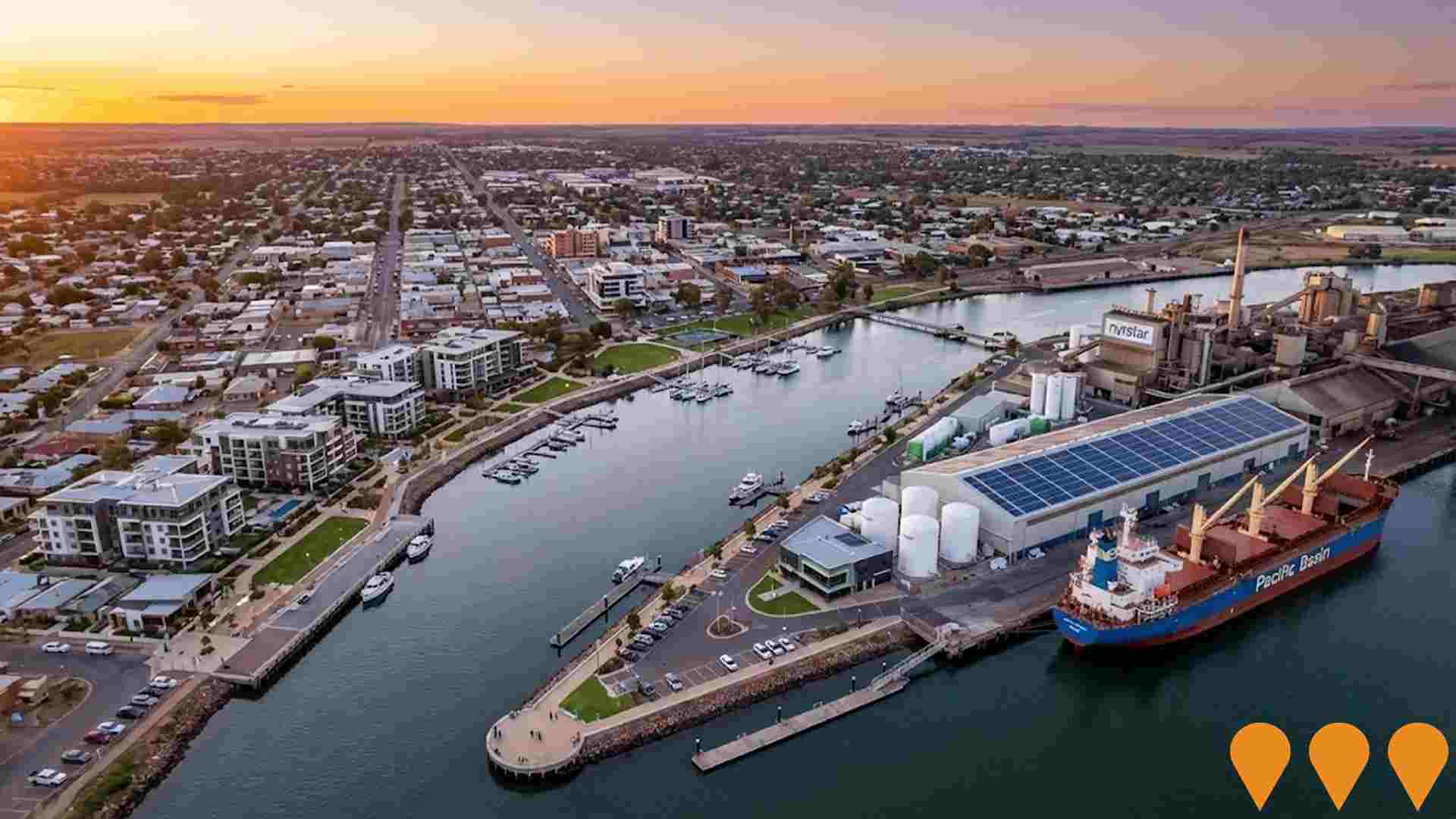
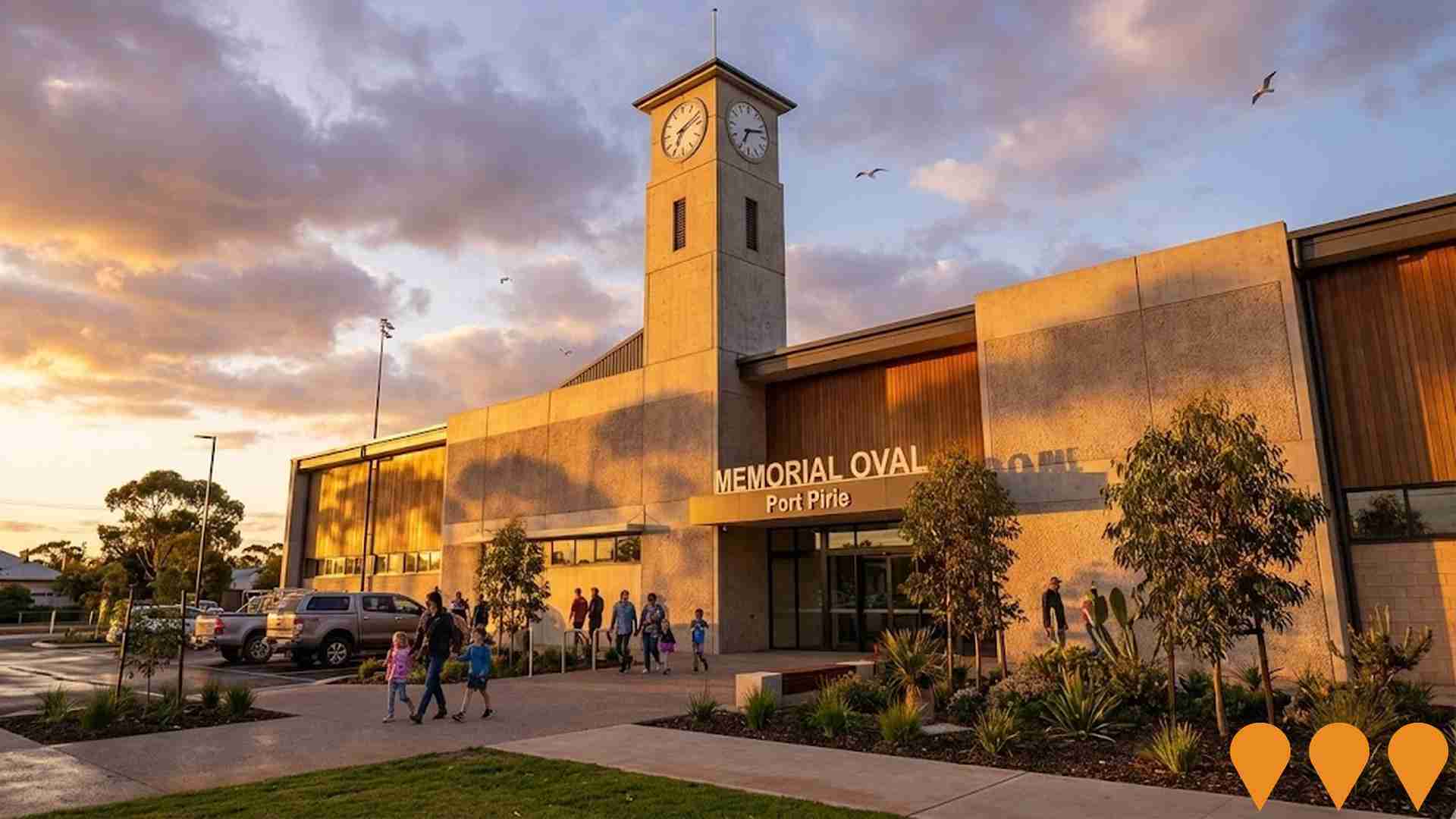
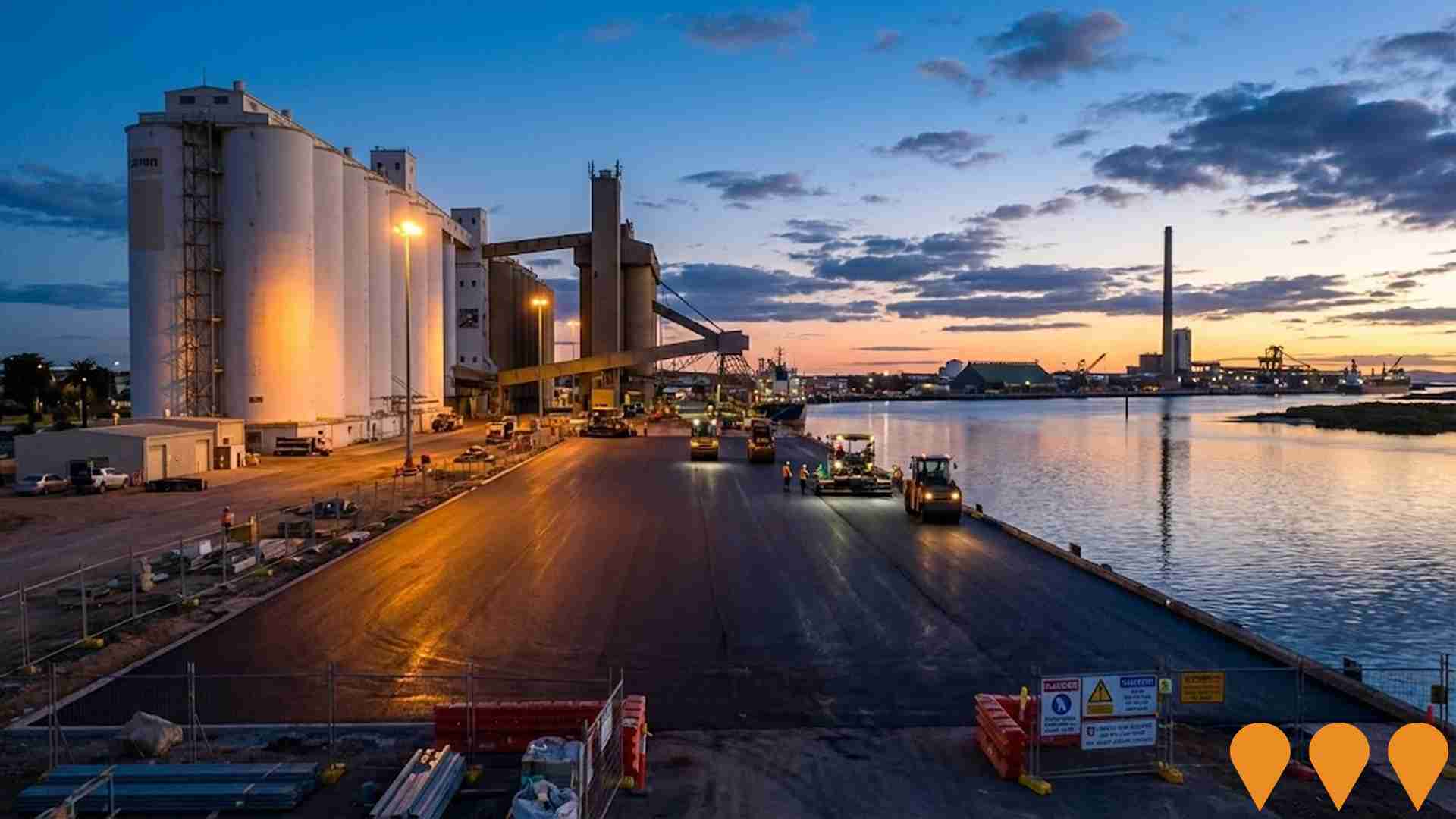
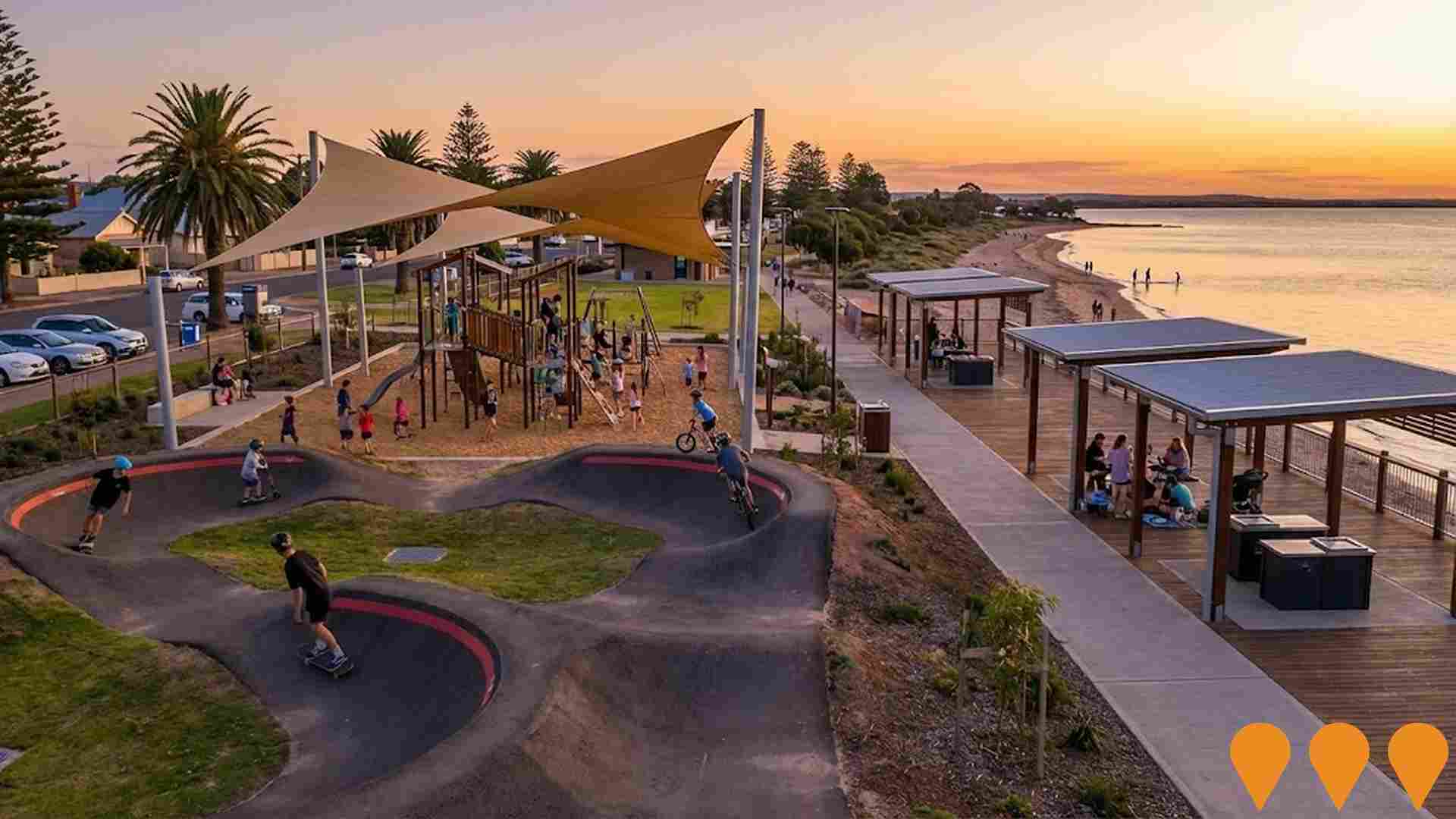
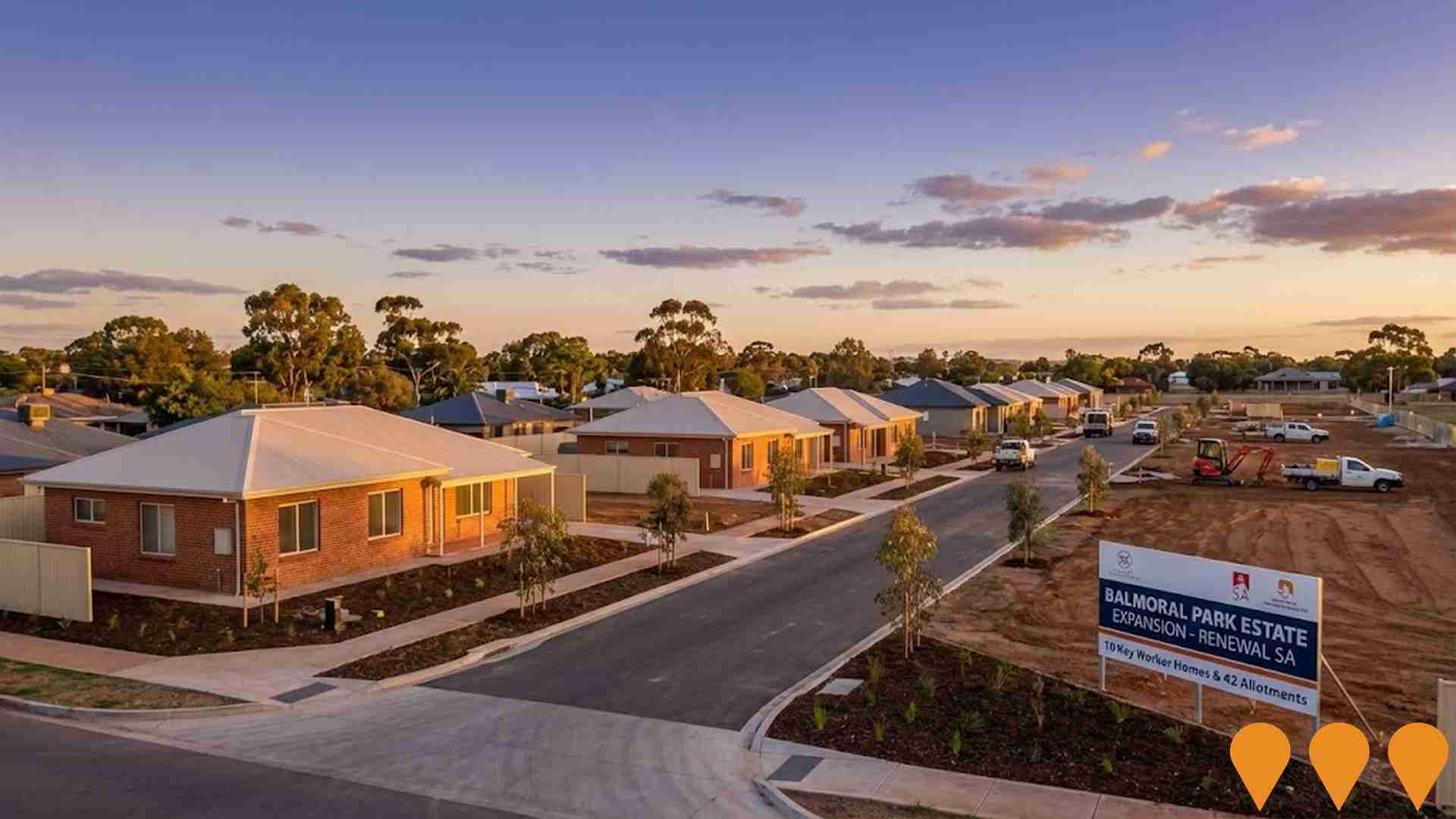
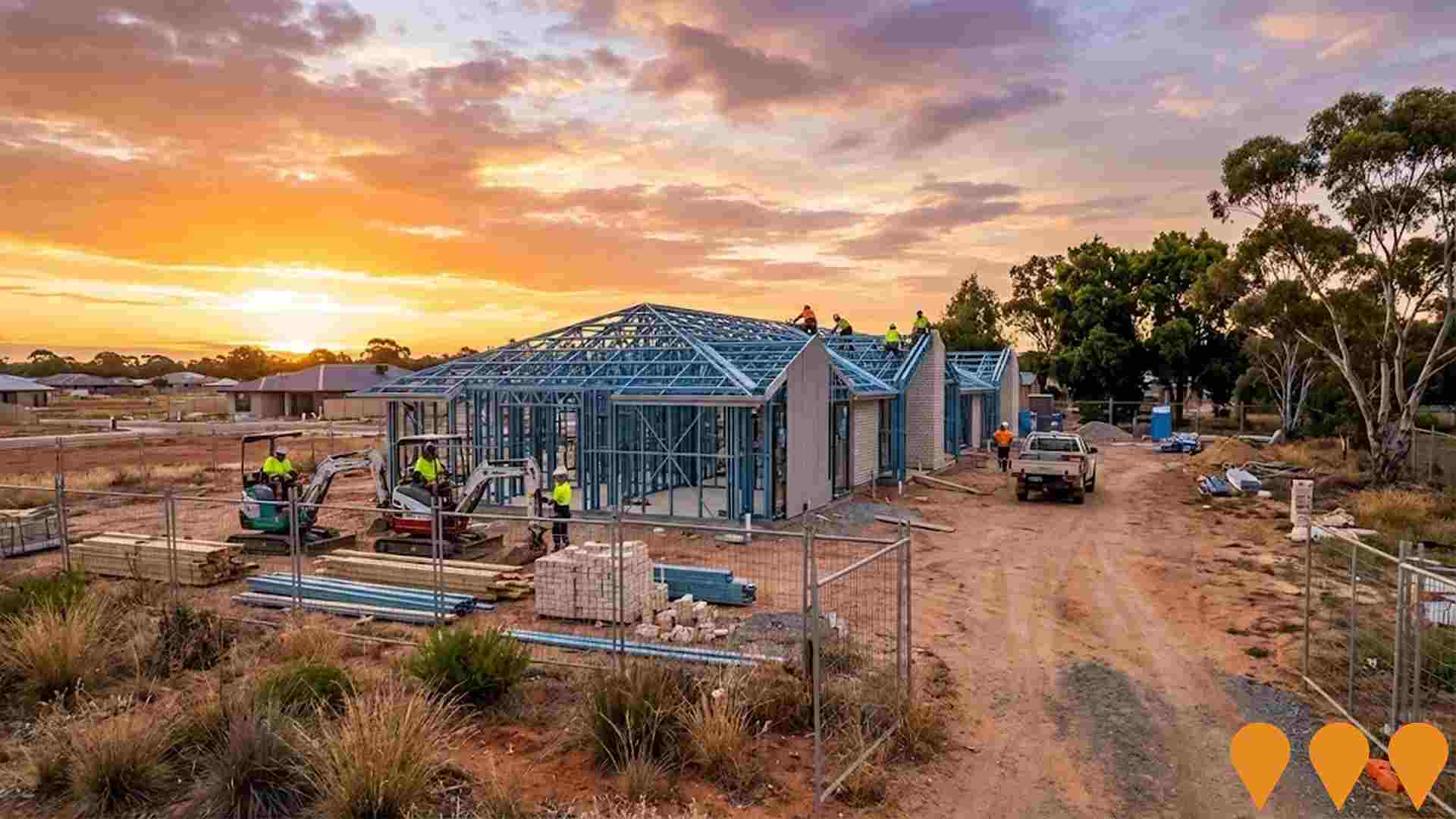
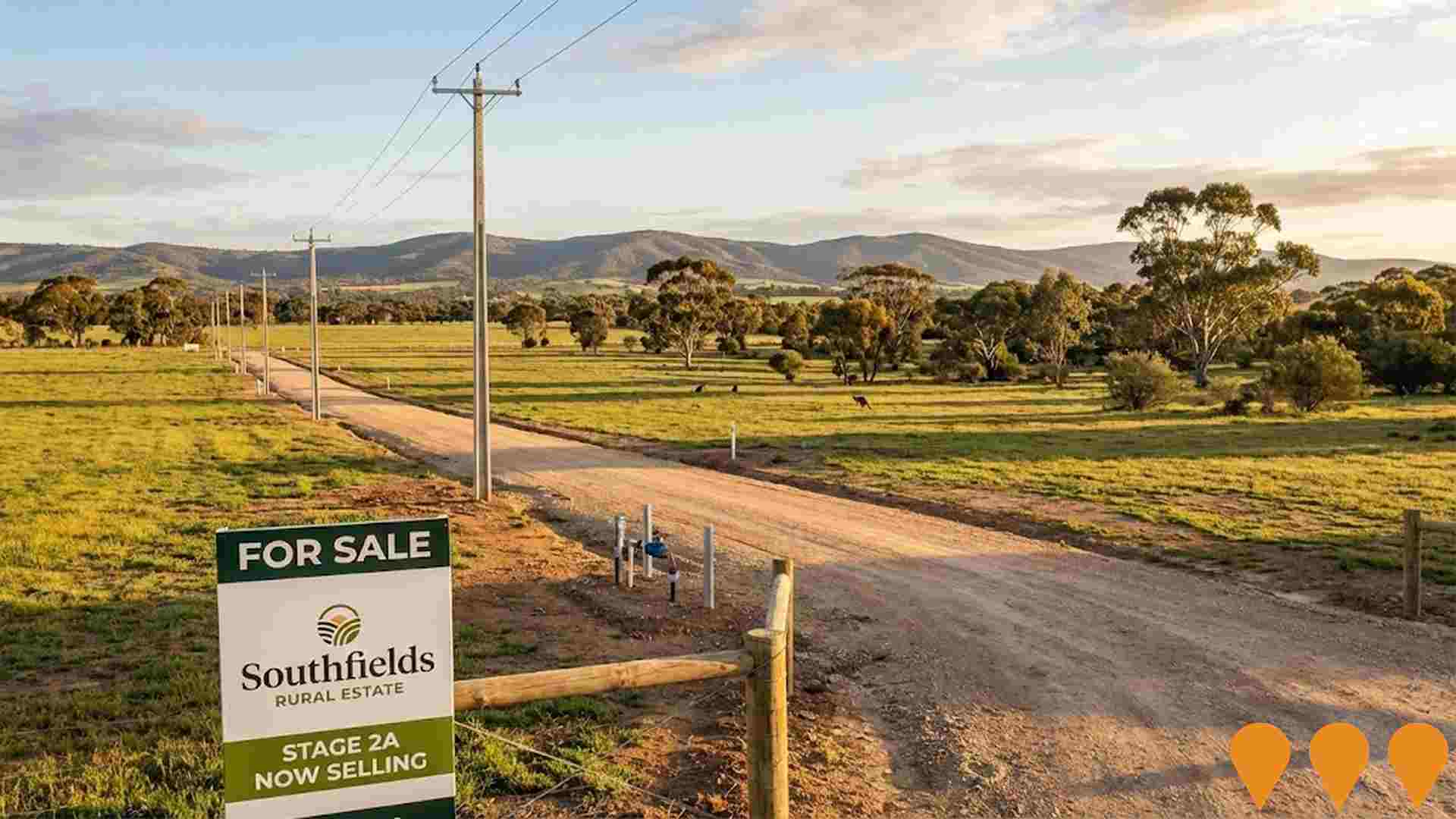
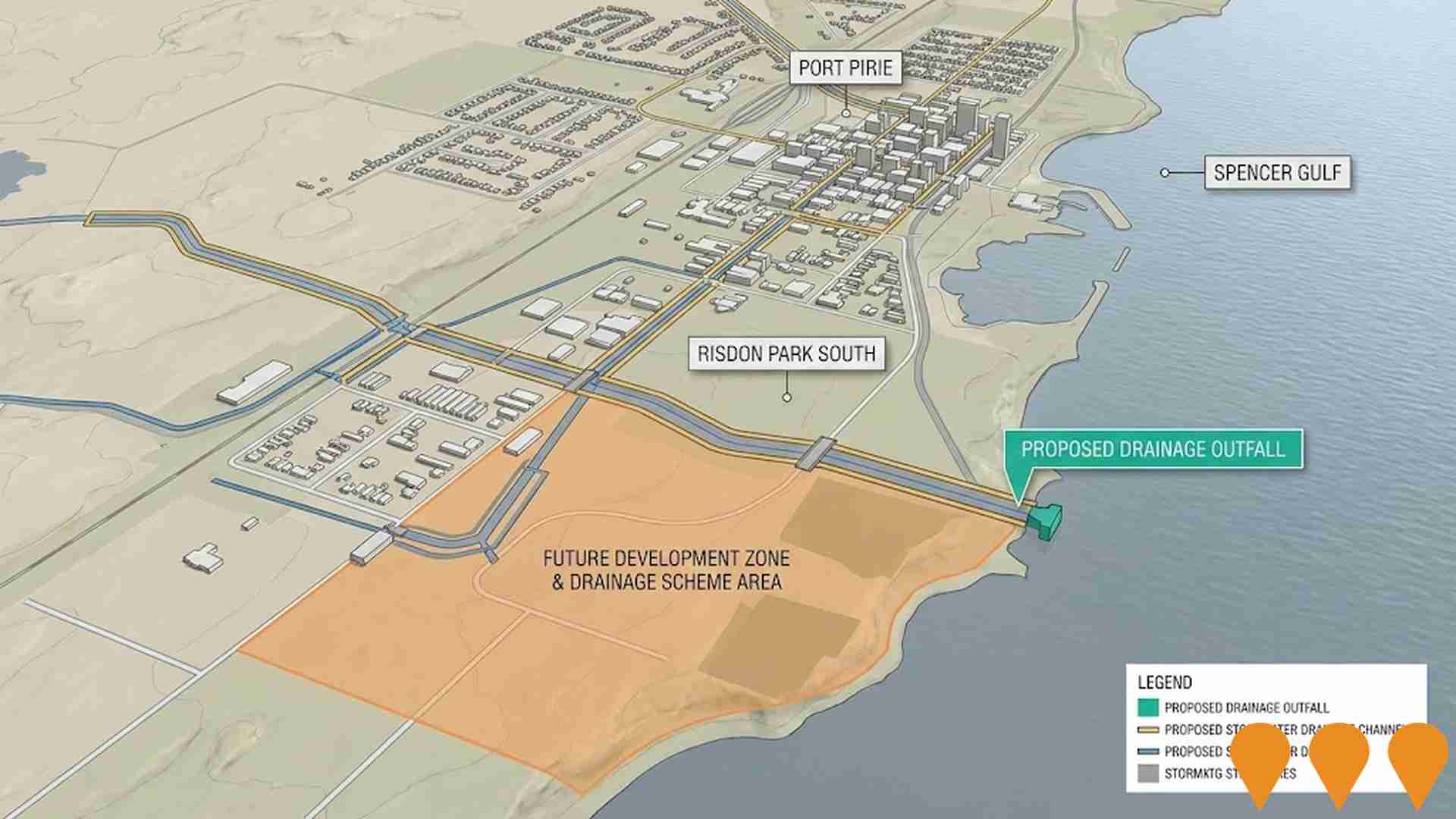
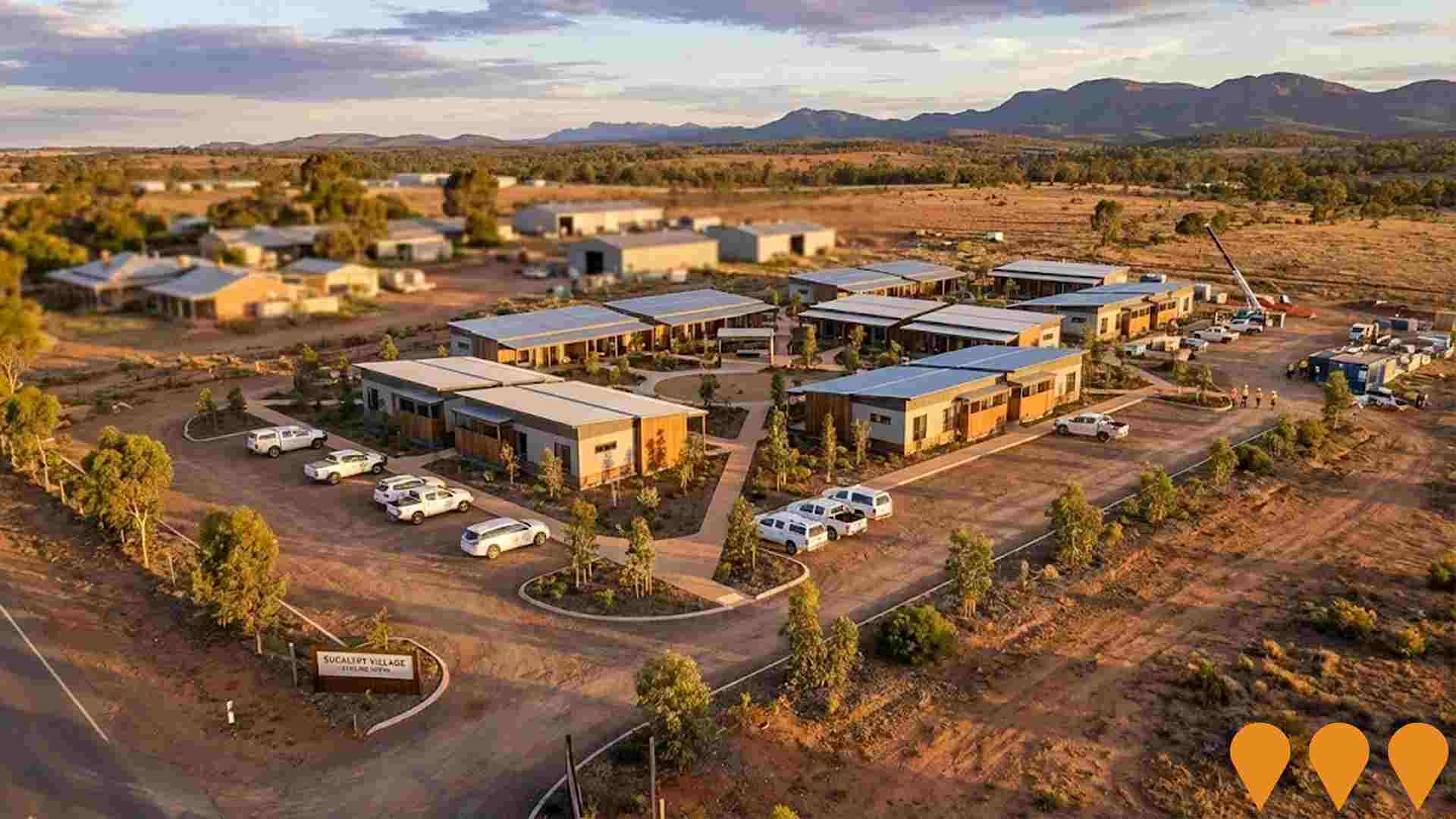
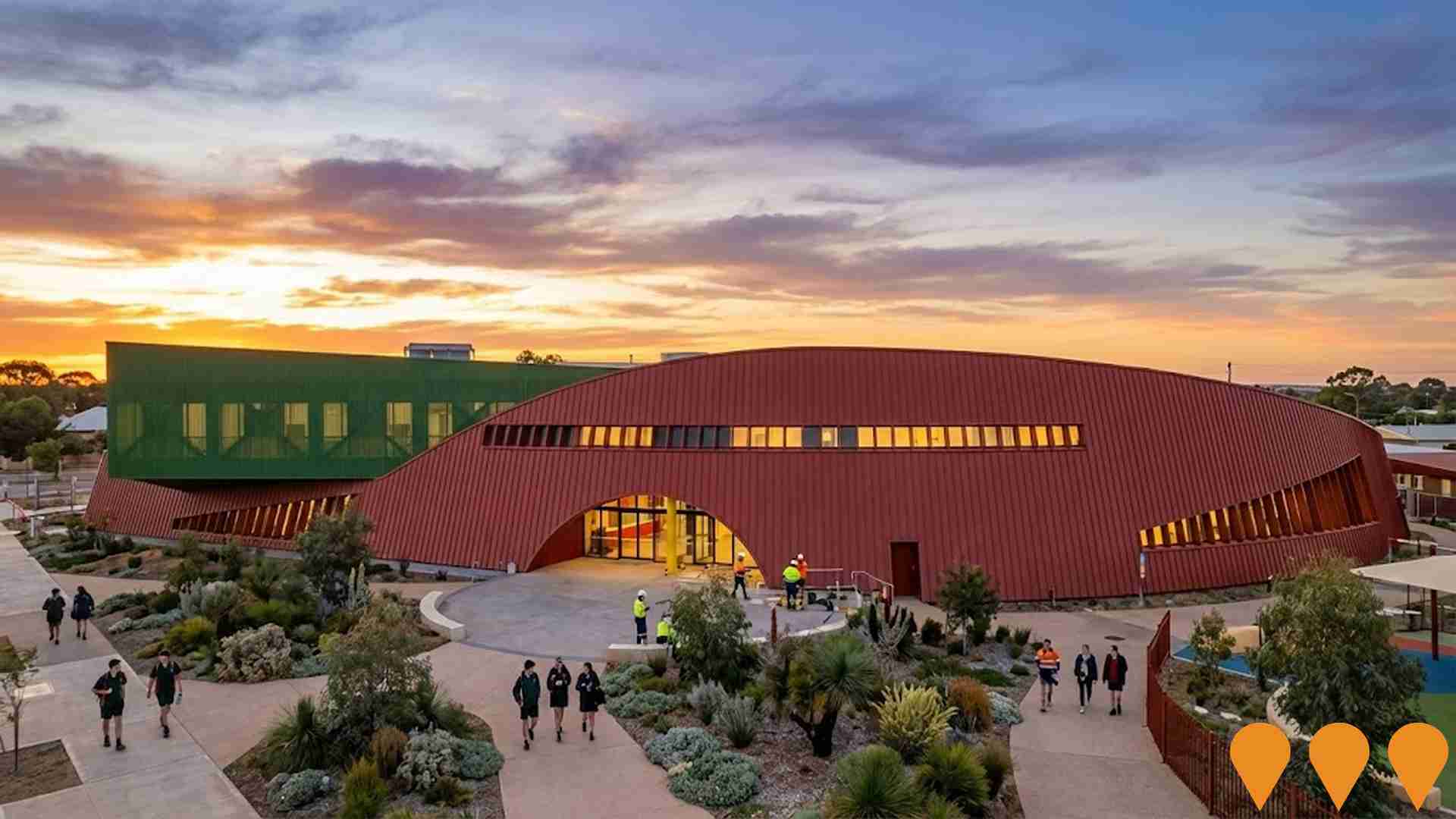
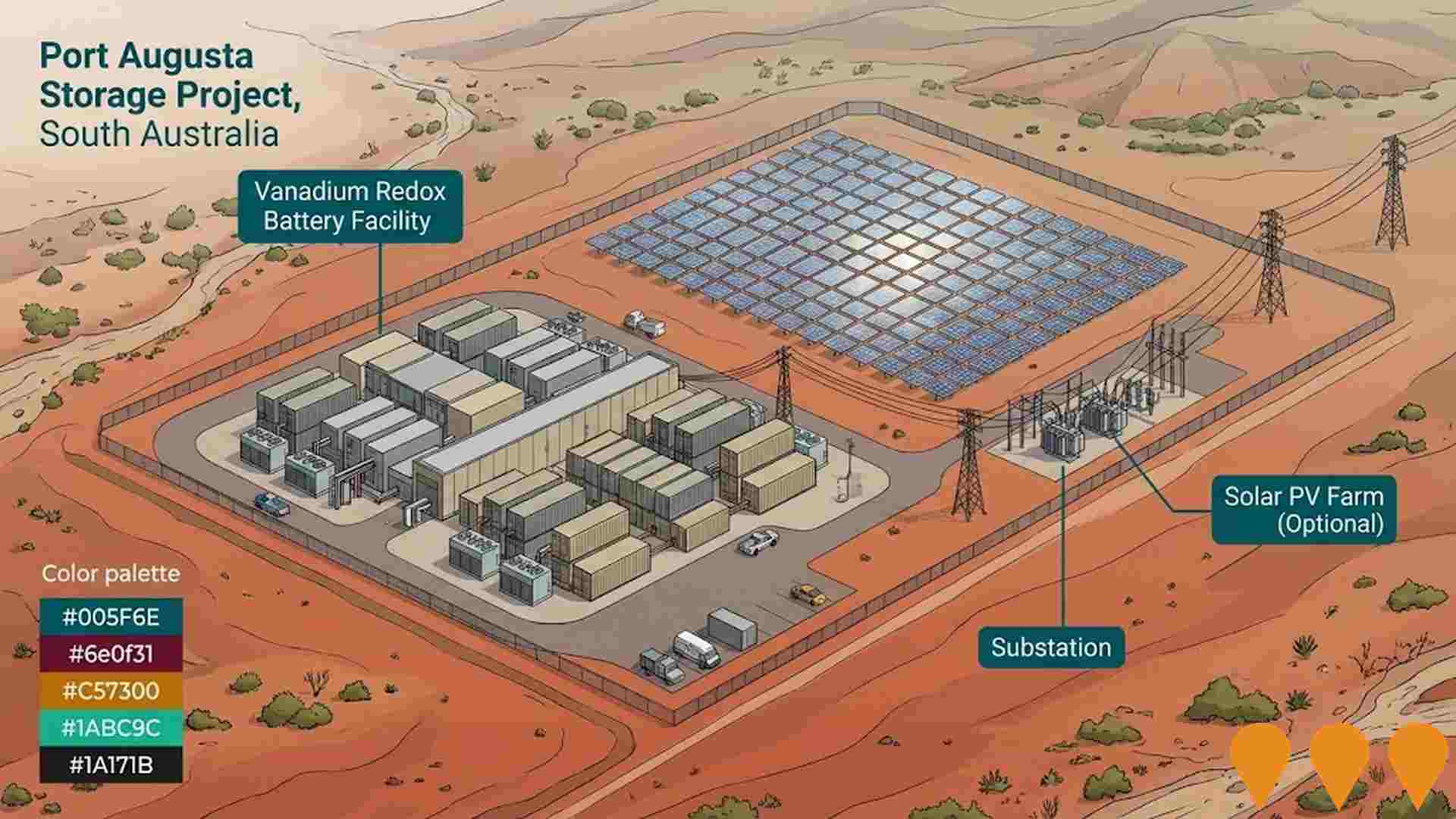
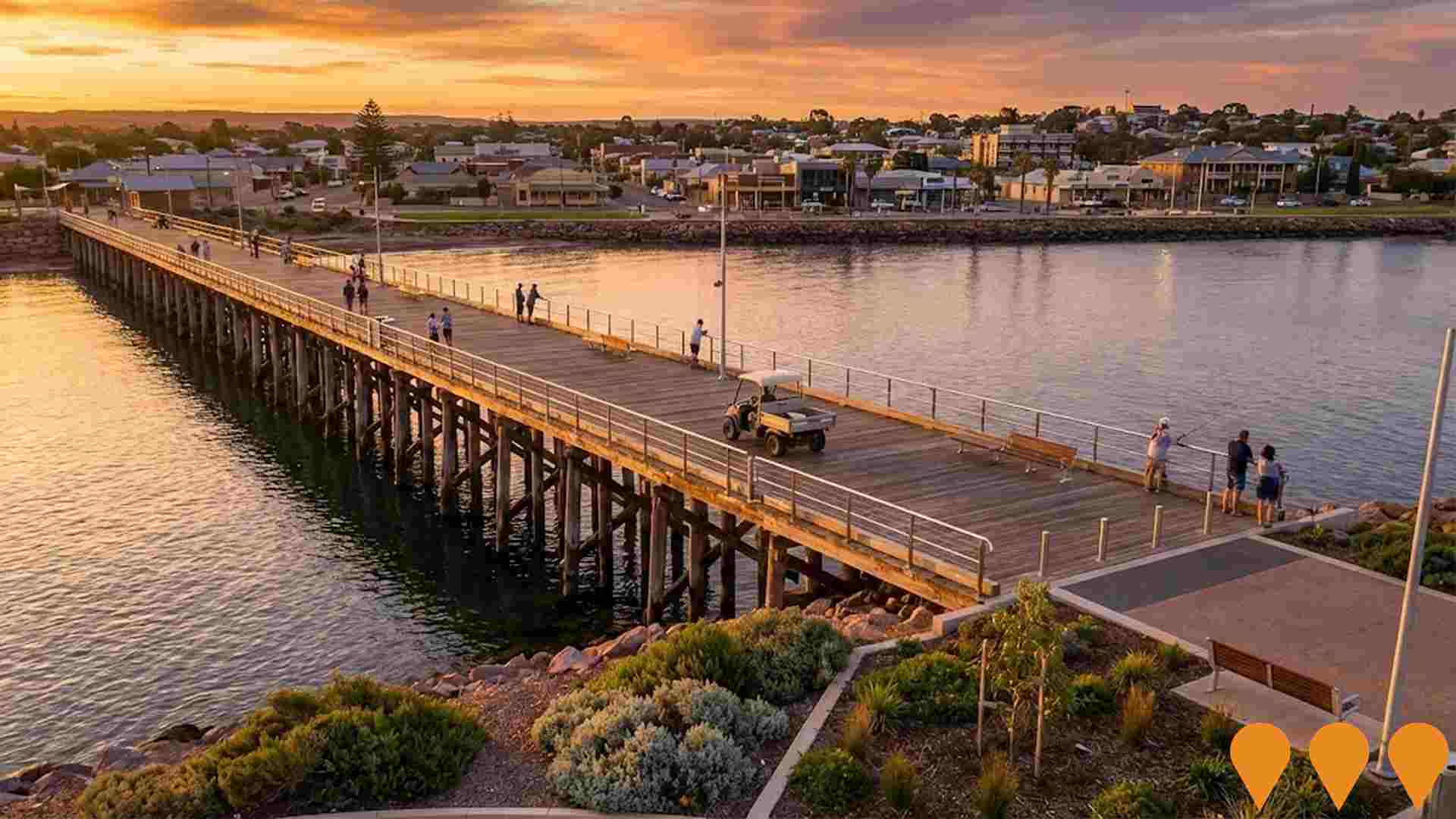
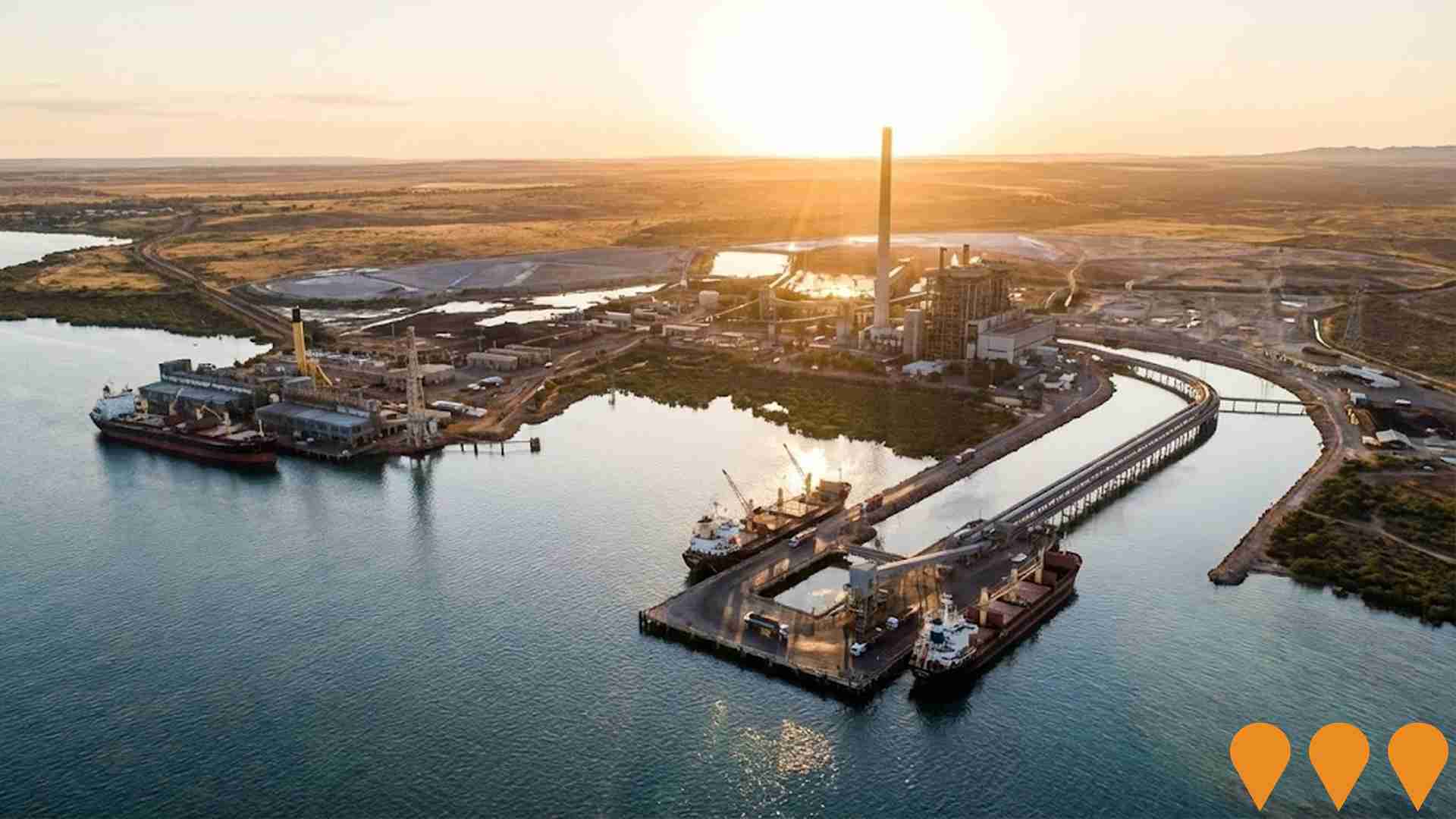
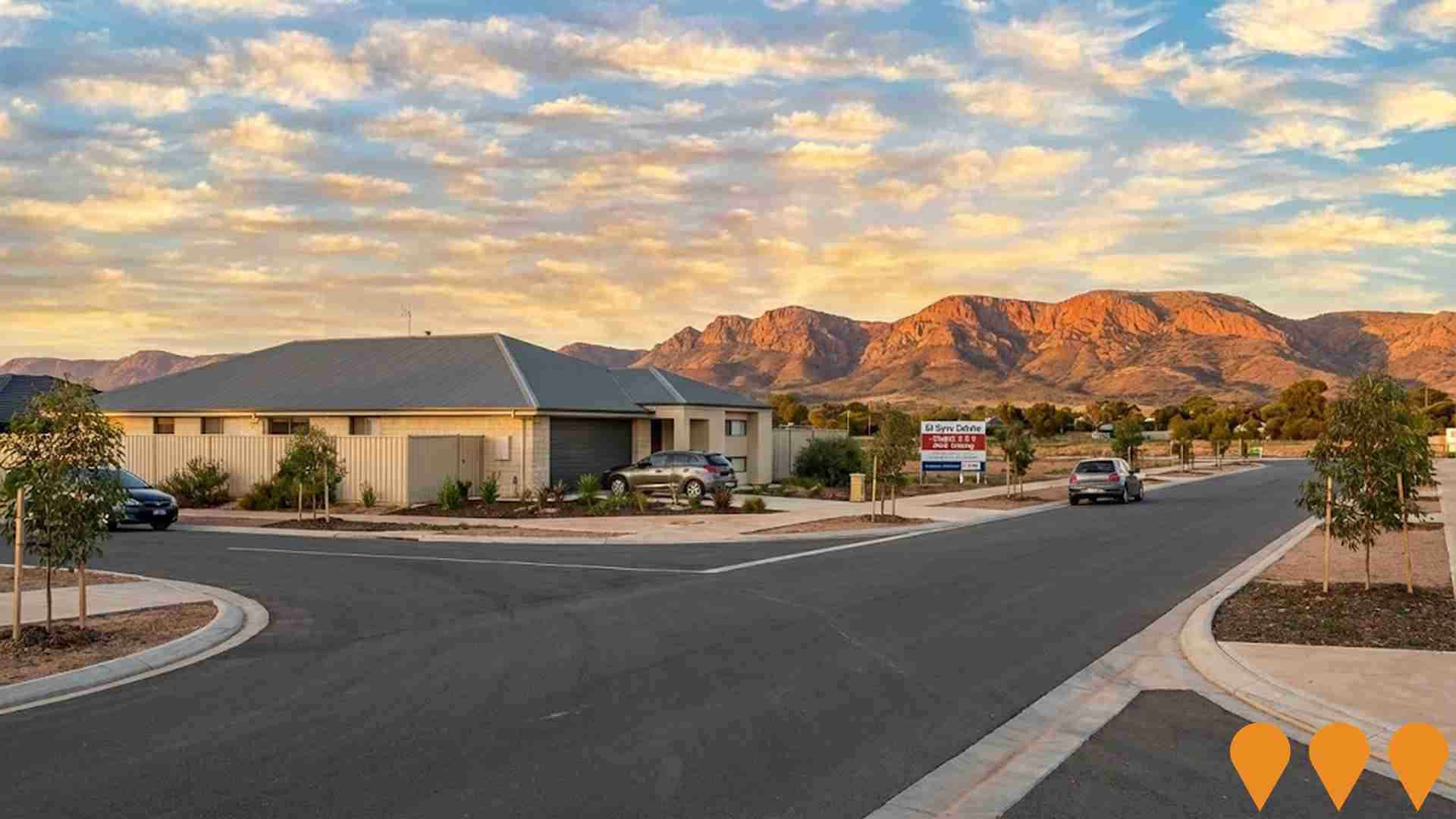
 Denotes AI-based impression for illustrative purposes only, not to be taken as definitive under any circumstances. Please follow links and conduct other investigations from the project's source for actual imagery. Developers and project owners wishing us to use original imagery please Contact Us and we will do so.
Frequently Asked Questions - Infrastructure
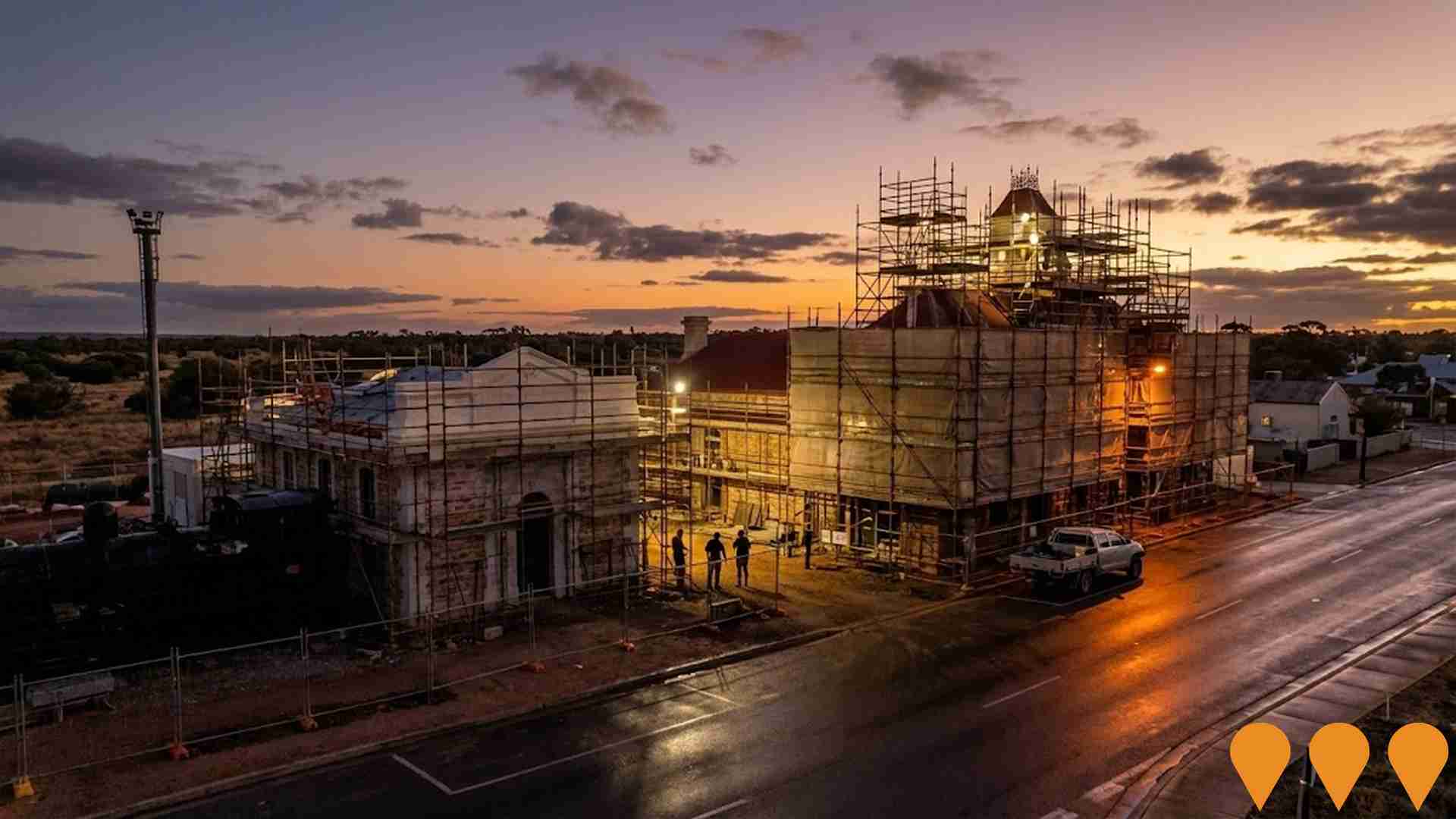
Silver to Sea Way
A major new touring route stretching from Silverton in New South Wales to Port Pirie. The project is a regional regeneration project to generate economic and social benefits through the use of heritage assets in regional and remote areas. Stage 1 follows the original railway line from the Trust's magnificent Port Pirie Railway Museum and Customs House, to Gladstone Gaol and the Peterborough Roundhouse.
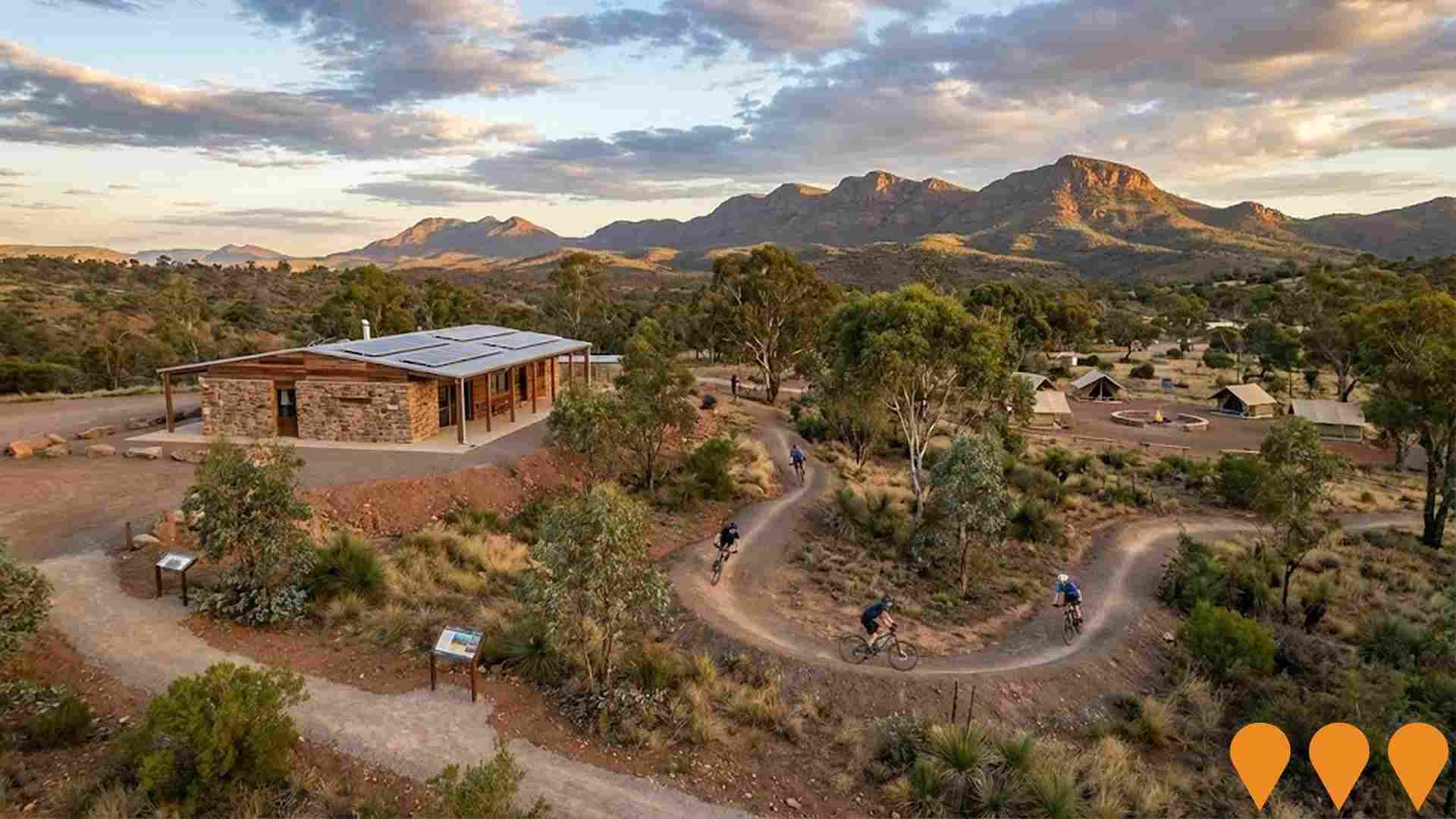
Wapma Thura-Southern Flinders Ranges National Park
Creation of a new national park by combining several existing conservation parks and adding new land. The project includes the development of new visitor facilities, campgrounds, and an international mountain biking destination at Mt Remarkable, along with new trails for hiking and cycling, including a new iconic multi-day hike.
Mid North South Australia REZ Expansion
The Mid North South Australia REZ Expansion would increase the capacity of the existing REZ from 1.7 gigawatts to a proposed two gigawatts. Works include: Construction of a 275-kilovolt (kV) double-circuit line between Bundey and Para; Disconnecting existing Waterloo-Templers 132-kV line at each end; Building a 132-kV single-circuit line from Templers West to Templers; A new 160-MVA, 275/132-kV transformer at Templers West.

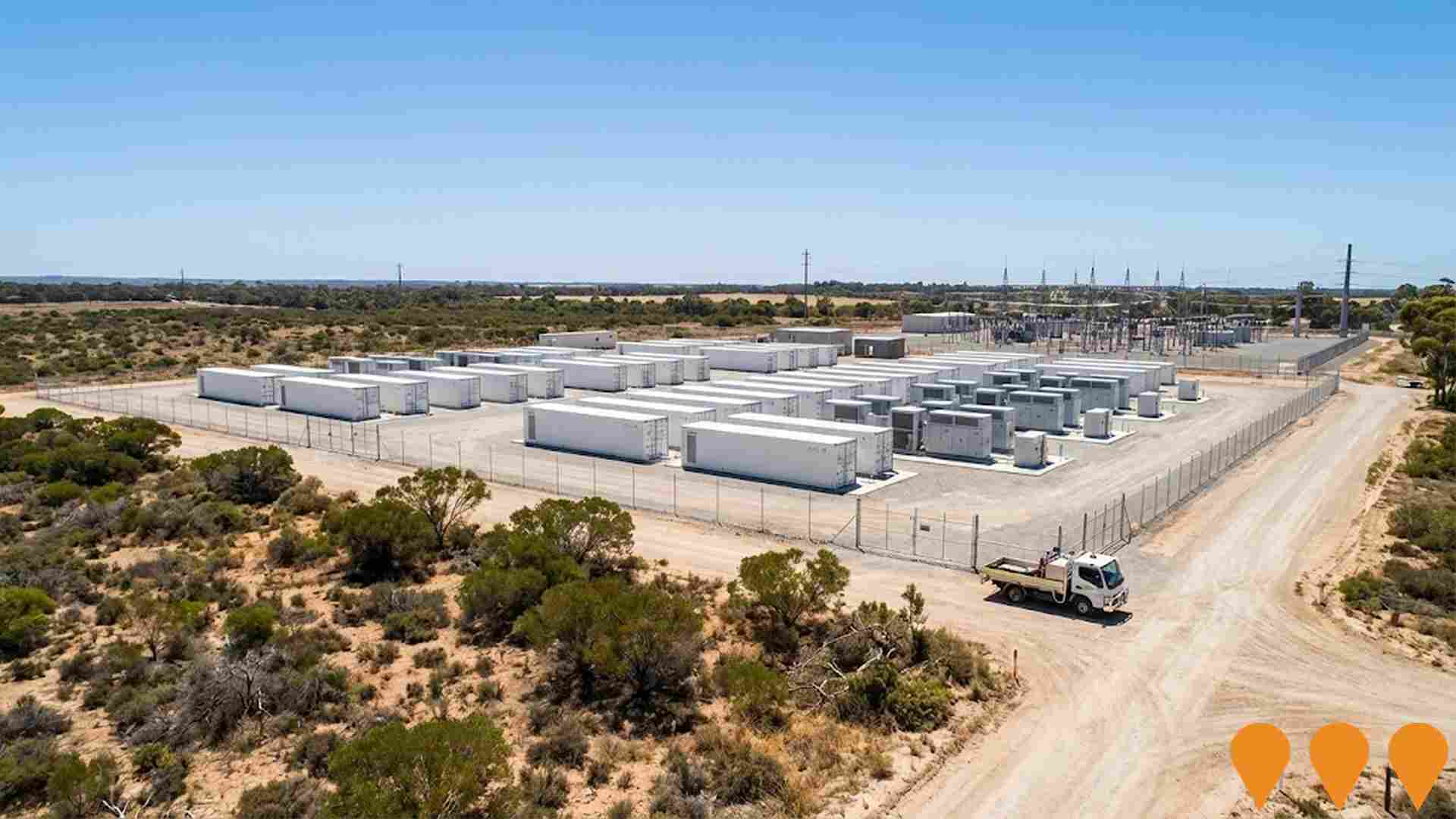
Bungama Battery Project
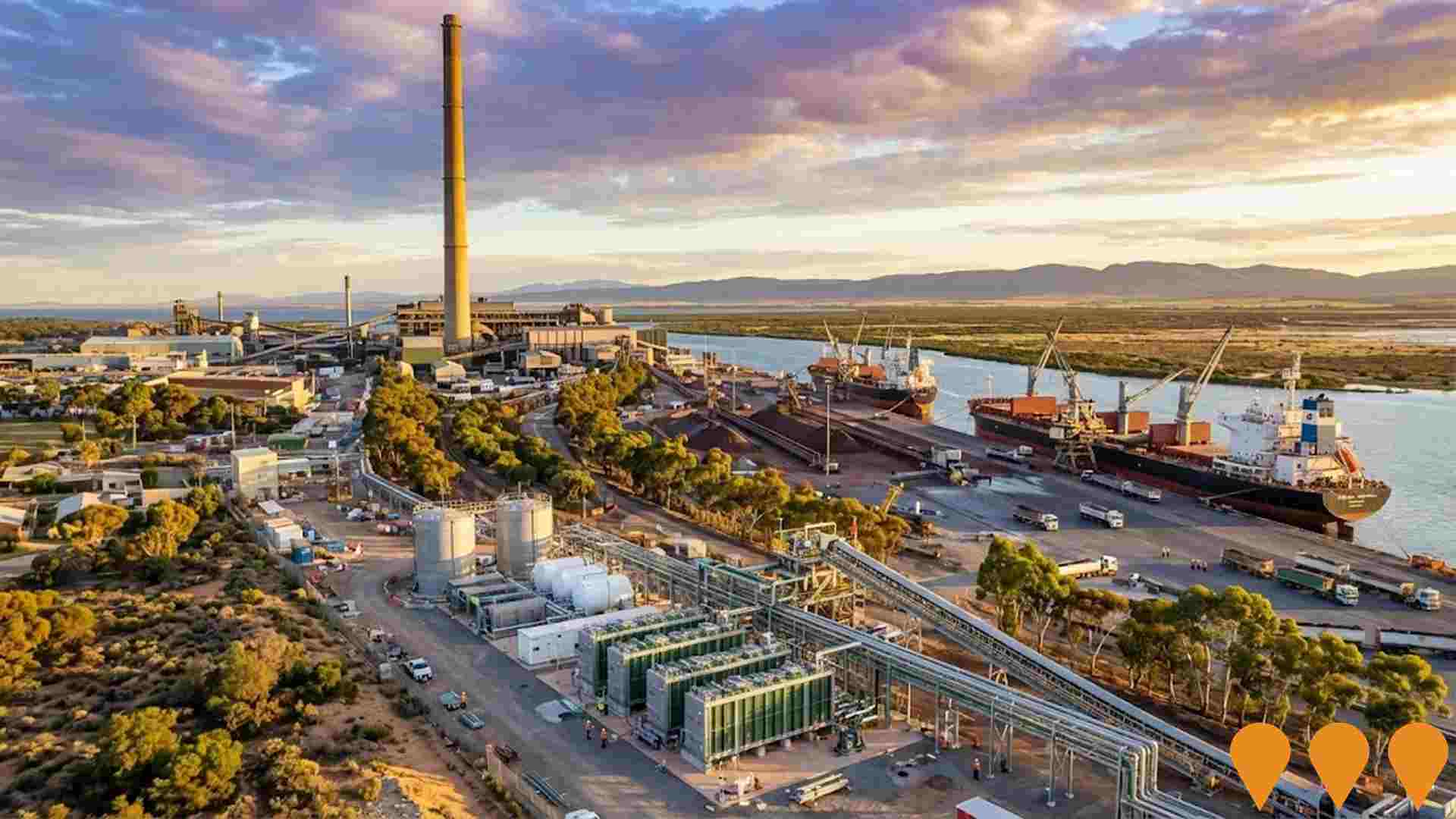
Amp Energy's Bungama Battery Project introduces a 250MW/500MWh energy storage facility near Port Pirie, South Australia, featuring grid forming inverter technology, adjacent to the 275kV Bungama Substation.
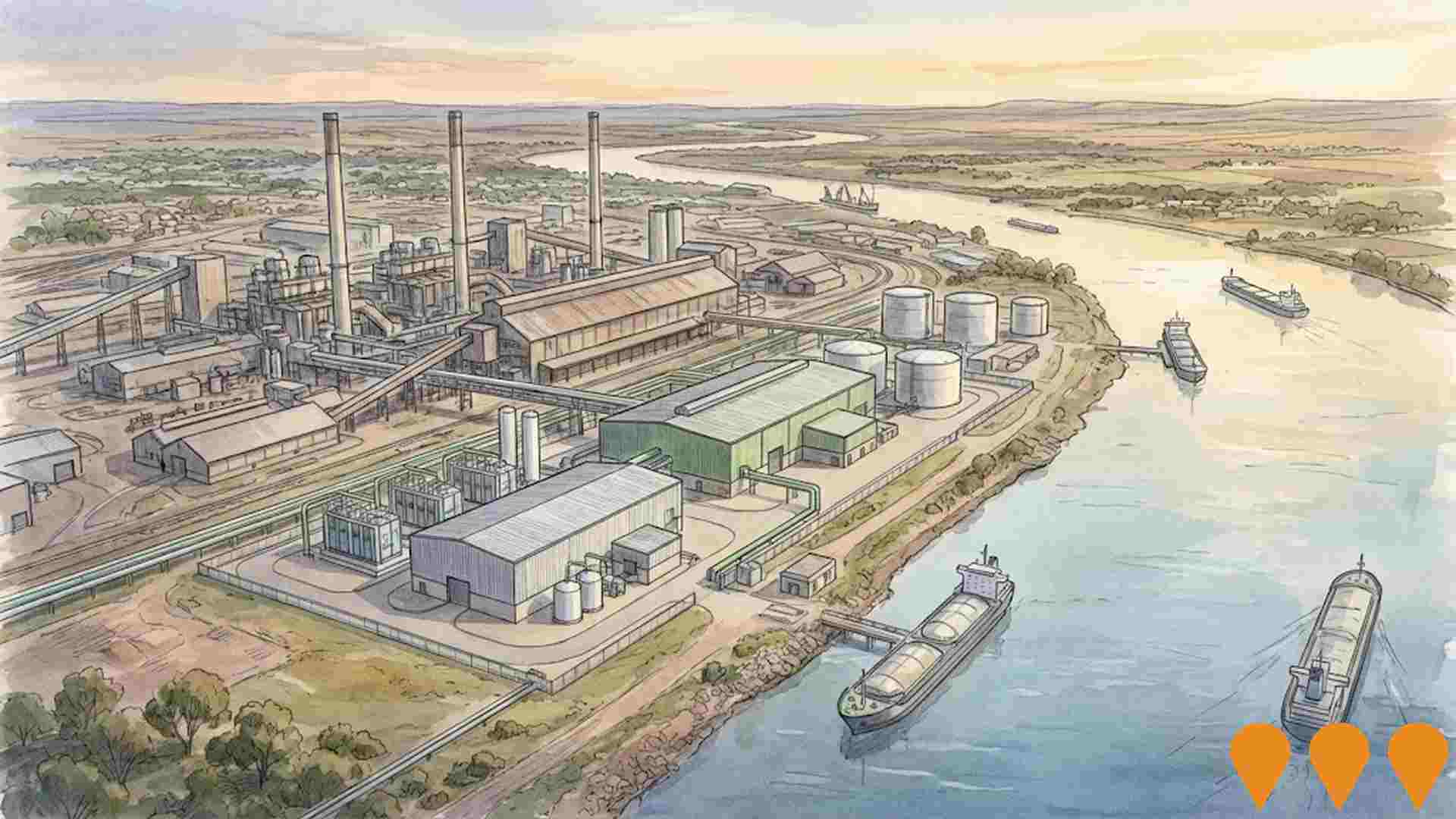
Port Pirie Green Hydrogen Project
Trafigura, together with Nyrstar and the South Australian Government, announced plans in December 2021 for a commercial scale green hydrogen and ammonia facility integrated with the Nyrstar Port Pirie smelter (initially 20 tpd H2, scaling to 100 tpd from a 440 MW electrolyser). Following a feasibility/FEED study jointly funded with the state, Trafigura abandoned the project in March 2025. Government statements and multiple reports confirm the project has been shelved and archived, citing market and cost challenges.No construction occurred.
Greening Port Pirie Program
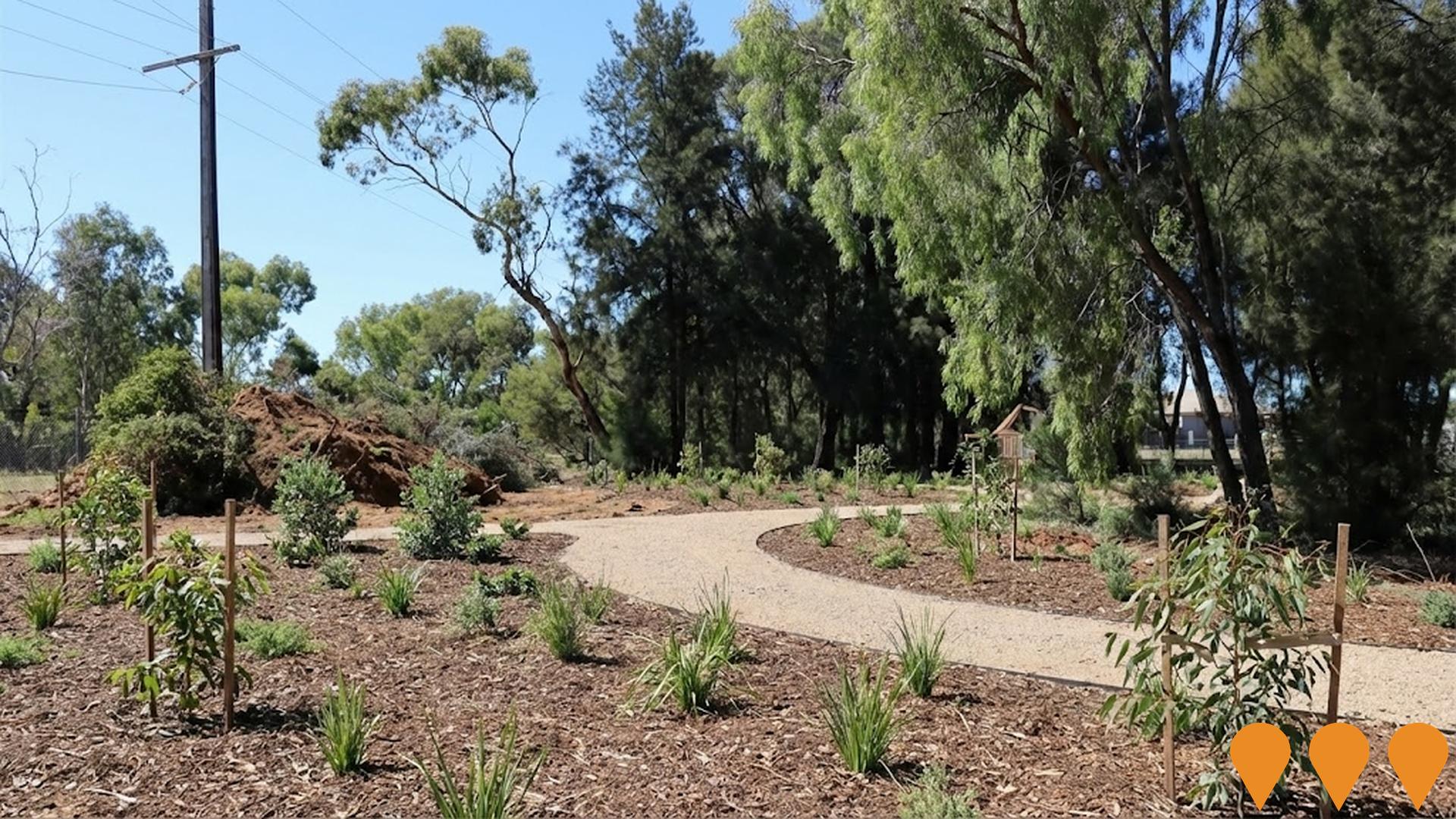
A state-funded partnership between the SA Government, Port Pirie Regional Council, and SA Water focused on reducing lead exposure through extensive urban greening and dust suppression. Key components include the redevelopment of Phoenix Park Wetlands, Water Sensitive Urban Design streetscaping along The Terrace, and the greening of the Port Pirie Railway Yards using native vegetation.
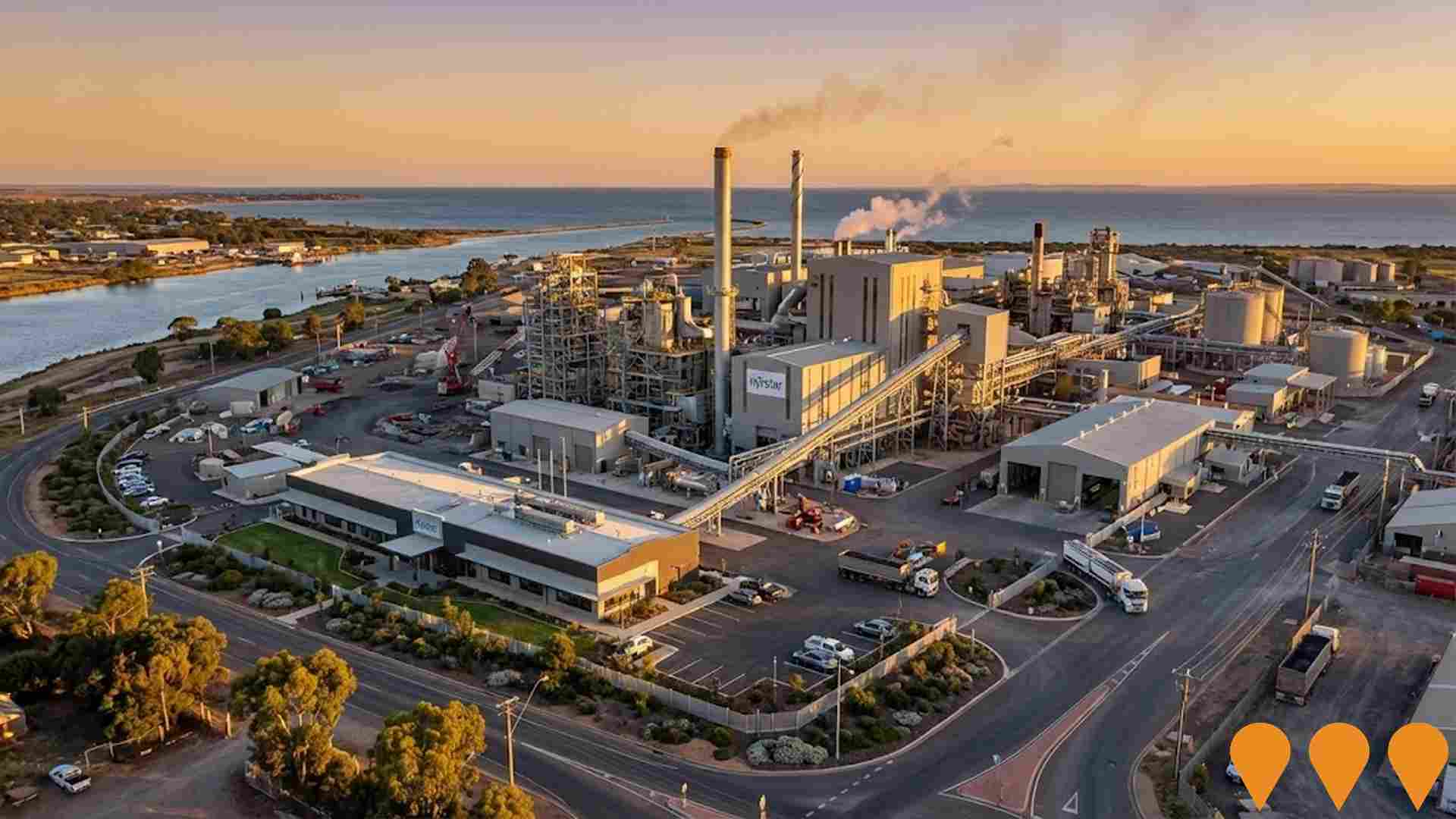
Nyrstar Port Pirie Smelter Transformation
Major redevelopment of the Nyrstar lead-zinc smelter at Port Pirie to implement advanced PAR (Port Pirie Advanced Recycling) technology, significantly reducing lead-in-air emissions, modernising the facility and securing its long-term future. The A$750 million transformation project reached full mechanical completion in 2023 with final commissioning and performance testing completed in 2024.
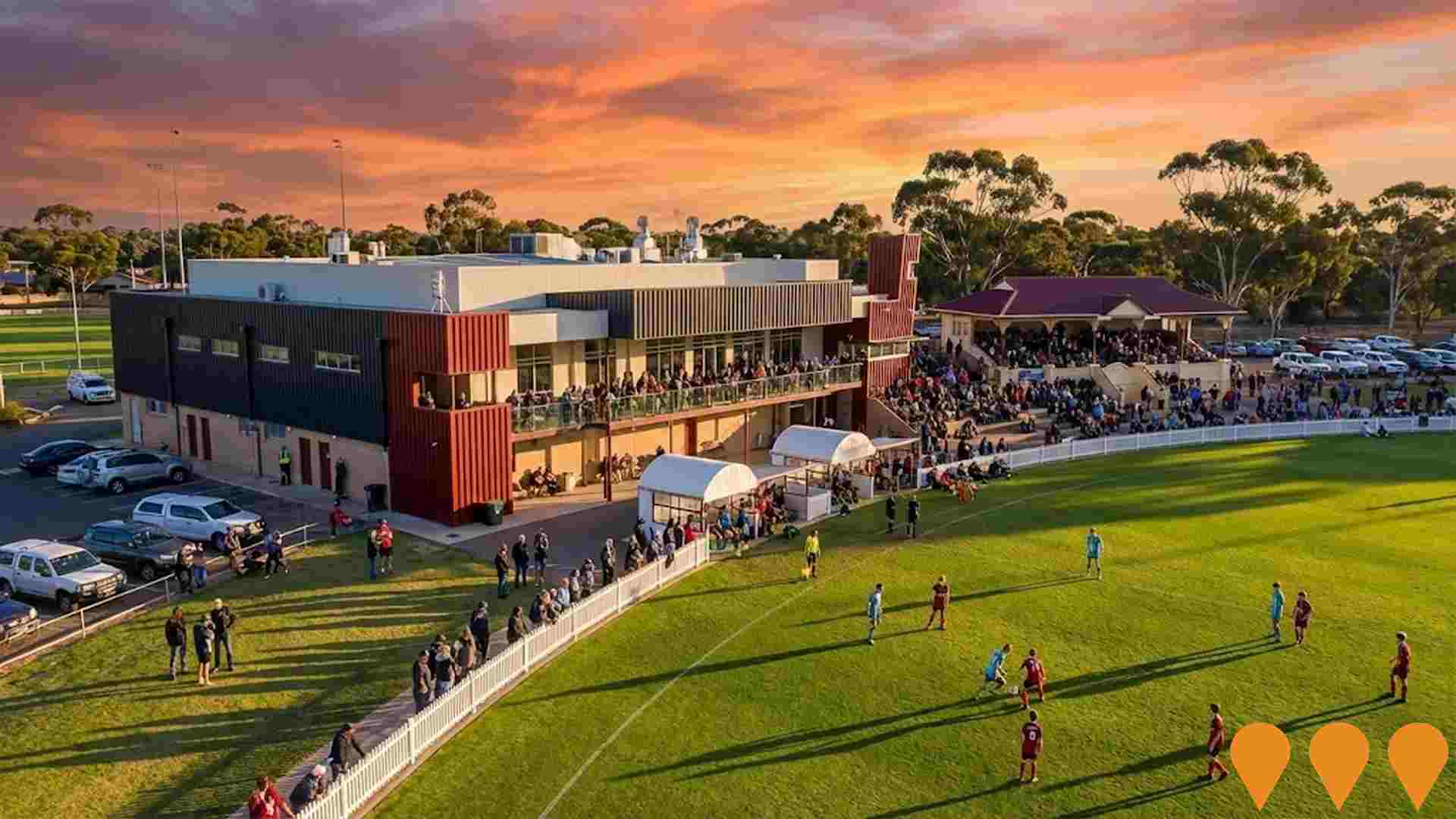
Court Sports Facility Precinct Concept
Port Pirie Regional Council is progressing feasibility investigations and concept planning for a joint multi-use court sports precinct proposed on the Port Pirie Tennis Association site on The Terrace. The concept includes indoor basketball and netball courts, outdoor tennis and netball courts, supporting amenities and future expansion. Council continues to work with sporting associations to refine the concept and pursue external grant funding before detailed design and construction.

2,357 residents of Peterborough - Mount Remarkable are employed, from a labour force of 2,529. Unemployment sits at 6.8%, with participation at 53.8%. Weighted for its industry mix, the area's sectors are forecast to grow about 5.3% nationally over five years. That reflects industry composition only and makes no allowance for local population growth. The working-day population is estimated at 4,943, about 91% of the resident population, so more people leave the area for work than travel in. Unemployment and labour force come from ABS Small Area Labour Markets, updated quarterly; the industry and occupation profile is from the 2021 Census.
Detail
The local labour market in Peterborough - Mount Remarkable features an even distribution between professional and vocational roles, supported by strong representation across essential services, an unemployment level of 6.8%, and a 3.7% yearly rise in employment. By March 2026, working residents numbered 2,357, while the jobless rate sits 1.3% higher than the Regional SA benchmark of 5.5%, accompanied by a participation rate of 53.8% (lagging the 58.3% recorded across Regional SA). Additionally, Census data showed that 16.3% of workers operated remotely from home, a metric potentially shaped by Covid-19 restrictions.
Major employment sectors throughout the region comprise agriculture, forestry & fishing, health care & social assistance, as well as education & training. The local economy shows a distinct concentration in agriculture, forestry & fishing, where jobs are concentrated at 1.8 times the broader regional benchmark. By contrast, the manufacturing industry accounts for only 4.7% of the workforce, below the 9.3% observed in Regional SA. Comparing the tally of working residents against local Census jobs suggests a relatively constrained pool of employment opportunities within the boundary itself. Evaluation of SALM and ABS statistics shows that during the year leading to March 2026, local headcount grew by 3.7% and the overall labour pool expanded by 3.4%, allowing the unemployment rate to reduce by 0.3 percentage points. In contrast, Regional SA saw employment grow by 1.2% alongside a 2.6% increase in the workforce, leading to a 1.4 percentage point rise in unemployment. Long-range projections from Jobs and Skills Australia as of Mar-26 provide additional context regarding future labour requirements in Peterborough - Mount Remarkable. These five- and ten-year models, mapped against local occupational distributions, anticipate varying sector performance; across the country, overall workforce expansion is projected at 6.6% over five years and 13.7% over ten years. Applying these industry growth expectations to the local workforce structure indicates prospective employment increases of 5.3% over five years and 11.8% over ten years (note that this extrapolation uses sector weighting for context and excludes local population projections).
Frequently Asked Questions - Employment
Median household income in Peterborough - Mount Remarkable is $931 a week (about $48,000 a year), with median personal income at $534 a week. ATO records put median taxable income at $42,863 a year against an average of $52,818. Household income is from the 2021 Census; taxable income is from ATO Taxation Statistics for the latest financial year available, indexed forward using the ABS Wage Price Index.
Detail
ATO taxation statistics for financial year 2023 indicate that earnings across the Peterborough - Mount Remarkable SA2 track below countrywide medians, recording a median income of $42,863 and an average of $52,818. These numbers compare to Regional SA figures of $48,920 (median) and $58,933 (average). Factoring in the 10.17% increase in the Wage Price Index since financial year 2023, updated figures for March 2026 are estimated at roughly $47,222 for median earners and $58,190 on average. In the 2021 Census, personal, family, and household earnings throughout the area ranked within the bottom 1st to 5th percentiles nationally.
Individual earnings are heavily concentrated in the $400 - 799 weekly range, covering 32.1% of residents (1,737 people), contrasting with regional distributions where 27.5% earn between $1,500 - 2,999. Household budgets experience notable pressure, with 43.7% managing on less than $800 weekly. Even though residents retain 92.3% of income after housing expenses, net spending capacity sits in the 5th percentile across Australia.
Frequently Asked Questions - Income
Peterborough - Mount Remarkable had 2,212 occupied dwellings at the 2021 Census, 97% detached houses and 0% apartments. 26% are owned with a mortgage, 16% rented and 58% owned outright. At that Census the median rent was $165 a week and the median mortgage repayment $758 a month. Rent absorbs 17.7% of household income here and mortgage repayments 18.8%. Dwelling stock, tenure and housing costs are 2021 Census measures — the only source that counts dwellings at this boundary size.
Detail
According to the latest Census, the housing landscape in Peterborough - Mount Remarkable is dominated by separate houses at 97.1%, with attached dwellings, units, and other structures accounting for 3.0%, compared with 88.5% houses and 11.5% other formats across Regional SA. Outright home ownership is notably elevated at 58.2% (exceeding regional benchmarks), while mortgaged properties make up 25.8% and rented dwellings represent 16.0%. Typical monthly mortgage commitments stood at $758, significantly lower than the Regional SA average of $1,153, while weekly median rent was $165 compared to $220 regionally. Compared nationally, local mortgage repayments sit far beneath the Australian norm of $1,863, and weekly rents are markedly lower than the national benchmark of $375.
Frequently Asked Questions - Housing
Peterborough - Mount Remarkable counted 2,212 households at the 2021 Census, averaging 2.1 people each. 18% are couples with children, fewer than in 91% of areas nationally, against 36% couples without children. 36% of households are people living alone, and families average 2.1 children. Household and family composition is measured only by the Census, so these are 2021 figures.
Detail
Families constitute the majority of domestic living arrangements at 62.2%, comprising couples without offspring (35.8%), couples with dependents (17.8%), and single parent households (7.6%). The remaining 37.8% consists of non-family homes, divided between solo occupants (35.6%) and shared group arrangements (2.4%). Average occupancy sits at 2.1 people per home, slightly below the Regional SA benchmark of 2.3.
Frequently Asked Questions - Households
13.3% of adults in Peterborough - Mount Remarkable hold a university qualification, including 9.7% with a bachelor degree and 1.4% with postgraduate qualifications, lower than 91% of areas nationally. A further 29.5% hold a vocational qualification. 7 schools serve the area, with 557 enrolment places and an average ICSEA of 939 against a national benchmark of 1,000. Qualifications come from the 2021 Census; school enrolments, ICSEA and results come from ACARA's current release.
Detail
Attainment figures show that tertiary qualification rates in the region stand at 13.3%, trailing the countrywide average of 30.4%. This gap highlights key targets for regional training programs. Among university graduates, bachelor qualifications represent 9.7%, graduate diplomas comprise 2.2%, and postgraduate awards account for 1.4%. Vocational pathways remain prominent, with 38.8% of individuals aged 15+ holding practical credentials, including advanced diplomas (9.3%) and trade certificates (29.5%). Around 24.6% of local residents are actively engaged in formal study. This student cohort includes 11.0% enrolled in primary education, 7.8% attending secondary institutions, and 1.3% undertaking tertiary studies.
Frequently Asked Questions - Education
Schools Detail
Getting around Peterborough - Mount Remarkable means driving: households keep an average of 1.7 vehicles, and scheduled services reach only a handful of stops. Service data is built from operators' published GTFS timetables; vehicle ownership is from the 2021 Census.
Detail
Public transit infrastructure across Peterborough - Mount Remarkable comprises 15 operational passenger stops served by 10 routes that generate 31 weekly services in total. Commuter convenience is relatively constrained, with the average distance to a stop measuring 2428 meters. Because the locality is primarily residential, outward travel is common, with private cars accounting for 85% of journeys and walking representing 11%. Motor vehicle availability averages 1.7 cars per dwelling, higher than regional figures, while 16.3% of workers worked from home during the 2021 Census under potential COVID-19 influences. Across all transit lines, services run at an average of 4 trips per day, delivering around 2 weekly departures at each individual stop.
Frequently Asked Questions - Transport
Transport Stops Detail
58.5% of residents in Peterborough - Mount Remarkable report no long-term health condition, a less healthy profile than 83% of areas nationally. 8.2% need daily assistance with core activities, and 46.3% hold private health cover. The standardised death rate runs at 6.2 per 1,000 residents. Health conditions, assistance needs and insurance are 2021 Census measures; the death rate comes from current ABS releases.
Detail
Local health assessments by AreaSearch indicate significant clinical challenges regarding chronic disease and mortality, with notable health issues observed across younger and older age groups alike. Coverage through private health insurance is particularly subdued at roughly 46% of the population (~2,505 people), lagging behind Regional SA at 48.9% and the national standard of 55.7%. Arthritis and mental health conditions represent the most prevalent diagnoses locally, reported by 12.9% and 8.8% of the community respectively, while 58.5% of residents report no chronic health ailments (compared with 62.5% across Regional SA). Working-age individuals face elevated chronic health burdens, while seniors aged 65 and over make up 36.2% of the local population (1,956 people), surpassing the 27.1% recorded regionally and ranking higher against national benchmarks.
Frequently Asked Questions - Health
Peterborough - Mount Remarkable is largely Australian-born, at 90.8% of residents, with 1.9% speaking a language other than English at home. The largest reported ancestries are English (33.6%) and Australian (32.9%). 3.0% of residents identify as Aboriginal and/or Torres Strait Islander. Ancestry, language and country of birth are counted only by the Census, so these are 2021 figures.
Detail
Cultural diversity measures in Peterborough - Mount Remarkable track below broader benchmarks, with Australian citizens comprising 87.8% of the population, 90.8% born locally in Australia, and 98.1% using exclusively English at home. Christianity is the predominant religious faith, shared by 52.7% of residents, in contrast to 45.2% across Regional SA. Regarding ancestral backgrounds based on parental birthplace, the primary ancestries declared are English (33.6%), Australian (32.9%), and German (8.3%). Certain demographic segments show notable variance from regional patterns: Welsh heritage accounts for 0.6% (compared to 0.5% regionally), Scottish heritage represents 8.2% (versus 7.1%), and Australian Aboriginal background constitutes 3.0% (relative to 3.3%).
Frequently Asked Questions - Diversity
The median resident of Peterborough - Mount Remarkable is 55, older than 96% of areas nationally. 14.0% of residents are aged 15 to 34. Age cohorts are not raw Census counts: the Census split is re-based to the latest ABS population estimates and state projections.
Detail
The age demographic of Peterborough - Mount Remarkable firmly establishes it as a destination for retirees and lifestyle living. Residents aged 65 and over make up an estimated 36.2% of the population as at August 2026, well above the 27.1% seen in Regional SA, while younger adults aged 25 - 44 account for 14.4% compared to 21.4% regionally. The estimated median age sits at 55 as at August 2026, remaining stable from the 2021 Census and exceeding the Regional SA figure of 47 (and the national median of 38) recorded at that Census.
Since that time, the 65+ demographic expanded from 30.4% to an estimated 36.2%, driven primarily by the local ageing of existing residents, with the 55 to 64 band dropping from 20.1% to an estimated 17.4% while the 65 to 74 group rose from 17.8% to 21.2%. Projections to 2041 anticipate senior cohorts contributing the largest absolute gain, increasing by 354 (18%) to 2,311 individuals, while child, young adult, middle-aged, and younger retiree cohorts are set to decrease.
Frequently Asked Questions - Age
Data & MethodBoundaries, Sources & Method for Peterborough - Mount Remarkable
8 of 14 data sections on this page were updated within the last 12 months — the newest current to Oct 2026.
Everything is aggregated to the SA2 boundary shown above, on a 2021 Census baseline. Only 3 sections — housing, households and cultural diversity — still wait on the 2026 Census.
The ledger — source, cycle and currency by section
| Section | Source & update cycle | Currency |
|---|---|---|
| Updated within the last 12 months 8 sections | ||
| Population | ABS, GNAF, Geoscience Australia Annual (ABS ERP) | Aug 2026 2 months ago headline measures · 2021 Census baseline |
| Re-based to the ABS Estimated Resident Population (June 2025 release) and updated with new dwellings from GNAF address data. Current to Aug 2026, with the 2021 Census supplying the small-area baseline. | ||
| Age profile | ABS, Geoscience Australia, State governments Annual | Aug 2026 2 months ago headline measures · 2021 Census baseline |
| Age cohorts are re-based to the latest ABS population estimates and state projections, current to Aug 2026. Each cohort is held as a Census baseline and a current estimate. | ||
| Development & approvals | ABS, GNAF Monthly (ABS approvals) | Aug 2026 2 months ago headline measures · Jul 2026 baseline |
| Property sales & rents | Valuer General, Rental Board, ABS Weekly sales, quarterly rents | Oct 2026 this month headline measures · Sep 2026 baseline |
| Sales from the state Valuer General register, refreshed weekly, and rents from quarterly rental bond lodgements. Both are read live each time this page loads, current to Oct 2026. | ||
| Employment | ABS, DEWR, JSA Quarterly (ABS SALM) | Mar 2026 7 months ago headline measures · 2021 Census baseline |
| Unemployment and labour force from ABS Small Area Labour Markets, current to Mar 2026. The growth outlook applies Department of Employment (now Jobs and Skills Australia) forecasts for all 19 industry divisions to the local industry mix, so it measures sector composition rather than local expansion and makes no allowance for population growth. Job demand comes from the same agency via its Internet Vacancy Index; industry and occupation structure from the 2021 Census. | ||
| Education | ABS, ACARA Annual (ACARA) | Sep 2026 last month headline measures · 2021 Census baseline |
| Transport | ABS, State Transport Departments Each timetable release | Jul 2026 3 months ago headline measures · 2021 Census baseline |
| Services & amenities | Provider directories, ACECQA Continuous | Sep 2026 last month all 14 measures |
| Annual and financial-year sources 3 sections | ||
| Infrastructure projects | Infrastructure Australia, State agencies, Local governments Daily | Jul 2025 about a year ago all 3 projects tracked here |
| Project pipeline maintained continuously from Infrastructure Australia, state agencies, local government and public announcements. Records are added and revised daily; this area was last updated Jul 2025. | ||
| Income | ABS, ATO Annual (ATO) | FY 2023 3 years ago headline measures · 2021 Census baseline |
| ATO taxable income statistics for FY 2023, indexed forward using the Wage Price Index. Census household income provides the distribution detail. | ||
| Health | ABS, ATO Annual | 2024 2 years ago headline measures · 2021 Census baseline |
| Census-measured — next update: 2026 Census 3 sections No more current small-area source exists for these, so they are labelled as Census-measured rather than implied to be current. | ||
| Housing | ABS 5-yearly (Census) | 2021 Census next update 2026 all 30 measures |
| Households | ABS 5-yearly (Census) | 2021 Census next update 2026 all 18 measures |
| Cultural diversity | ABS, Geoscience Australia 5-yearly (Census) | 2021 Census next update 2026 all 44 measures |
"Currency" is the most recent release feeding that section. Where the Census supplies the structural baseline underneath a current headline figure, the row says so.
How the numbers are built
Population
The Census provides the small-area baseline, aggregated from mesh blocks to this boundary. It is then re-based to the ABS Estimated Resident Population (June 2025 release), and new dwellings built since Census night are counted from address data — 152 validated new addresses here. The headline figure is therefore a current estimate for Aug 2026, not a 2021 count (5,341 at the 2021 Census → 5,412 now). Annual growth rates are compound (CAGR), not simple averages.
Age profile
Cohort shares are not raw Census counts. Every cohort is held as a pair — the Census baseline and a current estimate — and the split is re-based using ERP and state population projections, current to Aug 2026. Median age is the Census median plus modelled change since. Charts that show both are labelled "2021 Census vs Current Estimate".
Property sales
Sourced from the state valuation authority's sales register — current, not Census, and refreshed weekly. Medians are calculated from settled transactions in the period shown; periods with very low transaction counts are flagged or suppressed, because a handful of sales can move a median substantially.
Rents
Derived from state rental bond lodgement data, by dwelling type and bedroom count. Bonds are lodged at the start of a new tenancy, so this reflects new lettings, not the whole rented stock.
Development & infrastructure
Building approvals come from current ABS releases; development applications are collected from council and state planning portals; the infrastructure pipeline is compiled from Infrastructure Australia and local government sources. Applications are matched to this boundary by address or coordinates, so very recent lodgements may not yet appear.
Employment & income
Industry and occupation structure comes from the Census, but the headline labour-market indicators do not. Unemployment and labour force are derived from ABS Small Area Labour Markets (quarterly). The employment outlook applies Department of Employment forecasts for all 19 industry divisions to this area's own industry mix (the agency is now Jobs and Skills Australia), as does the Internet Vacancy Index used for job demand. Because it is weighted on industry composition alone, that outlook carries no allowance for local population growth — in fast-growing areas the real rise in local jobs will typically be higher. Income combines Census household income with ATO taxable-income statistics for FY 2023, indexed forward using the Wage Price Index.
Education, transport & amenities
School enrolments, ICSEA and performance come from ACARA's current release, not the Census. Public transport stops and service frequency are derived from GTFS timetable feeds published by state transport departments. Services and amenities are proximity and count scores built from provider directories, refreshed on their own cycle. The Census contributes only the travel-to-work and qualification measures.
Rankings and benchmarks. Where we rank this area, the comparison set is every area of the same boundary type — suburbs against suburbs, SA2s against SA2s. Benchmarks compare this area against its greater capital city region and the national figure for the same measure and period.
Limits worth knowing. Small areas carry larger error margins, and the ABS introduces small random adjustments to Census counts to protect confidentiality — so totals may not sum exactly. Estimates re-based from regional data describe the area's expected trajectory, not a direct count of it. Figures are indicative for research and are not financial, planning or valuation advice.
Cross-check us. The Census baseline for this boundary is at ABS 2021 Census QuickStats (405031121). QuickStats reports 2021 only — the figures on this page are more current wherever the ledger shows a later date.