Child Care Devonport

Needs Analysis

Demand and supply analysis of Child Care Centres and demographic drivers for Devonport 7310. Key stats for childcare operators, investors and developers.

Updated May 24, 2026 16 Centres Pop: 14,881
Id Name Type Places Approval Distance (Km) Day Rate Availability

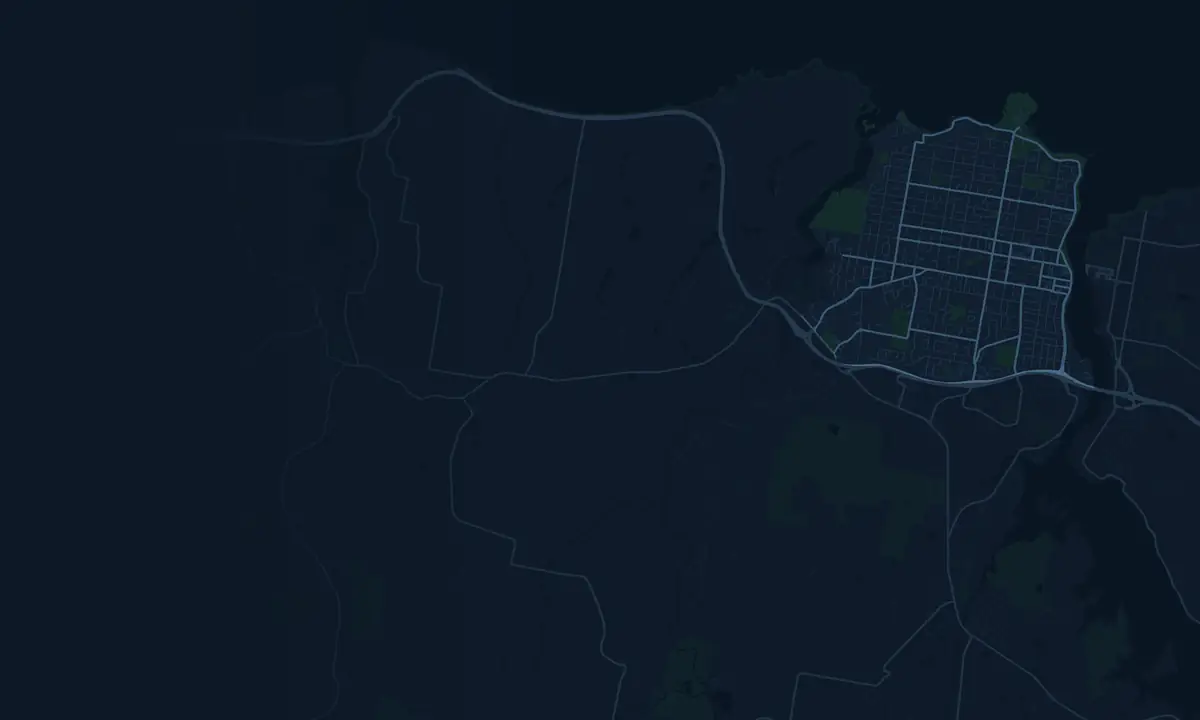
* Click centres on the map for more detail and custom analysis options.

Key Metrics

Devonport / Rest of Tas.

LDC Providers
LDC Providers
4
70
LDC Places
Total LDC Places
334
4,131
Population
Total Population
14,881
327,787
Per Place
Persons Per Place
44.6
-
Avg Age
Avg Centre Age
14.5 yrs
13 yrs
0-4 Pop
Population 0-4
706
15,735
Kids Per Place
0-4 Per LDC Place
2.11
3.7
Workforce
Workforce Impact
Significant
Standard
School Att
School Attendance
3,599
-
School Per LDC
School Per LDC Place
10.78
10.7
Avg Fee
Avg LDC Fee ($/day)
$174
$154
Other
Other Places (PSK/OOSH)
120
-

SOURCE: ACECQA, StartingBlocks, ABS data analysed by AreaSearch
Last updated:

Approvals Pipeline Childcare development approvals near Devonport

Development applications around Devonport

Development approvals is a new addition to AreaSearch. We’re actively expanding council coverage and refining the dataset — details and statuses for some councils may be partial. Check back regularly for the latest pipeline.
CC Approvals
In the local catchment
Proposed Places
Where disclosed
Under Assessment
Awaiting determination
Determined
Approved or decided
Approvals pipeline Status, location, timing and project scale

Loading childcare approvals…

Lodged Address Description Places Distance Status

SOURCE: Planning portals and council registers, compiled by AreaSearch. Distance & bearing measured from the suburb midpoint.

Devonport Child Care FAQ
What is the Child Care supply composition of Devonport?
As of our last update on May 24, 2026, there are 16 child care centres in Devonport. Of these, 4 centres provide Long Day Care with 334 places, 3 centres provide Out of Hours School Care offering 120 places, and 9 centres provide other child care services. The area is also serviced by 9 schools, collectively accommodating 3,599 enrolments.
What population do these centres in Devonport service?
AreaSearch's latest population estimate for Devonport as at May 2026 stands at a total of 14,881 people, of this 706 are estimated to be children under five years of age.
Why do your population numbers differ from Census figures for Devonport?
Some areas have changed considerably since the 2021 Census was undertaken. At the 2021 Census Devonport was assessed as having 14,481 people with 730 of these (5%) being children under 5 years old. Given changes in localised population estimates by the ABS we estimate that Devonport has experienced population growth of approximately 400 people from the 2021 Census.
How does the ratio of children per LDC place in Devonport compare to those in Rest of Tas.?
In Devonport, our latest analysis shows there are 2.1 resident children under 5yo per LDC place. This figure is significantly lower than the 3.7 children per place across Rest of Tas..
How do childcare fees in Devonport relate to those in Rest of Tas.?
Childcare fees in Devonport average $174, which is slightly higher than the regional average of $154 in Rest of Tas..
How does the ratio of school population per LDC place compare in Devonport and Rest of Tas.?
In Devonport, there are 10.8 students per LDC place. This figure is about the same as the 10.7 students per LDC place in Rest of Tas..
What is the average age of Long Daycare Centres in Devonport?
The average LDC in Devonport was approved 14.5 years ago, while across Rest of Tas. the typical centre approval is 13 years old.
Is the local workforce a significant driver of additional child care demand for Devonport?
Yes, workforce activity is significant in this area and is likely a key driver of child care demand.
Who would typically use analysis such as this?
Childcare operators, developers, investors and financiers would typically conduct a thorough child care supply and demand analysis (SDA) on Devonport before allocating the significant amount of capital required. Boundary-based analysis such as this is often used as an initial guide however, and analysis would be undertaken on the specific site adopting a radial, travel time, or custom catchment to take into account nearby competition and demand drivers that would influence a centre's performance.

Find & Assess a Centre

Search by name, postcode, or address to explore supply & demand for any child care or school catchment in Australia.

1
Search a centre
or location
2
Open the
catchment map
3
Run analysis
& get report
Explore More Nearby suburbs & deeper analysis